


Decoding what a second home is and the trend of second home ownership.
As the demand for vacationing and asset accumulation increases, the concept of what a second home is becomes familiar to many investors. Not just a place to rest, a second home also brings financial value and living experiences, contributing to shaping modern real estate trends.

▲Table of Contents
1. Nature of Second Home Real Estate in the New Era
1.1. Definition of Second Home and Basic Characteristics
A second home is understood as a second house owned by an individual or family, often located in areas with natural landscape advantages. According to the Law on Housing No. 27/2023/QH15, individuals have the right to own multiple legal residences. This type of property not only serves vacation needs but is also more clearly protected by law in business operations. Owners can self-manage or entrust business operations for accommodation services in accordance with the provisions of the Law on Real Estate Business No. 29/2023/QH15, creating a harmonious combination between living experience value and transparent financial exploitation.
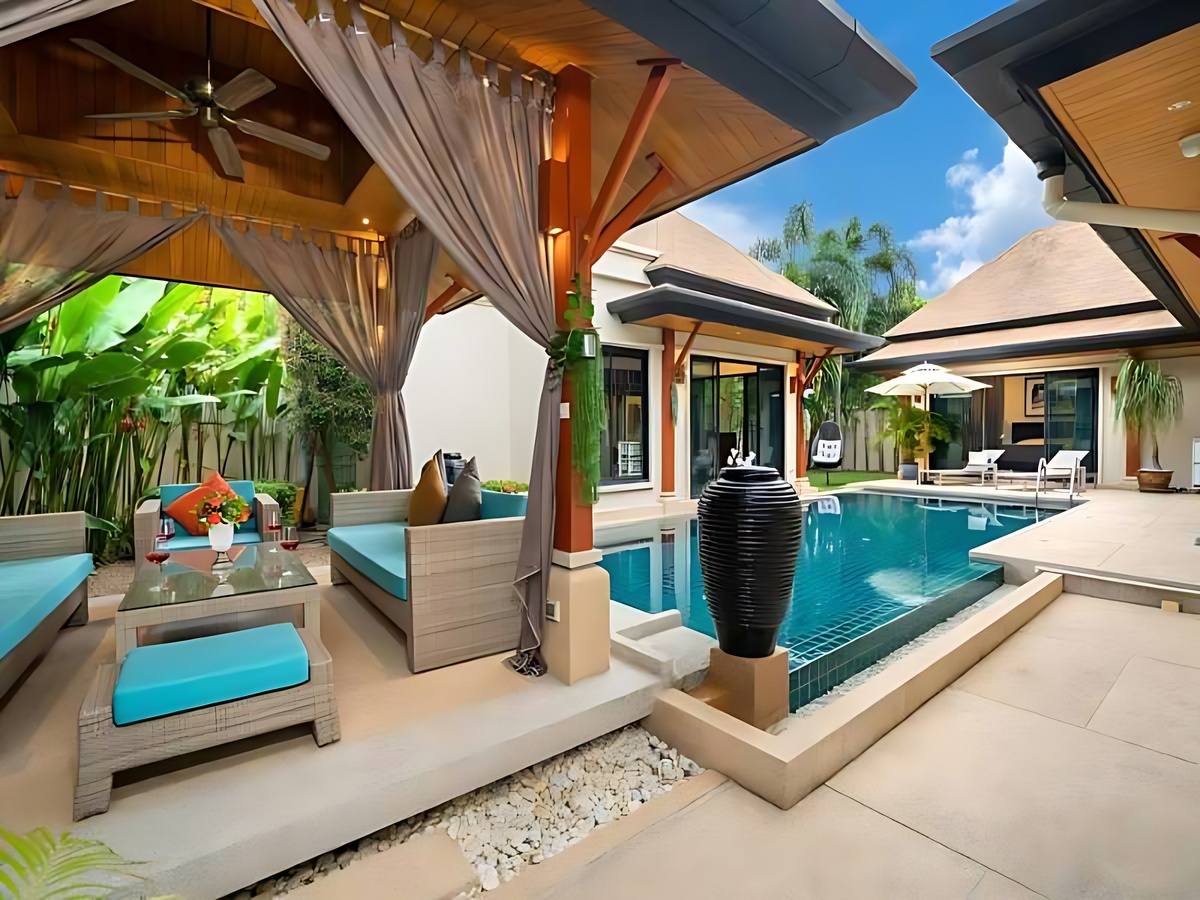
Second home is a second residence combining leisure and financial investment. (Source: Collected)
Second homes often appear in areas with a clean living environment, relatively complete tourism infrastructure, and convenient connectivity to major cities. A prominent characteristic of this type is high personalization, allowing owners to flexibly use it according to their own needs at different times. Furthermore, second homes also reflect the trend of multi-purpose real estate ownership associated with the needs for vacationing and asset accumulation.
1.2. Analysis of the differences between Second Homes and traditional housing
A primary residence is a place that serves regular living needs, associated with work and daily life, while a second home mainly serves leisure needs flexibly. The difference is clearly shown in the frequency of use, as a primary residence is used continuously, whereas a second home is often used during holidays or weekends. When analyzing, correctly understanding what a second home is helps clarify the distinct functions and roles of each type of real estate.
In terms of location, a primary residence is usually located in an urban area or near the workplace, while a second home prioritizes areas with natural landscapes and quiet spaces. The asset value of a second home is often linked to tourism potential and rental income possibilities, whereas a primary residence focuses on stable living needs. Therefore, these two types differ in both their purpose of use and the economic value they bring.
1.3. Popular types of second homes
The current market records many types of second homes such as coastal resort villas, hotel apartments, and garden houses in suburban areas. Each type is developed to meet different usage needs, from private space to flexible rental exploitation capabilities. In that context, understanding what a second home is helps to clearly identify each product in the resort real estate market.
Resort villas typically have large areas and focus on private experiences, while resort apartments are suitable for more flexible operational models. Suburban garden houses are associated with the trend of living close to nature and short-term retreats for urban residents. This diversity reflects the expanding demand in Vietnam's resort real estate market.
2. Role of second home in the new living trend
2.1. Demand for owning a secluded energy-recharging space
Second home creates a private resort space, helping owners temporarily escape the crowded urban environment and daily work pressure. Users can proactively manage their stay duration and experience private space without depending on traditional accommodation services. In the context of changing lifestyles, what a second home is is also seen as a solution to improve quality of life.
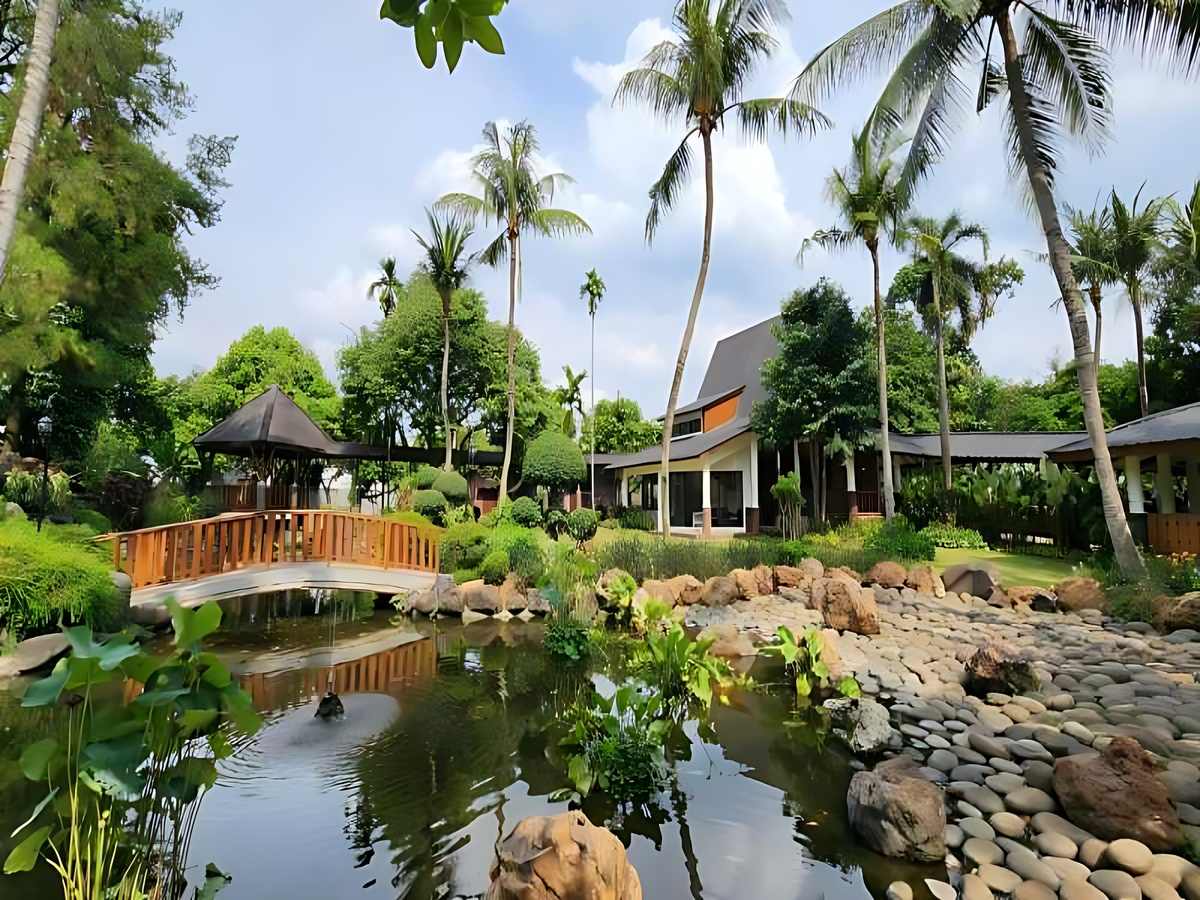
Second homes offer private and flexible resort spaces for owners. (Source: Collected)
2.2. The intersection between enjoyment and asset accumulation
Second homes allow owners to use them for personal purposes and also rent them out when not in use, creating an additional income stream. This model leverages the development of tourism in coastal areas or prominent destinations. In many analyses, what is a second home is often associated with the ability to combine leisure and property investment.
Besides self-management, many owners choose to partner with professional operators to optimize usage efficiency. This helps enhance operational capacity and reduce direct management time. Thereby, second homes not only bring experiences but also create long-term economic value.
2.3. Impact from the Workation Trend and Green Lifestyle
The development of remote work models has driven the demand for flexible living spaces where work and leisure can be combined. Second homes in natural areas help improve mental health and create a more comfortable working environment. Green spaces, low construction density, and a fresh environment are prioritized factors when choosing a second home. This reflects a shift in living needs as health and work-life balance are increasingly emphasized.
3. Economic efficiency when exploiting Second Homes in real estate
3.1. Asset value appreciation over time
Second homes are usually located in areas with tourism potential, where real estate values tend to increase with the development of infrastructure and services. Coastal areas or prominent destinations often attract investor interest. From an investment perspective, second homes are considered assets that can accumulate value over time.
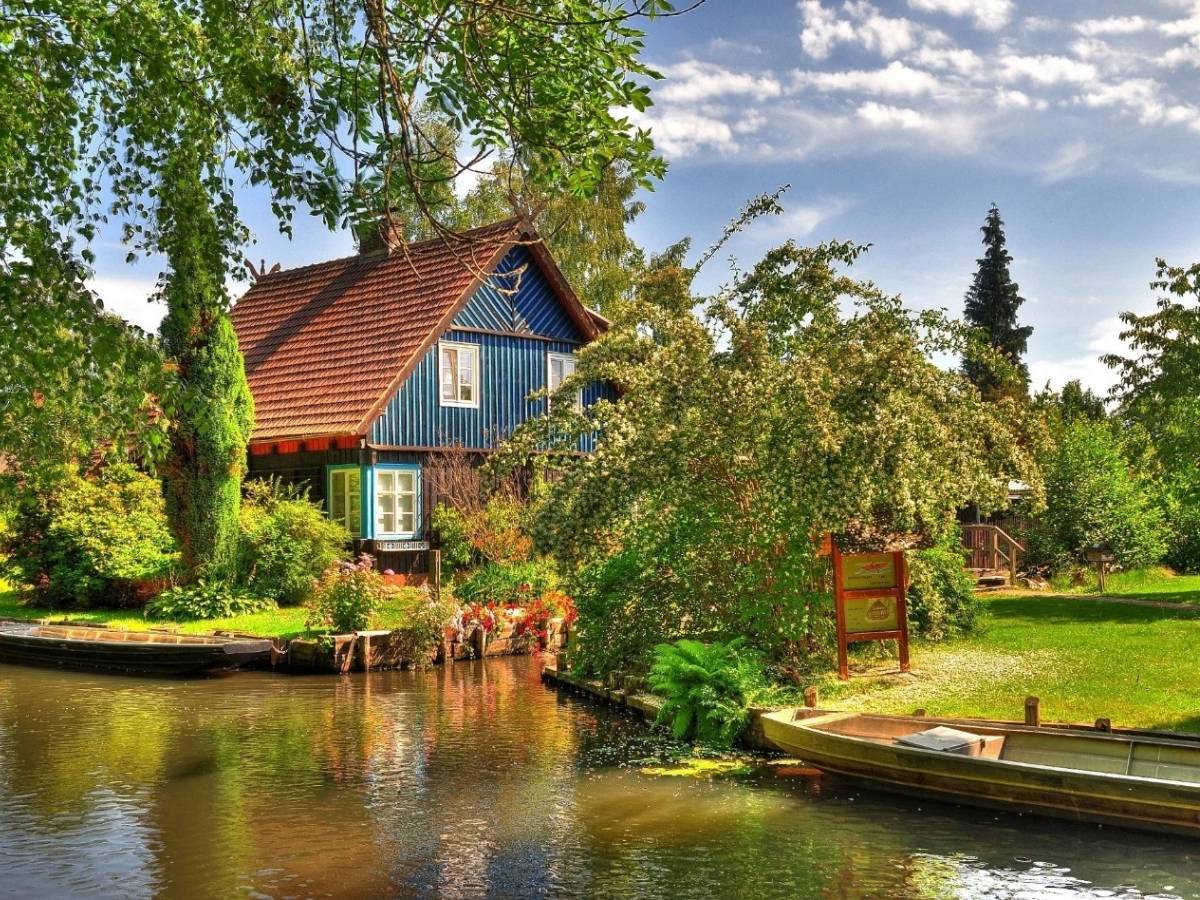
Second homes help increase asset value over time in potential areas. (Source: Compilation)
3.2. Optimizing profit from flexible rental operations
The modern Second Home model allows owners to exploit a steady cash flow through business delegation or self-operation on digital platforms. With the boom in experiential tourism, apartments or villas with unique designs always maintain a high occupancy rate. Instead of leaving the property vacant during unused periods, short-term rentals help offset annual maintenance and management costs.
Investors often partner with international operating units to ensure service quality and a stable customer base from all over the world. This cash flow not only brings passive income but also demonstrates the high liquidity of the asset. This is precisely the factor that turns a Second Home into a true "golden goose" in the resort real estate portfolio.
3.3. Diversifying the investment portfolio
Second homes help investors expand their asset portfolios into the resort real estate sector instead of focusing solely on urban housing. This contributes to risk diversification and creates more opportunities to access different revenue streams. In financial strategy, second homes are considered a supplementary channel for investment portfolios. Besides asset value, second homes also offer practical usage experiences for owners. This creates a combination of financial benefits and personal needs. Therefore, this property type reflects the trend of investing linked with living experiences.

Second home helps diversify investment portfolios and combines living experiences. (Source: Compilation)
4. Effective Second Home Market Approach Strategy
4.1. Analysis of Popular Second Home Segments in the Market
The current market records a diversity of Second Homes, from luxurious seaside villas to quiet suburban garden homes. The coastal Second Home segment always leads in appeal thanks to its tourism potential and potential for rapid price appreciation. Meanwhile, Second Home products in highland areas or near forests attract customers with the trend of green living and healing.
High-end serviced apartments (condotels) are a popular choice for those who prioritize convenience and moderate investment costs. Each segment possesses distinct operational characteristics suited to the risk appetite and usage purposes of each individual. Correctly identifying the type helps buyers determine their operational strategy and profit expectations most accurately.
4.2. Potential areas for second home development in Vietnam
In Vietnam, areas like Phu Quoc, Da Nang, Nha Trang, and Da Lat have advantages in developing second homes thanks to tourism potential. These localities possess natural landscapes and relatively developed tourism infrastructure. In market analysis, second homes are often associated with key tourist destinations.
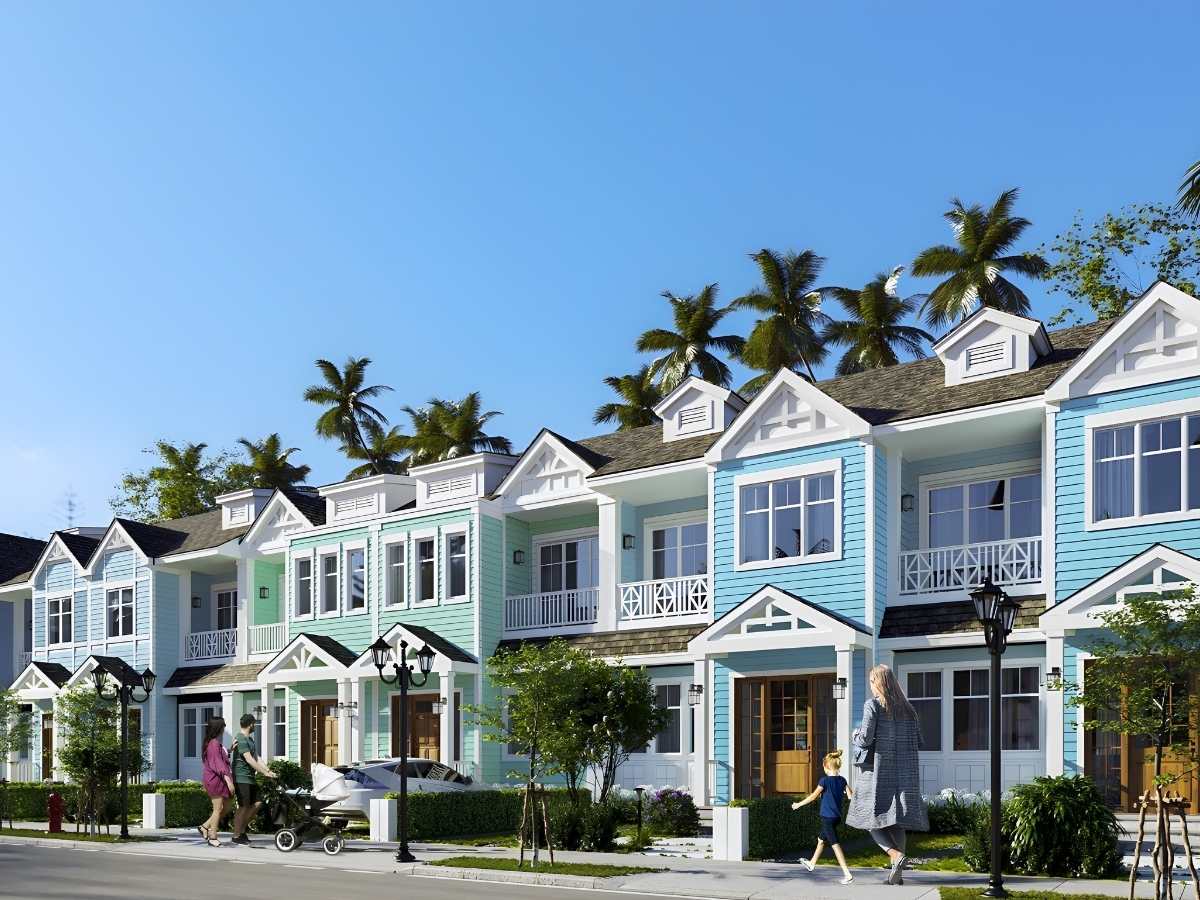
Potential second home areas in Vietnam. (Source: Compiled)
Additionally, suburban areas near Hanoi or Ho Chi Minh City are also developing thanks to the demand for short-term retreats. Convenient travel distance makes these areas a suitable choice for many people. This reflects the trend of moving out of the central urban areas.
4.3. Important considerations when investing in a second home
When investing in second homes, investors need to pay special attention to the legal consistency between Land Law No. 31/2024/QH15 and related laws. An important new point is that the issuance of Certificates of Land Use Rights and Ownership of Assets Attached to Land for multi-functional real estate types, such as tourist apartments or resort villas, now has a stronger legal basis. Clearly defining the land use term, which is often commercial or service land with a term based on the project, helps investors correctly identify the nature of the asset, avoid risks of ownership disputes or difficulties when carrying out transfer and mortgage transactions.
Besides legal aspects, operating and management costs are key factors to consider. According to the regulations of the Law on Real Estate Business 2023, purchase agreements, lease-purchase agreements, or operational management contracts must be made in writing according to prescribed forms, ensuring the rights of investors when participating in rental pool programs (Rental Pool). Maintenance fees, service management fees, and profit sharing ratios need to be transparent from the outset. Understanding these regulations helps owners control cash flow well, avoiding situations where actual costs incurred are too high, affecting the long-term operational efficiency of the asset.
Additionally, the liquidity of second homes is often lower than traditional residential real estate due to dependence on the tourism market and actual demand. During certain periods, transfers can be prolonged or prices may need to be adjusted to match the market. Therefore, investors need to clearly define long-term goals instead of expecting short-term profits.
Evidently, the concept of what is a second home is not just a resting space but has become a type of asset that is legally recognized and strictly protected through the new legal system. The transparency of ownership and the operational mechanism under the Land Law 2024 and the Housing Law 2023 are the leverage driving this trend towards sustainable development.