


Designing a Beautiful and Convenient Home Entertainment Room for 2026
Designing a home entertainment room is not just about choosing a big TV or comfortable chairs, but also a matter of functionality, aesthetics, and long-term comfort. A well-thought-out layout will help the whole family have a space for watching movies, listening to music, playing games, and relaxing more fully every day.

▲Table of Contents
1. How to design a home entertainment room starts from usage needs
1.1. Determine the main role of the entertainment room
How to design a home entertainment room needs to start from specific usage goals from the beginning. A space that only focuses on watching movies will prioritize a large screen, surround sound, and dim lighting. Conversely, a multi-functional room requires flexible arrangement and easily convertible equipment.
When the main role is clearly defined, the entire process of selecting furniture, equipment, and materials will become consistent. This helps limit scattered investment that does not optimize the experience. In reality, many families choose to combine 2 main functions to save space.
Surveys on home entertainment behavior in 2025 show that over 65% of users prioritize watching online content. This leads to a design trend focusing on visual and audio experience. Entertainment spaces therefore need clear direction from the very beginning.
1.2. Choosing a suitable location and area within the house
Designing a home entertainment room depends heavily on the room's location within the overall house. Separate spaces like private rooms or attics are often preferred due to easier sound control. For apartments, a large corner in the living room can still be utilized effectively.
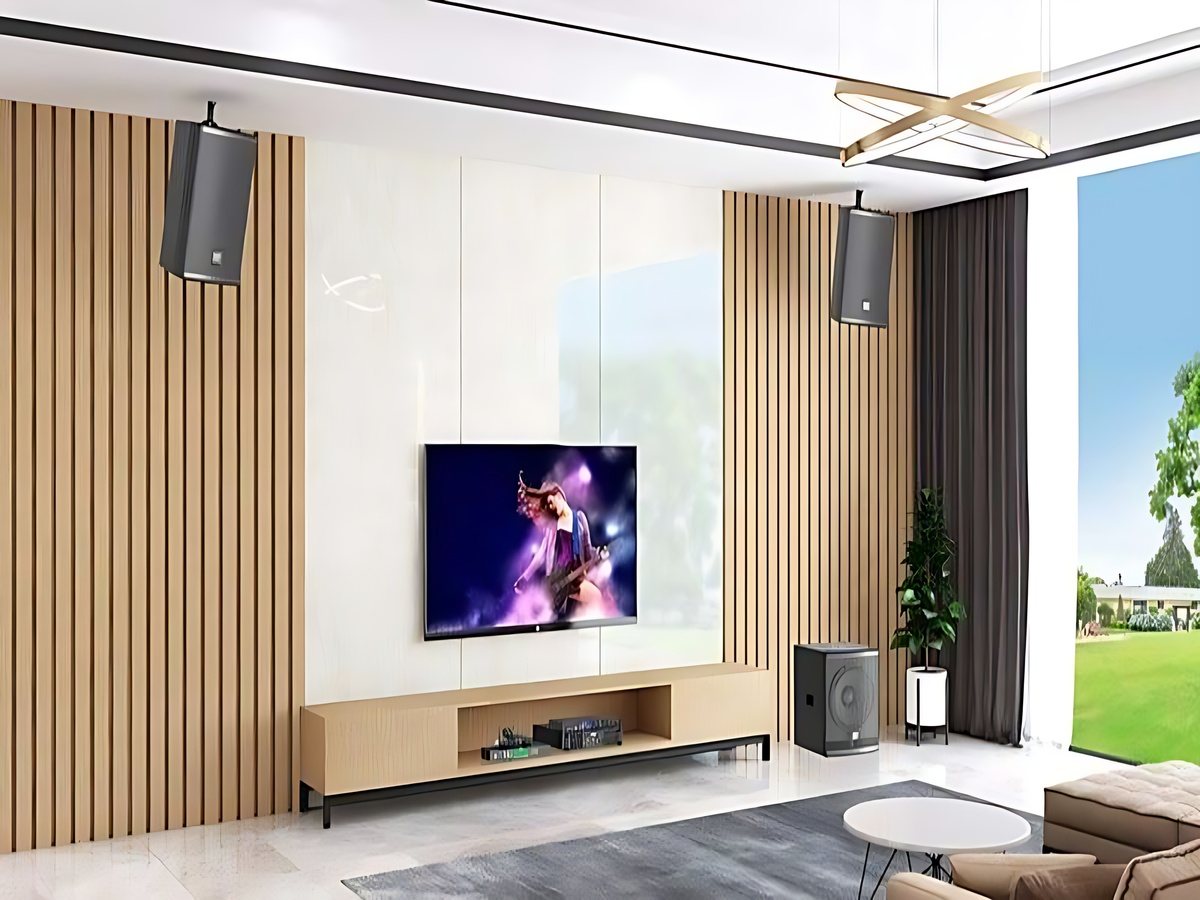
Appropriate location and room size help optimize the entertainment experience. (Source: Collected)
A minimum area of around 12 to 15 square meters is sufficient for a basic setup. Space of 20 square meters or more will make it easier to arrange multiple functional areas. Larger area helps improve viewing distance and reduce sound pressure. The natural lighting factor also needs careful consideration when choosing a location. A room with fewer windows helps control lighting better when watching movies. However, a ventilation system needs to be added to ensure air circulation.
1.3. Analyze the habits of each family member
How to design a home entertainment room should reflect the living habits of each user group. Families with young children often prioritize safe areas, soft materials, and devices with rounded edges. Elderly people, on the other hand, focus on clear sound and moderate lighting. Young couples often prefer modern spaces integrated with smart technology. Meanwhile, multi-generational families need flexible arrangements to meet multiple needs simultaneously. This difference directly affects how functional areas are divided.
According to the latest reports on current housing trends, Vietnam still maintains a high rate of multi-generational households living under one roof. This characteristic requires home entertainment room design to be highly adaptable, allowing for flexible transitions between spaces for watching movies, playing games, or common activities. Understanding the needs of each age group helps homeowners create a cohesive environment where all members find comfort and diverse experiences within the same convenient space.
1.4. Determine the budget from the start
How to design a home entertainment room is always linked to the investment budget. The basic level ranges from 30 to 70 million VND, sufficient for basic equipment and simple furniture. The mid-range is from 80 to 150 million VND for a more complete experience. The high-end segment can exceed 200 million VND with surround sound systems, large screens, and premium materials. Allocating the budget by category helps better control costs. Users can easily adjust when needs arise. Determining the budget from the start also helps avoid wasting investment in unnecessary equipment. Many cases exceed 30% due to a lack of clear planning. A reasonable financial plan will ensure long-term effectiveness.
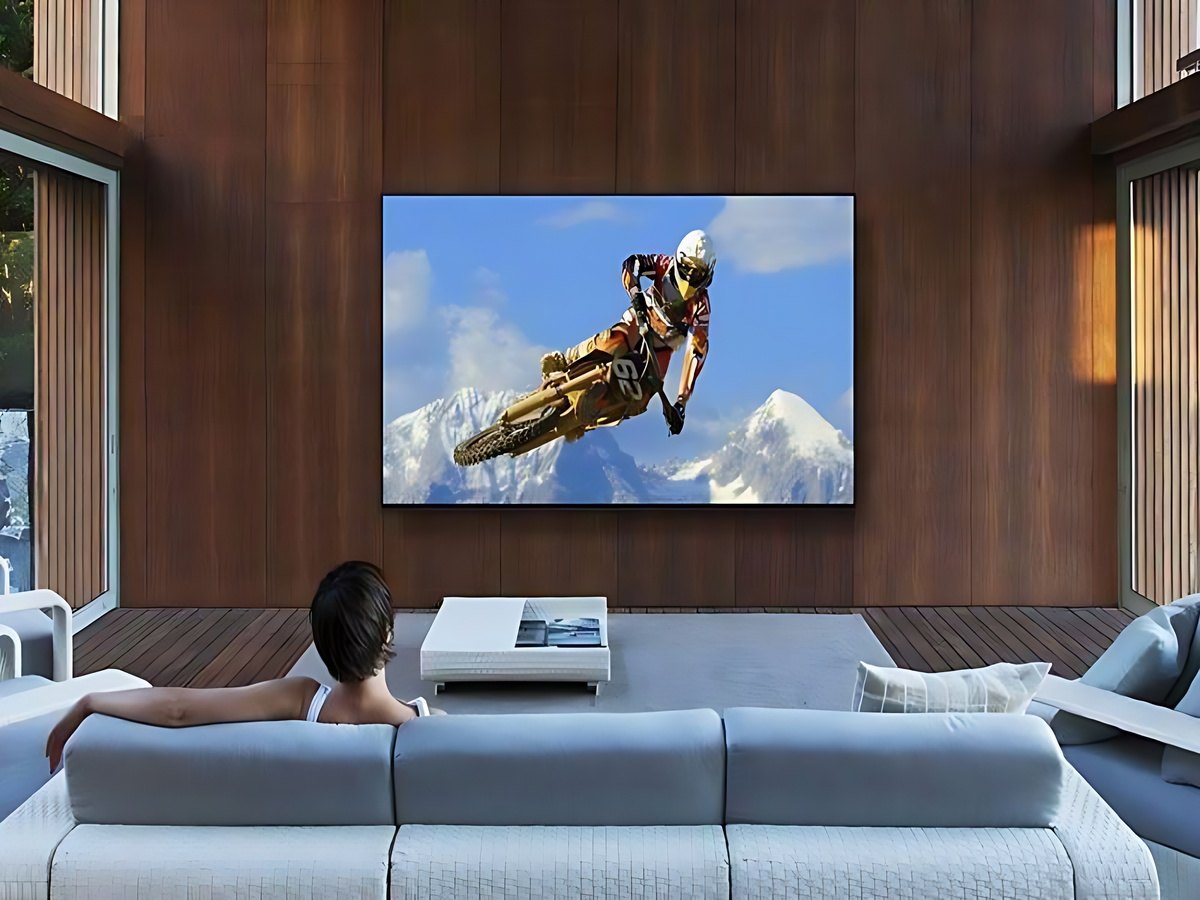
A reasonable entertainment room budget helps optimize costs and efficiency. (Source: Collected)
2. How to design a beautiful and convenient home entertainment room by category
2.1. Layout and functional zoning
How to design a home entertainment room effectively requires clear division of each functional area. The movie viewing area should be placed in the center with a direct view. The gaming and relaxation areas should be arranged on the sides to avoid overlap. The pathways between areas need to ensure a minimum of 60 to 80cm for convenient movement. The distance between the seat and the screen is usually 2 to 3 times the screen size. This helps reduce eye strain when used for a long time. Clear zoning helps increase space utilization efficiency. At the same time, it creates a neat and professional feel. A reasonable layout helps create a more seamless experience.
2.2. Choosing furniture to create a relaxing feel
How to design a home entertainment room cannot lack furniture that brings comfort. Sofas or recliner chairs are often preferred for their good body support. Fabric or leather materials provide a comfortable feel for long use. According to the 2026 trend, multi-functional furniture accounts for about 40% of the market share. Products with integrated multiple functions help save space. This is suitable for urban housing.
2.3. Lighting design to create depth for the space
How to design a home entertainment room requires attention to the lighting system. Ambient lighting provides basic brightness for the entire room. Accent lighting creates depth and enhances the mood during use. Indirect lighting from cove LEDs helps reduce glare when watching movies. A color temperature of around 2700K to 4000K is suitable for a relaxing space. This helps prevent eye strain.
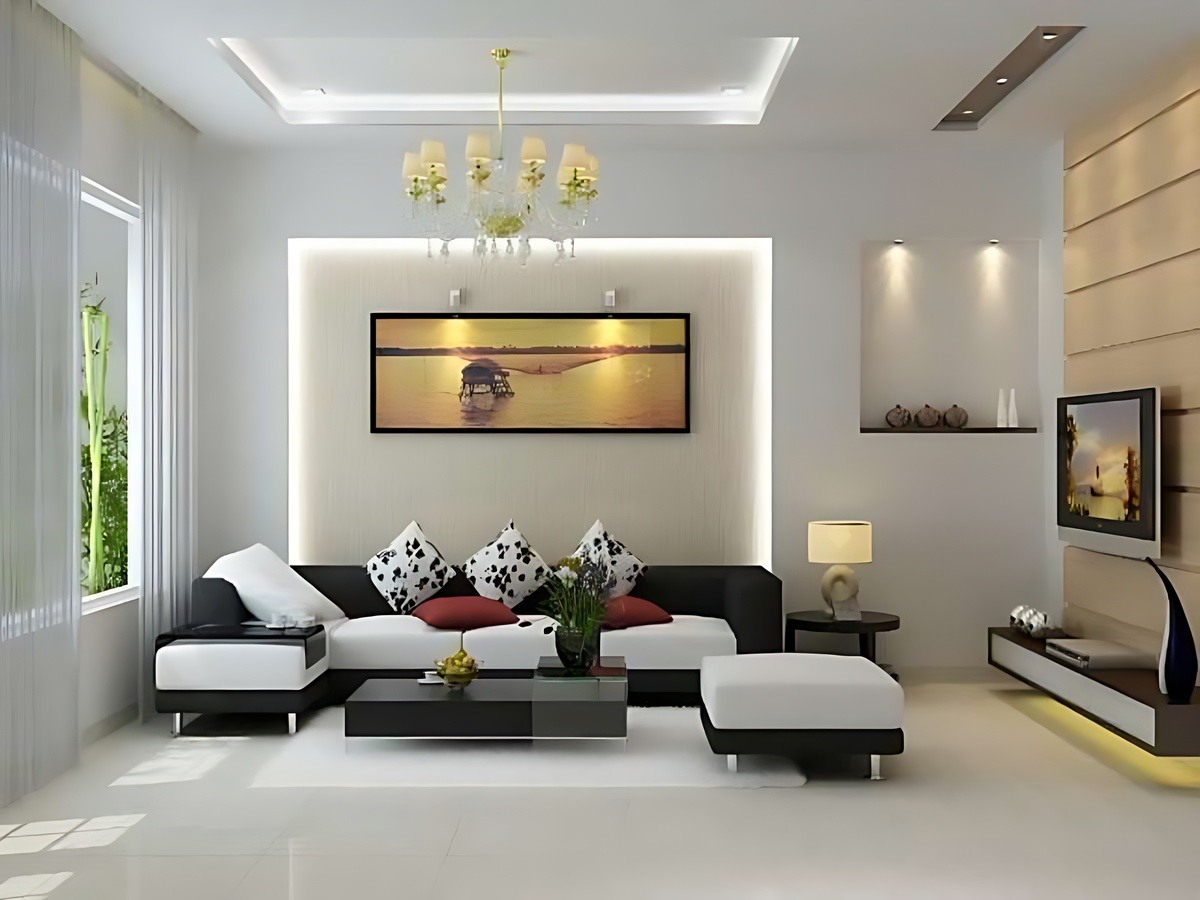
Appropriate entertainment room lighting enhances the experience and protects the eyes. (Source: Collected)
2.4. Color schemes and materials for modern entertainment rooms
Designing home entertainment rooms often uses neutral or dark color palettes. Gray, brown, and black help reduce light reflection when watching movies. The combination of colors creates a luxurious feel. Trends in 2026 show that eco-friendly materials are growing by about 15%. Users are paying more attention to sustainability. Entertainment spaces are also moving in this direction.
2.5. Optimizing soundproofing and sound absorption in enclosed spaces
How to design a home entertainment room requires clearly distinguishing between soundproofing and sound absorption. Soundproofing helps prevent sound from escaping outside. Sound absorption helps reduce echoes in the room. Common solutions include using acoustic foam, thick curtains, carpets, and wood-paneled walls. The investment level can range from a few million to tens of millions of dong. Choose appropriately based on usage requirements.
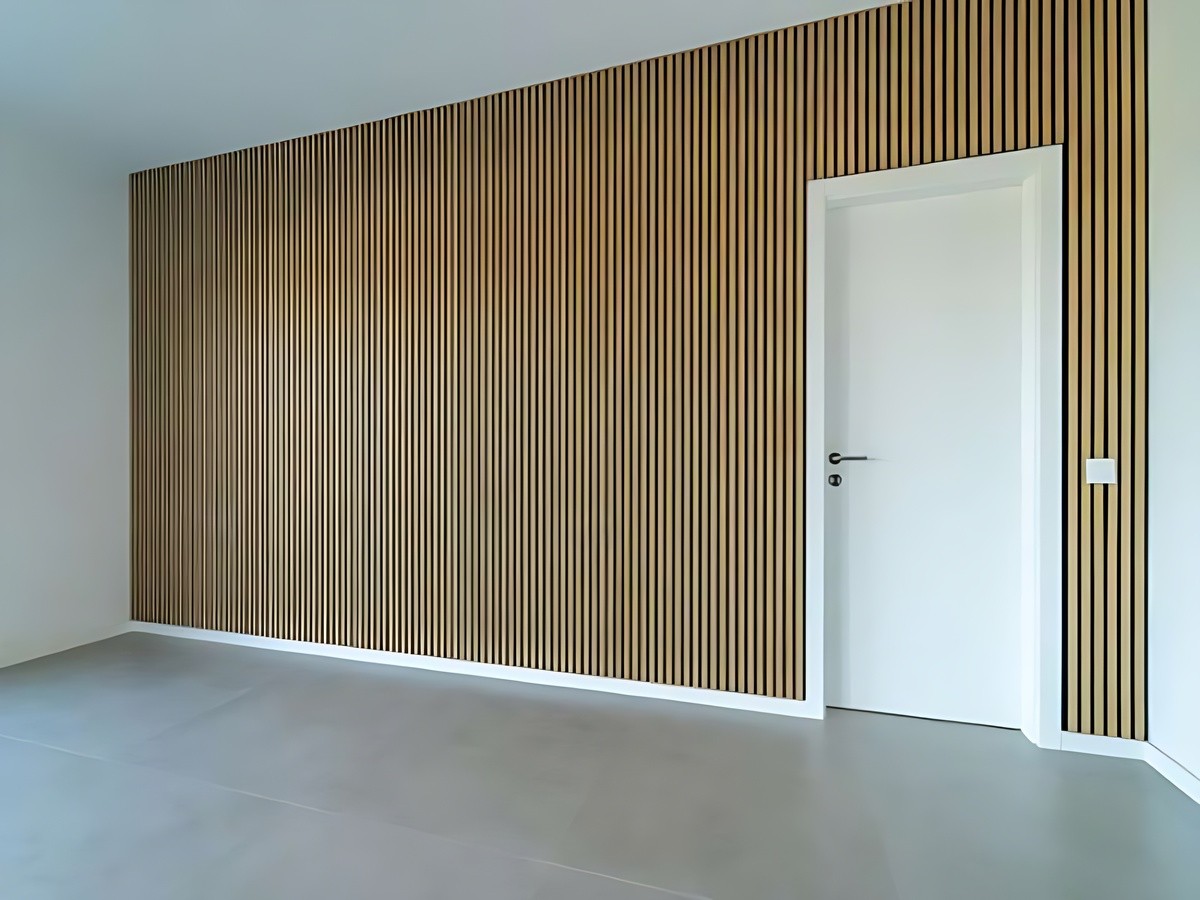
Proper soundproofing and sound absorption optimize the audio experience. (Source: Collected)
3. Equipment needed when implementing home entertainment room design
3.1. Screens, projectors, and reasonable viewing distances
Home entertainment room design requires consideration between TVs and projectors. TVs are suitable for small rooms with high brightness and sharp images. Projectors are suitable for large spaces and create a cinema-like feel. Viewing distance depends on screen size. For example, a 65-inch screen requires a distance of 2 to 2.5 meters. This ensures a comfortable viewing angle.
3.2. Sound system suitable for each experience
How to design a home entertainment room cannot be without a suitable sound system. Soundbars are suitable for small spaces and easy to install. Stereo speakers provide balanced sound for music listening. Surround sound speakers are often used for movie rooms for a more immersive experience. Home karaoke systems require dedicated microphones and speakers. Each type of device suits different needs.
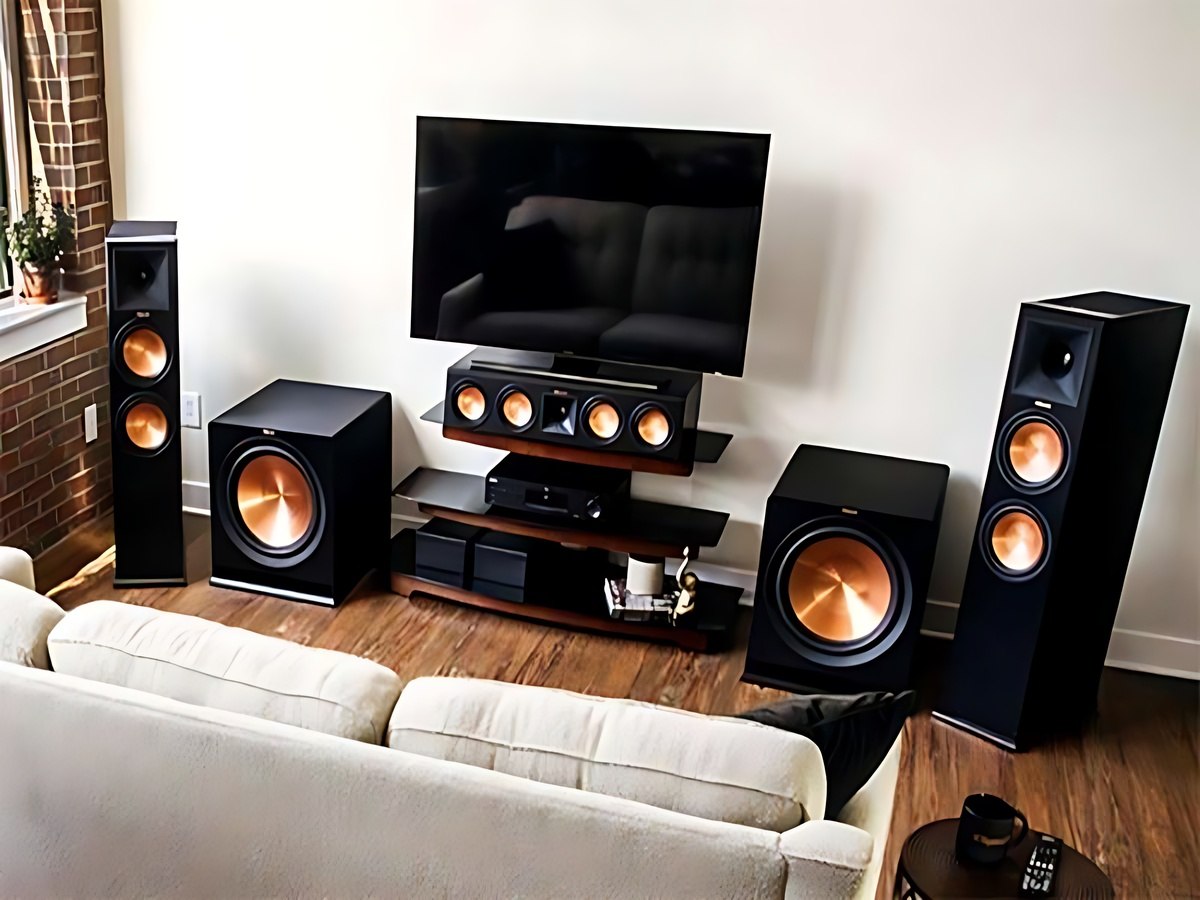
A suitable sound system enhances the home entertainment experience. (Source: Collected)
3.3. Electrical, Network Infrastructure, and In-Wall Outlets
Designing a home entertainment room requires investment in stable electrical and network systems. High-power devices like speakers and projectors need dedicated power sources. In-wall outlets help keep the space tidy. The network system needs a minimum speed of 100Mbps for smooth online content viewing. Cables should be run internally for aesthetic appeal. This also helps reduce the risk of tripping hazards.
3.4. Ventilation and Temperature Control Solutions
How to design a home entertainment room requires good ventilation. Many electronic devices operating continuously generate significant heat. This affects the durability of the equipment. Air conditioners, ventilation fans, and air vents are common solutions. The ideal temperature is around 24 to 26 degrees Celsius. A stable environment helps increase equipment lifespan.
3.5. Accessories to enhance the entertainment experience
Designing a home entertainment room is perfected with the help of supporting accessories. Blackout curtains help control light effectively. Headphone stands and cable management cabinets help keep the space tidy. Accent LED lights create aesthetic highlights for the space. Display shelves help personalize the entertainment room. Small details create a different experience.
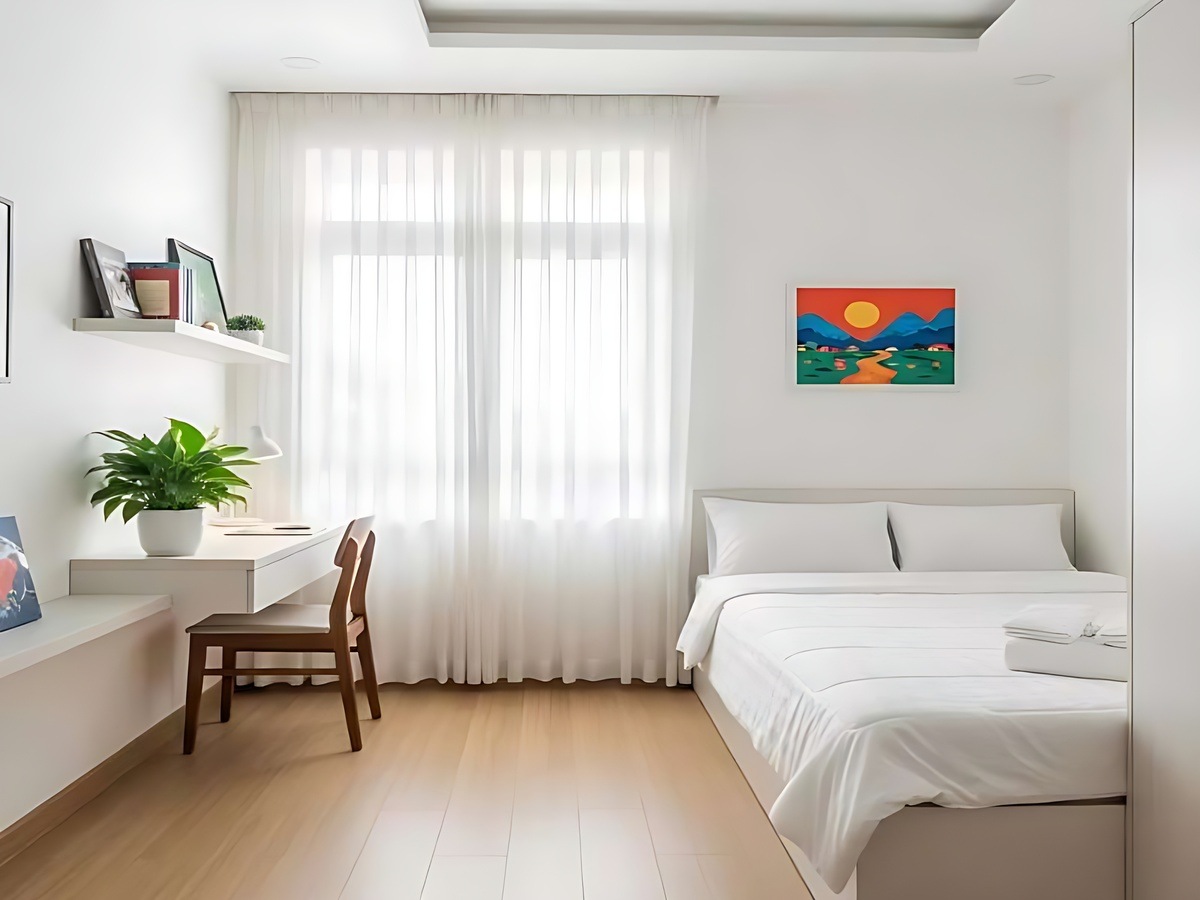
Entertainment room accessories help optimize the experience and enhance aesthetics. (Source: Collected)
4. How to design a home entertainment room that is safe, durable, beautiful, and on-trend for 2026
4.1. Prioritize electrical safety and fire prevention principles
How to design a home entertainment room must ensure electrical safety from the outset according to the updated Fire Prevention and Fighting Law. The entertainment room's electrical system must comply with Amendment 1:2023 QCVN 06:2022/BXD, issued with Circular No. 09/2023/TT-BXD, effective from December 1, 2023, using fire-resistant wires and automatic overload protection devices (CB/ELCB). Particularly, sound-absorbing and soundproofing materials such as foam and fabric must be fire-resistant or treated for fire retardancy. Regular inspection of the electrical system helps protect high-power equipment and ensures family safety.
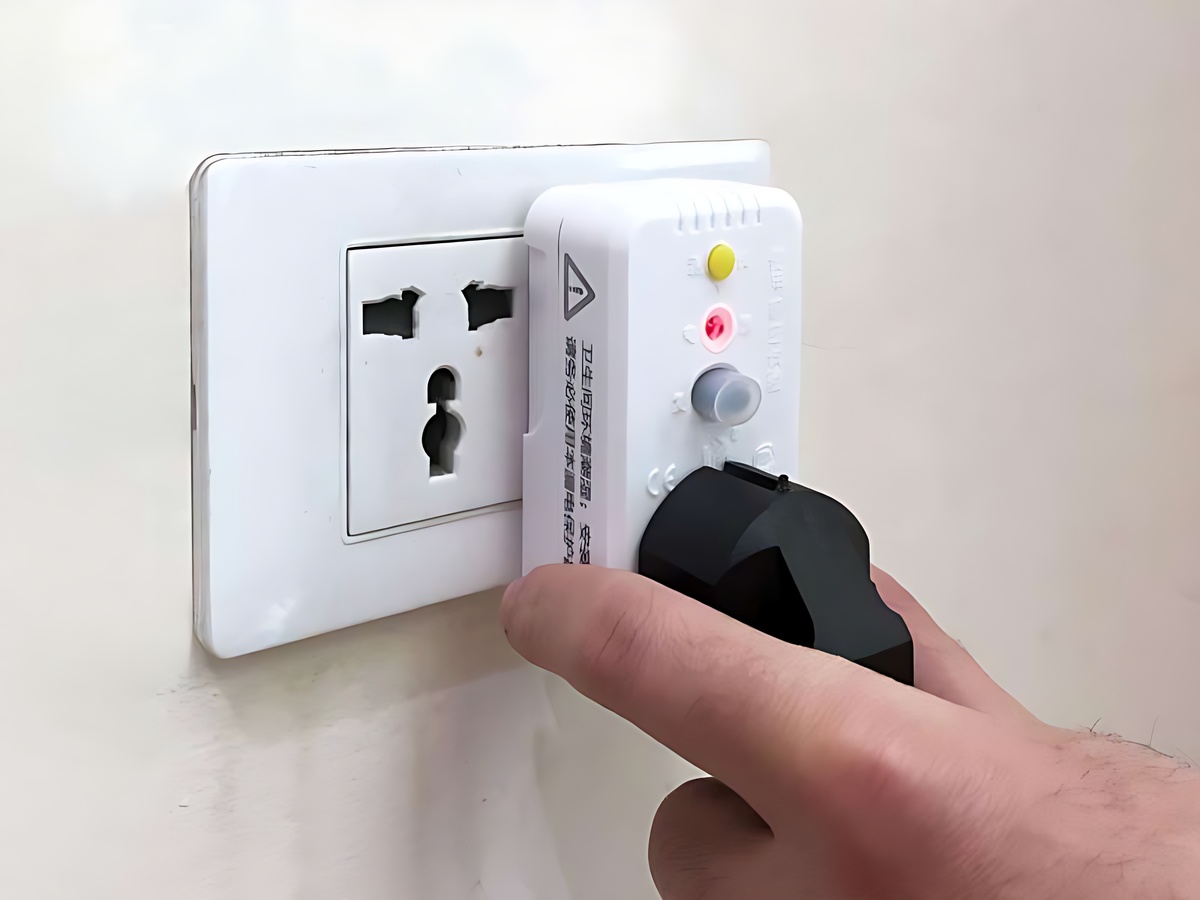
Standard electrical safety entertainment room helps protect the family. (Source: Collection)
4.2. Notes when renovating an entertainment room in an apartment
How to design a home entertainment room must strictly comply with the Housing Law 2023 (No. 27/2023/QH15) on the management and use of apartment buildings. Homeowners must absolutely not interfere with the load-bearing structures, common electrical systems, or the building's fire prevention and fighting systems. Renovation items, installation of soundproofing materials in special cases, must have a written agreement with the building management board or management company to ensure no impact on surrounding apartments and compliance with legal regulations.
4.3. Trends in home entertainment room design in 2026
How to design a home entertainment room in 2026 focuses on minimalist style. Multifunctional furniture and smart technology are widely used. The space becomes more flexible. The 2026 trend focuses on deeply integrated smart home ecosystems. Current entertainment devices are not only controlled via mobile but also synchronized with building energy and safety management systems. The explosion of Matter and AI technology helps automate lighting and sound scenarios according to mood, bringing a maximally personalized experience for users in a modern and sustainable entertainment space.
4.4. Common mistakes when designing a home entertainment room
How to design a home entertainment room often involves mistakes by integrating too many functions. This makes the space cramped and difficult to use. Simplicity increases efficiency. Choosing equipment beyond needs wastes investment costs. Inappropriate lighting reduces the experience. Echoing sound causes discomfort during prolonged use. An unreasonable layout makes the space stuffy. These mistakes often stem from a lack of initial planning. Thorough preparation helps limit risks.
How to design a home entertainment room effectively is a harmonious combination of usage needs, aesthetics, technology, and safety factors. By correctly defining the function from the start and investing reasonably in each category, you can completely create a comfortable, beautiful, and sustainable relaxation space for the whole family in 2026.