


Detailed guide on the procedures for selling a house to a buyer using bank financing
Selling a house to a buyer who uses a bank loan is a common procedure in today's real estate transactions. Compared to cash transactions, this method involves additional steps related to property appraisal, loan documentation, and disbursement from the bank.

▲Table of Contents
1. Nature of a house sale transaction when the buyer borrows from a bank
1.1. Three-party transaction mechanism in house purchases with loans
In today's real estate market, the concept of procedures for selling a house to a buyer who is borrowing from a bank is often associated with a three-party transaction model involving the seller, the buyer, and the lending bank. The buyer completes the loan application, and the property intended for purchase is used as collateral for the loan.
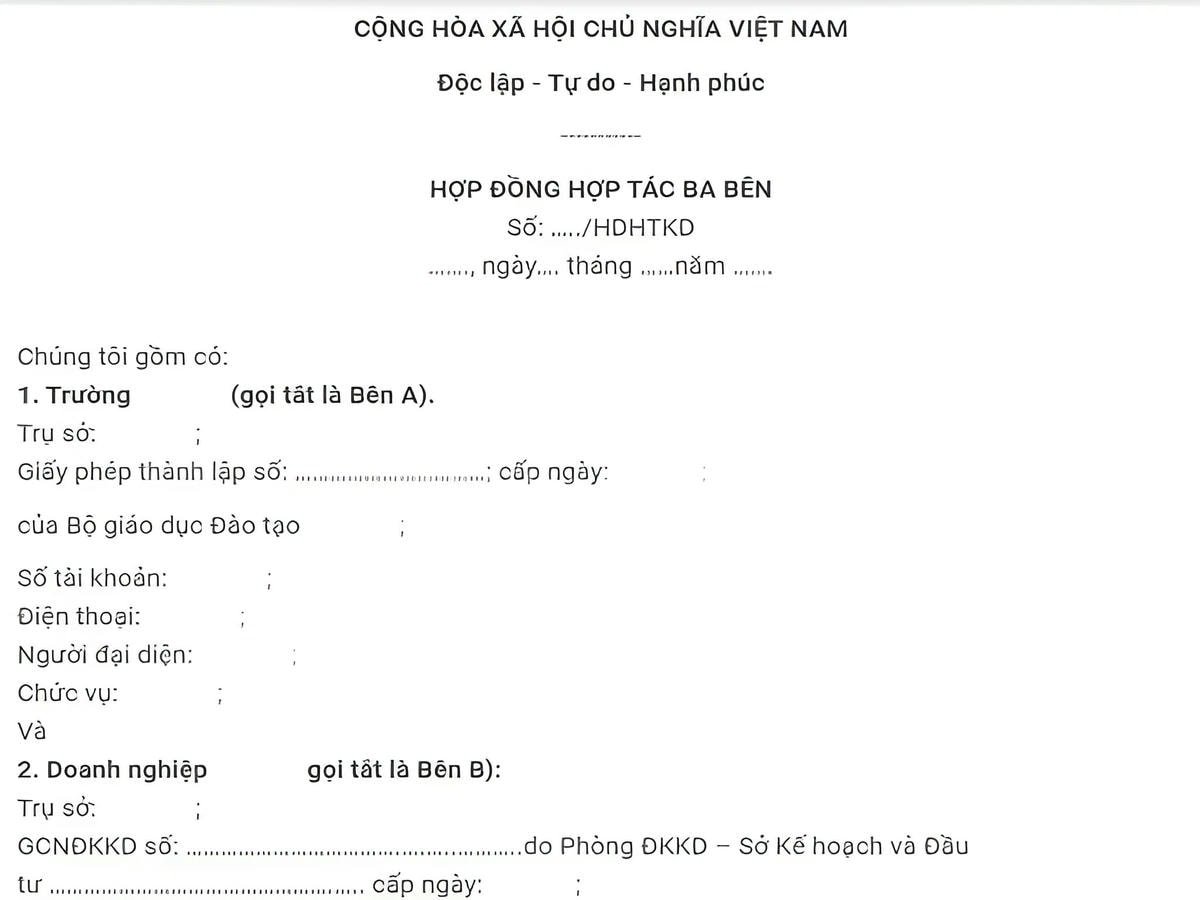
Transactions with bank participation to control cash flow and legalities. (Source: Collected)
Banks act as intermediaries controlling cash flow and legally appraising real estate before approving loans. Loan applications nowadays are integrated through national population data, including electronic identification information, proof of income, and most importantly, Land Use Rights Certificate, Ownership of Assets Attached to Land (according to the new template of Law on Land No. 31/2024/QH15).
The bank's involvement ensures transactions follow a clear process, where the rights and obligations of the three parties are expressed in the credit agreement, sales contract, and mortgage agreement. This helps limit payment risks as cash flow is transferred through the banking system instead of direct transactions between the buyer and seller.
1.2. Conditions for bank approval of disbursement
During the process of procedures for selling a house to a buyer using a bank loan, banks often set many conditions to ensure the loan is recoverable. These conditions relate to asset value, the borrower's financial capacity, and the legality of the real estate documents.
Typically, banks will conduct loan application appraisal, credit history checks, and verify the buyer's income sources. At the same time, the transaction asset is also assessed for its legal status, planning status, and suitability as collateral for the loan.
Additionally, banks often disburse only a portion of the asset's value based on the appraisal result, commonly around 70% of the sale contract value. This helps banks minimize financial risks and ensures borrowers have their own capital to participate in the transaction.
1.3. Role of cash flow control in transactions
In actual transactions, cash flow control is an important factor to ensure transparency when carrying out the procedure of selling a house to a buyer using a bank loan . The bank usually transfers money directly to the seller's account after all disbursement conditions are met.
Bank payment mechanisms help limit risks such as cash transactions or late payments. Sellers can check transfer documents or disbursement notifications to confirm receipt of funds according to the contract agreement.
Besides, payment through the banking system also creates a clear financial record for real estate transactions. This helps parties have a basis to prove legal cash flow in case of reconciliation with regulatory or tax authorities.
2. Phase before notarization
2.1. Deposit agreement with loan condition
In the initial stage of the house selling procedure for buyers with bank loans , both parties usually proceed to sign a deposit agreement to confirm the transaction intention. The deposit contract usually clearly stipulates the selling price, the deadline for signing the notarized contract, and the payment schedule.

Deposit with conditions of loan approval to avoid risks. (Source: Collected)
An important point in a deposit agreement is the clause related to the bank's approval of the loan. According to the Law on Real Estate Business No. 29/2023/QH15, if it is a future-formed residential property, the deposit shall not exceed 5% of the selling price. For existing (ready-built) residential properties, although not strictly capped at 5%, the parties usually agree on a reasonable deposit amount and clearly state the responsibility for handling the deposit if the bank refuses to lend to avoid prolonged disputes.
2.2. Preparation of property legal documents
An important step before notarization in the procedure for selling a house to a buyer using a bank loan is to fully prepare the legal documents of the property. These documents usually include the land use rights certificate, personal identification documents of the parties, and documents confirming marital status.
Banks and notary offices both need to check these documents to ensure the asset is not involved in disputes, is not seized, or has transaction restrictions. Preparing complete documentation helps shorten the appraisal time and limits the need to supplement documents multiple times. Besides basic documents, some cases also require providing information about planning or the mortgage status of the asset. These factors help the bank assess the safety level of the loan before approving disbursement.
2.3. Appraisal and valuation from the bank's side
In the process of procedures for selling a house to a buyer using a bank loan , the asset appraisal step plays a decisive role in the loan limit. The bank will compare the actual situation with the planning on the National Land Information System . According to the new Land Law, the bank's asset valuation will also refer more closely to the local Market-aligned Land Price List , ensuring transparency and minimizing virtual risks regarding the value of collateral.
Appraisal results will be used to determine asset value and appropriate loan ratios. For real estate projects with synchronized planning and transparent legal documentation, the appraisal process is usually quicker. This helps buyers receive loan approval decisions sooner and proceed with the next steps in the transaction.
3. Notarization and Disbursement Phase
3.1. Signing of Sale and Mortgage Agreements
When the loan application is approved, the parties will proceed to sign the purchase and sale contract at the notary office as an important step in the procedure of selling a house to a buyer using a bank loan . This contract confirms the transfer of ownership of the property from the seller to the buyer.

Simultaneous completion of assignment and loan pledging. (Source: Collected)
At the same time, the buyer also signs a credit agreement and a mortgage agreement with the bank to secure the loan, which is secured by the asset being transacted. The contract content clearly stipulates the payment obligations and the repayment period of the borrower. The notarization of the contract gives the transaction legal validity and serves as a basis for subsequent procedures such as tax declaration, registration of ownership changes, and registration of secured transactions for the collateral.
3.2. Mechanism for transferring funds from the bank to the seller
After completing notarization and signing the loan agreement, the bank will disburse funds according to the agreed-upon schedule within the procedure for selling a house to a buyer using a bank loan . The loan amount is usually transferred directly to the seller's account rather than through the buyer's hands.
This disbursement method helps ensure payment is transferred to the correct recipient and at the right time according to the sales contract. The seller can check the money transfer documents or confirmation from the bank to ensure the payment has been completed. In some transactions, the bank may disburse funds in stages depending on the progress of legal document completion. This helps the bank better control the loan and ensure the collateral is fully registered.
3.3. Registration of Name Transfer and Mortgage
After disbursement, the next step in the procedure for selling a house to a buyer using bank loans is to register the title transfer at the land registration authority. The documents typically include the notarized sales contract, the land use rights certificate, and the financial obligation declaration forms.
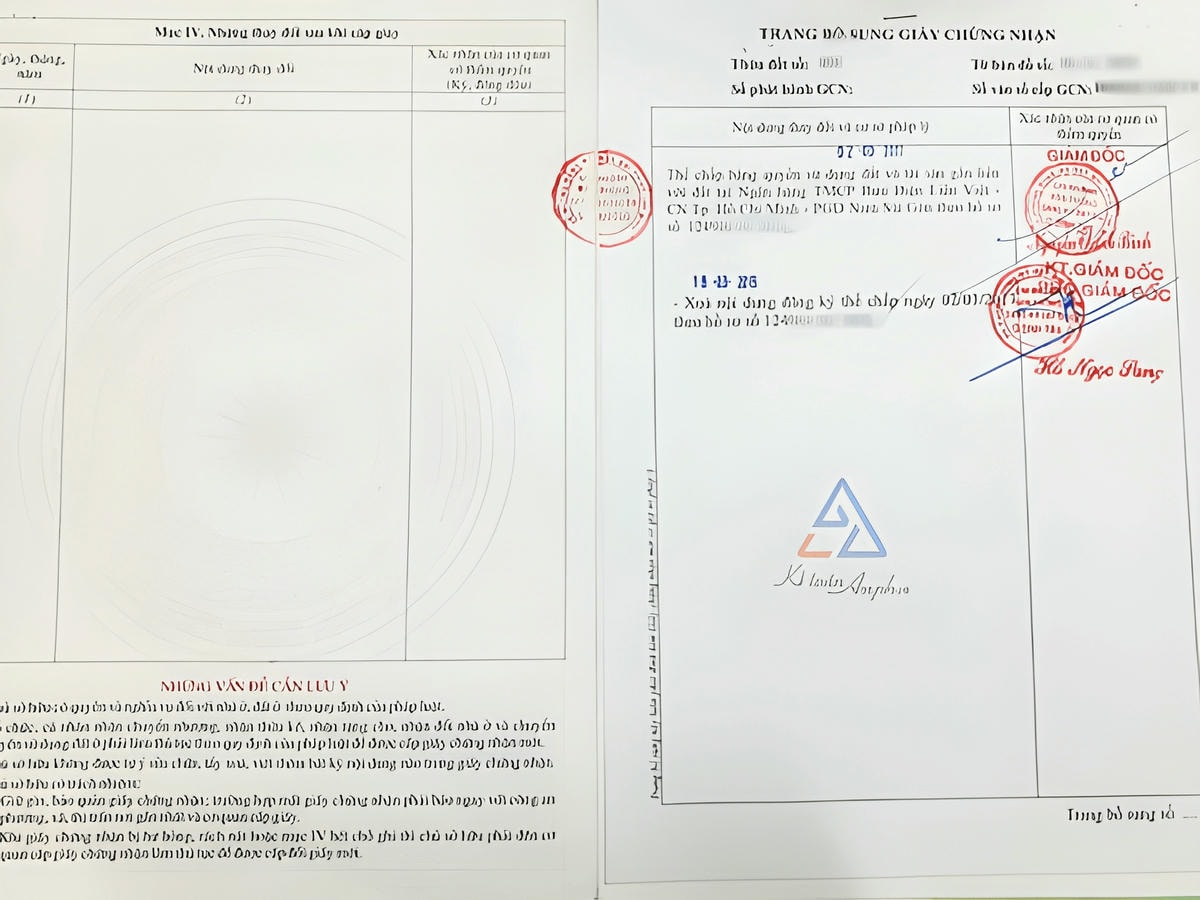
Update ownership rights and mortgage information after disbursement. (Source: Compiled)
The parties will proceed with personal income tax declaration, registration fee, and submit the application for land use right change registration. After submitting the application, the land registration agency will perform the change registration. According to the current integrated process, the issuance of a new Certificate of Land Use Rights, Ownership of Assets Attached to Land in the buyer's name and the registration of secured transactions (mortgage) are performed simultaneously on the electronic system. This helps establish the bank's security rights and protect the buyer's ownership rights as soon as financial obligations are fulfilled.
4. Common Risks and How to Protect the Seller
4.1. Bank Refuses Loan at the Last Minute
A situation that can arise during the procedure of selling a house to a buyer using a bank loan is the bank refusing the loan after the application has been submitted. This can happen if the buyer does not meet the credit criteria or cannot prove a stable income source.
When a loan is rejected, the purchase transaction may be delayed or canceled if the buyer does not have sufficient alternative financial resources. Therefore, the deposit contract usually clearly stipulates responsibilities and penalties in case the transaction cannot proceed. Clearly agreeing on terms related to loan approval helps the seller minimize time and financial risks. At the same time, the seller also has a legal basis to handle the deposit if the transaction is not completed.
4.2. Discrepancy Between Appraisal Value and Sale Price
In some cases of house selling procedures for buyers using bank loans, the bank's appraisal price may be lower than the actual purchase price between the two parties. This results in the loan amount from the bank being lower than the buyer's payment needs. When this discrepancy occurs, the buyer needs to supplement with their own capital to complete the transaction at the agreed price.

Price differences can affect financial plans. (Source: Compilation)
If there is insufficient additional capital, transactions may be prolonged or the selling price may need to be adjusted. Appraisal price discrepancies often occur when the market is volatile or when banks apply conservative valuation standards. Therefore, many real estate transactions often involve prior consultation with the bank to predict loan limits.
4.3. Delayed title transfer or tax liabilities
At the final stage of the procedure for selling a house to a buyer with a bank loan , some transactions may encounter situations of delayed title transfer or arise previously undetermined tax obligations. These issues are often related to declaration documents or the division of financial responsibility between the two parties.
In real estate transfer transactions, financial obligations may include personal income tax, registration fees, and other administrative fees. If these taxes have not been completed, the land registration authority may suspend the name transfer process. Therefore, many sale and purchase agreements often clearly stipulate which party is responsible for tax payment and the deadline for completing the paperwork. Tracking the progress of file processing and keeping tax payment receipts helps ensure the transaction is completed according to legal procedures.
Procedure for selling a house to a buyer using a bank loan requires close coordination between parties and strict cash flow control. When preparing documents thoroughly, clearly agreeing on disbursement conditions, and closely monitoring each stage, the seller can complete the transaction safely and on schedule.