


Detailed procedure for depositing money to buy land, avoiding legal risks
The procedure for depositing money to buy land is an important step in the real estate transaction process, helping to ensure commitment between the buyer and the seller. However, if the process and the terms of the deposit contract are not clearly understood, the buyer is very likely to encounter legal risks or lose the deposit money.

▲Table of Contents
1. Preparation before proceeding with the deposit
1.1. Legal check of the land parcel
Before carrying out the land purchase deposit procedure, the buyer needs to request the seller to provide the original land use right certificate to check basic information such as the owner's name, area, land type, and usage period. Comparing the information on the certificate with the seller's personal identification documents helps to identify the rightful person with the authority to transfer the asset. This helps to limit risks when transacting with someone who does not have the right to dispose of the asset.

Verify the land use certificate and legal status before making a deposit. (Source: Collected)
Besides checking the red book, buyers should also verify the mortgage, seizure, or dispute status of the land parcel at the local land registration office. If the land parcel is mortgaged at a bank or seized for enforcement of judgment, the transfer may be restricted according to legal regulations. These verification steps help ensure the asset is legally eligible before proceeding with the transaction.
1.2. Check zoning and actual status
During the preparation of the land purchase deposit procedure , checking planning information is an important step to avoid buying a plot of land located in an area subject to clearance, infrastructure projects, or suspended planning. Buyers can check planning information at the district land management agency or through the local planning information portal. Understanding this information helps limit the risk of assets being restricted from construction or transfer in the future.
Besides checking the planning, buyers also need to check the actual status of the land plot against the information on the land use right certificate. Factors such as boundaries, usage area, common access paths, and surrounding infrastructure need to be clearly cross-referenced. This helps avoid disputes related to boundaries or land use rights after the transaction is completed.
1.3. Agreeing on the selling price and payment schedule
When preparing to carry out the land purchase deposit procedure, the two parties need to agree on the selling price for 2026. Parties should note that the current Land Price Table is updated annually in close proximity to market prices (according to Land Law 2024). This directly affects the personal income tax and registration fee when notarizing. The deposit contract should clearly state the actual transaction value. Declaring a price lower than the actual price to reduce taxes is now very easy for tax authorities to pursue and penalize thanks to the synchronized land data system.
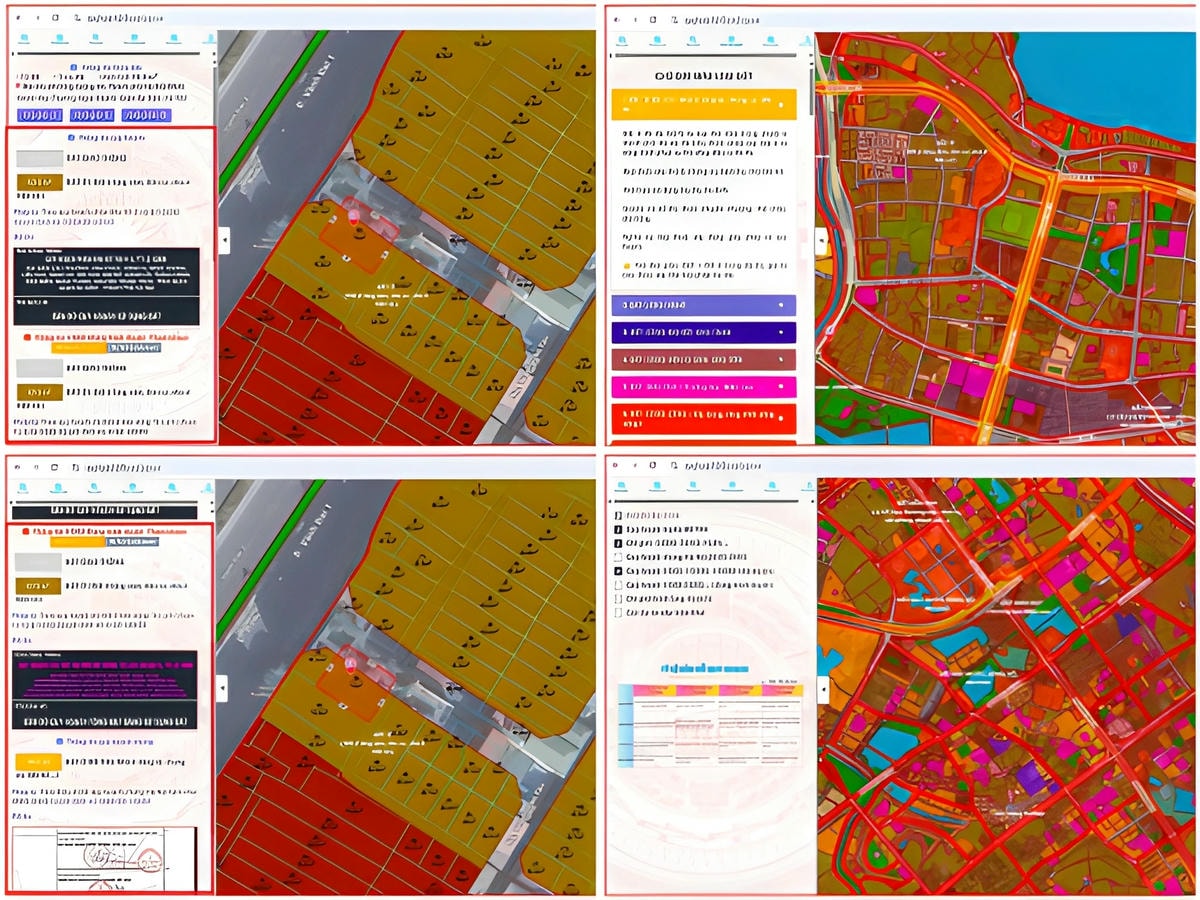
Agree on prices and payment schedules to avoid changes in conditions. (Source: Collected)
Besides the selling price, the parties also need to agree on the payment schedule and the time of signing the transfer contract at the notary office. This agreement usually includes the deadline for completing legal procedures, tax obligations, and transaction-related costs. Clearly stating the timelines helps limit prolonged transactions or the occurrence of disputes after receiving the deposit.
2. Legal nature of land deposit
2.1. Concept of deposit in land transfer transactions
In many real estate transactions, understanding the land purchase deposit procedure usually begins with the concept of deposit according to the provisions of the Civil Code 2015. According to legal regulations, a deposit is the act of one party giving the other party a sum of money or an asset of value within a certain period to secure the future conclusion or performance of a contract.
The deposit measure is commonly used in large-value transactions such as land use right transfers or real estate purchases. Paying a deposit helps create a commitment between parties before signing the official transfer contract. This allows the transaction to be fully prepared with legal and financial documents before proceeding with contract notarization.
2.2. Principles for handling deposits in case of breach
When performing the land purchase deposit procedure, parties need to clearly understand the principles of handling the deposit if one party fails to fulfill their commitment. According to legal regulations, if the depositing party refuses to enter into or perform the contract, the deposit amount will belong to the receiving party. Conversely, if the receiving party refuses to enter into the contract, they must return the deposit and compensate an additional amount equivalent to the deposit value.

Understand the regulations on losing deposits or compensation for breach of agreement. (Source: Compiled)
This regulation helps create a mechanism to ensure the fulfillment of obligations of the parties in civil transactions. Thereby, depositing not only shows the goodwill of the transaction but also plays a role in binding the legal responsibilities between the buyer and the seller. In many dispute cases, the court will base its decision on the content of the deposit contract to determine compensation obligations.
2.3. The difference between a handwritten deposit slip and a notarized deposit contract
In practice for the land purchase deposit procedure, many transactions only establish a handwritten deposit agreement between two parties without notarization or authentication. Current law does not require deposit contracts to be notarized, however, establishing a clear document still helps increase the evidentiary value in case of disputes.
You need to remind customers that after making a deposit and proceeding to sign a notarized contract, the obligation to register changes must be fulfilled within 30 days . From 2025, delayed registration of name transfer will be subject to stricter administrative penalties according to new land management regulations. The deposit procedure is just a stepping stone; safety is only truly achieved when the dossier has been submitted to the Land Registration Office (Van Phong Dang Ky Dat Dai) and recorded in the electronic system.
3. Content required in the deposit contract
3.1. Information verification via VNeID and new Citizen Identity Card
During the process of establishing a contract for the land purchase deposit procedure, the first content needs to fully present the information of the parties involved in the transaction. According to Citizen Identity Law No. 26/2023/QH15, personal information is currently integrated on the Citizen Identity card and the VNeID application. When performing the land purchase deposit procedure, the buyer should ask the seller to scan the QR code on the Citizen Identity card or share information via VNeID to accurately confirm personal status, household registration, and asset ownership information. This helps completely eliminate the risk of using fake documents or expired personal information.
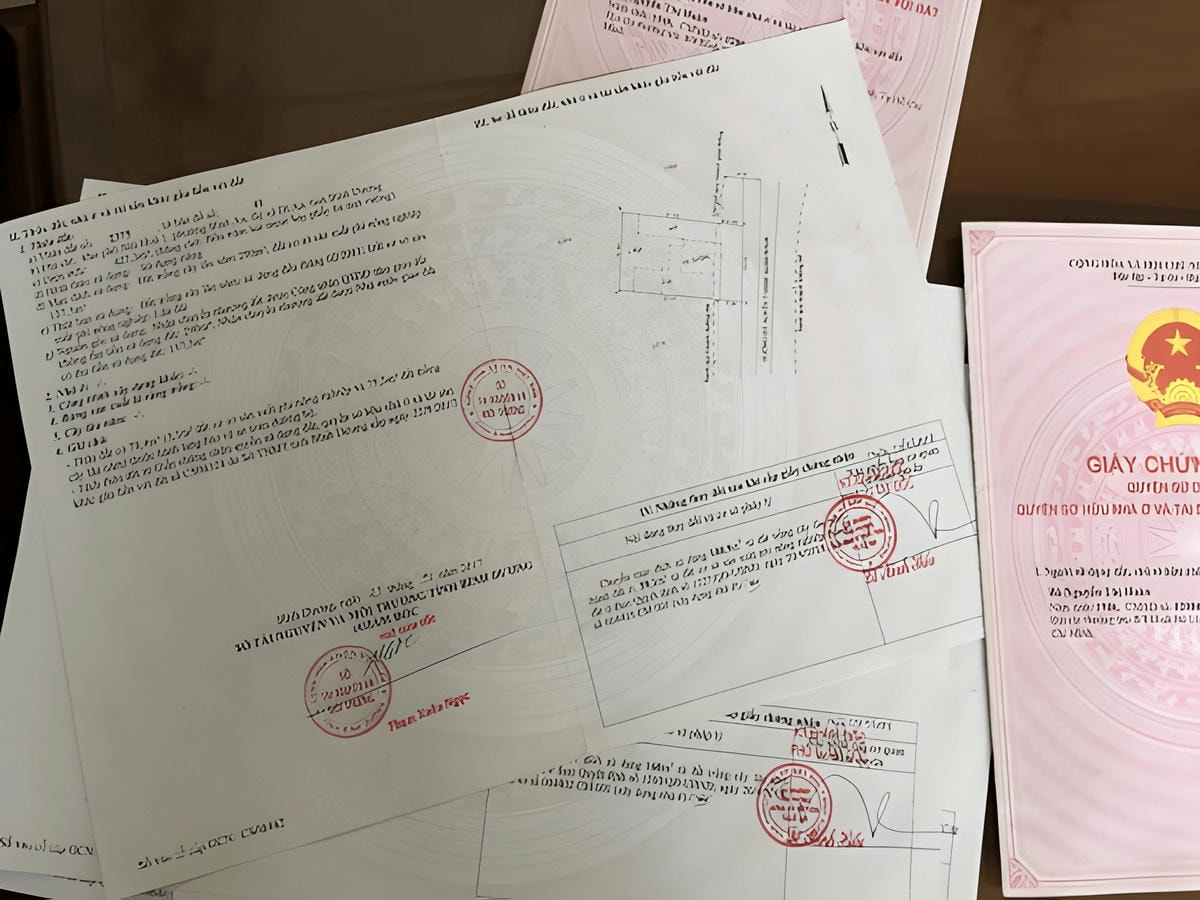
Record full information of the parties and characteristics of the land plot. (Source: Collected)
In addition to personal information, the contract also needs to describe the land parcel in detail according to the content recorded on the land use rights certificate. Information such as parcel number, map sheet number, area, land use purpose, and land parcel address needs to be clearly stated. A complete description helps avoid confusion between multiple land parcels with similar locations or characteristics.
3.2. 5% deposit limit for project real estate
An important content in the land purchase deposit procedure is to clearly determine the deposit amount that the buyer must pay to the seller. A very important new point according to the Law on Real Estate Business No. 29/2023/QH15: For future residential houses and construction works, the investor is only allowed to collect a deposit not exceeding 5% of the selling price. This regulation aims to protect buyers from excessive capital appropriation when the project does not yet meet legal conditions. For residential land among the people, although the law has not yet stipulated a ceiling for individuals, applying a deposit level of 5-10% is considered a safe threshold to minimize financial risks.
In addition to the deposit amount, the contract should also clearly state the payment method to ensure financial transparency. Bank transfer is usually preferred as it provides clear transaction records. These records can be used as evidence in case of disputes related to the deposit payment.
3.3. Term for notarizing the contract
When performing the land purchase deposit procedure, parties must clearly state the deadline for signing the transfer contract at the notary office. This timeframe helps determine the time of transaction completion and the buyer's obligation to pay the remaining amount. If the deadline is not clearly stipulated, the contract execution process may be prolonged and lead to disputes.
In many real estate transactions, the deadline for signing the transfer contract is usually agreed upon within a period of a few weeks to a month from the deposit date. This timeframe allows parties to complete legal documentation, prepare financial resources, and arrange notarization appointments. Clearly defining the deadline helps ensure transaction progress and avoid unnecessary delays.
3.4. Breach handling clauses and special cases
In a contract related to the land purchase deposit procedure, the penalty clause plays an important role in protecting the rights and interests of the parties. The contract needs to clearly stipulate the deposit penalty amount and compensation liability if one party fails to fulfill their contractual obligations or perform the contract. This clause helps create a legal liability binding mechanism throughout the transaction process.

Clearly stipulate responsibilities and handle breaches in the contract. (Source: Collected)
In some special cases, such as when the buyer borrows from a bank, the deposit contract may include additional conditions related to loan approval. For land products in urban areas developed by reputable investors, the content of the deposit contract is usually standardized and clearly expresses the obligations of the parties. A transparent contract structure helps reduce the risk of disputes arising during the transaction process.
4. Common mistakes when depositing to buy land
4.1. Depositing without carefully checking legal status
A common mistake in the land purchase deposit procedure is for the buyer to hand over the deposit money without fully checking the legal status of the land parcel. If the land is under dispute or not yet eligible for transfer, the transaction can be canceled, leading to disputes over the deposit.
Independent verification of information at the land registration agency or local government helps reduce this risk. When signs of abnormality are detected, such as land use disputes or unclear planning, the buyer can reconsider the transaction decision before depositing.
4.2. Handing over money to someone without the right to dispose of the asset
In many transactions involving land purchase deposit procedures , the buyer may work through an agent without directly meeting the landowner. This poses a risk if the recipient of the money is not the person with the right to dispose of the property or is not legally authorized.

Avoid handing over money to individuals without legal ownership. (Source: Collected)
To limit risks, buyers should request all co-owners of the land parcel to participate in signing the deposit contract. Clearly identifying all parties with rights to the asset helps ensure the contract's legal validity and avoids future ownership disputes.
4.3. Failure to retain documents and receipts
Another mistake when performing the land purchase deposit procedure is not keeping payment documents or deposit receipts. In case of a dispute, the lack of proof of financial transactions can be disadvantageous to the party that has paid the money. Therefore, many current transactions prioritize bank transfers for clear documentation. Documents such as bank statements or deposit receipts can be used as a legal basis when resolving disputes related to the deposit agreement.
The land purchase deposit procedure is an important first step but directly affects the entire subsequent transaction process. This is not only a demonstration of goodwill between the parties but also a legal basis binding the responsibility to perform the purchase and sale contract. If not done carefully, the buyer may face many risks such as losing the deposit, legal disputes, or transaction delays.