


Do commercial townhouses have investment potential?
The question of whether commercial townhouses have investment potential is of great interest to many investors, as this property type is becoming increasingly popular in urban areas and tourist destinations. With their dual function of business operation and rental income generation, shophouses are seen as a segment with significant potential, yet they also come with considerable risks that need to be considered.

▲Table of Contents
1. Overview of Commercial Townhouses
1.1. Concept of Commercial Townhouses (shophouse)
Commercial townhouses (shophouses) are a type of real estate designed to combine living space with commercial business activities. These properties are often located in urban areas, major streets, or tourist areas to serve the needs of shopping, dining, accommodation, and service exploitation.
In recent years, shophouses have become increasingly popular in Vietnam thanks to their ability to both operate a business and accumulate long-term asset value. This is also why many investors are interested in the question of whether commercial townhouses have investment potential, as this type of property often possesses advantages in terms of location, liquidity, and the ability to generate relatively stable cash flow.

Shophouse is a townhouse model combining living and commercial business. (Source: Compilation)
1.2. Key features of shophouse
One of the outstanding features of shophouse is the ability to combine living space and business activities within the same real estate product. Commercial townhouses are often built in central locations within the complex, on large street fronts, or in densely populated areas to optimize commercial exploitation and customer access.
Besides the advantage of location, shophouses also have a rather limited supply in each project, so they are often highly valued for their exploitation value and price appreciation potential. This is also why many investors are interested in whether commercial townhouses have investment potential, especially in integrated urban areas or tourist destinations with a stable number of visitors and residents.
2. Do commercial townhouses have investment potential?
In the context of increasing urbanization and service commerce development, many investors are starting to wonder if commercial townhouses have investment potential and what factors help this type of property maintain its appeal in the market. With the ability to both operate a business and accumulate assets, shophouses are still considered one of the segments with significant long-term potential.
2.1. Price appreciation potential driven by infrastructure and urbanization
Shophouses are often developed in areas with synchronized transportation infrastructure, rapid urbanization speed, and high population density. When expressways, ring roads, or commercial centers are formed, the value of shophouses also tends to increase thanks to improved connectivity and growing demand for service exploitation.
This is also why many investors prioritize choosing shophouses in new urban areas or areas with strong infrastructure development. Properties with prime locations often have better long-term price appreciation potential.
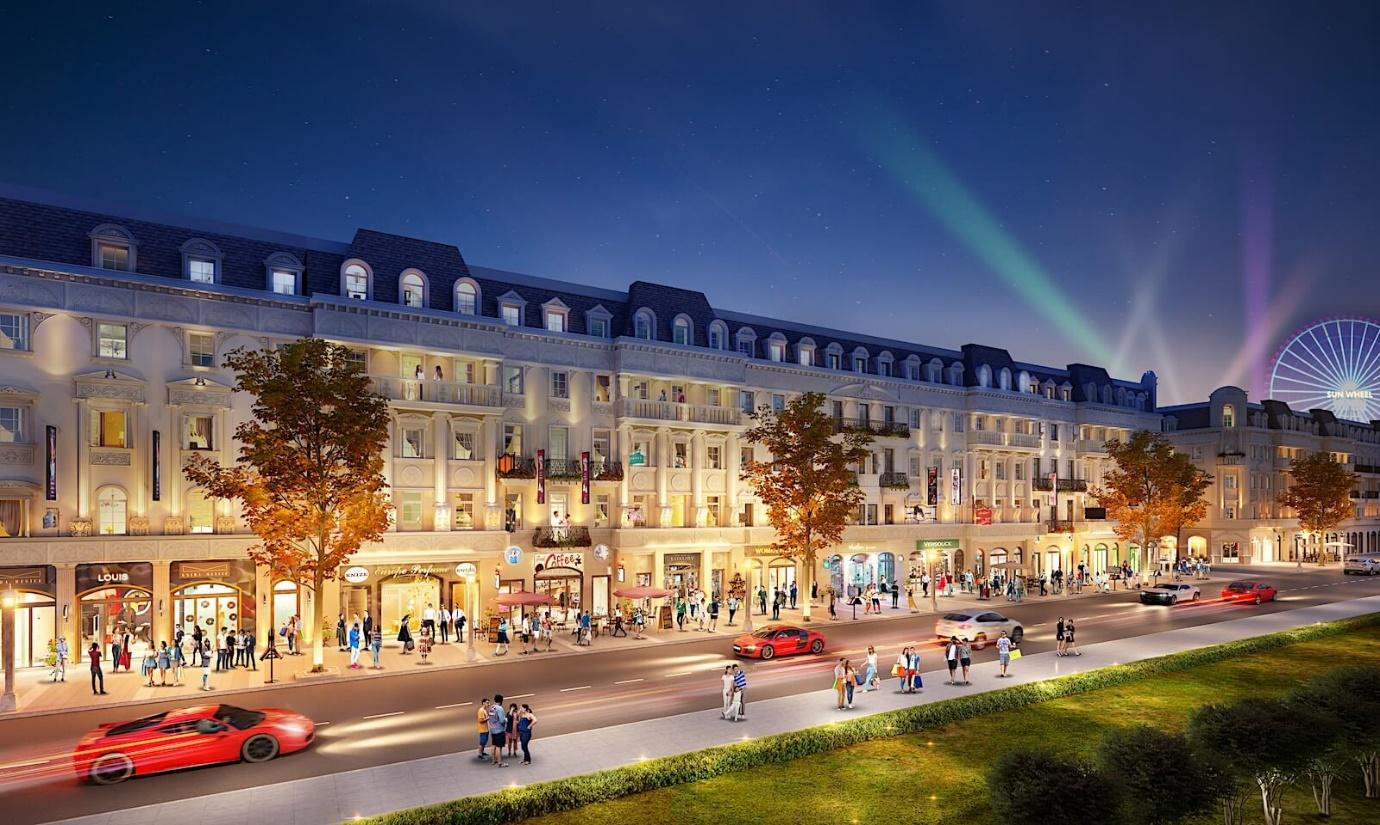
Shophouse has potential for price increase following infrastructure and urbanization. (Source: Compiled)
2.2. Cash flow from rental and business operations
One of the outstanding advantages of shophouses is their ability to generate cash flow through rental activities or actual business operations. These products can be exploited in diverse models such as shops, cafes, showrooms, restaurants, or service accommodations.
This helps investors not only expect asset appreciation but also gain a stable income during the operation period. This is also a factor that makes many people highly evaluate the investment potential of commercial townhouses (shophouses) today.
2.3. High Commercial Value in Large Urban Areas
Shophouse units located in central positions, fronting main roads, or in densely populated areas usually have quite high commercial value thanks to large customer traffic and convenient accessibility. This is an advantage that helps this type of property have better liquidity and business exploitation capabilities compared to many conventional real estate products.
Especially, in integrated urban areas or tourist destinations, the demand for shopping, dining, and services often increases sharply following the pace of population and tourism development. This helps shophouse continue to maintain its appeal in the market.
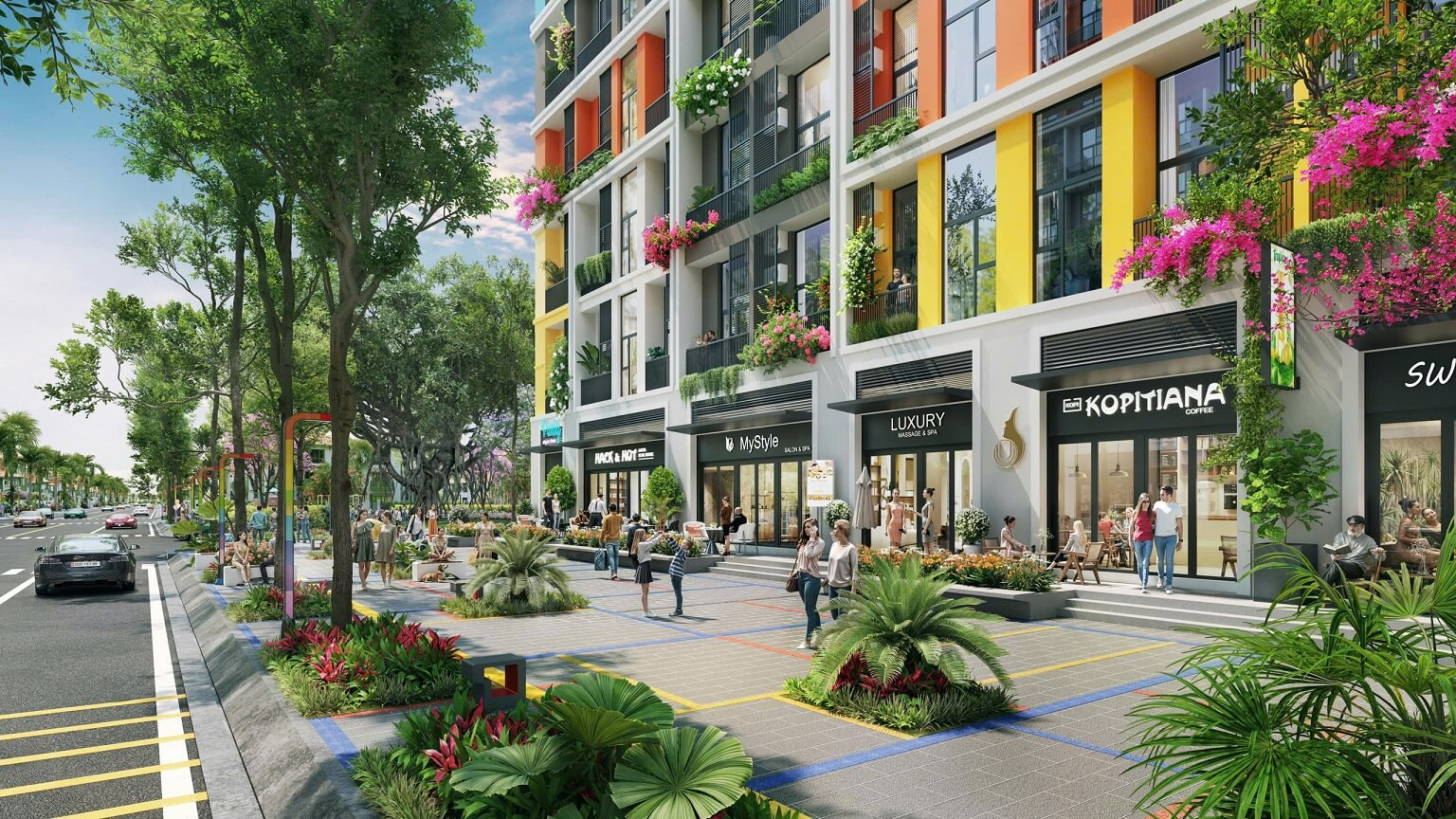
Shophouses in major urban areas have high commercial value. (Source: Compiled)
Long-term value appreciation potential
Besides commercial exploitation capabilities, shophouses are also highly valued due to their often limited supply in each project. Products with prime locations and good business potential tend to have relatively stable asset accumulation value over time.
Furthermore, the trend of all-in-one urban development, commercial services, and resort tourism are also creating further momentum for this segment in the future. This is one of the factors that helps answer the question whether commercial townhouses have investment potential today.
3. Factors determining the profitability of shophouses
Although considered a type with good commercial exploitation potential, the profitability of shophouses still depends on many different factors. To answer the question do commercial townhouses have investment potential, investors need to carefully consider the location, planning, operational capabilities, and actual development potential of the area.
3.1. Location and actual resident traffic
Location is always the top priority factor determining the exploitation efficiency of shophouses. Units located on major roads, near squares, central areas, or places with high resident and tourist traffic usually have better business advantages.
Besides location, actual resident density and the ability to attract visitors to the area also greatly affect commercial exploitation revenue. This is a factor that needs to be prioritized for evaluation instead of just paying attention to the project's promotional information.
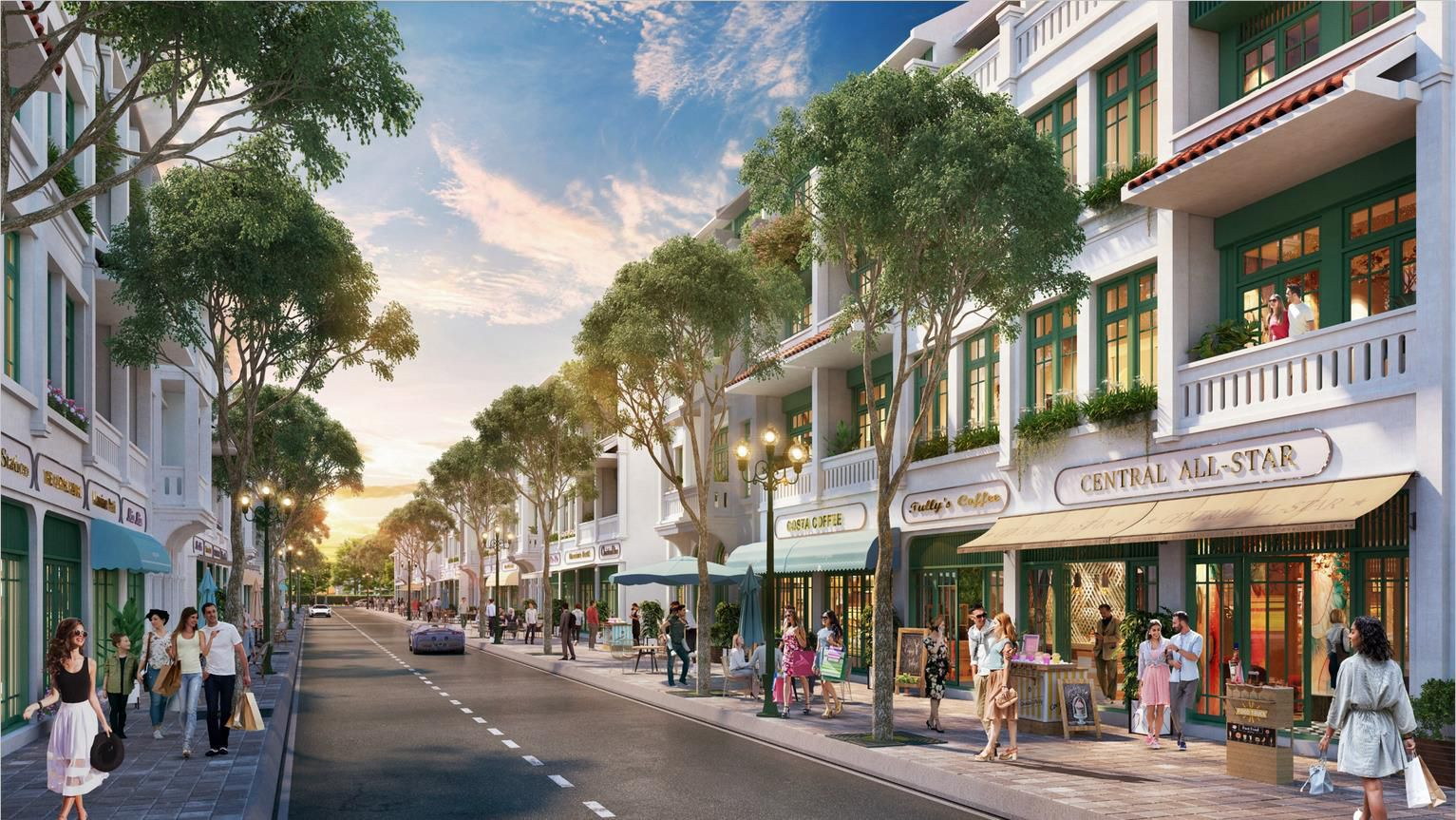
Location and resident traffic directly affect the efficiency of shophouse exploitation. (Source: Compilation)
3.2. Scale and quality of project planning
A well-planned and synchronized urban area often helps shophouses have more stable long-term exploitation potential. Factors such as construction density, functional zoning, public spaces, and internal connectivity all affect the commercial value of the product.
Furthermore, large-scale projects with long-term development orientation often create a more stable ecosystem of residents, services, and tourism. This is an important foundation that helps shophouses maintain their value and growth potential over time.
3.3. Operating model and surrounding amenities
Practical commercial operational capability is a factor that directly affects the exploitation efficiency of shophouses. Urban areas with diverse amenities, vibrant activities, and professional operational models often help increase customer volume and demand for services.
In addition, amenities such as public squares, pedestrian streets, commercial centers, entertainment areas, or tourist facilities also contribute to creating more attraction for business operations. This is a factor that helps shophouses have a greater advantage in terms of cash flow exploitation.
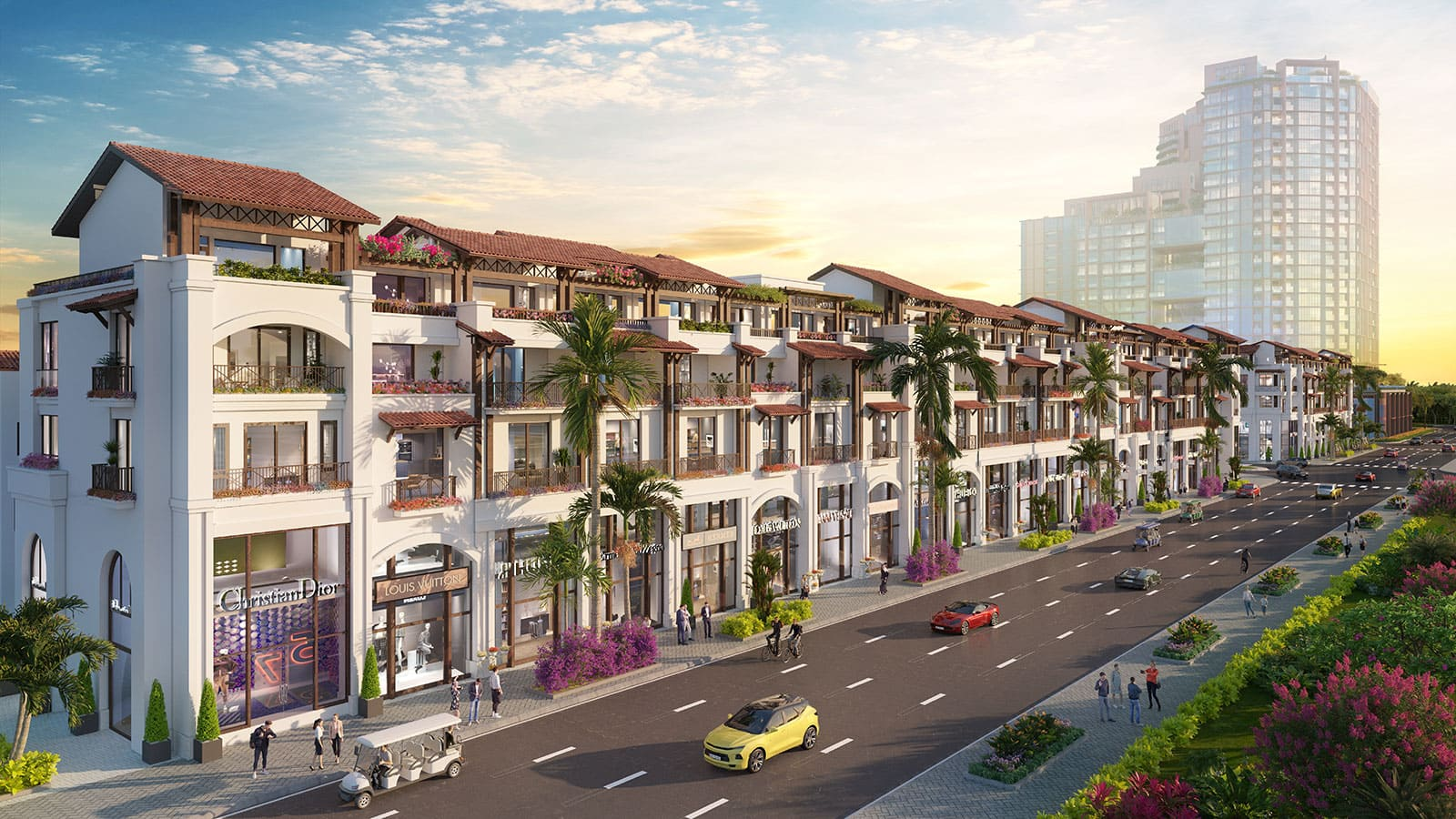
Actual commercial operational capability is a factor that directly affects the exploitation efficiency of shophouses. (Source: Collected)
3.4. Regional Commercial Development Potential
The development of infrastructure, tourism, and the urbanization rate has a significant impact on the future growth potential of shophouses. Areas capable of attracting residents, tourists, or strong commercial and service activities often create favorable conditions for business development.
Furthermore, areas heavily invested in transportation and urban infrastructure also tend to increase the value of commercial real estate over time. This is considered an important factor helping shophouses maintain their appeal to investors today.
4. Effective shophouse investment experience
Although considered a type with good commercial exploitation potential, the profitability of shophouses still depends on many different factors. To answer the question do commercial townhouses have investment potential, investors need to carefully consider the location, planning, operational capacity, and actual development potential of the area.
4.1. Prioritize projects with a large resident community
Location is always the top priority factor determining the exploitation efficiency of shophouses. Units located on major roads, near squares, central areas, or places with high resident and tourist traffic usually have better business advantages.
Some projects of Sun Property (a member of Sun Group Corporation) are developed with a commercial street – tourism orientation, such as Sun Premier Village Primavera or The Santo Port, all possessing locations near major tourist attractions, squares, and large entertainment ecosystems, helping to increase visitor accessibility and commercial exploitation.
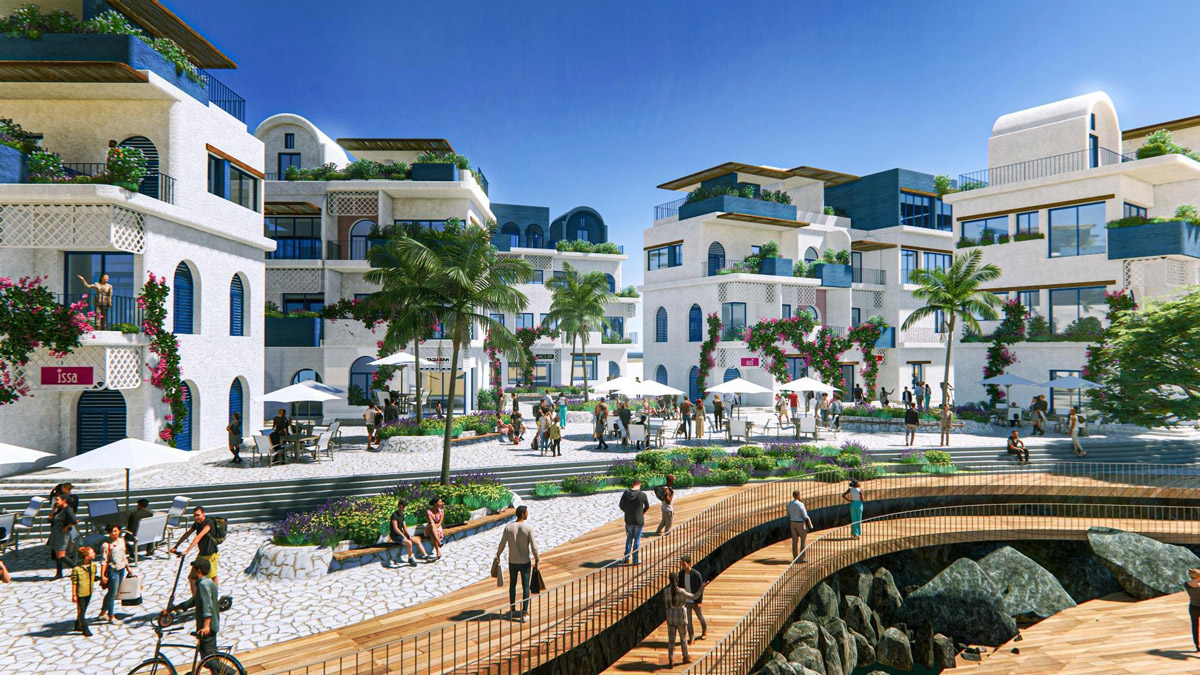
The Santo Port owns a location near tourist attractions, squares, and large entertainment ecosystems. (Source: Compilation)
4.2. Choose a location near transportation routes and amenities
A well-planned and synchronized urban area often helps shophouses have more stable long-term exploitation potential. Factors such as construction density, functional zoning, public spaces, and internal connectivity all affect the commercial value of the product.
Notably, Sun Elite City – an all-in-one resort complex with a large-scale tourism, commercial, and entertainment ecosystem by Ha Long Bay. The project possesses many commercial zones, apartments, and synchronized utilities, creating a foundation for long-term business operations and service exploitation.
4.3. Assessment of actual exploitation potential before purchasing
The actual commercial operation capability is a factor that directly affects the exploitation efficiency of shophouses. Urban areas with diverse utility systems, vibrant activities, and professional operating models often help increase customer traffic and service demand.
Projects such as Sun Centro Town or Sun Grand City Hillside Residence are developed near sea squares, entertainment areas, shows, and large tourism complexes, offering advantages for commercial activities, accommodation, and services.

Sun Centro Town is located within a tourism complex that has been systematically invested and developed. (Source: Collected)
4.4. Prioritizing reputable investors and synchronized planning
The development of infrastructure, tourism, and the pace of urbanization has a significant impact on the future growth potential of shophouses. Areas with the ability to attract residents, tourists, or strong commercial and service activities often create favorable conditions for business development.
This is clearly demonstrated in coastal tourist areas and new urban areas, where many shophouse projects are developed following an integrated commercial-resort street model. This is considered an important factor helping the commercial townhouse segment continue to maintain its appeal in the current market.
It can be seen, the question do commercial townhouses have investment potential is receiving much attention as the trends of urbanization, tourism, and commercial services are developing strongly. With the advantage of both business exploitation, creating stable cash flow, and the ability to increase asset value in the long term, shophouse is still considered one of the potential real estate segments in the current market, especially in integrated urban areas and major tourist destinations.