


Explain specifically what mixed-use development is in real estate.
In the trend of modern urban development, many people are starting to learn about what mixed-use development is as integrated projects become increasingly popular. This is not just a multi-functional construction model but also brings convenient living values and attractive investment potential.

▲Table of Contents
1. Identity and Development Flow of Mixed-Use Development in Real Estate
1.1. Philosophy of Spatial Integration in Modern Real Estate
Mixed-use development is understood as a real estate development model integrating multiple functions (residential, office, commercial) on the same land area. According to the Land Law 2024 (No. 31/2024/QH15), this model is increasingly encouraged through the regulation on "land for multi-purpose use".
This combination not only optimizes land funds in high-density urban areas but also ensures clearer legal status when defining ownership rights and usage periods for each type of function within the same project. This helps enhance the efficiency of national land resource exploitation and supports sustainable urban planning.
Furthermore, this model also creates a multi-utility living environment as residents can access essential services right within their living area without having to travel far. This helps improve the quality of life and promotes the formation of a highly connected resident community within the city.
1.2. The evolutionary process from traditional urban areas to multi-functional complexes
The concept of mixed use development originates from large cities around the world as the demand for integrating multiple functions in the same area increases with the pace of economic development. This model is applied to solve the problem of limited land resources and improve the efficiency of using existing urban infrastructure.
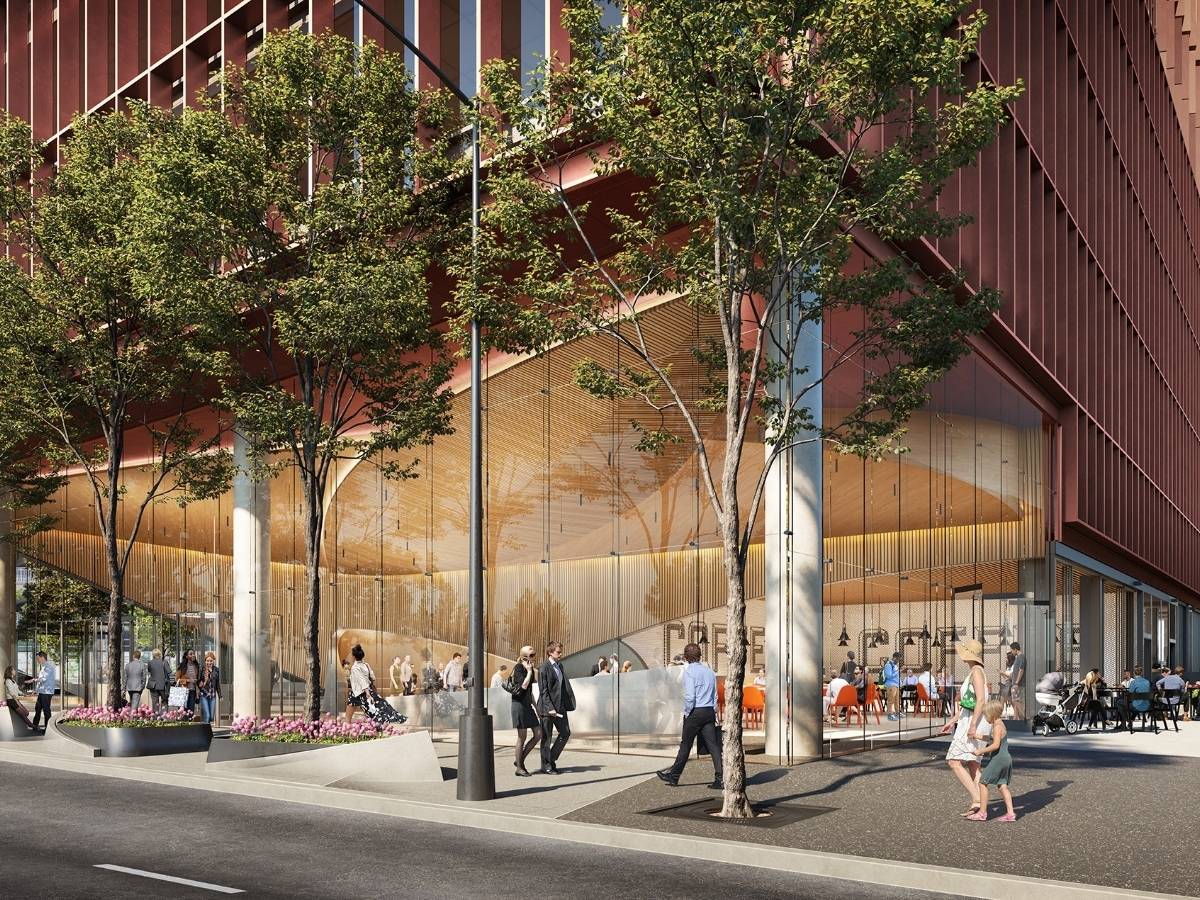
The trend of integrated real estate meets the demand for convenient living. (Source: Compiled)
In Vietnam, this model has transformed strongly from single complexes to integrated mega-cities. Notably, with the support of the legal framework from the Law on Real Estate Business 2023 (No. 29/2023/QH15), mixed-use projects must now publicly disclose transparent information about planning and progress from the outset. This helps meet the demand for convenient living, minimizing travel (the 15-minute city trend) and reflects the stricter expectations of urban residents for an "all-in-one" living space.
2. Project Structure of Mixed-Use Development
2.1. Functional Components within a Project
What is the concept of mixed use development, clearly demonstrated through functional components such as apartment areas, residential areas, commercial centers, and office spaces within the same project. This combination helps form a diverse ecosystem that meets the needs for living, working, and doing business within the same area. Commercial and retail areas are often located in central positions or on the ground floors to provide convenience for residents and increase customer traffic.
This helps enhance business efficiency and create stable revenue streams for service activities within the project. Furthermore, office and service areas are integrated to create a balance between work and living functions within the same development space.
Functional diversity not only creates flexibility but also ensures planning compliance. According to the Housing Law 2023 (No. 27/2023/QH15), residential areas within mixed-use projects must be designed with separate operational functions to ensure privacy and safety for residents, while maintaining a harmonious connection with the commercial - service area below.
2.2. Spatial planning and zoning
The concept of what is a mixed-use development is also reflected in the spatial planning approach where functional areas are reasonably separated within the overall project. A thoughtful layout helps minimize conflicts between living, commercial, and working activities within the same area.
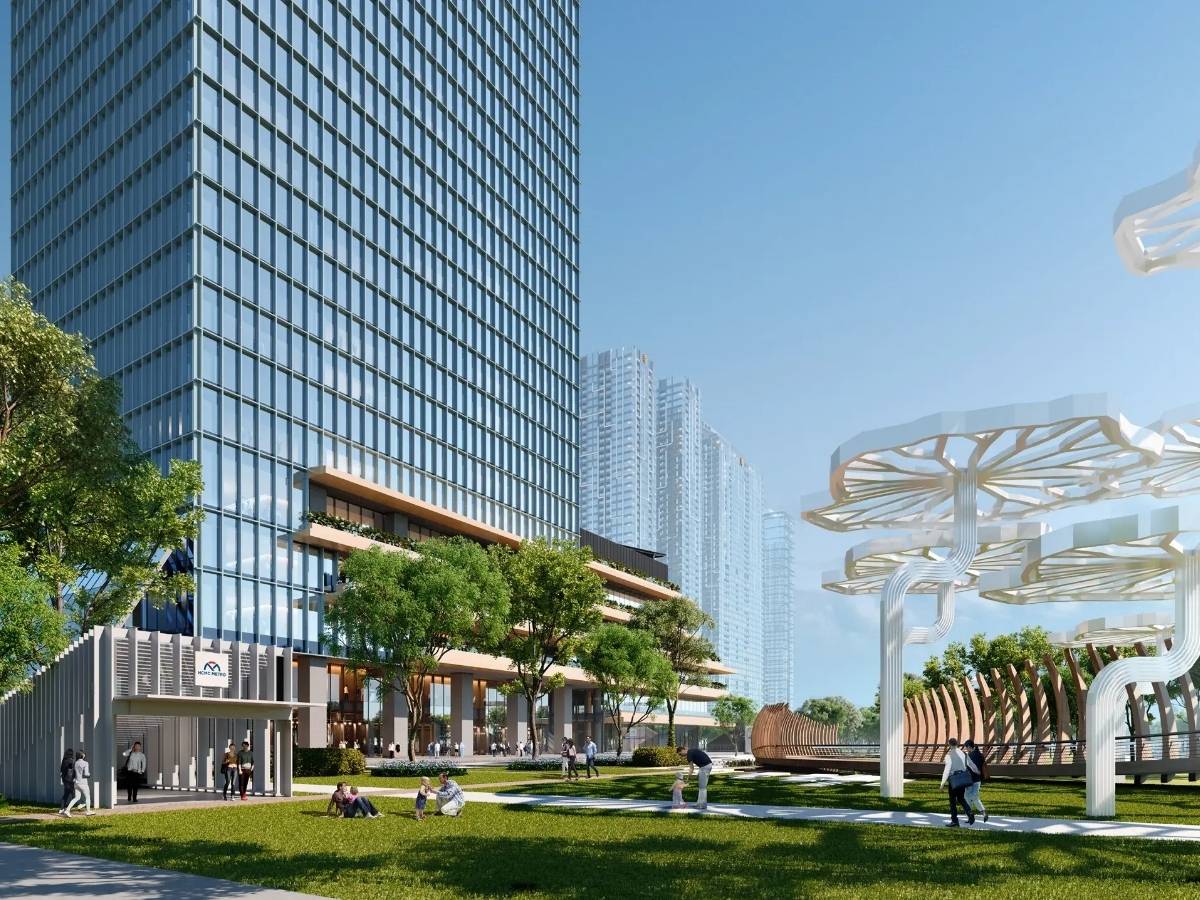
Proper division enhances the living experience within the project. (Source: Compiled)
Projects usually optimize internal traffic by designing private pathways and convenient connections between functional areas to reduce movement pressure. This helps enhance user experience and ensure connectivity throughout the entire complex. Furthermore, the formation of a closed ecosystem with full amenities allows residents to access services nearby without needing to travel far. This contributes to improving space utilization efficiency and reducing pressure on urban transportation infrastructure.
2.3. Exclusive living experience through a connected amenity network
The concept of what is mixed use development is clearly demonstrated through an integrated amenity system including shopping, entertainment, education, and healthcare within the same area. These amenities help meet the daily living needs of residents conveniently and continuously. The integration of amenities helps reduce the need to travel outside the project area and saves time for users in a crowded urban context.
This aligns with modern living trends where residents prioritize convenience and quick access to services. Additionally, living spaces in mixed-use projects are often designed with community elements and green spaces to enhance the overall experience. This contributes to improving the quality of life and creating a sustainable living environment for residents.
2.4. Integrated Operation Standards and Interface Management
What is the concept of mixed use development relates to a multi-functional operational model when a project needs to manage multiple different types simultaneously within the same space. This requires a professional management system and synchronized operational processes.
Operating mixed-use requires synchronized management of multi-functions effectively. (Source: Collected)
Current mixed-use operation requires a high degree of professionalism according to the latest standards in 2026. Management must adhere to regulations on the operation and management of apartment buildings and mixed-use buildings. Management departments are clearly separated between common and private ownership areas, especially transparent accounting of operating costs for the commercial and residential sections. This coordination not only maintains service quality but also helps avoid disputes over maintenance funds or management fees – issues that have been detailed in law to protect the interests of stakeholders.
3. Economic vision and synergistic investment value of mixed-use development
3.1. Cash Flow Generation Performance from Diverse Asset Portfolios
The concept of mixed-use development is linked to the ability to generate multiple revenue streams from types such as residential, commercial, and office within the same project. This helps increase operational efficiency and reduce dependence on a single segment. The integration of multiple functions helps optimize land use and increase economic value on the same area in the context of increasingly limited land resources.
Mixed use optimizes exploitation value and diversifies revenue streams. (Source: Collected)
This is particularly suitable for large urban areas where land use demand is high. Furthermore, this model helps diversify risk when one segment experiences fluctuations, as other revenue streams still provide support. The diversity of functions contributes to stability in real estate exploitation activities.
3.2. Drivers of long-term asset value increase
The concept of what is mixed use development is also related to the ability to increase asset value over time thanks to the synchronous development of infrastructure and amenities. Integrated projects often have high appeal to residents and businesses. Attracting residents and business activities helps create stable cash flow and enhance real estate value in the long term.
This reflects the market trend prioritizing products with high utility and connectivity. Market data also shows that integrated projects often maintain good value thanks to their utility ecosystem and stable community. This increases attractiveness to investors in the context of urbanization.
3.3. Legal barriers and system risk management challenges
The concept of what is mixed use development is also associated with challenges such as large investment costs due to the requirement of integrating multiple functions and synchronized infrastructure. This makes project implementation require significant financial and management resources. Project planning needs to be carried out systematically to ensure balance between functional areas and avoid usage conflicts during operation.
Investors should note legal risks if the investor does not clearly define the land use purpose from the project approval stage. According to the Land Law 2024, the land use period for the commercial part is usually 50-70 years, while the residential part can be long-term. If not advised carefully, buyers can easily confuse these types. Furthermore, actual operating costs in mixed-use projects are often higher than in pure apartment buildings, requiring excellent management capacity to ensure asset value does not depreciate over time.
4. Criteria for identifying potential projects for investors
4.1. Synchronization in planning and internal connectivity
What is the concept of mixed use development that needs to be considered through the scale and synchronization of the project to ensure long-term operational efficiency. A clearly master-planned project will help optimize space utilization. The balance between zones such as residential, commercial, and office plays an important role in ensuring operational efficiency.
This evaluation helps avoid functional imbalance in integrated real estate projects. In addition, synchronization in design and operation contributes to enhancing user experience and project value. This is an important factor when evaluating the quality of a mixed-use complex.
4.2. Commercial Hub and Regional Infrastructure Accessibility
The concept of what is mixed use development needs to be linked to the location factor, as projects are often developed in central areas or areas with urban development potential. A favorable location helps increase accessibility and exploitation value. Transportation infrastructure plays an important role in connecting the project with surrounding areas and reducing travel time.
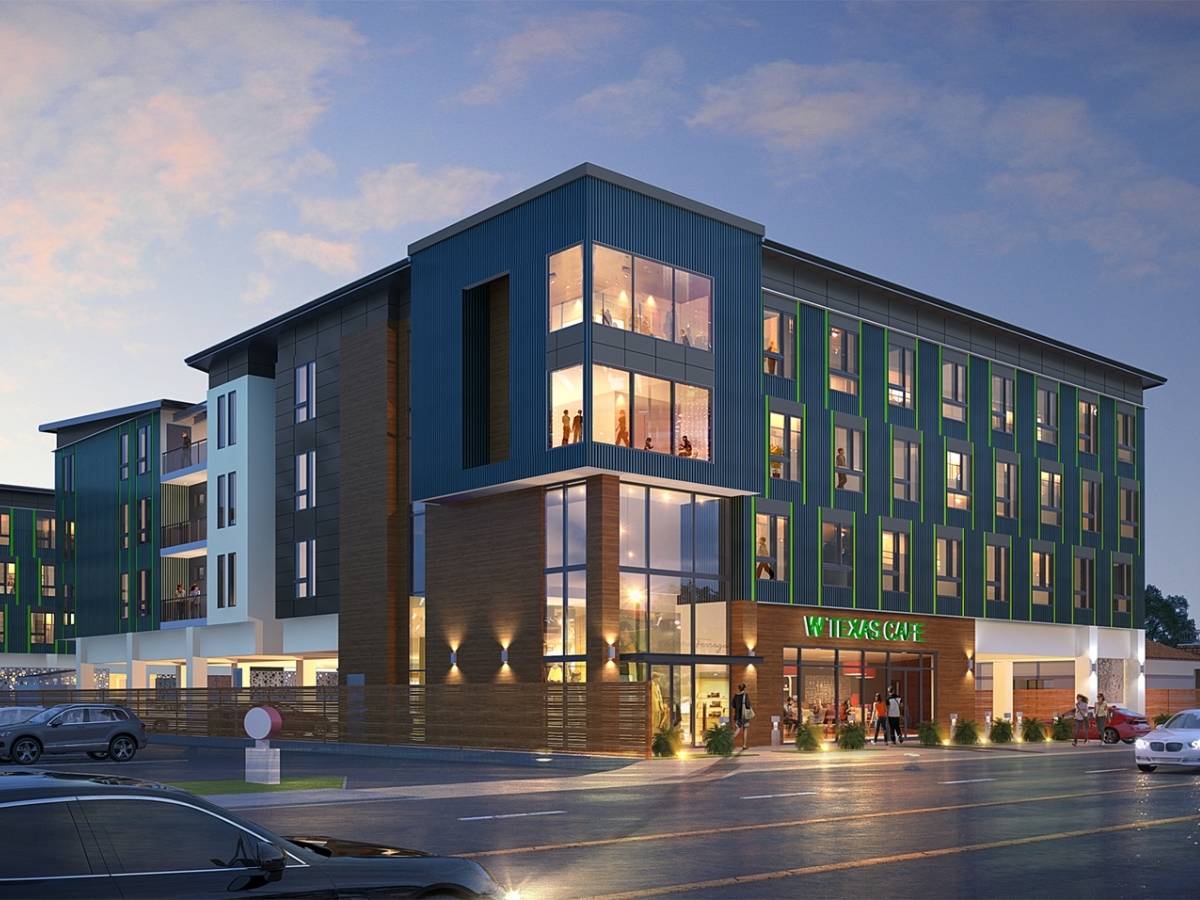
A convenient location helps increase the project's value and connectivity. (Source: Compiled)
Projects near main transportation routes often have advantages in attracting residents and businesses. Furthermore, connectivity to external amenities also contributes to enhancing the overall value of the project. This helps create a convenient living environment that suits the needs of modern urban residents.
4.3. Developer's Ecosystem Development Capability
The concept of what is mixed-use development relates to selecting developers with experience in implementing large-scale and multi-functional projects. The developer's capability directly affects the progress and quality of the construction. Experienced developers often have the ability to build development and operational strategies suitable for integrated projects.
This helps ensure operational efficiency and maintain real estate value in the long term. Furthermore, management and operational capacity are also factors to be considered to ensure the stable operation of the service system. This contributes to creating a good experience for users throughout the entire project.
Understanding what mixed-use development is will give you a comprehensive view of modern real estate development trends. This is a model that not only enhances the quality of life but also opens up opportunities for sustainable long-term investment if the right project is chosen. If you intend to invest, don't forget to read the analysis above to grasp it.