


Explore investment trends in the Resort Living model in Vietnam.
Not just a resort, the Resort Living model is becoming a new living trend that investors and owner-occupiers are interested in. The combination of high-class amenities, natural spaces, and profit-generating potential helps this type of property increasingly assert its appeal in the real estate market.

▲Table of Contents
1. Overview of the Resort Living model in real estate
1.1. Definition of luxury Resort Living lifestyle
Resort Living is understood as a home resort lifestyle, where residents can enjoy a resort-like living space with full amenities and an ecological environment right in their daily residence. Unlike short-term stays, this model integrates resort experiences into daily life to enhance the quality of life. When analyzing the Resort Living model , it is a combination of the need for permanent residence and long-term resort experiences.

Resort Living brings the resort experience into daily life. (Source: Collected)
According to the latest regulations in the Law on Real Estate Business 2023 (No. 29/2023/QH15), tourist apartments and tourist villas (condotel, resort villa) have been clearly defined for their intended use. Owners have the right to operate them for flexible rental after completing procedures for residency registration and accommodation business. This not only creates utility value for personal needs but also affirms the 'hybrid' nature of this product line: serving as both a place to settle down and recharge energy, and an asset that generates stable cash flow through professional management platforms.
1.2. History of formation and globalization process of the model
Resort Living emerged in developed countries as the need to improve quality of life and balance work with rest is increasingly emphasized in modern society. Initially, this trend was popular in coastal cities or areas with favorable natural conditions. When exploring the Resort Living model, its origins can be seen as linked to the green living trend and long-term resort stays.
From countries like Australia, the USA, or Europe, this model quickly spread to the Asian region thanks to the increase in the middle class and the demand for quality living spaces. Many successful projects have been implemented in major cities with nature-inspired designs and integrated facilities. This development shows that Resort Living has become a global trend.
1.3. Reasons for the boom in the Resort Living product segment in the domestic market
In Vietnam, the rise of the middle class and stable incomes have driven the demand for high-quality living spaces, associated with resort and healthcare elements. This has created favorable conditions for Resort Living to develop strongly in recent years. When analyzing the Resort Living model, economic factors and the demand for green living are the main drivers.
Furthermore, the development of domestic tourism along with transportation infrastructure in many localities such as Quang Ninh or coastal provinces has created a foundation for the expansion of Resort Living projects. Many areas record stable tourist numbers, contributing to enhancing the business exploitation potential of the product. This makes this model increasingly of interest in the real estate market.
2. Identifying characteristics of modern Resort Living projects
2.1. Low-density planning and prioritizing green landscape design
Space in Resort Living projects is often designed to be close to nature with low construction density, abundant greenery, and water features to create a fresh and relaxing living environment. These elements help regenerate energy and reduce the pressure of urban life. When exploring the Resort Living model, living space is the core element.
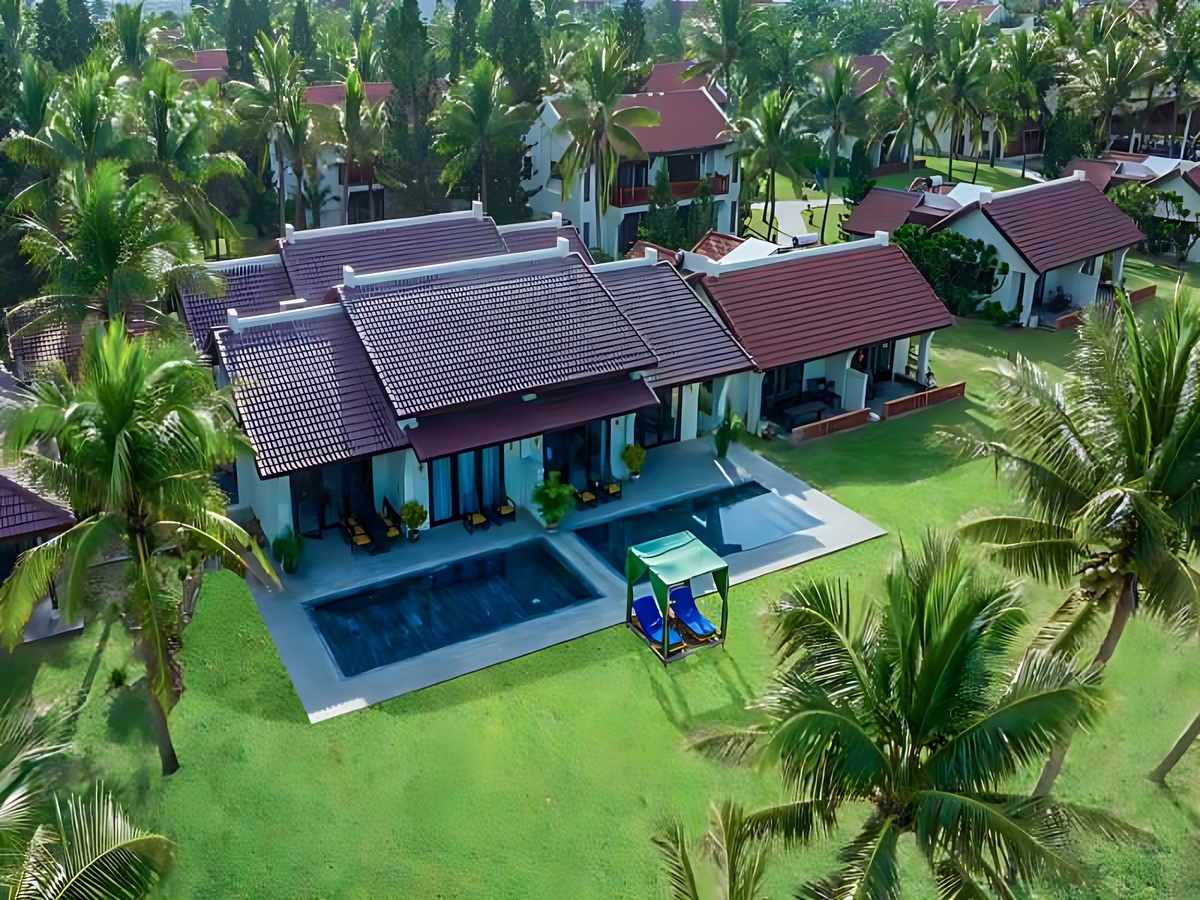
Resort Living space close to nature and maximum relaxation. (Source: Collected)
Furthermore, projects are often located in areas with characteristic landscapes such as by the sea, by the river, or in ecological zones to enhance the experiential value. Architectural design also aims for harmony with nature, creating a continuous resort feeling for residents. This contributes to improving overall quality of life.
2.2. All-in-one utility ecosystem serving luxurious living needs
Resort Living often integrates a diverse range of amenities such as swimming pools, spas, gyms, sports fields, and entertainment areas to fully meet the living and resort needs of residents. These amenities are harmoniously planned within the project premises. In addition, projects also integrate commercial centers, restaurants, and entertainment services to create a closed ecosystem similar to a high-class resort. The operating model is usually professionally managed to ensure stable service quality. This helps enhance the usability value of the product.
2.3. Flexible product structure optimizes exploitation capabilities
One of the outstanding features of Resort Living is the flexible business exploitation capability through short-term or long-term rentals via professional operating units. This helps optimize asset utilization during periods of non-use. When exploring the Resort Living model, the investment factor is a noteworthy point.
Owners can combine personal needs with business exploitation to create stable cash flow, while increasing asset value over time. This model is suitable for investors seeking flexible investment solutions. This helps enhance long-term financial efficiency.
2.4. Legal standards and resort property ownership
The legality of the Resort Living model has entered a new chapter thanks to the synchronization of the Land Law 2024 (No. 31/2024/QH15) and the Real Estate Business Law 2023. Currently, types such as resort villas and tourist apartments have been granted Ownership Certificates with land use terms according to the project duration (typically 50-70 years). Notably, the issuance of certificates for constructions on commercial and service land has helped resolve the biggest bottleneck for investors, creating absolute peace of mind regarding property rights and the ability to transfer ownership in the secondary market.

Resort Living needs to focus on legal aspects and clear ownership. (Source: Collected)
3. Investment value and sustainable economic benefits
3.1. Dual benefits from profit potential and self-enjoyment value
Resort Living offers dual value by meeting the need for private relaxation while creating business exploitation opportunities through rental, helping to optimize asset utilization. This aligns with the trend of combining investment with experience. Besides, owning real estate in areas with tourism potential helps increase asset value over time, especially as infrastructure and tourist numbers grow. This creates a long-term advantage for investors. Asset value is therefore improved according to market development cycles.
3.2. Sustainable long-term capital value growth performance
Compared to traditional investment forms, Resort Living has the ability to generate cash flow from rental activities and increase asset value over time, helping to optimize financial performance. This depends on the location and operational capability of the project. In addition, profits from this model are also influenced by many factors such as tourist volume, service quality, and operational management capabilities. These factors need to be considered when evaluating investment potential. This helps limit risks during the exploitation process.
3.3. Fully meeting the Wellness and Workation living and working trends
Resort Living aligns with the wellness living trend by creating an environment close to nature, supporting the improvement of physical and mental health in daily life. This helps residents maintain a balanced lifestyle. When exploring the Resort Living model, the wellness factor becomes increasingly prominent.
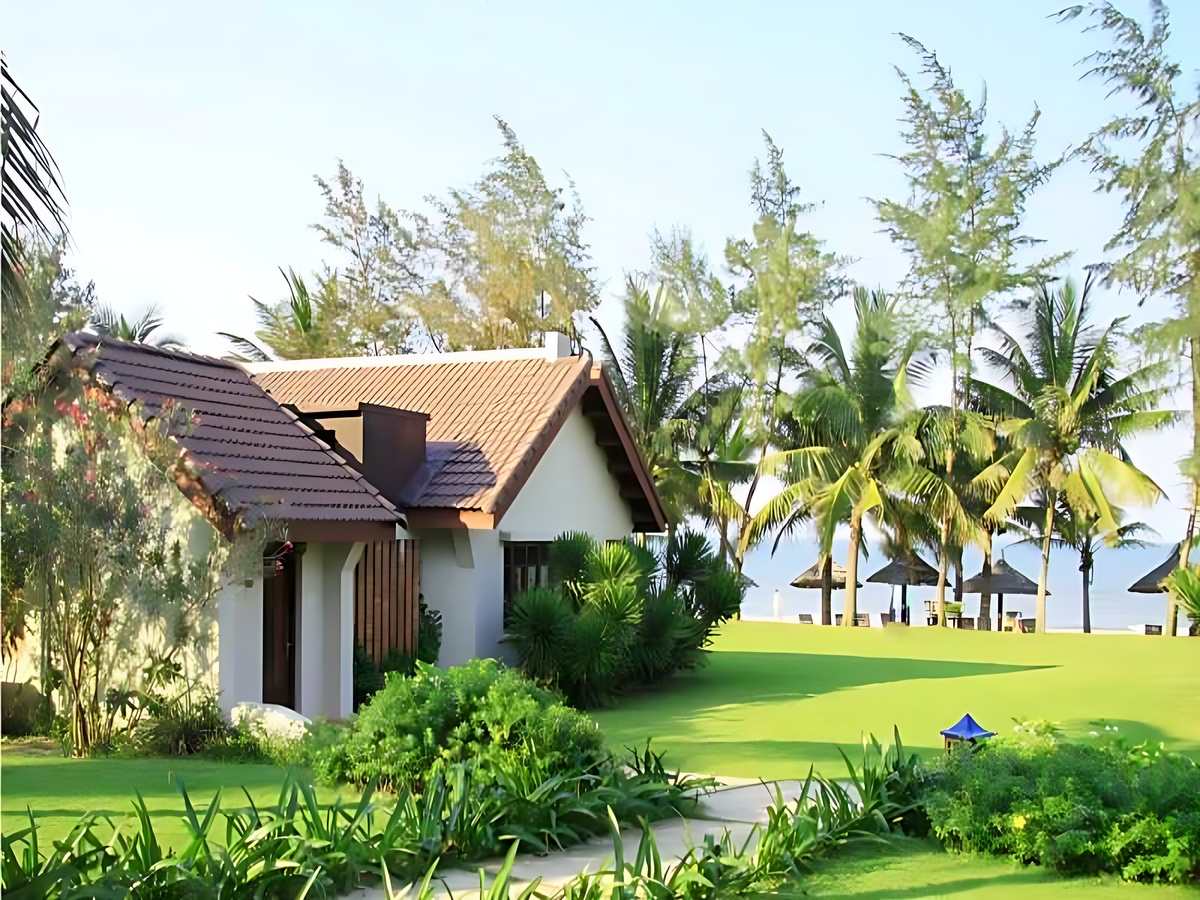
Resort Living meets the modern wellness and workation trends. (Source: Collected)
Furthermore, the trend of remote work has driven the demand to live and work in resort spaces, offering full amenities and a quality living environment. This is particularly suitable for young people and stable-income customer groups. This model is therefore increasingly gaining attention.
4. Strategies for Choosing an Effective Resort Living Model
4.1. Strategic Location and Growth Drivers from Regional Infrastructure
Location is an important factor when choosing a Resort Living project, especially in areas with a stable tourist flow and long-term development potential. Coastal locations or those with distinctive landscapes often have an advantage. When analyzing the Resort Living model, location plays a foundational role. Furthermore, transportation infrastructure and regional connectivity also affect operational efficiency and asset value. Areas with developed transportation systems tend to attract more tourists.
4.2. Investor reputation and the capacity of international operation management units
The reputation of the investor and the operating unit directly affects the project quality and long-term business exploitation capabilities. Experienced units usually ensure stable services and effective management. In addition, transparency in profit commitments and operating methods is also an important criterion for buyers to evaluate the project. This helps minimize risks and ensure investor benefits. Brand reputation therefore plays an important role.
4.3. Cash Flow Problem and Assessment of Actual Liquidity
Analyzing sales prices against the area and rental exploitation potential helps assess the investment efficiency of Resort Living products. Factors such as operating costs and occupancy rates need to be considered. When analyzing the Resort Living model, cash flow is the core factor. Additionally, the payback period and the potential for asset appreciation are also important criteria in the selection process. This helps investors make decisions aligned with their financial goals. Careful evaluation enhances investment efficiency.

Resort Living Analysis helps evaluate investment efficiency and cash flow. (Source: Collected)
4.4. Risk control and key considerations when entering the market
Investing in Resort Living can be affected by fluctuations in the tourism market, especially during periods of economic instability or declining visitor numbers. This can impact operational capacity and cash flow. When exploring the Resort Living model, market risk is a factor to consider.
By 2026, risks of virtual "profit commitments" have been more tightly controlled thanks to sanctions in the 2023 Real Estate Business Law. However, investors need to pay special attention to the actual operational capacity of the management unit instead of just looking at the commitment figures. Additionally, it is necessary to carefully check the project implementation progress and the acceptance conditions for putting into use according to new regulations to ensure cash flow from rental exploitation is not interrupted due to administrative procedure complications after handover.
In the context of growing demand for quality living and sustainable investment, the Resort Living model is not only a trending choice but also a smart financial solution. Understanding its characteristics, benefits, and how to choose appropriately will help investors maximize the potential of this type of real estate.