


Explore trends in interior design using natural materials.
The green living trend is increasingly gaining attention in modern home design. In this context, interior design using natural materials has become an ideal choice thanks to its aesthetic appeal and environmental friendliness. The article will help you clearly understand its characteristics and effective application methods.

▲Table of Contents
1. General overview of interior design with natural materials
1.1. Definition of natural materials in interior spaces
In the current context, interior design using natural materials is not just a personal preference but also a solution meeting the criteria for sustainable construction according to Housing Law No. 27/2023/QH15. These materials are prioritized for their renewability, helping to reduce carbon emissions and ensure originality, bringing a characteristic aesthetic depth to modern living spaces.
Unlike artificial materials such as plastic or industrial metal, natural materials have unique characteristics in terms of grain, color, and surface texture. This helps each interior space become distinct and have clearer aesthetic depth. This difference also contributes to creating personalized and sustainable design trends.
1.2. The development of the natural material trend
The trend of using natural materials has become an essential standard as consumers adhere to a green lifestyle and environmental protection regulations. Especially, according to the orientation in the National Housing Development Strategy, the application of natural materials helps apartments and townhouses achieve green certification, while minimizing negative impacts on the ecosystem. This reflects the shift from awareness to concrete action in building safe living spaces.
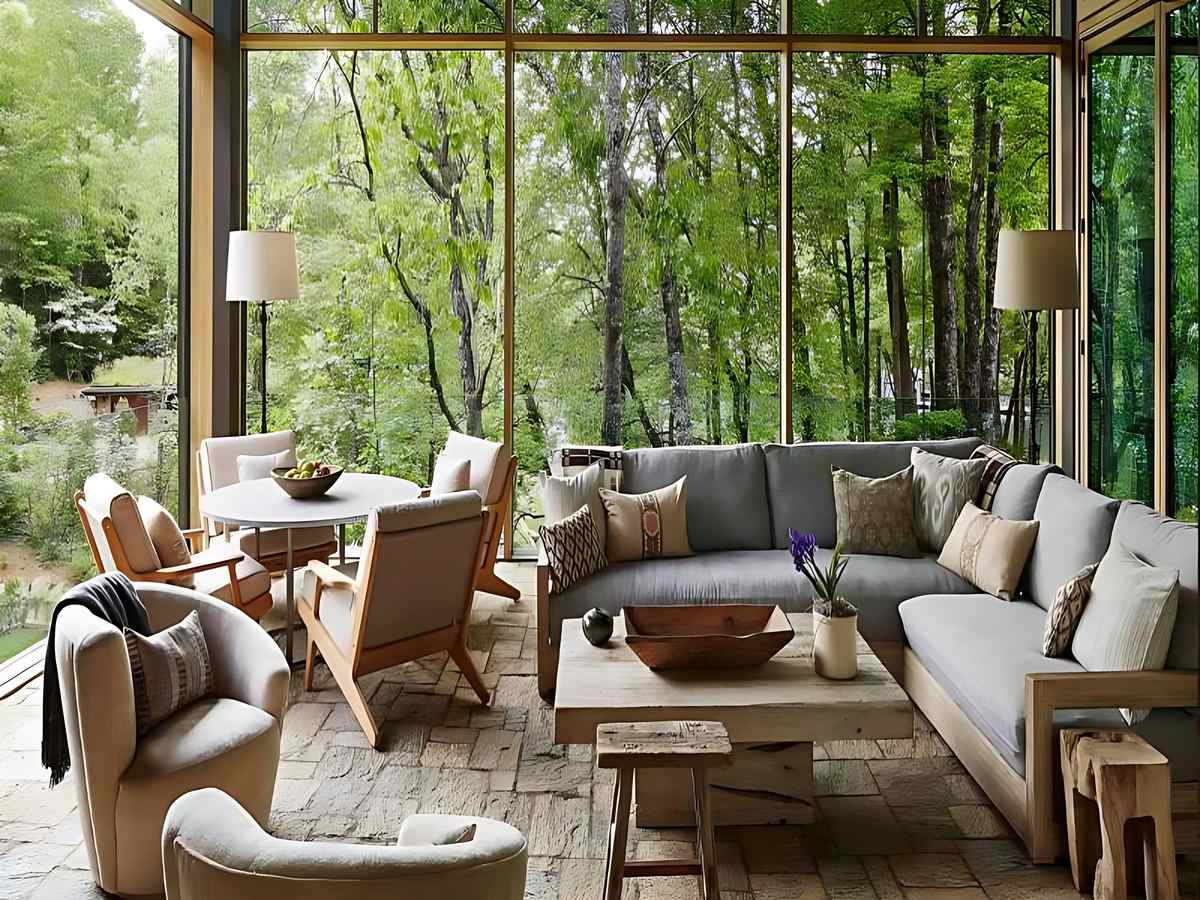
The use of natural materials in housing is increasing, creating sustainable and nature-friendly spaces. (Source: Collected)
Moreover, the need to create living spaces close to nature also promotes the use of materials such as wood, bamboo, or stone in interiors. These materials help bring a sense of relaxation and balance to urban living spaces. This is a trend that aligns with the development of modern interior design.
1.3. The role of natural materials in design
Natural materials play an important role in shaping the overall aesthetic of interior spaces through color, texture, and surface feel. When applying natural material interior design, spaces often feel warmer and more harmonious. This enhances the living experience and creates a connection with nature.
Beyond aesthetics, natural materials also have a positive impact on emotions by helping to reduce stress and creating a pleasant living environment. The combination of these materials helps spaces achieve a balance between functionality and emotion. This is an important factor in modern interior design.
2. Common types of natural materials in interior design
2.1. Natural wood in home design
Natural wood is a popular material in interior design due to its flexible application in flooring, walls, and furniture. When using natural material interior design, wood brings a sense of warmth and creates accents for living spaces. It is a suitable choice for many different design styles.
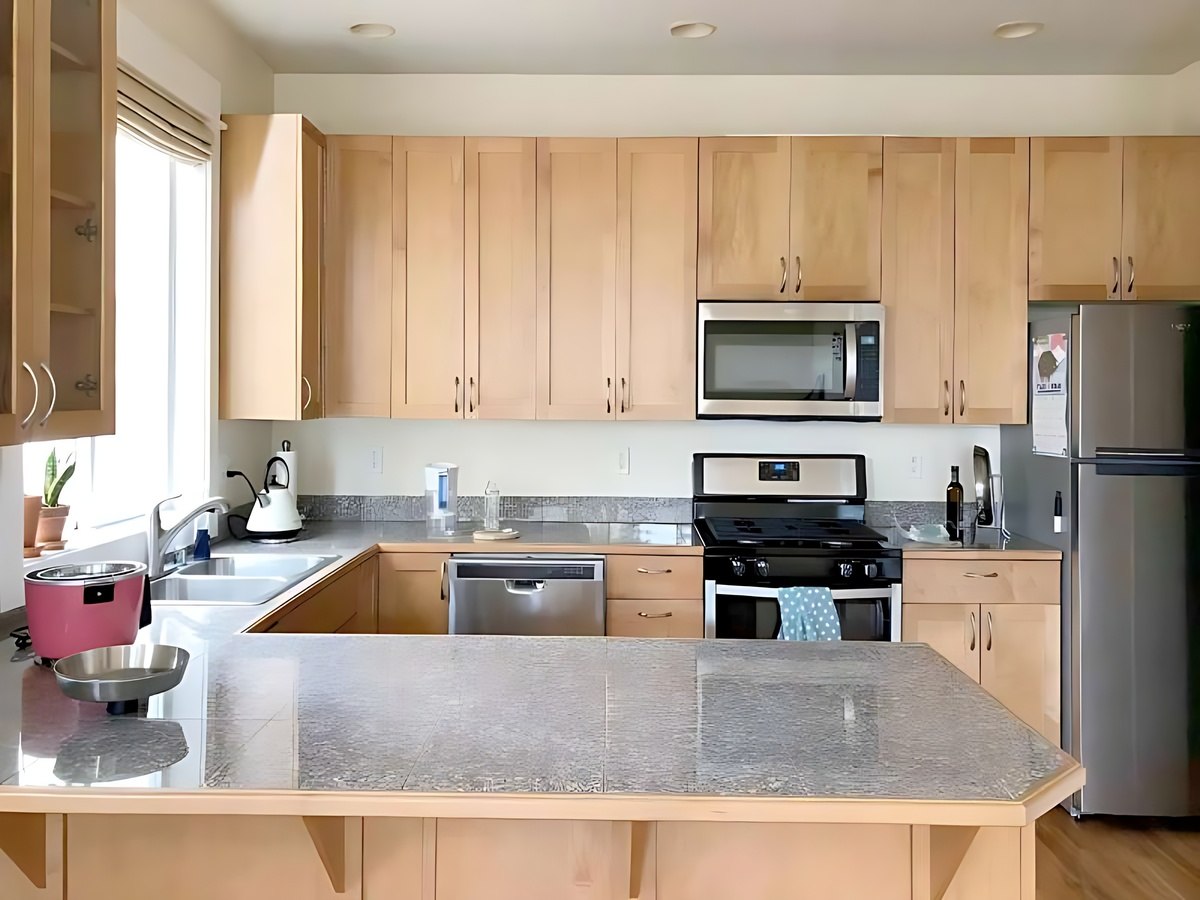
Natural wood in interior design brings warmth, high aesthetic value, and durability. (Source: Collected)
Natural wood offers superior durability and sustainable economic value. However, according to the latest forest product management regulations, users need to prioritize selecting wood with legal origin certification (such as FSC). Using wood harvested in compliance with regulations not only enhances aesthetic value with its unique grain patterns but also ensures legal compliance for the project, contributing to sustainable forest resource protection.
2.2. Natural stone and raw materials
Natural stone is often used in walls, countertops, or floors to create accents and enhance the elegance of interior spaces. When applying interior design using natural materials, stone brings a sense of solidity and durability. Natural stone veins create a unique visual effect with depth.
Furthermore, natural stone has good load-bearing capacity and abrasion resistance, making it suitable for frequently used areas such as kitchens or living rooms. The use of stone helps spaces become sophisticated and possess long-lasting aesthetic value. This is a popular choice in modern interior design.
Besides stone, raw materials like concrete or ceramics are also used to create accents in interior design. These materials bring a rustic feel and suit the minimalist trend. The combination of raw and natural materials helps the space become harmonious and balanced.
2.3. Bamboo, rattan and traditional materials
Bamboo, rattan are traditional materials widely used in decoration and interior design thanks to their flexibility, lightness, and ease of shaping into various forms. In natural material interior design , these materials not only bring a sense of closeness but also suit many styles from modern to minimalist or tropical. They are often applied in furniture such as chairs, tables, cabinets or decorative details to create subtle accents and enhance the connection with nature.
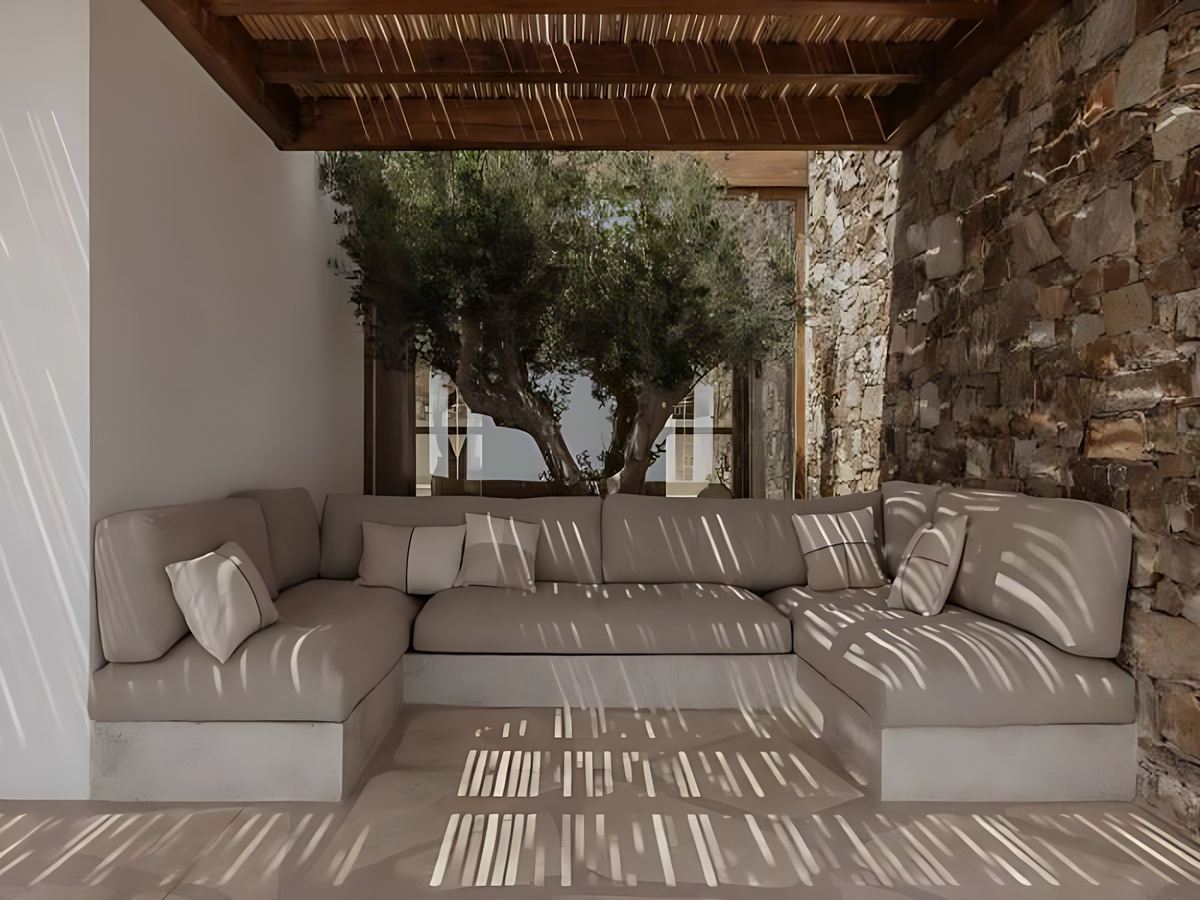
Bamboo and rattan create natural, flexible, and cozy interiors. (Source: Collected)
Furthermore, the flexible and easy-to-work-with properties allow rattan and bamboo to be bent, woven, or combined with other materials such as wood and metal to create products with diverse forms. This allows designers to be flexible in creating and personalizing living spaces according to usage needs. The diversity in styles and applications helps this material appear in many different areas of the house, from the living room, bedroom to the balcony or garden.
2.4. Natural fabrics and soft materials
Natural fabrics like linen and cotton are used in interior design to enhance the comfort and friendliness of living spaces. When applying natural material interior design, these materials help create a more pleasant and intimate living environment. They are often used in curtains, sofas, or rugs.
These soft materials also help regulate the air and create a warm feeling in the space. The combination of natural fabrics with hard materials like wood or stone helps balance the overall design. This contributes to enhancing the user experience of the space for homeowners.
3. Advantages of interior design using natural materials
3.1. Eco-friendly and Health
Natural materials play a key role in controlling VOCs (Volatile Organic Compounds), helping to improve air quality according to current health standards. When applying interior design using natural materials, the space becomes absolutely safe, especially beneficial for the respiratory systems of children and the elderly. This is fully compliant with the technical regulations on biological safety in residential buildings in 2026.
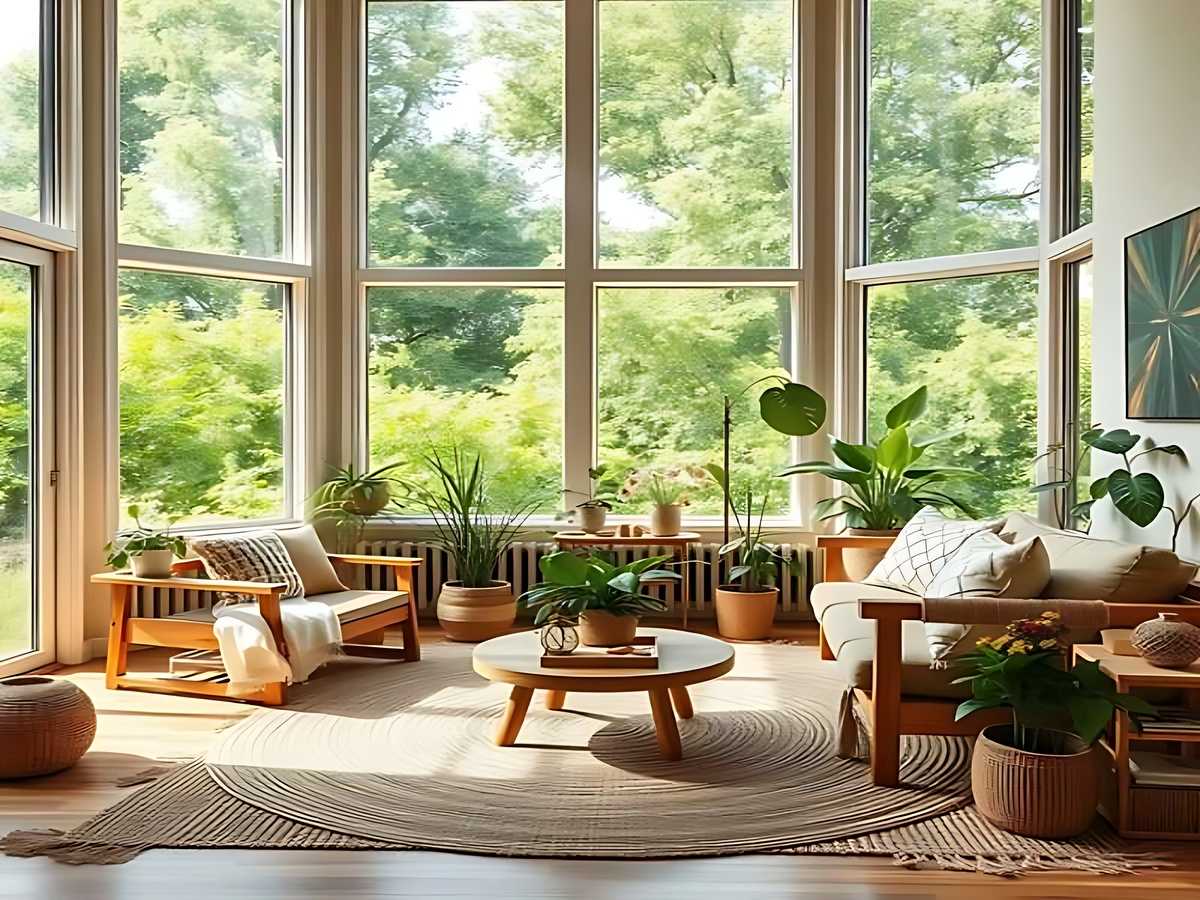
Natural materials in eco-friendly interiors are good for user health. (Source: Collected)
Sustainable aesthetics over time
Natural materials bring enduring beauty and are not significantly affected by changing design trends over time. When using interior design with natural materials, the space retains its aesthetic value long-term. This helps reduce the need for frequent changes or renovations.
Furthermore, natural materials are easily combined with various interior styles such as modern, minimalist, or traditional. This flexibility ensures the space remains suitable for usage needs. This is an important factor in long-term interior design.
3.3. Creating a cozy and relaxing atmosphere
Space using natural materials often brings a warm and comfortable feeling thanks to colors and textures close to nature. When applying natural material interior design, users tend to feel more relaxed in daily life. This aligns with the trend of slow and balanced living.
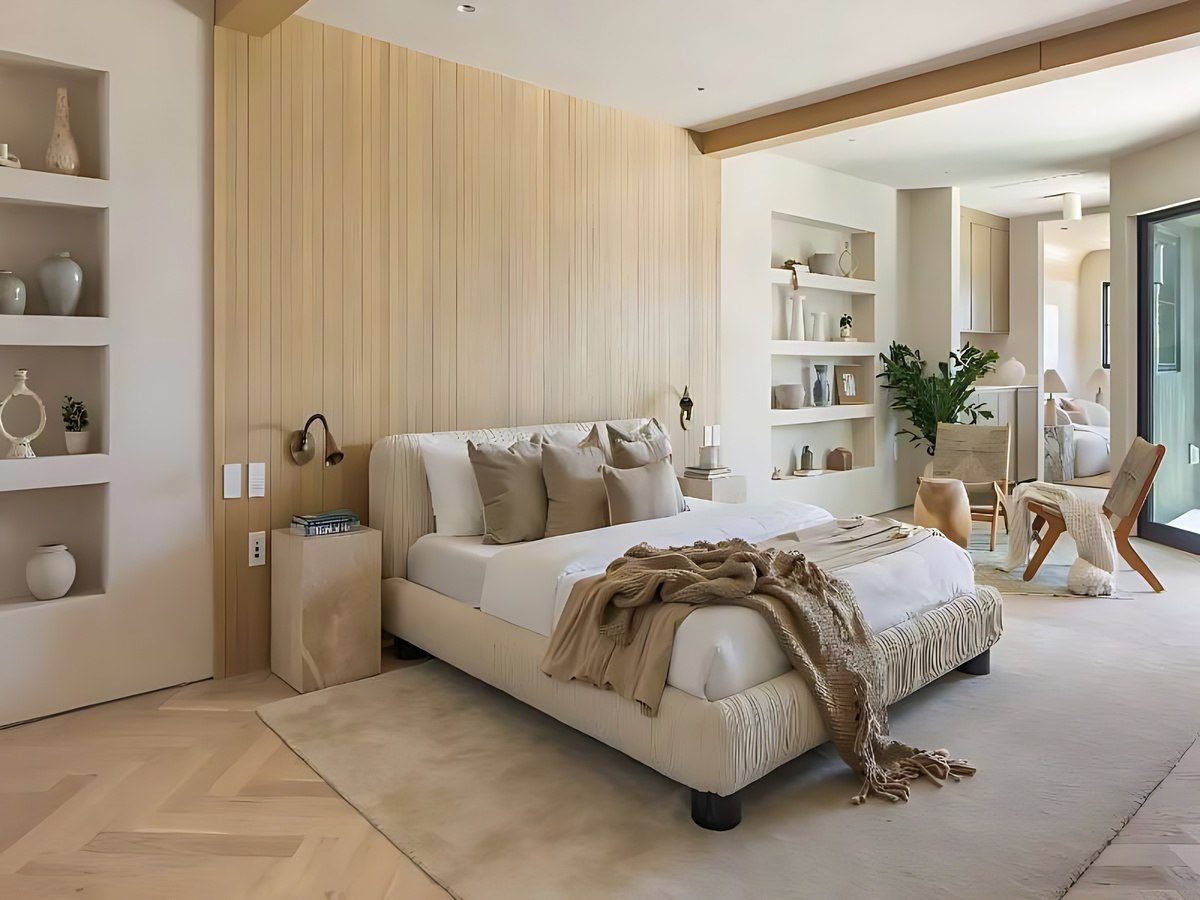
Natural materials in interiors create a cozy, relaxing, and nature-inspired feeling. (Source: Collected)
Materials like wood, fabric, or bamboo help create a serene and emotionally stable living environment. The harmonious combination of natural elements enhances the living experience and improves the quality of life. This is an important factor in modern space design.
Nature-inspired interiors also help reduce stress and increase energy recovery after work. This makes designs using natural materials a suitable choice for many types of housing. This balance enhances overall quality of life.
4. Exploiting natural materials in each functional area of the house
4.1. Arranging the living room space with natural materials
The living room can utilize wood, stone, and natural light to create a harmonious and pleasant living space. When applying interior design using natural materials, these elements help create subtle accents and increase spatial depth. This combination brings a sense of balance and stability. Additionally, proper interior arrangement helps optimize space and enhance spatial efficiency. Natural materials make the living room warmer and more friendly. This aligns with modern design trends.
4.2. Prioritizing Nature-Friendly Materials in Bedroom Design
Bedrooms often use natural fabrics and soft materials to create a relaxing feeling and support sleep. When applying interior design using natural materials, the space becomes lighter and more comfortable. This is an important factor in designing resting spaces. The combination of neutral colors and natural materials helps create a stable and balanced living environment. A well-designed space enhances sleep quality and living experience. This aligns with modern design trends.
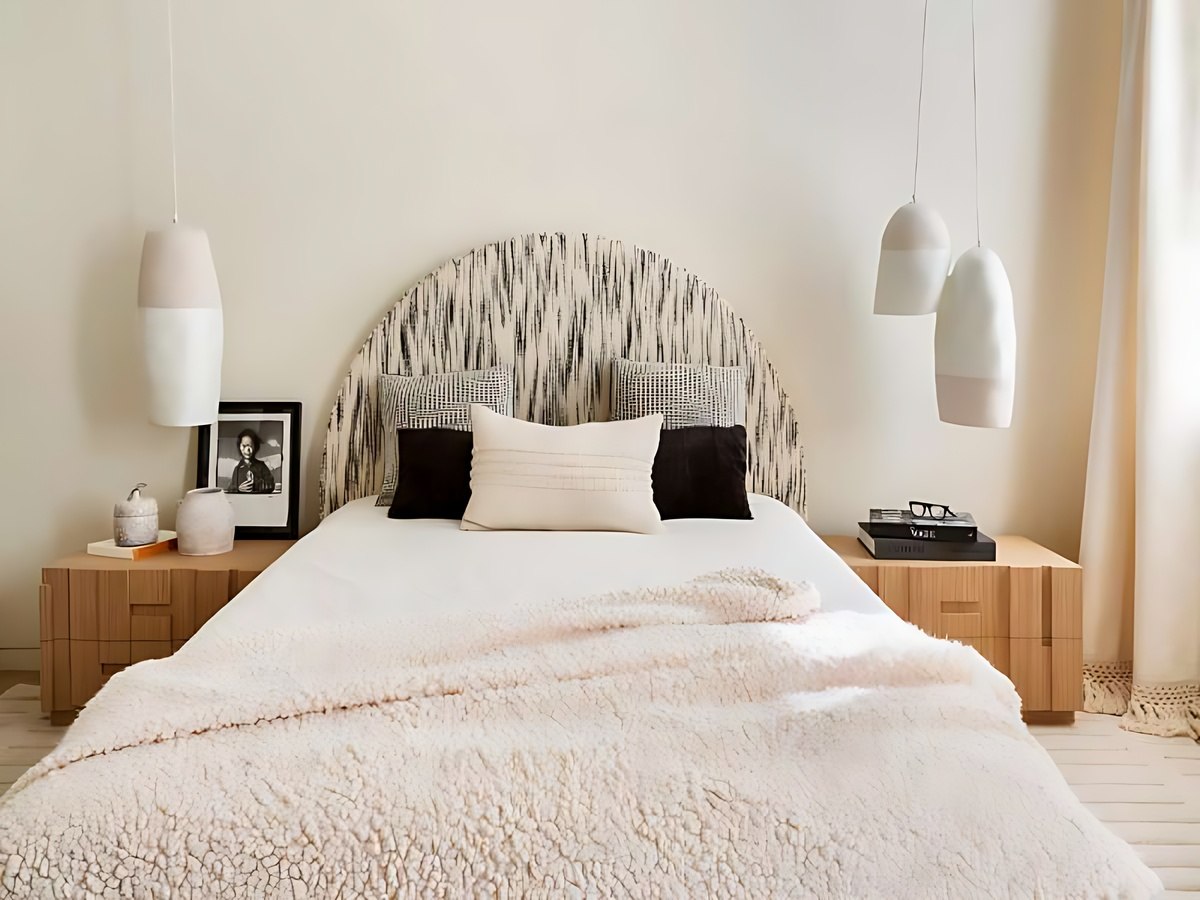
Bedroom uses natural materials to create a relaxing feeling. (Source: Collected)
4.3. Necessary considerations when choosing and combining materials
In interior design using natural materials, homeowners need to pay special attention to modern preservation methods to prevent mold and termites, helping to maintain durability over time. At the same time, material selection must comply with fire safety standards for residential and public buildings according to Circular 06/2022/TT-BXD (and its amendments in 2026). Surface treatment with bio-based paints instead of industrial chemicals will help optimize both aesthetics and user safety.
Choosing interior design using natural materials not only helps enhance aesthetic value but also brings a healthy and sustainable living space. This is a trend suitable for modern life, aiming for a balance between humans and nature.