


Feng Shui Tips on Colors for the Wood Element
In home Feng Shui, choosing colors that suit the Wood element plays an important role in balancing energy and attracting good fortune. Not only affecting aesthetics, colors also directly impact the owner's wealth and health. This article will help you understand clearly the best way to choose colors.

▲Table of Contents
1. Feng Shui Meaning of the Wood Element and the Role of Colors in Housing
1.1. Personality Characteristics and Energy of People with the Wood Element in the Five Elements
People with the Wood element represent trees in the Five Elements, associated with growth, development, and flexible adaptability to changing living environments over time. Individuals belonging to this element often tend to be extroverted, energetic, and creative. Therefore, choosing colors that suit the Wood element helps maintain a balanced state in daily life.
The Wood Element also symbolizes spring and beginnings, thus the energy is characterized by continuous growth and a tendency towards expansion in living spaces. Understanding this characteristic helps guide suitable interior design, while also supporting the selection of colors harmonious with natural elements.
People of the Wood Element are often suited to environments with greenery, wooden materials, and open spaces to maintain energy balance in daily life. When colors are combined correctly in design, living spaces tend to become more harmonious and support long-term stable mental states.
1.2. The laws of mutual generation and mutual overcoming when choosing colors according to Feng Shui
According to the Five Elements theory, the Wood element has a mutually generating relationship with the Water element and a mutually overcoming relationship with the Metal element, forming the basis for choosing colors in living spaces. Determining colors suitable for the Wood element needs to be based on this principle to ensure energy balance and minimize feng shui conflicts.
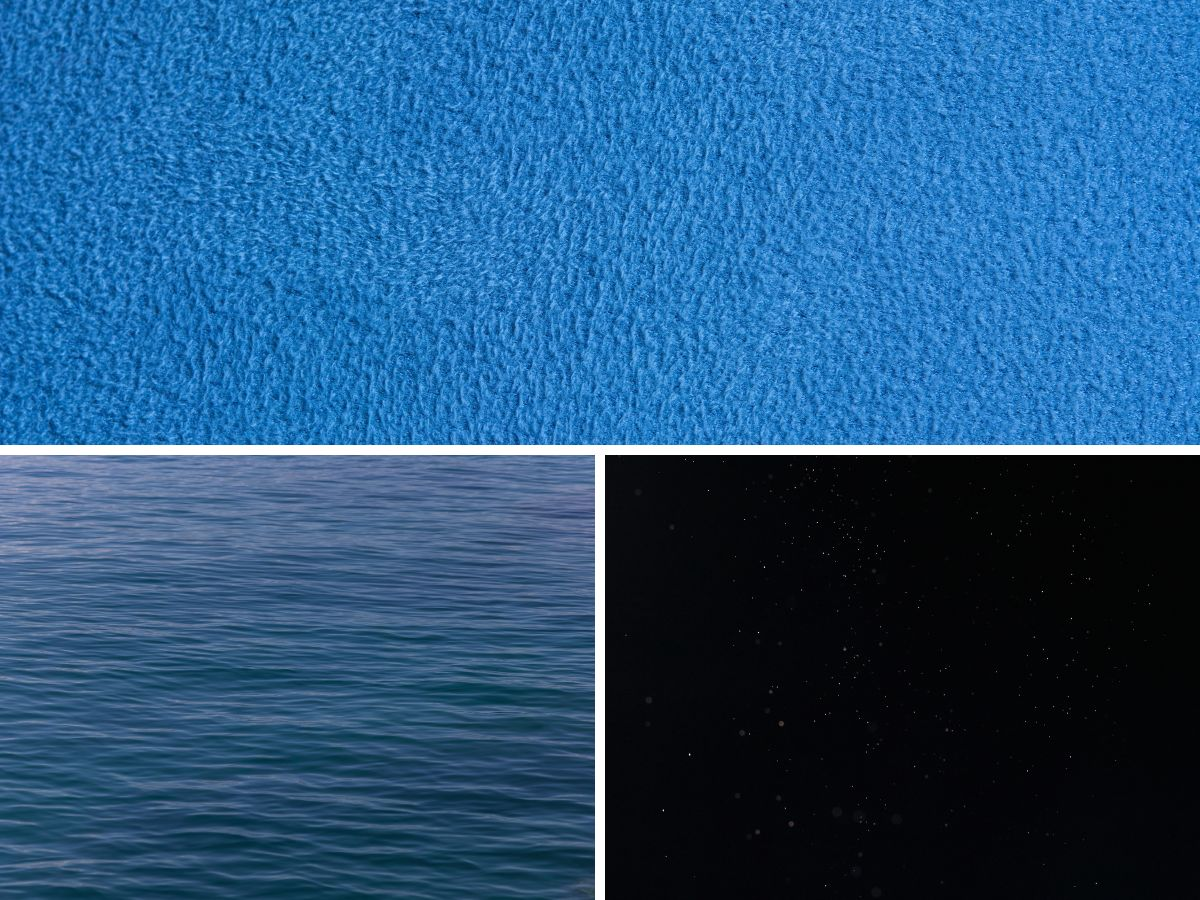
Dark blue supports, white-gray should be limited for the Wood element. (Source: Collected)
The Water element plays a role in nurturing Wood, so colors like blue or black are often considered positive support for people of this element. Conversely, colors belonging to the Metal element, such as white or gray, can hinder the flow of energy when used inappropriately in living spaces.
Besides mutual generation and mutual restraint, the compatible relationship with green tones also plays an important role in maintaining overall balance. The flexible combination of color groups helps the space avoid feeling monotonous and maintain visual stability.
1.3. The role of color in balance and emotions in housing
In today's living spaces, colors not only play an aesthetic role but must also comply with National Standard TCVN 13952:2024 on Sustainable Interior Design. Choosing colors that suit the Wood element (Mộc) helps create a sense of relaxation, while also supporting concentration. In Feng Shui, colors contribute to regulating energy and affect the flow of Qi.
When colors are applied correctly, living spaces tend to be more balanced. Specifically, color coordination today needs to be combined with the Light Reflectance Value (LRV) to ensure electricity energy saving according to National Technical Regulation QCVN 09:2023/BXD on energy-efficient buildings.
2. Detailed information about colors suitable for the Wood element according to detailed Feng Shui
2.1. Harmonious Color Group for the Wood Element
The harmonious color group for the Wood element includes shades of green and jade green, representing the element of trees and growth in nature. People with this element, when using colors suitable for the Wood element from this group, often create a sense of balance and maintain a stable state in their living space.
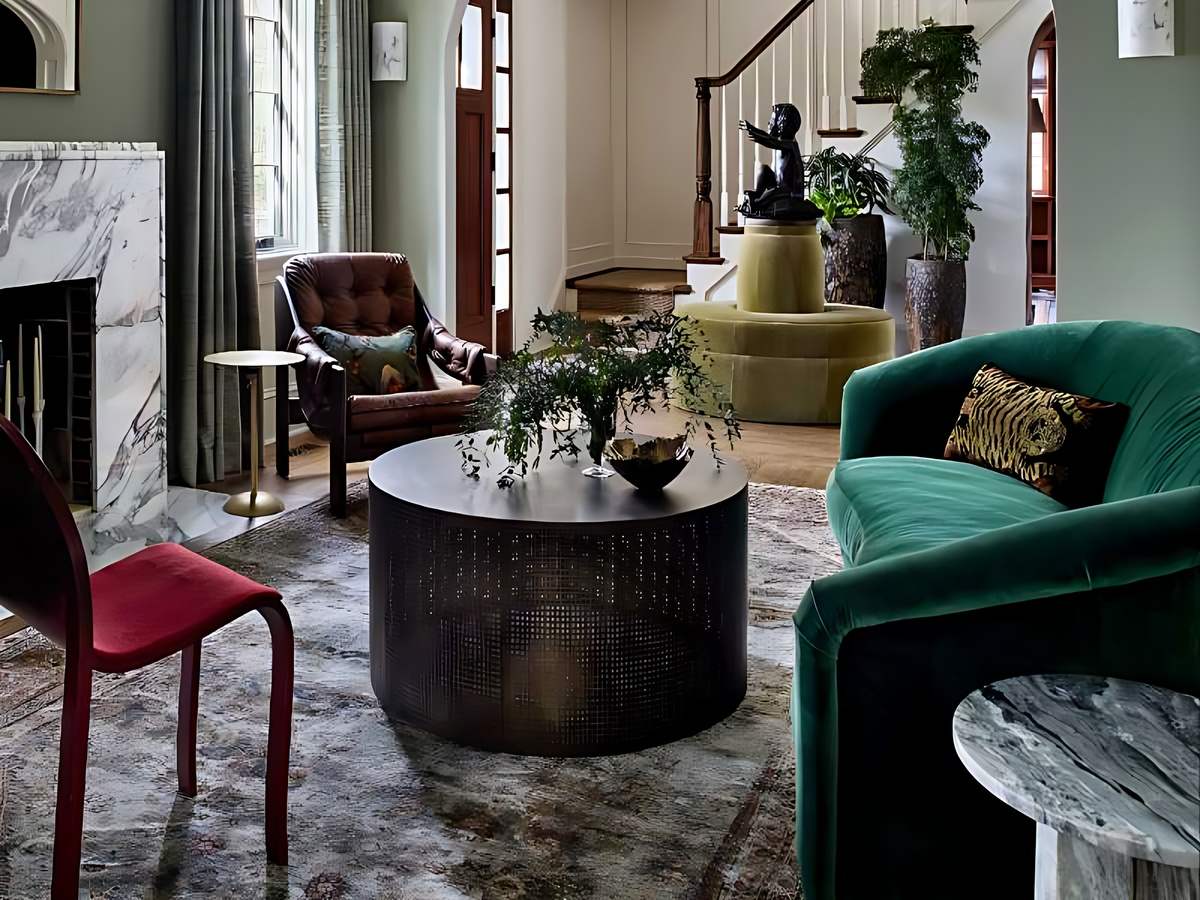
Emerald green creates a sense of balance for the Wood element (Moc). (Source: Collected)
Light green shades are often used for large areas such as walls or ceilings to create a lighter and more comfortable feeling in living spaces. Meanwhile, dark green shades can be used as accents to add depth and maintain harmony when applied to interior design.
2.2. Supportive Color Groups to Enhance Luck
Color groups that are mutually beneficial with the Wood element, belonging to the Water element, include blue, sea blue, and black, playing a role in supporting and nurturing energy. Using colors suitable for the Wood element from this group helps homeowners maintain stability and increase adaptability in their living environment.
Light blue shades bring a cool feeling and are often used in bedrooms or living rooms to enhance relaxation. Meanwhile, black is often used as an accent to create depth and increase balance in the overall interior design.
Combining generative colors with elemental colors helps the space ensure both Feng Shui elements and maintain modern aesthetics. When used appropriately, this color group supports stable energy flow in the home and limits feelings of imbalance.
2.3. Color groups to limit the use of
Colors belonging to the Metal element such as white, gray, or charcoal are often considered unsuitable for the Wood element due to the counteracting nature in the Five Elements. When choosing colors suitable for the Wood element, limiting these shades helps avoid affecting the energy balance in the living space. Additionally, colors belonging to the Earth element such as yellow or earth brown should also be considered when used in large proportions in interior design.
However, if combined reasonably with suitable colors, these color palettes can still create a subtle accent to the overall design. Limiting does not mean complete elimination but requires adjusting proportions to ensure balance in the space. Understanding this principle helps homeowners apply colors flexibly while maintaining harmony and stability in interior design.
2.4. Harmonious color matching for people of the Wood element
Color coordination principles for people of the Wood element (Mộc) are usually based on the balance between the element's own colors, complementary colors, and some neutral colors. Applying colors suitable for the Wood element correctly in proportion helps the space avoid a cluttered feeling and maintain overall stability. A common approach is to use green as the main color, combined with blue and light accents from neutral colors like wood brown.
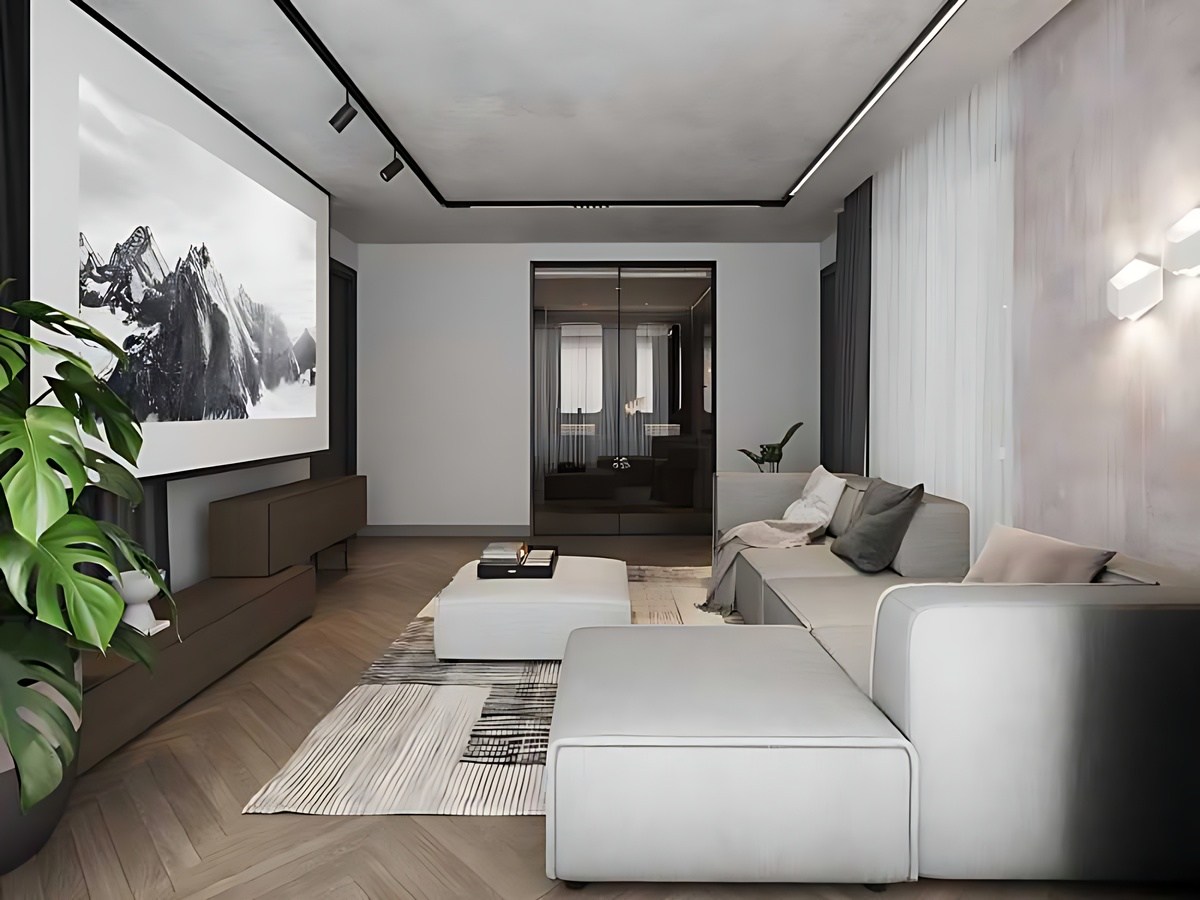
Dominant green scheme combined with blue and wood brown harmoniously. (Source: Collected)
This scheme helps increase depth and ensures harmony when applied to modern interior design. Furthermore, materials like wood or natural fabrics can support the overall color palette in living spaces. The synchronized combination between materials and colors helps increase unity and suitability for practical usage needs in homes.
3. Some color applications suitable for the Wood element in real estate and interior design
3.1. Direction for choosing paint colors and overall style for the house
House paint color plays an important role in shaping the living space. Green or light blue tones are often used as the main color to create a feeling of closeness to nature. According to the latest regulation in Circular 04/2026/TT-BXD, the choice of exterior paint color for new urban areas needs to ensure consistency but still allows homeowners with the Wood element (Phong Thuy) to express their feng shui imprint through accent details or interior spaces.
The use of uniform colors helps maintain consistency. Natural light also needs to be combined with paint colors to enhance the perceived effect, while also meeting the standards for Wellness Building, which is becoming the dominant trend this year.
3.2. Arranging interiors according to a suitable Feng Shui color palette
Furniture should be chosen according to the main color tone to ensure unity. Items such as sofas, curtains, or carpets can use green, blue colors to enhance connection. Notably, when using wood materials — the preferred material for the Wood element — homeowners need to pay attention to selecting products with sustainable sourcing certificates and low Formaldehyde emission levels according to TCVN 12445:2025 to protect health.
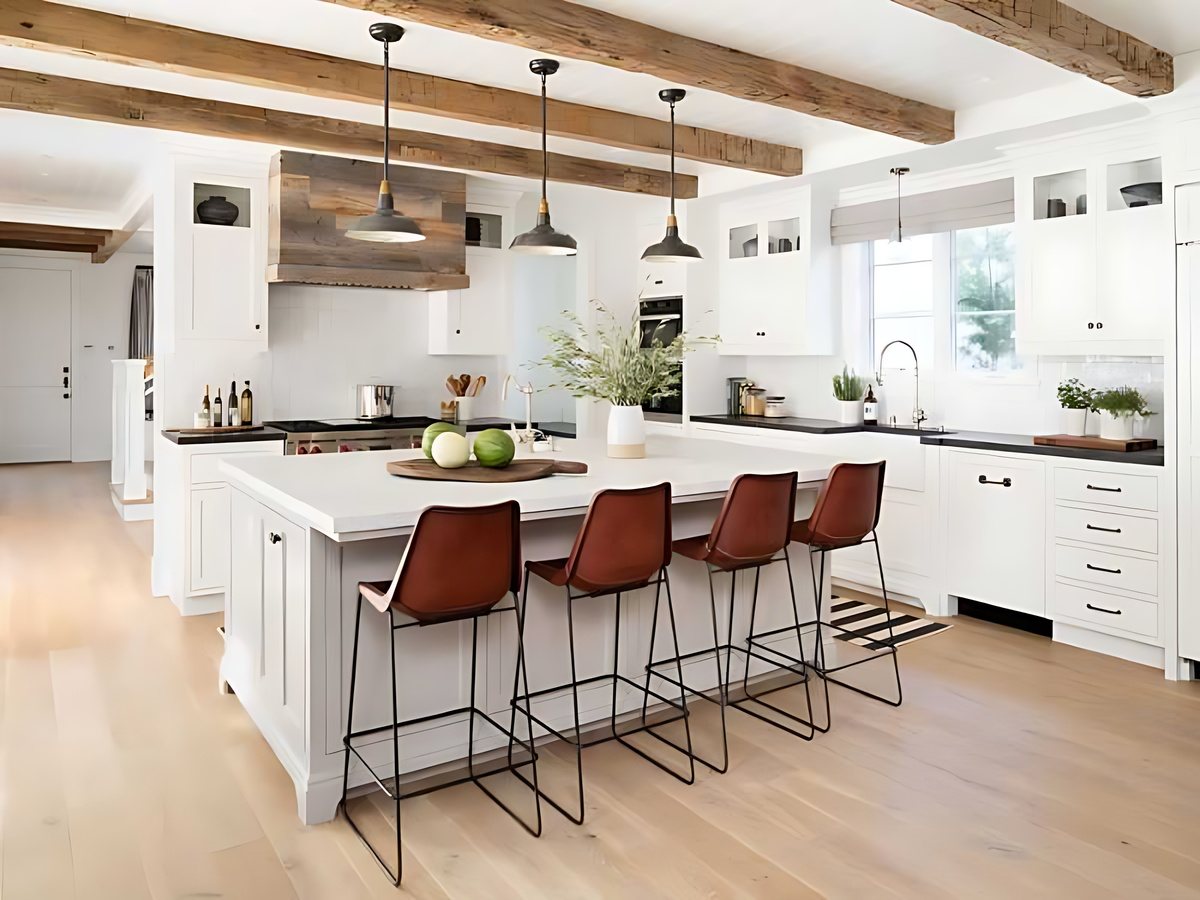
Wooden furniture combined with green creates a harmonious space for the Wood element. (Source: Collected)
When combined with suitable colors, this material helps the space become warm. In addition, the arrangement of indoor greenery also needs to comply with biological greening density to optimize air quality in modern apartments.
3.3. How to apply colors in modern apartments and townhouses
In modern apartments, color coordination needs to be flexible to optimize space and create a sense of spaciousness. Bright colors combined with light green hues will make the space more airy and comfortable. This is a trend many people are choosing in current design.
For townhouses, using colors to create accents is an important factor in enhancing aesthetic value. Homeowners can combine color blocks that suit their element on walls, furniture, or decorative details. This approach ensures Feng Shui elements while creating a unique style.
4. Secrets to choosing Feng Shui-compliant colors for the Wood element
4.1. Avoid Excessive Use of Color Causing Visual Disturbance and Affecting Energy
Using too much of one color can make a space monotonous and visually unbalanced. When choosing colors that suit the Wood element (Mộc), pay attention to the proportion of different color groups. Darker colors, if used excessively, can create a heavy feeling and affect the living space experience.
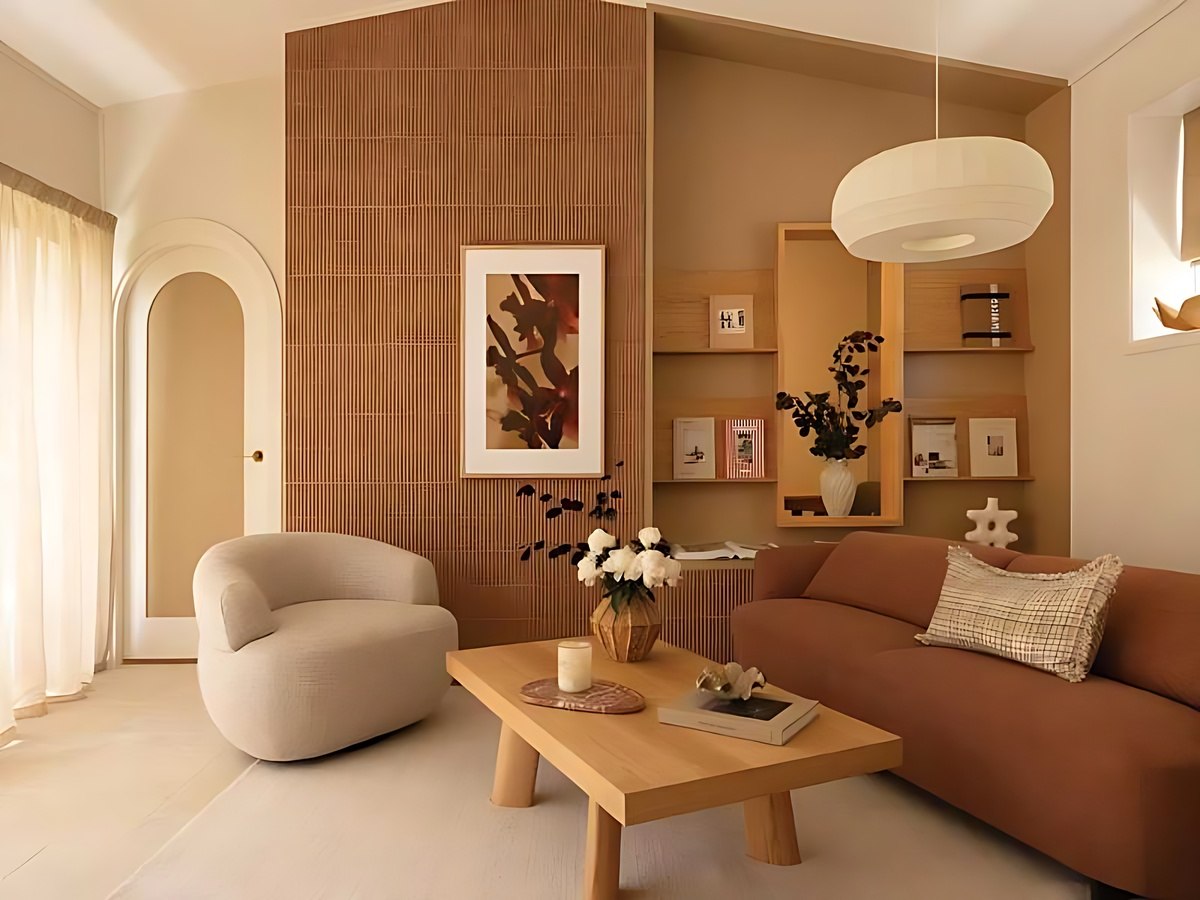
Avoid overusing dark colors to balance spaces associated with the Wood element. (Source: Collected)
The flexible combination of colors helps reduce monotony and increase balance in interior design. Each functional area needs its own color scheme suitable for different purposes. This helps optimize the effectiveness of colors in creating comfort and convenience in daily life.
4.2. Choosing colors for each functional area in the house
Each area in the house has its own function, so the choice of colors also needs to be adjusted to suit the purpose of use. For example, the living room should prioritize bright, harmonious colors to create a welcoming atmosphere and attract positive energy. Meanwhile, the bedroom needs soft, soothing colors to aid relaxation and improve sleep quality.
4.3. Current color design potential for the Wood element
Design trends in 2026 strongly lean towards the "Biophilic Design" style, prioritizing natural colors and materials. Applying colors aligned with the Wood element in this direction helps the space not only be aesthetically pleasing in terms of feng shui but also achieve green building certifications. Minimalist styles often use recycled materials combined with a palette of green, blue, and light earthy tones. This combination not only helps increase wealth according to traditional beliefs but also demonstrates environmental responsibility.
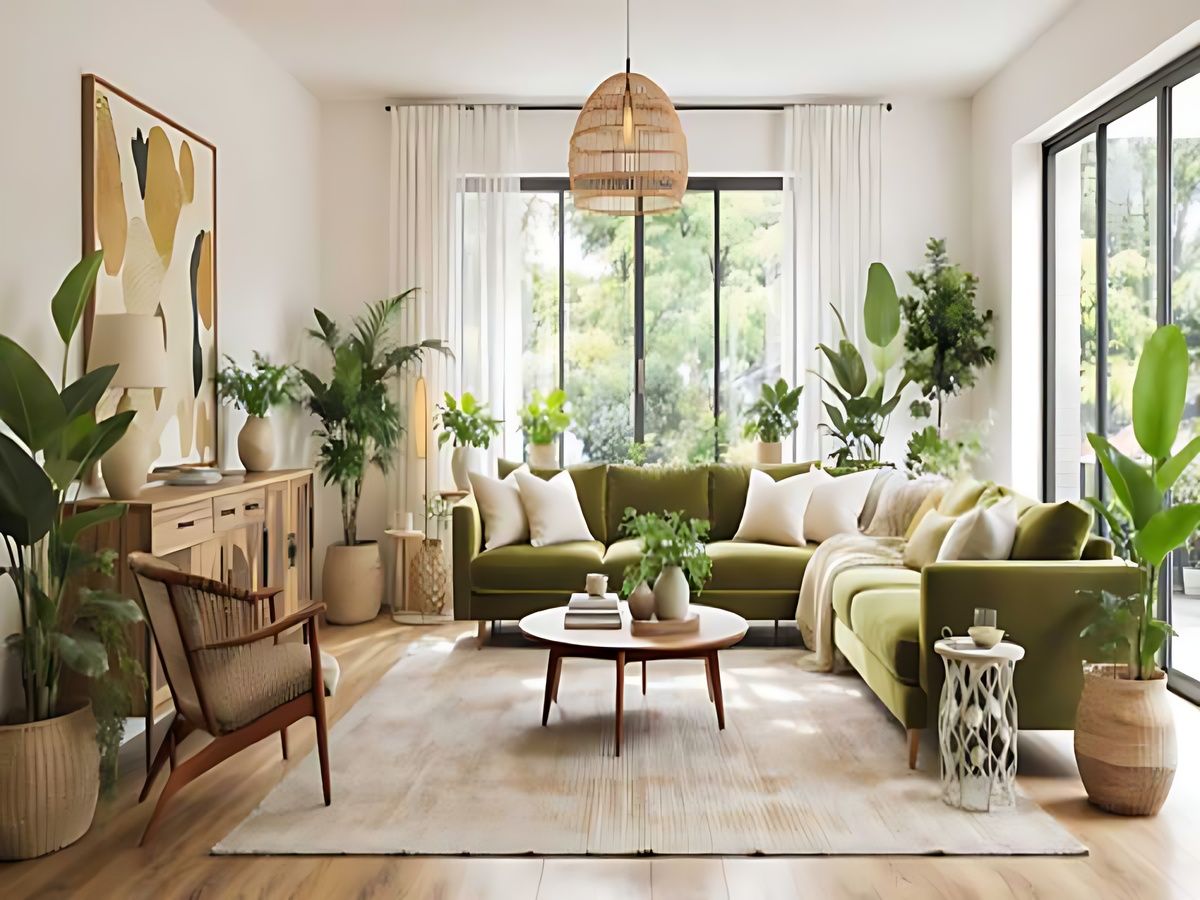
Minimalist natural green space suits the modern Wood element trend. (Source: Collected)
Choosing the right colors that suit the Wood element not only helps the living space become harmonious but also contributes to attracting wealth and positive energy. When knowing how to apply flexibly, you can completely create a living environment that is both beautiful and feng shui compliant.