


How do airports affect surrounding land prices?
The impact of airports on surrounding land prices is always a topic of interest for real estate investors. The presence of an airport can drive significant growth in infrastructure, commerce, and land prices, but it also entails considerable risks related to planning and speculation.

▲Table of Contents
1. Why do airports affect land prices?
The emergence of airports often creates many significant changes in infrastructure, economy, and population density in the surrounding areas. This is also why many investors are particularly interested in the impact of airports on surrounding land prices, especially in areas that are being planned or are preparing to implement new airport projects. As infrastructure is upgraded and land use demand increases, real estate prices in the vicinity also tend to fluctuate significantly over time.
1.1. Airports promote transportation infrastructure development
One of the most significant impacts of airports is promoting the development of connecting transportation systems. When an airport is planned or put into operation, many major roads, highways, overpasses, or inter-regional transportation projects are also synchronously invested to serve travel needs.
Completed transportation infrastructure helps make the connectivity between the airport area, the city center, and surrounding areas more convenient. This is an important factor contributing to increasing real estate value and attracting investment capital to the areas around the airport.
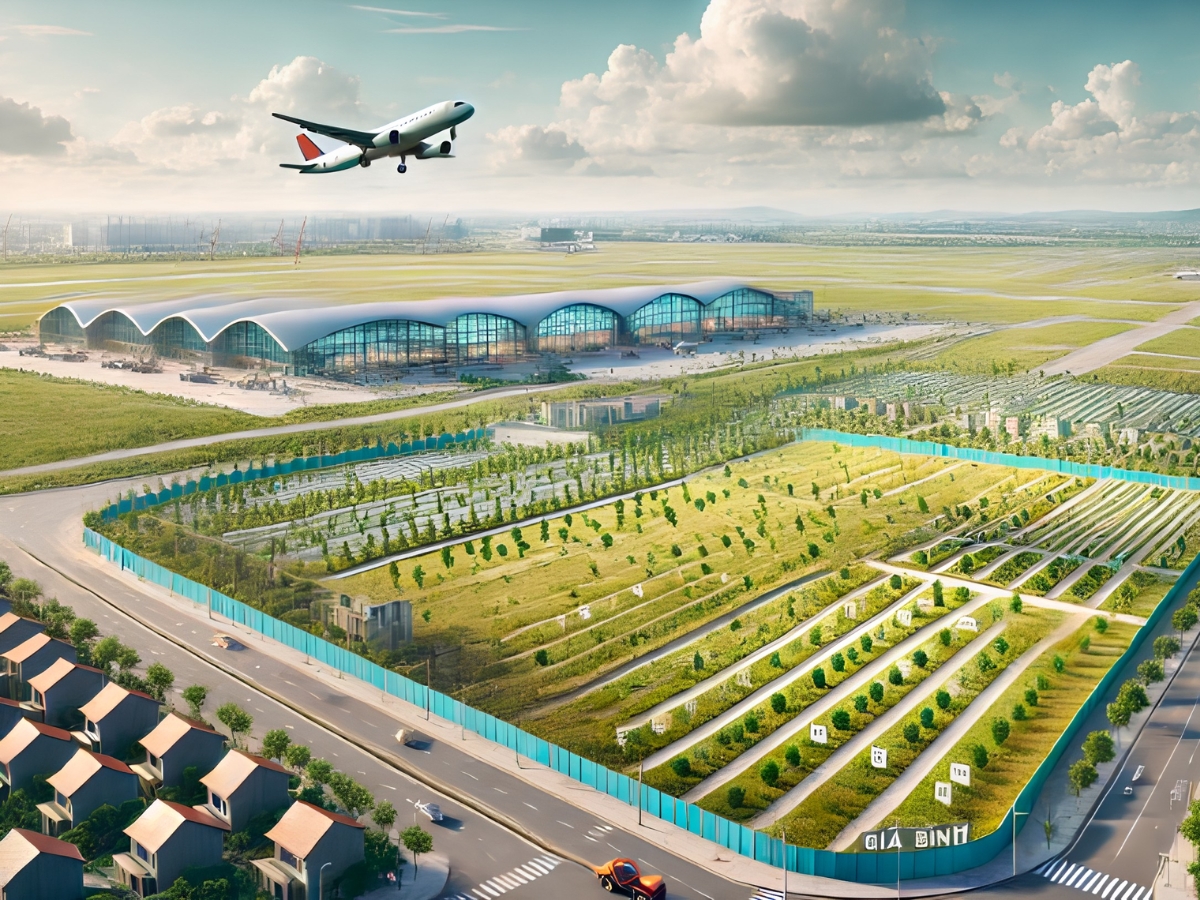
The emergence of the airport promotes the development of transportation infrastructure in the surrounding area. (Source: Collected)
1.2. Growing demand for commerce and services
Airport operations drive the strong development of commercial and service sectors such as hotels, restaurants, logistics, transportation, warehousing, or shopping centers. As the number of visitors and trade demand increase, the demand for land for business purposes also increases.
This causes many areas around the airport to gradually form new service centers, thereby creating momentum for land prices to grow in the long term. Locations with advantageous street frontage or situated near main transportation routes are often paid more attention to.
1.3. Attracting population and economic activities
Not only impacting infrastructure and commerce, airports also contribute to attracting residents and economic activities to surrounding areas. As businesses, services, and job opportunities emerge more, the demand for housing also increases significantly.
The increase in mechanical population (migration) helps the real estate market become more vibrant, especially in areas with satellite urban planning or industrial zones near airports. This is also one of the reasons why the impact of airports on surrounding land prices is often quite evident after a project is announced or put into operation.
2. How do airports impact surrounding land prices?
In reality, the impact of airports on surrounding land prices often occurs in several different stages, from when there is planning information until the airport officially becomes operational. The level of impact also varies between different areas, depending on location, infrastructure connectivity, and future economic development potential.
2.1. Land prices increase with planning expectations
As soon as information about airport planning appears, the real estate market in the surrounding area often begins to show signs of heating up. Many investors expect that infrastructure development will lead to increased demand for housing, commerce, and services in the future.
This psychology of anticipating this planning causes land prices in many areas to increase rapidly, even though the airport is not yet fully constructed. Especially, areas located near connecting roads or logistics centers are often paid more attention.
2.2. Significant fluctuations in areas adjacent to the airport
Not all areas around the airport increase in price equally. Locations with advantages in transportation, business potential, or situated in areas with synchronized infrastructure investment usually record stronger increases.
Conversely, some areas too close to the airport may be affected by noise, heavy traffic density, or have construction planning restrictions, so land prices do not increase as strongly as expected. Therefore, investors need to carefully assess the actual location instead of just relying on the factor of "near the airport".
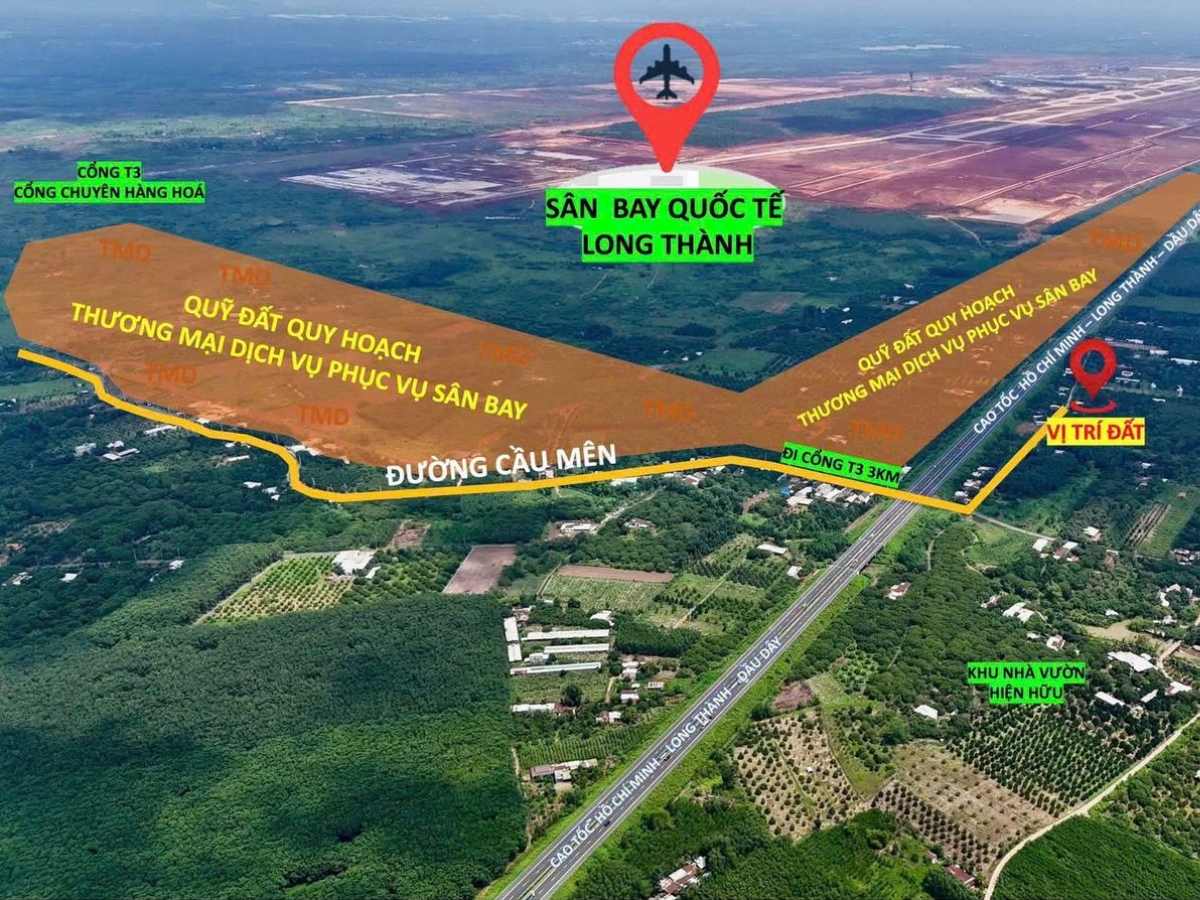
Land prices around the airport will vary depending on the location. (Source: Compiled)
2.3. Differences between the planning phase and actual operation
During the planning announcement phase, land prices often fluctuate sharply due to market sentiment and speculative capital. However, when the airport becomes operational, the market will gradually differentiate more clearly between areas with good exploitation potential and those that increase in price due to herd mentality.
Some areas may continue to grow by directly benefiting from infrastructure and economic activities, while many other places will see stagnant prices if there is no actual demand for use. This is also why investors need to take a long-term view when assessing the impact of the airport on surrounding land prices rather than chasing short-term price surges.
3. Areas that often benefit from the airport
Not every area around the airport has the same potential for price increase. In reality, the airport's impact on surrounding land prices is often more pronounced in areas with advantages in infrastructure, trade, and service exploitation. These are also the areas that many investors are interested in when market information about airport planning or expansion emerges.
3.1. Land near transportation routes connecting to the airport
Areas located near direct access routes to the airport often experience faster price appreciation due to the advantage of convenient transportation. As transportation infrastructure expands, connectivity between the airport and the city center, industrial zones, or satellite urban areas becomes easier, thereby driving up demand for real estate transactions and investment.
Particularly, land located near expressways, ring roads, or major transportation routes is often highly valued for its long-term development potential.
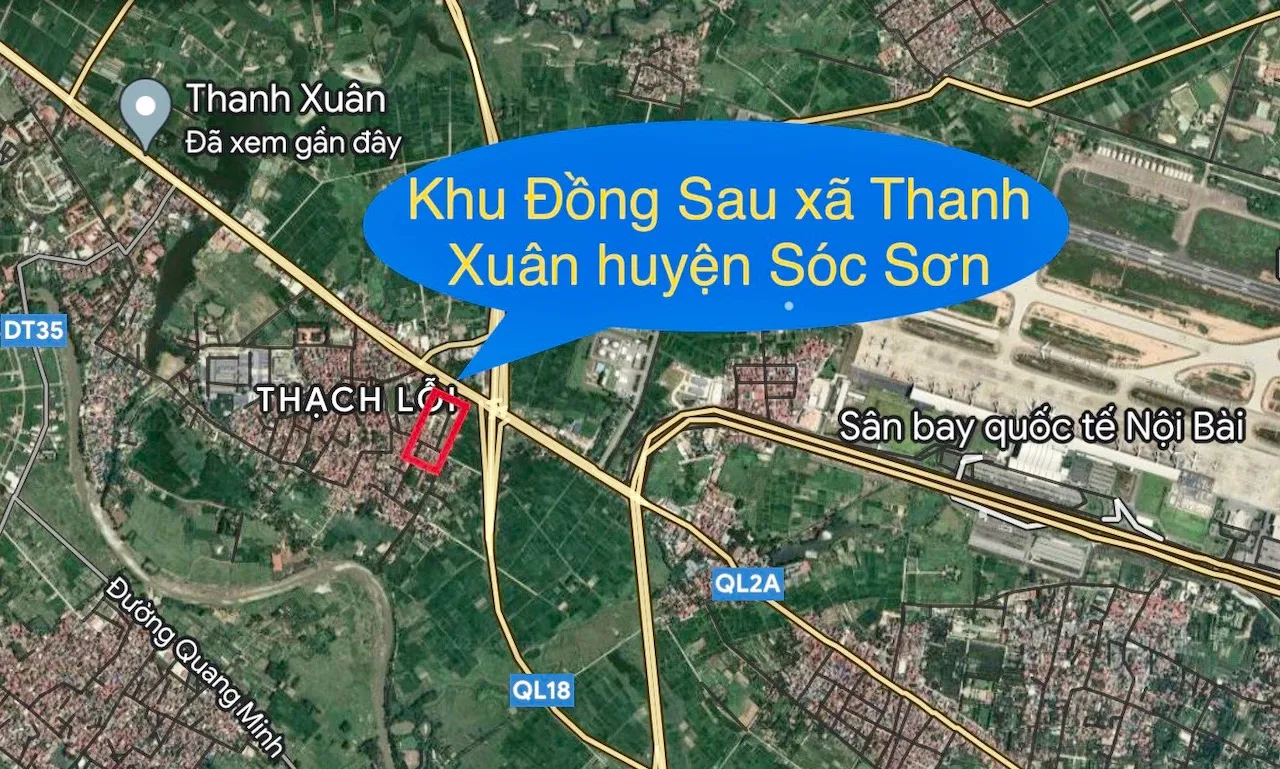
Land near transportation routes connecting to the airport often has long-term development potential. (Source: Collected)
3.2. Logistics and commercial development areas
Airports are important drivers promoting the strong development of the logistics industry. Therefore, areas planned for warehousing, freight transport hubs, or commercial services often benefit significantly in terms of real estate value.
As trade activities increase, the demand for land for factories, offices, distribution centers, and ancillary services also grows. This is why many investors prioritize seeking real estate in areas with logistics development orientation near airports.
3.3. Real estate for accommodation and services
The increase in the number of passengers traveling through airports also creates favorable conditions for accommodation and service types to develop strongly. Areas with potential for hotels, rental apartments, restaurants, or tourism services often record significant market interest.
Besides the short-term accommodation needs of tourists, groups of experts, business personnel, or workers around the airport area also contribute to increasing the demand for housing and related services. This is a factor that helps accommodation-related real estate have more room for long-term growth.
4. Investment opportunities in land around the airport
Thanks to strong infrastructure and economic development, the areas around the airport are often considered potential destinations for many real estate investors. Besides planning factors, the airport's impact on surrounding land prices also opens up many opportunities for business exploitation and long-term asset value appreciation.
4.1. Long-term price appreciation potential
Areas directly benefiting from airport infrastructure often have room for long-term price appreciation, especially when transportation, urban development, and services continue to be invested in synchronously. As the population and economic activities increase, land use demand also increases, thereby contributing to raising the real estate price level.
Compared to short-term price surges based on rumored planning, areas with actual infrastructure and clear usage demand tend to have more sustainable development potential.
4.2. Business and service exploitation potential
A major advantage of land around the airport is the ability to exploit diverse types of service businesses. Investors can leverage the location to develop hotels, homestays, restaurants, warehouses, offices, or services catering to tourists and transportation.
As the volume of people and goods moving through the airport increases, the demand for accompanying services also grows strongly. This is a factor that helps real estate around the airport not only have the potential for price appreciation but also generate actual operating cash flow.
4.3. Increased real estate liquidity
Areas with synchronized infrastructure and clear development potential often attract a large number of investors as well as real buyers. This helps the real estate market around the airport have better liquidity than many other areas.
As transaction demand increases, buying or transferring real estate also becomes more convenient. However, investors still need to choose areas with clear legal status and transparent planning to limit risks in the long-term investment process.
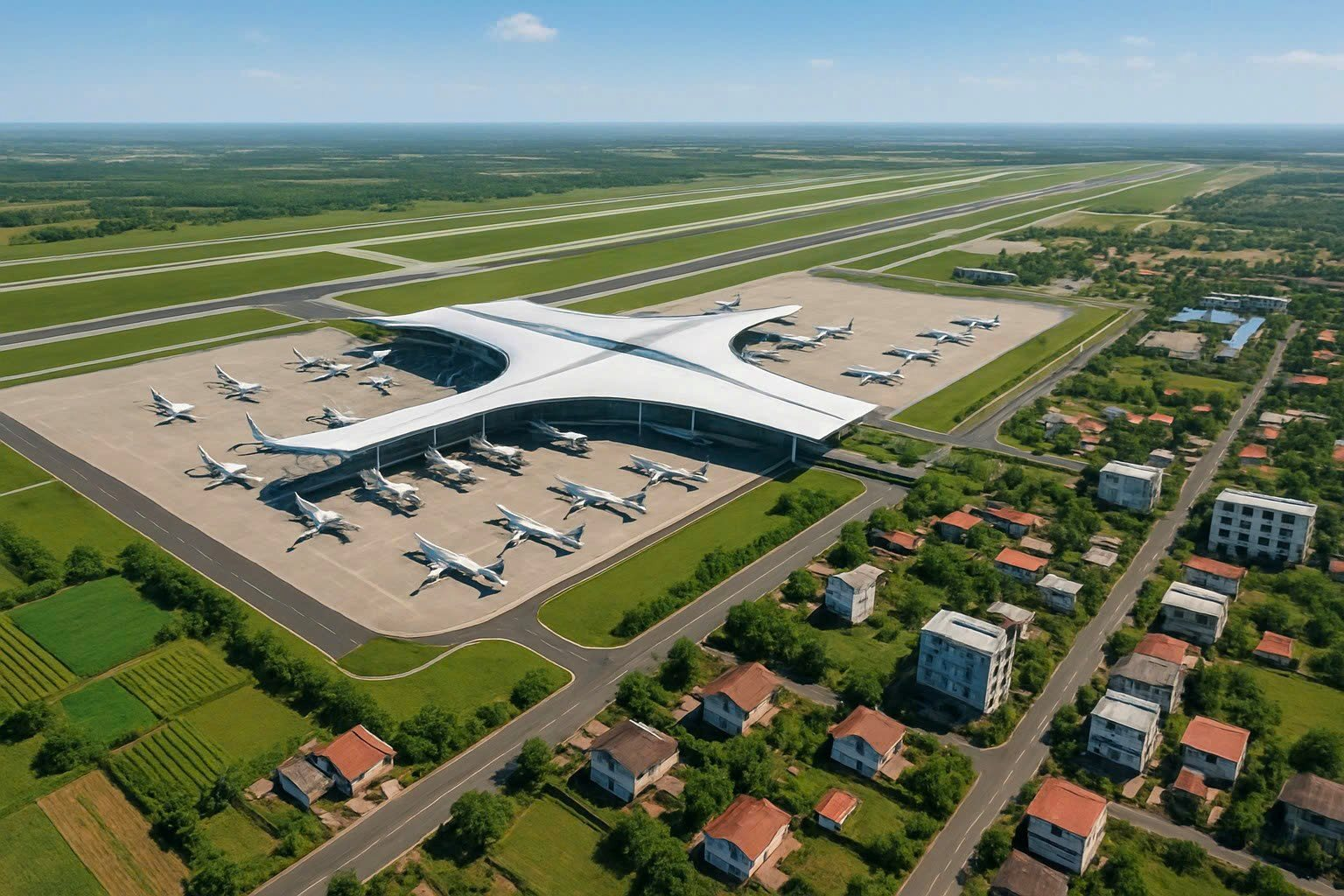
Land areas around the airport have better liquidity than many other areas. (Source: Collected)
5. Risks when investing in land near the airport
Besides growth potential, the impact of airports on surrounding land prices also comes with many risks that investors need to carefully consider before investing. In reality, many areas have experienced strong land price surges based on planning information, but the market quickly stagnated afterward due to a lack of actual development factors.
5.1. Land price surges based on planning rumors
When information about airport planning or expansion emerges, the surrounding real estate market often experiences a hot price increase. Many brokers and investors exploit the anticipation of infrastructure development to push land prices up in a short period.
However, not all airport projects are implemented on schedule or yield the expected results. If investors follow the crowd mentality without thoroughly researching planning information, they are very likely to buy real estate that has been overvalued.
5.2. Legal risks and stalled planning
One of the common risks when investing in land around airports is legal and planning issues. Many areas are subject to planning but the implementation timeline is unclear, leading to a prolonged period of stalled planning for many years.
Additionally, some plots of land may not yet be eligible for subdivision, have not had their intended use converted, or are involved in legal disputes. If the records are not carefully checked before the transaction, investors may encounter difficulties in construction, transfer, or future exploitation/utilization.
5.3. Land prices are pushed up beyond their real value
In many areas with airport planning information, land prices can increase rapidly in a short period, even though the actual infrastructure is not yet complete or the demand for use is not yet high. This causes the price level to be pushed up beyond the real value of the area.
When the market cools down, real estate that increases in price due to speculative effects are often illiquid or decrease sharply in price. Therefore, before investing, investors should carefully assess actual exploitation potential, infrastructure development speed, and population demand instead of just expecting airport planning factors.
It can be seen that the impact of airports on surrounding land prices is usually quite evident through the development of transportation infrastructure, commerce, and population demand. This presents both an opportunity to create potential price increases for real estate, and comes with many risks if investors chase land fever sentiment or lack understanding of legalities and actual planning. Therefore, before investing in land around airports, investors should carefully assess the long-term development potential, actual exploitation capabilities, as well as the transparency of the area to make more suitable and safer decisions.