


How does high-speed rail planning affect real estate?
How high-speed rail planning affects is an issue of great interest to many investors and real estate buyers as transportation infrastructure plays an increasingly important role in urban development. New railway lines can create economic growth momentum and change real estate price levels in many areas.

▲Table of Contents
1. What is high-speed rail?
High-speed rail is a modern train system capable of operating at very high speeds, significantly shortening travel time between provinces and key economic regions. Unlike traditional railways, this type of system is invested in synchronously from rail infrastructure, stations to operational technology to ensure high speed, safety, and stability during operation. In many countries, high-speed rail has become an important driving force for economic, tourism, and urban development.
In Vietnam, the North-South high-speed railway project is receiving much attention as it is considered a strategic future infrastructure project. This route not only facilitates more convenient travel but also creates a significant impact on the real estate market in many localities with stations or located on connecting axes. This is also the reason why many investors are starting to pay attention to the question of how high-speed rail planning affects land values and regional development potential.
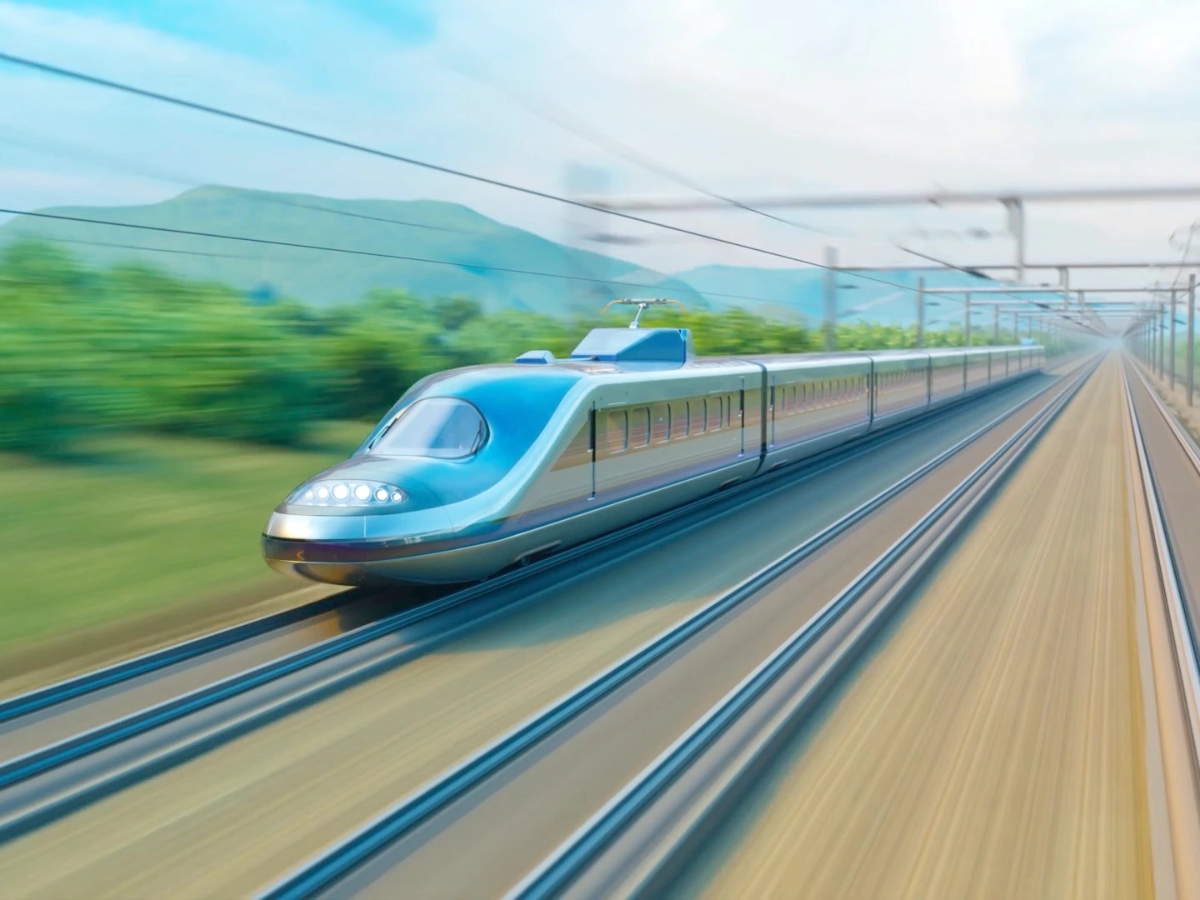
The North-South high-speed railway is a strategic infrastructure project for the future. (Source: Collected)
2. How does high-speed railway planning affect real estate?
Not merely a transportation project, high-speed rail is also seen as a driving force for economic development and changing the urban landscape in many localities. When connectivity infrastructure is heavily invested in, the real estate market often experiences many fluctuations in value, purchase demand, as well as the trend of developing new residential areas. Especially, areas located near stations or major connection hubs often become focal points attracting investment capital thanks to expectations of future growth.
2.1. Increasing connectivity between areas
One of the most significant impacts of high-speed rail is making travel between localities faster and more convenient. When connection times are shortened, geographical distance is no longer a major barrier to the needs of living, working, or doing business. This creates opportunities for many areas outside the center to develop more strongly in the future.
The more developed the transportation infrastructure, the more real estate values tend to increase. Areas located near railway lines or having train stations often attract more residents, businesses, and commercial and service activities. This is also why many investors are interested in areas with convenient connectivity to major economic centers.
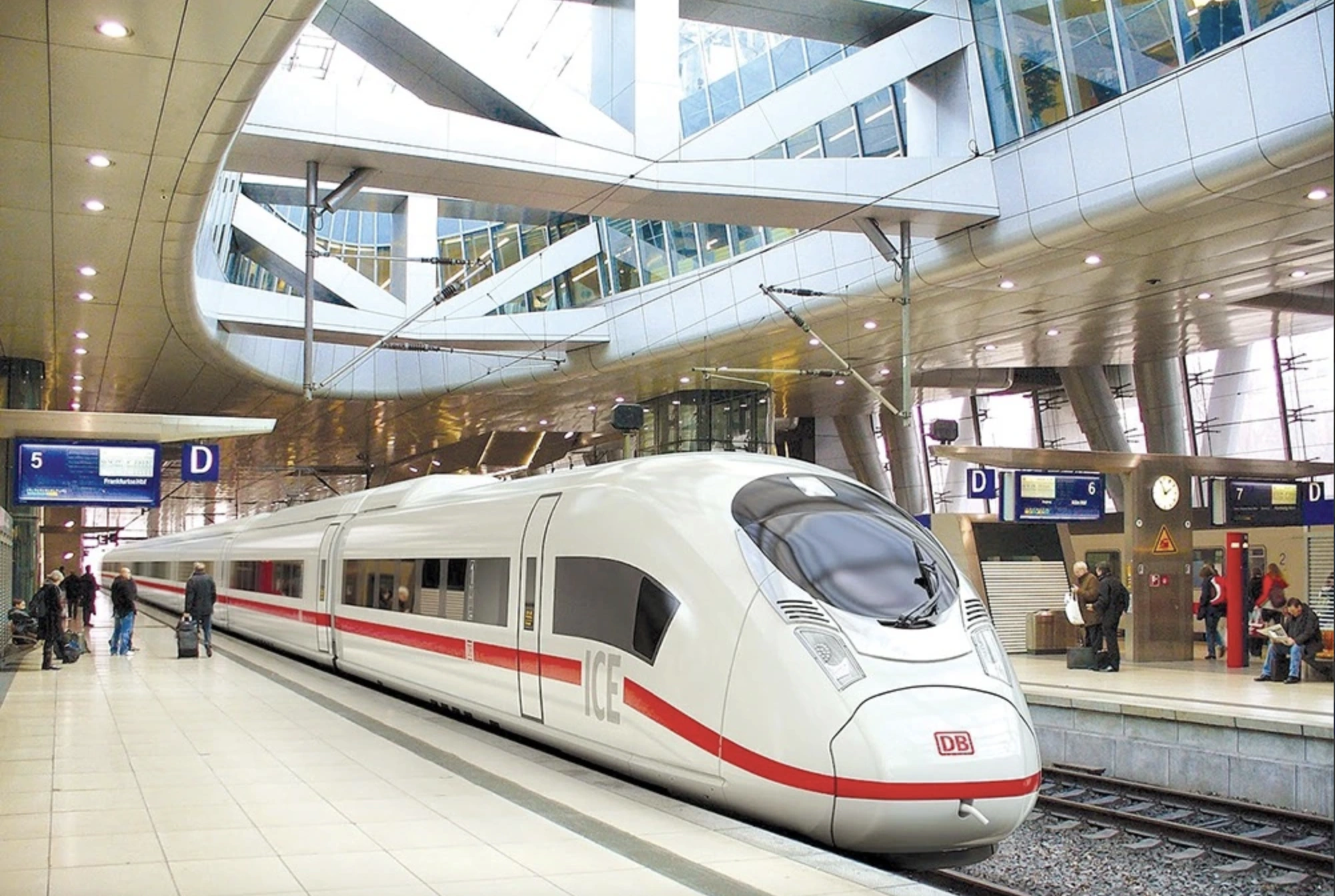
High-speed rail helps people travel between localities faster. (Source: Collected)
2.2. Promote the development of satellite urban areas
When modern transportation systems are established, the trend of population dispersion from large cities to surrounding areas will become more pronounced. Many people choose to live in satellite urban areas for more affordable housing costs while still being able to commute conveniently to work.
This opens up development opportunities for a series of urban, residential, and commercial service projects in localities benefiting from infrastructure. Areas that were previously not too vibrant can gradually form new residential centers, leading to demand for schools, hospitals, commercial centers, and other living amenities.
2.3. Impact on land prices around stations and connecting routes
Information about major infrastructure planning often creates a strong impact on market sentiment. In areas where stations are planned or located near key connecting routes, land prices tend to increase rapidly due to expectations of future development.
Notably, types such as land plots, commercial townhouses, or service-oriented real estate are often of greater interest. Investors expect population growth and increased business activities to help real estate have the potential to increase in value and generate better returns in the long term.
However, the market may also see land fever based on rumors. Therefore, buyers need to carefully check planning information and actual progress before investing to limit investment risks driven by herd mentality.
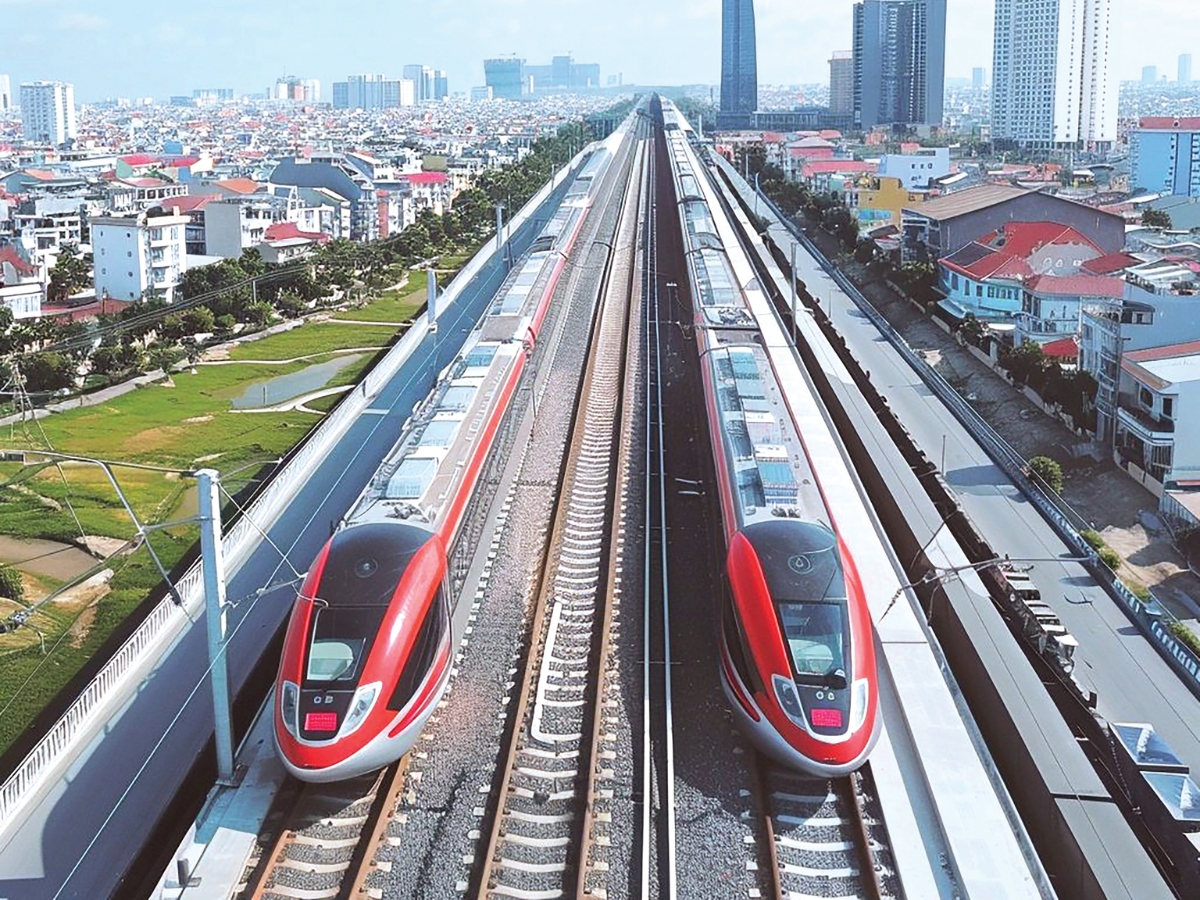
Land prices around station areas and connecting routes tend to increase rapidly. (Source: Collected)
2.4. Increase in real estate liquidity in benefited areas
Areas invested in large transportation infrastructure usually have a better ability to attract cash flow in the market. When demand for purchasing increases, the liquidity of real estate also improves significantly, especially for products with good locations and clear legal status.
Besides investors, the demand for actual living also tends to increase as people see the long-term development potential of the area. This is a factor that helps the market move more stably instead of relying solely on short-term speculation. In many cases, transportation infrastructure is the important foundation that helps an area transform and create sustainable attraction for real estate.
3. Areas that often benefit from high-speed rail
In many countries, high-speed rail projects often create significant economic and real estate changes in the areas along the routes. In Viet Nam, although the project is still in the preparation and planning stages, many localities have begun to be mentioned as potential beneficiaries due to their connectivity, urbanization rate, and future service development potential.
3.1. Areas around central stations
Areas around central stations usually benefit the most from major transportation projects. As commuter traffic increases, demand for housing, hotels, commercial centers, offices, and food services also grows. These are often areas with relatively rapid real estate price increases due to their practical business exploitation potential.
In Vietnam, major cities like Hanoi, TP.HCM, Da Nang, or Nha Trang are assessed to have the potential to form new transportation and commercial hubs around high-speed train stations. These areas are not only convenient for travel but also have the potential to strongly attract investment capital and service activities in the future.
3.2. Inter-regional Connected Satellite Cities
As travel time is shortened, many people tend to live in satellite cities to save costs while still being convenient for working in the big city. This creates strong development opportunities for real estate in localities located near economic centers but with ample land and softer prices.
Some areas such as Phu Ly of old Ha Nam, Bien Hoa of old Dong Nai, or Di An of old Binh Duong are often mentioned for their connectivity advantages with Hanoi and Ho Chi Minh City. If infrastructure is invested in synchronously, these localities can become attractive destinations for residents, experts, and large-scale urban projects in the future.
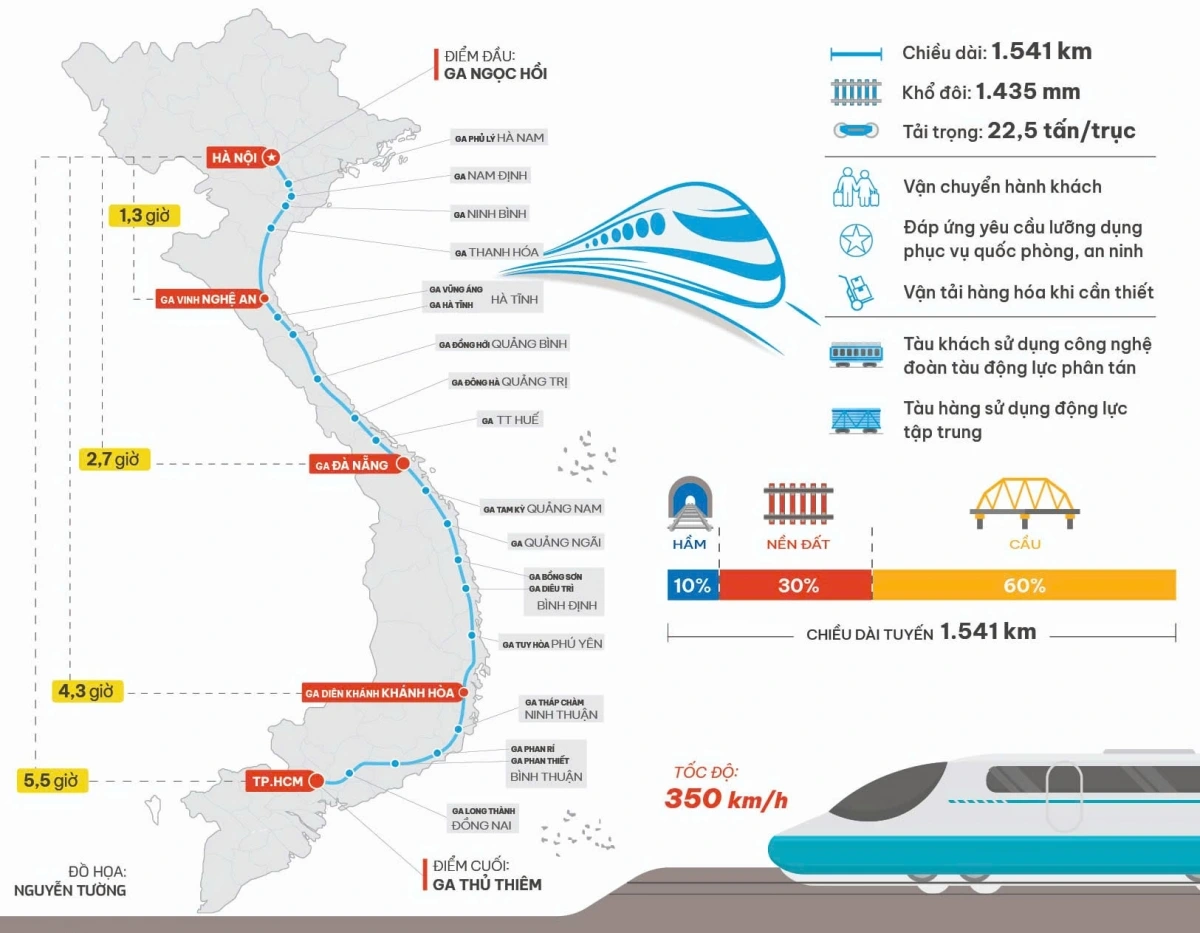
Map of the planned route for the North-South high-speed train. (Source: Collected)
3.3. New commercial and service planning area
High-speed rail not only serves travel needs but also fosters the formation of new commercial and service centers. Areas planned synchronously around stations often have the potential to develop complexes of shopping, hotels, offices, logistics, and entertainment services.
In many coastal localities or cities undergoing urban expansion like Quy Nhon, Thanh Hoa, or Phan Thiet, major transportation infrastructure is expected to create a boost for the commercial real estate market. As the number of visitors and trade demand increase, the business exploitation value in these areas also tends to improve significantly.
3.4. Key tourism and industrial cities
Cities with strengths in tourism or industry often benefit greatly when inter-regional connectivity is upgraded. Convenient travel helps attract more tourists, experts, and workers to live and work, thereby increasing the demand for housing and accommodation.
Localities such as Da Nang, Nha Trang, Phu Quoc, Hai Phong, or Ba Ria Vung Tau are all assessed to have the potential to benefit if high-speed rail lines connect effectively with major economic centers. This is also a group of markets that often attracts the attention of investors in resort real estate and long-term rental real estate.
4. Real estate investment opportunities in line with high-speed rail planning
The emergence of large infrastructure projects often creates growth expectations for the real estate market, especially in areas with convenient connectivity. When high-speed rail is deployed, many localities have the opportunity to attract more residents, businesses, and commercial services. This is a foundation that helps real estate values have the potential to increase in the medium and long term.
Besides the potential for price increases, many types of real estate also benefit from practical exploitation demand. Land plots near new urban areas, commercial townhouses around train stations, or rental apartments in industrial and tourist cities can all become noteworthy choices. If the right area with clear planning and good development speed is chosen, investors can get ahead of the trend before the market enters a strong growth phase.
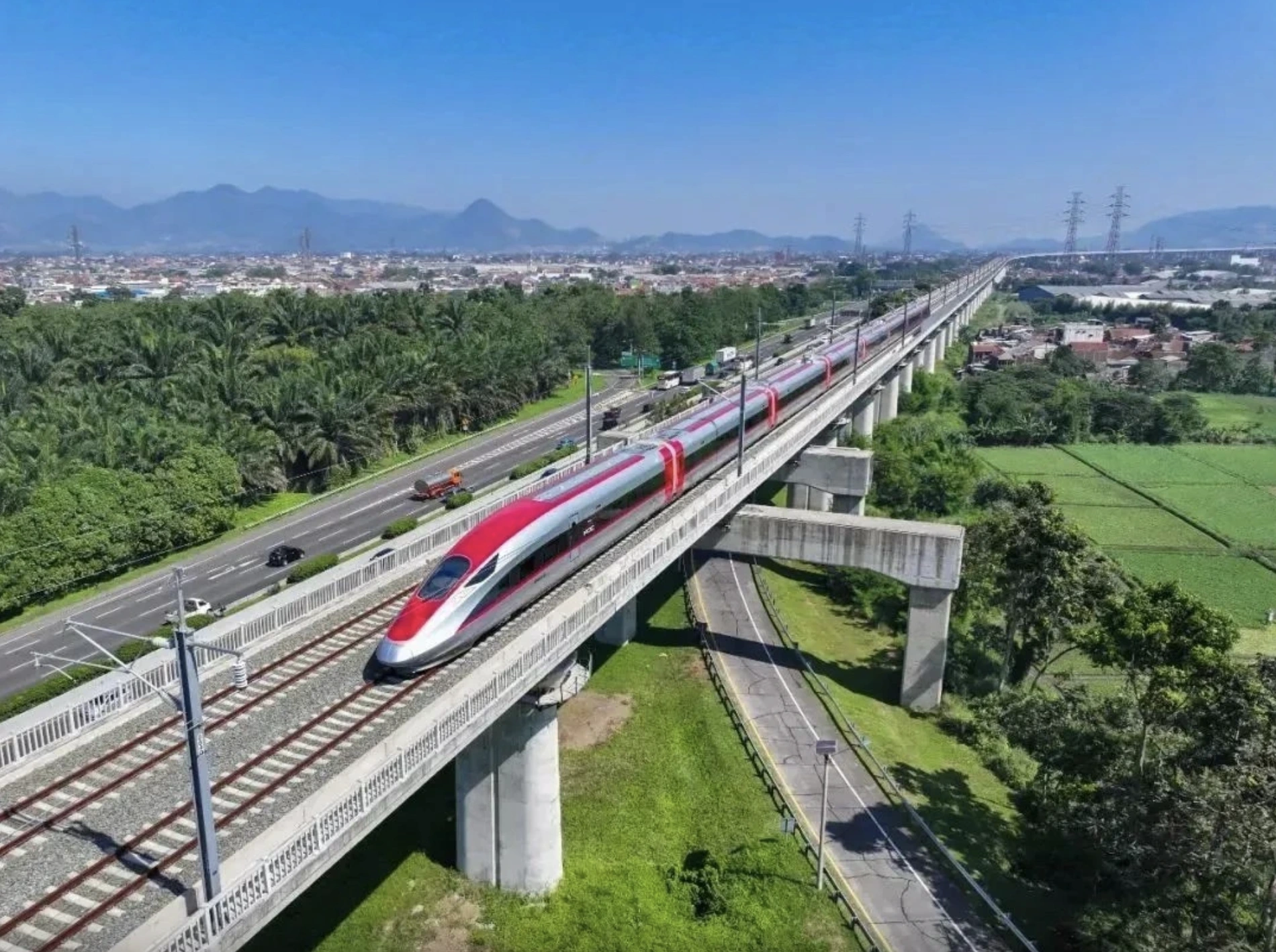
The advent of the North-South high-speed railway line brings positive signals for the real estate market. (Source: Compilation)
5. Risks to note when investing ahead of infrastructure
Although transportation infrastructure often creates potential for real estate, not every area with planning information will grow as expected. Many investors easily fall into the psychology of buying based on rumors or chasing short-term land fever without verifying the actual planning. In some cases, land prices are pushed up too quickly compared to their true value, causing liquidity to decrease sharply after the hot period.
Additionally, infrastructure deployment progress is also a factor that requires special attention. Some projects last for many years or planning changes significantly affect investment plans. Therefore, buyers should prioritize real estate with clear legal status, located in areas with specific development orientations, and with actual living needs or stable business exploitation, instead of just expecting price increases based on planning information.
It can be seen that how high-speed rail planning affects not only lies in improving transportation but also strongly impacts the real estate market, urbanization trends, and the economic development potential of many localities. Areas with connectivity advantages, near stations, or within the direction of commercial and service development will often have many growth opportunities in the future. However, to invest effectively, investors still need to monitor actual planning, assess long-term potential, and choose products with sustainable exploitation value instead of chasing short-term land fever sentiment.