


How does the North-South Expressway change the tourism industry?
The impact of the North-South expressway on tourism is becoming increasingly evident as transportation infrastructure helps shorten travel time and connect destinations more effectively. This is seen as an important driving force promoting tourism, services, and real estate in many localities.

▲Table of Contents
1. Overview of the North-South Expressway
The North-South Expressway is a key transportation infrastructure project running along the length of the country, connecting many provinces and cities from the North to the South. The route is planned to become the national arterial transportation axis, passing through a series of major urban areas, industrial parks, economic centers, and localities with tourism development potential. Along the route, the expressway system connects with many airports, seaports, and inter-regional transportation routes, making travel between regions much more convenient and faster than before.
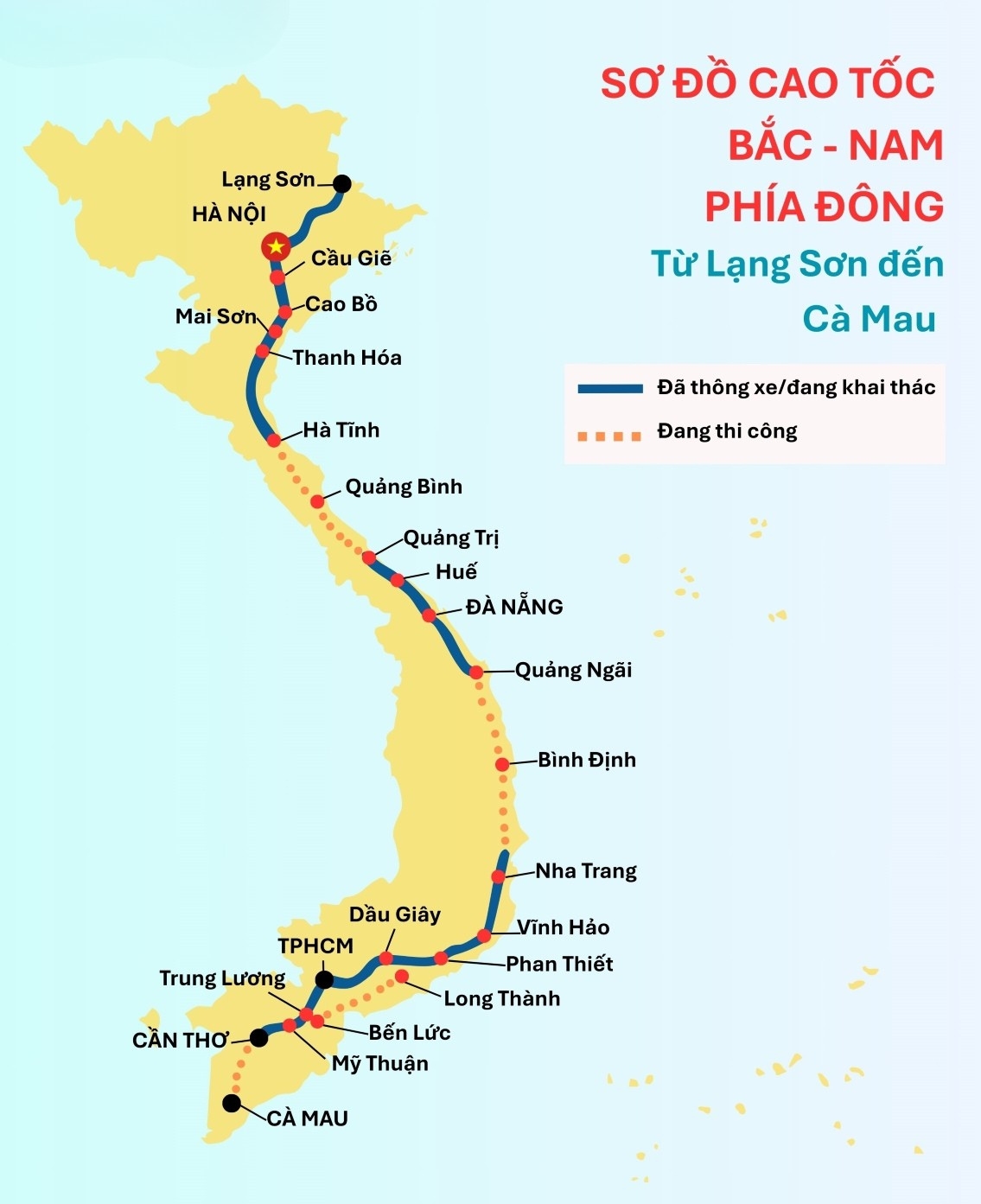
North-South Expressway Route Map stretching from Lang Son to Ca Mau. (Source: Collected)
Not only contributing to reducing pressure on National Highway 1A, the North-South Expressway also creates momentum to promote economic, tourism, and real estate development in many localities. As transport infrastructure becomes increasingly complete, travel time is significantly reduced, helping to increase regional connectivity and attract tourist flows to new destinations. This is also an important factor helping many areas with expressways passing through gradually become development hubs in the future.
2. How does the North-South Expressway impact tourism?
The emergence of the North-South Expressway is creating many significant changes for Vietnam's tourism industry. Not only does it make travel more convenient, but this infrastructure system also contributes to expanding connectivity between localities, boosting tourist numbers, and creating conditions for many destinations to develop more strongly in the future.
2.1. Shortening travel time between destinations
One of the most significant impacts of the North-South Expressway on tourism is its ability to shorten travel time between localities. Previously, many tourist routes took a considerable amount of time due to relying on National Highway 1A or small roads that were frequently congested. With the expressway sections put into operation, travel distances have become smoother, and traffic speed has significantly improved. This makes it more convenient for tourists when planning short trips, especially weekend getaways by personal car.
Saving travel time also helps enhance the experience for tourists by providing more time for relaxation, exploration, and using services at the destination. Many localities previously considered far from the center have now become more accessible thanks to modern highway systems. This is also a factor contributing to the development of types of tourism such as resort tourism, family tourism, and self-guided tourism in recent years.
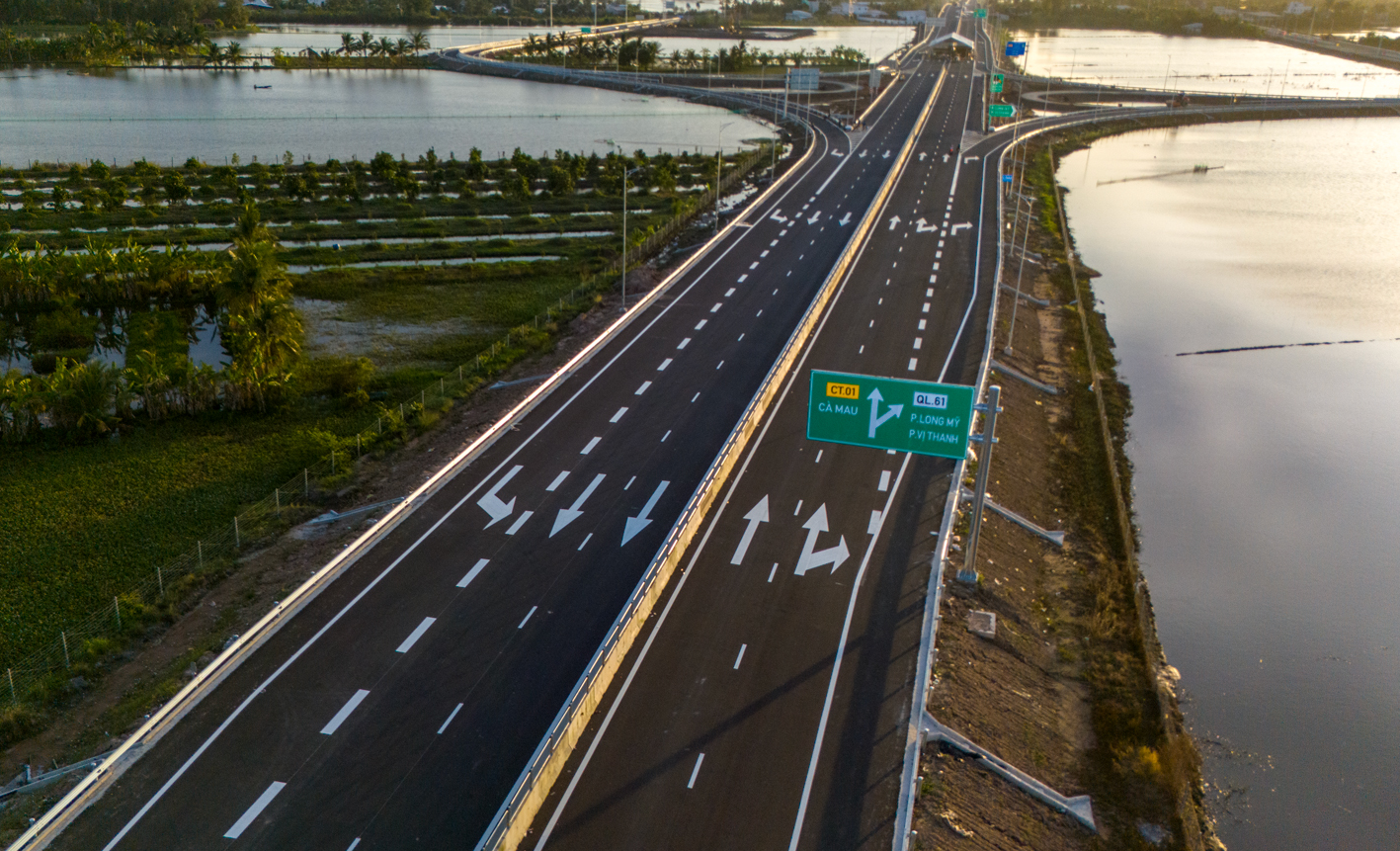
The North-South Expressway significantly reduces travel time between locations. (Source: Collected)
2.2. Increase in domestic tourist numbers
As transportation infrastructure is synchronously upgraded, domestic tourism demand also tends to increase more strongly. The convenience of travel makes many people willing to plan to explore new destinations that were previously hesitant due to long distances or extended travel times. This is considered one of the major benefits that the impact of the North-South Expressway on tourism brings to many localities across the country.
Not only famous tourist cities benefit, but many coastal areas, ecological regions, or localities with beautiful landscapes are also starting to attract larger numbers of visitors thanks to convenient connectivity. Tourism, accommodation, and food service businesses also have more opportunities to expand their operations to meet the increasing demands of tourists. The stable increase in domestic visitors also creates a sustainable revenue stream, contributing to boosting local economies and enhancing regional tourism value.
2.3. Expanding inter-regional connectivity
Besides shortening travel time, the North-South expressway also plays an important role in expanding inter-regional connectivity between many localities. The modern transportation system makes travel between provinces more flexible, while also creating conditions for the formation of combined tourist routes across many different regions. Tourists can easily explore multiple destinations in the same trip without taking as much time as before.
Improved regional connectivity also creates momentum for localities to cooperate in developing tourism along chains instead of operating individually. Many inter-provincial and inter-regional tourist routes are beginning to be expanded, helping to enhance tourist experiences and extend the length of stay. This is not only a factor promoting sustainable tourism development but also opens up growth opportunities for the service, commercial, and real estate sectors in areas with expressways passing through.
3. How does the North-South Expressway impact tourism real estate?
Not only driving the tourism industry, the North-South expressway also brings many positive changes to the resort real estate market in many localities. As connectivity improves, many coastal areas, tourist cities, and emerging destinations begin to attract stronger investment capital. This is also why areas with expressways passing through them are often assessed to have long-term growth potential in the future.
3.1. Increasing the value of resort real estate
One of the noticeable impacts of the North-South Expressway's impact on tourism is the increase in the value of resort real estate types. As travel time between major cities and tourist destinations is shortened, the demand for owning "second homes", resort apartments, or beachfront villas also tends to increase. Many tourists currently prioritize choosing areas with convenient connectivity for both relaxation and long-term rental exploitation.
Developing transportation infrastructure often leads to improvements in local services, amenities, and tourism potential. This is a crucial factor that helps real estate values grow steadily over time. Areas that were previously limited in connectivity now have the opportunity to break through more strongly as expressways become operational. This leads many investors to prioritize searching for land funds or resort projects in localities located near the North-South expressway.
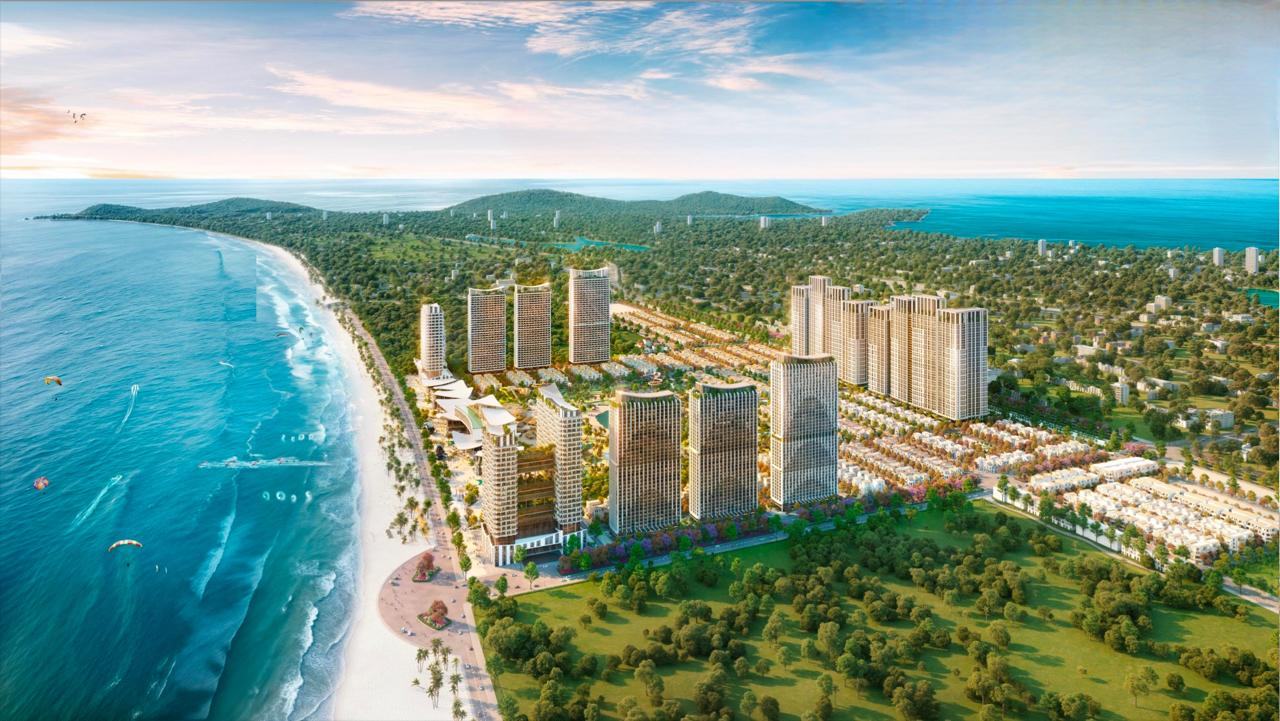
North-South Railway helps increase the value of resort real estate types. (Source: Collected)
3.2. Attracting investment into tourist cities
As tourist numbers increase thanks to convenient transportation, many localities also begin to strongly attract large-scale investment projects in the resort and service sectors. This is considered a direct consequence of the impact of the North-South Expressway on tourism on the real estate market. Large enterprises often prioritize areas with synchronized infrastructure to develop projects due to better tourism exploitation and regional connectivity.
Many coastal cities or localities with tourism potential are gradually transforming thanks to the emergence of modern tourist urban areas. Not only hotels or resorts, but many projects also develop commercial centers, pedestrian streets, entertainment areas, and synchronized utility systems to enhance the visitor experience. This contributes to changing the urban landscape, boosting the local economy, and increasing long-term investment appeal.
3.3. Formation of large-scale resort complexes
The development of transportation infrastructure is creating conditions for many localities to form large-scale resort complexes instead of developing only small, scattered projects as before. As expressways help connect regions more quickly, investors tend to expand project scale to meet the increasing demand for accommodation, entertainment, and leisure of tourists.
Many coastal areas are currently developing according to an integrated resort urban model with full amenities such as hotels, beach villas, amusement parks, marinas, and commercial centers. These complexes not only serve leisure needs but also contribute to extending the length of stay and increasing tourist spending. This is also a development trend assessed as having great potential in the context of the impact of the North-South expressway on tourism becoming increasingly clear in many localities across the country.
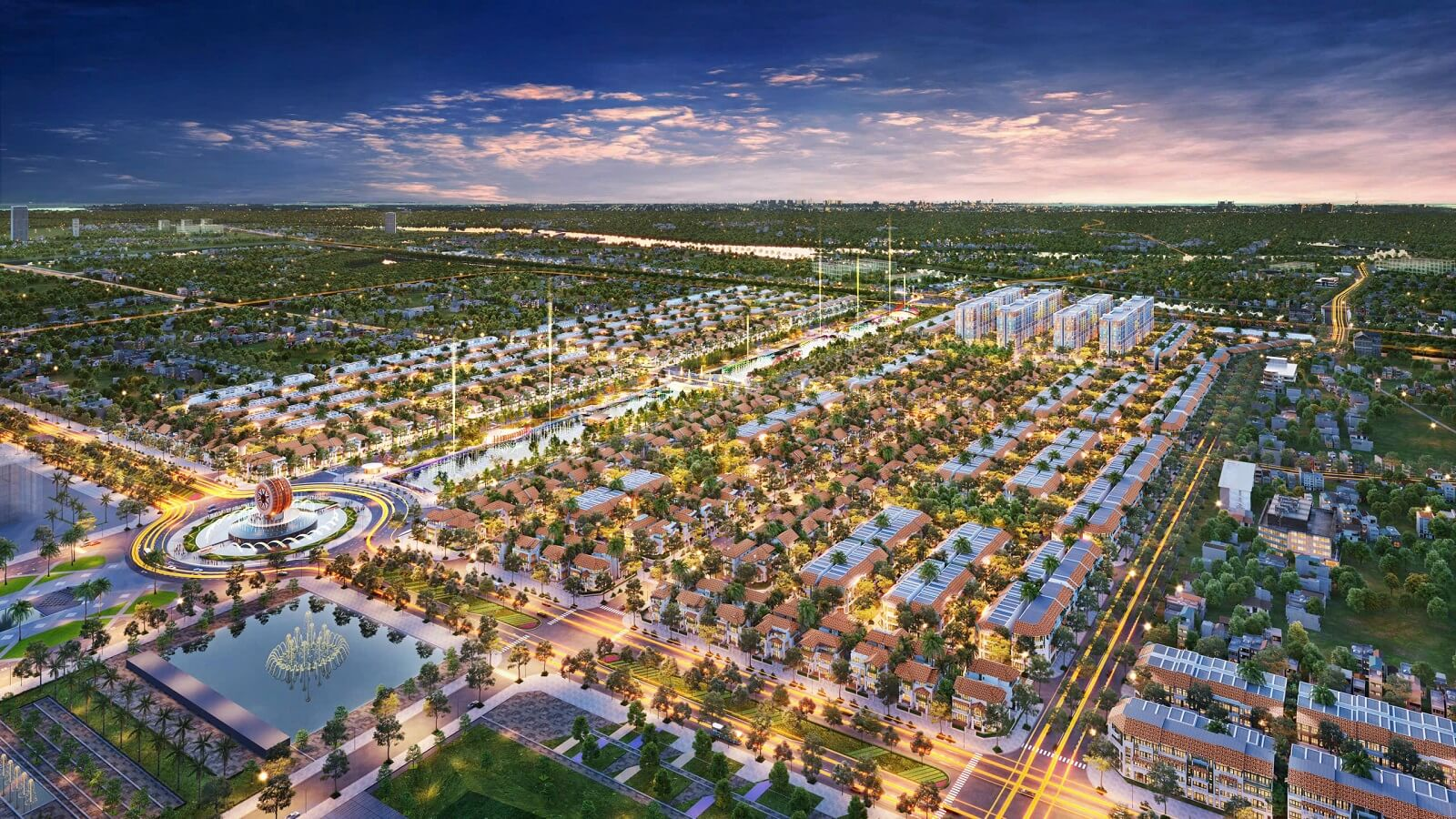
The North-South Railway Line facilitates the formation of large-scale resort complexes. (Source: Collected)
4. Opportunities for tourism development from the North-South Expressway
The development of the North-South expressway system is opening up many great opportunities for the tourism industry in many localities across the country. As travel time is shortened, tourists tend to increase short-day trips and expand their exploration to many new destinations. This is a favorable condition for areas with potential in landscape, culture, and resorts to attract more tourists in the future. At the same time, convenient connectivity between provinces and cities also helps travel businesses easily build more attractive inter-regional tour routes than before.
Modern transportation infrastructure not only promotes tourist growth but also creates development momentum for many accompanying service types such as accommodation, dining, entertainment, and resort real estate. Many coastal localities or emerging tourist areas are having opportunities to attract stronger investment thanks to the advantage of connecting with major economic centers. This is also an important foundation helping the tourism industry develop more sustainably, while contributing to improving the urban landscape and promoting the local economy in the long term.

The North-South Expressway brings positive impacts to the tourism industry. (Source: Collected)
5. Accompanying challenges when infrastructure develops
Besides the positive benefits, the rapid development of transportation infrastructure also brings not a few challenges for the tourism industry and localities with highways passing through. When the number of tourists increases sharply in a short time, many areas may face overload in terms of internal traffic, accommodation facilities, and tourism services. If not invested in a coordinated manner, the quality of tourist experience may be affected, especially during peak tourist seasons.
Besides infrastructure pressure, the issue of landscape conservation and sustainable development are also being concerned by many localities. Massive investment in resort real estate or uncontrolled tourism exploitation can affect the natural environment and local identity. Besides, the real estate market in areas with highways passing through also easily experiences situations of rapid price increases or herd mentality investment. Therefore, methodical planning and balanced development between the economy and long-term conservation will be important factors in the coming period.
Evidently, the impact of the North-South expressway on tourism not only makes travel more convenient but also opens up development opportunities for many destinations and tourist cities nationwide. As infrastructure continues to improve, the number of tourists, resort services, and investment potential in many localities are also expected to grow stronger in the future.