


How much capital is needed to invest effectively in a second home?
Owning a second home is becoming a trend, but the financial aspect is always a key factor. Understanding how much capital is needed to buy a second home will help investors proactively manage cash flow, choose suitable products, and optimize long-term efficiency.

▲Table of Contents
1. Overview of the financial considerations when buying a second home
1.1. Concept of second home investment capital
Second home investment capital is the total amount of money needed to own a resort property, including the asset value and related costs during the purchase and operation process. Second home investment capital nowadays needs to be calculated based on the new land price framework according to market principles of Law on Land No. 31/2024/QH15. This capital amount is not just limited to the initial sale price but also includes legal costs (such as registration fees, new regulation dossier appraisal fees), interior finishing costs, and especially high-class management and operation fees to maintain sustainable asset value.

Investment capital for a second home includes asset value and related operating costs. (Source: Compiled)
Besides the initial cost, investors also need to consider operating expenses such as maintenance, management, and the opportunity cost of capital tied up in the asset. This is particularly important because a second home is often not used frequently but only serves specific times of the year. This overall calculation helps to accurately assess the financial effectiveness of the investment in the long term.
1.2. Factors affecting the required capital
The capital required when buying a second home depends on many factors such as project location, product type, and price segment in the real estate market. Coastal areas or tourist centers usually have higher prices compared to suburban areas or newly developed regions. When analyzing, the question how much capital is needed to buy a second home needs to be considered in each specific context rather than applied universally to all cases.
Additionally, project scale and utility systems also directly affect the total initial investment cost. Projects with synchronized planning, integrated with many amenities, often require higher capital but have better long-term exploitation potential. Therefore, the choice depends on the financial capacity and investment goals of each individual.
1.3. Core difference between buying a home to live in and buying a second home
Investing in a second home has distinct differences compared to a primary residence when considering financial pressure and actual usage goals. A primary residence serves stable living needs, while a second home is oriented towards vacationing and economic exploitation. When considering the issue of how much capital is needed to buy a second home, it is necessary to consider cash flow and asset maintenance capabilities.
Furthermore, a second home often does not generate immediate cash flow if not exploited effectively, leading to financial pressure in the initial phase. This requires investors to have a more flexible and long-term financial plan compared to buying a home to live in. Therefore, reasonable capital allocation is an important factor when investing in this type of property.
2. Costs to Consider When Buying a Second Home
2.1. Initial Property Value
Property value is the largest cost in the total investment for a second home, including the cost of buying an apartment, villa, or resort townhouse. This price depends on the location, area, and product type, and can vary significantly between regions. When analyzing how much capital is needed to buy a second home , this is the item that accounts for a large proportion of the budget.

Initial real estate value accounts for the majority of second home investment capital. (Source: Compiled)
Besides the listed price, buyers also need to consider related fees such as deposits and payments according to the project schedule. These expenses directly affect short-term cash flow and need to be prepared in advance. Payment planning helps limit the risk of financial shortage during the purchase process.
2.2. Cost of capital and bank interest rates
The cost of capital and bank interest rates are important factors when investors use financial leverage to buy a second home. The loan ratio and repayment period directly affect the total cost to be paid throughout the asset ownership period. When considering how much capital is needed to buy a second home , the interest cost must be included in the total budget.
Interest rates can fluctuate with the market, changing the borrower's financial obligations in each phase. This affects cash flow maintenance and overall investment efficiency. Therefore, choosing a suitable loan package plays an important role in the financial strategy.
2.3. Operating and maintenance costs
Operating and maintenance costs include management fees, maintenance, and interior upkeep during the use of a second home. These costs are incurred periodically and affect long-term financial efficiency. When considering how much capital is needed to buy a second home , maintenance costs are an unavoidable factor.
Additionally, costs for repairs, upgrades, or equipment replacement should also be budgeted for. This helps ensure the property remains in good operating condition and retains its value over time. Effective cost management contributes to optimizing investment returns.
2.4. Taxes and other miscellaneous expenses
Taxes and fees have become more transparent thanks to the regulation of bank payments for real estate transactions under the Law on Real Estate Business No. 29/2023/QH15. When calculating capital, investors must include personal income tax from transfer, registration fees, and note the terms regarding deposits (not exceeding 5% of the selling price according to the new regulation) to optimize initial cash flow, avoiding excessive capital occupation before signing the sales contract.

Taxes and ancillary costs should be included in the total investment capital for a second home. (Source: Compiled)
Additionally, certain ancillary costs such as notarization fees or interior finishing costs also need to be calculated. Adequate budgeting helps avoid unplanned expenses during the transaction process. This helps ensure the investment process proceeds more smoothly.
3. Reference Capital by Second Home Segment
3.1. Resort Apartment Segment
Resort apartments (Condotels) have now been clearly legally defined regarding the issuance of ownership certificates according to the Land Law 2024. With a transparent legal framework, this segment requires stable capital but offers absolute peace of mind regarding ownership. This is the optimal choice for investors looking to sustainably increase assets with low operating costs and higher liquidity thanks to the protection of current laws.
Additionally, resort apartments usually have lower operating costs than villas, helping to reduce financial pressure during ownership. Flexible utilization potential is also a factor that helps increase asset utilization efficiency. Therefore, this segment is suitable for investors with moderate capital.
3.2. Villa and Beach Villa Segment
Beach villas and resort villas belong to the high-end segment with higher investment capital requirements than apartments. These products are often located in coastal areas or prominent tourist areas with high asset value. When analyzing how much capital is needed to buy a second home, it is easy to see that this is a segment for customers with strong financial potential.
High real estate value comes with higher operating and maintenance costs compared to other types. However, the potential for price appreciation and rental exploitation is also positively assessed in the long term. In addition, owning a whole vacation villa can cause a large amount of capital to be "locked" in the asset if it is not exploited regularly.
3.3. Second home in suburban and ecological areas
Second homes in suburban or ecological areas usually have lower prices compared to prominent tourist areas. These areas are suitable for short-term vacation needs and the trend of living close to nature. When researching how much capital is needed to buy a second home, it is easy to realize this is a more accessible cost option. Furthermore, these areas have the potential for price appreciation due to infrastructure development and the trend of moving away from urban centers. This creates investment opportunities for those with limited budgets.
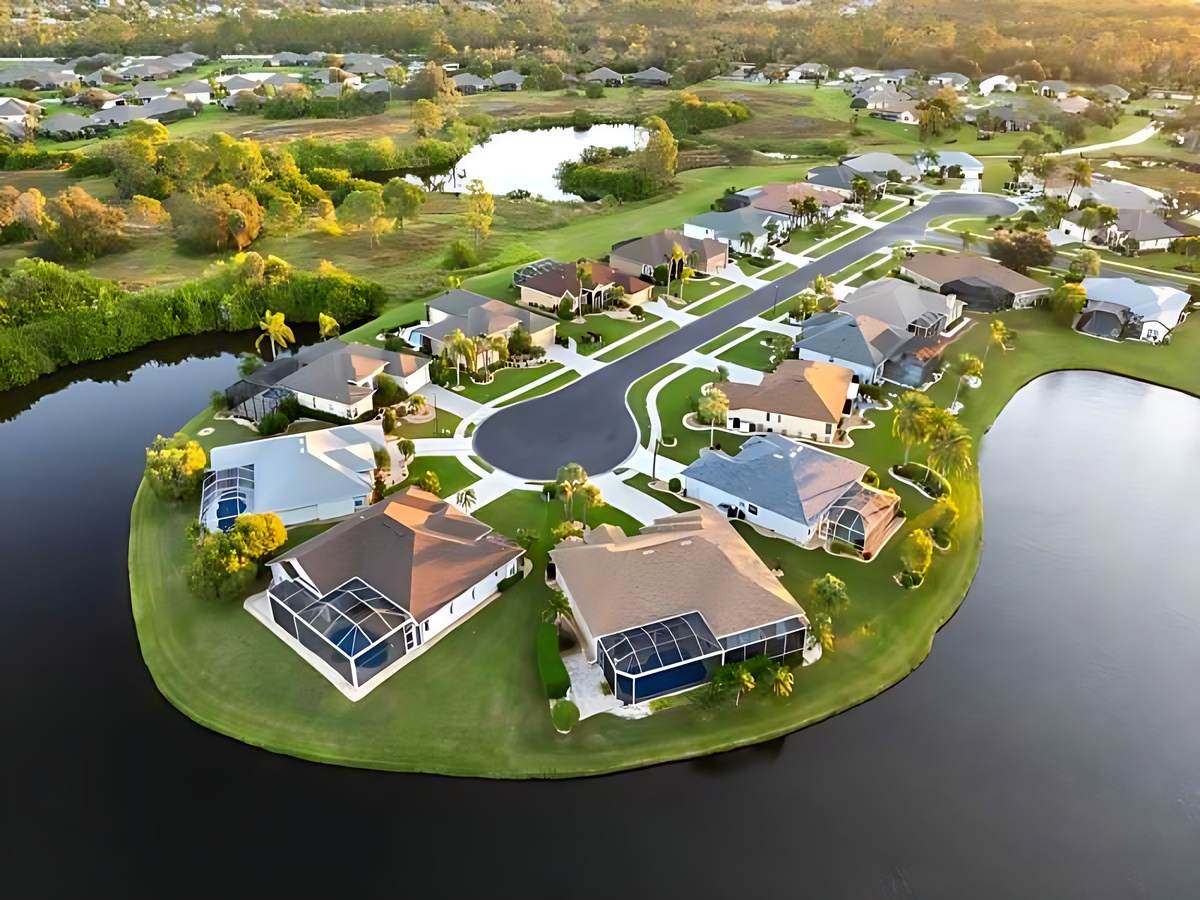
Low-cost second homes in suburban and ecological areas with appreciation potential. (Source: Compiled)
4. Optimal capital solutions when investing in second homes
4.1. Using reasonable financial leverage
The use of financial leverage during this period requires special attention to the regulations on future-formed housing guarantees of the Law on Real Estate Business 2023. Investors can be more reassured when using borrowed capital because developers are required to have bank guarantees before collecting advance payments. However, it is necessary to balance the loan ratio reasonably to ensure debt repayment ability in the context of market interest rates adjusting according to the latest monetary policy of the State Bank.
4.2. Choosing projects with financial support policies
Some real estate projects offer financial support policies such as deferred payment schedules or initial interest rate support. These policies help reduce financial pressure and optimize cash flow for investors. When researching how much capital is needed to buy a second home, it is easy to see that these incentives can help reduce the initial capital burden. However, it is necessary to carefully evaluate the related terms to avoid misunderstanding the actual financial benefits. Some policies may depend on market conditions or commitment periods.
4.3. Develop a rental strategy
Building a rental exploitation strategy helps generate cash flow to balance long-term second home investment costs. Rental forms can be flexible depending on market demand and project location. When analyzing how much capital is needed to buy a second home, it is easy to recognize that the exploitation factor plays an important role in financial efficiency. Furthermore, cooperating with professional operating units helps optimize exploitation capacity and enhance service quality. This contributes to increasing the ability to attract tenants and stabilize revenue.
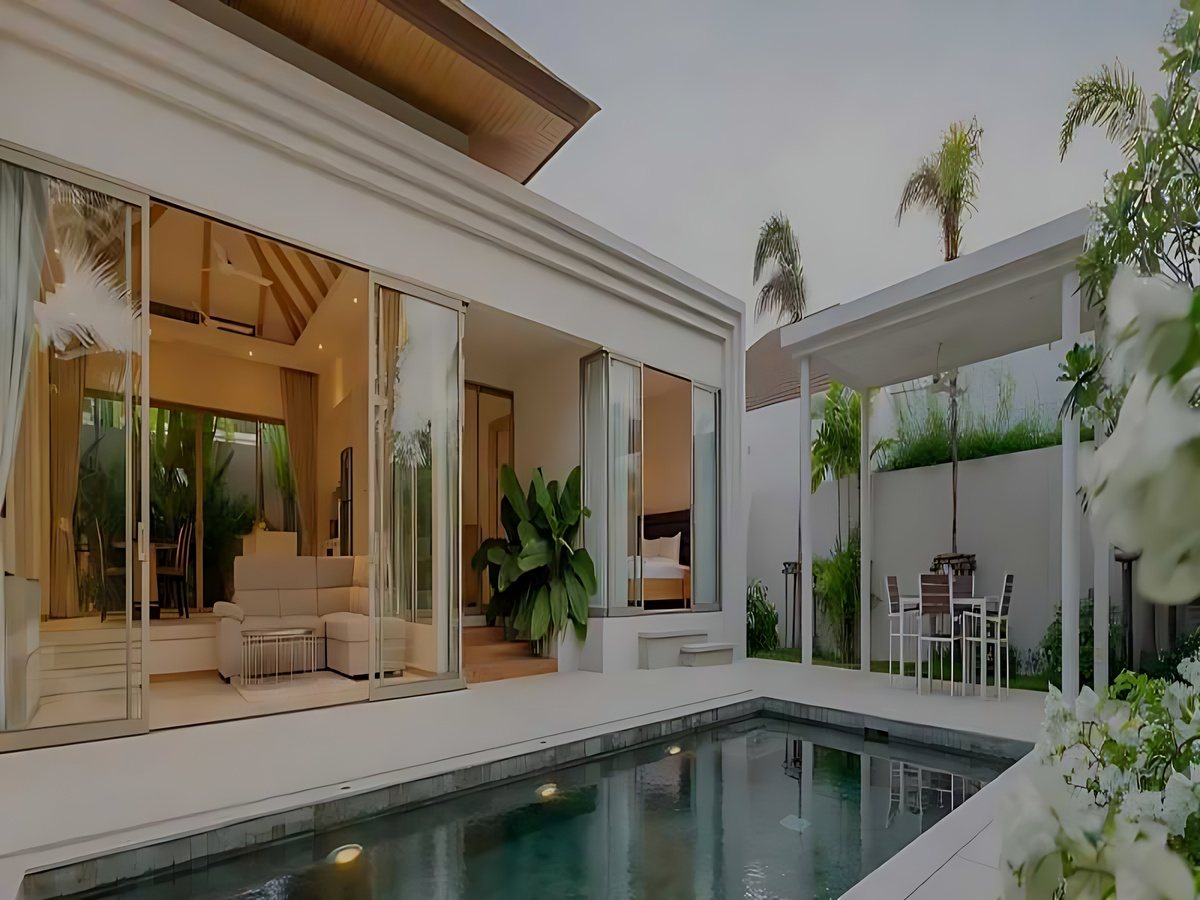
Rental strategy helps optimize cash flow from second homes. (Source: Compiled)
Financial risk management experience
Financial risk management is an important factor when investing in a second home, including assessing the market, legal aspects, and asset liquidity. These factors directly affect long-term investment performance. When considering how much capital is needed to buy a second home, potential risks must be taken into account.
In addition, reasonable capital allocation and avoiding concentrating all assets into one type of investment help minimize risks. This helps maintain financial stability in case of market fluctuations. Therefore, risk management is a crucial part of investment strategy.
It can be confidently affirmed that understanding how much capital is needed to buy a second home is a crucial step for investors to make sound decisions. With a reasonable financial plan, a second home not only serves as a vacation spot but also becomes a channel for sustainable asset accumulation and profit generation.