


How much income should one have to buy a house without financial pressure?
How much income is needed to buy a house is an important question for those planning to own real estate. Determining the right income level will help you avoid financial pressure and ensure a stable long-term life.

▲Table of Contents
1. How much income should you earn to buy a house?
1.1. The 30-40% of income principle for debt repayment
When considering how much income you should earn to buy a house, the most common principle is that your monthly installment should not exceed 30-40% of your income. This helps you ensure your living expenses are covered and maintain a necessary financial reserve.
Exceeding this threshold will significantly increase debt repayment pressure and can easily affect your quality of life. Therefore, controlling the debt repayment ratio is crucial for ensuring long-term financial security.
1.2. Minimum income level to buy a house
There isn't a fixed number for everyone, but with current price levels, an income of around 20 to 30 million VND per month is often considered the minimum threshold if using financial leverage. This level helps you afford basic loan payments while still maintaining essential expenses.
However, this figure also depends on the house value, loan ratio, and repayment period. When determining how much income is needed to buy a house, you need to consider your specific circumstances rather than applying it mechanically.
1.3. Quick Estimation Formula
A simple way to determine home buying affordability is to take the property value as about 5 to 7 times your annual income. This is a reference formula that helps you quickly visualize a price range suitable for your current financial capacity.
Although it is only relative, this method is still useful when you need to make a quick decision. When combined with factors such as interest rates and financial planning, you will have a clearer view of whether to buy a home or not.

There is no exact income figure for buying a house, as it depends on each person's financial capacity and spending plan. (Source: Collected)
2. Factors affecting the decision to buy a house
2.1. Initial accumulated amount
Besides considering how much income is needed to buy a house, the initial accumulated amount is a very important factor. Typically, you should have at least 20-30% of the property value ready to reduce loan pressure and increase the chances of bank approval.
This capital not only helps reduce monthly payments but also creates a sense of security when entering a long-term loan. The higher the accumulation, the lower the financial risk during the home buying process.
2.2. Bank loan eligibility
Borrowing capacity depends heavily on your income level, employment, and credit history. The bank will assess whether you have sufficient repayment capacity before deciding on the loan amount.
Therefore, when determining how much income is needed to buy a house, you also need to consider your ability to access loan funds. A good financial profile will make it easier for you to choose a suitable loan package.

The ability to borrow from the bank greatly influences the decision to buy a house. (Source: Collected)
2.3. Living expenses and contingency fund
Monthly living expenses and a contingency fund are factors that cannot be ignored when buying a house. You should ensure that after repaying debts, you still have enough money to maintain your life and handle unexpected situations.
A safe principle is to always keep a contingency fund equivalent to at least 6 months of living expenses. This helps you avoid financial pressure if there are fluctuations in income.
3. Practical examples of income levels and buying a house
3.1. Income of 20 million/month
With an income of about 20 million per month, buying a house is still possible but requires careful calculation. Buyers should prioritize reasonably priced properties and limit borrowing too much to avoid prolonged debt repayment pressure.
In this case, when considering how much income is needed to buy a house, the safe option is to borrow only at a low level and keep the debt repayment ratio within a controlled range. This helps ensure financial stability and avoid risks when income fluctuates.
3.2. Income 30 – 50 million/month
With a monthly income from 30 to 50 million VND, buyers have more options regarding real estate segments. This group can consider borrowing 50-70% of the asset value if cash flow is well-controlled.
However, even at this income level, determining how much income is sufficient to buy a house still needs to be based on a specific financial plan. Buyers should ensure loan repayments do not affect spending and have provisions for unforeseen circumstances.
3.3. Income above 50 million/month
When income exceeds 50 million per month, financial capacity becomes much more flexible. Buyers can choose higher-value products or leverage financial tools for investment.
However, high income does not mean one can borrow arbitrarily. Carefully considering cash flow and choosing suitable real estate remain important factors for ensuring long-term financial efficiency.

Depending on income levels, buyers can choose different types of real estate and financial plans. (Source: Collected)
4. When should you postpone buying a house?
4.1. Unstable income
If your income is unstable or depends on volatile factors, buying a house can lead you into prolonged financial pressure. A home loan typically lasts for many years, so income stability is a prerequisite.
In this case, instead of rushing, you should continue to strengthen your personal finances. When considering how much income to buy a house, stability is always more important than absolute numbers.
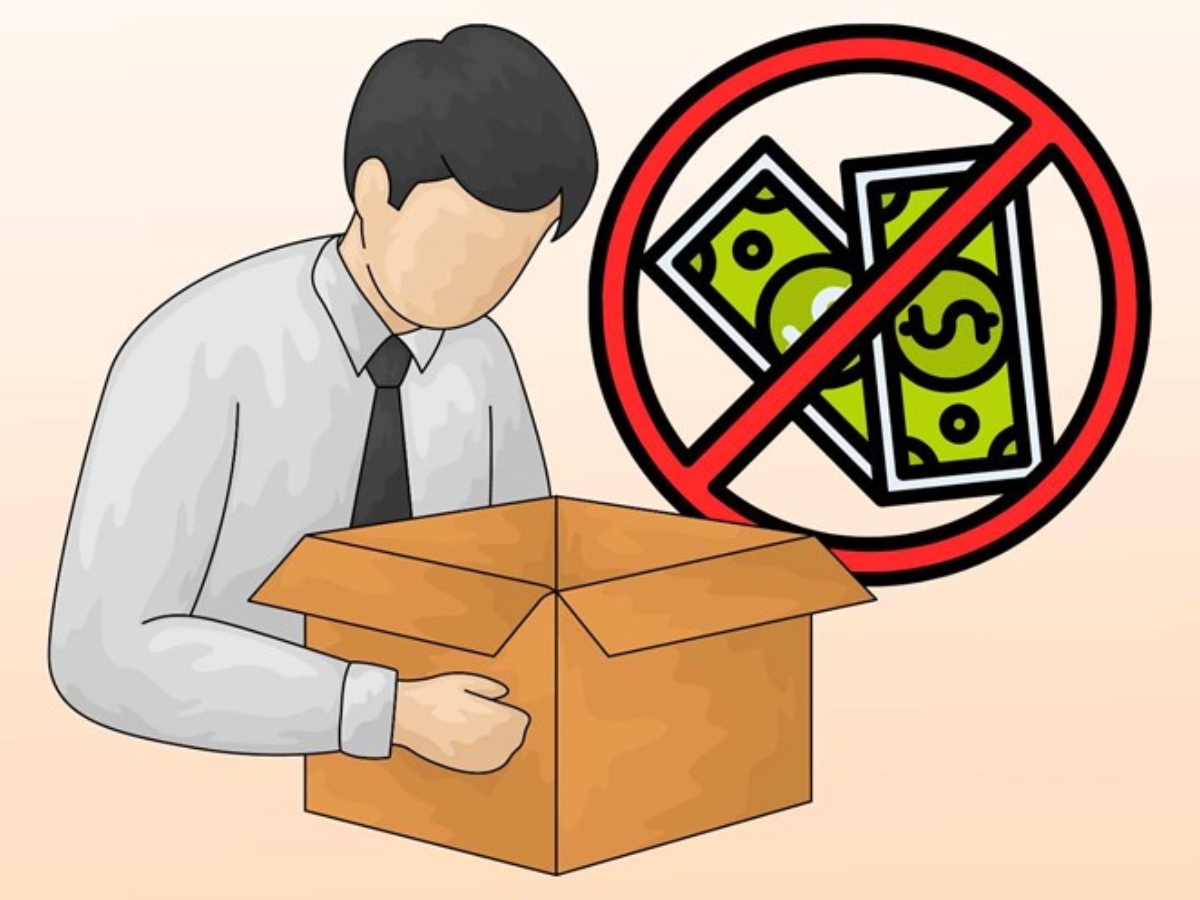
Unstable income means you should not buy a house. (Source: Collected)
4.2. Lack of sufficient savings
Buying a house without enough accumulated savings will force you to borrow at a high rate, leading to greater financial risk. Besides the down payment, you will also need incidental costs such as taxes, fees, furniture, and contingency funds.
If you haven't prepared enough, delaying will give you time to save more and reduce borrowing pressure. This is a necessary step to ensure long-term financial security.
4.3. Unclear housing purchase goals
Buying a house to live in and buying a house for investment are two completely different goals, leading to different financial strategies. If your goals are not clearly defined, you are very likely to choose the wrong product or segment.
Clarifying goals will help you make more suitable decisions according to your needs and financial capacity. This is an important factor to avoid unnecessary mistakes when participating in the real estate market.
5. Tips for safe home buying based on income
5.1. Do not borrow the maximum bank limit
One of the common mistakes when buying a house is borrowing the maximum amount of money that the bank allows. In reality, the credit limit offered by the bank is only based on the current repayment ability, but does not fully reflect potential future financial fluctuations. If borrowing close to the limit, buyers will easily fall into a state of "cash flow strain" when interest rates rise or income decreases.
So, when considering how much income to buy a house, you should proactively set a safety margin for yourself. Instead of borrowing the maximum, reduce the loan ratio to a level you can comfortably afford even with fluctuations. Maintaining a "financial buffer" will help you maintain stability and avoid prolonged pressure throughout the loan period.
5.2. Prioritize income-generating properties
An investment property that can generate cash flow will significantly reduce financial pressure when taking out a mortgage. Instead of relying solely on personal income, buyers can leverage income from renting or business to support monthly loan repayments, thereby balancing cash flow better.
In practice, projects located in areas with existing high customer traffic or demand are often easier to capitalize on. For instance, ecosystem development areas like The Sunset, Sun Elite City, or urban complexes combined with tourism often generate stable customer flows, helping real estate have better rental potential. When considering how much income is needed to buy a house, choosing products that can generate cash flow will help reduce risks and make loans easier to manage in the long term.

Investors should prioritize real estate projects with cash flow generation potential to reduce financial pressure. (Source: Collected)
5.3. Choosing projects that match financial capacity
A safe home buying decision is not about choosing the most expensive product, but about choosing one that fits your affordability and financial goals. When considering how much income to buy a house, it is important to find a property that is reasonably priced, has clear legal status, and has the potential for stability over time.
In reality, well-planned projects with synchronized ecosystems often help buyers balance their finances more easily. For example, new urban areas like Sun Urban City, Sun Elite City, or projects in Phu Quoc, Da Nang… often have many different price segments, suitable for various income levels. This helps buyers easily choose affordable products while still ensuring asset value and long-term growth potential.
How much income should you have to buy a house does not have a fixed number, but depends on the ability to balance finances, accumulation level, and each person's long-term plan. When ensuring stable income, a reasonable debt repayment ratio, and a safe emergency fund, buying a house will become easier rather than a pressure. More importantly, choosing the right real estate that suits your financial capacity will help you feel secure owning assets and optimize long-term efficiency.