


How to check if a real estate project is mortgaged
How to check if a project is mortgaged is an important step to help buyers mitigate legal risks before investing. Verifying the project's mortgage status will help buyers assess its safety level and avoid future disputes.

▲Table of Contents
1. Why is it necessary to check if a project is mortgaged?
Before signing a purchase agreement for an apartment or off-plan real estate, buyers should proactively investigate the project's legal status. In particular, checking whether the project is currently mortgaged by the developer at a bank is a very important step to mitigate potential risks arising during the transaction process.
1.1. Mitigate legal risks when buying a home
Many real estate projects nowadays are used by investors to mortgage banks to raise capital for construction. However, if the project has not yet been unmortgaged or does not meet the legal conditions for sale, buyers may encounter difficulties in the process of signing contracts, transferring ownership, or obtaining land use rights certificates later on.
Learning how to check if a project is mortgaged will help buyers clearly determine the legal status of the project before transacting, thereby limiting the risk of buying real estate that is encumbered with financial obligations to the bank.
1.2. Ensuring the rights of real estate buyers
When the project's mortgage has been released or has complete and clear legal documentation, buyers will be more assured about future ownership of the property. This also serves as a basis to help the process of signing contracts, payment, and issuing ownership certificates proceed more smoothly.
Conversely, if mortgage information is not carefully checked, buyers may face the risk of delayed handover of the house, delayed issuance of the title deed, or disputes arising related to the collateral at the bank.

Checking if the project is mortgaged helps ensure the rights of real estate buyers. (Source: Collected)
1.3. Avoid disputes related to banks and investors
In some cases, the developer uses the project or apartment as collateral but has not yet discharged the mortgage before selling to customers. This can lead to disputes between the buyer, the bank, and the developer if financial issues or payment obligations arise.
Proactively checking the mortgage status of the project will help buyers assess the transparency of the developer and limit potential future legal disputes.
2. How to check if a project is mortgaged
Currently, real estate buyers can check the mortgage status of a project through various information sources such as legal documents provided by the investor, land registration agencies, mortgage-receiving banks, or public information from state management agencies. Thoroughly understanding how to check if a project is mortgaged will help buyers assess the legal safety of the project before signing a contract and limit risks related to future property ownership.
2.1. Method 1: Checking information on the Land Use Rights Certificate
One of the simplest ways to check the mortgage status of a property is to directly check the information on the Land Use Rights Certificate. This is a method many people use when learning about how to check if a project is mortgaged before transacting.
When a property is legally mortgaged with a bank, the mortgage information will usually be recorded directly on the Certificate or attached with an additional page stamped with a joint seal by the land registration agency. This content usually appears on page 3 or 4 of the Certificate with information such as: “Mortgaged land use rights to the bank… under contract number…”.
Typically, while the property is mortgaged, the bank will keep the original Certificate of Land Use Rights. Therefore, if the seller only provides a photocopy or shows signs of concealing information related to the mortgage, the buyer should carefully check details such as a partially missing cross-stamped seal, staple marks, or signs of removed attached documents on the red book to limit legal risks when transacting real estate.
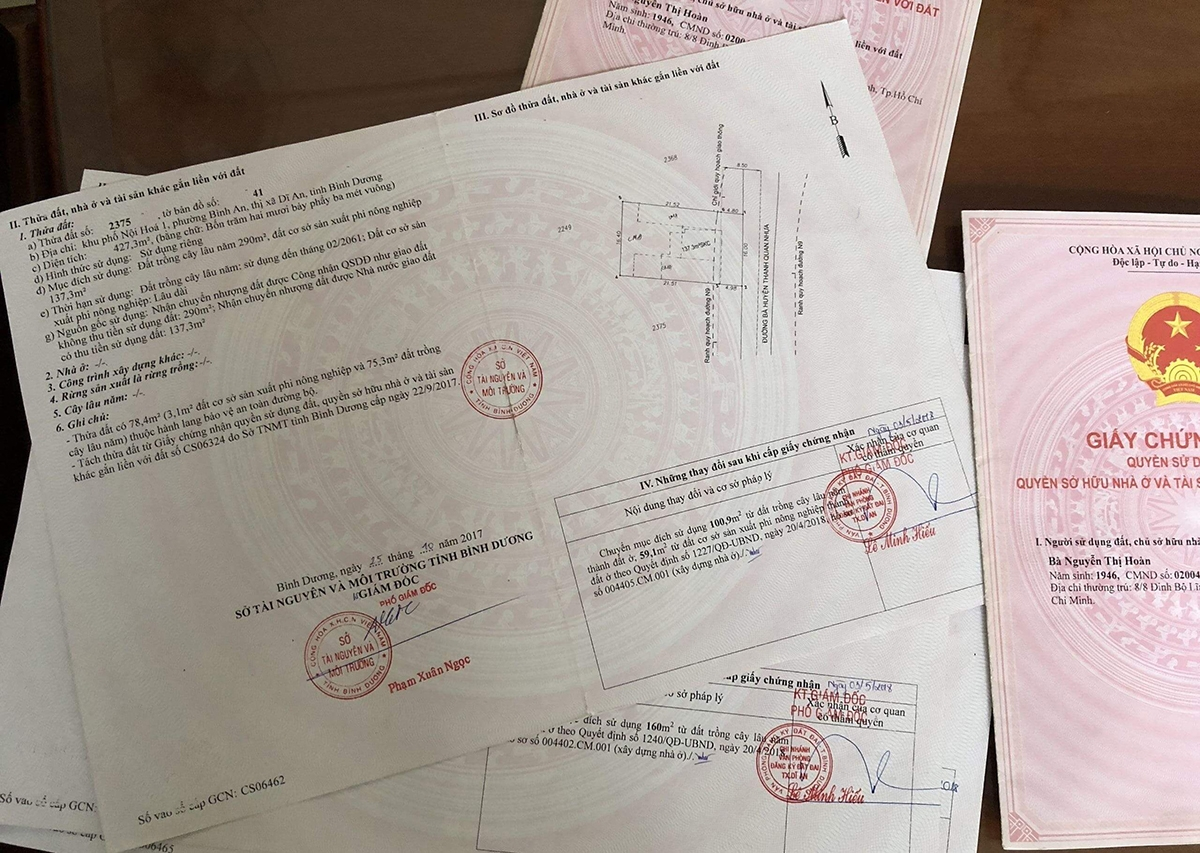
Check information on the Land Use Rights Certificate. (Source: Collected)
2.2. Method 2: Look up information at the notary office
One of the quite common ways when learning about how to check if a project is mortgaged is to look up information at the notary office. This method helps buyers further verify the legal status of the property before making a transaction.
To proceed, the buyer should request the seller to provide a photocopy of the Certificate of Land Use Rights or House Ownership. Afterwards, they can bring this photocopy to a notary office to inquire about information regarding the mortgage status of the property at the bank or the status of secured transaction registration related to the asset. Depending on the regulations of each notary office, the inquiry may be supported for free or incur a certain fee.
Even if the real estate is mortgaged but the bank agrees to the sale, the buyer should still conduct the transaction through a notary office to have the documents checked and be advised on potential legal risks. Bringing all documents related to the transaction to the notary office will help ensure greater transparency and safety during the real estate transaction process.
2.3. Method 3: Checking information at the competent authority
Besides checking on the Certificate or looking up at the notary office, buyers can also verify mortgage information at the Land Registration Office or its branch where the property is located. This is one of the ways to check legal information quite accurately when learning about how to check if a project is mortgaged .
Through the land registration agency, people can request to look up information about secured transaction registration or the mortgage status of the property at the bank. If the property is legally mortgaged at a credit institution, this information will usually be updated in the land management records of the competent authorities.
However, this method is mainly applied to cases of mortgage at banks or credit institutions with registered secured transactions as regulated. For cases where the asset owner mortgages to individuals or external lenders but without registering secured transactions, buyers will find it difficult to check information through land registration agencies.

Check information at the competent authorities. (Source: Collected)
2.4. Method 4: Learn about the seller through people in the surrounding area
Besides checking legal documents, buyers should also proactively seek actual information about the seller and the property through residents living in the surrounding area. This is one of the quite effective supporting methods when learning about how to check if a project is mortgaged , especially for individual real estate transactions.
If not buying or selling through acquaintances, buyers should prioritize working with reputable brokerage firms that have clear operating licenses and transparent transaction processes. This helps limit risks related to legal issues or misinformation about the property.
Additionally, before transacting, buyers should learn more about the seller and the property's history through nearby residents. Some information to check includes the actual ownership status of the land/house, the seller's reputation, the area's security situation, or signs of disputes, debts, or foreclosures related to the property. This is a way to help buyers have more basis to assess the safety of the transaction before investing.
2.5. Method 5: Pay attention to the deposit contract
When conducting real estate transactions, the deposit contract is one of the important documents that helps protect the buyer's rights if disputes or legal issues related to the property arise. This is also a content that needs special attention when researching how to check if a project is mortgaged before signing the purchase agreement.
Typically, the deposit amount will not exceed approximately 10% of the transaction value, and the contract needs to clearly state contents such as information of the participating parties, deposit period, payment method, responsibilities of the parties, and handling procedures in case of breach of commitment. Clearly stipulating the deposit handling clause will help the buyer have a legal basis if they discover the seller is concealing the mortgage status of the property.
In cases where real estate is mortgaged but the bank agrees to the sale transaction, the buyer should request a commitment agreement between three parties: the buyer, the seller, and the mortgage bank. The content of the commitment needs to clearly state the payment plan, the mortgage release obligation, and the responsibilities of each party to ensure the transaction is transparent and to limit disputes or future legal risks.

Check the land deposit contract carefully. (Source: Collected)
Understanding thoroughly how to check if a project is mortgaged is a very important step to help buyers limit legal risks before transacting real estate. By checking the title deed, searching at the notary public office, land registration agency, or verifying actual information from the surrounding area, buyers can better assess the project's safety level and the investor's legal capacity. Additionally, paying attention to the deposit contract and mortgage release commitments will also help protect buyers' rights better during the transaction process.