


How to choose a house that faces the cool breeze for comfortable and airy living
How to choose a house with a cool breeze direction is a concern for many families when buying or building a house. Choosing the right direction not only helps welcome natural breezes, reduce stuffiness, but also helps save electricity and improve daily quality of life.

▲Table of Contents
1. Understanding how to choose a house with a cool breeze
1.1. How to choose a house with a cool breeze is not just about the door's direction
How to choose a house with a cool breeze should be understood as a combination of wind direction, sun direction, and interior space organization. A house with a main door that catches the wind well but lacks ventilation can still feel stuffy and accumulate heat in the afternoon. In reality, many houses with good orientation but enclosed designs have indoor temperatures 2 to 3 degrees Celsius higher than outdoors during hot seasons.
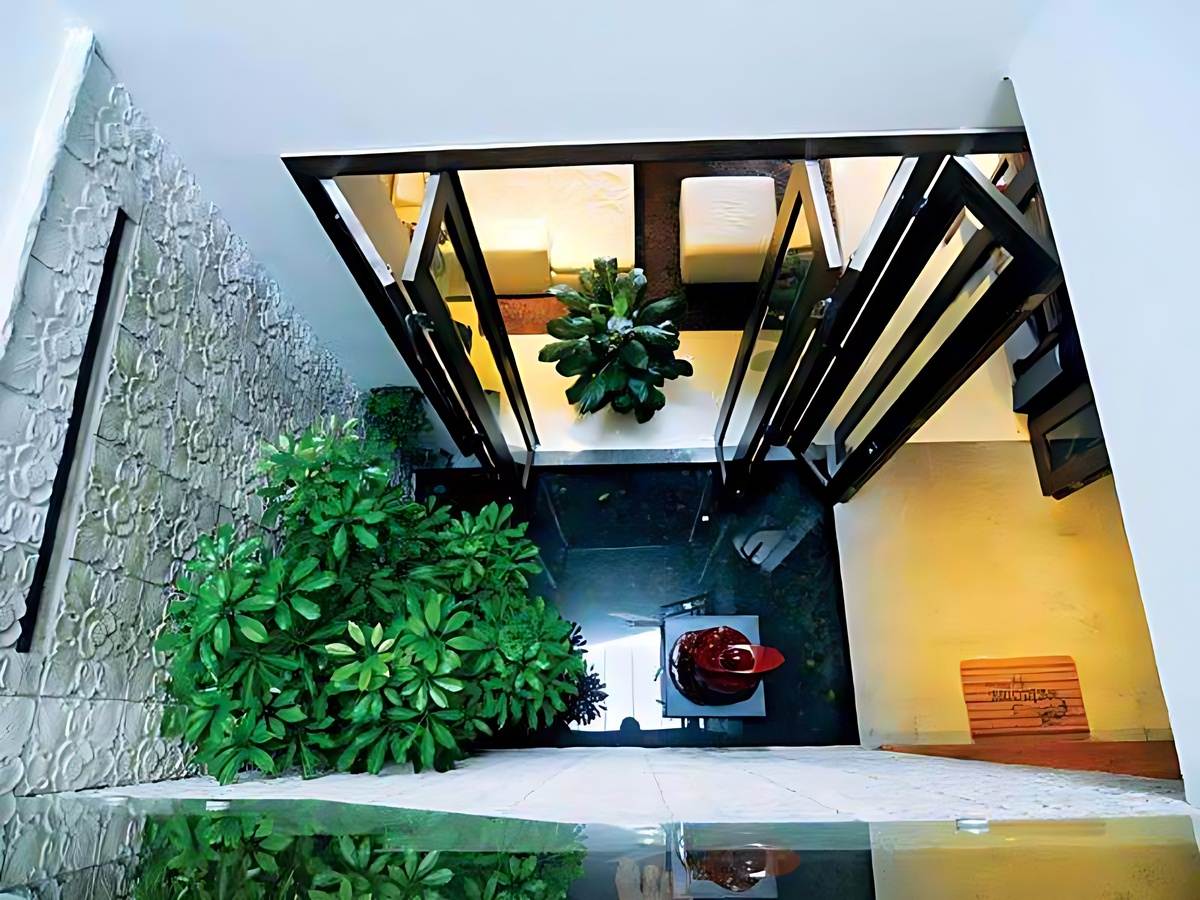
Cross ventilation helps reduce heat and increase natural ventilation. (Source: Collected)
The concept of a cool house today relies heavily on natural ventilation through convection windows, skylights, and green buffer zones. In the sustainable architecture trend of 2026, window placement based on the "cross ventilation" principle is prioritized to create continuous air circulation, helping to reduce the actual indoor temperature by 2 to 4 degrees Celsius compared to sealed designs. This not only keeps the living space fresh but also serves as a solution to reduce greenhouse gas emissions according to current environmental commitments.
1.2. Characteristics of wind and sun by climate zone directly affect the feeling of living
How to choose a house with a cool breeze direction is greatly influenced by the climate characteristics of each region in Vietnam. The Northern region has cold winters and hot, humid summers, while the Central region endures hot, dry Lao winds and high radiation. The Southern region has a stable tropical climate with an average temperature of about 27 degrees Celsius year-round.
Due to these differences, there is no single cool direction for all areas. South and Southeast directions are often preferred because they catch the cool summer breezes and limit harsh sunlight from the West. However, the specific choice still needs to be based on the actual geographical location to ensure long-term effectiveness.
1.3. Difference between landed houses, townhouses, and apartments when evaluating coolness
How to choose a house with a cool orientation needs to be applied flexibly according to each type of housing. Landed houses often have advantages in terms of gardens and open spaces, helping to receive natural wind better if arranged reasonably. Houses with two facades or a setback in front often have air circulation 20 to 30 percent higher than enclosed houses.

Choosing a house according to the suitable type helps optimize wind reception. (Source: Collected)
Townhouses in urban areas are often limited by adjacent buildings on both sides, making wind reception dependent on the front facade and the skylight. Apartment buildings, on the other hand, require attention to the direction of balconies, corridors, and the distance between blocks. This difference requires buyers to correctly assess the type before applying orientation criteria.
2. Important criteria when applying methods to choose a house with a cool breeze direction
2.1. Prioritize directions that receive natural wind and limit heat radiation
Choosing a house with a cool breeze direction should start by identifying the prevailing wind direction in the area. In Vietnam, the Southeast monsoon often brings cool air in the summer, significantly reducing indoor temperatures. Conversely, the West direction often experiences high heat radiation in the afternoon, causing the space to remain hot for many hours.
Avoiding direct sun-facing facades helps reduce cooling costs by 10 to 20 percent per month. A house that faces the wind but is exposed to strong sunlight will not achieve optimal usability. Therefore, it is necessary to combine both wind and sun factors to make a suitable choice.
2.2. Checking ventilation, windows, balconies, and air convection capabilities
How to choose a house with a cool wind direction cannot ignore the factor of air convection within the house. A house with only one ventilated side will have difficulty creating continuous airflow. Meanwhile, houses with opposing windows or skylights often create more effective cross-room airflow.
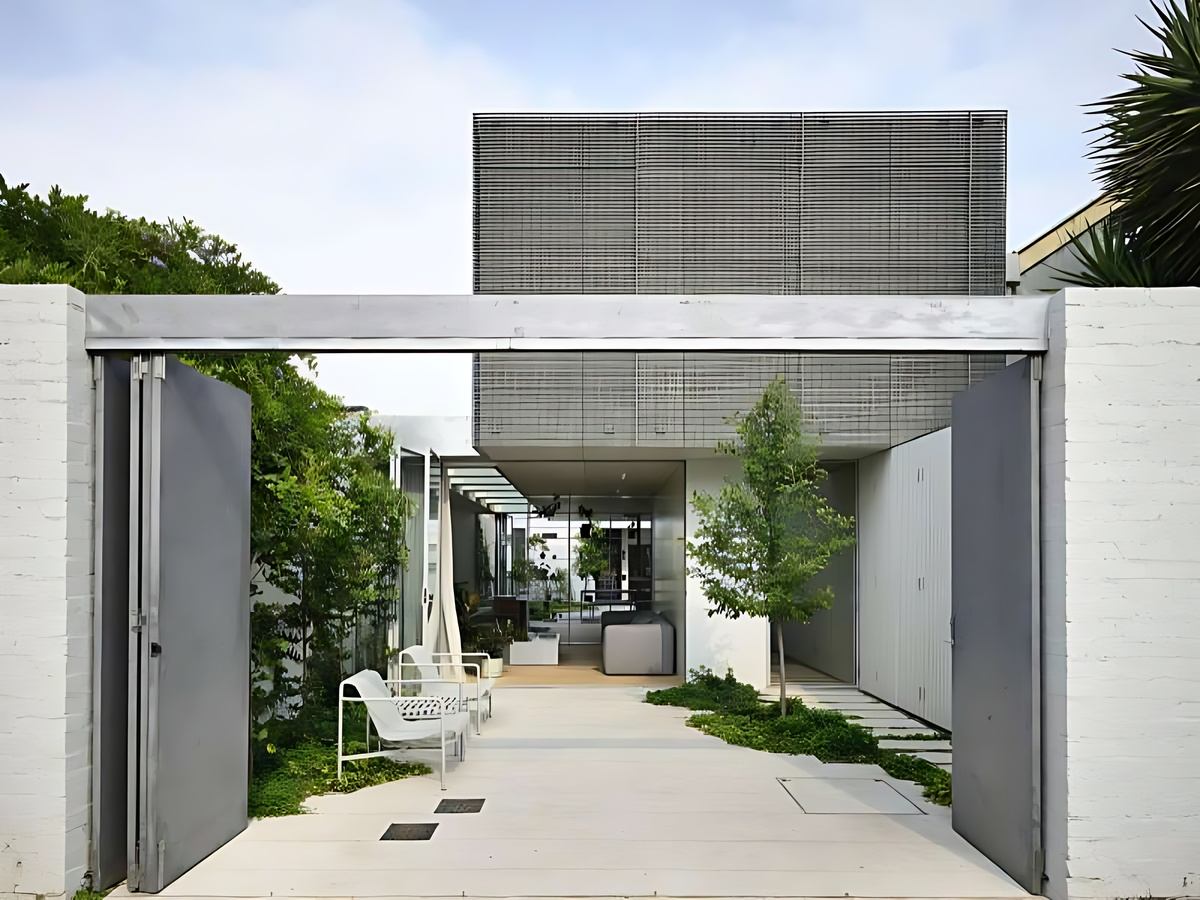
House design with air circulation helps increase ventilation effectively. (Source: Compiled)
Balconies, loggias, or side openings play an important role in guiding wind deep inside. These designs help reduce the perceived temperature by 1 to 2 degrees Celsius compared to enclosed spaces. Buyers should carefully observe these factors instead of just looking at the overall orientation.
2.3. Observe surrounding obstacles before deciding
How to choose a house with a cool breeze direction requires careful consideration of the surrounding environment. Tall buildings, solid walls, or dense construction can block natural airflow. This makes a house, even if facing the right direction, lack ventilation. Dead-end alleys or obstructed facades typically have poorer air circulation. Reality in major cities shows that high construction density can reduce wind speed by more than 50 percent compared to open areas. Field surveys help buyers avoid environmental living risks.
2.4. Assessing property across multiple timeframes rather than a single visit
Choosing a house with a cool breeze needs to be verified at multiple times of the day. Morning helps assess natural light and initial ventilation. Early afternoon is the time to easily recognize the heat absorption of walls and roof. Late afternoon best reflects the impact of harsh sun and the space's heat retention ability. Buyers can use a checklist including temperature, wind direction, noise level, and light to assess quickly. This approach helps make decisions based on actual experience rather than momentary feelings.
3. How to choose a house with a cool breeze direction according to practical living needs
3.1. How to choose a house with a cool breeze direction for long-term family living
Choosing a house with a cool breeze direction for a family requires prioritizing sustainability. Bedrooms should have windows to welcome natural breezes to ensure continuous air circulation. Common living areas should be located near open spaces to enhance comfort in daily life. Kitchens should avoid enclosed or wall-adjacent positions without ventilation. Buffer spaces like front or back yards help reduce heat and create a natural insulation layer. These factors contribute to maintaining a stable living environment over the long term.
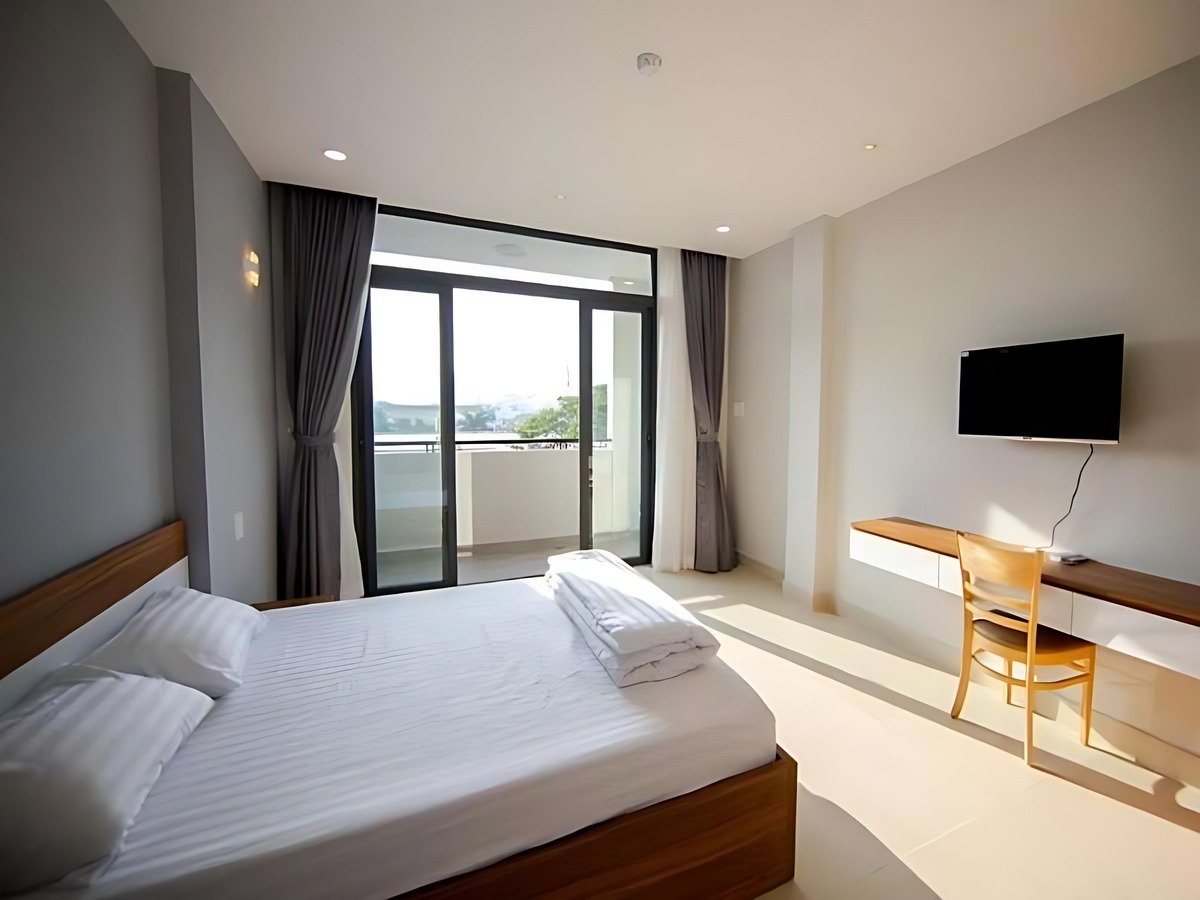
Arranging the house to catch natural wind helps maintain a sustainable living environment. (Source: Collected)
3.2. Guide to choosing a house with a cool wind direction for townhouses in crowded urban areas
How to choose a house with a cool breeze in townhouses needs to solve the characteristic stuffiness problem. Tube houses often lack open sides, making air circulation difficult. Skylights become a popular solution to bring light and wind into the middle of the house. Units with setbacks or wide alleys usually receive better wind. The distance between buildings helps reduce heat accumulation and increase air circulation. Buyers should prioritize these factors when choosing townhouses in urban areas.
When choosing a townhouse, wind direction plays an important role in reducing the stuffy feeling characteristic of tube houses. Designs are often limited by open sides, making natural air circulation difficult. Skylights are considered an effective solution to bring light and wind into the central area. As a result, the interior space becomes airy, reducing reliance on cooling devices.
3.3. How to choose a house with a cool wind direction for an apartment
How to choose a house with a cool breeze direction for apartments, you need to focus on the balcony and window direction. Balconies play a key role in receiving wind and light into the living space. Apartments that avoid the West sun usually have more stable temperatures during the day. The distance between blocks and the corridor direction also affect wind circulation. Apartments with cross-ventilation usually feel more airy. This is an important criterion when choosing an apartment for long-term living.
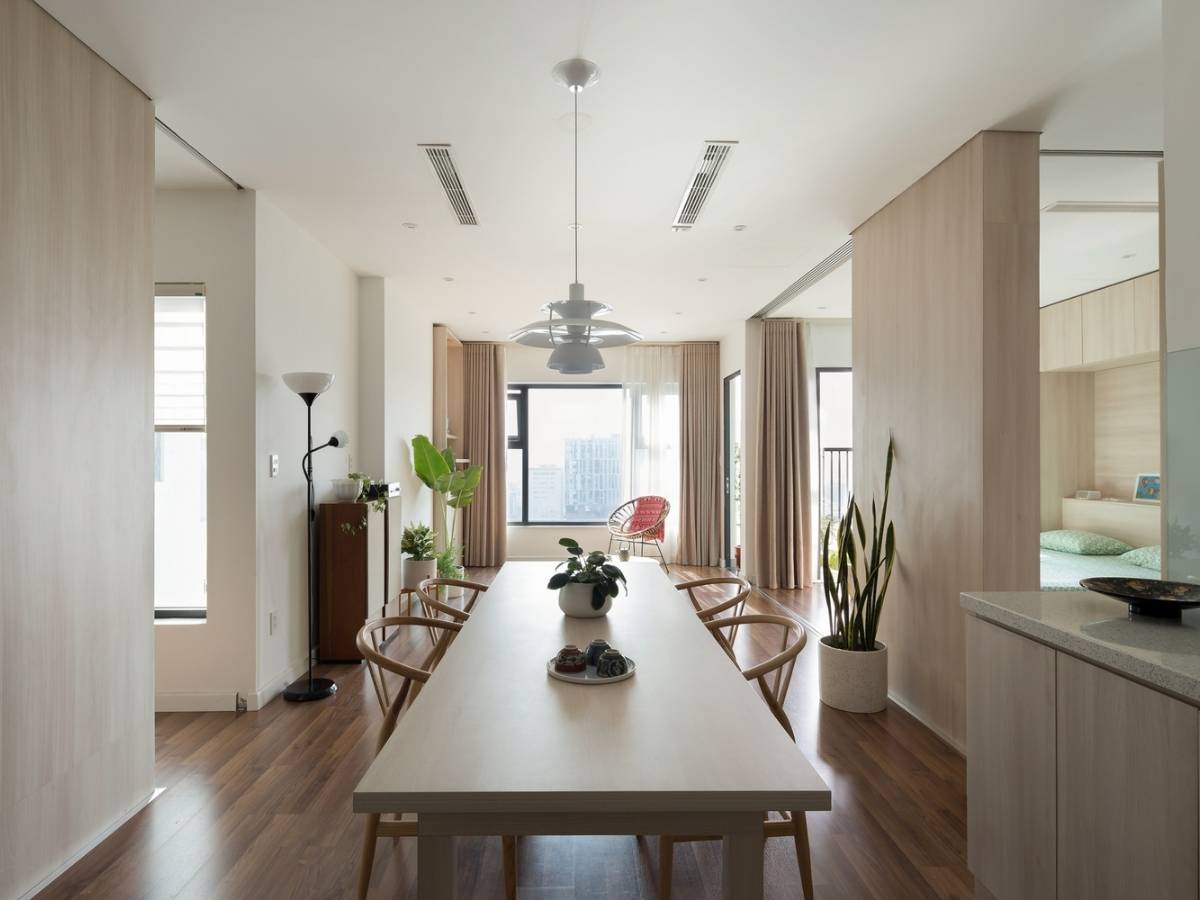
Apartments with good ventilation help create a cool and comfortable space. (Source: Collected)
3.4. Choose a house with a cool breeze direction for those who prioritize saving electricity
Choosing a house with a good wind-facing direction helps significantly reduce the need for cooling devices in daily life. Naturally airy spaces bring clear electricity savings during the long hot season. Electricity costs can be reduced by 20 to 30 percent if natural airflow is well utilized. This benefit is particularly suitable for families who intend to live there permanently.
A cool space also positively impacts sleep quality and the overall health of household members. A pleasant living environment helps the body recover better after a stressful day of work. Reducing reliance on air conditioning also contributes to extending the durability of the building over time. These values bring a tangible living experience that buyers can feel in reality.
4. Legal considerations and supplementary solutions for choosing a house with a cool breeze direction more effectively
4.1. Check zoning, construction density, and setbacks before buying or renovating a house
How to choose a house with a cool orientation needs to be linked to the assessment of local planning and construction density. According to Housing Law No. 27/2023/QH15. New housing projects must strictly comply with the criteria for green space area and setbacks according to QCVN 01:2021/BXD issued with Circular No. 01/2021/TT-BXD, effective from July 5, 2021. Carefully checking the detailed 1/500 planning map will help you predict whether the current cool breeze flow will be blocked by future high-rise buildings, ensuring your long-term right to a spacious living environment.
4.2. Solutions to increase coolness when the house orientation is not ideal
Choosing a house with a cool breeze can still be improved with design solutions. Sunshades, green plants, and double-layer curtains help reduce heat radiation effectively. Insulated glass and heat-resistant materials also contribute to improving the living environment. Cross-ventilation, skylights, and roof exhaust fans are common solutions for townhouses. These measures help increase air circulation and reduce the feeling of heat. Homeowners can still apply them to enhance their quality of life.
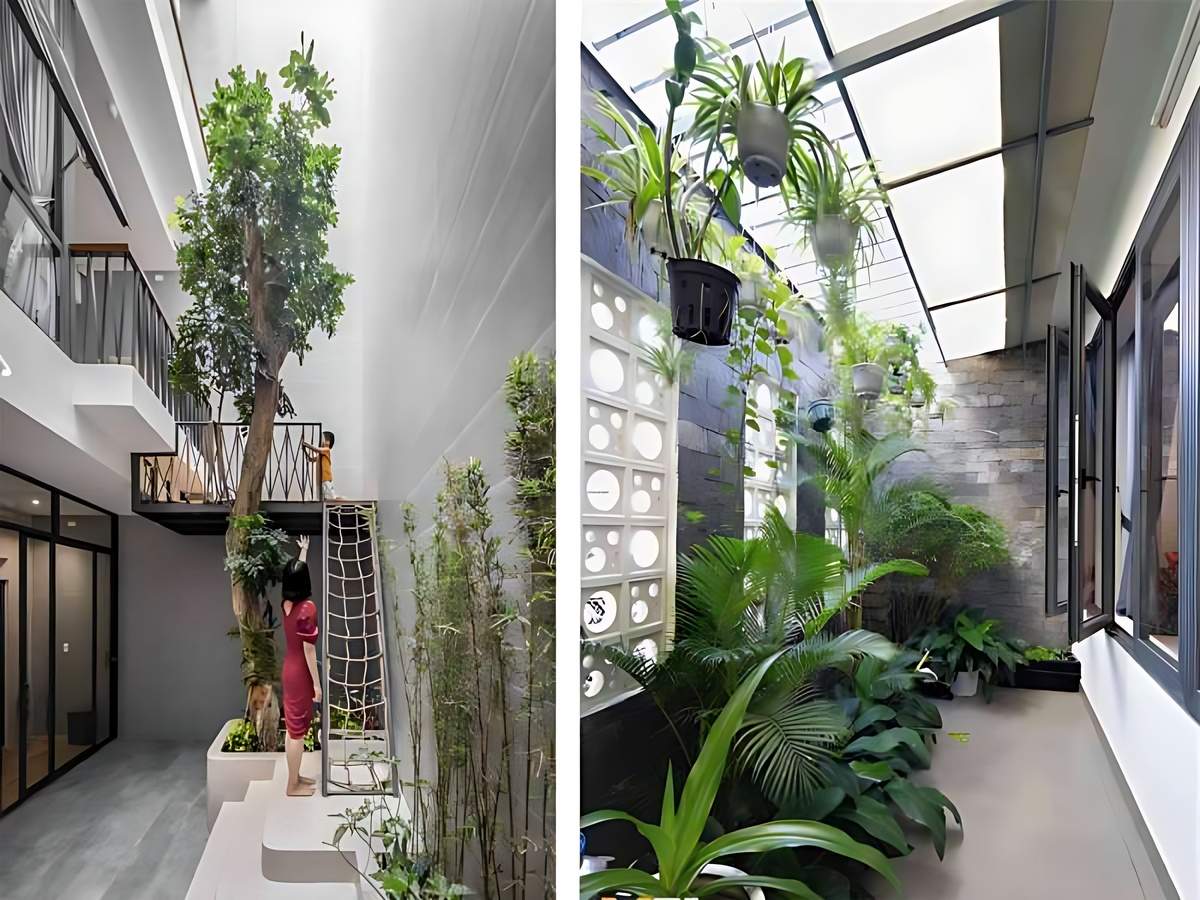
Design solutions to improve wind direction and increase house ventilation. (Source: Collected)
4.3. Common mistakes when applying the method of choosing a house with a cool breeze direction
Many people, when choosing a house, often make the mistake of merely following general advice without real-world verification. Decisions based on blueprints or promotional information can easily lead to expectations that are far from the actual experience after moving in. Wind direction indicated on paper does not accurately reflect the conditions surrounding the building. This discrepancy can result in the living space not achieving the desired level of airiness.
A common misconception is that the more doors there are, the cooler the space will be. In reality, if arranged unscientifically, airflow can be easily obstructed and dispersed. Air cannot circulate completely, causing the cooling effect to be significantly reduced. A comprehensive assessment of factors such as house orientation, building spacing, and design methods helps make more accurate choices.
How to choose a house with a cool breeze is not about looking at a beautiful direction on the drawing, but rather a comprehensive assessment from the regional climate, open sides, surrounding obstacles to the actual ventilation capacity of each space. When you understand correctly and check carefully before buying or building, you will easily choose a more comfortable house during hot seasons, save more electricity, and be suitable for long-term living needs.