


How to choose an apartment floor to effectively avoid noise when buying a home
When living in an apartment, noise from traffic, neighbors, or internal amenities can greatly affect daily life. Understanding how to choose an apartment floor to avoid noise will help you make the right decision, ensuring a quiet, comfortable, and long-lasting living space.

▲Table of Contents
1. How to Choose an Apartment Floor to Avoid Noise in Reality
1.1. Identifying Common Noise Sources in Apartments
In apartment environments in large cities, noise often comes from various sources such as road traffic, construction sites, and community activities. Commercial areas, shophouses, or ground-floor parking lots also generate continuous sound, especially during peak hours when vehicle volume increases significantly. Additionally, activities like karaoke, group gatherings, or internal sports also contribute to increasing noise levels in residential areas.
Another common type of noise is sound transmitted through the building structure, including footsteps, chair dragging, or operating equipment from the apartments above and next door. These sounds often occur in the evening or early morning, directly affecting residents' daily lives. Understanding the sources of these noises helps buyers easily apply methods for choosing apartment floors to avoid noise that suit their need for a stable and undisturbed life.
1.2. The impact of noise on quality of life
Prolonged noise not only causes discomfort but also directly affects the physical and mental health of residents. Many studies indicate that sound above 50 decibels at night can disrupt sleep and increase the risk of cardiovascular disorders due to the body's reaction to prolonged stress. This is particularly evident in the elderly and young children, groups with more sensitive nervous systems.

Prolonged noise causes negative impacts on the health of the nervous and cardiovascular systems of residents. (Source: Collected)
Furthermore, noise also affects concentration and psychology, causing states of stress, irritability, and reduced work efficiency. In long-term living environments, continuous exposure to unwanted sounds can significantly reduce quality of life. Therefore, researching how to choose an apartment floor to avoid noise is not just a comfort factor but also directly relates to long-term health.
1.3. The relationship between floor height and noise level
The height of the apartment significantly affects the noise reception level in the apartment building. Lower floors are often directly impacted by traffic noise, daily life sounds, and commercial activities below, due to their proximity to the sound sources. Meanwhile, higher floors reduce direct noise but are affected by strong winds or technical equipment on the roof, such as pumps and ventilation fans.
The principle of sound transmission in urban spaces shows that sound can propagate vertically through building structures and air. This causes some middle floors to have a more stable noise level compared to the extremely low and high ends. Understanding this relationship is an important basis for effectively applying how to choose an apartment floor to avoid noise in practice.
2. How to choose an apartment floor to avoid noise by floor group
2.1. Low floors from 1 to 5 and noise impact levels
Lower floors often have high noise levels due to proximity to sources such as traffic roads, entrance lobbies, and commercial areas. Sounds from vehicles, horns, and commercial activities can last from early morning to late evening, especially in densely populated urban areas. Additionally, parking areas and ground-level operational systems also create continuous noise.
Another factor is the crowded movement in the lobby and low-rise corridors, increasing the frequency of living sounds. These noises are often difficult to control and can affect residents' daily lives. Therefore, when applying how to choose apartment floors to avoid noise, low floors are often not the preferred choice if the goal is a quiet living environment.
2.2. Mid-floors from 6 to 15 and the balance of living environment
Middle floors are considered an area with a balance between convenience of movement and noise levels. Thanks to the sufficient distance from the ground, these floors significantly reduce direct noise from traffic and commercial activities. At the same time, the not-too-high position helps to limit the impact of strong winds or technical equipment on the roof.

Middle floors offer an optimal balance between noise reduction and convenience of movement. (Source: Compilation)
Besides sound factors, middle floors are also convenient for elevator travel, especially during peak hours. This is why many market surveys show that this floor group has a higher transaction rate in apartment projects. Choosing middle floors is a common solution when applying methods for choosing apartment floors to avoid noise in practice.
2.3. High floors from 16 upwards and specific noise factors
High floors offer unobstructed views but be mindful of the whistling sound of the wind when it hits the railing or technical equipment on the roof. Circular 19/2023/TT-BTNMT stipulates the catalog and the management and sharing of information and data on resources and the environment. The content mainly relates to databases on land, environment, meteorology and hydrology, water resources, geology... it does not regulate building design, resident health, or noise control in apartments. Circular 10/2024/TT-BTNMT amends and supplements some regulations on land records, Certificates of Land Use Rights and assets attached to land. => Law on Environmental Protection 2020 (regulates noise pollution control).
QCVN 26:2010/BTNMT – National technical regulation on noise (stipulating the maximum permissible noise levels in residential areas according to the time of day). Construction codes and standards related to the sound insulation requirements of buildings (when referring to design solutions).
2.4. Attic and technical noise risks
The attic is the area closest to the building's technical systems, including pumps, ventilation systems, and operational equipment. These devices often operate continuously, creating noise and vibrations that transmit to the apartments below. Additionally, high temperatures during the sunny season can also increase material expansion, leading to sounds originating from the structure.
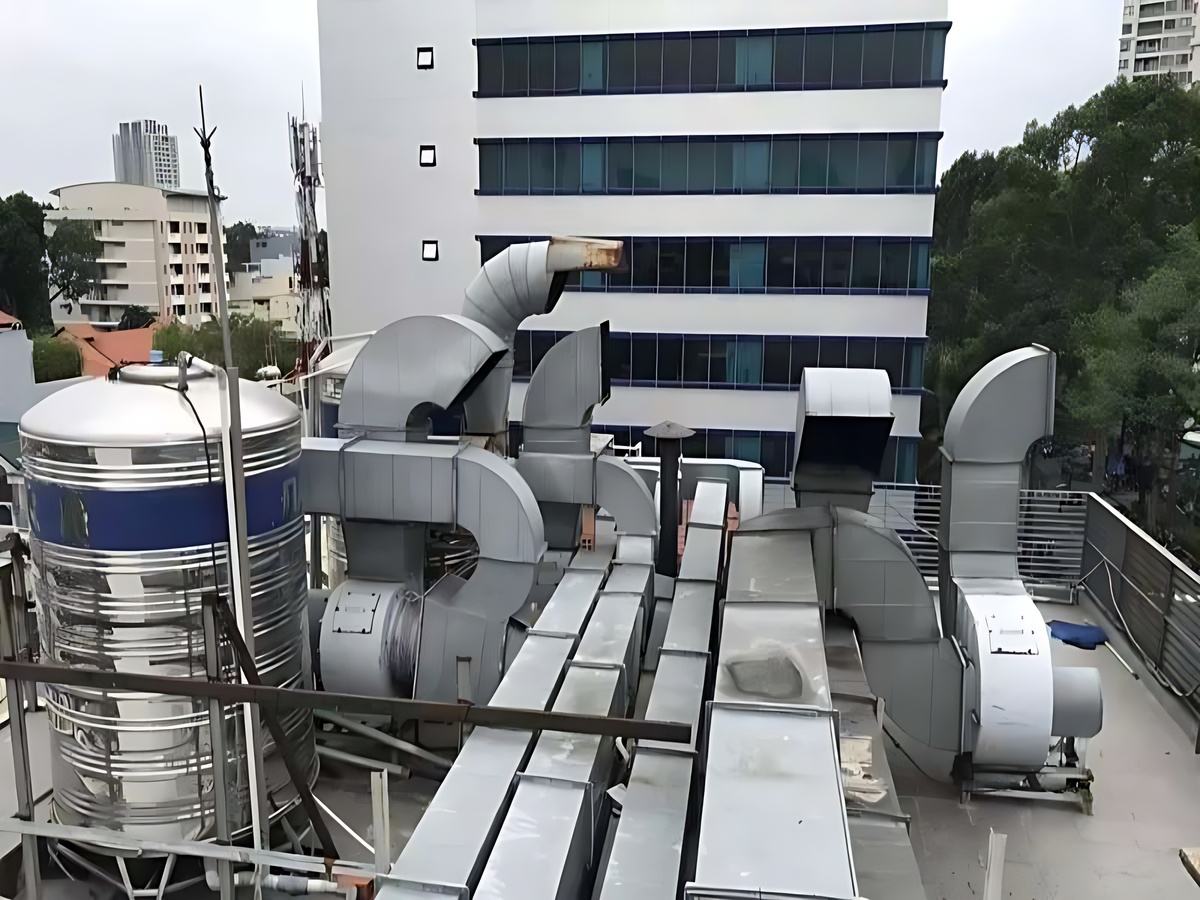
Penthouse apartments should be carefully considered due to noise and vibration from technical systems. (Source: Collected)
Some residents report that noise from the technical room may occur at night when the surrounding environment is quieter. This directly affects the quality of rest and living. Therefore, penthouses often need careful consideration when applying how to choose an apartment floor to avoid noise to ensure a stable living experience.
3. Important factors when choosing an apartment floor to effectively avoid noise
3.1. Apartment location within the building
The apartment's location plays a crucial role in determining noise levels, even on the same floor. Units near elevators or technical shafts are often affected by the sounds of doors opening/closing, machinery operation, and high traffic. Meanwhile, corner units or units far from internal traffic areas tend to have better quietness.
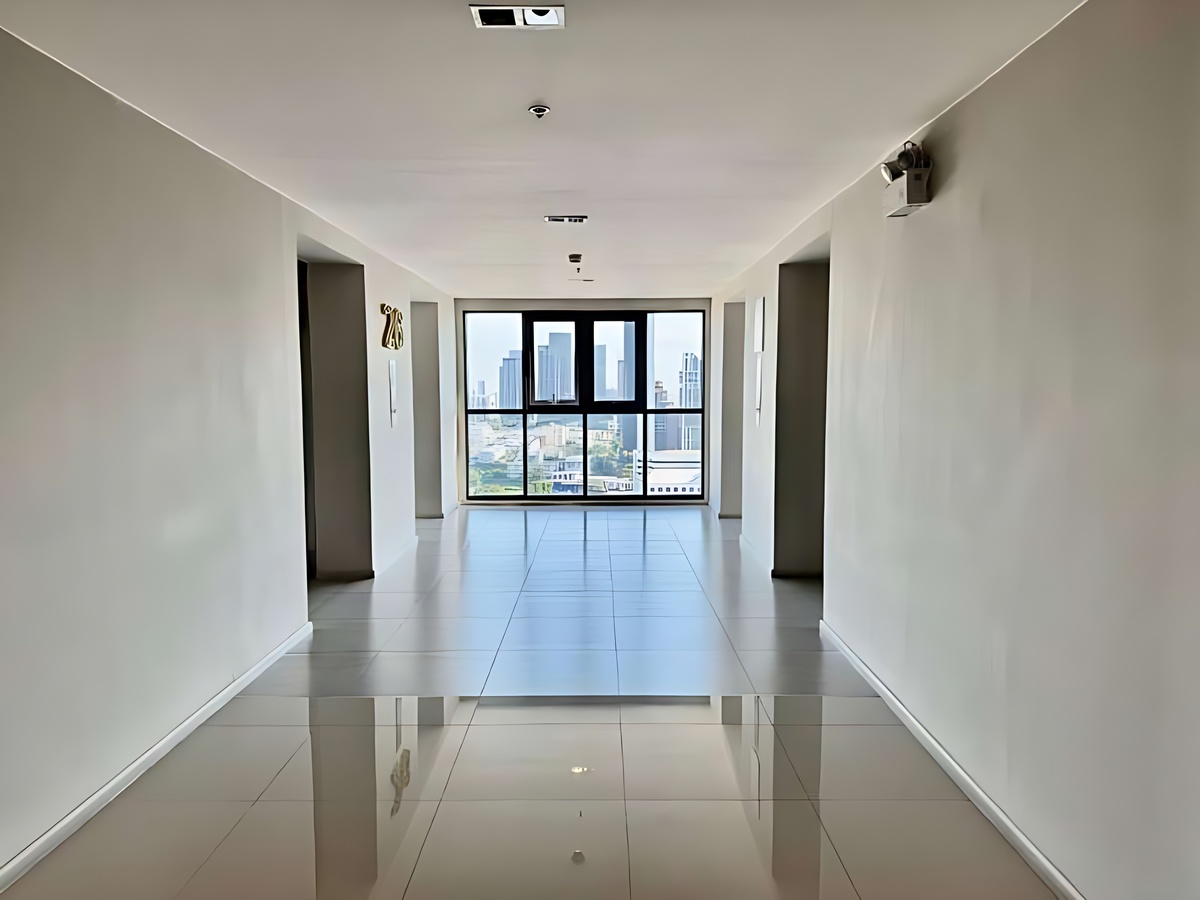
Apartment location far from the elevator and technical area helps effectively reduce noise. (Source: Collected)
Furthermore, apartments located near garbage rooms or technical areas may be affected by periodic operational sounds. Choosing a suitable location helps significantly reduce noise without needing to change floors. This is an important factor when applying a comprehensive approach to selecting apartment floors to avoid noise.
3.2. Internal planning and surrounding amenities
Internal planning directly affects noise levels in apartment buildings, especially in areas with many amenities such as swimming pools, sports fields, or playgrounds. These areas often gather many people and are continuously active on weekends or in the evenings. Shophouses and internal roads are also significant sources of noise.
Projects with reasonable planning often arrange amenities far from apartment areas or have suitable soundproofing solutions. This helps minimize the impact of noise on residents. When researching how to choose apartment floors to avoid noise, evaluating the overall planning is an indispensable factor.
3.3. Apartment Orientation and Exposure to Noise Sources
Apartment orientation directly affects the ability to receive noise from outside, such as from traffic roads or construction sites. Apartments facing the internal area or located far from noise sources usually maintain more stable sound levels, while those facing main roads are subject to continuous impact, especially during peak hours or at night.
3.4. Construction Quality and Sound Insulation Capability
The soundproofing capability of an apartment depends on the construction quality and materials. According to the National Technical Regulation on Apartment Buildings QCVN 04:2021/BXD, the separating elements between apartments and between apartments and public spaces must ensure the minimum stipulated airborne sound insulation index. This standard only applies to workplaces in production facilities and agencies, not to residential apartments or residents' living spaces.
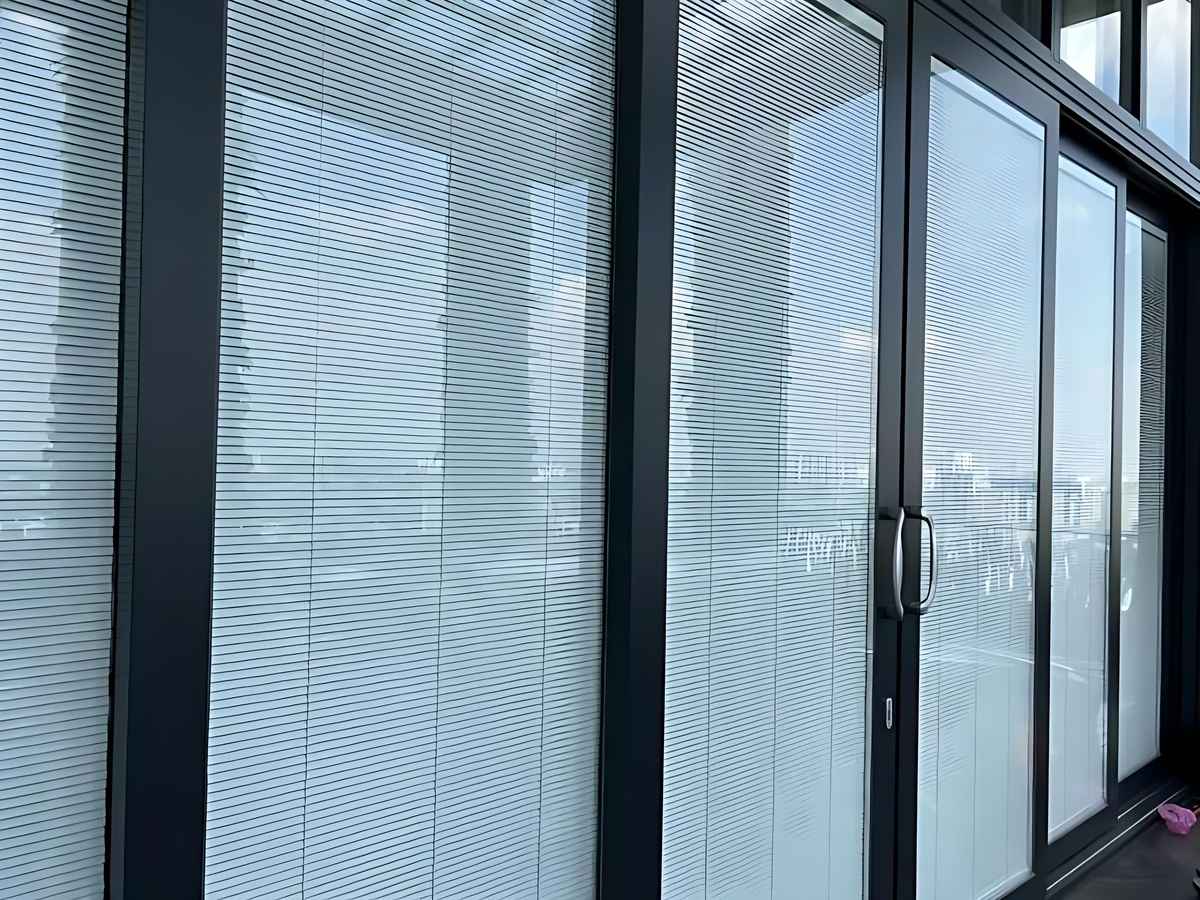
Adhering to soundproofing standards and materials helps protect the privacy and quietness of the apartment. (Source: Collected)
3.5. Timing of Actual Apartment Survey
Surveying the apartment at different times helps accurately assess the actual noise level instead of just observing during office hours. Visiting in the evening or during peak hours helps clearly identify sound sources such as traffic, daily activities, and internal building operations, thereby supporting a more suitable choice for the need for a quiet living environment.
4. Practical Experience to Effectively Choose an Apartment Floor to Avoid Noise
4.1. Prioritize middle floors combined with reasonable unit location
Middle floors are often chosen for their balance between height and noise level, especially when combined with unit locations far from elevators or technical shafts. This choice helps reduce the impact from both noise sources below and operational systems above, while still ensuring convenience for daily living.
4.2. Avoid areas near noisy facilities within the building
Areas near amenities such as common rooms, playgrounds, or sports areas often have high activity frequency and generate continuous noise. Avoiding choosing apartments near these areas helps significantly reduce sound impact, especially in the evening or on weekends when the demand for using amenities increases.
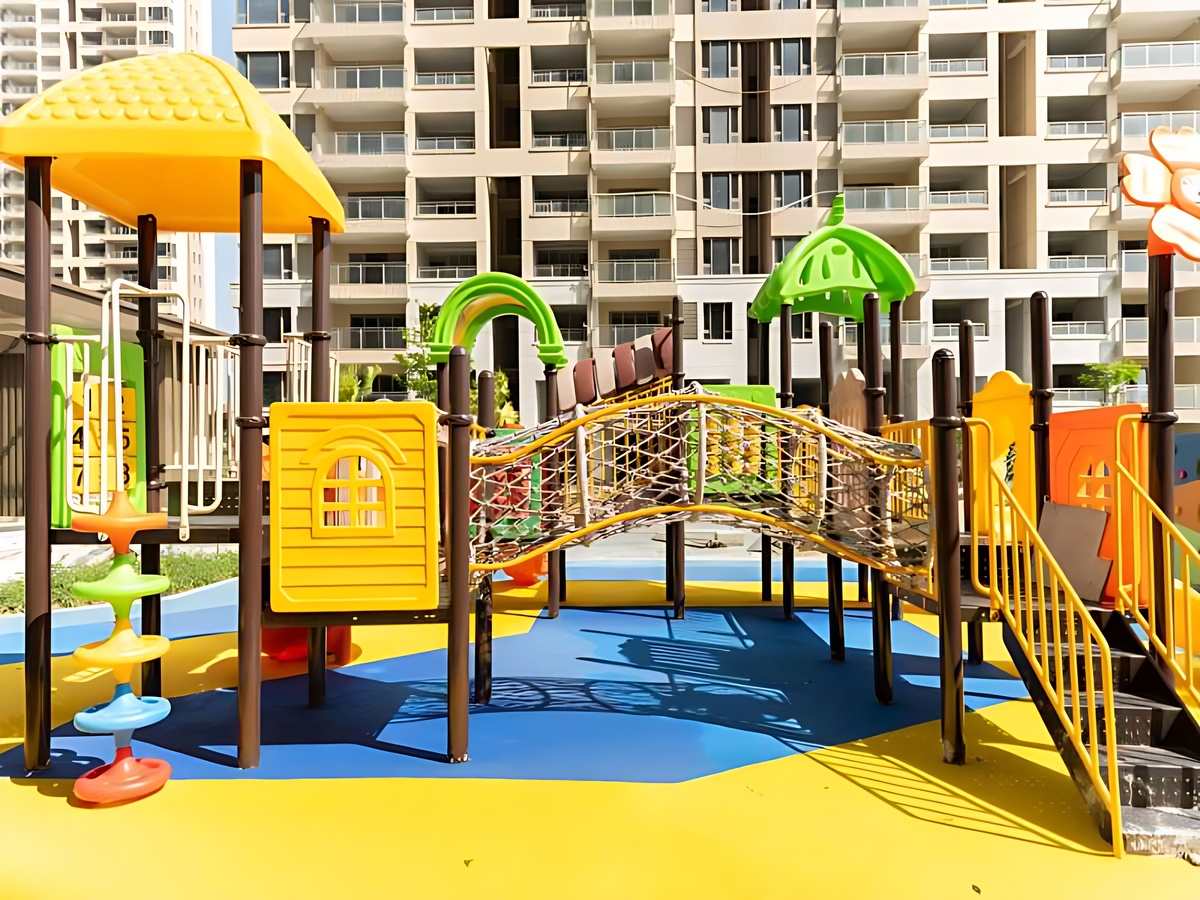
Choosing an apartment away from common amenity areas helps ensure a quiet and private space. (Source: Collected)
4.3. Check technical systems before deciding
Technical systems such as pumps, ventilation fans, or technical rooms can create noise and vibration if located near the apartment. Checking the building plan and actual observation helps identify these locations, thereby limiting risks when choosing and ensuring a more stable living environment after moving in.
4.4. Choose a project with sound planning and good construction standards
Reputable projects often focus on functional zoning and noise control right from the design stage. According to Housing Law No. 27/2023/QH15, investors are responsible for housing warranty, including rectifying soundproofing defects if they do not meet the standards committed in the contract. Choosing a project with a well-planned layout not only helps minimize environmental impacts but also ensures long-term legal benefits for buyers when technical noise issues arise.
The article above helps you understand how to choose an apartment floor to avoid noise in a practical and easy-to-apply way. By carefully considering factors such as floor level, apartment location, and construction quality, you will easily find a quiet living space, suitable for the long term for yourself and your family.