


How to choose an area with good security for safe and sustainable living
Choosing accommodation is not just about price or amenities, but also about the level of safety. Properly understanding how to choose an area with good security will help you live with peace of mind every day, while also protecting your long-term assets in the context of increasingly complex urban environments.

▲Table of Contents
1. Overview on how to choose an area with good security to live in
1.1. Secure areas in real estate
A secure area in real estate is understood as a place with a high level of social order stability, effective control over illegal activities, and maintenance of a safe living environment for residents. Criteria typically include low crime rates, surveillance systems such as public cameras, regularly operating security forces, and close coordination between residents and authorities. This is a crucial foundation for evaluating the quality of the living environment in residential areas today.
Besides technical factors, the resident community also plays a significant role in forming safe areas. Areas with stable residents, relatively high levels of public awareness, and good community spirit tend to maintain more sustainable order. When learning about how to choose a safe area to live in, observing community activities and the cohesion between households helps clearly reflect the actual security quality of the area.
1.2. The role of security in choosing a long-term residence
Security is a factor that directly affects the quality of life of each family, especially in the context of rapid urbanization in many localities. An area with a high level of safety helps reduce the risk of property loss, limits situations that cause instability, and creates favorable conditions for daily life. This becomes even more important for families with young children or the elderly, when the need for a stable living environment is paramount.
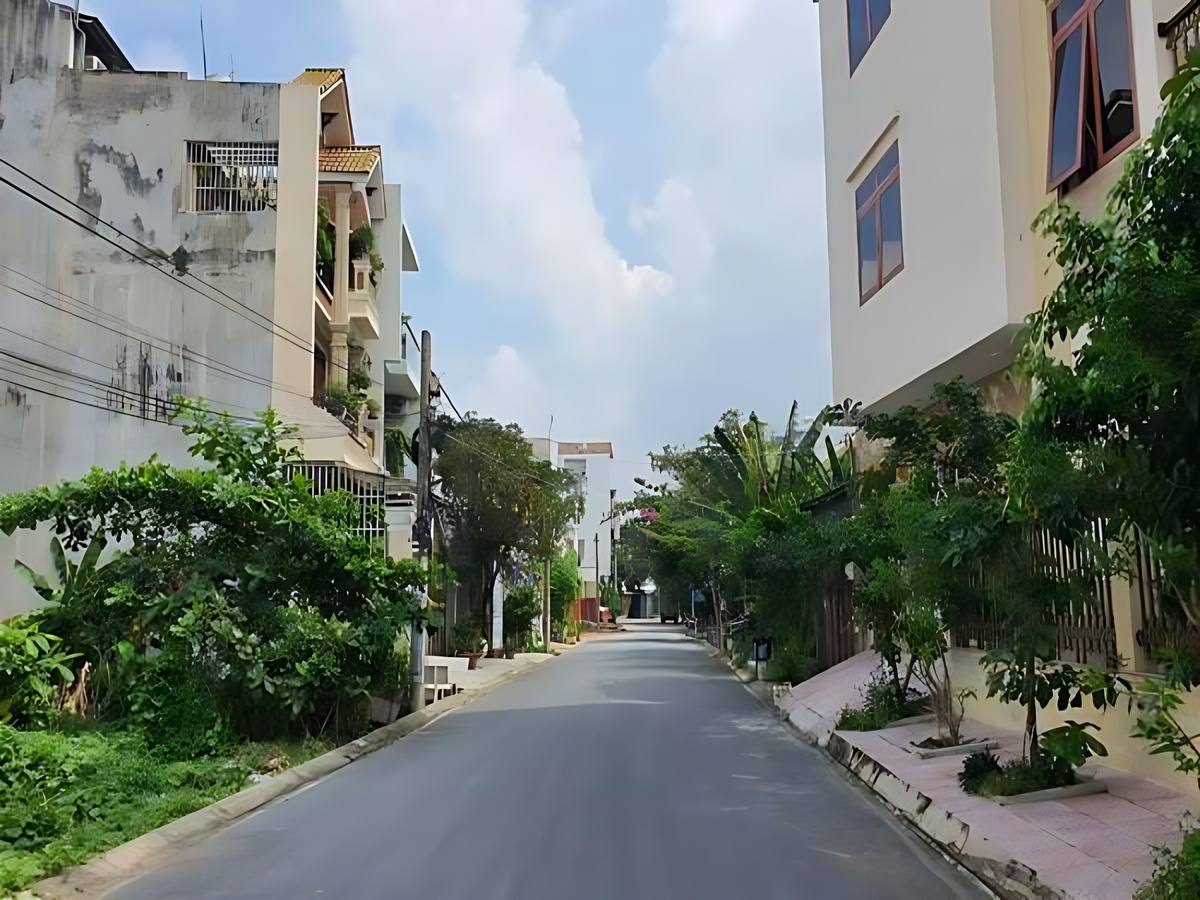
Good security brings peace of mind, protects mental health, and maintains sustainable stability for life. (Source: Compilation)
Beyond material factors, security also impacts residents' long-term psychology. Areas where theft or disorder frequently occurs can make residents feel anxious, affecting mental health and work efficiency. Therefore, carefully researching how to choose a well-secured area to live is not just a real estate decision but also a choice related to long-term life stability.
1.3. Trends in choosing secure areas in modern urban settings
In recent years, the trend of population migration shows an increasing demand for "All-in-one" closed urban areas. Well-planned projects with multi-layered security systems (AI camera, facial recognition, tiered magnetic cards) are attracting a large number of buyers in key markets. This is a strong transformation towards a smart city model, helping residents control safety remotely via mobile applications, reflecting the demand for high-tech living in 2026.
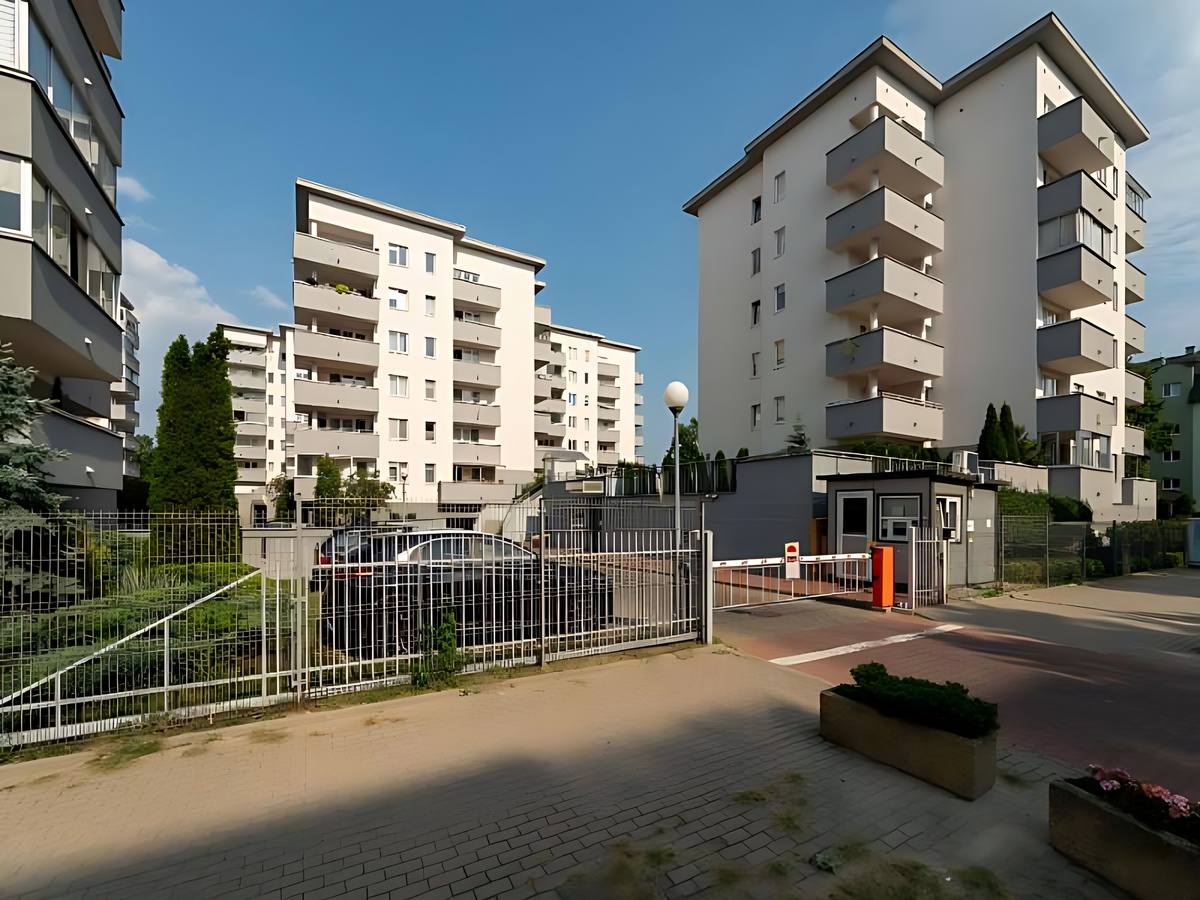
"All-in-one" model combines AI technology to optimize security and convenience for residents. (Source: Collected)
Additionally, new urban areas often integrate many internal amenities and professional operation management systems, contributing to enhanced safety levels. This trend reflects the increasing demand for a stable living environment and good risk control. The application of how to choose a safe area to live by prioritizing well-planned urban areas is becoming a popular choice in the current real estate market.
2. Criteria for evaluating safe areas to live
2.1. Population density and characteristics of the resident community
Population density is an important factor in assessing the security level of an area. Places with a stable, less fluctuating population are generally easier to control in terms of social order. Conversely, areas with a continuous flow of people in and out, especially those with many short-term rental properties, often harbor many security-related risks.
The characteristics of the resident community also directly affect the living environment. Areas with long-term residents often form strong social bonds, helping to detect and handle security issues more quickly. In the process of learning cach chon khu vuc co an ninh tot de o, evaluating the resident community is a step that should not be overlooked.
2.2. Monitoring System and Security Forces
Surveillance camera systems play an important role in preventing and recording illegal acts. Many residential areas today have installed cameras on main roads, entrances/exits, and public areas, helping to enhance security control. The presence of this system not only supports authorities but also creates a sense of security for residents.
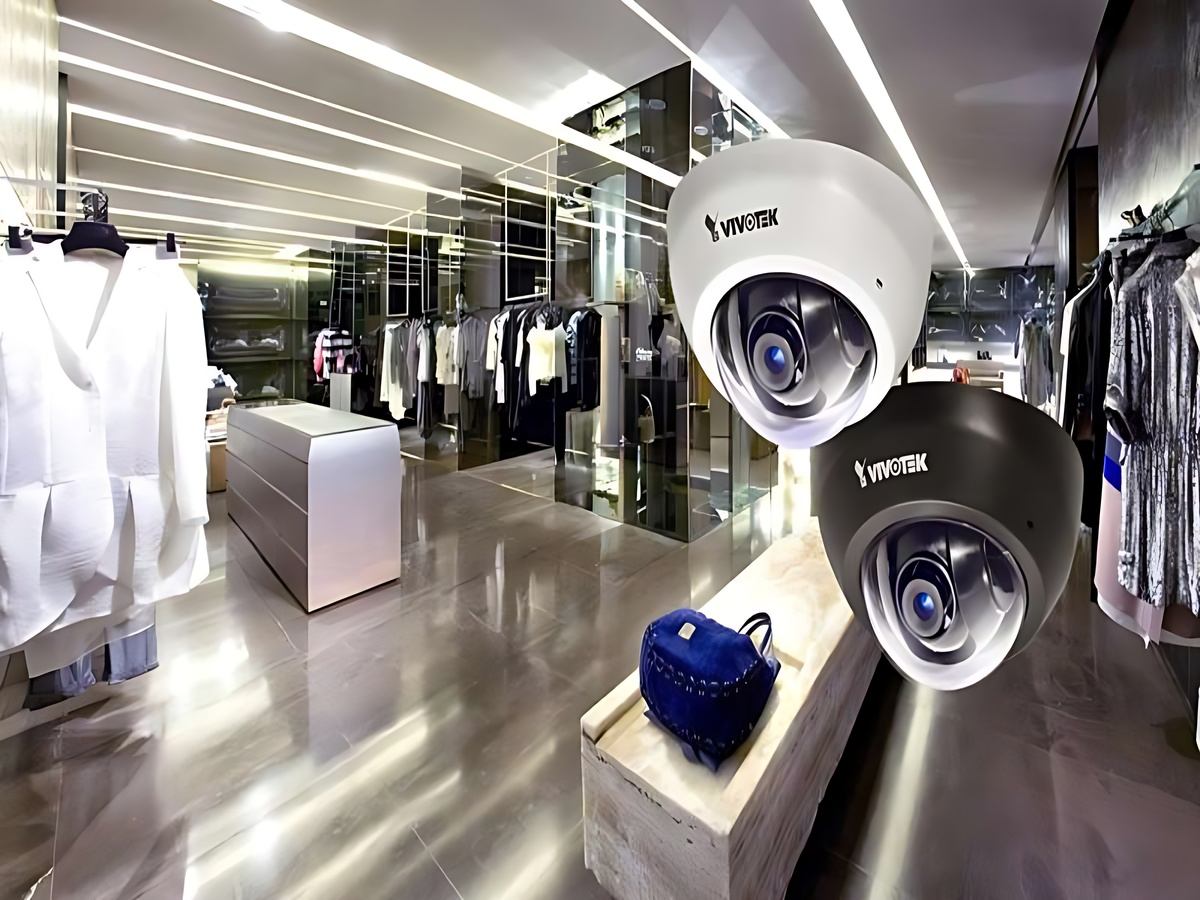
The monitoring system and security forces coordinate closely to ensure multi-layered security. (Source: Collected)
The presence of professional security forces 24/7 at projects is a top criterion. Especially, according to Law on Forces Participating in Security and Order Protection at the Grassroots Level No. 30/2023/QH15 (effective from 2024 and supplemented in 2026), the coordination between project security and local grassroots security forces has created a multi-layered security network. The combination of entry-exit control points with mobile patrols helps minimize illegal intrusion by strangers, ensuring an isolated living environment and absolute safety for residents.
2.3. Crime Data and Local Security Information
Referring to local crime data helps buyers get a clearer view of the area's safety. This information can be found through local police authorities or official information channels. Areas with low violation rates are often highly regarded for their ability to maintain social order.
Additionally, articles reflecting the local security situation also provide additional practical perspectives. Synthesizing information from multiple sources helps buyers avoid areas showing signs of instability. This is an important step in the process of applying how to choose a safe area to live effectively.
2.4. Lighting Infrastructure and Internal Traffic Planning
Lighting infrastructure is a factor that directly affects safety levels, especially at night. Areas with adequate street lighting systems and stable illumination often deter violations. Conversely, areas with insufficient lighting or many small alleys can easily become potential risk points.
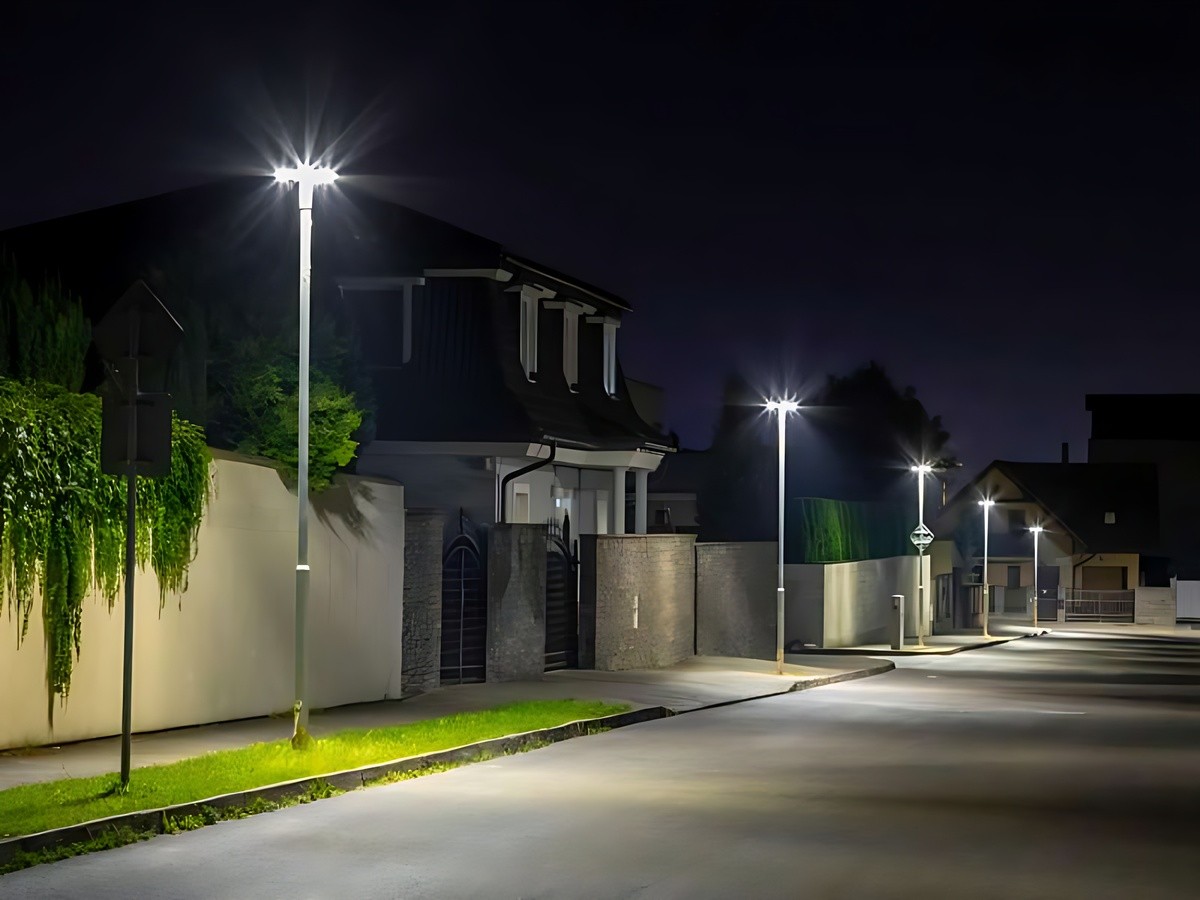
Good lighting infrastructure and traffic planning help minimize risks, supporting effective security control. (Source: Collected)
Internal traffic planning also contributes to enhancing security. Areas with wide, clear roads and few dead ends make movement and control more convenient. This is a criterion often carefully considered in how to choose a safe area to live in developing urban areas.
3. Related legal factors when choosing a safe area to live
3.1. Regulations on residence management and ensuring security and order
The 2020 Law on Residence clearly stipulates the registration of permanent residence, temporary residence, and population management nationwide. The construction of a residence database helps authorities better control the population situation, thereby contributing to maintaining social order and limiting violations.
Thanks to the strict management mechanism, uncontrolled residence situations are significantly limited, especially in large urban areas. This creates a foundation for a more stable and safer living environment for residents. Understanding legal regulations is an important part of how to choose a well-secured area to live in .
3.2. Regulations on urban area and housing management
Housing Law No. 27/2023/QH15 clearly stipulates the responsibilities of the investor and the management and operation unit in ensuring safety and security for residents. Projects must establish fire prevention and fighting systems, surveillance cameras, and technical equipment in accordance with construction standards. Selecting projects with reputable management and operation units (such as Savills, CBRE, or professional domestic units) ensures that security procedures are strictly enforced, from managing guest entry and exit to handling emergency situations, thereby increasing the sustainable value of real estate.
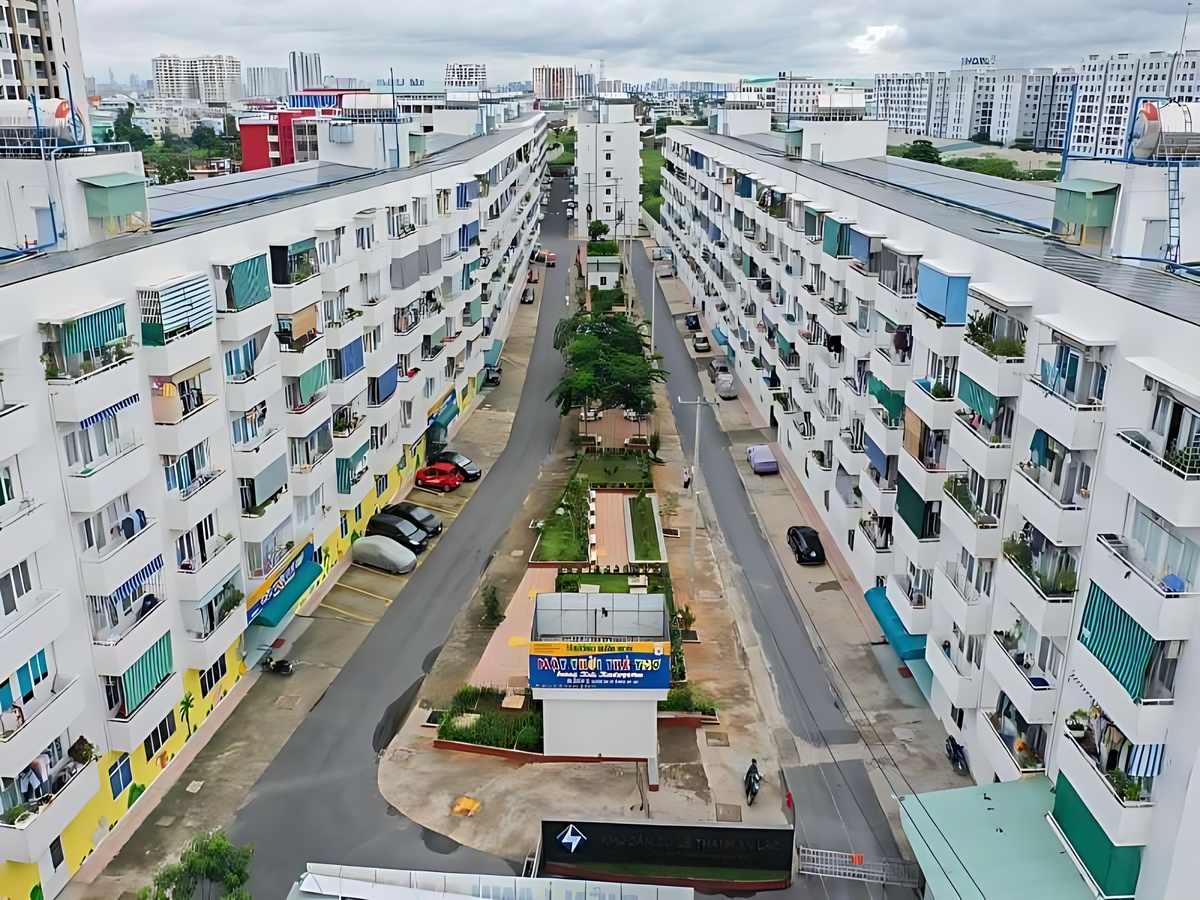
Compliance with the law and choosing a reputable operating unit help ensure security and sustainable value. (Source: Collected)
Urban areas that fully comply with legal regulations often have clear, transparent security systems and are better controlled. This helps residents feel more secure during long-term living. Choosing a project with clear legal status is a necessary factor when evaluating the living environment.
3.3. Legal status of the project and safety level
The legal status of a real estate project directly affects the safety level of the area. Projects with pink books (land use rights certificates), clear planning, and full approval usually limit disputes. This helps avoid prolonged gatherings or complaints that cause disorder.
4. Practical experience when choosing a well-secured area to live in
4.1. Field survey at different times
On-site surveys are an important step to accurately assess the security level of an area. Visiting residential areas both during the day and at night helps to clearly observe the differences in population density, lighting, and daily activities. Some areas may be crowded during the day but deserted at night, posing potential risks.

Field survey helps accurately assess the security and stability of the area. (Source: Collected)
Additionally, observing business activities, traffic, and community life also helps reflect the stability of the area. Areas with regular activity tend to maintain better security. This is an important practical experience in how to choose an area with good security to live in.
4.2. Talking to local residents
Directly engaging with current residents is an effective way to gather factual information about neighborhood security. Long-term residents often have a clear view of theft, noise, and other issues arising in the residential area. Information from residents helps supplement perspectives that official sources may not fully capture. Combining multiple information sources leads to a more accurate assessment of the living environment. This is a necessary step when choosing a long-term residence.
4.3. Check information from official sources
Official information channels provide reliable data on the local security situation. Referring to reports and announcements from the authorities helps buyers get an overview of the area. Additionally, public data on social order also helps identify high-risk areas. Checking information from multiple sources helps minimize risks during the property selection process.
Understanding how to choose a safe area to live in not only helps you avoid risks but also lays the foundation for a stable long-term life. A correct decision from the start will bring peace of mind every day, while also helping property values be preserved and increase over time.