


How to Choose the Right Smart Sanitary Ware for Modern Homes
In the trend of modern housing, selecting smart sanitary equipment not only enhances the living experience but also contributes to increasing real estate value. From high-end apartments to townhouses, choosing the right suitable equipment will bring optimal convenience, savings, and aesthetics.

▲Table of Contents
1. Overview of how to choose smart sanitary equipment in modern homes
1.1. Smart sanitary equipment in real estate
Smart sanitary equipment is a group of products that integrate automatic technology or sensors to enhance convenience and user experience in the bathroom space. Popular devices include smart toilets with self-cleaning functions, touchless faucets to minimize contact, and mirrors with integrated LED lights and anti-fog features. These products have been widely applied in housing projects since 2020, especially in rapidly developing urban areas.
In the context of the real estate market moving towards comfortable living standards, smart sanitary ware is becoming a part of the modern housing ecosystem. Understanding how to choose smart sanitary ware helps users not only optimize functionality but also ensure consistency with the overall architecture. This trend is observed to be increasing in new residential areas, where green living and energy saving criteria are emphasized.
1.2. Current trends in the use of smart sanitary ware
According to statistics from the period 2022–2025, the rate of high-end apartments integrated with smart sanitary equipment in major cities has exceeded 60%. Villa and shophouse projects also tend to invest heavily in smart bathroom systems to enhance product value. This indicates that market demand is shifting from basic amenities to personalized experiences.
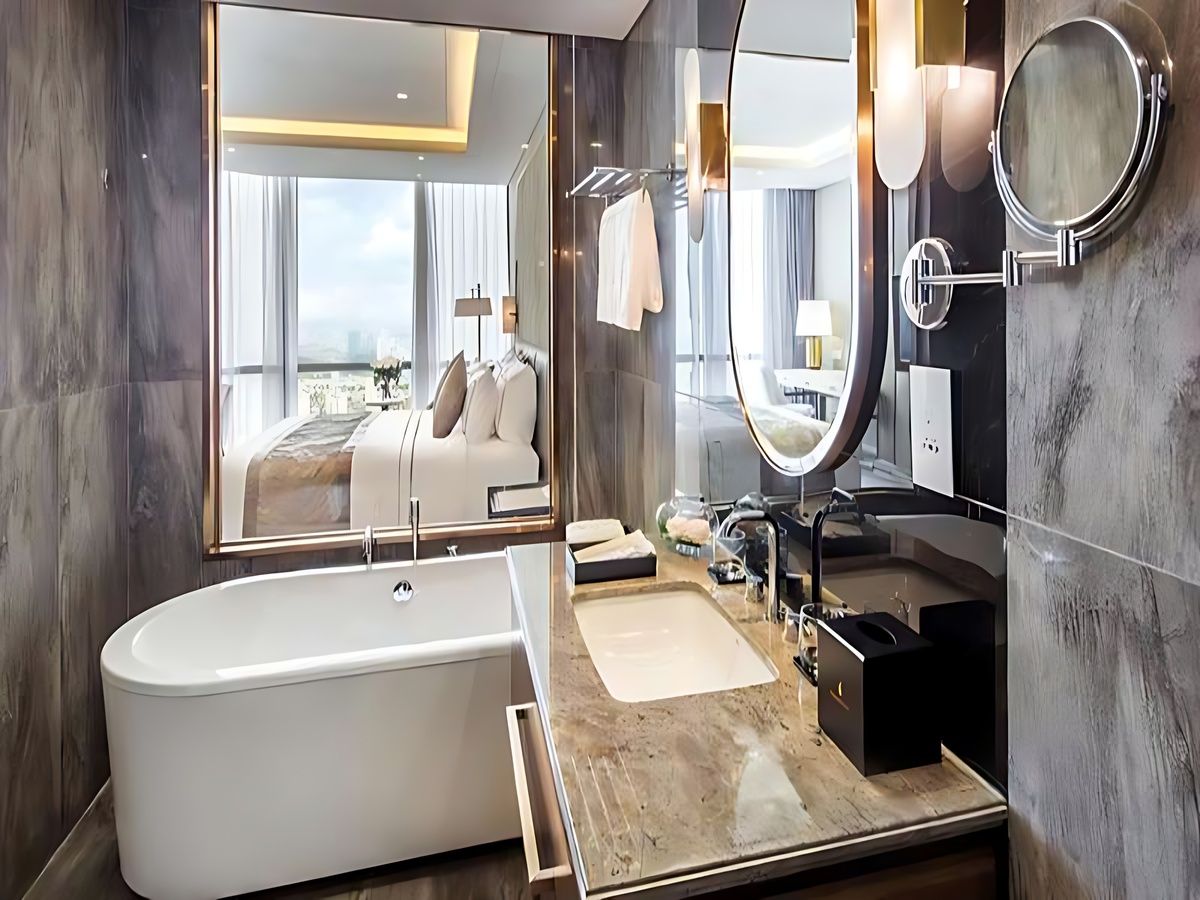
Trend of personalization and technology integration in sanitary equipment. (Source: Compilation)
This trend is also linked to the development of sensor technology, the Internet of Things, and automated control systems. Users are increasingly interested in water saving, reduced electricity consumption, and enhanced personal hygiene. Applying the right way to choose smart sanitary equipment helps increase the competitiveness of real estate in a context of increasingly diverse supply.
1.3. Benefits of applying the correct way to choose sanitary equipment
One of the notable benefits of new-generation sanitary ware is the ability to optimize water usage. Technologies such as dual flush, flow control, and automatic sensors help users use the appropriate amount of water for each need, thereby limiting waste during operation. This is also an approach that aligns with the trend of green building development, where water efficiency is one of the key factors considered.
Besides saving resources, many modern devices are also designed to integrate multiple features and optimize size, suitable for urban living spaces with limited area. Reducing the footprint of devices can contribute to improving actual usable space, especially in small apartments and bathrooms, helping to increase actual usable space.
2. Important criteria for choosing smart sanitary equipment
2.1. How to choose sanitary equipment suitable for space area
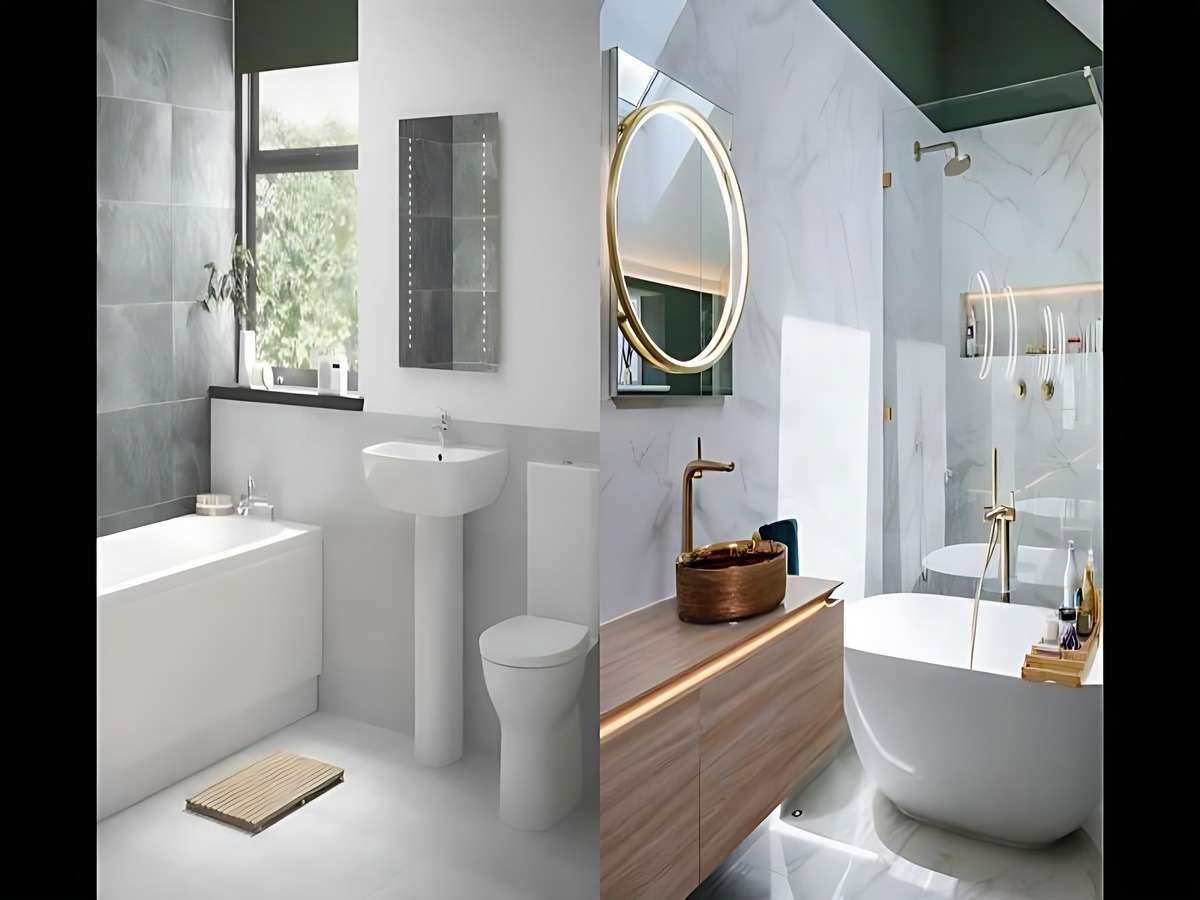
For small bathrooms under 4 m², it is necessary to prioritize compact-sized and multi-functional equipment to save space. For example, wall-hung toilets or compact washbasins help increase actual usable space by about 10–15%. Proper arrangement also helps to limit cramped conditions, especially in apartment buildings.
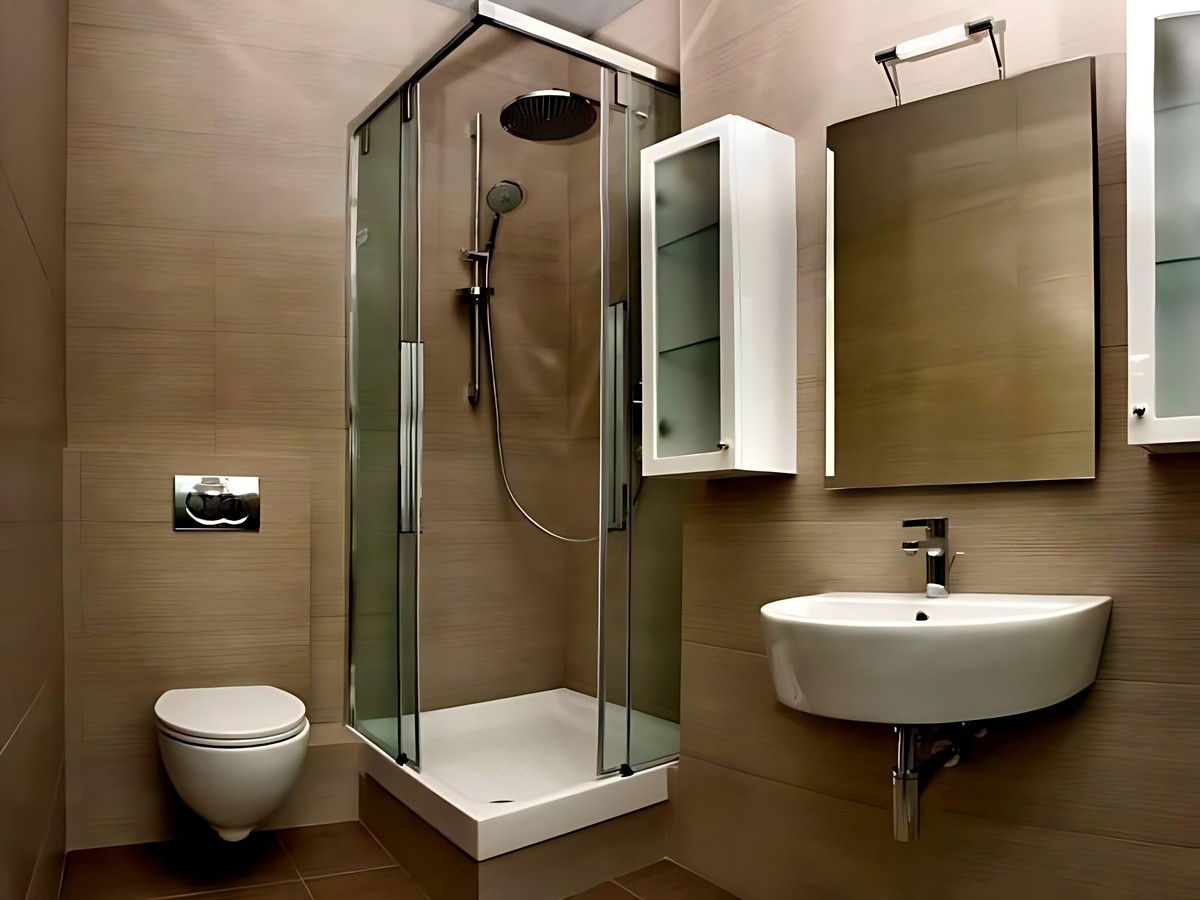
Design of smart sanitary equipment suitable for bathroom area. (Source: Collected)
For bathrooms from 6–10 m² or larger, additional fixtures can be chosen, such as smart showerheads or large-sized touch-sensitive mirrors. Applying how to choose smart sanitary ware based on area helps ensure a balance between functionality and aesthetics, while avoiding unnecessary space wastage.
2.2. How to choose sanitary ware based on usage needs
Young families often prioritize devices with automatic, easy-to-use, and time-saving features. Meanwhile, families with elderly members need to focus on functions such as heated seats, water pressure adjustment, or safety sensors. For families with young children, disinfection and anti-slip features should also be considered. Classifying based on needs helps optimize investment costs and avoid purchasing devices with unnecessary features. Applying the right way to choose smart sanitary equipment will enhance the user experience and be suitable for each family group.
2.3. How to choose sanitary equipment based on quality and brand
Product quality is an important factor, often assessed through durability, materials, and production technology. Reputable brands usually have a product lifespan of 7–15 years and come with a warranty period of 2–5 years. Checking the origin also helps limit the risk of buying substandard products.
Additionally, users should refer to actual reviews and technical specifications before choosing. Applying smart sanitary equipment selection methods based on quality criteria helps ensure long-term usage efficiency and reduce maintenance costs during operation.
2.4. How to choose energy-saving sanitary equipment
Many devices nowadays are integrated with power and water saving modes, such as automatic shut-off sensors or eco modes. Some smart toilets can reduce electricity consumption by up to 30% compared to older models. This contributes to reducing monthly operating costs, especially for households with high consumption.
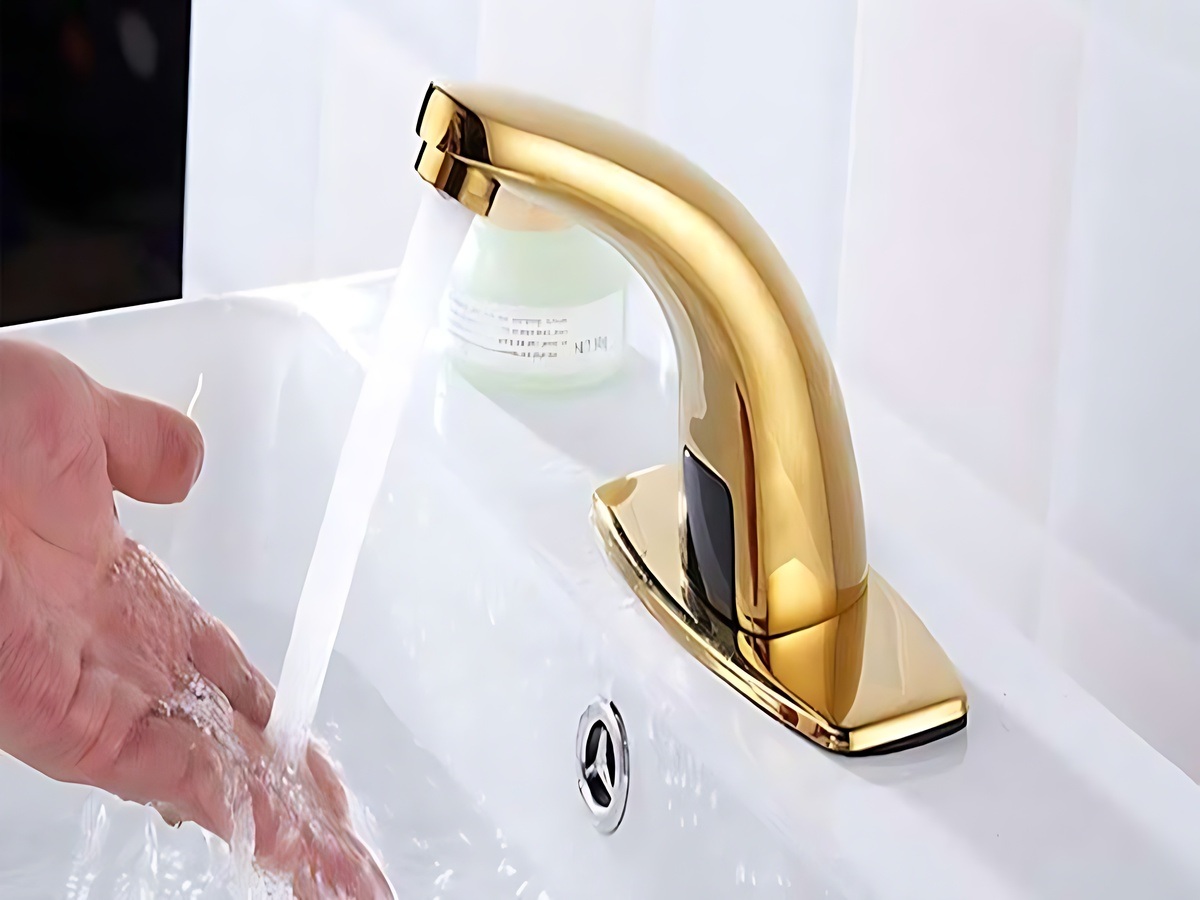
Smart sanitary equipment meets energy-saving and environmental protection standards. (Source: Collected)
The selection of energy-saving equipment nowadays needs to comply with energy-efficient building constructions. Electronic integrated sanitary equipment must meet electrical safety standards and have a low energy consumption mode (Standby mode). Applying the correct method for choosing smart sanitary equipment not only helps balance comfort and operating costs but also meets the stringent environmental protection requirements in urban planning for 2026.
3. Classification of popular equipment in the method for choosing smart sanitary equipment
3.1. Smart toilets and selection criteria
Smart toilets often integrate functions such as self-cleaning, heating, deodorizing, and water temperature adjustment. Products in the mid-range segment are priced from 10–25 million VND, while high-end lines can go up to 50 million VND. The choice should be based on budget and specific usage needs. Additionally, attention should be paid to water-saving capabilities and operating noise. Applying the right method for choosing smart sanitary equipment helps ensure long-term usage efficiency and optimizes initial investment costs.
3.2. Touch Faucets
Touchless faucets help reduce direct contact, thereby limiting bacteria and increasing hygiene levels. According to statistics, this device can save 30–50% of water compared to traditional faucets. This is a suitable choice for modern spaces and high-traffic areas. Additionally, the compact and easy-to-install design makes touchless faucets suitable for various types of bathrooms. Applying smart sanitary ware selection methods in this case helps improve operational efficiency and reduce operating costs.
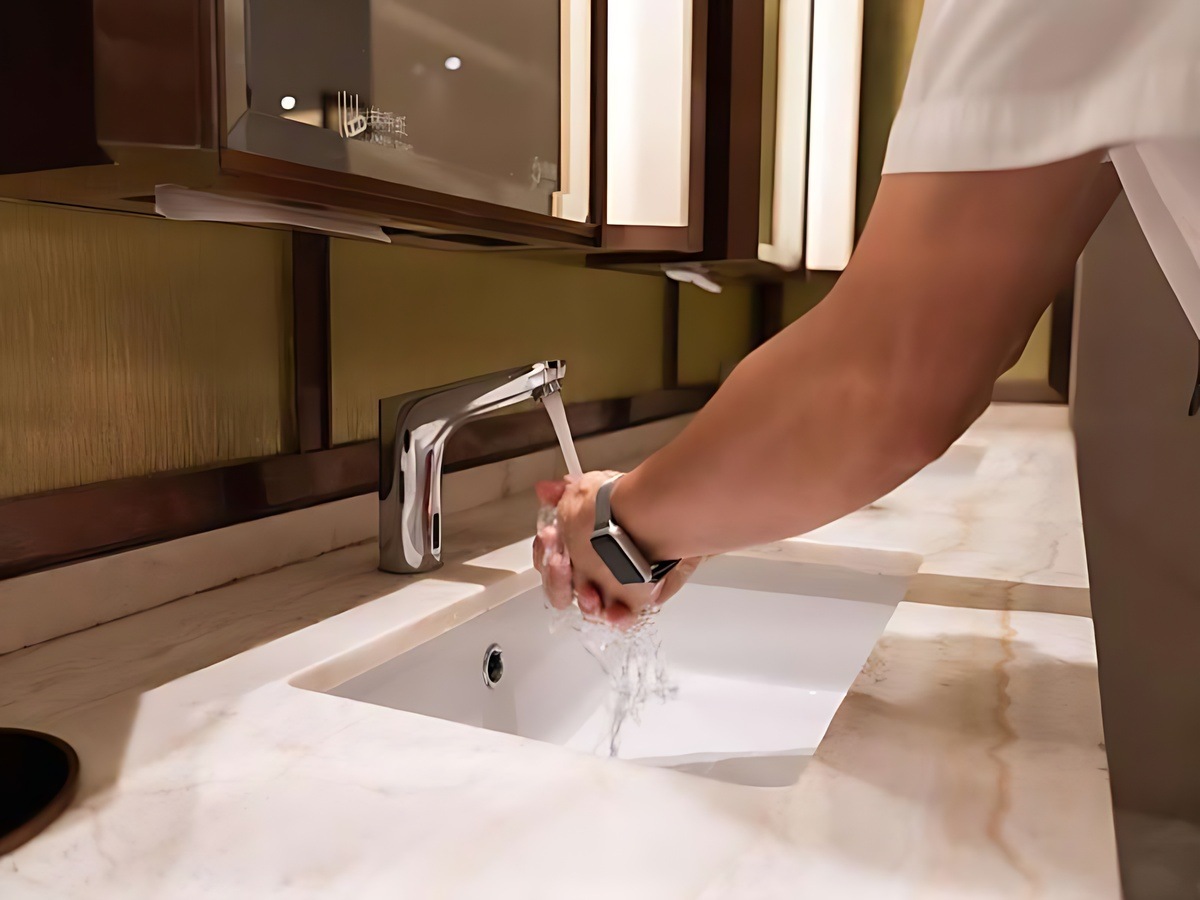
Sensor faucets optimize water usage and ensure hygiene for modern spaces. (Source: Collected)
3.3. Smart mirrors and integrated lighting systems
Smart mirrors are often integrated with LED lights, touch sensors, and anti-fog capabilities. Some products also have functions to display temperature or connect with electronic devices. This helps increase utility and improve user experience in the bathroom space. In addition, an appropriate lighting system helps save electricity and creates a comfortable feeling when used. The application of how to choose smart sanitary equipment with mirrors and lights helps optimize lighting and enhance overall aesthetics.
3.4. Smart showerheads and a premium relaxation experience
Smart showers can automatically adjust temperature and offer various water spray modes. Some products also integrate massage functions, helping to enhance relaxation after use. This is a popular choice in high-end apartments and villas. Additionally, stable temperature control helps limit the risk of scalding, especially for families with young children. Applying smart sanitary ware selection methods in this case helps improve quality of life and ensure safety during use.
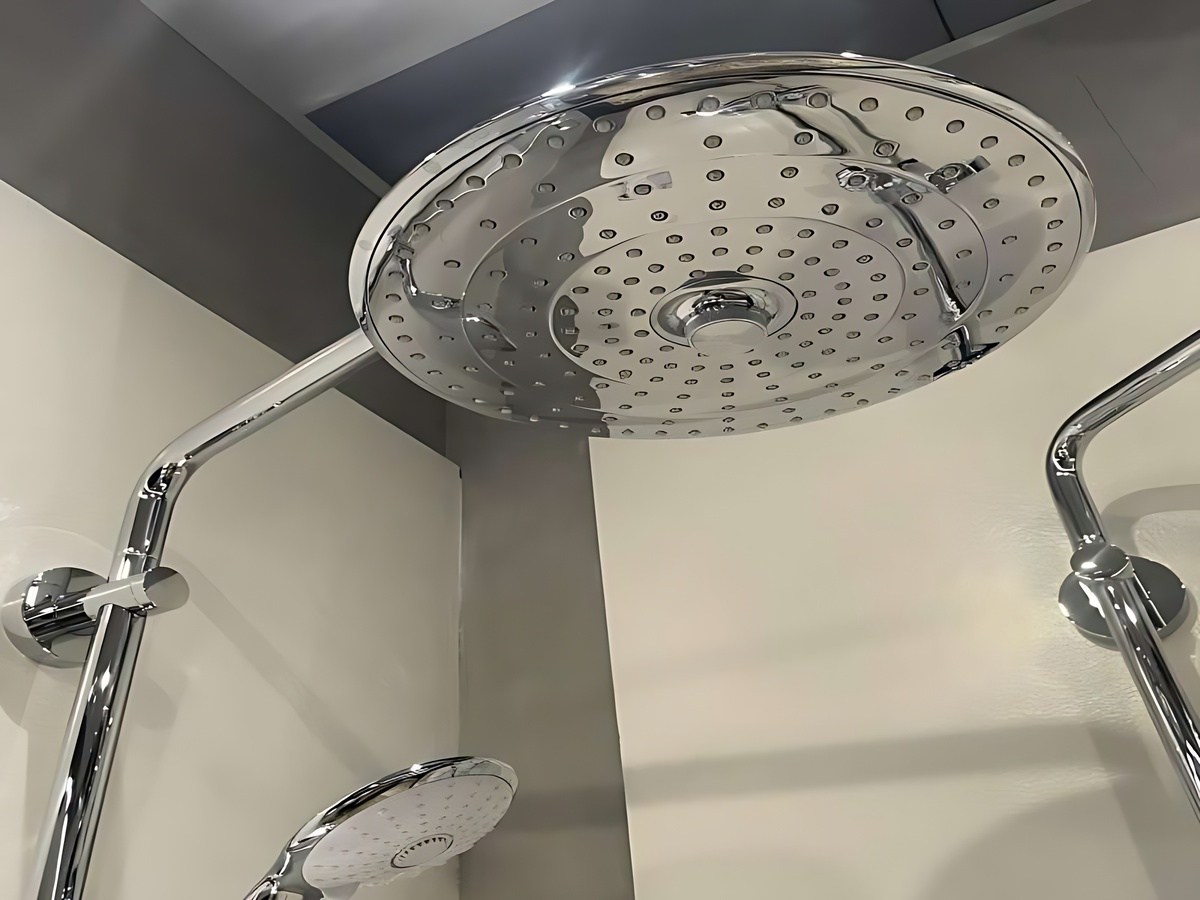
Smart shower integrated with temperature sensor and relaxing massage mode. (Source: Collected)
4. Practical experience when applying how to choose smart sanitary equipment
4.1. Common mistakes when choosing smart sanitary equipment
Many people tend to choose cheap equipment without considering quality and durability. This can lead to higher repair costs within 2–3 years of use. Furthermore, not fitting the bathroom space also affects the user experience. Another mistake is overlooking necessary features and focusing only on aesthetic factors. Not applying the correct way to choose smart sanitary equipment can reduce usage efficiency and fail to meet the family's actual needs.
4.2. How to choose according to budget
Proper budget allocation helps optimize investment costs, especially in projects with a total construction cost of 1-3 billion VND. Users should prioritize main equipment such as toilets and showerheads first, then auxiliary equipment like mirrors or touch faucets. In addition, it is necessary to consider the initial cost and long-term operating cost. Applying the correct way to choose smart sanitary equipment helps ensure investment efficiency and avoid unnecessary expenses.
Reasonable budget allocation for smart sanitary equipment systems. (Source: Collected)
4.3. Experience in installation and maintenance of smart sanitary equipment
The installation process must strictly comply with 20/2014/TT-BXD regarding the building's electrical system, especially the requirements for electrical leakage protection (RCD/RCBO) in humid environments such as bathrooms. The use of grounded power sources and a central water filtration system is mandatory to protect electronic circuits and extend equipment lifespan. According to the recommendations of technical experts, homeowners should perform periodic maintenance every 6–12 months to ensure sensors and electronic valves operate correctly.
4.4. Application suggestions for different types of housing
For apartments, prioritize compact and multi-functional devices to optimize space. Townhouses can be more flexible in device selection, depending on the area and overall design. Villas often aim for high-end products, integrating many modern technologies. Applying how to choose smart sanitary equipment for each type of housing helps ensure suitability and enhance usability. This is an important factor in designing a modern and convenient living space.
A clear understanding of how to choose smart sanitary equipment will help you optimize your living space, enhance convenience, and sustainably increase real estate value. Making the right choice from the outset not only saves long-term costs but also brings a modern, convenient living experience for the whole family.