


How to clearly distinguish a second home from a resort home for investment.
Many people still confuse 'second home' and 'resort home' when researching real estate. In fact, how a second home differs from a resort home directly affects its intended use and investment efficiency, especially given the market's increasingly diverse range of products.

▲Table of Contents
1. Nature of second homes and vacation homes
1.1. Defining Second Homes in the Modern Real Estate Ecosystem
A second home is a real estate asset secondary to the primary residence, typically owned by an individual or family to serve cyclical nghỉ ngơi (rest/leisure) needs. This type of property is often located in areas with favorable landscapes such as coastal regions, mountains, or suburban areas to create a relaxing space separate from the city. When analyzing, the question how second homes differ from vacation homes often arises to clarify the nature and role of this type of property in the current market.
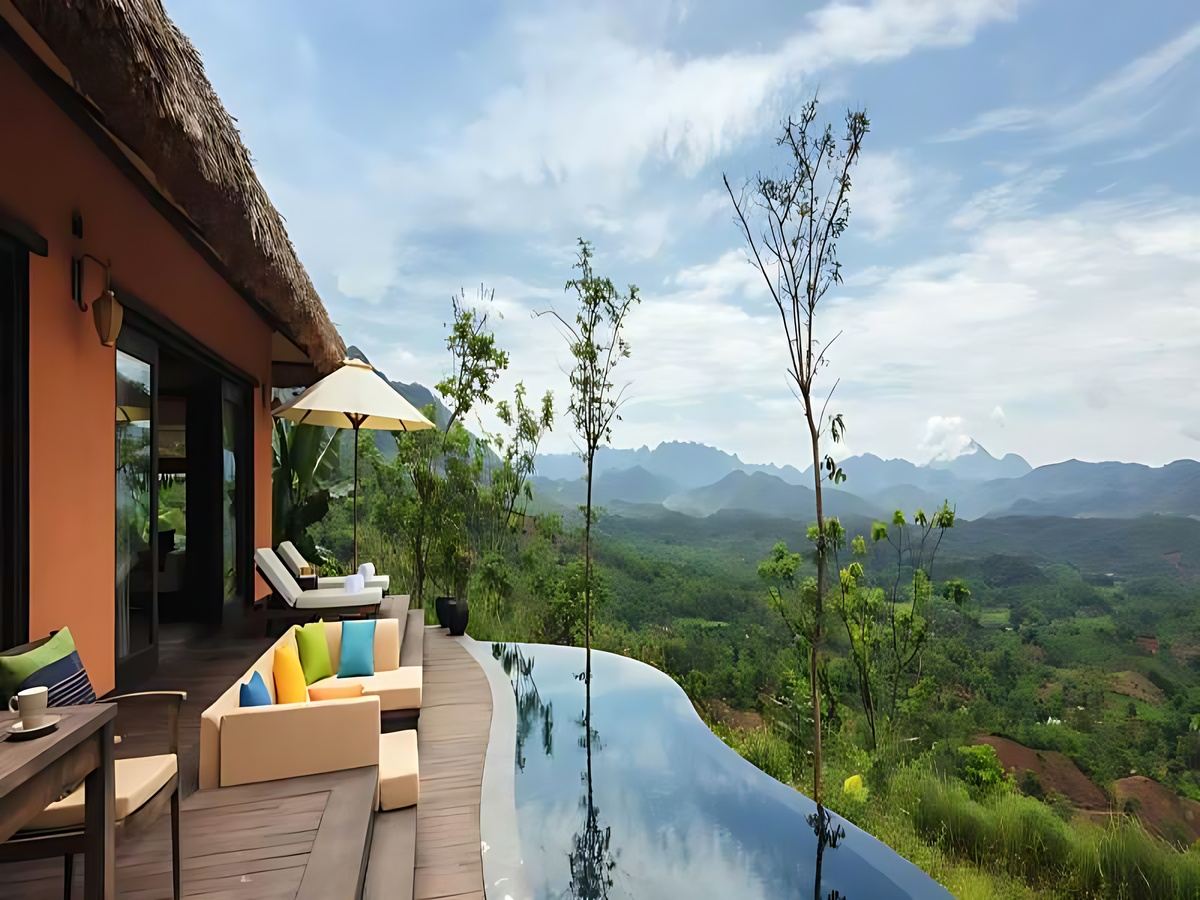
A second home is a second property combining leisure and investment purposes. (Source: Collected)
Second homes not only serve for vacation but can also be exploited for rent during periods of non-use to generate supplementary income for the owner. This model combines personal use value with financial investment potential, creating flexibility in exploitation. As a result, second homes are increasingly gaining attention amidst the growing demand for vacationing and asset accumulation.
1.2. Concept of traditional vacation homes and their inherent characteristics
Traditional resort homes are a type of real estate serving tourism accommodation purposes, often developed in integrated, planned resort areas or tourism complexes. These products are designed for the purpose of exploiting accommodation business, serving tourists in a professional model. When comparing, understanding how second homes differ from resort homes helps to clearly distinguish the roles between personal assets and business assets.
Unlike highly personalized second homes, traditional resort homes typically operate under a centralized model and are less dependent on the owner's usage needs. Investors or operators will manage all operational activities to optimize accommodation business efficiency. This makes resort homes a part of the tourism industry rather than a private living space.
1.3. Market context that causes the two concepts to be easily confused
The strong development of resort real estate has created many different types of products with diverse functions and purposes of use. Models such as condotels, seaside villas, and resort apartments all have an intersection between leisure and investment, making buyers easily confused. In that context, the question how is a second home different from a vacation home becomes popular when exploring the market.
Furthermore, the marketing strategies of investors often emphasize the elements of resort and profit, blurring the lines between different types of real estate. The trend of owning resort properties is increasing after periods of volatility, also contributing to making the market more diverse and complex. This requires buyers to clearly understand the nature of each type before deciding.
2. The difference between a second home and a resort property
2.1. Difference in purpose of use
Second homes are often used for personal vacation purposes, allowing owners to have control over their stay duration and experience private space. Meanwhile, traditional vacation homes aim for commercial exploitation and serve tourists under a lodging business model. Understanding how second homes differ from vacation homes helps clarify the intended use before investing.
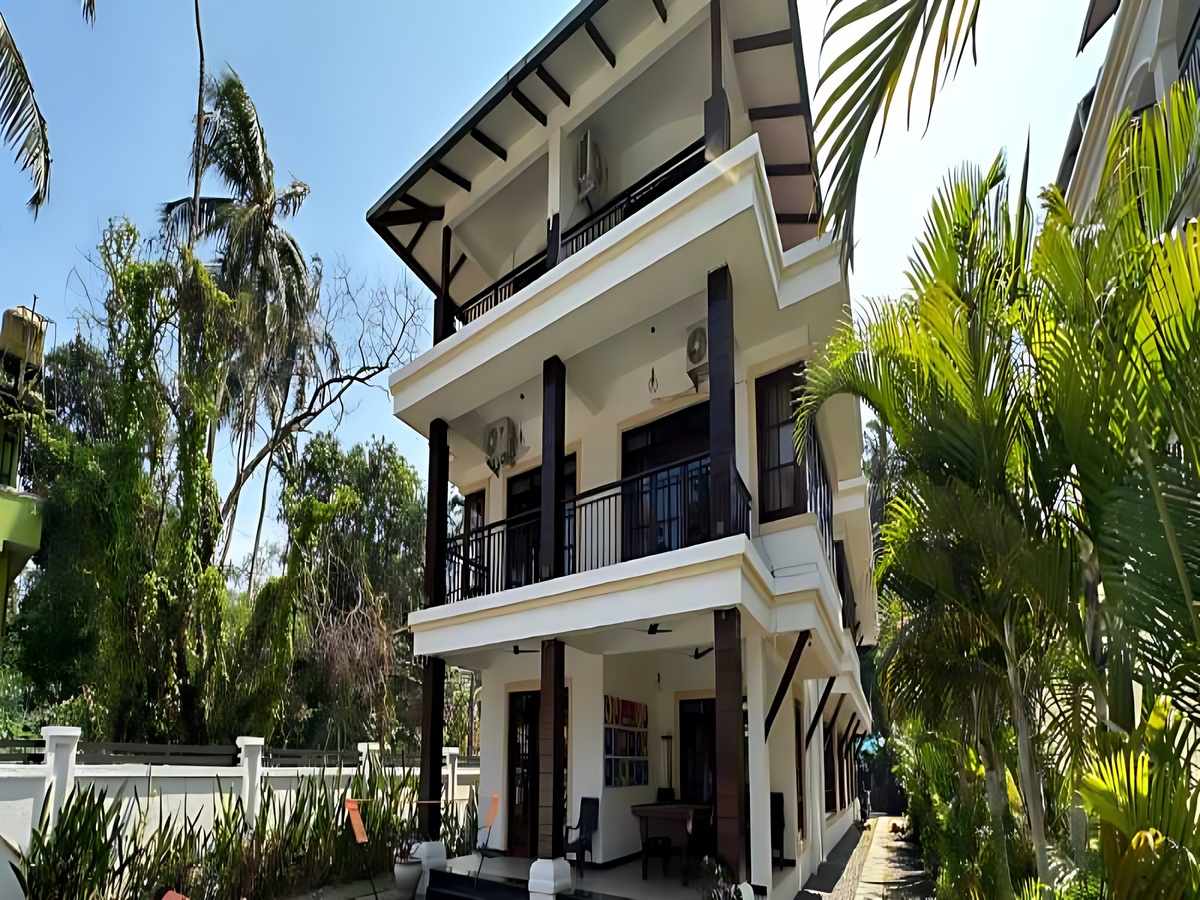
Second homes differ from resort homes in their purpose of use and frequency of stay. (Source: Compiled)
The frequency of use for a second home depends on personal needs, often focusing on weekends or holidays, while resort homes operate continuously based on occupancy rates. This leads to differences in management approach and asset utilization efficiency. Therefore, these two types offer different values to their owners.
2.2. Differences in location and planning
Second homes are usually developed in areas near large urban centers for convenient travel and to serve short-term vacation needs. In contrast, traditional vacation homes are typically concentrated in famous tourist destinations with large scale and are oriented towards serving long-term guests. When asking the question how is a second home different from a vacation home, location is one of the clear distinguishing factors.
The planning of second homes often has a residential or low-rise resort character, creating a private living space for the owner. Meanwhile, resort homes are usually located within tourist complexes with a system of services and amenities catering to accommodation business. This directly affects the user experience and asset value.
2.3. Differences in operating models
Second homes can be self-managed by the owner or flexibly rented out through various forms depending on usage needs. Conversely, vacation homes are typically operated by professional entities with integrated exploitation processes. When exploring how second homes differ from vacation homes, the operating model is an important factor to consider.
The profit-sharing method between the owner and the operating unit for vacation homes is usually clearly stipulated in the contract. Meanwhile, second homes offer more flexibility but also require the owner to be proactive in management and operation. This creates a difference in the level of asset control.
2.4. Legal and Ownership Differences
According to the Land Law No. 31/2024/QH15, the legal distinction has become clearer. Second homes (if they are individual houses within a housing project) are granted a Certificate of Land Use Rights and Ownership of Assets Attached to Land for a stable, long-term period. Meanwhile, vacation homes are granted certificates with a term corresponding to the land lease period of the project (usually 50-70 years) as stipulated in Decree 10/2023/ND-CP and inherited in the new Law's guiding documents. Understanding the land type helps investors determine the true value and liquidity of their assets.

Second homes differ from vacation homes in terms of legal aspects, ownership rights, and transfer. (Source: Compiled)
3. Assessing the potential and practical barriers of each type
3.1. Superior advantages of owning a Second Home
Second home offers proactive usage, allowing owners to vacation at any time without depending on operating schedules. This creates a private space suitable for family and personal needs. When evaluating how a second home differs from a vacation home, the element of flexibility can be seen as a prominent advantage.
Besides that, a second home also helps optimize living experiences and family bonding in a separate space. Asset value can also increase over time thanks to the location and development potential of the area. This makes this type of property of interest in long-term asset accumulation strategies.
3.2. Sustainable appeal from the traditional resort home product line
Furthermore, the professional operating model allows owners to avoid direct asset management. This reduces operational pressure and ensures stable service quality. As a result, resort homes are suitable for investors seeking simplicity in management. Second homes are also affected by the seasonality of tourism, so their exploitation efficiency can fluctuate throughout the year. Choosing a suitable location and evaluating the market helps mitigate this risk. In this context, second homes are also related to effective asset management and exploitation strategies.
3.3. Limitations and Indicators Investors Should Pay Special Attention To
Second homes can face difficulties in operation if the location is unfavorable or lacks connectivity to tourist areas. This affects rental occupancy and long-term investment efficiency. When considering how a second home differs from a vacation home, operational limitations are a factor to consider.

Second homes have limitations in exploitation if the location and connectivity are not favorable. (Source: Collected)
Resort homes are subject to strict regulation by the Law on Real Estate Business No. 29/2023/QH15, especially provisions on regulating profit commitments to protect buyers. However, this type still depends heavily on fluctuations in the tourism industry. Conversely, Second homes following the traditional housing model have the advantage of long-term legal ownership, but owners must bear the costs of periodic maintenance and operation themselves, instead of having them fully covered by a professional management unit as in resorts.
4. Suggestions for suitable choices based on investment goals
4.1. Choosing based on personal needs
If the need for frequent relaxation and prioritizing private space, a second home is a suitable choice for many families. This type allows for flexible use and creates an experience of living close to nature. When considering how a second home differs from a vacation home, it can be seen that personalization plays an important role.
With the Land Law 2024 allowing expanded land access for overseas Vietnamese, Second homes become the optimal choice for clients looking to accumulate generational wealth. Owning land-attached real estate with a long-term stable usage period not only serves personal vacation needs but also acts as a safe haven for capital against economic fluctuations, allowing families to be fully proactive in managing and disposing of their assets.
4.2. Selection based on financial goals
If prioritizing passive cash flow, resort homes are a reasonable choice due to the transparent legal framework established by the Law on Real Estate Business 2023. Owners can feel more secure about their rights to transfer and re-lease. Conversely, investing in a second home is a game of long-term capital gain. By 2026, when the new land price list is applied closer to market prices, assets with long-term ownership legalities tend to have better price appreciation margins compared to those with limited terms.
4.3. The role of projects integrating ecosystems
Integrated ecosystem projects help increase exploitation value through the combination of accommodation, entertainment, and synchronized utility services. This creates a comprehensive experience for users and enhances the ability to attract tenants. When evaluating how a second home differs from a vacation home, the ecosystem factor plays an important role. Projects developed by large corporations with diverse ecosystems often have advantages in planning and operation.
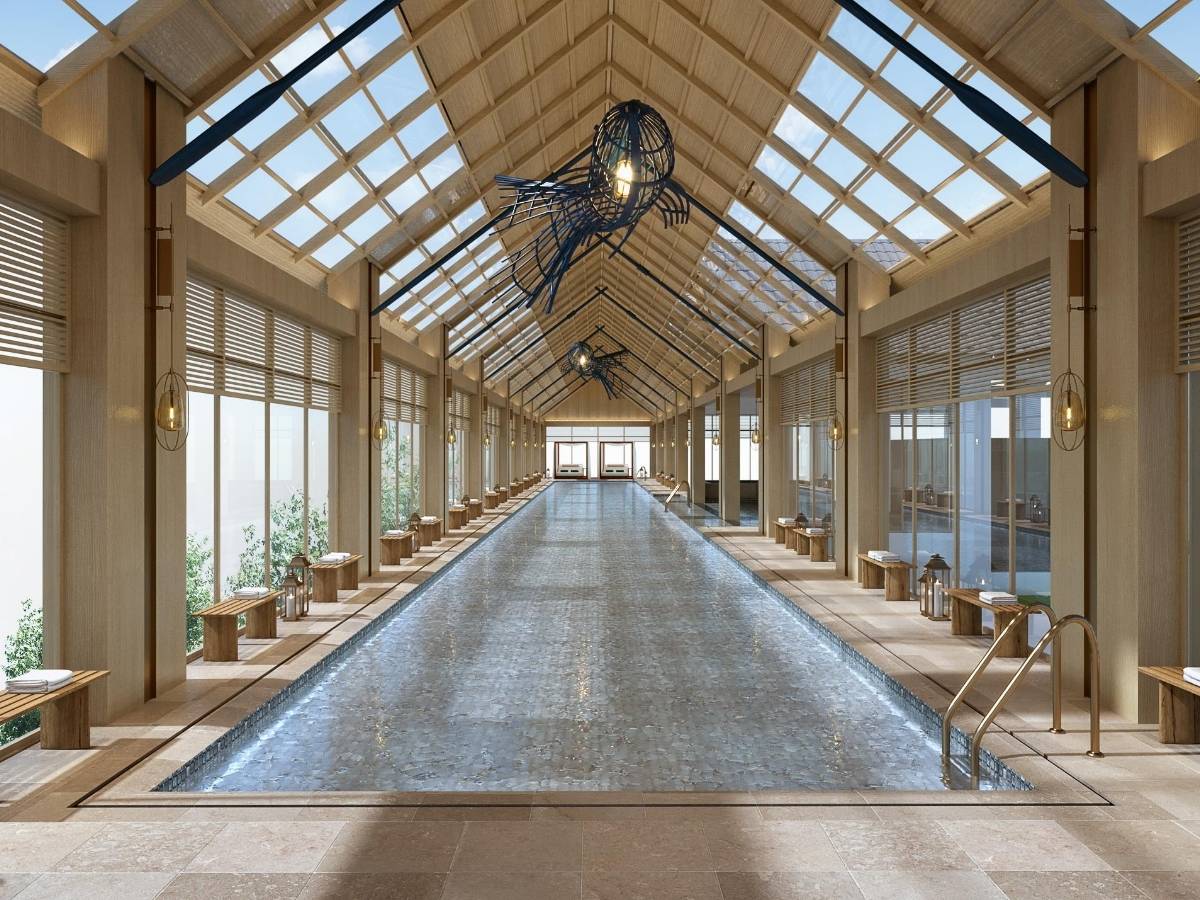
Second home project integrating an ecosystem to enhance experience and exploitation. (Source: Collected)
4.4. Trend of combining second homes and resorts
The trend of combining second homes and resort homes is forming with a hybrid model for both living and exploitation. This type of property brings flexibility in use and optimizes investment efficiency for the owner. When exploring how second homes differ from resort homes, it can be seen that this trend shows the intersection between the two types.
Understanding the essence of how second homes differ from resort homes is an important step to help investors make accurate decisions. Depending on the usage goals and financial strategy, each type has its own value, but choosing correctly will create a sustainable long-term advantage.