


How to resolve a house with two main doors facing each other according to Feng Shui principles
A house with two main doors facing each other is a common feng shui flaw that greatly affects the owner's fortune and health. If you are wondering how to effectively resolve a house with two main doors facing each other, this article will help you understand the causes and apply suitable, easy-to-implement solutions in practice.

▲Table of Contents
1. Overview of Houses with Two Opposing Main Doors in Feng Shui
1.1. Concept of a House with Two Opposing Main Doors
A house with two opposing main doors is understood as a layout where two doors are situated on the same straight axis and directly face each other, creating a flow of energy that passes straight through from front to back. In practical design, this phenomenon often appears in tube houses or renovated houses when an additional door is opened at the back for convenience of movement. Unlike interior room doors, opposing main doors act as "Qi mouths," the points where primary energy is received and distributed throughout the living space.
While internal doors only have a local effect, the alignment of two main doors facing each other creates a strong through-draft, preventing air from accumulating. According to Construction Law No. 135/2025/QH15, door placement must ensure safety and ventilation, but from the perspective of Feng Shui and bio-energetics in 2026, this penetration creates a "leaking air" phenomenon. This leads to the loss of positive energy accumulation – which is considered the foundation for the stability and prosperity of a sustainable home.
1.2. Why this layout is considered unfavorable
According to Feng Shui principles, qi needs to be guided in, retained, and evenly distributed within the living space, thereby creating conditions for stable development of wealth and health. When two main doors face each other, the qi entering the house will escape immediately, without time to accumulate, leading to a state of "dispersed qi". This is why this layout is often considered unfavorable in home Feng Shui.
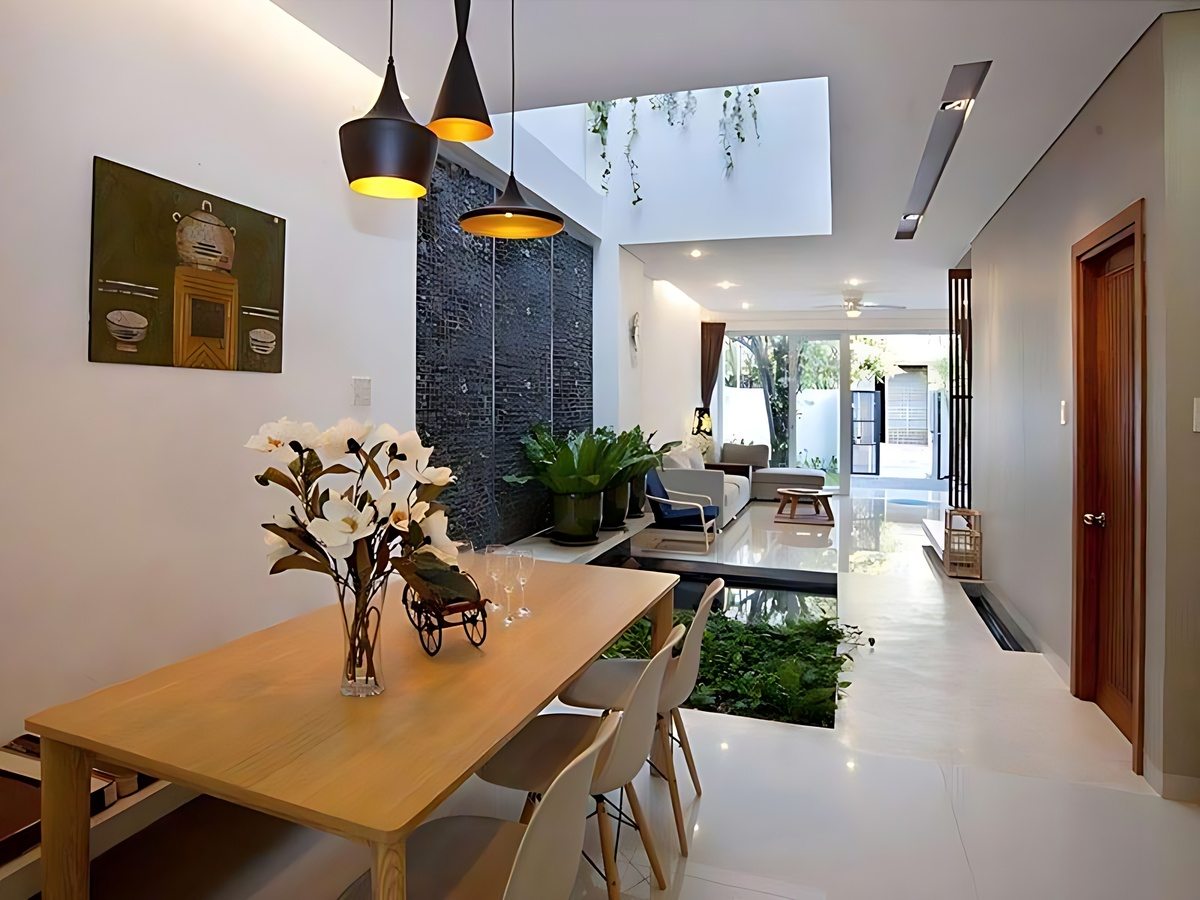
The design of two main doors facing each other causes air dispersion in the house. (Source: Collected)
In addition, this phenomenon also creates direct confrontation between airflows, causing energy imbalance in the space. Many cases are referred to as “doi mon sat” (direct door clash), an expression of the collision of energy fields, leading to feelings of instability, easily causing conflicts, and affecting the psychology of those living in the house.
1.3. Actual impact on the homeowner's life
The easily noticeable impact of this layout is financial instability, as the uncontained flow of energy means wealth is difficult to accumulate. In many cases, homeowners feel their income is unstable or they struggle to maintain long-term financial resources. This is often explained by the loss of energy within the living space.
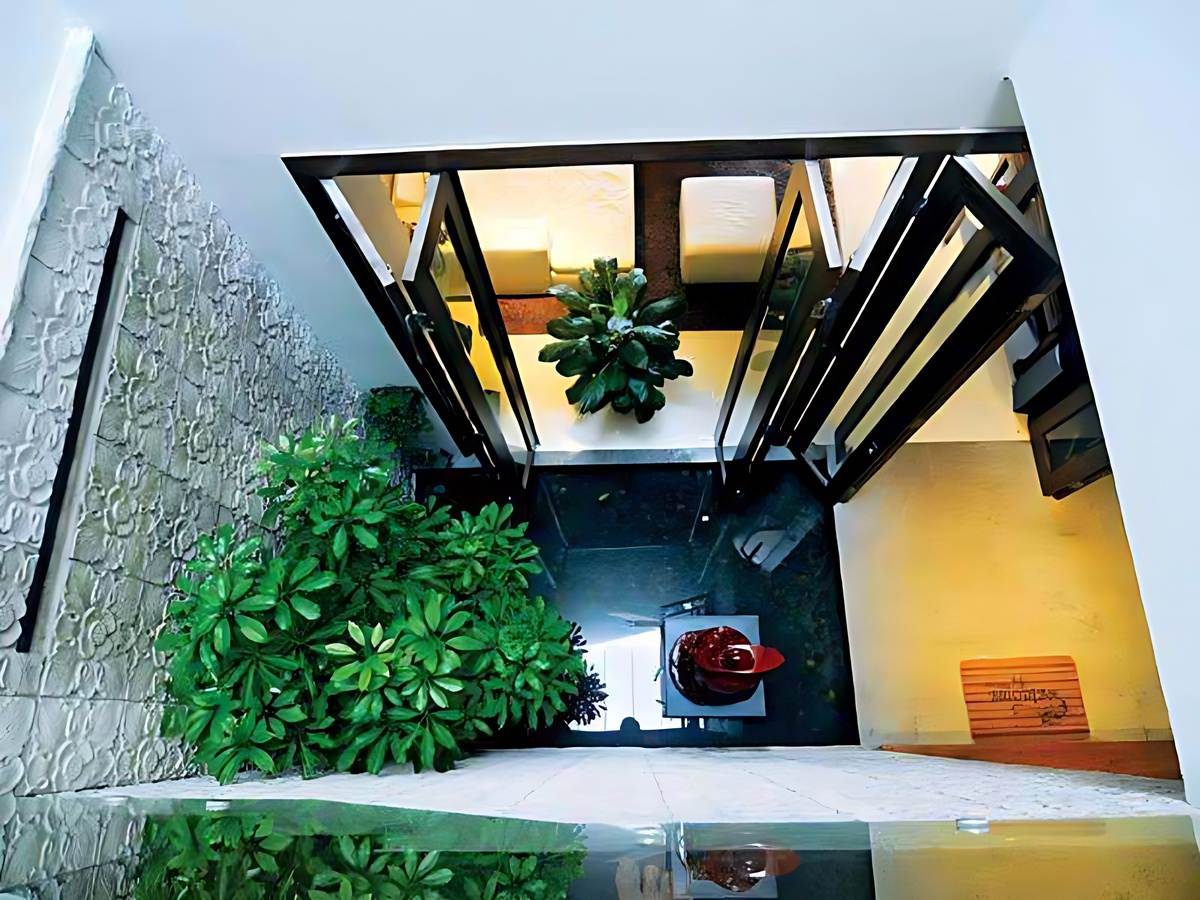
The layout of facing doors causes financial loss and negatively affects health and family well-being. (Source: Collected)
Besides financial factors, the layout of facing doors also affects family relationships and health. Unstable energy can make family members easily stressed, lead to conflicts, or a sense of unease in daily life. These practical experiences are the reason why many homeowners are interested in how to resolve a house with two main doors facing each other when renovating or building a house.
2. Common reasons for a house having two main doors facing each other
2.1. Architectural design that lacks feng shui consideration
In many residential constructions today, design often focuses on optimizing functionality and usable area. Architects prioritize convenience of movement, spatial ventilation, but sometimes do not fully consider the element of airflow in feng shui. This leads to the arrangement of two main doors on the same axis. Especially in large urban areas, the need for rapid construction and area maximization causes many projects to overlook basic feng shui checks. In such cases, the appearance of two opposing doors becomes a consequence of designs leaning more towards technical aspects than balancing life energy.
2.2. Renovating a house changes the original structure
Another common cause is the house renovation process, when homeowners open an additional door at the back for convenience or to create an emergency exit. This unintentionally creates two main doors on the same axis, causing a feng shui flaw that did not exist initially. In many cases, renovations are carried out in parts, without overall planning, thus easily leading to imbalance in the space. Upon completion, homeowners realize the impact and begin searching for ways to resolve a house with two opposing main doors to reduce negative effects.
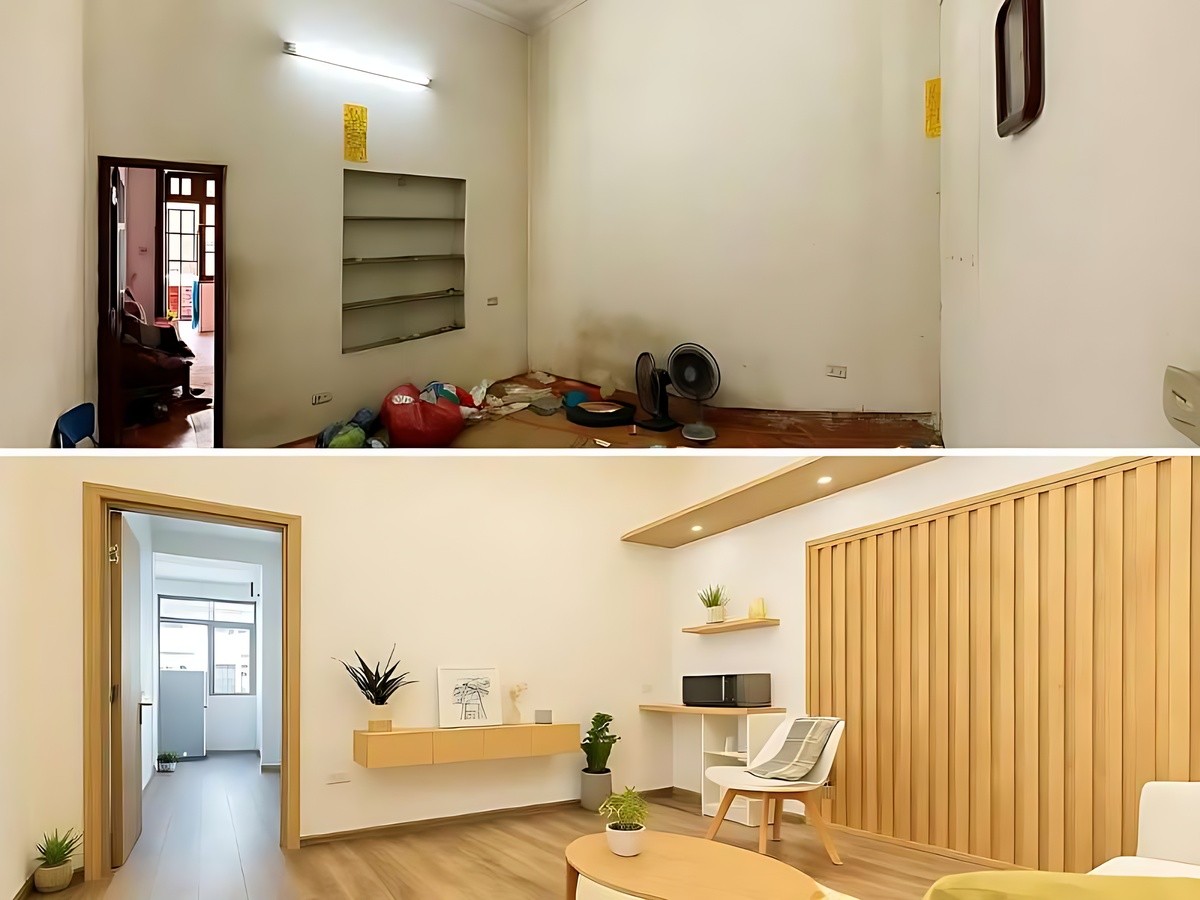
Renovating additional doors causing axial misalignment requires resolution to rebalance the living space. (Source: Collected)
2.3. Characteristics of townhouses and tube houses in Vietnam
Townhouses and tube houses in Vietnam usually have narrow widths and large depths, leading to the arrangement of doors along a straight axis being a common solution. This helps maximize space utilization but easily creates a through-draft from front to back. Following urbanization trends, the proportion of houses with opposing doors is increasing due to limited land and dense planning. This makes the phenomenon of opposing main doors become common, especially in large cities.
2.4. Misconceptions about space ventilation
Many people believe that opening two doors opposite each other helps keep the house always airy and improves air circulation. However, in feng shui, too rapid circulation prevents qi from being retained, reducing the ability to accumulate positive energy. This notion often stems from a physical perspective without considering the spatial energy factor. When applied in practice, opening opposite doors can cause strong drafts, direct light, and create a sense of instability in daily life.
3. Effective ways to resolve a house with two main doors facing each other
3.1. Using partitions or screens
Using partitions or screens is a common architectural solution that helps slow down fast-moving air currents between two doors. According to modern interior design standards in 2026, placing intelligent barriers helps direct airflow in a curved path, preventing the situation of "straight-moving, quickly dispersing air". This not only helps improve energy accumulation but also adheres to the principle of balance between natural ventilation and preserving auspicious energy for the living space, helping homeowners avoid direct drafts that affect health.
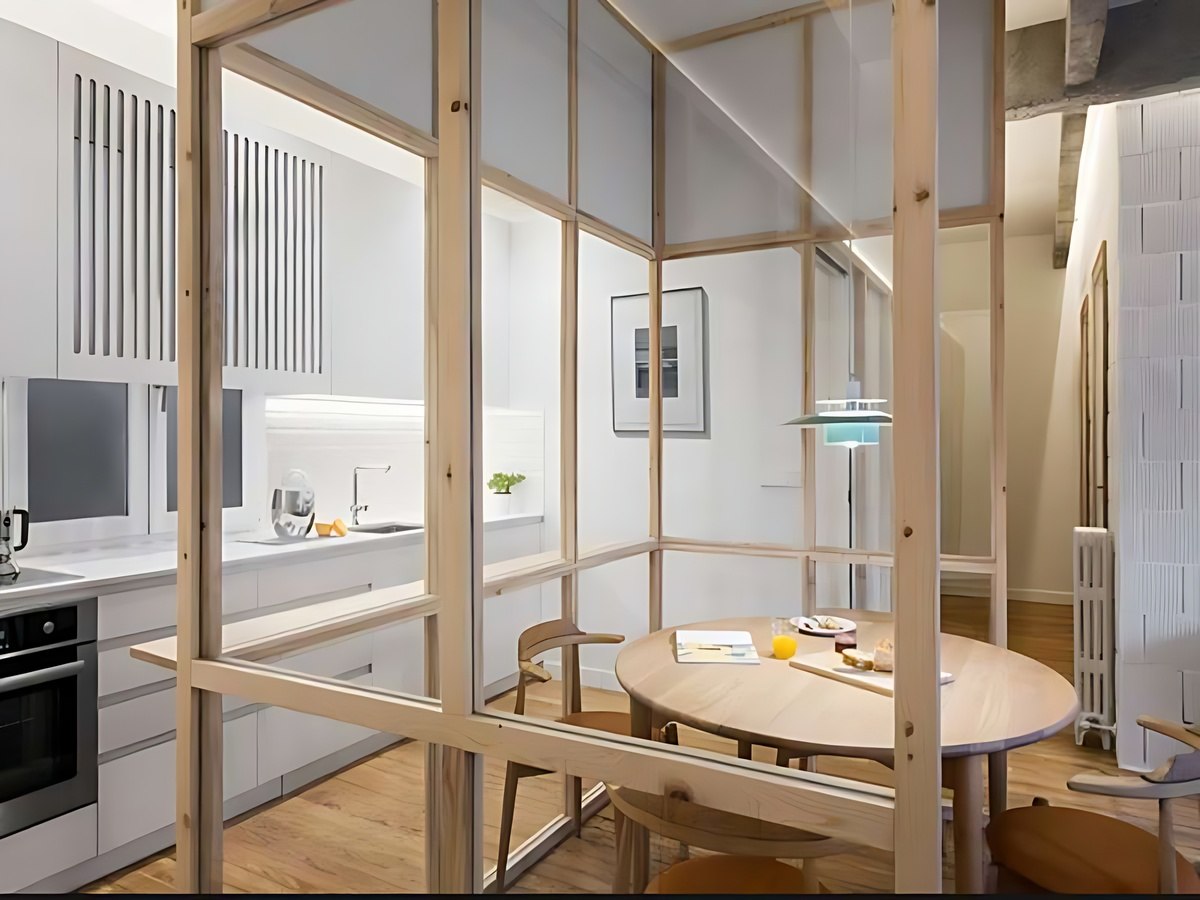
Partitions help direct airflow, protect health, and enhance spatial aesthetics. (Source: Collected)
Common material types such as wood, frosted glass, or composite materials with moderate opacity are often preferred to create balance for the space. The use of suitable materials not only plays an important role in improving feng shui but also enhances the sophisticated aesthetic for the overall interior of the house. Thanks to this skillful combination, homeowners can possess a living space that is harmonious in terms of energy and strongly reflects personal style.
3.2. Hanging feng shui curtains or drapes
Curtains are a simple, low-cost solution that is effective in reducing air circulation speed. When hanging curtains between two doors, the airflow will be partially blocked, helping the space become more stable. The homeowner should choose colors that suit their element to enhance energy balance. In addition, curtains also help increase privacy and reduce the direct impact of light or strong wind from outside.
3.3. Place Feng Shui items to retain qi
Items such as green plants, feng shui stones, or mascot statues can be used to retain and regulate the qi in the house. When placed in the correct position, these items help reduce the conflict between two doors and create a focal point for qi in the space. For example, placing a potted plant in the area between two doors not only creates a natural barrier but also helps absorb negative energy. This is one of the ways to resolve a house with two main doors facing each other that many homeowners apply.
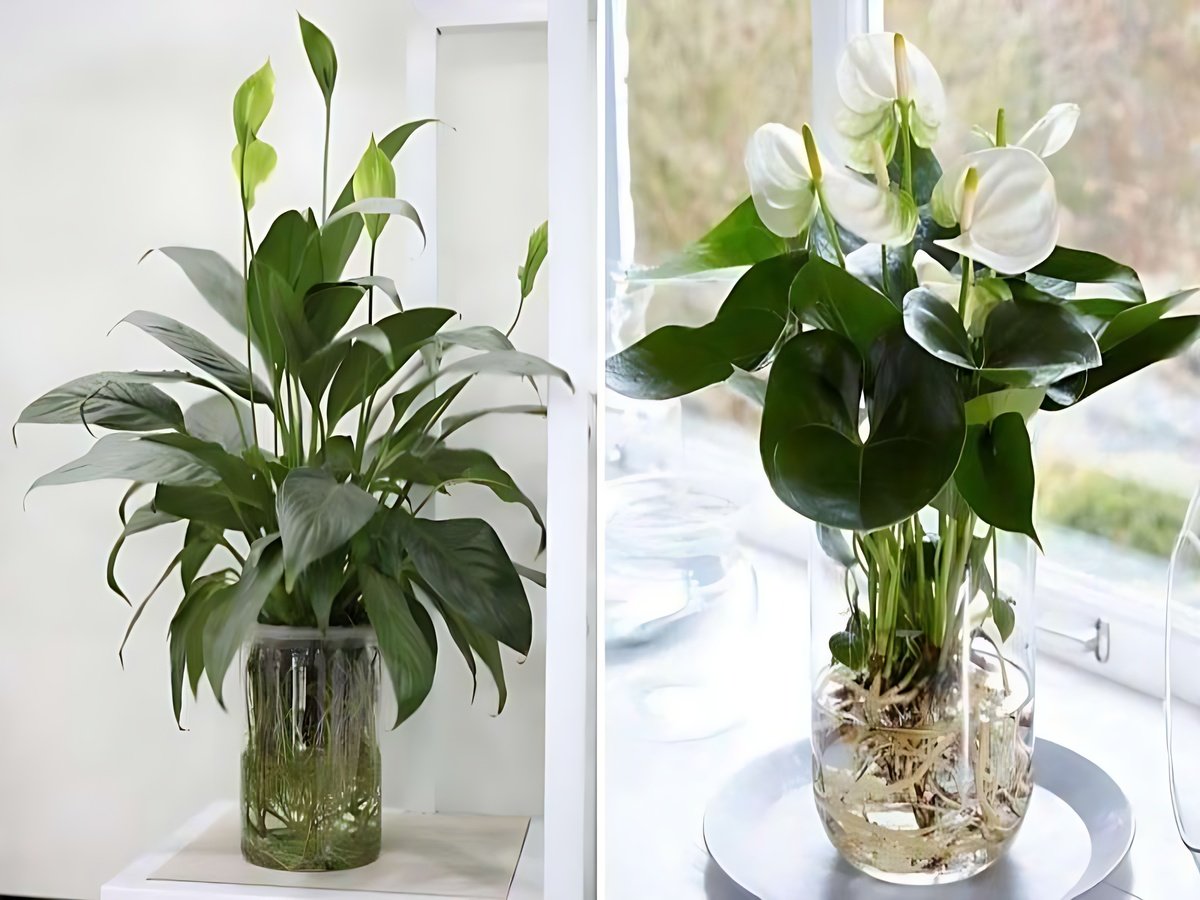
Feng shui items help regulate qi and resolve conflicts between main doors. (Source: Collected)
3.4. Adjusting door opening direction or frequency of use
In cases where the structure cannot be changed, the homeowner can adjust the way doors are used to reduce the Feng Shui impact. Limiting the simultaneous opening of both doors helps reduce cross-flow. Additionally, changing the door opening direction or installing an offset auxiliary door are also solutions to regulate airflow. These small changes can bring significant effectiveness in balancing energy.
3.5. Redesigning the interior space
Rearranging furniture to create a flowing air current helps reduce the impact of opposing doors. Items like sofas, bookshelves, or decorative tables can be used to create pauses for the air current. The living room space is often prioritized as an energy gathering point, where energy is retained before spreading to other areas. This helps improve stability in daily life.
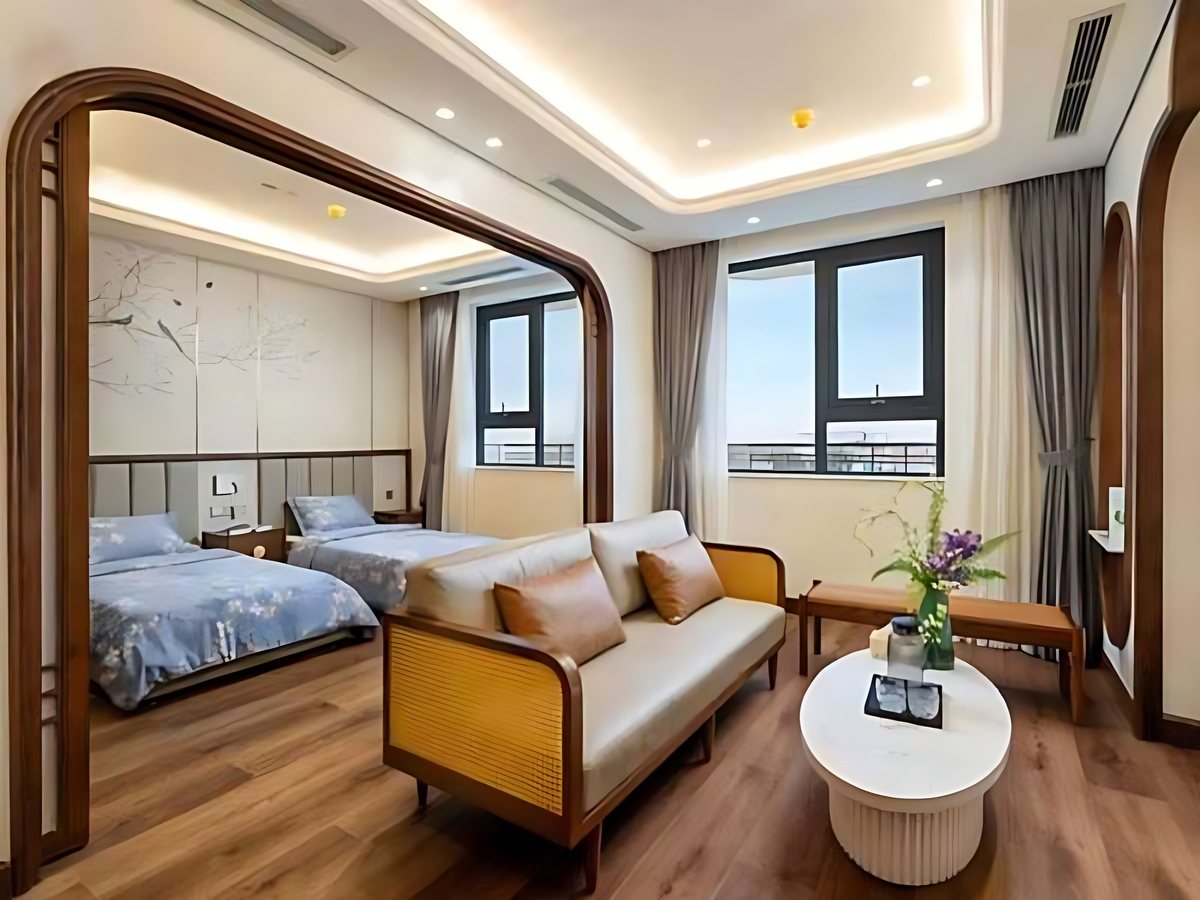
Interior arrangement creates a flowing air current to stabilize energy and improve living space. (Source: Collected)
3.6. Application of modern architectural solutions combined with feng shui
Modern architectural solutions such as off-center design, curved corridors, or the use of natural light can help balance energy within the home. These elements not only improve feng shui but also enhance the living space experience. The combination of construction techniques and feng shui principles is becoming a trend in residential design today. This is also a sustainable approach to address issues like opposing main doors.
4. Important notes when resolving houses with two opposing main doors
4.1. Do not overuse feng shui items
Using too many feng shui items can make the space cluttered and unbalanced. Homeowners need to choose suitable items and place them in the correct positions to achieve effectiveness. Feng shui aims for harmony, not excessive accumulation of decorative elements. Therefore, using just enough will help the space maintain its natural balance.
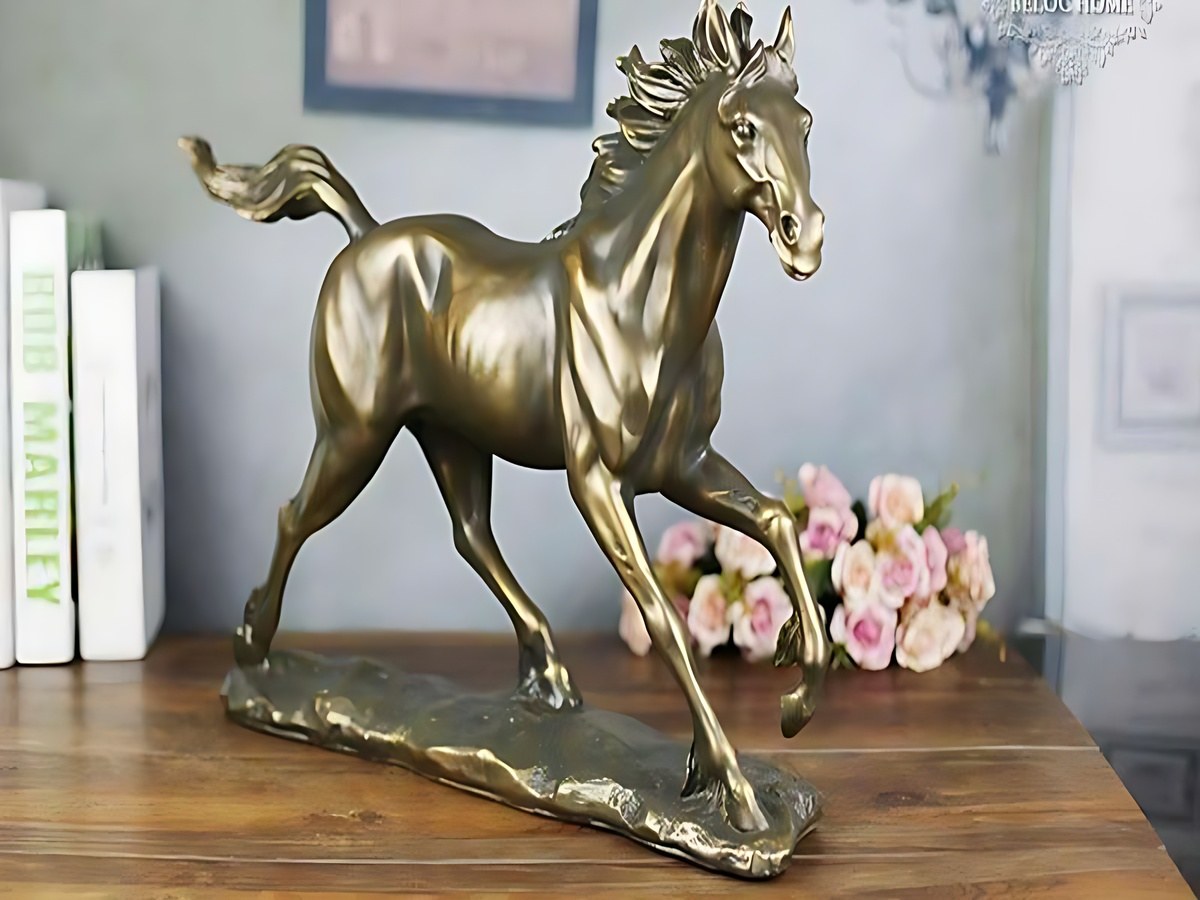
Using feng shui items in moderation helps maintain balance and harmony for the space. (Source: Collected)
4.2. Ensure aesthetics and functional use
Feng shui solutions need to be combined with aesthetic elements and living comfort. A well-arranged space will both ensure functionality and create a comfortable feeling for users. In practice, many homeowners prioritize simple solutions such as curtains or partitions to both improve feng shui and maintain overall aesthetics.
4.3. Choosing the right option for each type of house
Each type of house, such as townhouses, apartments, or villas, will have different characteristics, so it is necessary to choose a suitable solution. The same approach should not be applied to every space. For example, a tube house can use partitions or green plants, while an apartment can prioritize curtains or rearrange interior furnishings. This helps optimize the effectiveness of ways to resolve houses with two opposing main doors .
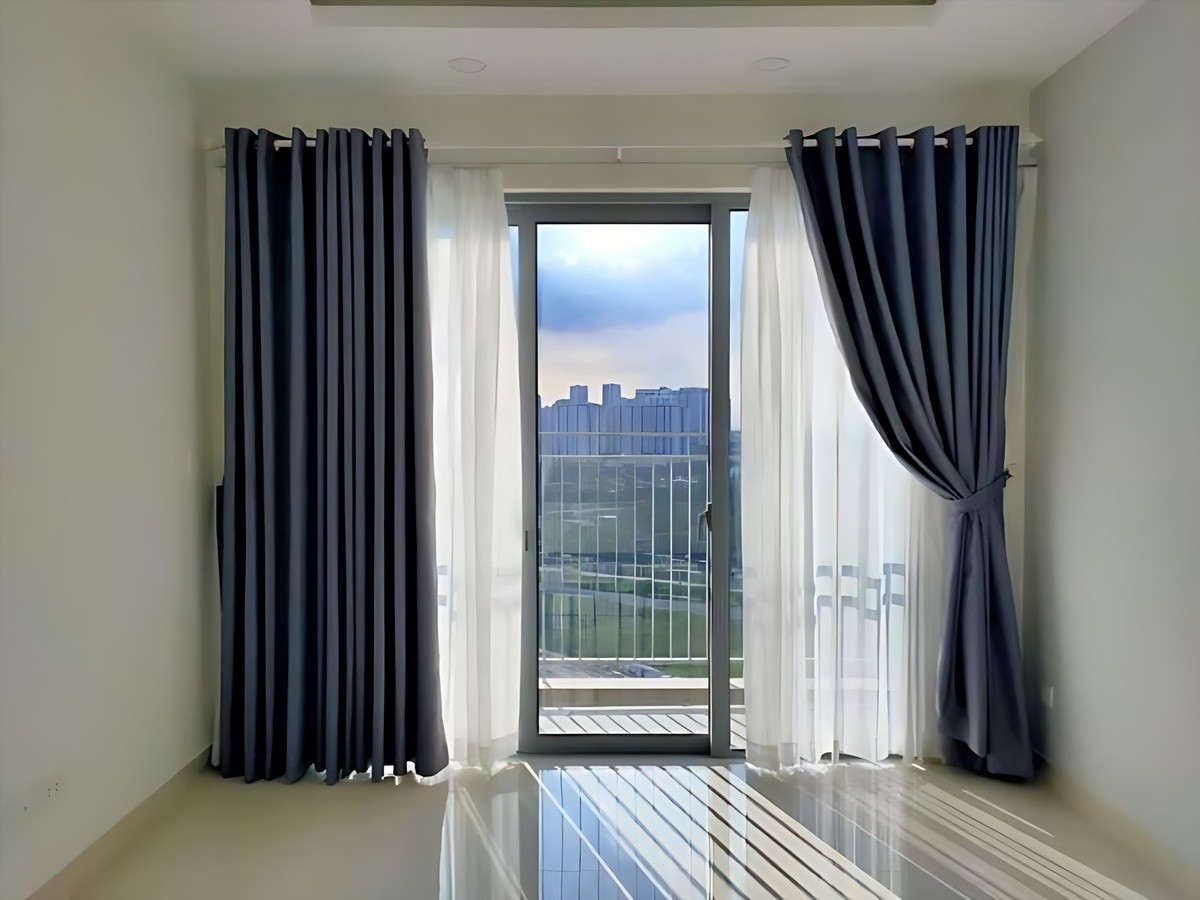
Choosing the right solutions for each type of housing helps optimize living space. (Source: Collected)
How to resolve houses with two main doors facing each other not only helps improve feng shui but also enhances the quality of life and peace of mind for homeowners. Depending on the space, you can flexibly apply solutions from simple to in-depth to retain good energy flow, limit financial loss, and create a harmonious and sustainable living environment.