


Importance of urban green space in real estate
In the context of rapid urbanization, the importance of urban green spaces is increasingly gaining attention as a core factor enhancing quality of life. Not only improving the environment, green spaces also strongly impact real estate values, planning trends, and the experience of modern residents.

▲Table of Contents
1. The Importance of Urban Green Space for Quality of Life
1.1. Urban Green Space Improves Physical Health
Urban green space plays an important role in improving air quality in densely populated residential areas. Trees help absorb fine dust, CO₂ gas, and many other pollutants, thereby reducing the risk of respiratory illnesses. Additionally, green systems contribute to temperature regulation, significantly reducing urban heat during the dry season. This is a factor closely linked to the importance of urban green space in protecting residents' physical health.
Besides improving the environment, green spaces also encourage people to participate in outdoor physical activities. Parks, green areas, and walking paths facilitate daily exercise such as walking or jogging. Maintaining a regular exercise routine helps reduce the risk of cardiovascular diseases and improve overall physical condition. As a result, green spaces have become an essential part of modern living environments.
1.2. Urban green spaces positively impact mental health
Urban green spaces offer many benefits in reducing stress and life pressure, especially in the context of rapid urbanization. Exposure to nature helps improve mood, reduce anxiety, and create a sense of relaxation for residents. Areas with abundant greenery often bring peace, helping people easily balance their emotions after working hours. This is one of the factors that clearly demonstrates the importance of urban green spaces for mental health.
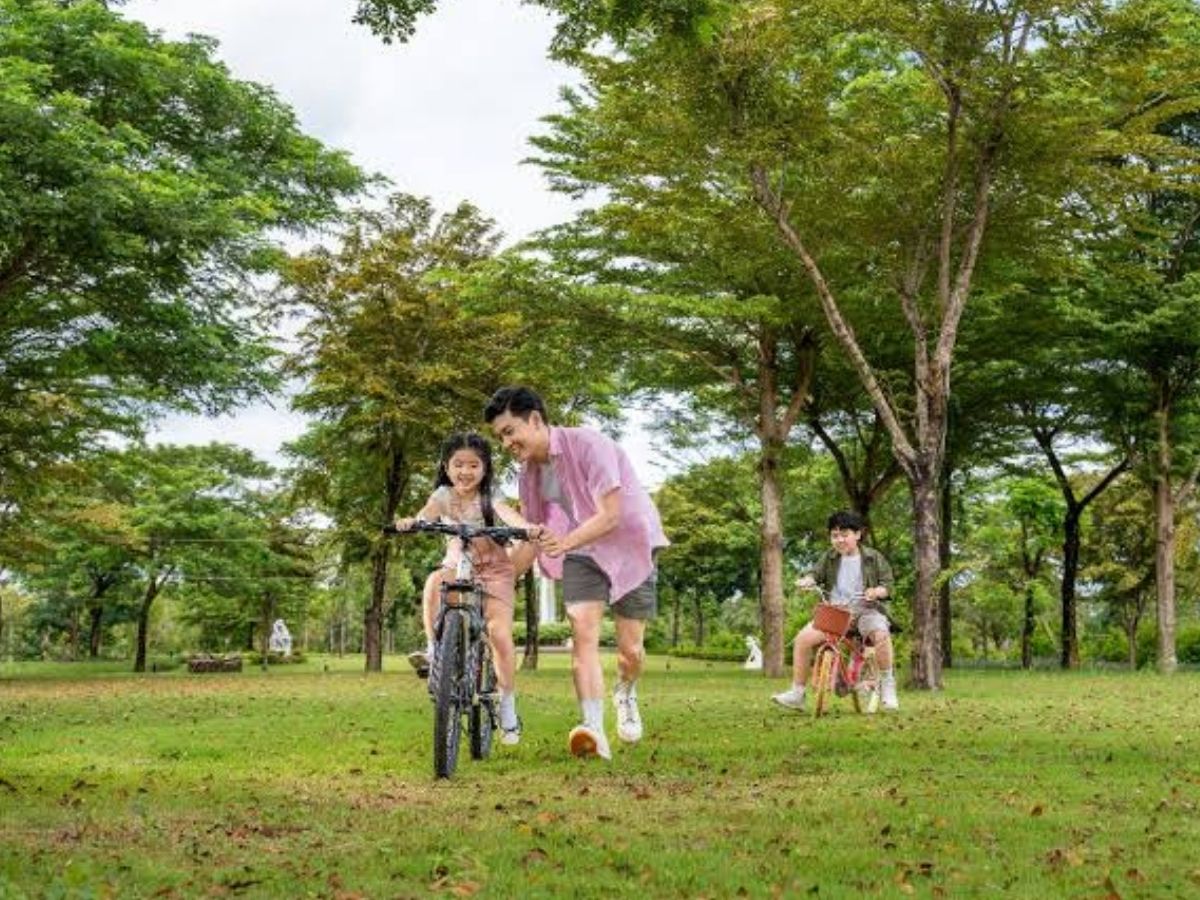
Green space helps reduce stress, restore energy, and balance life. (Source: Collected)
Furthermore, a green environment also helps improve concentration and work efficiency, especially for those doing intellectual work. Living spaces with greenery create conditions for more effective rest and energy regeneration. The combination of a working environment and a relaxation space helps form a balanced lifestyle. This is increasingly emphasized in the planning of modern urban areas.
1.3. Urban green space enhances residents' living experience
Urban green spaces enhance privacy and tranquility in living environments, especially in high-density residential areas. Greenery and natural landscapes act as a buffer, reducing noise and creating a sense of relaxation. This helps residents have a higher quality resting space in their daily lives. Therefore, a green living environment significantly enhances the living experience.
Furthermore, green spaces also promote the formation of a civilized and connected community. Parks, green squares, or internal gardens become places for residents to interact and socialize. This helps enhance social interaction and creates a friendlier living environment. At the same time, nature-related amenities also contribute to improving the overall quality of life in modern urban areas.
2. Understanding the importance of urban green space in real estate value
2.1. Urban green space directly affects selling prices
Urban green spaces have a significant impact on real estate values, especially for projects near parks or lakes. Market surveys show that approximately 94% of customers are willing to pay 5–10% more for projects with green living spaces and sustainable planning. This reflects the growing demand for a clean and quality living environment. Projects with high tree density tend to attract customers faster compared to projects lacking ecological elements.
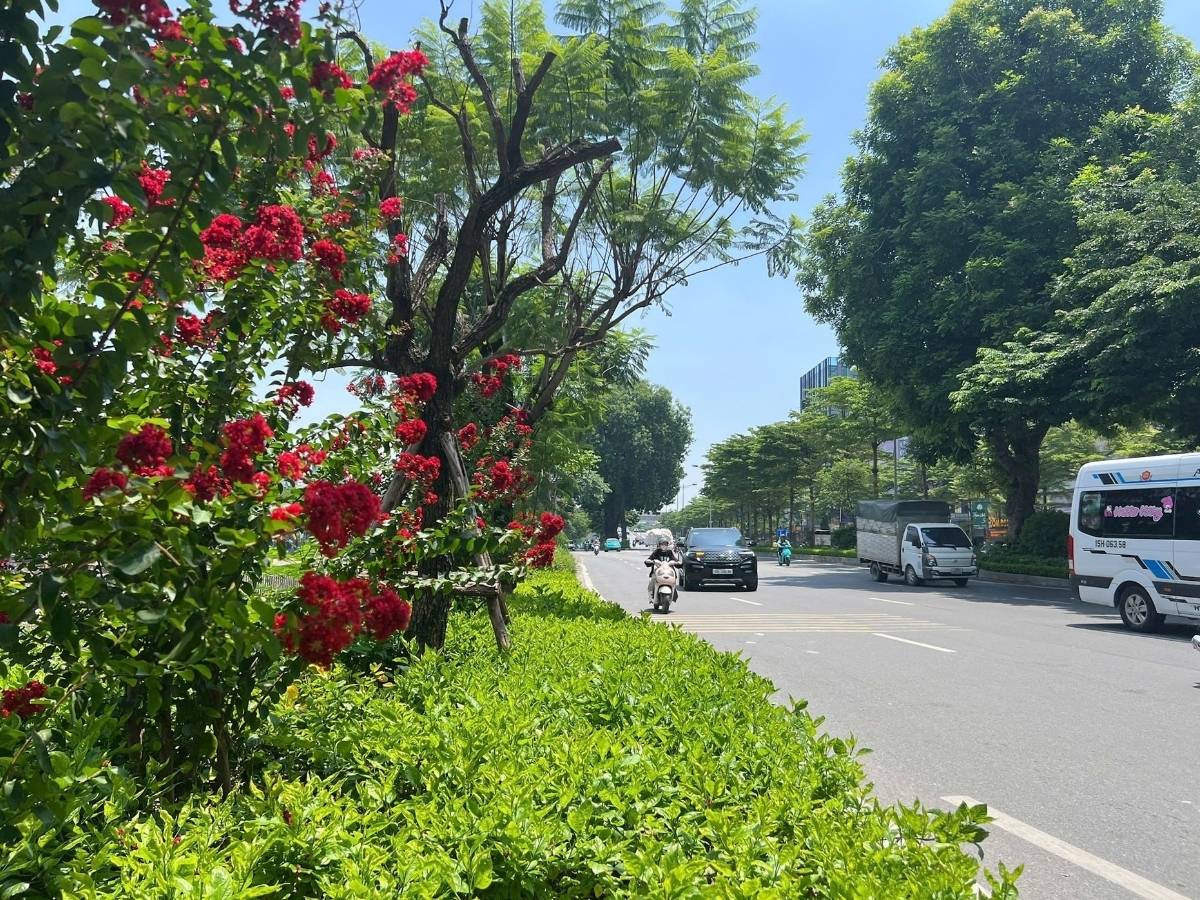
Green space helps increase value, liquidity, and real estate appeal. (Source: Collected)
Besides the selling price, the liquidity of green real estate is also highly valued in the long term. Urban areas with synchronized green space planning usually maintain stable prices and are less negatively impacted when the market fluctuates. This helps investors minimize risks and maintain asset value over time. Investing in green spaces therefore not only brings environmental benefits but also plays an important role in real estate business strategies.
2.2. Urban green space creates project competitive advantage
Urban green spaces help real estate projects create a distinct difference in the market, especially in the context of increasing competition. Investors tend to integrate parks, landscape lakes, and green utility ecosystems to enhance project value. This not only helps increase brand recognition but also creates a sustainable competitive advantage compared to traditional projects. The green factor is increasingly becoming an important criterion in customer purchasing decisions.
Furthermore, green spaces also attract mid-to-high-end customer segments, who have high demands for quality of life. Projects integrating ecological spaces are often positioned in higher segments, while also contributing to enhancing the investor's image in the market. The development of green urban areas also helps businesses build long-term credibility, in line with the current sustainable development trend in the real estate industry.
2.3. Urban green space shapes sustainable investment trends
Urban green spaces are shaping real estate investment trends towards sustainability and long-term value. In the context of climate change and rapid urbanization, investors are increasingly prioritizing projects with ecological and environmentally friendly elements. This helps minimize environmental risks and enhance adaptability to national green development policies. This trend has been strongly promoted in Vietnam in recent years.
Moreover, green real estate has the potential to increase in value over time thanks to stable market demand. Projects meeting environmental criteria often benefit from green credit policies and the interest of investment funds. This contributes to creating stable cash flow and enhancing long-term investment efficiency. Green space therefore becomes an important factor in the sustainable development strategy of the real estate market.
3. The Importance of Urban Green Space in Development Planning
3.1. Urban Green Space in Modern Planning Strategy
Urban green space is increasingly integrated into modern planning strategies to enhance the quality of the living environment. Increasing the per capita green space ratio is an important goal in many urban areas, contributing to improving the microclimate and reducing infrastructure pressure. Some urban areas in Vietnam have achieved a green space ratio of up to nearly 9m²/person, higher than the average in many inner-city areas. This indicates a trend towards shifting to an ecological urban development model.
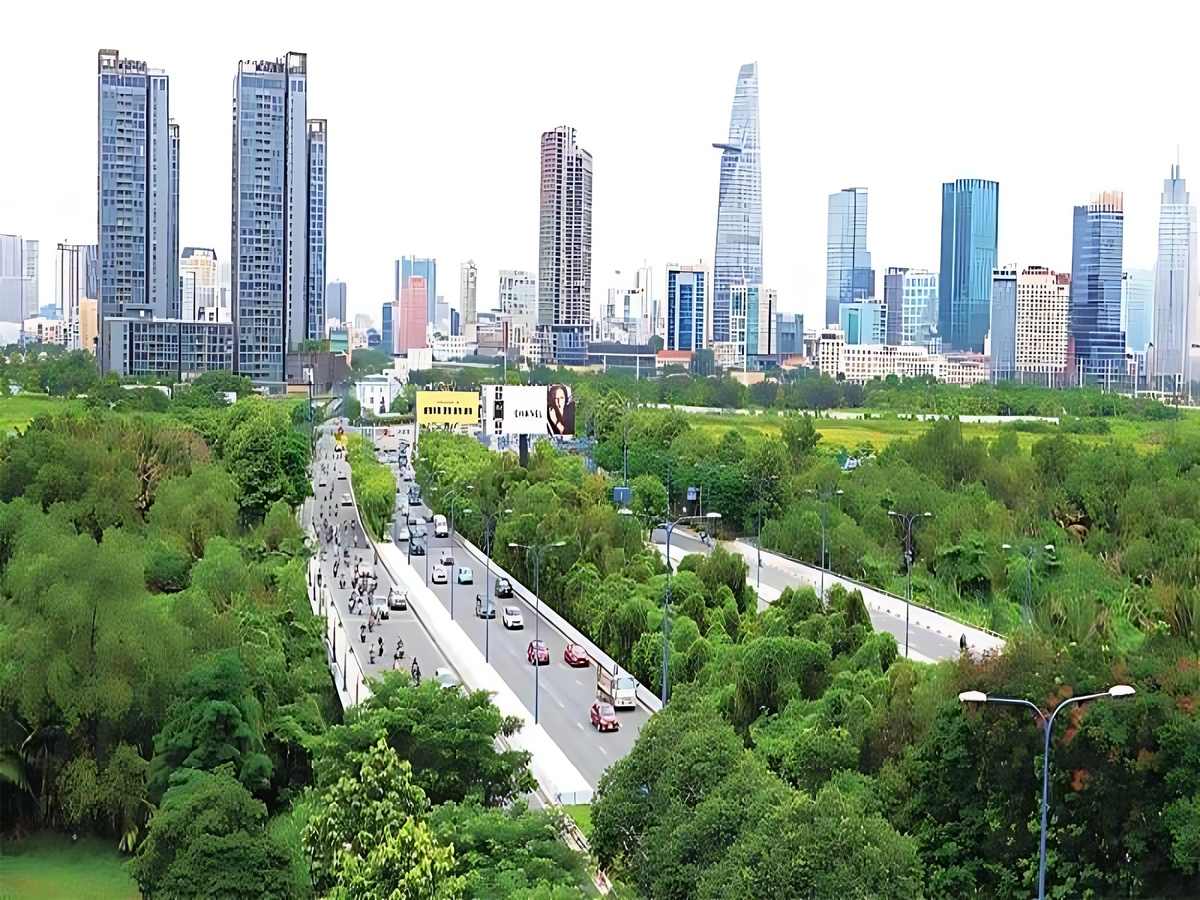
Green planning helps improve microclimate, optimize resources, and sustainable urban development. (Source: Collected)
Besides, modern planning also focuses on combining transportation infrastructure and green landscapes to optimize space utilization. The development of smart cities linked with environmental factors helps improve resource efficiency and reduce emissions. New planning projects often integrate park systems, regulating lakes, and green corridors to create a sustainable urban structure.
3.2. Legal regulations related to urban green space
The current legal system has established clear technical barriers and incentives for green spaces. According to the Land Law 2024 and guiding documents for implementation in 2026, the allocation of land funds for social infrastructure and green trees is a mandatory condition for the approval of detailed planning 1/500. Particularly, the Real Estate Business Law 2024 requires investors to disclose the actual status of green space area compared to commitments in contracts, ensuring customer rights to an ecologically standard living environment.
In addition, the application of the National Technical Regulation on Construction Planning QCVN 01:2021/BXD along with draft amendments and supplements, on which the Ministry of Construction is soliciting opinions (as of May 2026), continues to emphasize the requirement to ensure public green land area within residential areas according to indicators corresponding to each type of urban area. For high-end apartment projects in 2026, the criteria for "green belts" and "regulating water surfaces" are strictly controlled through the basic design appraisal process, to ensure that each resident has access to green space within an optimal walking distance.
3.3. Urban green space in sustainable development
Urban green spaces play an important role in reducing the urban heat island effect and protecting natural ecosystems. Studies show that large green areas can significantly reduce ambient temperatures and improve air quality. At the same time, trees can absorb millions of tons of CO2 annually, contributing to the reduction of greenhouse gas emissions and supporting national sustainable development goals.
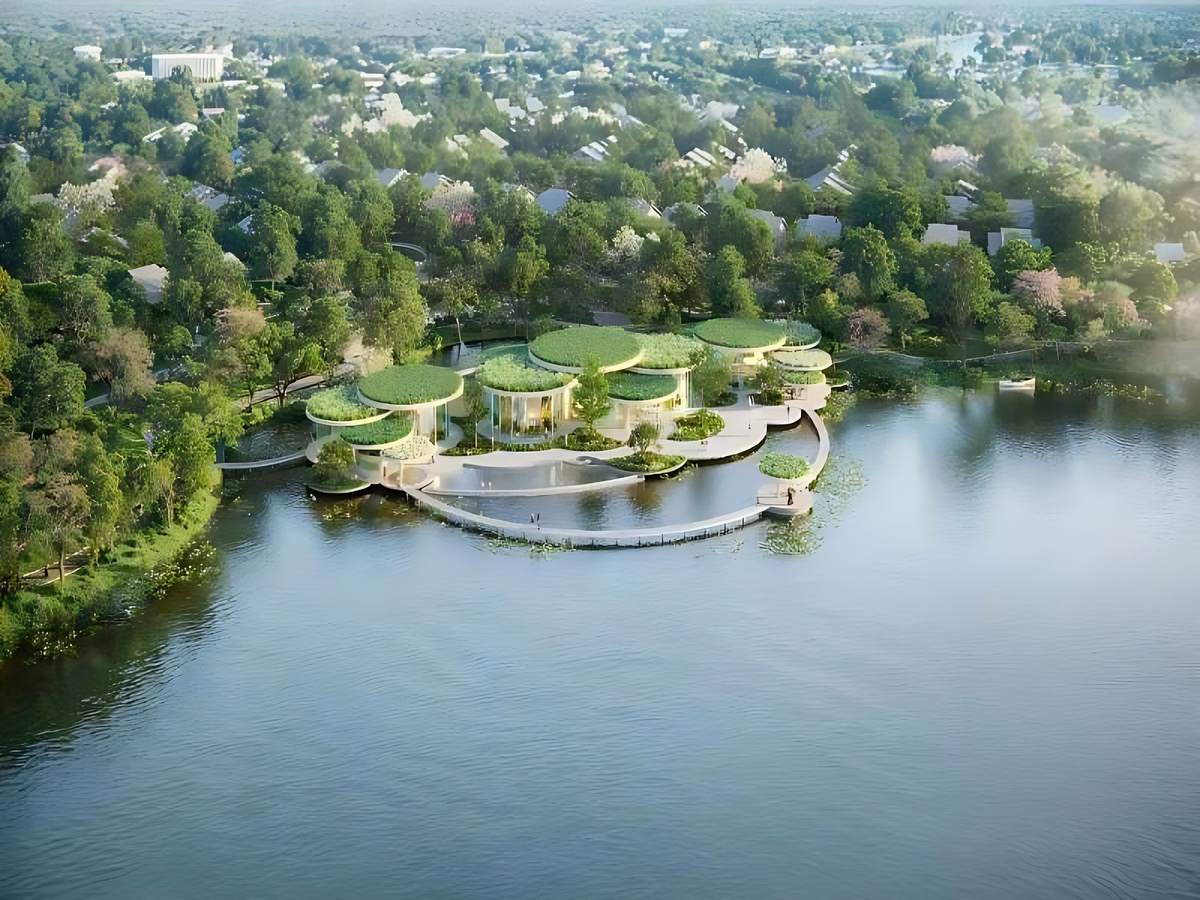
Green spaces help reduce temperature, improve air quality, and protect biodiversity in urban areas. (Source: Collected)
Furthermore, green spaces help maintain ecological balance and protect urban biodiversity. The development of green systems, water bodies, and ecological corridors helps create habitats for many species. This not only brings environmental benefits but also contributes to improving the quality of life for residents. Green spaces therefore become an indispensable element in the strategy for developing green urban areas in Vietnam.
4. Trends in real estate development linked to urban green spaces
4.1. Green urban model in real estate projects
The green urban model is evolving into a "Smart Green City", where greenery is combined with renewable energy management solutions. Riverside and lakeside urban areas not only focus on water surface area but also apply sustainable green architecture standards. This trend helps improve the quality of life, reduce operating costs for residents, and create a superior competitive advantage for real estate products in dynamic markets.
4.2. Role of the green amenity ecosystem
The green amenity ecosystem includes categories such as walking paths, a central park, an outdoor sports area, and open community spaces. These amenities help residents easily access nature in their daily lives, while creating a dynamic and balanced living environment. The integration of green amenities also contributes to increasing the project's utility value and market appeal.
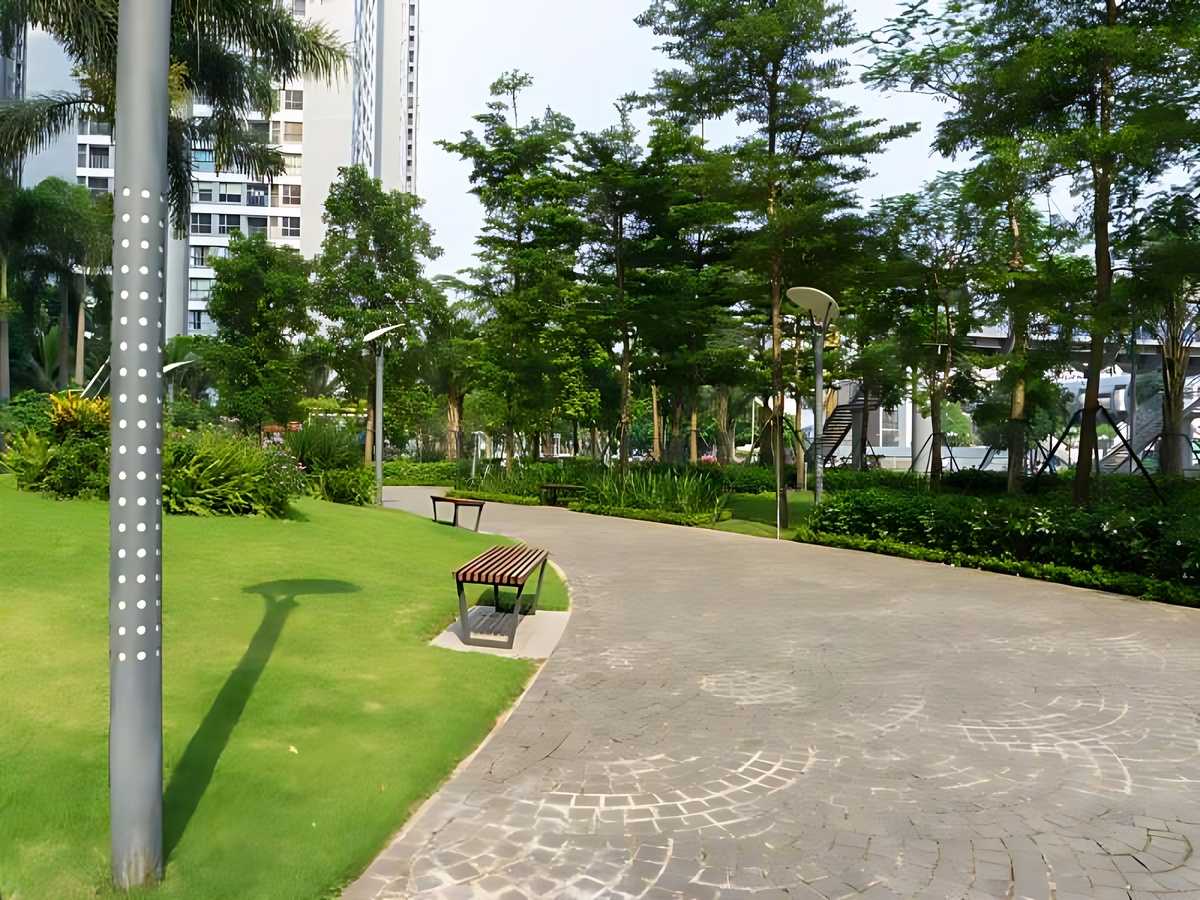
Green utility ecosystem creates a dynamic living environment, close to nature, and enhances the project's appeal. (Source: Collected)
It can be seen that the importance of urban green space not only stops at environmental factors but also becomes a core criterion in modern real estate development. As the demand for quality living increases, projects focusing on green spaces will continue to lead market trends, bringing sustainable value to both residents and investors.