


Infrastructure projects affecting the real estate market currently
Infrastructure projects affecting the real estate market are always a topic of interest for investors because transportation and urban infrastructure can create strong price growth momentum for many areas. Expressway, airport, seaport, or metro projects are contributing to changing the market landscape in recent years.

▲Table of Contents
1. Why does infrastructure strongly affect the real estate market?
Transportation infrastructure is always considered one of the important factors directly impacting the development of the real estate market. When expressways, airports, ring roads, or inter-regional projects are synchronously invested in, the connectivity between areas is significantly improved, thereby promoting the demand for housing, commerce, and investment in many localities. This is also the reason why infrastructure projects affecting the real estate market always receive great attention from investors.
1.1. Infrastructure helps increase regional connectivity
Transportation infrastructure projects help shorten travel time and enhance connectivity between provinces, urban areas, and major economic centers. This is an important factor contributing to the expansion of development space and creating favorable conditions for trade, tourism, as well as labor mobility.
As connectivity improves, many areas previously limited by infrastructure begin to attract more residents and investment capital. This is also the reason why infrastructure is always considered a major driver of the real estate market.
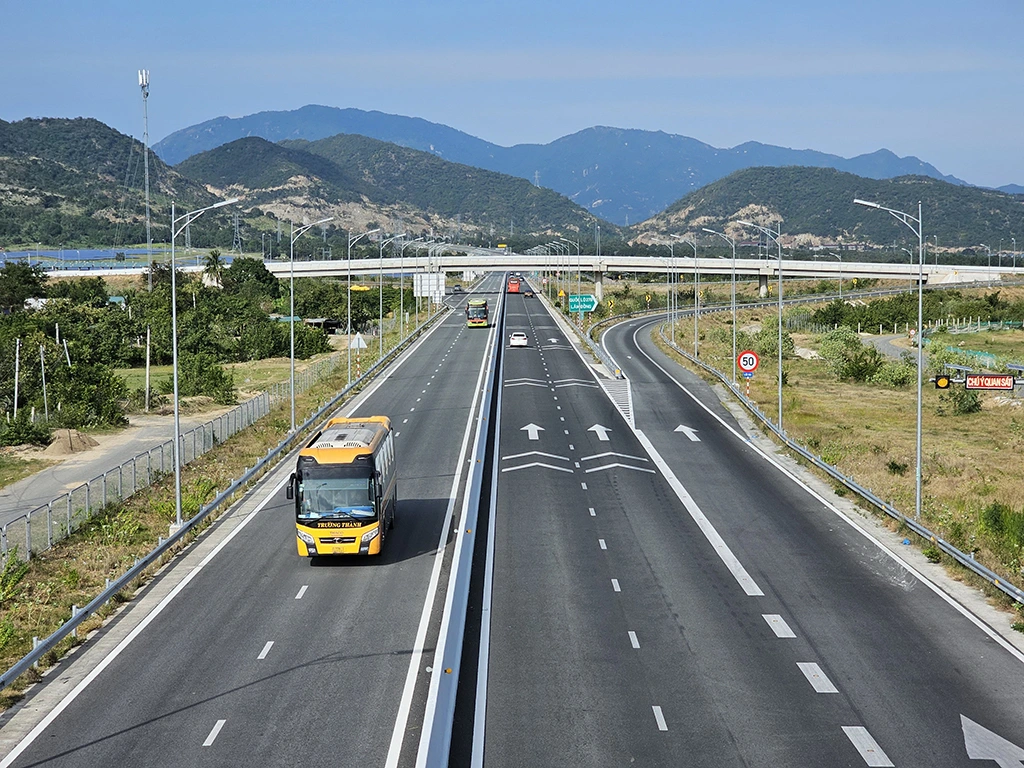
Transportation infrastructure helps increase regional connectivity. (Source: Collected)
1.2. Promoting urbanization and economic development
The emergence of expressways, airports, or ring roads often leads to rapid urbanization in directly benefiting areas. Convenient transportation infrastructure helps increase the potential for industrial, commercial, logistics, and service development in many localities.
Furthermore, the expansion of inter-regional connectivity also creates conditions for the formation of new satellite cities and economic centers. This is a factor contributing to driving long-term demand for housing and real estate.
1.3. Increasing real estate value and liquidity
Areas located near highways, airports, or major transportation routes often have clearer potential for real estate value increase thanks to convenient connectivity. When infrastructure is completed, the demand for actual purchase, investment, or commercial exploitation also tends to increase.
Not only impacting value, infrastructure also helps improve market liquidity by increasing investment appeal and practical exploitation capabilities. This is why many investors today prioritize choosing areas that directly benefit from new infrastructure.
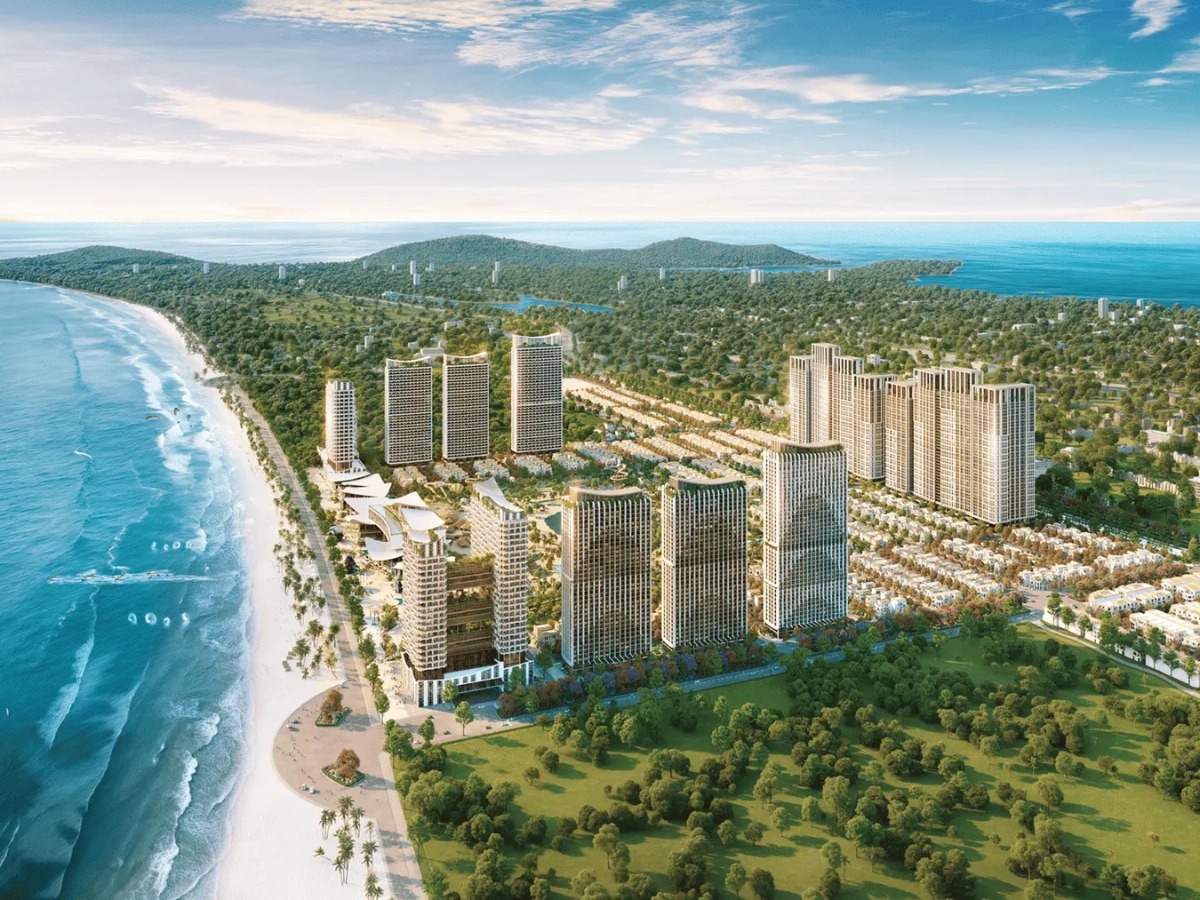
The real estate market tends to increase along with the development of infrastructure. (Source: Collected)
1.4. Formation of new urban and service centers
Developing transportation infrastructure not only helps urban expansion but also creates conditions for the formation of new commercial, service, and tourism centers in many localities. As the population and economic activities increase, the demand for accommodation, shopping, entertainment, and services also grows stronger.
This contributes to promoting many types of real estate such as integrated urban areas, resorts, commercial, and logistics to develop in the future. This is also a prominent trend in many areas currently receiving strong infrastructure investment.
2. Infrastructure projects affecting the current real estate market
In recent years, a series of inter-regional transport and infrastructure projects are being strongly deployed in many localities across the country. These projects not only help enhance connectivity but also create momentum for economic, urban, and real estate development in the directly benefiting areas.
2.1. Key Inter-regional Expressways
Inter-regional expressways such as Ho Chi Minh City – Long Thanh – Dau Giay, Bien Hoa – Vung Tau, or Dau Giay – Phan Thiet are contributing to changing the face of transport infrastructure in the Southern region. Shortening travel time helps increase connectivity between major economic, tourism, and urban centers.
This is also one of the most prominent infrastructure projects affecting the real estate market today, as many areas along expressways record higher interest and price increase potential due to the advantage of convenient connectivity.
2.2. International airports and logistics systems
International airport projects such as Long Thanh are creating strong momentum for the development of logistics, trade, and urban areas in many neighboring localities. Besides air transport, logistics systems connecting airports with seaports, expressways, and industrial parks are also being synchronously invested in.
The development of logistics infrastructure not only promotes trade but also expands the demand for housing, commercial services, and industrial real estate. This is a factor that has helped many areas increase their investment attractiveness recently.
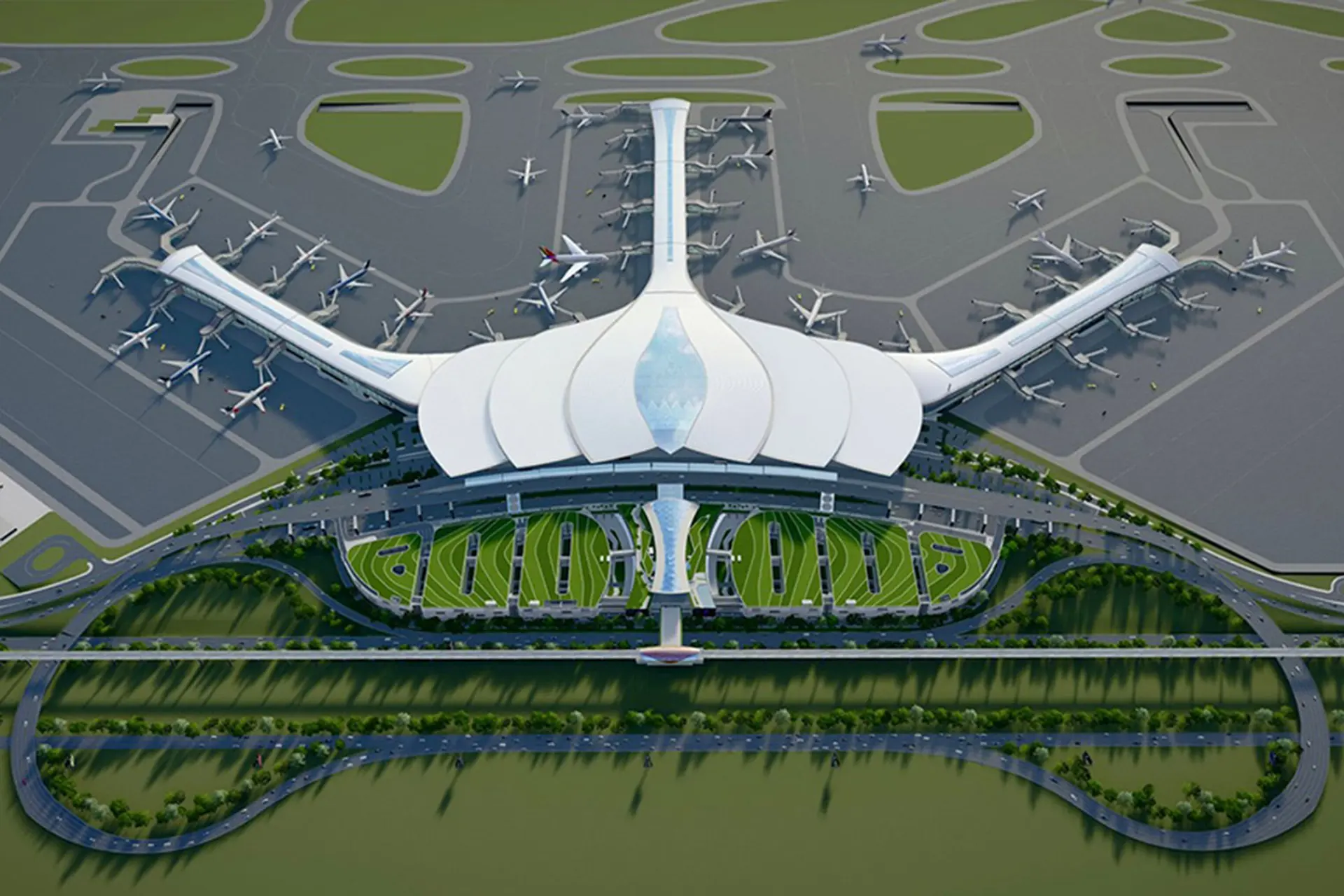
Airport projects create great momentum for the development of many types of real estate. (Source: Compilation)
2.3. Metro lines and urban public transport
Modern metro and public transport systems are gradually becoming an infrastructure development trend in major cities like Ho Chi Minh City (TP HCM) and Hanoi (Ha Noi). Metro lines not only help reduce traffic pressure but also enhance connectivity between central areas and satellite urban areas.
Many areas located near metro stations often have advantages in mobility and better commercial exploitation potential. This is also why real estate around metro lines often receives significant market attention.
2.4. Seaports and marine economic infrastructure
Maritime port systems and marine economic infrastructure are playing an important role in Vietnam's strategy for logistics development and international trade. Areas with major seaports often have advantages in industrial, service, and coastal urban development.
Furthermore, the development of the marine economy has also strongly promoted segments of resort, commercial, and marine urban real estate in many coastal localities recently.
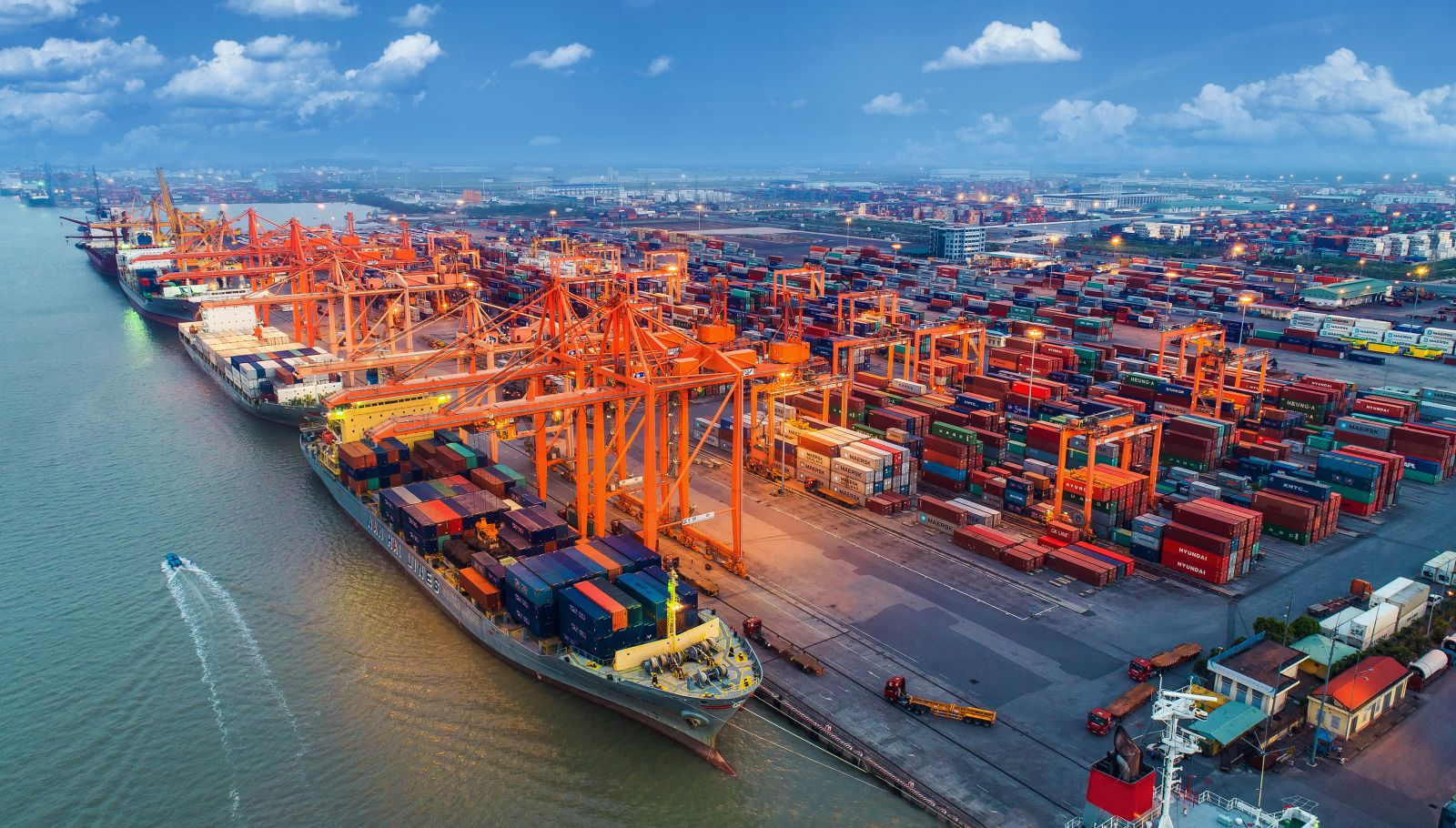
Seaports drive the development of various types of real estate. (Source: Compiled)
2.5. Ring roads and bridges connecting areas
Inter-regional ring road and bridge routes help expand urban development space and increase connectivity between provinces and cities. Projects such as Ring Road 3, Ring Road 4 of Ho Chi Minh City, or large river crossing bridges are contributing to reducing traffic pressure and improving goods circulation efficiency.
As the inter-regional transportation system becomes increasingly complete, many areas previously limited in connectivity have opportunities for stronger urban and real estate development. This continues to be a group of infrastructure with a significant impact on current market investment trends.
3. Real estate segments growing thanks to infrastructure
The development of inter-regional transportation systems, expressways, airports, and urban infrastructure is creating many changes for the real estate market. Not only does it increase connectivity, but infrastructure projects also drive many segments to grow stronger thanks to the increasing demand for housing, commerce, tourism, and logistics.
Coastal resort real estate: Coastal areas benefiting from expressways, airports, and tourism infrastructure often have strong development potential for resorts and second homes. This is a segment that many investors are interested in as the trend of short-day trips and owning coastal real estate becomes increasingly popular.
Integrated all-in-one urban areas: Integrated multi-utility urban areas comprising housing, commerce, entertainment, and accommodation are becoming a prominent trend in areas with strong infrastructure development. This model meets the needs for living, leisure, and service exploitation within a synchronized space.
Industrial and logistics real estate: The system of highways, seaports, and airports helps increase the demand for warehousing, logistics, and industrial zones in many localities. This segment is assessed to have long-term growth potential thanks to the strong development of trade and production.
Commercial townhouses and shophouses: As the population and tourist numbers increase in areas benefiting from infrastructure, the demand for shopping, dining, and services also grows stronger. This helps these types of commercial townhouses and shophouses gain more opportunities for effective business exploitation.
Satellite urban areas and suburban real estate: Developing transportation infrastructure is promoting the trend of population decentralization and urban expansion into the suburban areas of Ho Chi Minh City (TP.HCM) and major economic centers. Localities with convenient connectivity are often highly valued for their future housing and urban development potential.
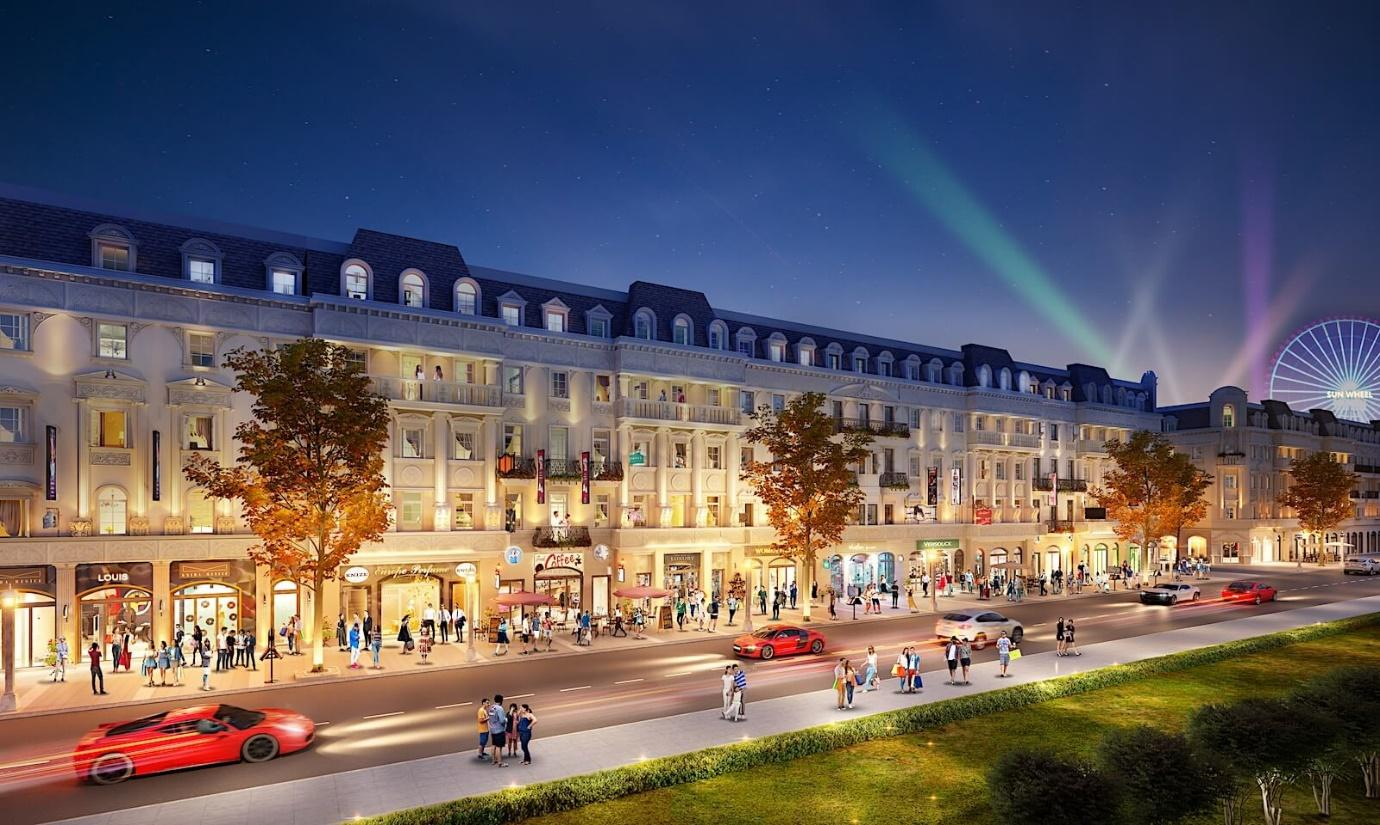
Shophouse is a prominent commercial townhouse model currently. (Source: Compiled)
4. Opportunities and risks when investing based on infrastructure
4.1. Opportunities
The strong development of transportation infrastructure is opening up many opportunities for the real estate market in areas directly benefiting from expressways, airports, seaports, and inter-regional connection routes. As mobility and trade capabilities improve, the demand for housing, commercial, resort, and logistics also increases more clearly, creating momentum for many real estate segments to develop in the long term.
One of the infrastructure projects most prominently affecting the real estate market currently are those that help expand urban space and form new economic centers. Areas located near expressways, airports, or ring roads often have better potential for value increase thanks to convenient connectivity and growing investment appeal.
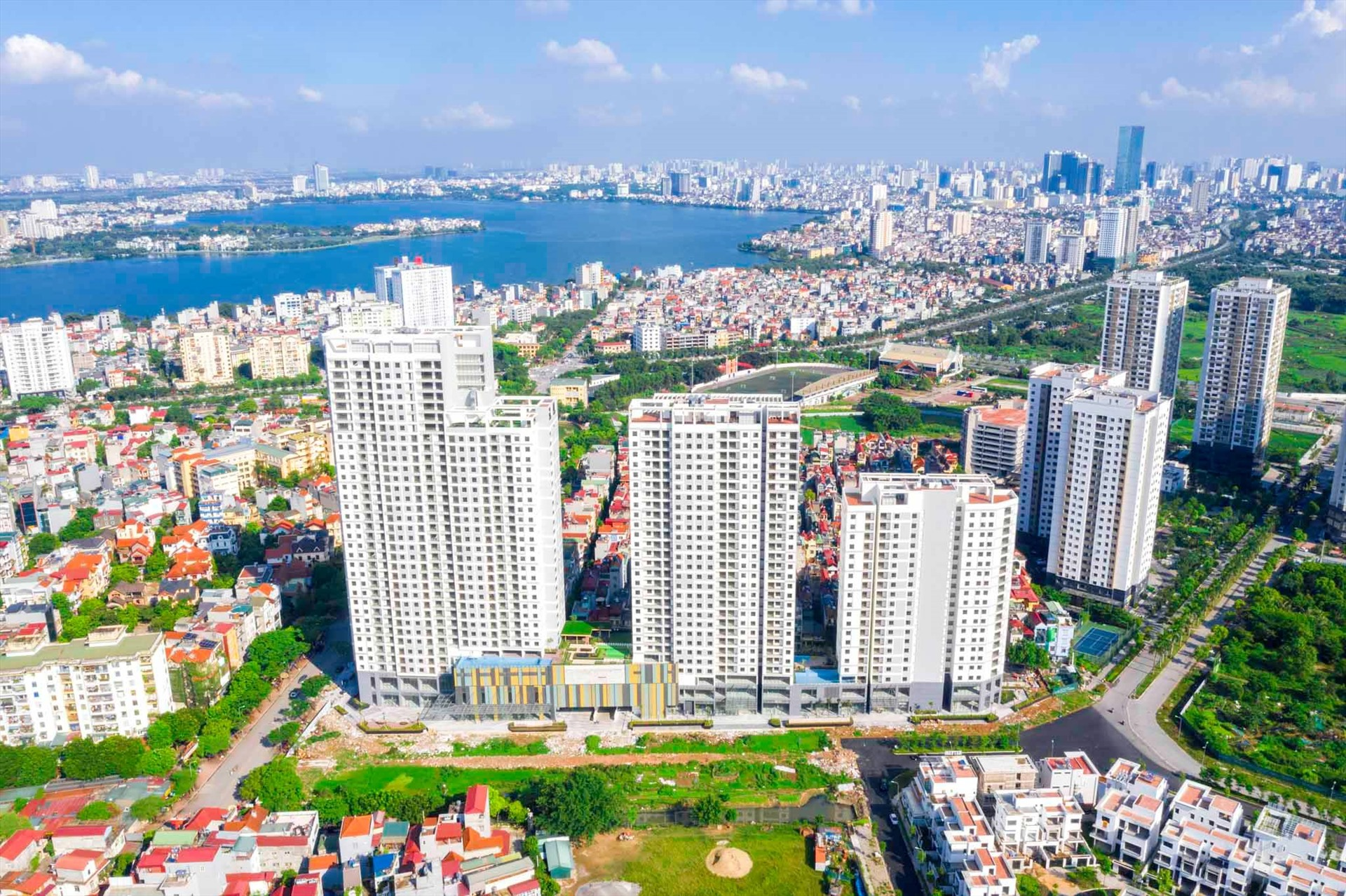
Investment based on infrastructure opens up opportunities for future real estate value increase. (Source: Collected)
4.2. Risks
However, infrastructure-based investment also comes with quite a few risks if investors follow the “land fever” mentality or expect short-term price increases. Not every area with planning information will develop as quickly as expected, especially in places where infrastructure is slow to be implemented or where there is no clear actual exploitation demand yet.
Besides, investors should prioritize projects with transparent legal status, locations that directly benefit from infrastructure, and good long-term exploitation potential. Monitoring the actual progress of transportation projects, assessing connectivity, and urban development needs will help limit risks and optimize future investment efficiency.
It can be seen that infrastructure projects affecting the real estate market are playing an important role in changing the urban landscape and investment trends in many areas. As highway systems, airports, ring roads, and inter-regional infrastructure continue to be completed, the real estate market is expected to have more growth opportunities, especially in localities that directly benefit from improved connectivity and new economic development.