


Investing in land near subway stations: Opportunity or risk?
Investing in land near subway stations is becoming a trend due to developing transportation infrastructure and the potential for real estate price appreciation over time. However, not all areas near the metro deliver the expected investment returns.

▲Table of Contents
1. What are the benefits of investing in land near metro stations?
The development of the metro system is creating many significant changes for the urban real estate market. In particular, investing in land near metro stations is considered a trend attracting the attention of many investors thanks to advantages in infrastructure, connectivity, and practical exploitation potential. As metro lines are gradually completed, the value of real estate around station areas also tends to increase with the process of urban development.
1.1. Potential for price increase according to infrastructure progress
One of the biggest benefits of investing in land near a subway station is the potential for price appreciation according to infrastructure development progress. When a metro project is implemented, the surrounding areas are often upgraded synchronously in terms of transportation, amenities, and urban landscape.
Evidence shows that many areas around metro lines often record a clear price increase from the planning stage until the train line officially operates. This is a factor that leads many investors to choose to anticipate infrastructure development to seek long-term growth potential.
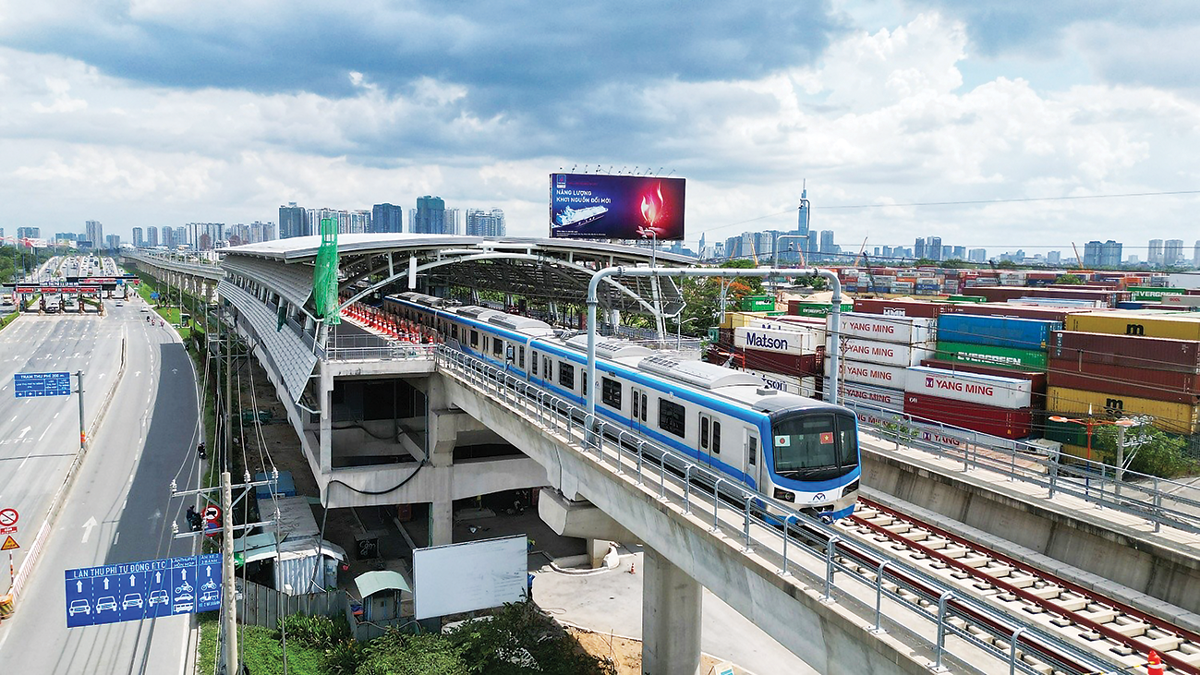
Land prices in areas along the subway line are skyrocketing. (Source: Collected)
1.2. Better liquidity compared to many other areas
Real estate located near subway stations usually has good liquidity due to high demand for both self-occupation and investment. Convenient mobility helps this area attract homebuyers, tenants, as well as business and service activities.
Compared to many areas far from the center or with fewer transportation advantages, land near the metro is usually easier to buy, sell, or transfer. This is an important factor that helps investors be more flexible in the process of holding or exploiting assets.
1.3. Potential for rental and business operations
Besides the potential for price appreciation, investing in land near metro stations also offers quite diverse business development opportunities. Areas with large foot traffic are often suitable for developing shops, eateries, offices, rental apartments, or types of services catering to travel and living needs.
When the metro system operates stably, the number of residents and travelers around the stations usually increases significantly. This is a favorable condition that helps real estate near the metro generate actual operating income alongside long-term growth value.
2. Factors Affecting Land Prices Near Metro Stations
Not all properties near the metro line have the same price increase. In reality, the value of the area around the subway station depends on many factors such as location, infrastructure, urban development speed, and actual demand. Therefore, when investing in land near the subway station, investors need to evaluate many factors overall instead of just relying on the information that a metro line passes through.
2.1. Distance to the station
The distance to the subway station is a factor that directly affects land prices. Properties located within a convenient distance to the station are often valued higher due to the advantage of transportation connectivity.
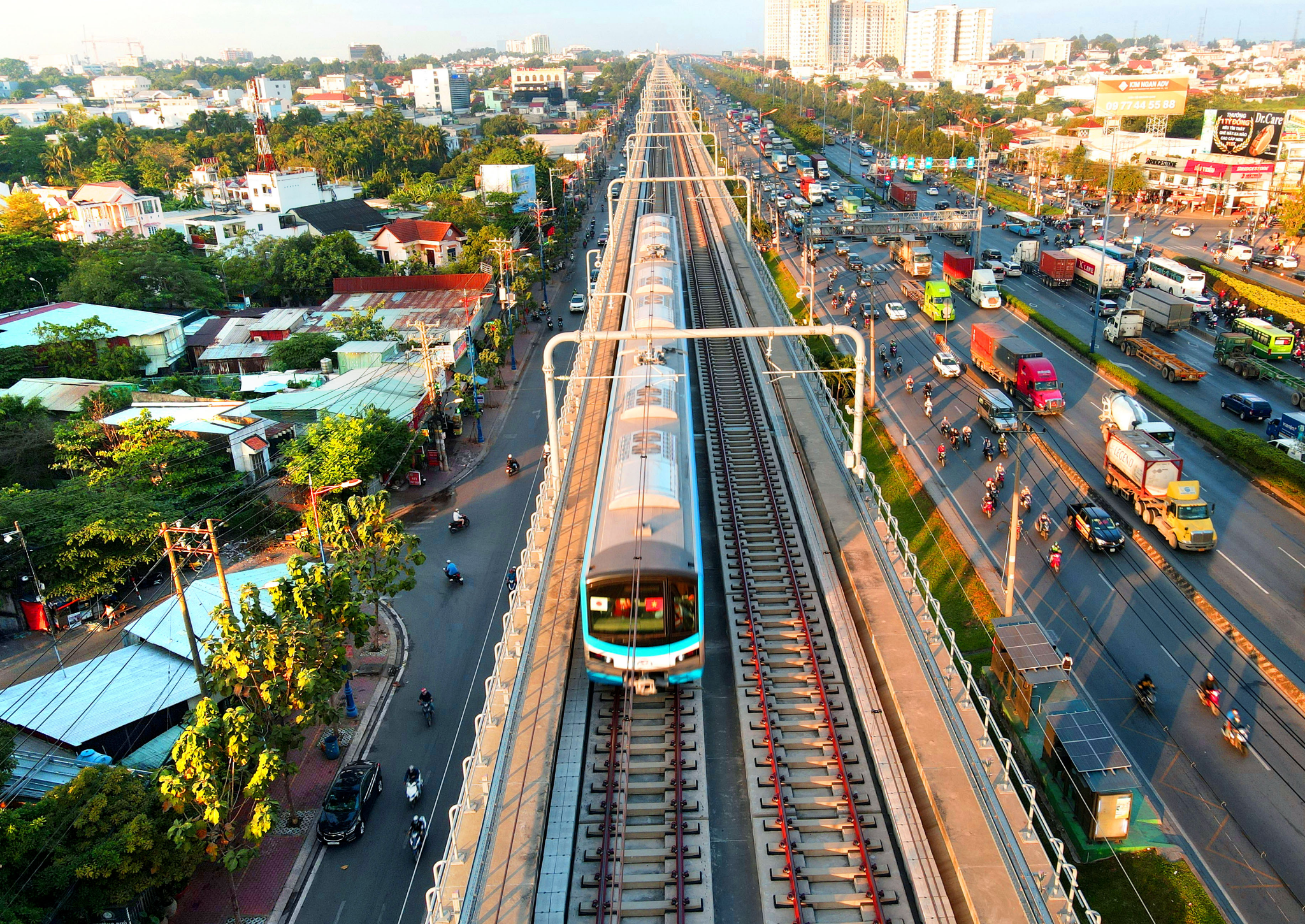
Areas within convenient travel distance to the station usually have higher prices. (Source: Collected)
However, being too close to the station can sometimes lead to limitations such as noise, traffic density, or population pressure. Therefore, areas that are a moderate distance from the station but still ensure convenient travel are often preferred by many people.
2.2. Metro Line Implementation Progress
The construction and operation progress of the metro line also greatly affects land prices in the surrounding areas. During the planning announcement phase, the market often experiences a 'buy-ahead' sentiment, causing real estate prices to increase rapidly.
However, if the project is delayed or construction is prolonged, the market can be affected, and land prices may not increase as expected. Therefore, investors should prioritize areas with clear implementation progress and high actual operational potential.
2.3. Urban Planning and Surrounding Amenities
Areas with synchronized planning for infrastructure, commercial, and public amenities often have better price appreciation potential. When the metro is accompanied by projects like commercial centers, residential areas, parks, or offices, the attractiveness of real estate around the station also increases significantly.
Besides transportation factors, the quality of the living environment and surrounding amenity systems also greatly influence actual housing demand and real estate utilization potential.
2.4. Population density and actual demand
Areas with high population density or high travel demand tend to benefit more from metro systems. When a large number of people live and work in concentrated areas, demand for housing, rentals, and services around stations also increases.
Conversely, areas with underdeveloped infrastructure or sparse populations may take longer to see property values increase, even with a metro line passing through.
3. Risks of investing in land near subway stations
Besides the potential for price increase, investing in land near subway stations also carries many risks that investors need to carefully consider before investing. Reality shows that not a few areas have experienced strong price increases according to metro planning information, but then the market quickly stagnated due to a lack of actual development factors or the project being implemented slower than expected.
3.1. Land fever based on infrastructure rumors
When information about planning or expansion of metro lines appears, the real estate market around station areas often experiences land fever. Many brokers and investors take advantage of the anticipation of infrastructure development to push real estate prices up in a short period.
However, not all areas with metro lines passing through experience sustainable price increases. If investors buy based on herd mentality without thoroughly researching planning and actual demand, they are very likely to purchase real estate that has been overpriced.
3.2. Project timeline is extended
A fairly common risk when investing around metro lines is that project timelines can stretch for many years. Delays in construction or postponed operational start dates significantly affect market price expectations.
During the waiting period, many areas may experience slow liquidity or stagnant prices, especially in places lacking synchronized infrastructure and where genuine demand for housing is not yet high.
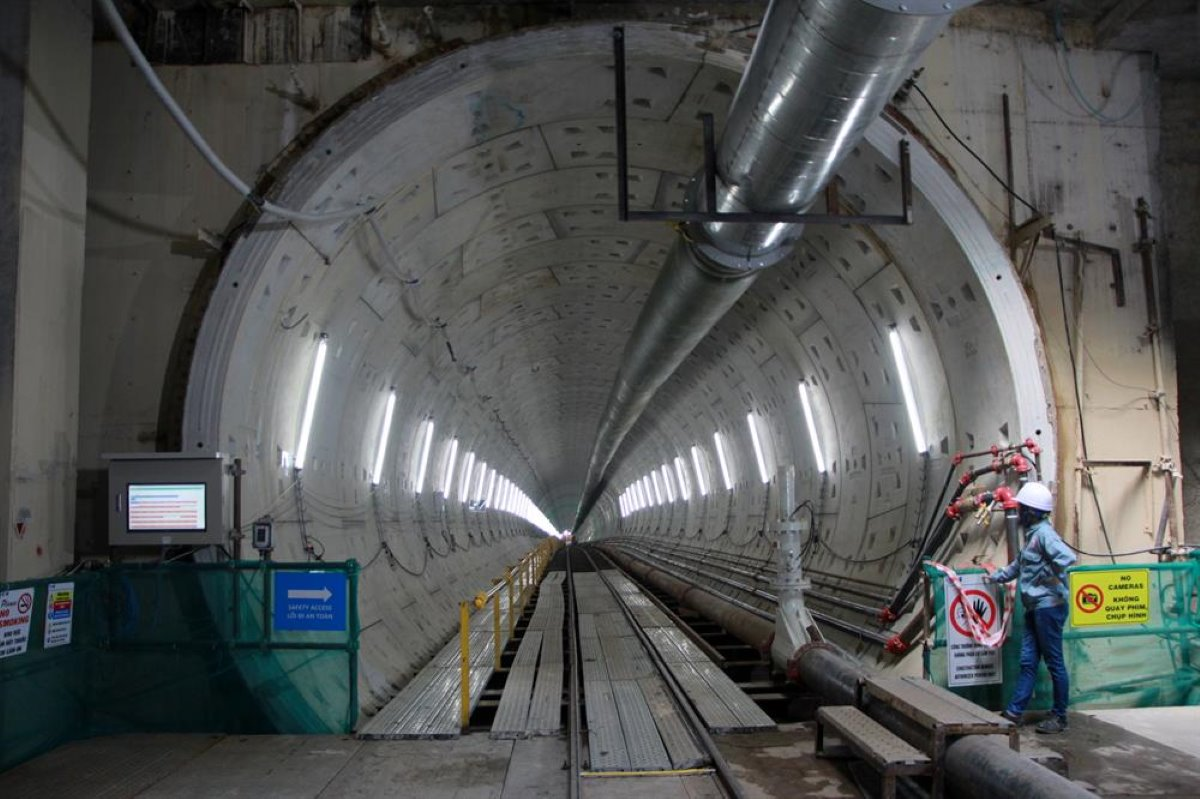
Land prices near subway stations depend significantly on the construction time of the project. (Source: Collected)
3.3. Land Prices Driven Above Real Value
In many areas with planned metro development, land prices can increase rapidly even though the actual infrastructure and amenities are not yet complete. This causes the price level to be pushed beyond the actual use value and exploitation potential of the real estate.
When the market cools down, real estate that has increased in price mainly due to speculative sentiment is often difficult to liquidate or prone to sharp price drops. Therefore, investors should carefully assess long-term development potential rather than just expecting short-term infrastructure effects.
4. Effective experience investing in land near the metro
To limit risks and optimize profitability, investors need a suitable strategy when investing in land near the metro station . Instead of following crowd psychology or short-term booms, carefully evaluating planning, legal aspects, and actual development potential will make the investment process safer and more sustainable.
4.1. Prioritize areas with clear planning
Investors should prioritize areas with transparent planning information and specific implementation progress. These are often places with stable development potential and limited risks related to stalled planning or delayed projects.
Besides the metro line, attention should also be paid to connecting transportation systems and surrounding utility projects. Areas with integrated development often have better potential for price appreciation and practical exploitation in the long term.
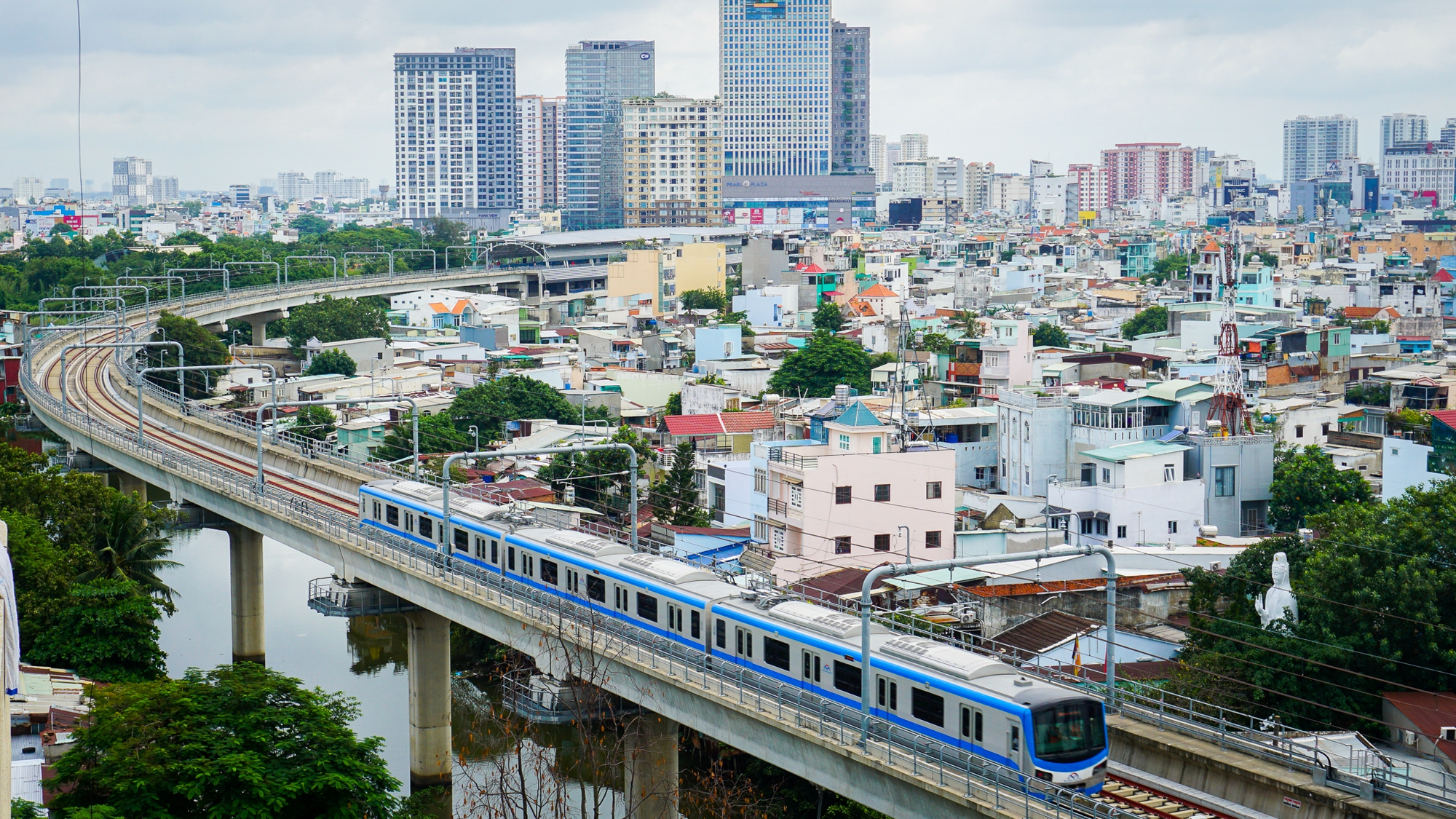
Investors should prioritize land areas with clear planning. (Source: Collected)
4.2. Legal verification and practical exploitation feasibility
Before investing money, investors should carefully check the legal status of the real estate, such as the red book (land use rights certificate), land use planning, or construction feasibility. This is an important step to limit risks related to disputes or difficulties in future transfers.
In addition, it is necessary to assess the actual exploitation potential of the area instead of just expecting based on infrastructure information. Areas with real housing demand, stable business, or rental demand usually bring more sustainable value.
4.3. Investing with a medium and long-term vision
Metro infrastructure usually takes a long time to complete and become effective for the real estate market. Therefore, investors should determine a medium or long-term strategy instead of expecting quick profits in a short period.
Areas with good urbanization rates and stable population growth usually have more sustainable growth over time. This is also a way to help investors limit the impact from short-term market fluctuations.
It can be seen that investing in land near metro stations is becoming a trend of great interest to many investors thanks to advantages in transportation infrastructure, connectivity, and long-term price appreciation potential. However, alongside profit opportunities, investors also need to carefully consider factors such as planning, legal aspects, and the actual demand of the area to mitigate risks. Choosing the right location and building a suitable investment strategy will help optimize operational efficiency and increase real estate value over time.