


Investment strategy for second home wellness projects leading the trend
Amidst the modern, high-pressure pace of life, second home wellness projects are becoming an ideal choice for those seeking balance. More than just a vacation spot, they are also assets that accumulate sustainable value, following the trend of healthy and green living.

▲Table of Contents
1. The Overall Picture of Second Home Wellness in Vietnam
1.1. Identifying the Second Home Wellness Product Segment
Second home wellness is a type of resort real estate that combines physical and mental health care, aiming for a living space balanced between nature, therapeutic facilities, and long-term resort experiences. In that context, second home wellness projects are often developed as a second home, serving periodic vacation needs, while also bringing energy recovery value to users. This type is gradually forming its own segment in the resort real estate market in Vietnam with a positioning linked to health factors.
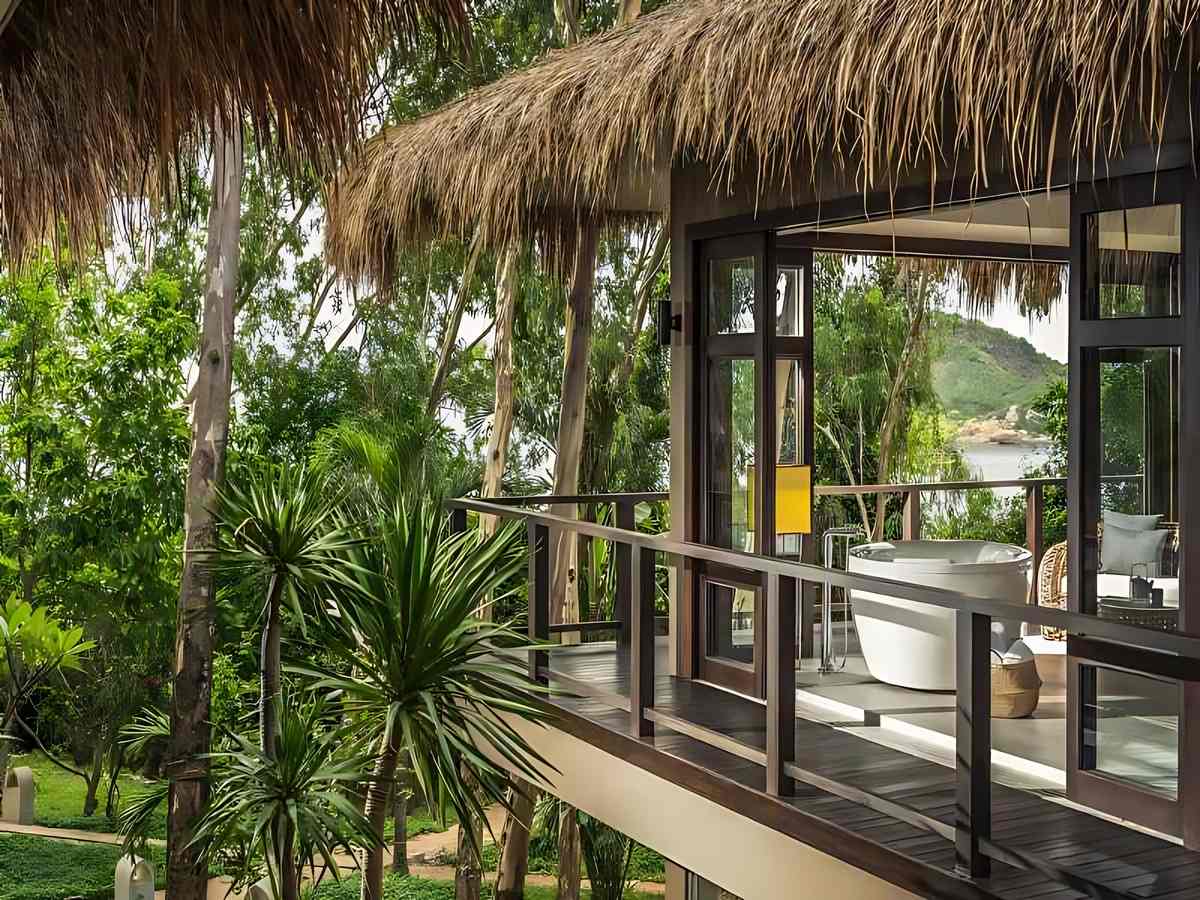
Second home wellness is resort real estate combined with wellness. (Source: Collected)
Unlike previous purely short-term accommodation models, second home wellness is now clearly identified as a multi-functional asset. According to the provisions of the Housing Law No. 27/2023/QH15 and guiding documents on operation and management, this product line optimizes long-term personal usage rights combined with commercial exploitation. The product targets customers who are not just buying an apartment, but buying a "restoration ecosystem" with legal ownership guarantees and professional international standard operation.
1.2. Drivers of the second home wellness trend
Following global fluctuations, the demand for healthy living and the search for safe, nature-close living spaces have sharply increased in consumer behavior. In that context, second home wellness projects have become a suitable choice for the trend of balanced living between long-term leisure, work, and healthcare. This creates strong development momentum for the wellness real estate segment in Vietnam.
Furthermore, the rise of the wealthy class and the trend of moving away from crowded urban areas have driven the demand for second homes. Many investors are looking for products that serve both personal vacation needs and can generate economic benefits from tourism. These factors contribute to expanding the scale and attractiveness of the wellness second home market in recent times.
1.3. Current supply situation in the market
By 2026, the wellness real estate supply in Vietnam has undergone a strong qualitative transformation. Driven by the Planning Law and sustainable development policies, second home wellness projects are no longer fragmented but are concentrated into integrated mega-cities. This segment has moved past its initial phase, forming a more fiercely competitive market, where developers must demonstrate practical operational capabilities and international green certifications to attract capital from investors with stringent health standards.
Current projects are often implemented on a large scale, integrating many amenities to meet the needs of long-term health care and resort stays. However, the number of products meeting wellness standards is still small compared to the increasing market demand. This is the basis for showing that the development potential of this segment in the future is still quite broad.
2. Nhung yeu to then chot tao nen dang cap cua mot dinh thu wellness
2.1. Chuan muc song wellness living giao thoa giua tinh tai va tien nghi
Living spaces in wellness projects are designed with an ecological orientation, prioritizing natural elements to improve living environment quality and support long-term health. Among these, second home wellness projects often optimize natural light, air circulation, and green landscape arrangements to create a relaxing feeling. These elements contribute to enhancing the living experience for residents.
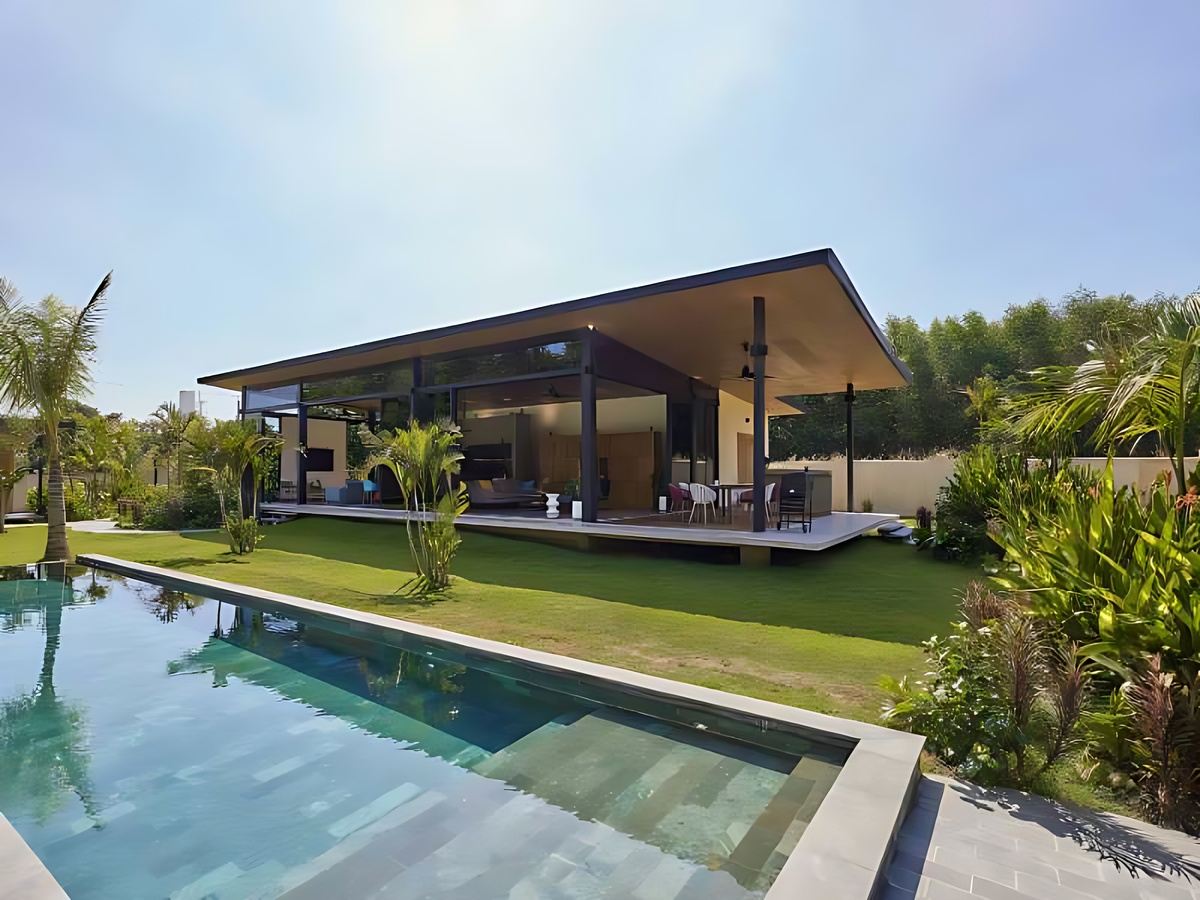
Second home wellness brings a living space that optimizes physical and mental health. (Source: Collected)
2.2. Exclusive specialized therapy with a modern biomedical care ecosystem
The utility system at second home wellness projects does not stop at ordinary gyms or spas but is elevated to high-tech therapy centers. Owners will experience personalized treatments such as hydrotherapy, thermotherapy, or infrared saunas to detoxify cells. Besides, the presence of herb gardens and custom-designed organic nutrition menus helps balance nutrients from within.
Each service is operated by an experienced team of medical experts and health coordinators to ensure optimal effectiveness. The integration between modern technology and traditional medicine creates a closed-loop healthcare circle right at your doorstep. This is precisely the intangible but most valuable asset that discerning investors always seek to protect their most precious asset: health.
2.3. International Management Standards
The difference of a wellness second home lies in the operating unit with strict standards for dedicated service. Top global hotel management brands will ensure every touchpoint from reception to the stay process is perfect. Living spaces are always maintained in an ideal state of temperature, humidity, and characteristic essential oil scents to help relax the mind.
3. Investment strategy of the wellness second home model
3.1. Explosive growth prospects of the health-focused resort model
Wellness real estate is assessed to have stable growth potential thanks to its link to the real need for health and a quality living environment. Among which, wellness second home projects not only serve for vacationing but also meet the green living trend that is spreading in modern society. This helps the segment maintain its long-term appeal.
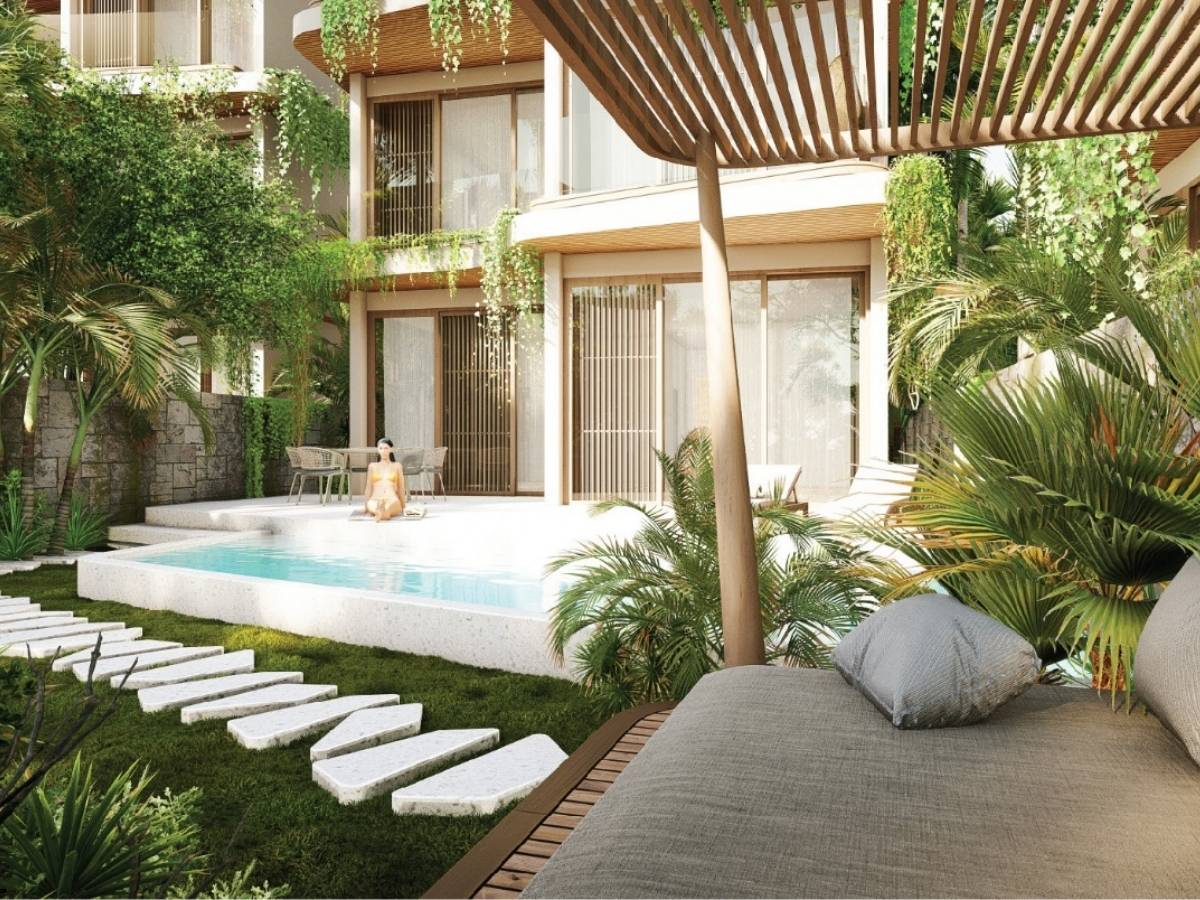
Second home wellness has potential for sustainable growth due to health needs. (Source: Compilation)
This trend reflects a change in the perception of quality of life and consumers' demand for real estate usage. The price retention ability of wellness real estate is supported by practical demand and high applicability. This is an important basis helping this segment develop stably in the future.
3.2. Flexible operational solutions and strategies for creating passive income
Second home wellness can be flexibly exploited for rent in various forms such as short-term or long-term depending on market demand and operational strategy. With a second home wellness project, investors can leverage peak tourist seasons to enhance operational performance. This helps optimize cash flow from the asset.
Furthermore, cooperating with professional operating units helps reduce management pressure and improve actual exploitation efficiency. This model allows for a balance between personal usage needs and profit goals. This is one of the notable advantages of the second home wellness segment.
3.3. Advantages from projects with a synchronized ecosystem
Planned projects within a synchronized ecosystem including resorts, entertainment, and commercial activities often have a better ability to attract customers. Among these, second home wellness projects linked to a large ecosystem help enhance customer experience and extend their stay duration. This contributes to improving operational efficiency.

Second home wellness projects benefit from an integrated ecosystem and diverse amenities. (Source: Collected)
Projects integrating numerous amenities and services often create a distinct competitive advantage in the resort real estate market. A complete ecosystem helps increase spending and the repeat guest rate. This is a crucial factor in increasing asset value over time.
4. Screening Criteria for Second Home Wellness Projects for Smart Investors
4.1. Prime Location Where Pristine Nature Meets Tourism Infrastructure
Location is an important factor when choosing wellness real estate, especially areas near the sea, mountains, lakes, or natural ecological zones. In particular, second home wellness projects in areas with a stable tourist flow often have better exploitation potential. This helps ensure use and investment value. Furthermore, infrastructure development potential also directly affects real estate value in the long term. Areas with convenient transportation connections often attract strong investment capital.
4.2. Guarantee of trust from the capacity of the investor and international operator
When choosing wellness real estate, the developer's reputation is a decisive factor to ensure the project is realized as committed. A developer with strong financial potential will be capable of realizing complex and costly infrastructure and amenities such as a detox center or hot spring area. Furthermore, signing cooperation agreements with reputable international operating units is a nod of confirmation for the project's exploitation potential.
A reputable management unit not only preserves asset value over time but also has a global loyal customer network, helping to ensure rental income. Projects combining these "two giants" often possess extremely high liquidity and good resilience against market fluctuations. Investors should carefully check the handover history of completed projects to assess the accuracy of actual operational management. A strong brand in the market is a "guarantee card" that keeps investment capital safe and generates sustainable profits.
4.3. Analysis of the investment financial problem
When investing in wellness real estate, it is necessary to evaluate asset value over time based on location, amenities, and actual exploitation potential. For a second home wellness project, cash flow from rental activities plays an important role in ensuring long-term investment efficiency. This helps balance usage needs with profitability goals.

Investment in second home wellness requires careful analysis of the financial problem and cash flow. (Source: Collected)
Furthermore, operating, maintenance, and asset management costs need to be carefully calculated to avoid affecting profits. The return on investment depends on many factors such as occupancy rates and rental prices. This is an important basis for building a suitable investment strategy.
4.4. Legal barriers and project transparency
Legality is an essential foundation when investing in resort real estate in the new context. Currently, second home wellness projects have a transparent legal framework according to the Land Law No. 31/2024/QH15 and the Real Estate Business Law No. 29/2023/QH15. Accordingly, multi-functional real estate types (condotels, wellness villas) built on commercial and service land, if eligible, will be granted a Certificate of Ownership of Assets Attached to Land in accordance with the land use purpose and project duration (usually 50-70 years). Understanding the regulations on issuing
In the context of the increasing demand for quality living, second home wellness projects open up new directions for both owner-occupiers and investors. The combination of resort, healthcare, and asset value makes this type of property a considerable choice in a long-term strategy.