


Is it safe to buy resettlement land without a land title deed?
Resettlement land typically comes with lower prices and stable infrastructure. However, purchasing resettlement land without a red book (land use rights certificate) poses many risks if the buyer does not clearly understand the transfer conditions and related legal regulations.

▲Table of Contents
1. Legal characteristics of resettlement land
1.1. Origin and purpose of granting resettlement land
Resettlement land is a land fund allocated by the state to households or individuals whose land is acquired to serve infrastructure development, urban, or public works projects. The purpose of this policy is to help people stabilize their housing and ensure living conditions after their old land is acquired. Therefore, resettlement land is often associated with administrative decisions and specific management processes of state agencies.

Resettlement land is granted to stabilize housing after land acquisition. (Source: Collected)
When researching buying resettlement land without a red book, many people realize that this type of land has a different legal origin from ordinary land traded on the market. Recipients of resettlement land often have to complete financial obligations and related procedures before being granted a land use rights certificate. This makes the transfer of resettlement land often subject to stricter conditions compared to other types of residential land.
1.2. Time of receiving the red book
With the removal of the land price framework and the application of Land price table close to market price from 2026, the financial obligations for resettlement land could change significantly if payment procedures are not yet completed. If buyers do not carefully check whether that resettlement entitlement falls under the category of "owing land use fees" or "recorded as debt", they may face a huge additional payment according to the new land price table at the time of land title issuance, losing the initial "bargain price" advantage.
In reality, there are many cases where people have received land allocation decisions but have not yet been granted the red book (land use rights certificate) immediately due to missing administrative procedures or pending documentation. This leads to many transactions arising from the need to buy resettlement land without a red book, although in principle, the law requires a certificate to be issued before transfer rights can be exercised. Understanding the timing of certificate issuance helps buyers correctly assess the legal status of the land plot before transacting.
1.3. Legal risks of "Authorization Contract" and "Handwritten Agreement" in 2026
According to the provisions of Land Law 2024, the condition to exercise the right of compulsory transfer is to have a Certificate (Red Book/Pink Book). Circumventing the law through an "Authorization Contract for Disposal" is currently strictly controlled. If the person named on the resettlement allotment suddenly passes away, the authorization contract will automatically terminate according to the provisions of the Civil Code, leading to the buyer losing all control over the asset. Furthermore, tax authorities are currently implementing double collection of personal income tax for authorization transactions that show signs of sale.

Transferable only when all legal conditions are met. (Source: Collected)
In that context, buying resettlement land without a red book is often done through civil agreements such as handwritten contracts or power of attorney. These forms do not fully meet the legal conditions for a land use right transfer contract according to current regulations. Therefore, the buyer's rights in such transactions are often not fully protected by law if disputes arise.
2. Risks of buying resettlement land without a red book
2.1. Cannot be notarized and transferred
One of the common risks when buying resettlement land without a red book is that the transaction is not eligible for notarization of the transfer contract. According to legal regulations, a real estate purchase contract must be notarized or certified to be legally valid. When the land plot does not have a certificate, the notary office often cannot confirm the transaction.
In many cases, parties can only make handwritten notes or civil agreements to record the sale. These documents do not have legal value equivalent to a notarized transfer contract and are not eligible for the name transfer procedure. This makes it difficult for the buyer to prove land use rights when disputes arise or subsequent transactions are needed.
2.2. Risk of revocation or change in planning
Another risk associated with buying resettlement land without a red book is the possibility that the land area is still in the phase of infrastructure completion or planning adjustments. Some resettlement areas may not have completed legal procedures or have not been fully approved for detailed planning. In such cases, the issuance of the red book may be delayed or changed according to new management decisions.
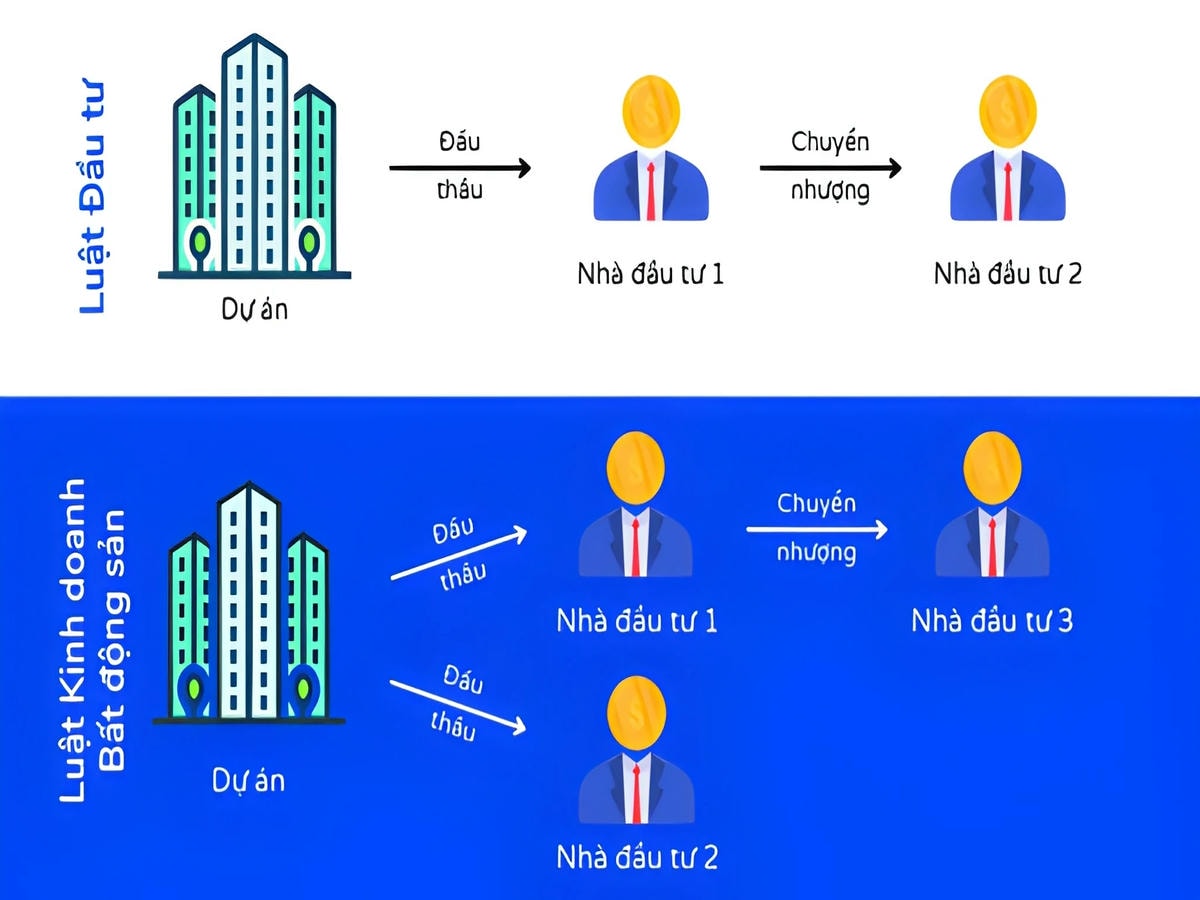
Potential risks due to incomplete planning or procedures. (Source: Collected)
Additionally, if the resettlement land plot is undergoing planning review or adjustment, buyers may have to wait longer to complete the land title application process. During this period, land use rights remain registered under the name of the original land recipient. This can expose buyers to risks if there are changes in policies or conditions for issuing the certificate.
2.3. Cannot secure bank loans and low liquidity
The ability to access bank loans is also an affected factor when buying resettlement land without a red book . Most banks only accept mortgages on real estate that has been legally granted a land use rights certificate. When the land plot does not have a red book, the asset is usually not eligible to serve as collateral for a loan.
Besides the issue of borrowing capital, the liquidity of this type of asset is also often lower compared to land with a red book. Secondary buyers are often cautious when approaching real estate with incomplete legal documents due to concerns about risks. Therefore, reselling resettlement land without a red book is often more difficult and the selling price may be lower than for land with complete legal status.
3. Cases where transactions can be considered
3.1. Land allocation decision and receipt of completed financial obligations
In some situations, buying resettlement land without a red book can be considered if the seller has the full land allocation decision and proof of completion of financial obligations. These documents show that the person allocated the land has fulfilled the necessary obligations to be granted the certificate. This helps the buyer assess the possibility of obtaining a red book in the future.
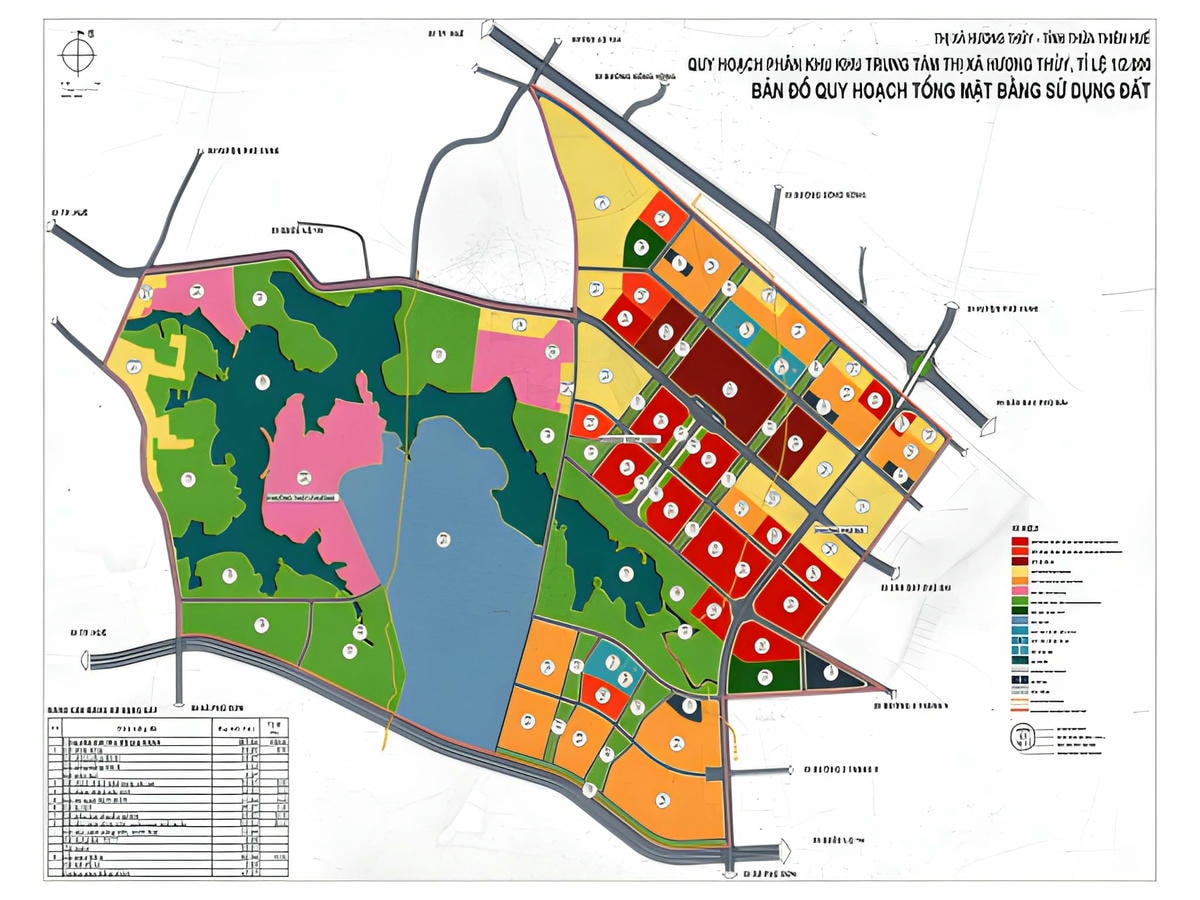
May be considered if financial obligations have been completed. (Source: Collected)
However, buyers need to check the original documents such as land allocation decisions, land use fee payment receipts, and other related documents. Additionally, verifying information at the district-level land management agencies also helps ensure that the land plot is in the process of being legally certified. When this information is clearly confirmed, the transaction's risk level can be significantly reduced.
3.2. Have a clear binding agreement on title deed issuance
Some transactions for resettlement land purchase without a land use rights certificate are carried out when both parties have a clear agreement on the responsibility for issuing the certificate and transferring ownership after the certificate is granted. This agreement is usually documented in a deposit contract or a commitment document between the parties. The contract content may stipulate the seller's responsibility in completing the certificate issuance procedures.
Additionally, the deposit contract usually specifies the deadline for completing procedures and the mechanism for handling cases where the seller fails to fulfill their commitments. These clauses help protect the buyer's rights in case the title issuance process is prolonged or disputes arise. Establishing a strict agreement helps reduce risks when transacting real estate with incomplete legal documentation.
3.3. Significantly lower price compared to land with a title deed
Some people consider buying resettlement land without a red book when the selling price is significantly lower than plots with certificates in the same area. This price difference often reflects the level of legal risk and the waiting time to complete the certificate issuance procedures. If the buyer accepts the wait and clearly understands the legal status of the plot, the low price can become a factor worth considering.

Low prices come with waiting times and legal risks. (Source: Collected)
However, comparing price differences needs to be accompanied by an assessment of incurred costs and potential risks. If the land title issuance process is prolonged or disputes arise, the initial price advantage may become insignificant. Therefore, seeking legal advice before transacting is often considered a necessary step to minimize risks.
4. Solutions to minimize risks when buying resettlement land
4.1. Checking information at competent authorities
One of the important measures when buying resettlement land without a red book is to verify information at the district-level land management agency where the land is located. Checking zoning, the status of title deed issuance, and outstanding financial obligations helps the buyer clearly understand the legal status of the land plot. This information often cannot be fully determined solely through the seller's commitment.
Additionally, land management agencies can provide information about the progress of certificate issuance and the conditions that need to be met before the issuance of the title deed. When buyers directly check data at the competent authorities, the likelihood of detecting potential legal issues will be higher. This helps limit risks when transacting real estate with incomplete legal records.
4.2. Clearly agree on responsibilities and the deadline for title deed issuance
When conducting transactions for buying resettlement land without a red book, the deposit contract or agreement between parties should clearly stipulate the responsibility for issuing the certificate and the deadline for completing procedures. The contract content can specify that the seller is responsible for submitting the application for the certificate and fulfilling remaining financial obligations. These clauses help clearly define the responsibilities of each party in the legal completion process.
Additionally, the contract may also stipulate remedies if the seller fails to fulfill their commitments within the agreed timeframe. For example, the parties can agree on penalty amounts or a transaction cancellation mechanism if the issuance of the title deed is excessively delayed. These provisions help minimize disputes and create a clear legal basis for the transaction process.
4.3. Prioritize products with complete legal status and synchronized planning
In the current real estate market, the trend for many buyers is to prioritize properties with clear legal documentation and complete certificates. Properties with finalized legal status often facilitate buyers in obtaining loans, transferring ownership, and proving property rights. Consequently, plots of land that already possess a "so do" (land use rights certificate) tend to have higher market liquidity.

It is advisable to prioritize properties with clear legal status and stable planning. (Source: Collected)
Therefore, when considering buying resettlement land without a land title deed, many people choose to compare with properties with completed legal status in the same area to assess the level of risk. Projects with synchronized planning, complete infrastructure, and transparent legal records usually bring higher stability to buyers. This trend reflects the increasing caution of the market towards assets with incomplete legal documents.
Should you buy resettlement land without a land title deed? In 2026, the answer is minimize it as much as possible. With the transparency of the National Land Information System, legal checks have become easier. If you still decide to buy, you must make a notarized deposit and bind the payment terms according to the issuance progress of the title deed. However, the safest option is still to prioritize resettlement plots that have already been issued with title deeds in individual names to be absolutely protected by law under the 2024 Land Law.