


Is living in a low-lying area good from a practical perspective?
When choosing a place to settle down, many people wonder if building a home in low-lying areas is advisable due to concerns about flooding and feng shui. In reality, constructing a house in such areas requires careful consideration of many factors to ensure safety and long-term quality of life.

▲Table of Contents
1. Is housing in low-lying areas good according to natural conditions
1.1. Characteristics of low-lying areas in construction
Low-lying areas are often characterized by terrain lower than the general ground level, prone to rainwater accumulation, and having weak soil foundations that affect the load-bearing capacity of structures. These areas were often previously ponds, lakes, or alluvial plains, resulting in low geological stability and requiring thorough surveys before construction. The low terrain causes water to easily gather, leading to prolonged stagnation and increased soil moisture, thereby affecting the foundation structure and the durability of the construction over time.
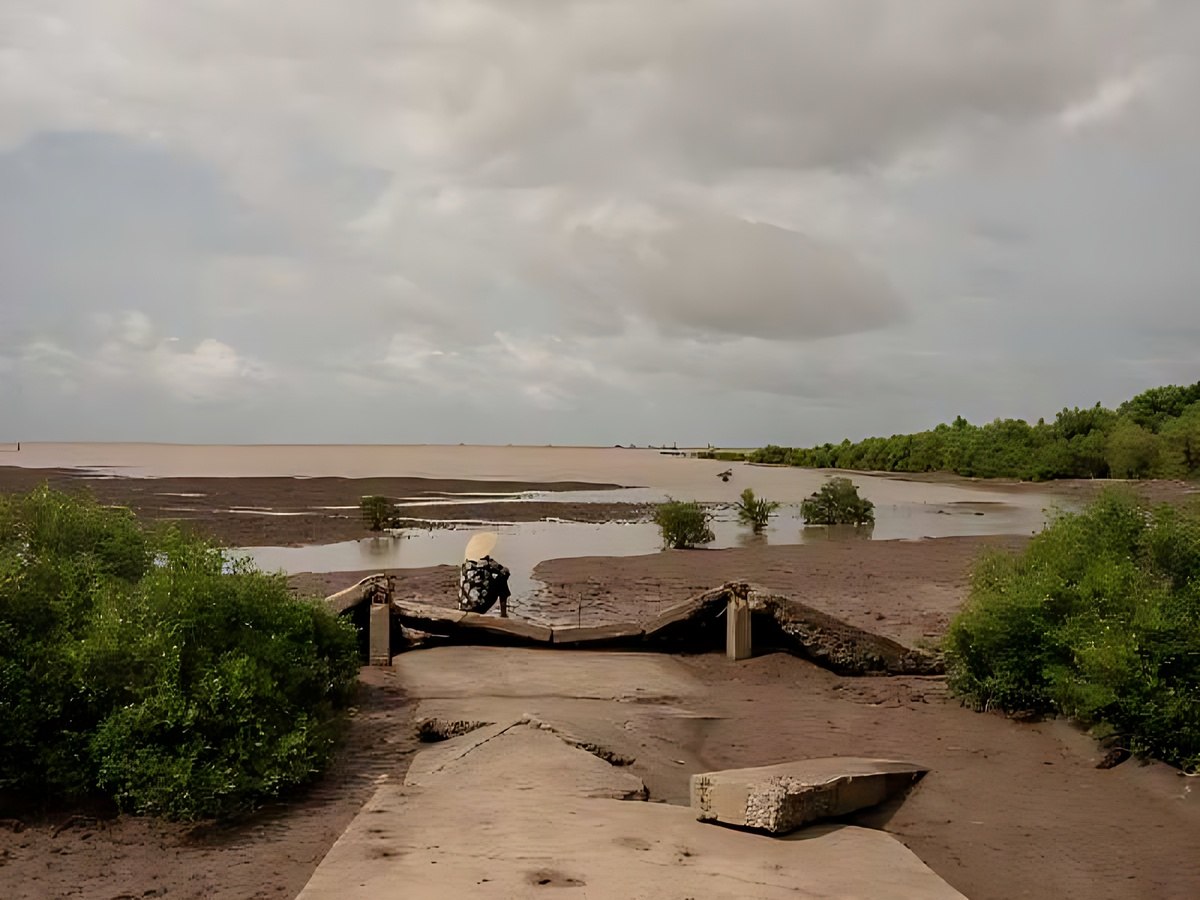
Low-lying land with a weak foundation, prone to flooding, requires thorough investigation before construction. (Source: Collected)
Besides topographical factors, low-lying land also often has high groundwater levels and poor natural drainage, causing the ground to easily become saturated during prolonged rain or storm surges. This increases the risk of subsidence, structural cracking, and requires more complex foundation treatment solutions compared to well-drained elevated areas in civil construction.
In many cases, land reclamation and foundation reinforcement using pre-stressed concrete piles or bored piles is mandatory. According to 2026 construction standards, the house's foundation level must be designed higher than the planned level of the alley or planned road by 0.5m to 0.8m to account for future road upgrades, ensuring stability and limiting long-term flooding risks. It should also be noted that raising the foundation too high can cause difficulties in maneuvering vehicles and affect the facade's aesthetics. 2026 solutions often prioritize the design of flexible steps or smart sloped floors to both prevent flooding and ensure ease of movement.
1.2. Environmental impacts on housing quality
Furthermore, the humid environment also creates conditions for mold and bacteria to grow, directly affecting indoor air quality and daily living experience. The lack of an effective drainage system also causes water to stagnate for a long time, increasing the risk of pollution and causing inconvenience in using living spaces. These factors need to be carefully considered during the selection and construction of housing in low-lying areas.
1.3. Impact on family life and health
When analyzing whether housing in low-lying areas is good, it can be seen that the impact on daily life is an easily noticeable factor in actual usage conditions. Prolonged flooding or dampness can cause inconvenience in movement and living, disrupting the family's daily activities. Furthermore, stagnant water can damage furniture, electrical equipment, and reduce the quality of the living environment indoors.

Low-lying land causes dampness and waterlogging, affecting daily life and health. (Source: Collected)
Not only that, a damp environment is also a favorable condition for insects to develop, thereby increasing the risk of affecting the health of family members. Problems such as allergies, respiratory illnesses, or prolonged discomfort can appear if living conditions are not well controlled. This shows that the selection and renovation of low-lying land need to be carefully considered in the context of long-term living.
2. Advantages and disadvantages of building on low-lying land
2.1. Some cost and location advantages
Additionally, some low-lying land areas are still located near existing residential areas or basic amenities such as transportation, markets, and schools, helping to ensure essential living needs. Choosing areas that already have planning and a relatively complete drainage system can help mitigate the limitations of low terrain. However, an overall assessment is needed to balance costs and actual living conditions. The cost of buying low-lying land may be 10-20% cheaper, but the cost of filling and leveling the land and reinforcing the foundation will often "consume" all the saved money. Therefore, this advantage only truly exists if the land price is significantly cheaper than the incurred construction costs.
2.2. Risks of flooding and foundations
When evaluating whether housing in low-lying areas is good, it is easy to see that risks of flooding and foundation issues are common problems that need careful consideration. Low-lying land has a high capacity to retain water, so when heavy rain or high tides occur, this area is prone to prolonged flooding and affects the structure of buildings. Weak soil also increases the risk of subsidence, cracked walls, and reduces safety during long-term use.
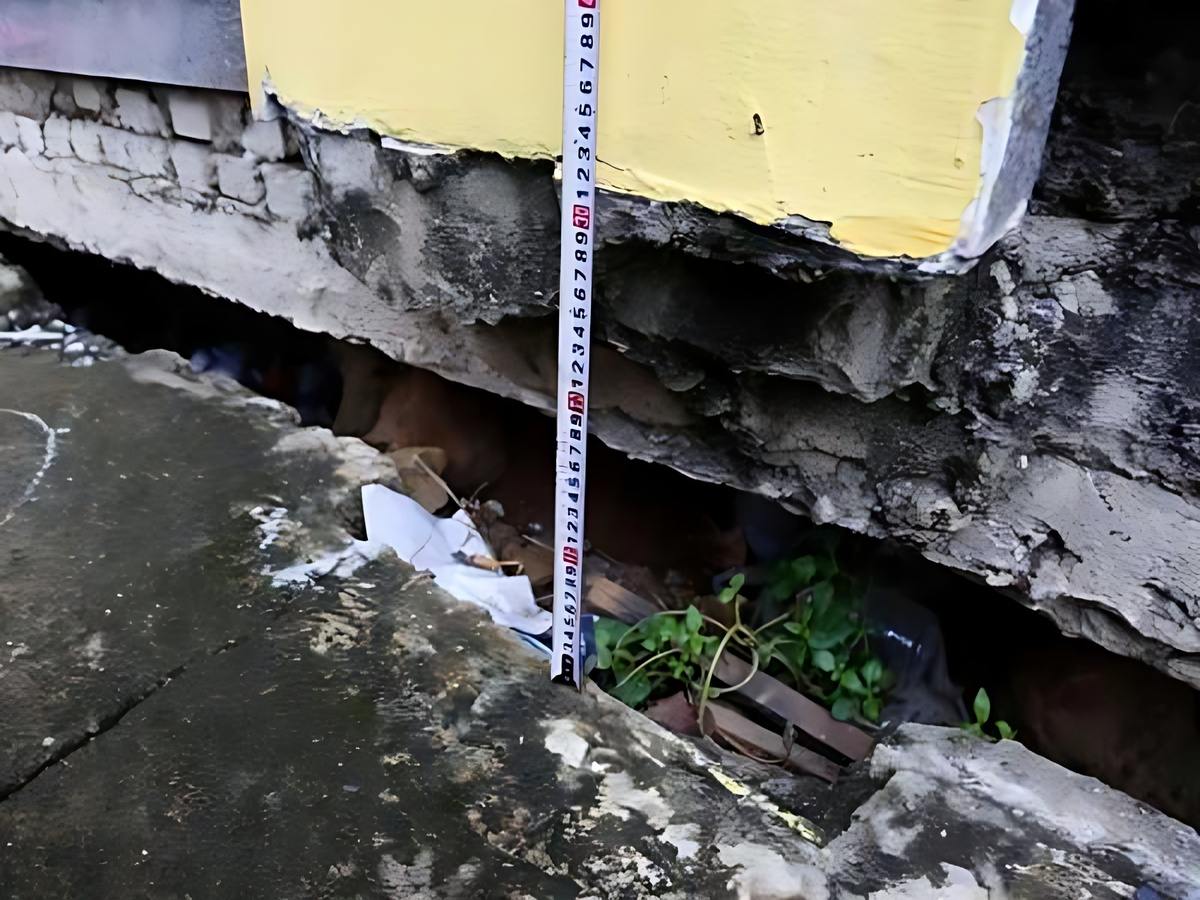
Low-lying and weak ground prone to flooding causes risks of structural subsidence. (Source: Collected)
Furthermore, prolonged water stagnation reduces the soil's bearing capacity and causes difficulties in house maintenance and repair. Foundation treatment costs (deep pile driving, bamboo pile reinforcement) and inverted waterproofing systems often account for an additional 15% - 25% of the total construction estimate compared to areas with firm ground.
In 2026, flood risk assessment must also consider urban tidal surge warning maps to implement proactive forced drainage solutions, preventing serious damage to structures and interiors. Foundations and waterlogging need to be carefully assessed before deciding to build.
2.3. Impact on Long-Term Real Estate Value
However, in cases where the area benefits from improved drainage systems, upgraded infrastructure, and synchronized planning, land values can still change over time. Monitoring planning and infrastructure development progress provides buyers with a stronger basis for assessing the land's potential. This indicates that location and infrastructure factors remain crucial alongside topographical characteristics.
3. Solutions for Building Safe Housing in Low-Lying Areas
3.1. Foundation Treatment and Ground Level Raising
Additionally, the "modern stilt house" solution or using basements/semi-basements as water buffer zones is a preferred trend. Raising the house foundation must be calculated based on the highest tide level data in the last 10 years in the area, combined with lightweight building materials to reduce pressure on weak soil foundations, helping to maximize the durability and safety of the structure.
3.2. Designing an effective drainage system
Drainage systems play a crucial role in controlling rainwater and limiting flooding. The installation of underground drainage pipes and the design of appropriate slopes help water drain out quickly and reduce pressure on the ground. An effective drainage system helps maintain a dry and stable environment for living areas.
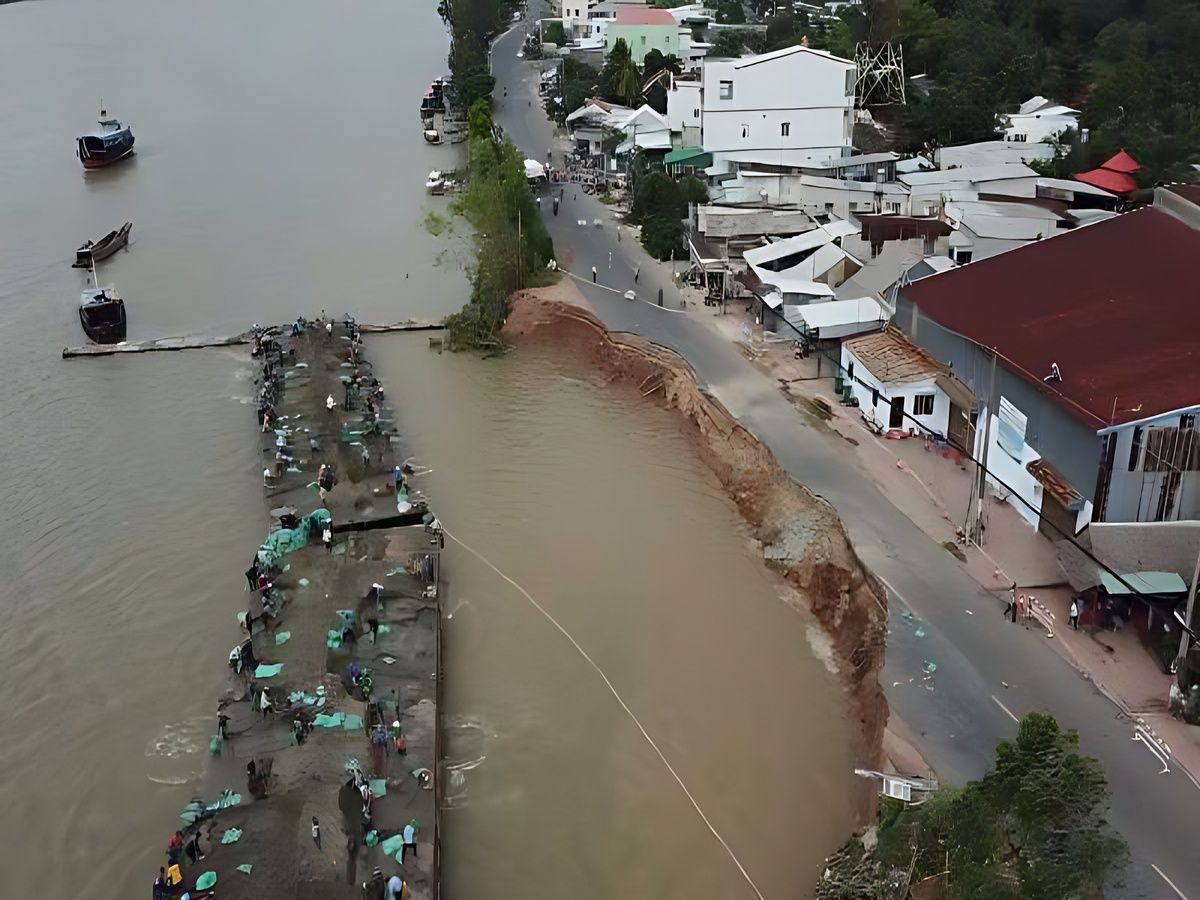
Good drainage design helps limit flooding and protect foundations. (Source: Collected)
Furthermore, proper design of roofs, yards, and landscapes also contributes to directing water flow, avoiding prolonged water stagnation. Solutions such as drainage gutters, temporary reservoirs, or water channels help increase overall drainage efficiency. This is especially necessary for areas with heavy rainfall or low terrain.
3.3. Choosing suitable materials and structures
Choosing building materials suitable for high humidity conditions is a factor that needs attention in design. Waterproof and moisture-resistant materials help limit water seepage, mold, and extend the lifespan of the structure. Currently, the use of penetrating crystalline waterproofing admixtures for foundation concrete and basement walls is preferred over just surface coating. Additionally, anti-slip tiles meeting R10-R12 standards are a mandatory choice for low-lying garden areas to ensure safety when it rains.
4. Experience in selecting and using low-lying areas in practice
4.1. Suitable cases for building houses
When evaluating whether housing in low-lying areas is good, it can be seen that some areas may still be suitable for construction if they have been synchronously planned and have a complete drainage system. These areas usually limit prolonged flooding and ensure stable living conditions for residents. Choosing land plots with good infrastructure helps minimize risks associated with low terrain.
Furthermore, conducting actual surveys during heavy rain or high tide helps accurately assess the land's drainage capacity before deciding to build. This gives buyers a clearer view of the environmental conditions and long-term usability. Practical factors need to be considered alongside cost and location.
4.2. Important considerations when buying low-lying land
According to the Land Law 2024 (Number 31/2024/QH15), buyers must pay special attention to checking land use planning and local drainage infrastructure upgrade plans. An extremely important practical tip is: Observe the base of the walls of surrounding neighboring houses and inquire about "historic flood levels". The water stains on old walls are the most authentic evidence of flood water levels that no planning map can fully show.
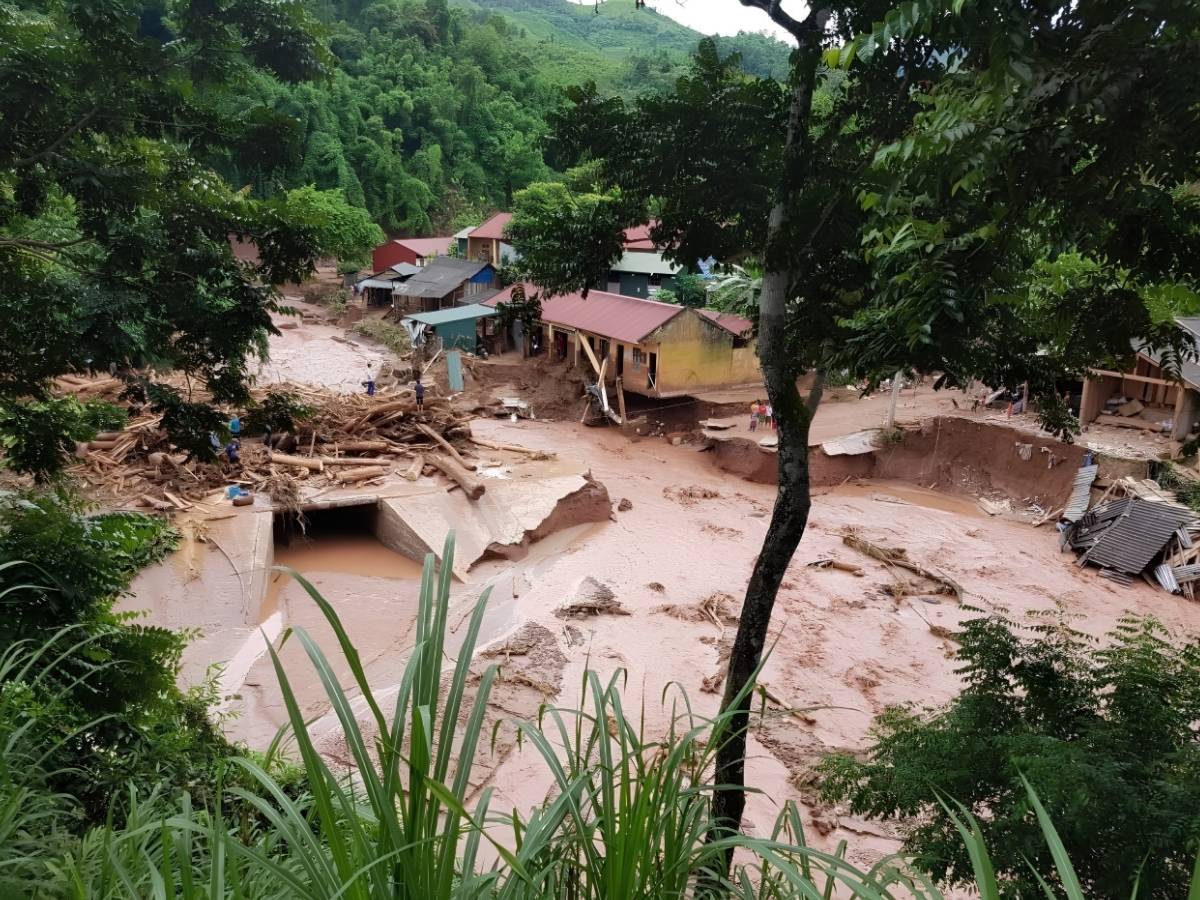
Need to check planning and flood history when buying low-lying land. (Source: Collected)
Besides that, actual surveys and consulting expert opinions help to assess the land foundation and environmental conditions more accurately. This is especially important for areas with a history of flooding or weak soil foundations. Thorough preparation helps ensure the decision is suitable for long-term use.
4.3. How to improve living environment in low-lying areas
When considering is housing in low-lying areas good nha o vung dat trung co tot khong , improving the living environment can be done through solutions such as raising the foundation, planting trees, and improving the drainage system. These measures help reduce humidity, limit flooding, and improve the quality of living space. The combination of natural and technical elements helps create a more balanced environment for the land.
Evaluating correctly is housing in low-lying areas good nha o vung dat trung co tot khong will help you make decisions that suit your needs and actual conditions. If there are reasonable construction solutions, low-lying land can still become a safe and sustainable place to live. However, before building, you must thoroughly research beforehand.