


Is the all-in-one integrated city a future trend?
The all-in-one integrated urban trend is becoming a prominent development model in many major cities, thanks to its ability to fully meet the needs for living, working, and entertainment within the same space. This is also a trend that many real estate investors are interested in in the long term.

▲Table of Contents
1. Overview of the all-in-one integrated urban area
In recent years, the trend of all-in-one integrated urban areas has gained increasing attention as the demand for comfortable, modern, and synchronized living among residents continues to grow. Instead of merely meeting basic housing needs, new urban areas today are moving towards a model that integrates living, working, studying, entertainment, and commercial facilities within a single space.
1.1. What is an all-in-one integrated urban area?
All-in-one integrated urban area is a multi-functional urban development model, where residents' daily living needs are met within the internal area or nearby. This model often combines housing with commercial centers, schools, hospitals, parks, entertainment areas, offices, and many other community amenities.
The highlight of this model is creating a more synchronized and convenient living environment for residents. As a result, people can save travel time and improve their quality of life in a modern city.
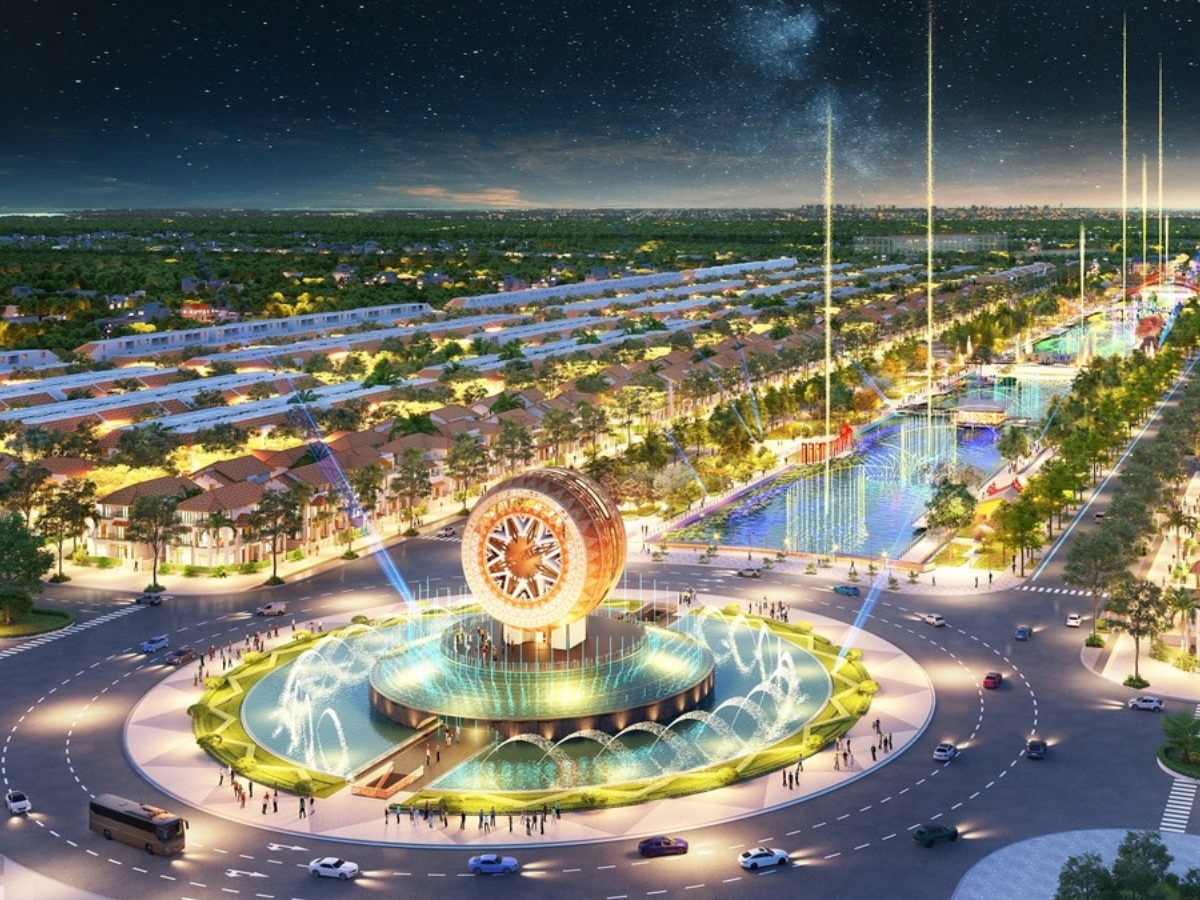
An all-in-one integrated urban area that meets most daily living needs. (Source: Collected)
Components of the integrated urban area model
An all-in-one integrated urban area usually includes many synchronously planned functional subdivisions to serve the diverse needs of residents. Among them, housing remains the central component, combined with utility systems such as commercial centers, schools, hospitals, sports areas, parks, and entertainment areas.
In addition, many projects also integrate office areas, parks, commercial streets, or smart amenities to create a self-contained living ecosystem. This is also a factor that helps this model become increasingly popular in large cities.
1.3. Differences from traditional urban areas
Compared to traditional urban areas, the all-in-one integrated urban model is clearly different in its synchronization and ability to meet comprehensive living needs. If previously many urban areas only focused on developing housing, residents still had to travel far to use essential amenities, then the all-in-one model aims for "everything in one".
In addition, these urban areas are often planned more modernly with a high density of amenities, green living spaces, and convenient transportation connectivity. This helps enhance the living experience and create sustainable value for real estate in the long term.
2. Factors that create a successful all-in-one urban area
Not every project introduced with an all-in-one model can develop sustainably and bring practical value to residents. For an all-in-one integrated urban area to operate effectively, the project needs to meet many important factors, from planning, amenities, to connectivity and the developer's development capacity.
2.1. Synchronous and Modern Planning
The foremost important factor of an all-in-one integrated urban area is synchronous planning from the outset. Residential, commercial, educational, entertainment, and green space subdivisions need to be arranged logically to both optimize usability and ensure residents' quality of life.
Besides synchronization, modern planning also helps the urban area adapt better to the future pace of urban development. This is an important foundation for creating sustainable value for the entire project.
2.2. Diverse Utility System
An all-in-one urban area truly realizes its value when it has a complete and diverse utility system. Amenities such as shopping centers, schools, hospitals, parks, sports areas, or entertainment areas will contribute to meeting the daily living needs of residents.
Integrating multiple amenities within the same space helps residents save travel time and enhance their living experience. This is also a factor that helps all-in-one projects attract both owner-occupiers and investors.
2.3. Transportation infrastructure connectivity
Convenient transportation connectivity is a crucial factor determining the attractiveness of an all-in-one integrated urban area . Projects located near major roads, metro lines, or central areas often have a clear advantage in terms of mobility and access to external amenities.
Developed transportation infrastructure not only makes residents more convenient in daily life but also contributes to increasing real estate value over time. This is a factor that many homebuyers and investors pay special attention to.
2.4. Reputation and capability of the investor
Besides planning and amenities, the reputation of the investor also greatly affects the quality and progress of the project. An investor with good experience and financial capacity will help ensure the project is implemented systematically, on schedule, and operates effectively after handover. This is also an important factor that helps residents feel more secure when choosing a place to live or invest long-term.
In reality, many projects developed under the all-in-one integrated urban area model are currently being led by major brands with experience in developing synchronized real estate, resort, and entertainment ecosystems. Among them, Sun Property (a member of Sun Group) is one of the prominent units with a series of large-scale projects stretching from Da Nang, Phu Quoc, Quang Ninh to Ha Nam or Ho Chi Minh City. The projects not only focus on architecture and amenities but also aim to build comprehensive living, resort, and commercial experiences for residents and tourists.
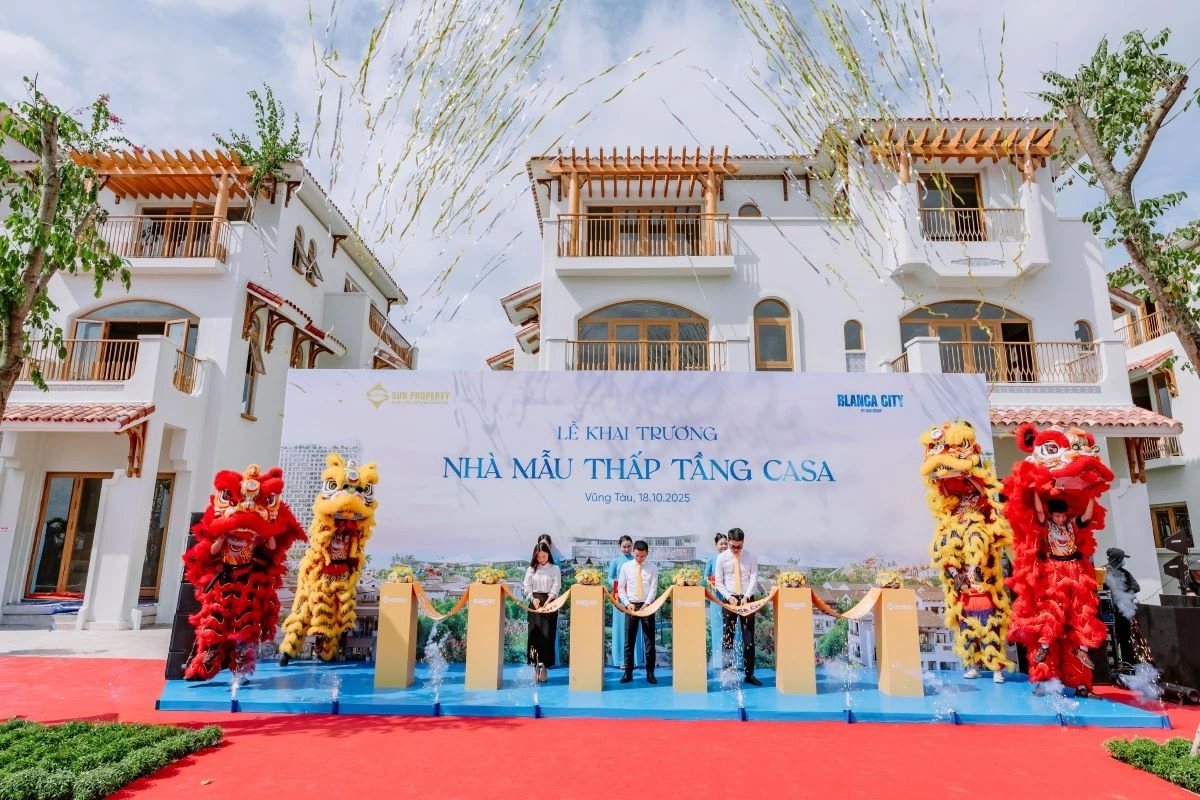
Sun Property is a reputable entity in the field of developing all-in-one integrated urban areas. (Source: Compiled)
3. Suggestions for pioneering projects developing the all-in-one integrated urban model
In Vietnam, many large-scale projects are being developed following the all-in-one integrated urban model to meet the modern, convenient, and multi-experience living needs of residents. These projects not only focus on housing but also integrate commercial, entertainment, educational, resort, and green space systems within the same area.
3.1. Blanca City
Standing out in the trend of developing the all-in-one integrated urban model currently is Blanca City developed by Sun Property in Ho Chi Minh City. The project is oriented to become a large-scale mẫu biển urban model with an international living, resort, and entertainment ecosystem right by the sea. Possessing a prime location with one side bordering the 3 Tháng 2 street and one side facing Bãi Sau, Blanca City is considered a project with great advantages in traffic connectivity and resort tourism development potential.
Not only attracting attention with its scale of nearly 96.6 hectares, Blanca City is also planned according to an integrated synchronous model with diverse utility systems such as Sun World Vung Tau amusement park, beachfront commercial center, international hotel chain, schools, medical facilities, and modern cultural and sports spaces. The project also bears a unique architectural imprint by combining French, Portuguese, and Southern Vietnamese styles, creating a living space that is both modern and rich in identity.
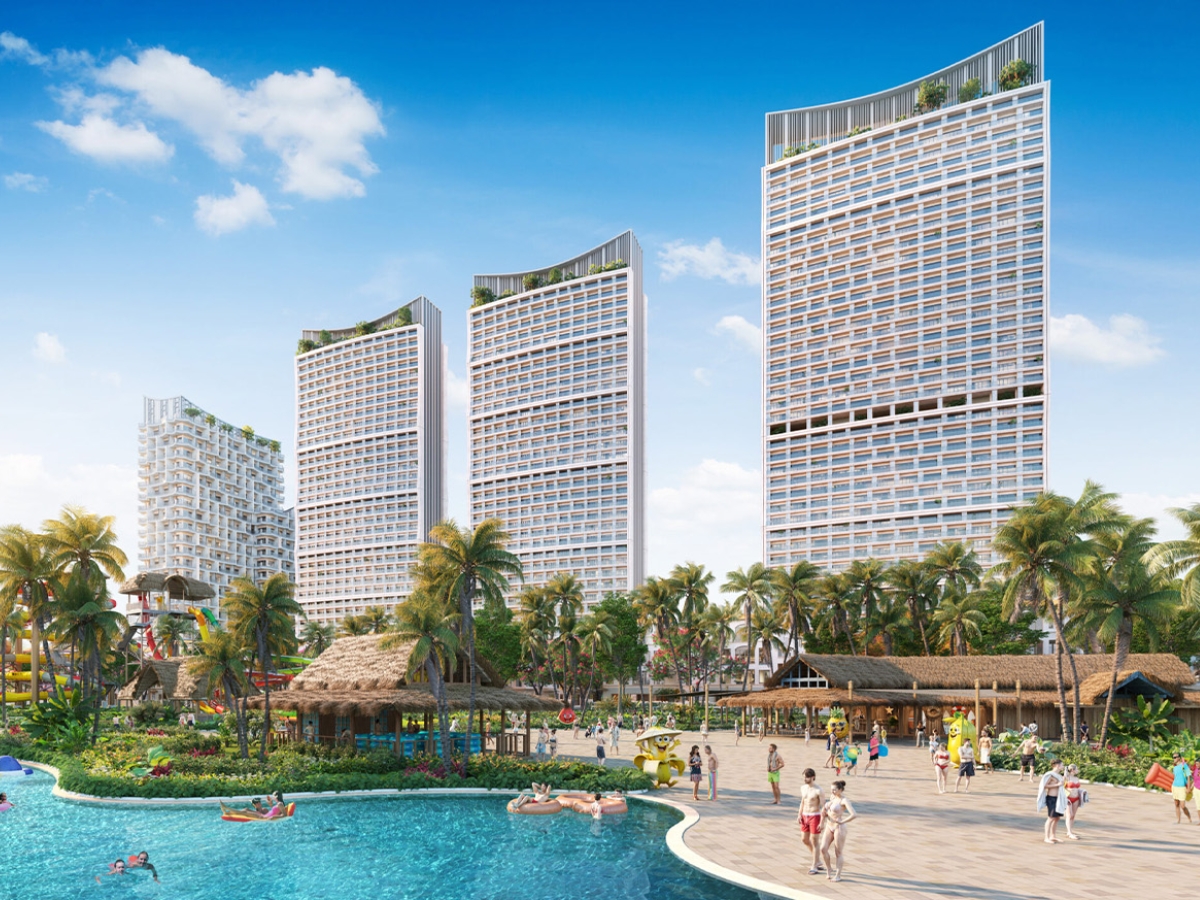
Blanca City is a large-scale, all-in-one model coastal city in Ho Chi Minh City. (Source: Collected)
3.2. Charmora City
Charmora City is a prominent project developed with a focus on a modern and sustainable all-in-one urban area in Khanh Hoa. The project is developed by Sun Property and is introduced as the first Sponge City in Vietnam with a planning model capable of absorbing, storing, and reusing rainwater to mitigate flooding and adapt to climate change. This is also a trend in green urban development that is being applied by many countries worldwide.
Not only does it possess the advantage of being located between two large rivers, the Quán Trường River and the Tắc River, Charmora City is also synchronously planned with a system of parks, a marina, an administrative center, and many multi-experience ecological spaces. The project features an architectural style that blends Champa culture, classic French architecture, and a modern touch, contributing to creating a living space that is both rich in identity and suitable for current sustainable urban development trends.
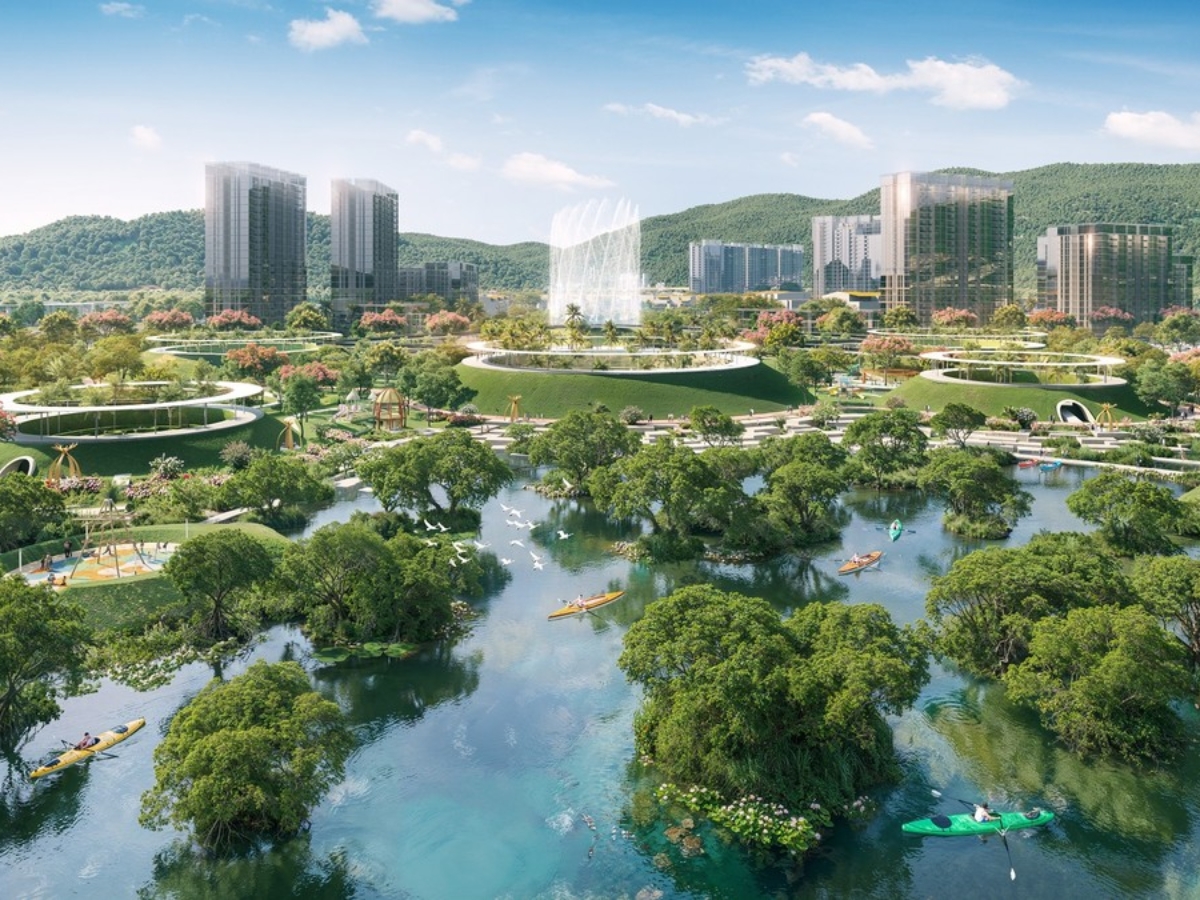
Charmora City is a modern and sustainable all-in-one urban area in Khanh Hoa. (Source: Collected)
3.3. Sun Feliza Suites
Sun Feliza Suites is a high-class all-in-one urban area project developed by Sun Property at the intersection of Pham Hung, Xuan Thuy, and Pham Van Dong streets in Hanoi. The project boasts a location considered the connectivity hub of the western area of the capital, situated near many arterial roads, major universities, and existing amenities. This is also an area with rapid urban development and quite high demand for housing and investment.
Not only outstanding in location, Sun Feliza Suites is also planned according to a modern living model with a diverse system of amenities such as landscape gardens, glass-roofed swimming pool, gym room, spa, restaurant, children's play area, and high-class community living space. The project features an architectural style combining modern spirit with the depth of Eastern culture, creating a luxurious living space that is still harmonious and close to the urban rhythm.
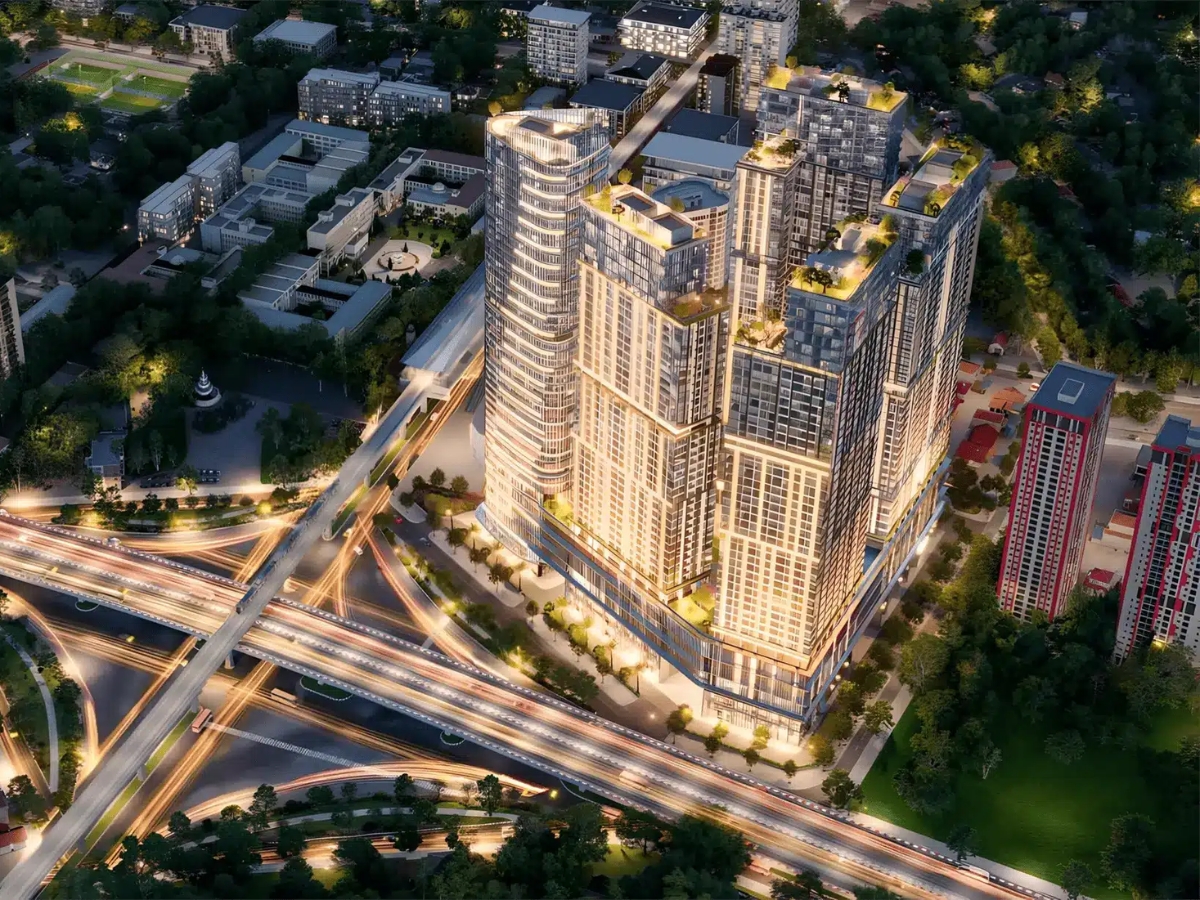
Sun Feliza Suites is a high-class all-in-one urban project in Hanoi. (Source: Collected)
3.4. Sun Urban City
Sun Urban City is a multi-functional mega-city developed by Sun Property in the former Ha Nam province, located in the southern gateway area of the Capital region. The project is oriented to become a modern urban model integrating full needs for residence, commerce, education, healthcare, and entertainment within a synchronized living space. With its location on the North-South economic corridor and convenient connectivity to Hanoi and major industrial zones, Sun Urban City is assessed to have strong future development potential.
The highlight of Sun Urban City is its large-scale utility system with 5 multi-experience grand parks, a 150m wide festival avenue, and a 1.6 km long interactive water music show. Besides, the project also integrates commercial areas, sports spaces, ecological parks, and many modern community amenities to bring a multi-experience living environment for residents. This is also one of the typical projects for the current trend of integrated urban development.
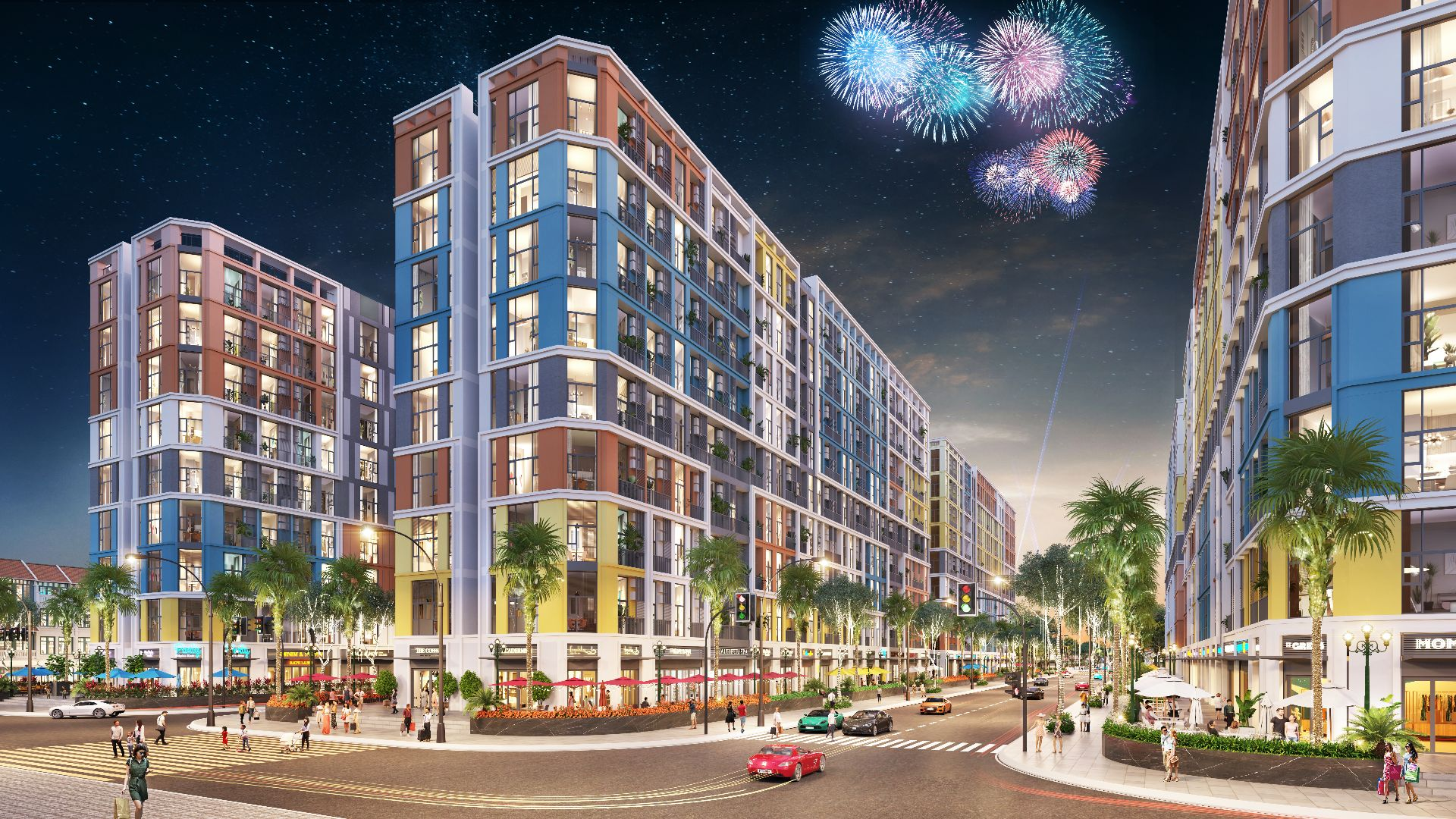
Sun Urban City is a multi-functional metropolis in Ha Nam. (Source: Collected)
3.5. Sunneva Island
Sunneva Island is a high-class ecological island urban area developed by Sun Property in Da Nang. The project boasts a special location, surrounded by three rivers: the Han River, the Do Toa River, and the Co Co River, while also offering convenient connectivity to My Khe Beach, Hoi An Ancient Town, and many famous tourist destinations in Central Vietnam. This is considered an advantage that makes Sunneva Island suitable for permanent residence, as well as having potential for resort development and long-term investment.
Not only distinguished by its rare ecological island location, Sunneva Island is also planned according to a modern urban model with diverse utility systems such as a yacht marina, clubhouse, infinity pool, sports area, and riverside walking path. The project features an architectural style that blends Indochina and Champa, creating a luxurious living space that remains close to nature and local cultural identity.
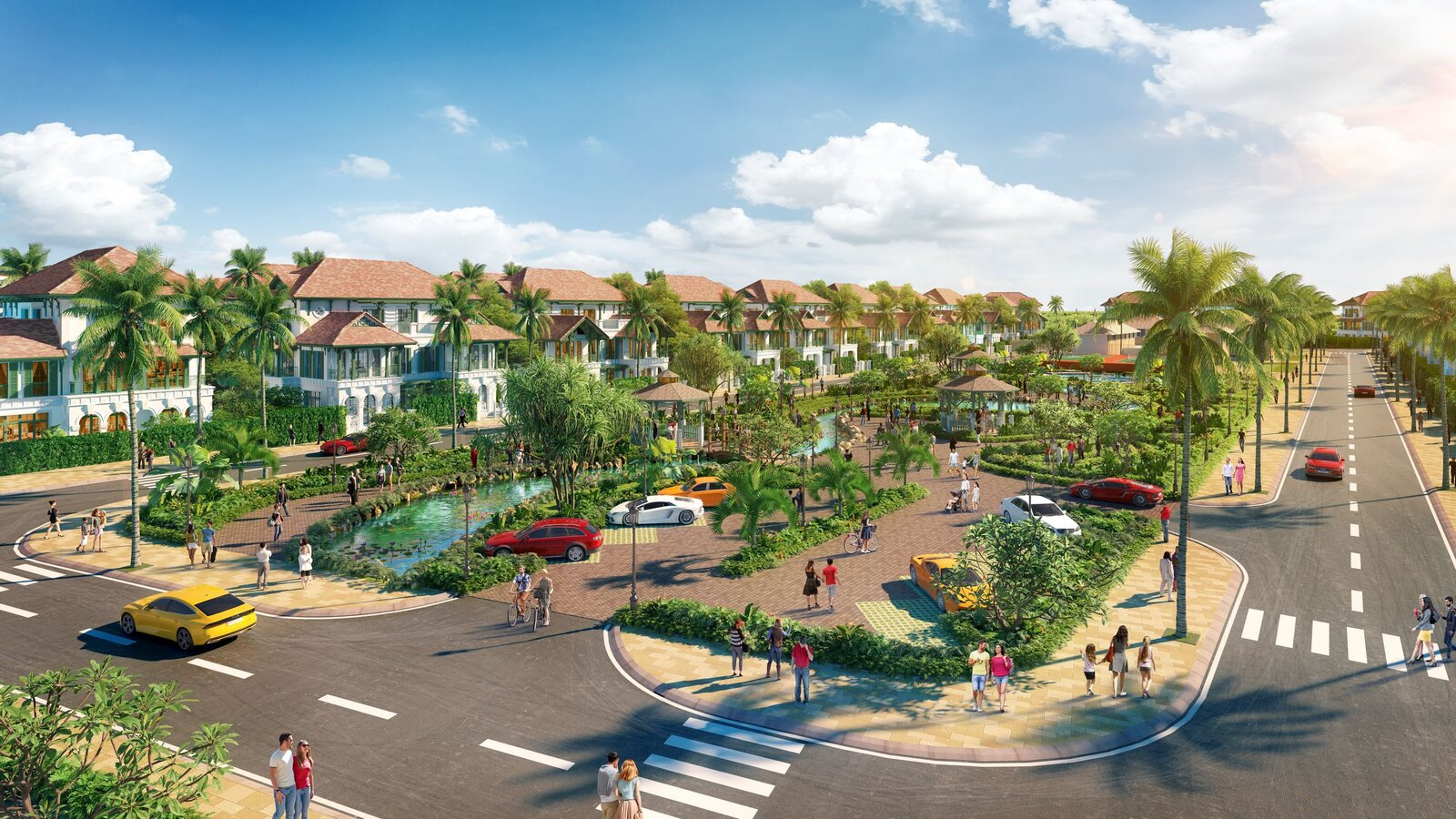
Sunneva Island is a high-class ecological island urban area in Da Nang. (Source: Compilation)
Evidently, the trend of all-in-one integrated urban areas is gradually becoming a prominent development orientation for the modern real estate market. Not only meeting the need for stable housing, this model also brings a synchronized living space with full amenities, contributing to improving the quality of life and optimizing the experience for residents. In the context of increasingly strong urbanization, all-in-one projects are expected to continue attracting both owner-occupiers and investors thanks to their sustainable development potential and long-term added value.