


Latest rooftop solar power installation costs 2026
The cost of installing rooftop solar power is becoming a major concern for many households and real estate investors. Not only does this system help save electricity in the long run, but it also increases asset value. The article below will analyze in detail each cost component, influencing factors, and how to optimize investment efficiency.

▲Table of Contents
1. Overview of rooftop solar power installation costs
1.1. What are the costs of installing rooftop solar power?
Rooftop solar power installation cost is understood as the total initial investment budget to deploy a solar power system on the rooftop, including equipment, labor, and initial operational costs. This cost is usually calculated based on system capacity, in kWp, and varies depending on site conditions and equipment quality. This is a crucial factor determining the long-term investment efficiency of renewable energy systems, especially given the average electricity demand increase of about 8-10% per year in Viet Nam.
In reality, the cost of installing rooftop solar power is not limited to the equipment price but also includes survey, design, and connection costs to the national grid. According to statistics from residential projects for the 2024-2025 period, the total initial investment cost can account for approximately 85-90% of the total system lifecycle cost over 20-25 years of operation. This indicates that understanding the cost concept correctly helps investors make reasonable financial plans and avoid unexpected expenses.
1.2. Main components constituting the cost of installing rooftop solar power
A rooftop solar power system usually consists of many cost components, of which solar panels account for a large proportion, about 45-55% of the total cost. These panels have an average lifespan of 20-25 years and conversion efficiency ranges from 18-22% depending on the technology type. Besides, the inverter plays a role in converting electricity, accounting for about 15-20% of the total cost, directly affecting the system's operational efficiency.
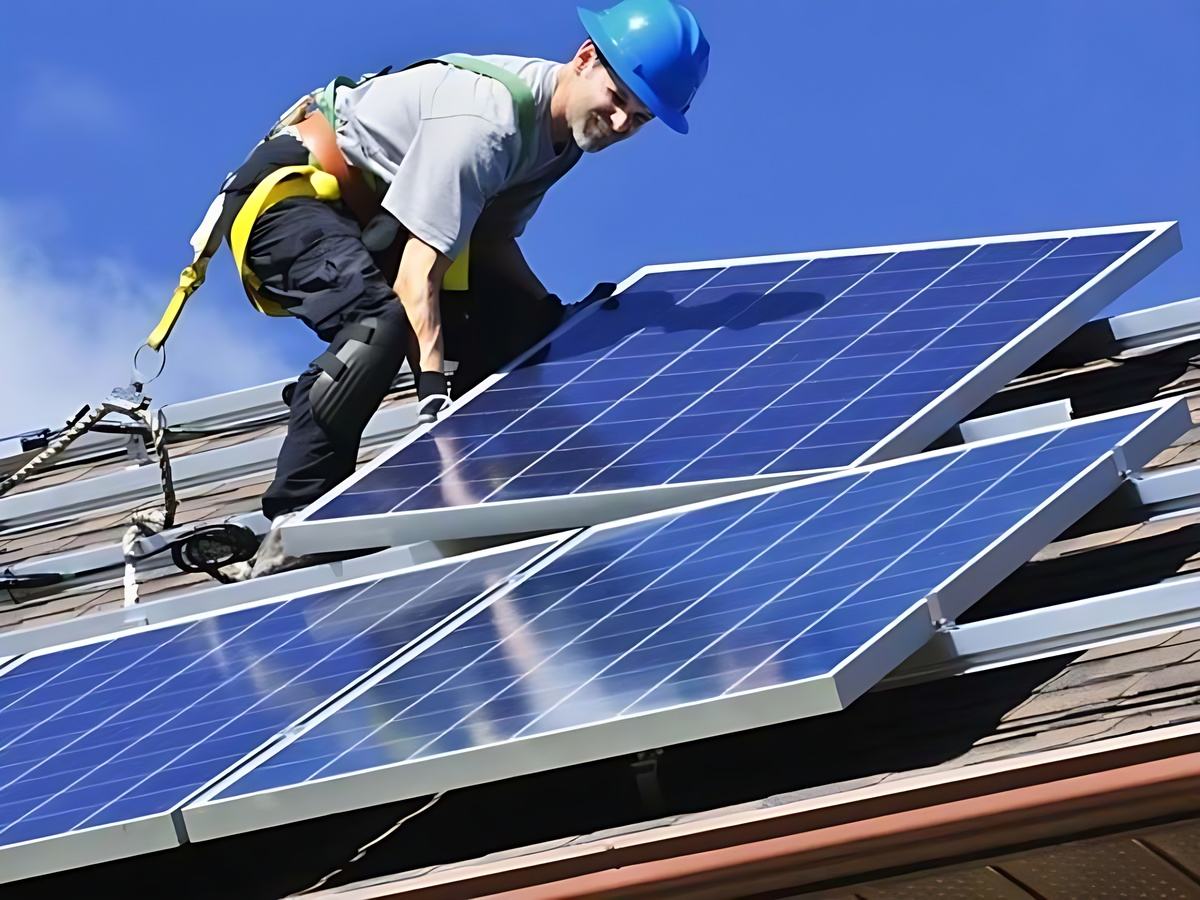
Cost composition and the proportion of equipment in rooftop solar power systems. (Source: Compiled)
In addition to the main equipment, expenses such as mounting frames, wiring, installation labor, and survey costs also account for about 20-30% of the total budget. For projects in urban areas like Ho Chi Minh City or Binh Duong, construction costs may be 10-15% higher due to site conditions and technical requirements. A clear analysis of each component helps investors control their budget and choose solutions that match their actual electricity consumption needs.
1.3. Average price of rooftop solar power installation costs in 2026
In 2026, the installation price of rooftop solar power systems tends to stabilize compared to the previous period, fluctuating around 13-18 million VND/kWp for residential systems. For a 3 kWp system suitable for small households, the total cost is usually around 40-55 million VND, meeting electricity consumption needs of about 300-400 kWh/month. This is a common level in residential areas with limited roof area.
For 5 kWp and 10 kWp systems, the costs are approximately 65-90 million VND and 130-180 million VND respectively, suitable for townhouses or villas with higher electricity consumption needs. Thanks to the larger scale, the unit price per kWp tends to decrease by about 5-10% compared to smaller systems. Price changes also depend on the exchange rate for imported equipment and renewable energy support policies in each period.
1.4. Comparison of rooftop solar power installation costs by project scale
For residential homes, the cost is usually higher per kWp due to small scale and fewer advantages in terms of materials. Meanwhile, factories or industrial zones can deploy systems of 100 kWp or more, helping to reduce the unit price to about 10-13 million VND/kWp. This comes from optimizing transportation costs, construction, and using synchronized equipment.
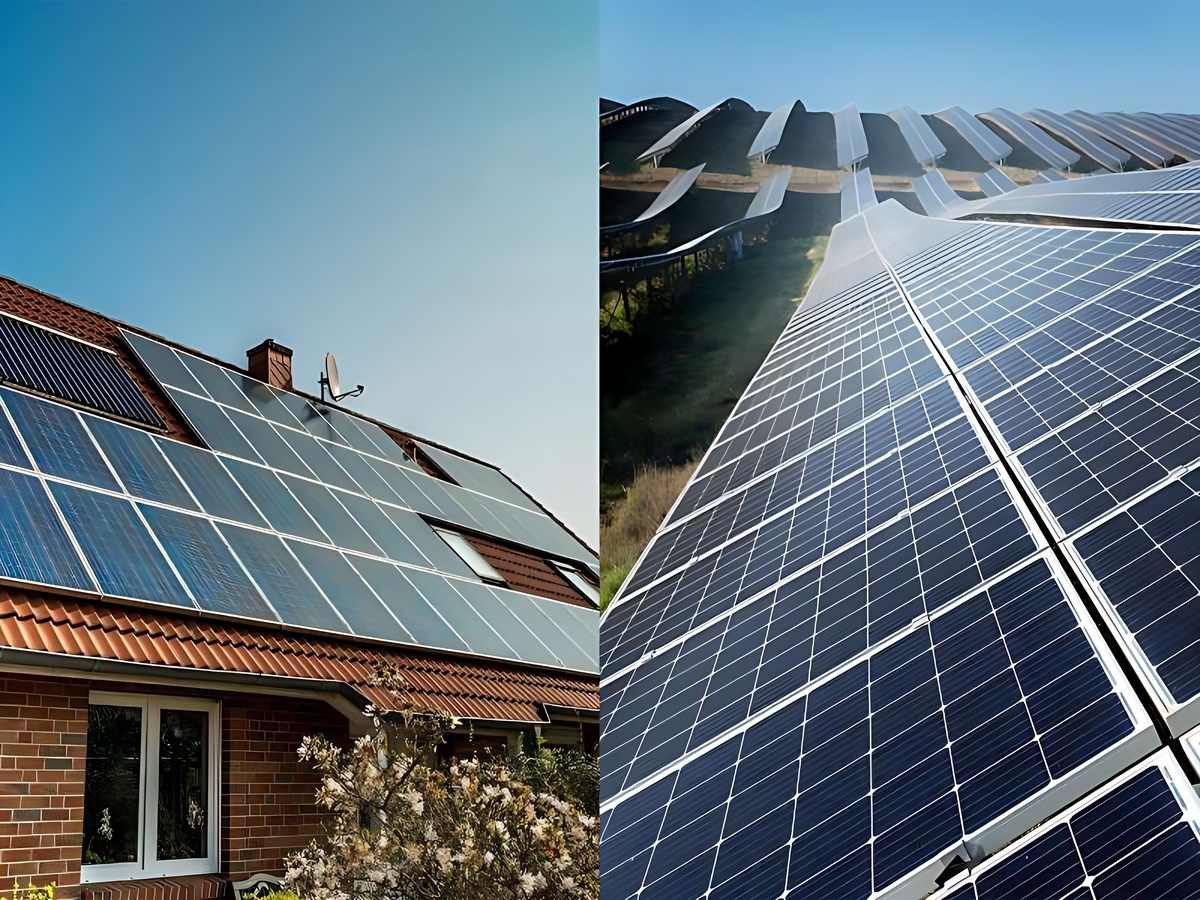
Comparison of solar power system installation costs between residential houses and factories. (Source: Collected)
In real estate projects, especially urban areas or resorts, installation costs are integrated from the design phase, potentially saving an additional 5-8% compared to separate installations. Furthermore, large systems help reduce average electricity operating costs by 15-30% annually, contributing to enhanced long-term financial efficiency for investors.
2. Factors affecting the cost of rooftop solar power installation
2.1. System capacity determines installation costs
System capacity is a crucial factor determining total investment and electricity usage efficiency. The larger the system, the higher the total cost, but the cost per kWp tends to decrease due to optimization of materials and labor. For example, a 10 kWp system can save 8-12% in unit cost compared to a 3 kWp system under the same construction conditions.
The choice of capacity needs to be based on actual electricity consumption needs, usually calculated by average monthly consumption. If installed beyond needs, the excess electricity may not be utilized effectively, increasing the payback period. Conversely, a capacity lower than the demand will not fully utilize the potential for electricity cost savings.
2.2. Equipment quality affects cost
Equipment is a factor that directly affects the cost and lifespan of the system. Mono solar panels have a higher efficiency of about 2-3% compared to poly, but their cost is also 10-15% higher. High-end inverters have the ability to optimize electricity production and reduce losses, helping to increase operational efficiency in the long term.
The choice of equipment needs to balance investment costs and usage efficiency. A system using good quality equipment can reduce maintenance costs by 20-30% within the first 10 years. This shows that a higher initial investment does not mean higher overall costs in the long run.
2.3. Roof Conditions Affecting the Cost of Installing Rooftop Solar Power
Roof conditions significantly affect construction costs and system efficiency. Metal roofs are generally easier to install and cost about 10-20% less than concrete roofs because they do not require structural reinforcement. However, concrete roofs have higher durability and are suitable for large-capacity systems.
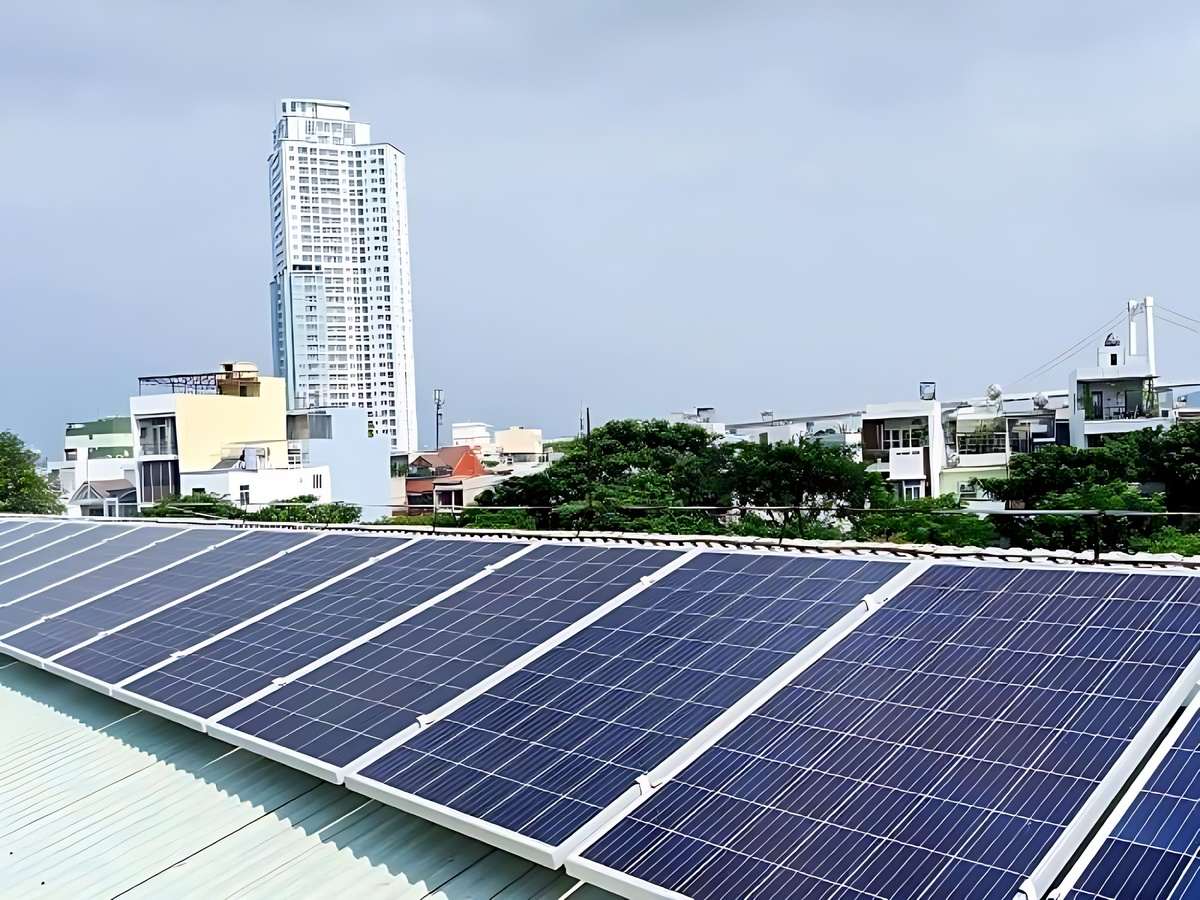
Influence of roof orientation and roof structure on the performance of solar power systems. (Source: Collected)
Additionally, roof tilt and orientation also determine the electricity output, thereby affecting investment efficiency. Roofs facing South or Southeast generally perform better in Viet Nam. If the roof does not meet standards, installation costs may increase due to the need to adjust the tilt angle or install additional support frames.
2.4. Installation unit determines cost
The construction unit plays an important role in ensuring the overall quality and cost of the system. Reputable contractors often provide package solutions, including design, installation, and warranty, at a cost about 5-10% higher than small/individual units. However, stable construction quality helps reduce the risk of incurring repair costs.
Conversely, small units may offer lower prices but do not guarantee technical standards or long-term warranty. This can lead to incurred costs during the operation process. The selection of a construction unit needs to be based on actual capacity, experience, and implemented projects.
3. Legal regulations related to rooftop solar power installation costs
3.1. Current rooftop solar power policy in Vietnam
According to Decree 135/2024/ND-CP, the Government encourages the development of rooftop solar power under a self-production and self-consumption model for self-use purposes, reducing pressure on the national grid. A key new point is that households and public offices are exempt from electricity operation permits and have no power limit if not connected to the national grid. In case of connection, systems under 100 kWp are exempt from power registration. Particularly, if the system is equipped with a zero-export device, investors will not have to perform complex grid connection approval procedures, significantly saving administrative costs.
3.2. Important content in the Amended Electricity Law 2024
The Electricity Law 2024 has created a clearer legal framework for the development of renewable energy and self-produced, self-consumed electricity sources. Notably, the mechanism for buying and selling surplus electricity from rooftop solar power continues to be specified and expanded in guiding decrees. According to current regulations, households using individual residences with self-produced, self-consumed rooftop solar power are allowed to sell surplus electricity by agreement, usually not exceeding 50% of the output electricity generated by the rooftop solar power source based on radiation intensity. In some cases meeting the conditions for grid reception and safe operation, the surplus electricity purchase ratio can be higher than 50% until the end of 2030. The purchase price for surplus electricity is determined by the average electricity market price of the preceding year and is limited by the corresponding power generation price bracket. Although the surplus electricity selling mechanism is increasingly open, for households, the economic efficiency of the system still depends heavily on the ability to optimize self-produced electricity to serve on-site consumption needs.
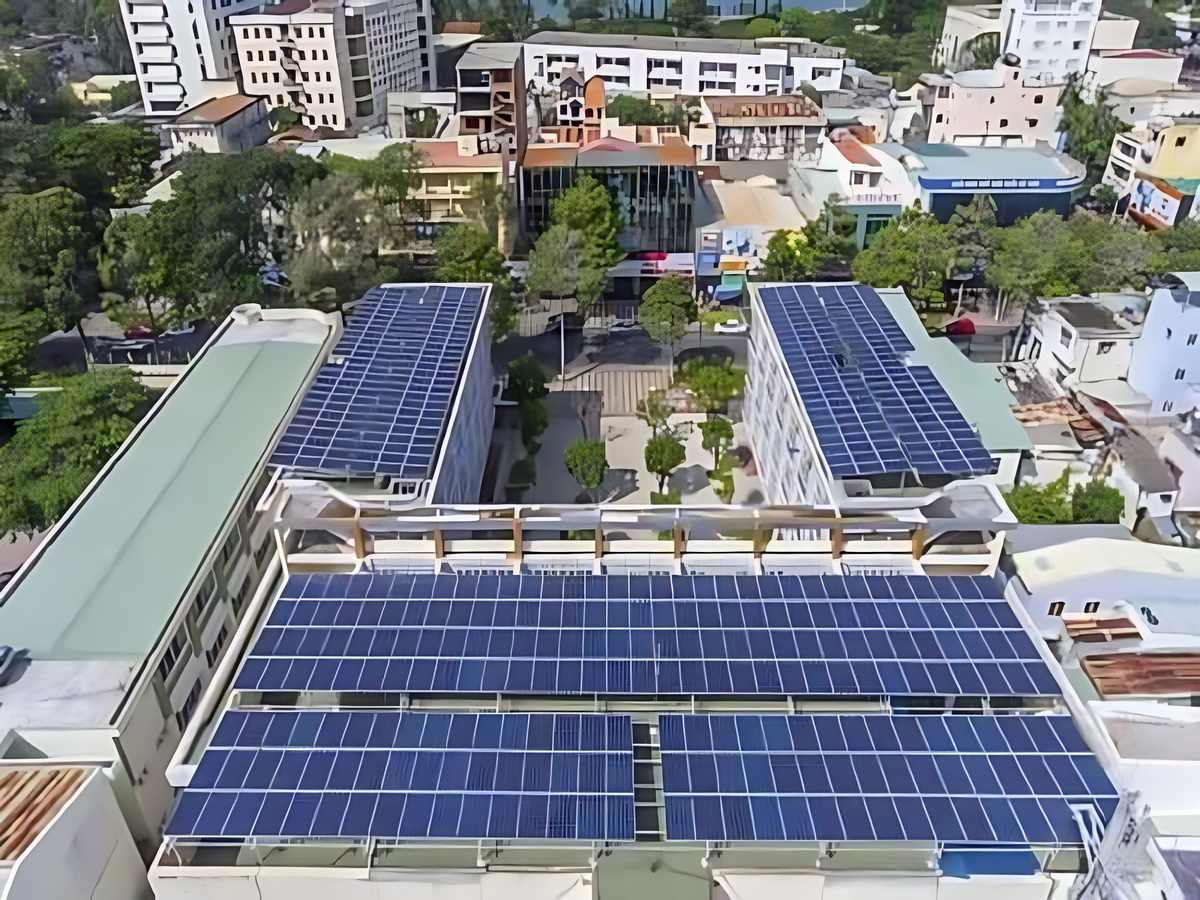
Legal regulations on buying and selling surplus electricity from rooftop solar power systems. (Source: Collected)
3.3. Related content on renewable energy mechanisms
The legal framework for self-produced, self-consumed rooftop solar power is increasingly being perfected according to the Electricity Law of 2024 and guiding decrees. Investment and tax incentive mechanisms are implemented according to relevant legal provisions, depending on the subject and applicable conditions, instead of being automatically applied to all rooftop solar power systems.
For households, requirements for construction, fire prevention, firefighting, and related procedures are determined by the scale, characteristics of the construction, and the system's operating plan. Therefore, determining from the outset whether the system is connected or not connected to the national grid is a crucial factor. This plan directly affects the requirements for protective equipment, metering, connection, and the technical standards that must be met. Choosing a suitable model can help homeowners limit incurred costs and optimize the investment efficiency of rooftop solar power systems.
4. Experience in optimizing costs for installing rooftop solar power
4.1. How to calculate the payback period when investing in rooftop solar power (Cach tinh toan hoan von khi dau tu dien mat troi ap mai)
The payback period for rooftop solar power systems usually ranges from 4-7 years depending on the investment cost and electricity consumption. The payback formula is based on the total investment cost divided by the amount of electricity saved annually. For example, a 5 kWp system can save about 10-15 million VND per year. The calculation needs to consider the factor of electricity price increase averaging about 3-5% per year, which helps shorten the payback period. Additionally, low maintenance costs also contribute to increasing the financial efficiency of the system in the long term.
4.2. Effective cost reduction solutions (Giai phap giam chi phi hieu qua)
To reduce costs, investors should choose a capacity suitable for electricity usage needs and maximize the available roof area. Choosing equipment with stable performance and reasonable prices helps balance costs and usage efficiency. Additionally, the system should be deployed during a period of stable equipment prices and local support policies. This helps reduce initial investment costs and increase overall financial efficiency.
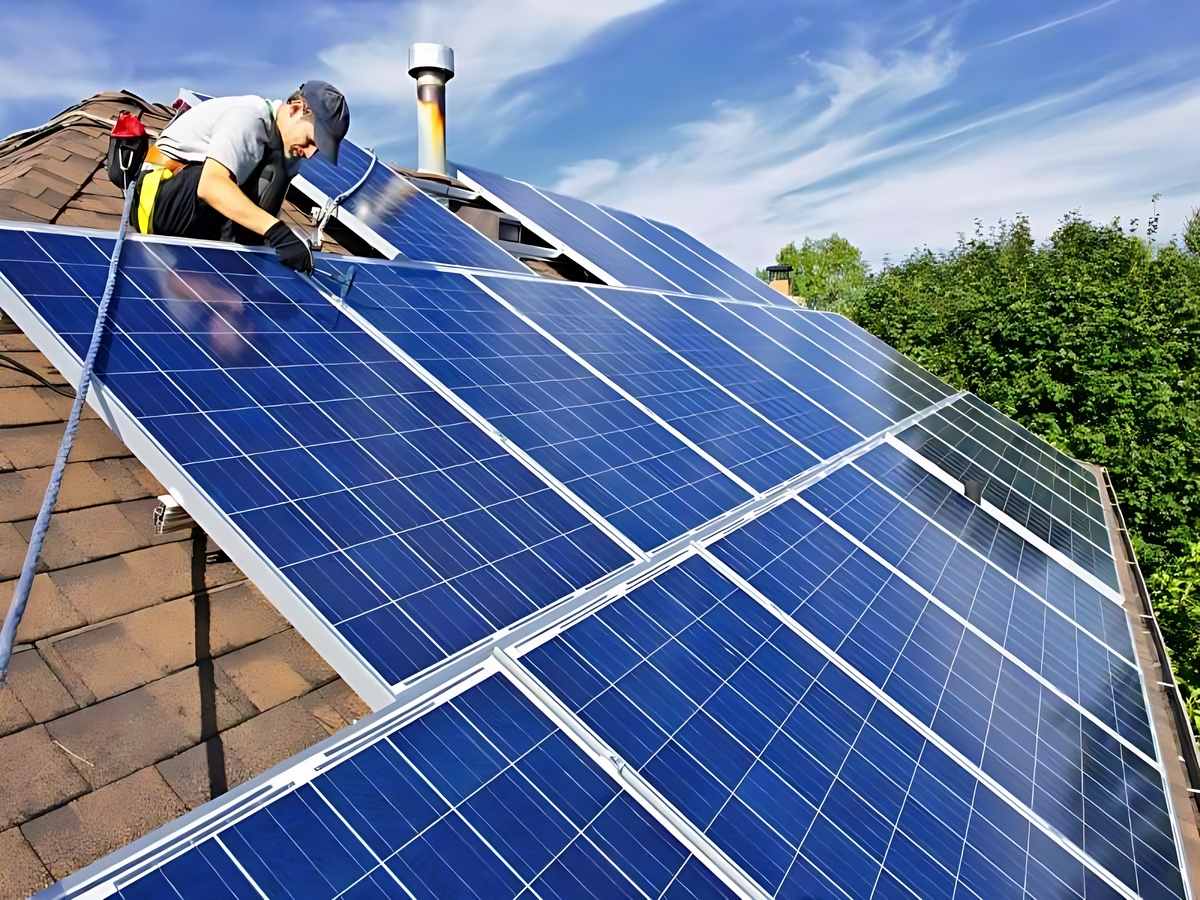
Optimize system capacity and roof area to reduce investment costs. (Source: Collected)
4.3. Notes when investing in solar power for real estate
Rooftop solar power helps increase real estate value, especially in new urban areas or resorts. This system not only reduces operating costs but also creates a competitive advantage in attracting tenants. Additionally, projects using renewable energy are often highly regarded for their environmental standards. This contributes to enhancing asset value and long-term exploitation potential.
The cost of installing rooftop solar power is not just an initial investment but also a long-term solution to optimize operating costs and increase real estate value. By understanding the cost structure, influencing factors, and legal regulations, you can make effective, sustainable investment decisions in a context where green energy is increasingly becoming an inevitable trend.