


Latest updates on apartment rental contracts you need to know
When renting an apartment, clearly understanding the apartment rental contract is an important step to help you avoid unnecessary disputes. A clear contract not only stipulates the rights and obligations of the parties but also ensures the rental process is transparent, stable, and safe. The article below will help you clearly understand the necessary content.

▲Table of Contents
1. Understanding the Nature of Apartment Lease Agreements in Practice
1.1. Understanding Apartment Lease Agreements Under the Current Legal Framework
An apartment lease agreement is an agreement between the lessor and the lessee regarding the handover of an apartment for use for a specified period, along with the obligation to pay rent in accordance with the provisions of the Civil Code 2015, the Housing Law 2023, and the Real Estate Business Law 2023. The content of the agreement clearly reflects the right to use the property and the responsibilities of the parties. Legal validity is established when the conditions regarding subjects, content, and form are fully met according to current legal regulations.
According to the provisions of Article 163 of the Housing Law 2023, a housing lease contract must be made in writing. In the case of leasing residential property owned by an individual, the notarization or authentication of the contract is agreed upon by the parties (not mandatory but encouraged). If the lessor is a real estate business enterprise, the contract must comply with the form prescribed in Decree 96/2024/ND-CP.
1.2. Significance of the contract in residential leasing relationships
Apartment Lease Agreement serves as the legal basis for establishing the rights and obligations between the tenant and the landlord during real estate transactions. Through the contract, terms regarding rental price, duration, and usage rights are specifically stipulated to ensure transparency and stability. This also serves as an important basis for resolving disputes arising from apartment usage or financial obligations.

Apartment rental contracts ensure benefits and transaction transparency. (Source: Collected)
1.3. Common types of apartment rental contracts today
Classifying contracts helps parties choose the appropriate form according to their usage plans and financial conditions in each specific period. Each type of contract will have its own terms related to duration, costs, and benefits when using the apartment. In practice, choosing the right type of contract contributes to improving the efficiency of leased asset exploitation and minimizing arising risks.
2. Mandatory items to be included in apartment rental contracts
2.1. Identify participating parties and specific description of the apartment for rent
Information of the parties needs to be detailed according to the chip-embedded citizen identity card or electronic identification. Especially, according to the Real Estate Business Law 2023, the apartment description section must include: built floor area, apartment usable area (net area), accompanying equipment, and the building's management and operation status to serve as a basis for accurate asset handover.

Clear information about parties and apartments helps prevent disputes. (Source: Collected)
Recording detailed information helps parties clearly understand the tenant and avoid confusion during the use of the apartment. This data also serves as a basis for determining legal liability if there is a breach of obligation during the contract execution. In practice, a lack of clear information can cause difficulties when resolving disputes between parties involved in the transaction.
2.2. Mechanism for determining rental price, deposit, and payment methods
Payment methods should be specified, such as cash payment or bank transfer, for convenient control and reconciliation of financial transactions. Payment timing also needs to be clearly defined to avoid disputes arising during the contract execution process. In practice, many financial disputes arise from the failure to clearly specify these contents in the contract.
2.3. Apartment usage period and mutual responsibilities and rights
Apartment Lease Agreement needs to clearly define the lease term as a basis for the performance of the parties' rights and obligations throughout the period of apartment use according to the agreement. Related clauses include using the property for its intended purpose, preserving assets, and paying rent on time as stipulated in the contract. Clearly defining responsibilities helps ensure stability in the rental relationship between the parties.
During the lease period, parties must comply with agreed obligations to avoid contract breaches or unnecessary disputes in practice. If one party fails to fulfill its obligations correctly, the other party has the right to request legal action according to current legal regulations. Clearly defining rights and obligations helps limit risks and ensure stability during the apartment rental process.
2.4. Regulations on contract termination and handling of violations
Apartment Rental Contract needs to clearly stipulate cases for contract termination and applicable conditions to ensure the rights of the parties when unforeseen situations arise during the apartment rental process. Cases include the expiration of the lease term, mutual agreement for termination, or breach of contract obligations as per the signed agreement. Additionally, it is necessary to specify responsibilities for compensation in case of contract violations.

Termination clauses and handling of violations need to be clearly defined. (Source: Collected)
3. Key points to consider carefully before signing a condominium contract
3.1. Verifying legal status and the owner's rights of disposal
The condominium lease agreement needs to be carefully checked for legal validity by verifying the ownership and rental rights of the apartment owner before signing to ensure a legal transaction. This helps ensure the property is free from disputes and eligible for transaction according to current legal regulations. Checking legal documents helps minimize risks during the apartment rental process.
Furthermore, information verification helps ensure the contract is signed with the rightful party legally authorized for the rental apartment under current legal regulations. If this step is skipped, the tenant may face risks related to disputes over ownership or usage rights of the property. In practice, many disputes arise from not thoroughly checking the property's legal status before signing the rental contract.
3.2. Review each clause in detail to avoid future risks
Terms related to termination rights, compensation, and financial obligations must be carefully reviewed to avoid disputes during the apartment rental process. In many cases, failing to read the contract carefully leads to the acceptance of terms that are not suitable for actual use. This can affect the tenant's rights during the apartment usage.

Reading the terms carefully helps ensure your rights when renting an apartment. (Source: Collected)
Reviewing the contract also helps parties clearly understand their responsibilities throughout the apartment rental period and limit unnecessary misunderstandings during the execution process. When the terms are fully understood, the contract execution process will proceed more stably. This contributes to minimizing disputes that arise in practice.
3.3. Clearly agree on costs outside of the main rent
The contract must clearly stipulate incurred costs such as electricity, water, and apartment building management and operation fees as stipulated in Article 151 of the Housing Law 2023. Note that the management fee level must not exceed the ceiling set by the Provincial People's Committee, unless the parties have a different agreement on value-added services. Clarifying these items helps ensure financial transparency throughout the lease period.
In practice, incurred costs are often the cause of disputes if not clearly stipulated in the contract from the outset. The parties need to agree in advance on the payment method and responsibility for payment to avoid misunderstandings during the usage period. This helps ensure the rental process proceeds smoothly and limits potential risks in practice.
4. Practical considerations to limit disputes when renting an apartment
4.1. Check the apartment's condition and create a detailed handover record
Before officially receiving the house, tenants need to take time to carefully inspect each area of the apartment such as walls, floors, ceilings, and accompanying equipment. Early detection of defects such as water leaks, damage, or deterioration will help you request the landlord to fix them before moving in. This helps ensure your rights and avoid being held responsible later.
In parallel, creating a handover record that specifically describes the condition of the property is a step that should not be overlooked. You should take photos or videos as evidence along with the document to increase authenticity. These documents will become clear grounds if disputes arise at the end of the contract.
4.2. Clarify regulations on repair, maintenance, and cost responsibility
While living, equipment damage or the need for maintenance is unavoidable, so it needs to be clearly regulated from the beginning. The tenant should discuss specifically with the landlord about the scope of responsibility, such as damages due to natural wear and tear or misuse. When responsibilities are clearly defined, both parties will avoid the situation of shirking responsibility.
Additionally, it is advisable to agree in advance on the procedure for handling incidents when they occur, such as who will contact for repairs and the repair time. A transparent agreement will help the living process go smoothly and not disrupt life. This is also an important factor in maintaining a stable and long-term rental relationship.
4.3. Development trends of apartment rental contracts in the new phase
Currently, following the digital transformation trend of 2026, the signing of electronic contracts through authenticated platforms has legal value equivalent to paper documents. Digitizing contracts and performing online temporary residence registration via the Public Service Portal helps minimize the risk of lost documents and enhance information control capabilities, ensuring maximum safety for modern apartment rental transactions.
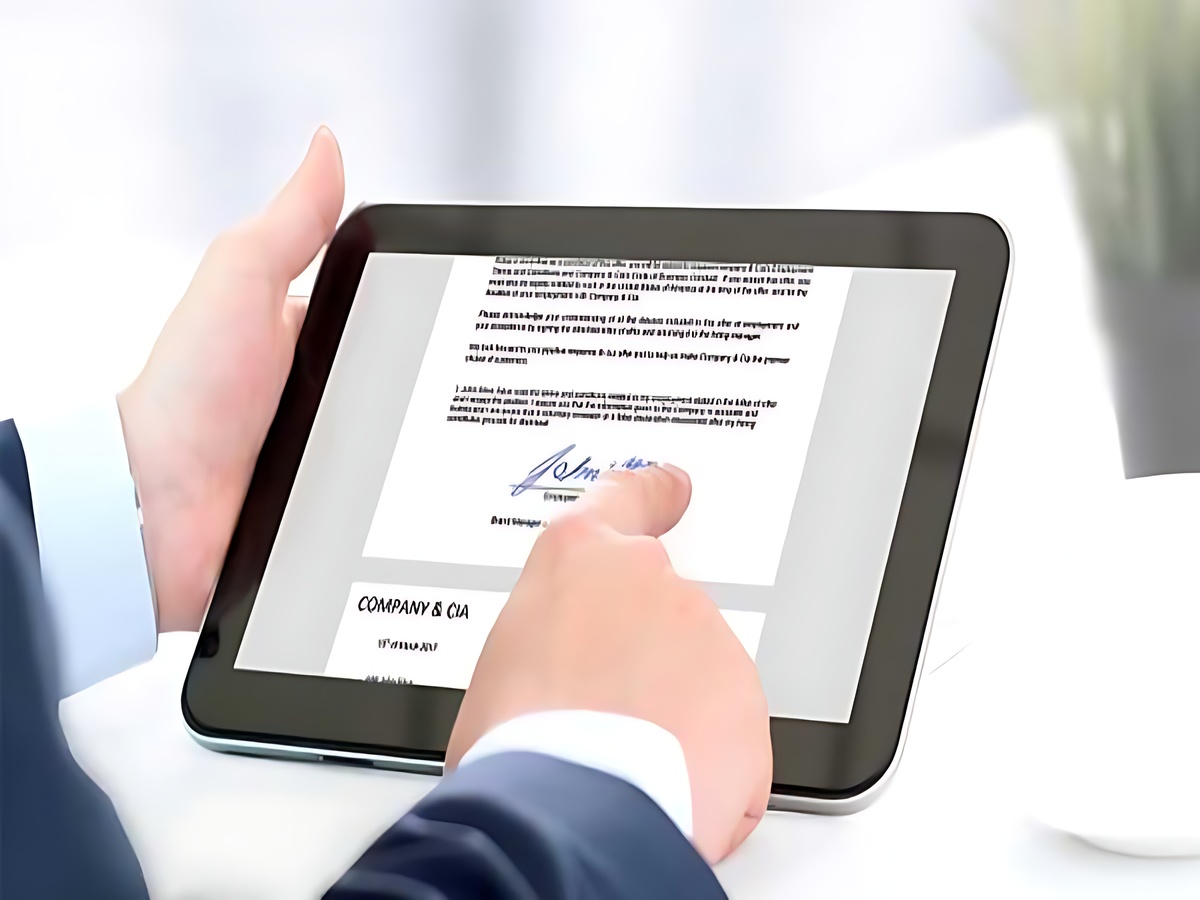
Digitization of contracts helps convenient management and reduces the risk of loss. (Source: Collected)
Understanding an apartment rental contract will help you be more proactive in the process of renting a house and minimize potential legal risks that may arise. A transparent contract with complete clauses not only protects your rights but also brings peace of mind throughout the long-term living period. If you are preparing to make a rental contract, make sure you grasp the regulations.