


Latest updates on current wellness trends
In the context of people increasingly concerned about health and quality of life, the wellness living trend is becoming a priority choice in real estate. More than just convenience, this model aims for a balance of physical, mental, and sustainable living environments.

▲Table of Contents
1. Wellness lifestyle and the shift in housing demand
1.1. New vision for healthy living spaces in the modern era
Wellness lifestyle is understood as a holistic approach to enhance physical, mental, and emotional health by scientifically integrating living environments with daily routines. This concept is not limited to healthcare but also aims to create a sustainable balance between work, rest, and personal life. When analyzing the wellness living trend, it can be seen that this is a change in how people define modern life values.
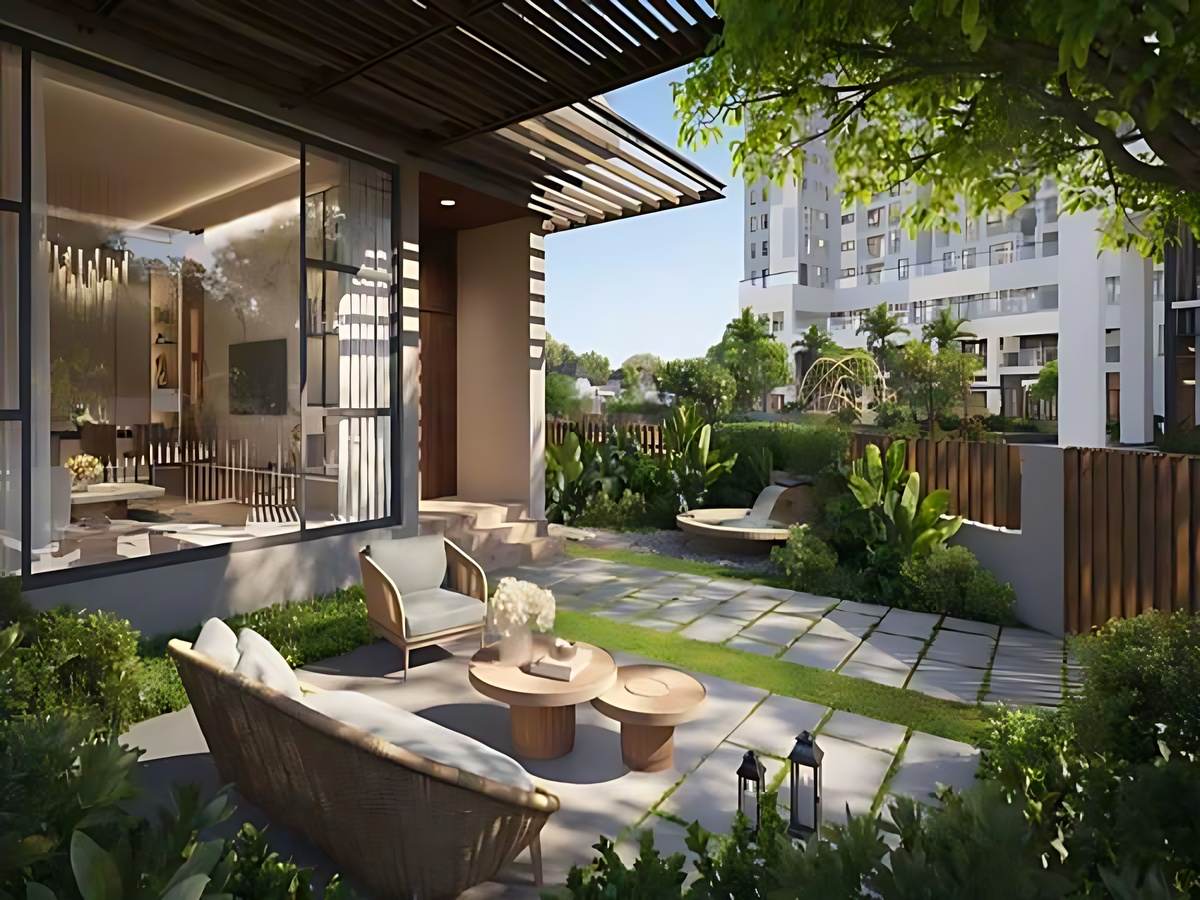
The concept of wellness living and the modern trend of health balance. (Source: Collected)
This lifestyle also includes choosing living spaces with natural elements, utilizing light, air, and tranquility to support energy recovery and reduce urban psychological pressure. Additionally, activities such as meditation, yoga, light exercise, and proper nutrition are also an important part of the wellness ecosystem. This reflects the trend of people prioritizing long-term health over focusing solely on material comforts.
1.2. The breakthrough of the wellness model and changes in the legal framework
The wellness lifestyle has evolved into a global health economy ecosystem. In Vietnam, entering 2026, this segment receives strong support from the Land Law No. 31/2024/QH15 and its implementing documents, which have just stabilized, clarifying the legal status for real estate types combining tourism, resort, and healthcare. The conversion of land use purposes and the issuance of certificates for wellness product lines have become more transparent, encouraging investors to develop large-scale wellness metropolises instead of small, scattered projects.
2. Decoding the core values that form the wellness living standard
2.1. Priority of ecological space and connection with nature
Green living space is an important factor in the wellness model, with the increase of green areas, water surfaces, and ecological areas within the project. These elements help improve air quality and create a fresh living environment for residents. When analyzing wellness living trends , this is a criterion often mentioned.
Open design with a connection between indoor and outdoor spaces allows residents to easily access nature in their daily lives. This contributes to creating a sense of relaxation and reducing pressure from the urban environment. Green space becomes a major factor influencing the decision to choose a place to live.
2.2. Multi-layered wellness and healthcare amenity ecosystem
The range of amenities in the wellness model includes sports areas, yoga, spa, and healthcare services to meet the residents' needs for exercise and relaxation. These amenities are harmoniously arranged within the project premises to create convenience in use. When exploring the wellness living trend, this is an indispensable factor.
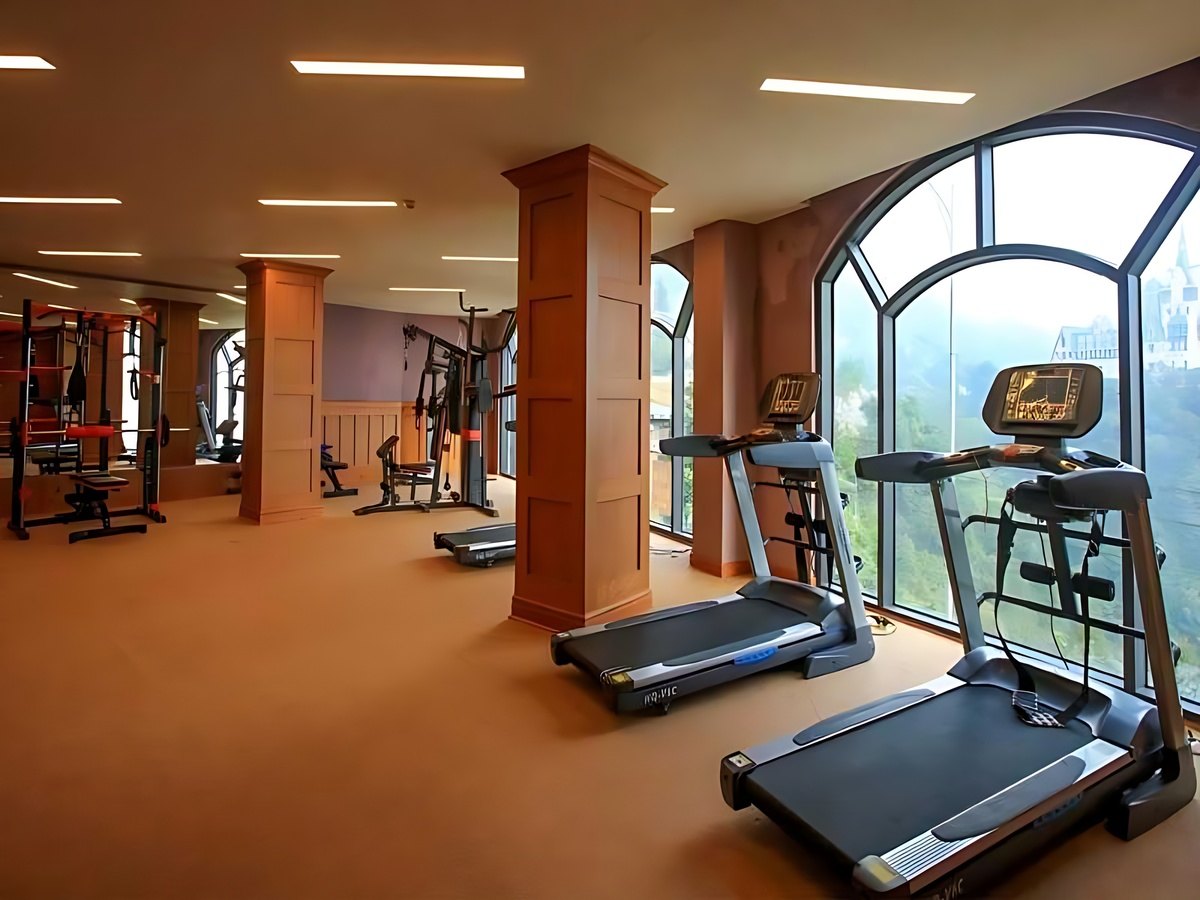
Comprehensive wellness amenities in a wellness living model. (Source: Collected)
Additionally, amenities such as swimming pools, jogging paths, and community living areas contribute to forming healthy living habits. The combination of physical activity and mental relaxation helps improve quality of life. This reflects the trend of integrating multiple functions within living spaces.
2.3. Health-supporting architectural design and Net Zero standards
Wellness architecture in 2026 is linked to the commitment to emission reduction. Current projects are required to comply with green building standards as oriented by the Real Estate Business Law No. 29/2023/QH15. The design not only optimizes natural light through new-generation Low-E glass systems but also integrates smart energy-saving solutions (AI Home). Building materials are strictly controlled according to sustainable standards, prioritizing recycled materials to reduce the "carbon footprint", ensuring living spaces are both peaceful for body and mind, and responsible towards the environment.
Furthermore, wellness architecture design also aims to create a living experience connected with nature through spacious balconies, private gardens, or interspersed green spaces within each functional area. This helps residents maintain a connection with the natural environment right within their living space. These design solutions not only improve physical health but also support mental and emotional balance.
2.4. Resident community and lifestyle
Resident communities in wellness projects are often formed based on a healthy lifestyle and a focus on well-being. Physical activities and community events are organized to enhance connection among residents. When exploring the wellness living trend , the community element plays a crucial role.
This lifestyle encourages residents to maintain exercise habits, participate in outdoor activities, and build a positive living environment. Social connection helps improve mental well-being and fosters a sense of belonging to the living space. This contributes to shaping the value of wellness projects.
3. The Value of the Wellness Living Model in Real Estate
3.1. Impact on health and quality of life
The wellness living model has a positive impact on physical health by facilitating residents to maintain exercise habits and access a healthy living environment. These factors help reduce the risk of health problems related to urban lifestyles. When analyzing wellness living trends , health is the central factor.
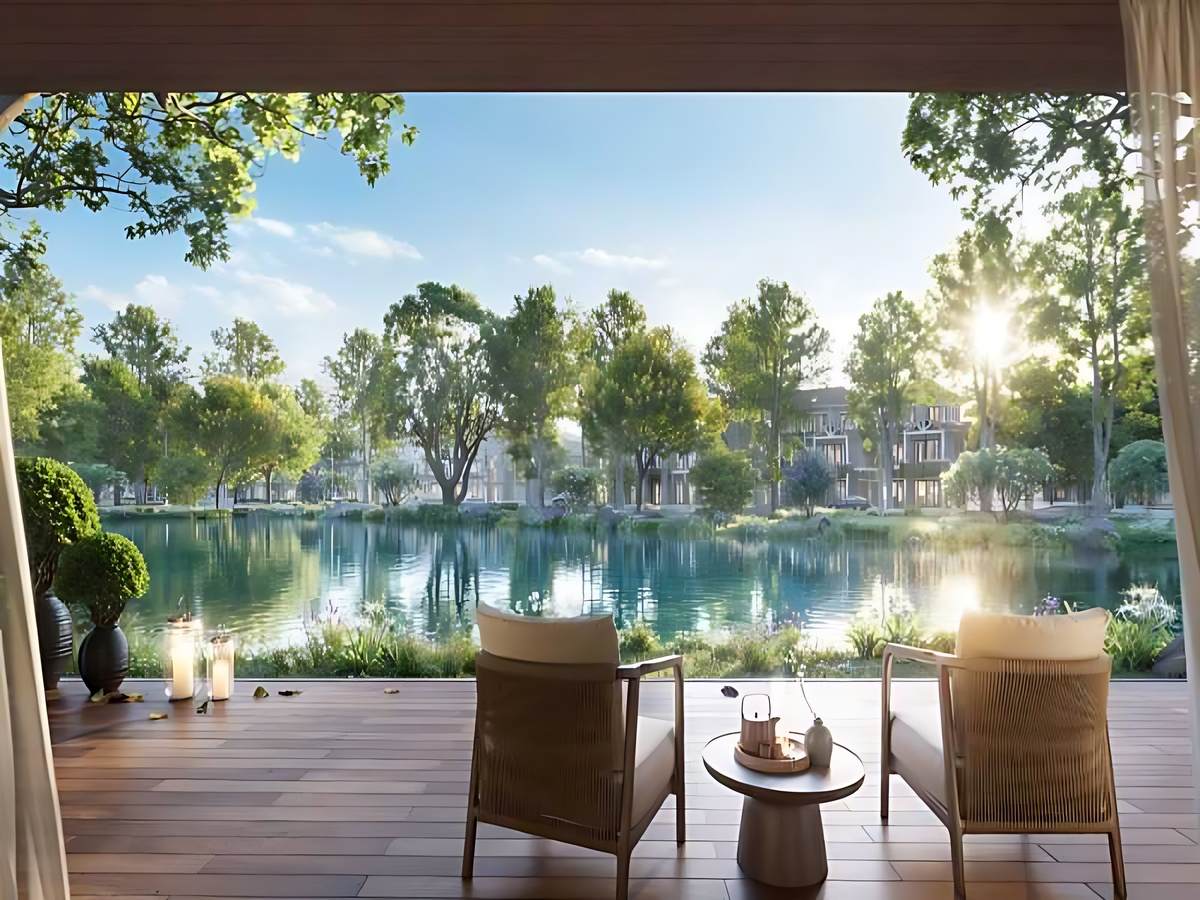
Impact of wellness living on health and quality of life. (Source: Collected)
In addition, a balanced and quiet living environment helps reduce stress and improve mental health for residents. Living spaces designed appropriately contribute to enhancing daily living experiences. This shows the connection between architecture and quality of life.
3.2. Increasing asset value and liquidity
With the support of Housing Law No. 27/2023/QH15, well-planned wellness real estate products are exhibiting superior liquidity. Investors are not only looking at amenities but also focusing on the project's "health index" as collateral. In the context of scarce green land funds, projects meeting the standards of low construction density and an environmental standard-compliant waste treatment system by 2026 have sustainable value growth, averaging 20-30% higher than traditional segments due to meeting the quality living standards of the elite.
On the other hand, referencing market trends shows that wellness projects are gradually becoming popular choices in the high-end and resort segments. This reflects a shift in consumer behavior and customer expectations. Value increase comes not only from location but also from living experience.
3.3. Future Development Potential
The development potential of wellness real estate is assessed positively as the demand for health and living environments continues to grow in modern society. This creates momentum for investors to develop products in a sustainable direction. When analyzing wellness living trends, long-term prospects are emphasized.
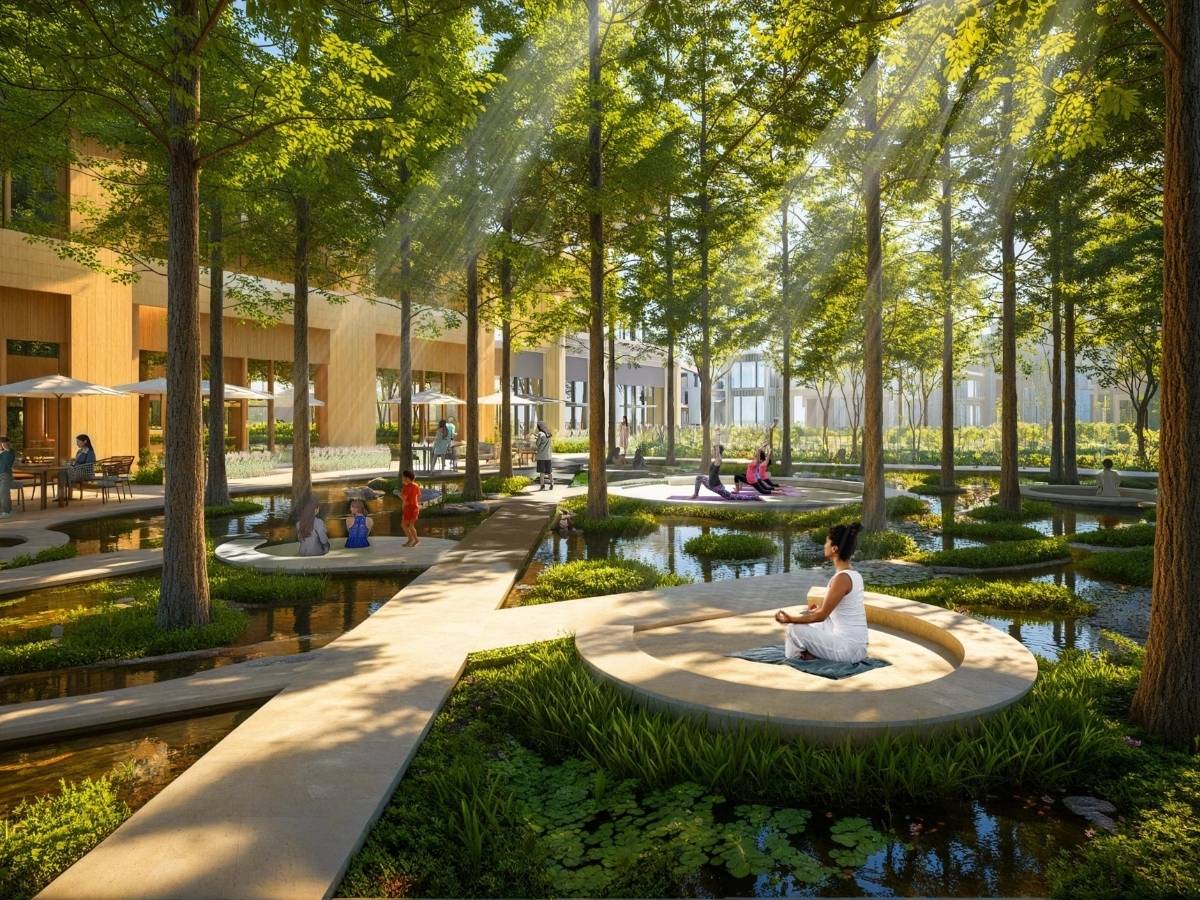
Development potential of wellness real estate in the modern living trend. (Source: Collected)
Furthermore, the trend of green and balanced living is becoming an important criterion in real estate selection for many customer groups. This helps the wellness segment maintain its appeal in the market. New projects are increasingly integrating many health care elements.
4. Experience in choosing real estate according to the wellness trend
4.1. Evaluating utility systems and living environment
When choosing real estate according to the wellness model, evaluating utility systems and the living environment is an important factor to ensure suitability for usage needs. Projects need to have a reasonable construction density and plenty of green space to create a balanced living environment. When exploring the wellness living trend , this is a criterion to consider. A fresh living space along with diverse utility systems helps residents maintain a healthy lifestyle and improve the quality of daily life.
4.2. Considering location and overall planning
The project location needs to be selected based on environmental factors, avoiding polluted areas and prioritizing places with favorable natural conditions. Suburban areas or those close to nature are often suitable for the wellness model. The overall planning of the project also needs to be considered to ensure synchronization between living spaces and amenities. This helps create a stable and long-term living environment. Choosing the right location contributes to enhancing the property's usability value.
4.3. Investor reputation appraisal according to new management standards
According to the latest Government regulations on real estate information disclosure, buyers need to assess the financial capacity and reputation of the investor through the national data system. Especially for wellness projects, the investor must have a professional operation certificate and a commitment to maintaining the green ecosystem. Choosing units with experience in implementing the ESG (Environment - Social - Governance) model will ensure the project not only meets technical standards but also maintains true wellness living values throughout the product lifecycle, minimizing operational legal risks after handover.
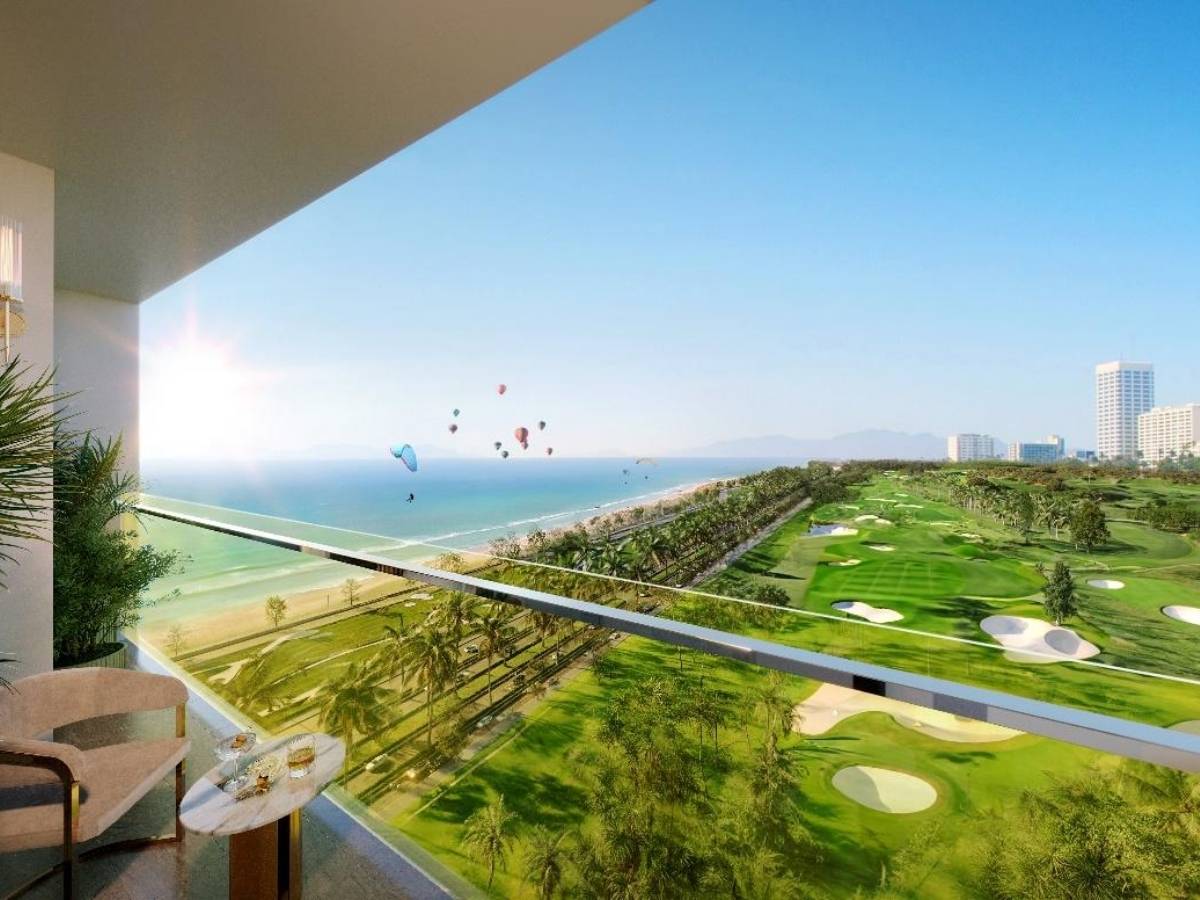
Choosing a reputable investor and wellness real estate project standards. (Source: Collected)
It can be affirmed that understanding the wellness living trend will help you choose a living space that suits modern needs and enhances quality of life. In general, this is not just a temporary trend but also a long-term orientation for the real estate market in the future.