


Lookup gross construction density and net construction density
Numbers regarding land use ratios have always been a challenging problem for anyone intending to build large-scale projects. Accurately determining the gross building density and the net building density is not merely about complying with the law, but also a way to create quality, sustainable living environments.

▲Table of Contents
1. Understanding construction density in current planning
1.1. Concept of construction density according to new standards
According to the National Technical Regulation on Construction Planning QCVN 01:2021/BXD (which remains the core foundation applied to date), net construction density is the ratio of the land area occupied by main architectural works to the plot area. Meanwhile, gross construction density (replacing the term 'net construction density' in some older documents) is the ratio of the land area occupied by architectural works to the entire land area, including yards, roads, green spaces, and open spaces.
The determination of these indicators currently must strictly comply with QCVN 01:2021/BXD, in synchronization with Land Law No. 31/2024/QH15 and the current Construction Law. Construction density indicators are clearly recorded in the detailed planning documents and serve as the basis for land valuation as well as the calculation of land financial obligations according to the market-aligned land price list applied from 2026.
In practice, construction density is determined based on the percentage between the building's footprint area and the total area of the specific land plot or lot. This index helps regulatory authorities control the scale of construction and ensure balance between the building and open spaces in the area. The correct application of standards helps ensure uniformity in urban development.
1.2. The role of construction density in real estate
In the real estate sector, gross construction density and net construction density play an important role in shaping urban planning and controlling urban development space for specific areas. Density regulations help limit construction area to ensure a balance between buildings and public spaces. This directly affects the quality of living environment and urban infrastructure.
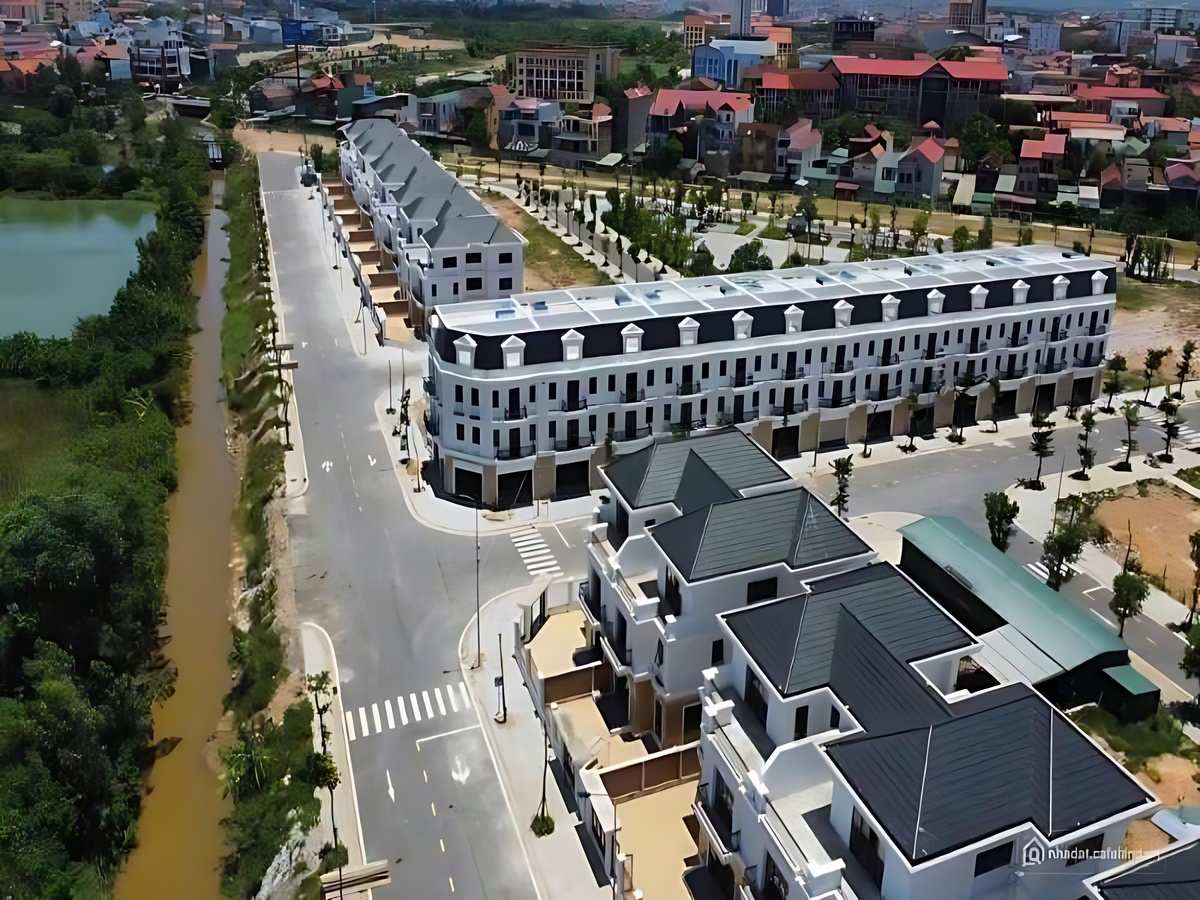
Construction density affects planning, living environment, and real estate value. (Source: Collected)
Furthermore, construction density also impacts the value and usability of land, especially in rapidly developing urban areas. Areas with reasonable density often attract buyers because they ensure living space and accompanying amenities. This contributes to the stability of the real estate market.
1.3. Classification of common construction density types
In planning, net building density and gross building density are classified into various forms to serve urban management and design purposes according to the specific scale of each project. Common types include pure building density, gross building density, and net building density depending on the calculation scope. Each type of density reflects a different approach to land use.
Distinguishing between different types of densities helps investors and regulatory bodies better understand the construction limits and development scale of each specific area. This is particularly important when planning or implementing real estate projects. These indicators are clearly stipulated in current legal documents.
2. Net construction density and gross construction density according to regulations
2.1. Concept of net construction density
According to regulations in QCVN 01:2021/BXD, net construction density is the ratio of the land area occupied by main architectural works to the plot area (excluding the land area occupied by decorative architectural objects, swimming pools, parking lots, playgrounds, decorative landscaping...). This index is the most important legal basis when submitting an application for a construction permit according to Construction Law No. 135/2025/QH15 and related amended and supplemented laws, helping to control the minimum empty space on each plot of land.
2.2. Concept of gross construction density
It should be noted that the term "net construction density" is now standardized and most commonly understood as gross construction density in 1/500 and 1/2000 planning projects. This is the ratio of the land area occupied by architectural structures to the entire land plot (including the area of roads, green spaces, open spaces, and areas where no structures are built within the scope of that land plot).
=
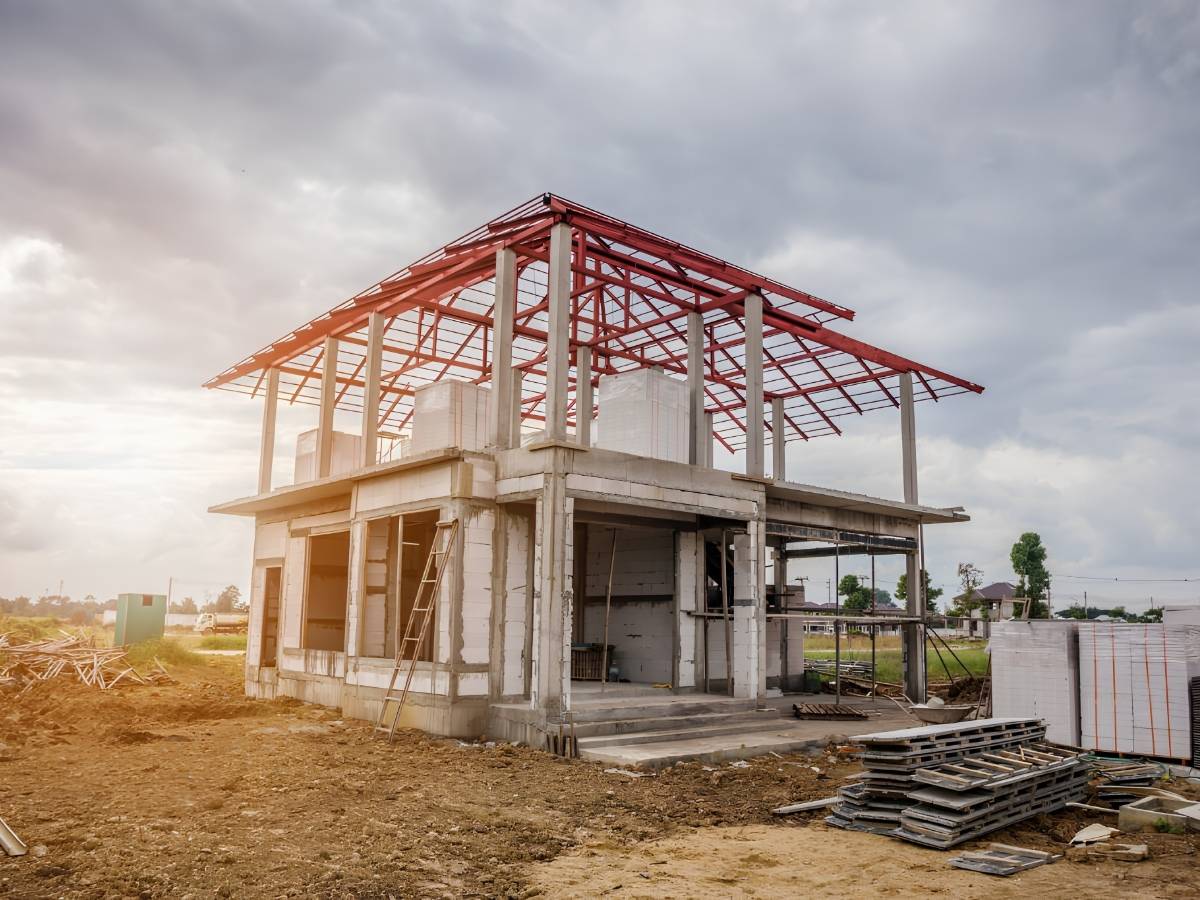
Gross construction density reflects the construction ratio over the entire land area. (Source: Compilation)
According to current regulations, the calculation of gross construction density must ensure indicators for technical infrastructure, social infrastructure, and especially the green space ratio as stipulated in Housing Law No. 27/2023/QH15 and the latest fire prevention and fighting standards in 2026. Controlling the gross density helps state agencies regulate urban space, avoiding overloading the general infrastructure system.
2.3. Differences between the two types of density
In essence, gross building density and net building density differ primarily in their calculation scope and intended use in construction planning. Gross density focuses on individual plots, while net density is calculated over an area excluding non-buildable land. This distinction directly impacts construction indicators.
Furthermore, the two types of density vary in their practical application, especially during project implementation or construction permitting. Gross density is typically used to control specific structures, while net density serves overall planning. This helps ensure uniformity in urban development.
2.4. Illustrative Examples of Practical Understanding
In practice, gross building density and net building density can be better understood through specific examples in residential areas or urban planning projects. A single plot of land will apply gross density to determine the maximum construction area for the building on that plot. Meanwhile, the entire residential area will apply net density for overall calculation.
Reading the density parameters on planning drawings helps buyers clearly understand construction potential and land use limitations before deciding to invest. This is especially important when buying land to build a house or participating in real estate projects. Correct understanding helps avoid errors in the land use process.
3. How to calculate construction density according to current regulations
3.1. Formula for calculating net construction density
According to the basic formula, net construction density and gross construction density are calculated based on the ratio of the building's footprint area to the total land area within a specifically defined scope. The building's footprint area is the area built on the ground, excluding outdoor auxiliary areas. The results are converted to percentages for easy comparison.
Building density calculated as the ratio of land coverage area to the plot. (Source: Collected)
3.2. Formula for calculating net building density
In overall planning, net building density and gross building density are calculated as the ratio of built-up area to the actual buildable land area after excluding non-built areas. Areas such as transportation, green spaces, or technical infrastructure will not be included in the denominator. This helps accurately reflect land utilization potential.
This formula is often applied in large-scale projects to ensure a balance between construction and public space. Accurate calculation helps optimize planning and enhance land use efficiency. This plays an important role in modern urban development.
3.3. Regulations on construction density limits
Currently, the maximum net construction density is determined according to the lookup table in QCVN 01:2021/BXD, depending on the building height and plot area. For example, for single-family houses with an area under 100m², the construction density can be up to 100%, but when the plot area is larger or the building is taller, this ratio will gradually decrease.
Specifically, following the trend of green urban development in 2026, commercial housing projects and social housing projects must strictly meet the minimum green space area targets according to Housing Law No. 27/2023/QH15. In addition to complying with net density, these projects must also meet standards for open space and urban drainage to adapt to climate change and ensure a living environment for residents.
3.4. Notes on practical application in construction
In reality, gross building density and net building density must be applied correctly according to the construction permit and approved planning before commencing construction of the project. Building beyond the permitted density can lead to legal violations and administrative penalties. This directly affects the rights of the investor.
Furthermore, adhering to building density also helps ensure construction safety and the quality of living space in the area. Factors such as setbacks and distances between buildings also need to be considered. This helps ensure sustainability in construction.
4. The significance of building density in investment and trading
4.1. Impact on Real Estate Value
In investment, gross construction density and net construction density directly affect real estate value by determining the construction scale and the utilization potential of usable space. Areas with low density often create airy living spaces and attract buyers. Meanwhile, high density helps optimize land use. The balance between construction density and living space plays an important role in real estate valuation in the market. Areas with reasonable planning often have more stable values. This affects demand and transaction capability.
4.2. Impact on planning and quality of life
In terms of planning, it affects the allocation of green spaces, infrastructure, and the level of air circulation in residential areas or urban centers. A reasonable density helps ensure a balance between buildings and the surrounding living environment. This contributes to improving the quality of life for residents. Conversely, excessive density can put pressure on infrastructure and reduce the quality of the living environment in the area.
4.3. Tips for reading density indicators when buying land
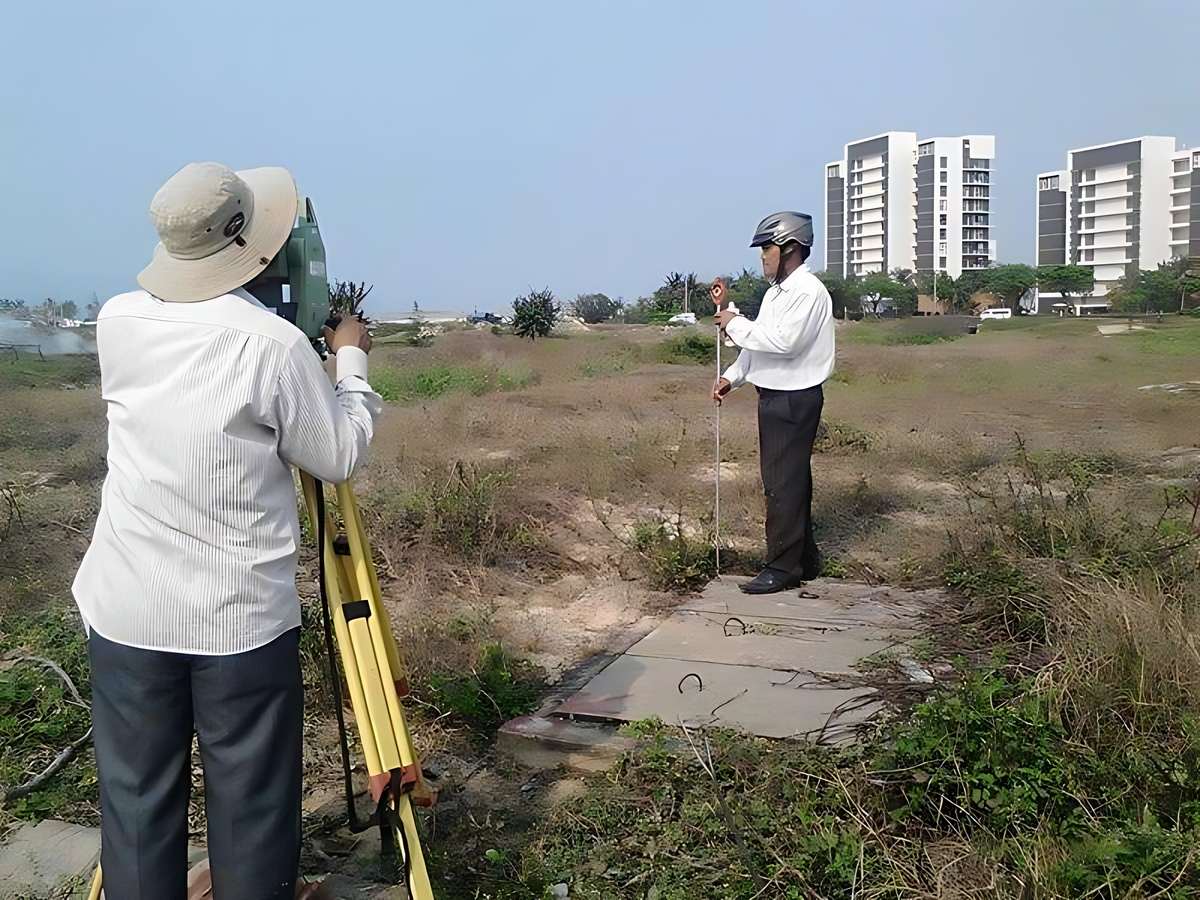
When buying land, gross construction density and net construction density are important indicators to check in detailed planning to understand the building potential on a specific plot of land. Understanding these indicators helps buyers determine the appropriate construction area for their usage needs. This helps avoid construction risks.

Building density helps determine the appropriate construction area on a plot of land. (Source: Collected)
4.4. Legal considerations and current planning trends
In the current context, gross building density and net building density are being more strictly managed to ensure sustainable urban development and limit excessive construction in residential areas. Legal regulations related to building density are continuously updated to align with development practices. This directly affects investment activities.
Current planning trends prioritize green spaces, synchronized infrastructure, and control of building density in new urban areas. This helps improve the quality of life and ensure long-term development. Updating new regulations helps investors adapt better to the market.
Understanding net building density and gross building density not only helps you understand the planning correctly but also supports making accurate decisions when building or investing. This is an important factor to ensure the construction is legal and optimize real estate value in the long term.