


Luxury apartment complex waste management system, urban green living standard
In the context of rapid urbanization, waste treatment systems in high-end condominiums have become an important criterion when choosing a place to settle down. Not only does it help maintain a clean living environment, but modern waste treatment technology also contributes to increasing real estate value, moving towards a sustainable green living standard.

▲Table of Contents
1. Overview of High-End Apartment Waste Treatment Systems
1.1. Concept of High-End Apartment Waste Treatment Systems
The high-end apartment waste treatment system is understood as a set of technical and operational solutions aimed at collecting, sorting, transporting, and processing waste in a closed-loop process within the building premises. This process is typically integrated from the apartment floors to the central processing area, ensuring control over odors, bacteria, and limiting environmental dispersion. Unlike traditional models, this system is highly synchronized, applying numerous automation technologies in each stage.
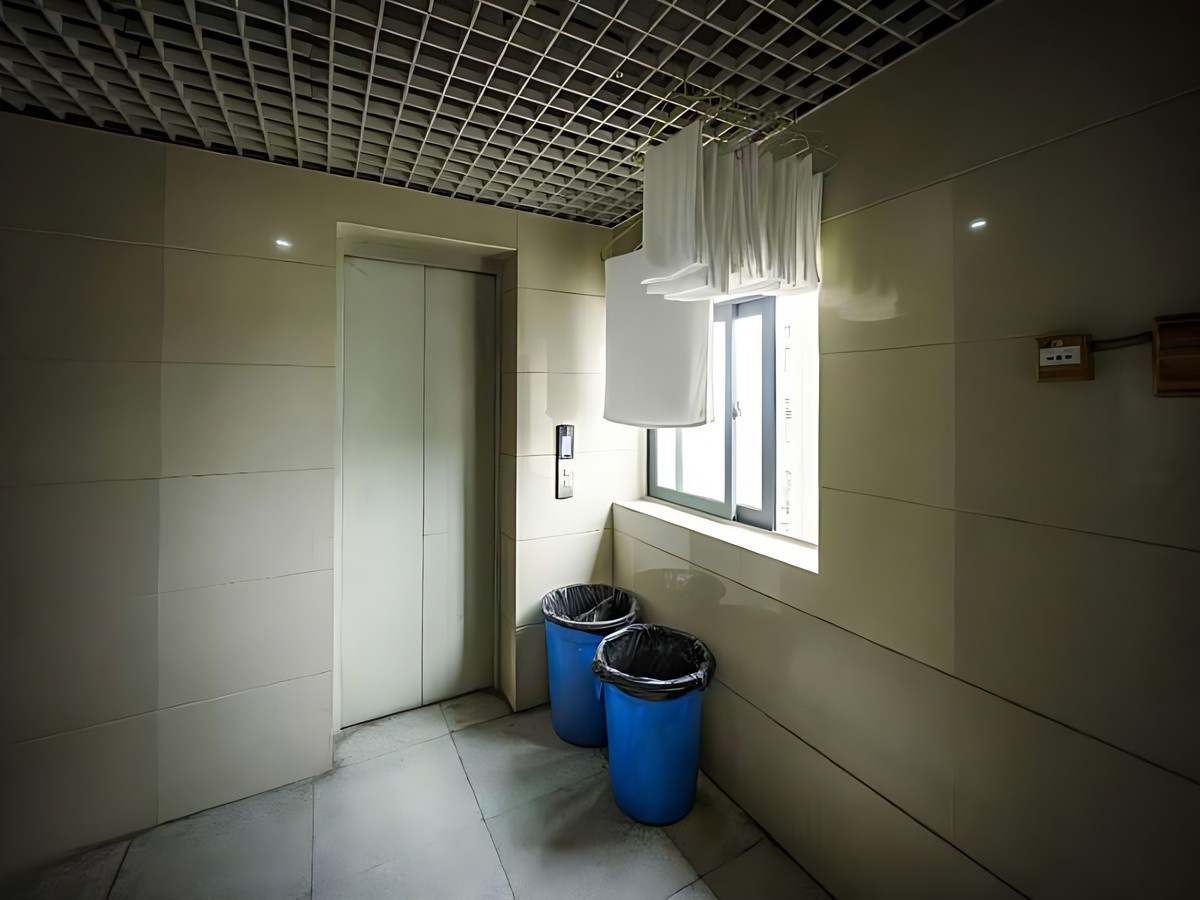
High-end apartment building's waste treatment system operates in a closed loop and is synchronized right from the design phase. (Source: Collected)
Compared to mass-market apartments, the systems in high-end projects are usually designed from the environmental impact assessment and construction planning stage, to meet strict technical standards. According to current regulations, investors must arrange suitable waste collection areas in the design and operation to serve residents. At the same time, this system is also linked to the requirements of solid waste control and minimizing environmental impact from the project's inception.
1.2. Role in improving residents' quality of life
A well-organized waste treatment system significantly helps reduce odor issues, leachate, and bacterial proliferation in living spaces. This is especially important in high-density residential areas, where daily waste generation can reach hundreds of kilograms per building. Effective waste control leads to a cleaner living environment, reducing the risk of impacting residents' health.
Besides environmental factors, the system also contributes to enhancing the living experience through convenience and safety. Residents do not need to come into direct contact with waste, reducing the risk of infection and ensuring personal hygiene. Regulations on penalties for littering in the wrong place in apartment buildings also demonstrate the system's role in maintaining order and living environment hygiene.
1.3. Standards for evaluating modern waste treatment systems
A modern waste treatment system is usually evaluated based on criteria such as closed-loop operation capability, automation level, and environmental control capability. Advanced systems often use odor reduction technology, air filtration, and temperature control to ensure no secondary pollution is generated during the process of waste storage and transportation. In addition, the integration of warning and monitoring systems is also an important criterion.
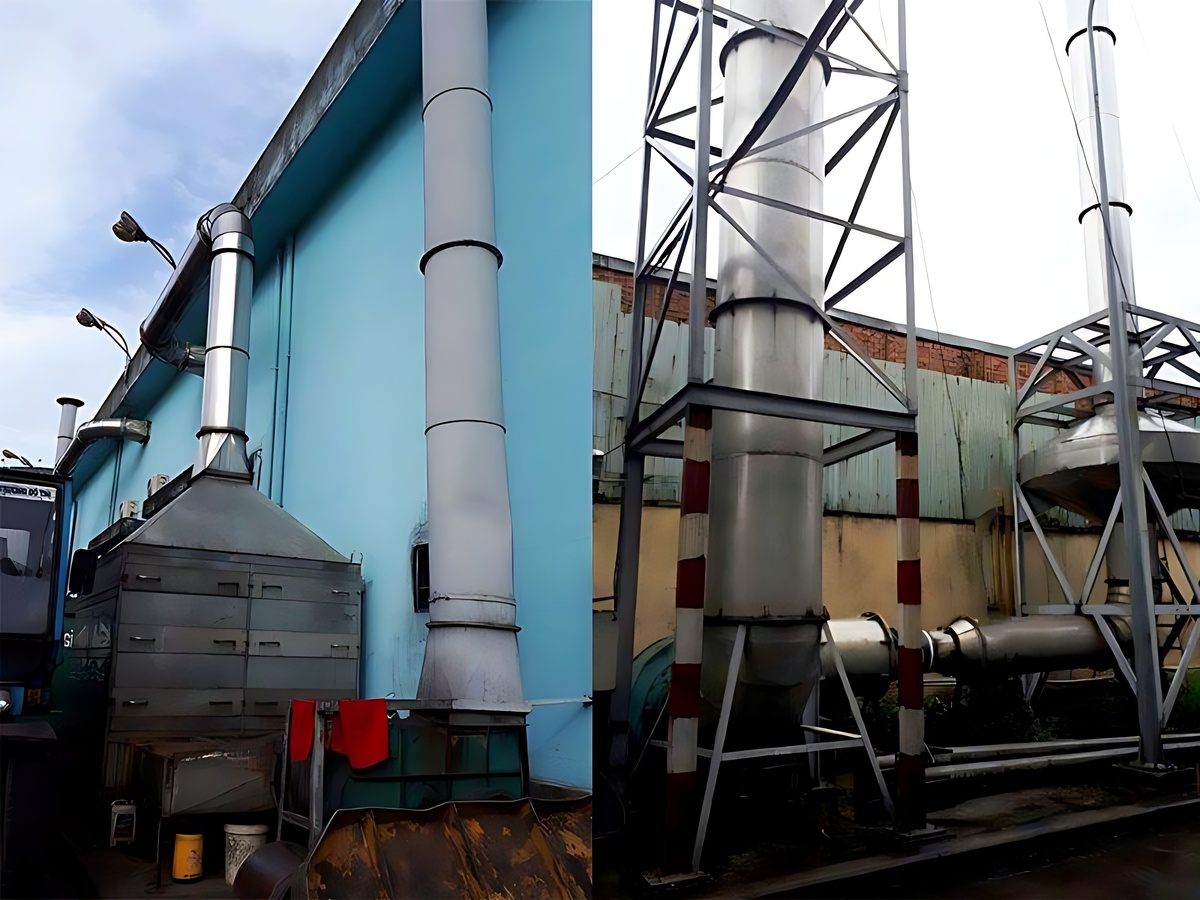
Modern waste treatment systems prioritize closed-loop operation, automation, and pollution control. (Source: Collected)
According to technical regulations for apartment buildings, the waste collection system must ensure fire and explosion safety, environmental hygiene, and a storage time not exceeding 24 hours. These criteria help ensure stable system operation, reduce long-term costs, and limit incidents during use. At the same time, current trends also aim towards environmental friendliness and optimizing operating costs through smart technology.
2. Current waste treatment technologies in high-end apartment buildings
2.1. Automatic Vertical Chute Waste Collection System
The vertical chute waste collection system is a popular solution in high-rise projects, allowing residents to deposit waste into collection ports on each floor. Waste is then automatically transported through pipes to a centralized processing area, minimizing manual handling. This mechanism helps reduce time and effort for both residents and operating staff.
According to technical standards, waste collection rooms must be designed to be sealed, with separate ventilation and fire protection systems to ensure safety. This system also helps reduce direct contact with waste, limiting the spread of odors and bacteria into the apartment building corridors. The application of the vertical chute solution contributes to improving waste management efficiency in high-rise buildings.
2.2. Smart waste sorting technology at source
The trend of waste sorting at the source is being widely implemented in large urban areas, especially in modern apartment projects. This system allows for the separation of organic waste, recyclables, and residual waste right at the apartment or floor level, helping to reduce the burden on subsequent processing. Some projects have integrated sensors or recognition technology to support more accurate sorting.
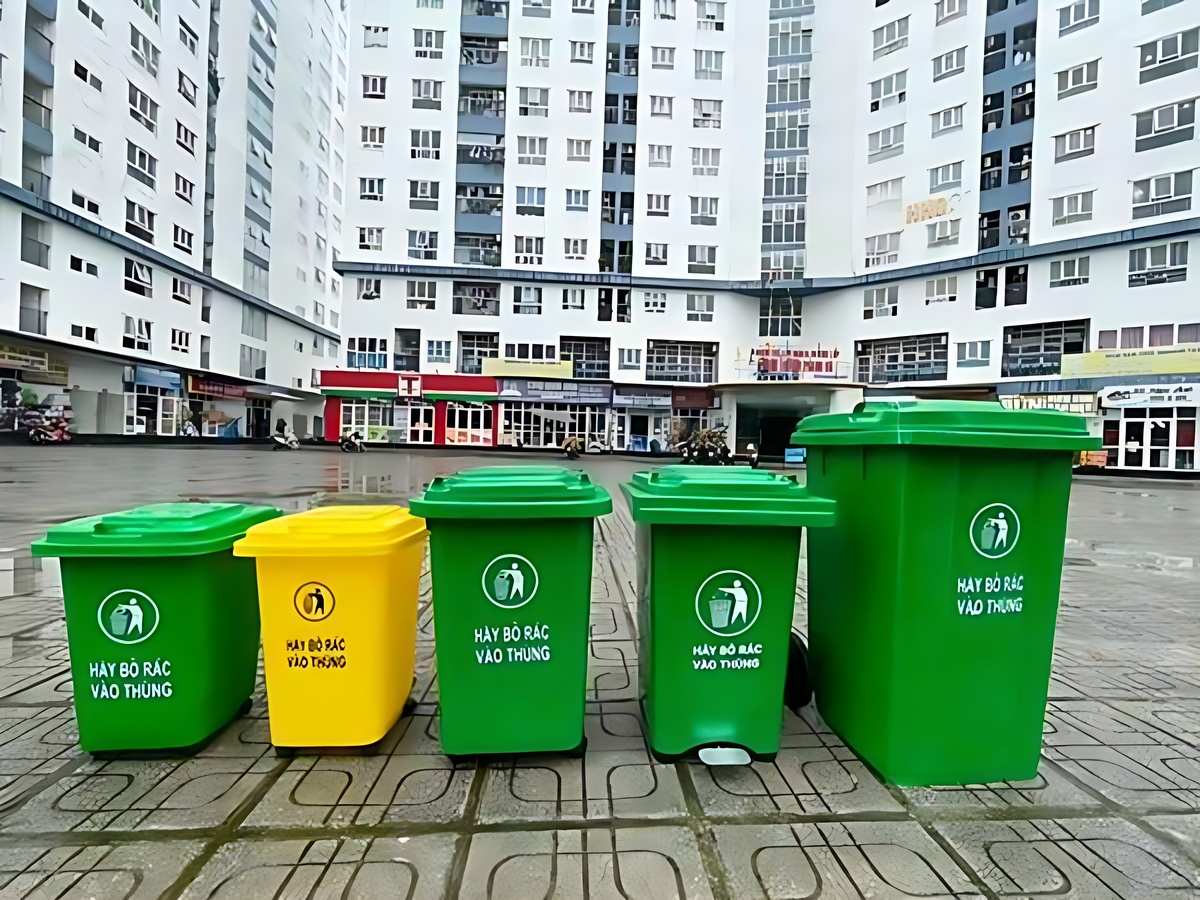
Waste sorting at source helps comply with environmental laws and optimize processing. (Source: Collected)
According to Environmental Protection Law No. 72/2020/QH14 and consolidated documents 2026, the sorting of domestic solid waste at source has become a mandatory requirement for all households and individuals. In high-end apartment buildings in 2026, smart waste sorting systems are not just an additional amenity but a core component for legal compliance. Current investors integrate waste identification technology at collection points, helping to automatically separate food waste, recyclable waste, and other household waste, ensuring downstream processing proceeds smoothly and in accordance with regulations.
2.3. On-site organic waste treatment solutions
In high-end projects, organic waste is often treated on-site using specialized equipment, which helps reduce the volume of waste that needs to be transported out. Common technologies include machines that process organic waste into compost or drying systems that reduce waste volume. These solutions help optimize the treatment process and lower transportation costs.
On-site organic waste treatment also contributes to reducing greenhouse gas emissions from landfilling activities. When organic waste is separated and treated effectively, the remaining waste volume decreases significantly, thereby reducing pressure on urban waste treatment systems. This is a trend consistent with the direction of sustainable development and effective waste management in residential areas.
2.4. Application of IoT in apartment building waste management
IoT technology is being applied in waste management to improve operational efficiency and reduce costs. Sensors are installed in trash bins to monitor fill levels, thereby optimizing collection and transportation schedules. The system can also send alerts when incidents occur or when trash bins exceed allowed thresholds.
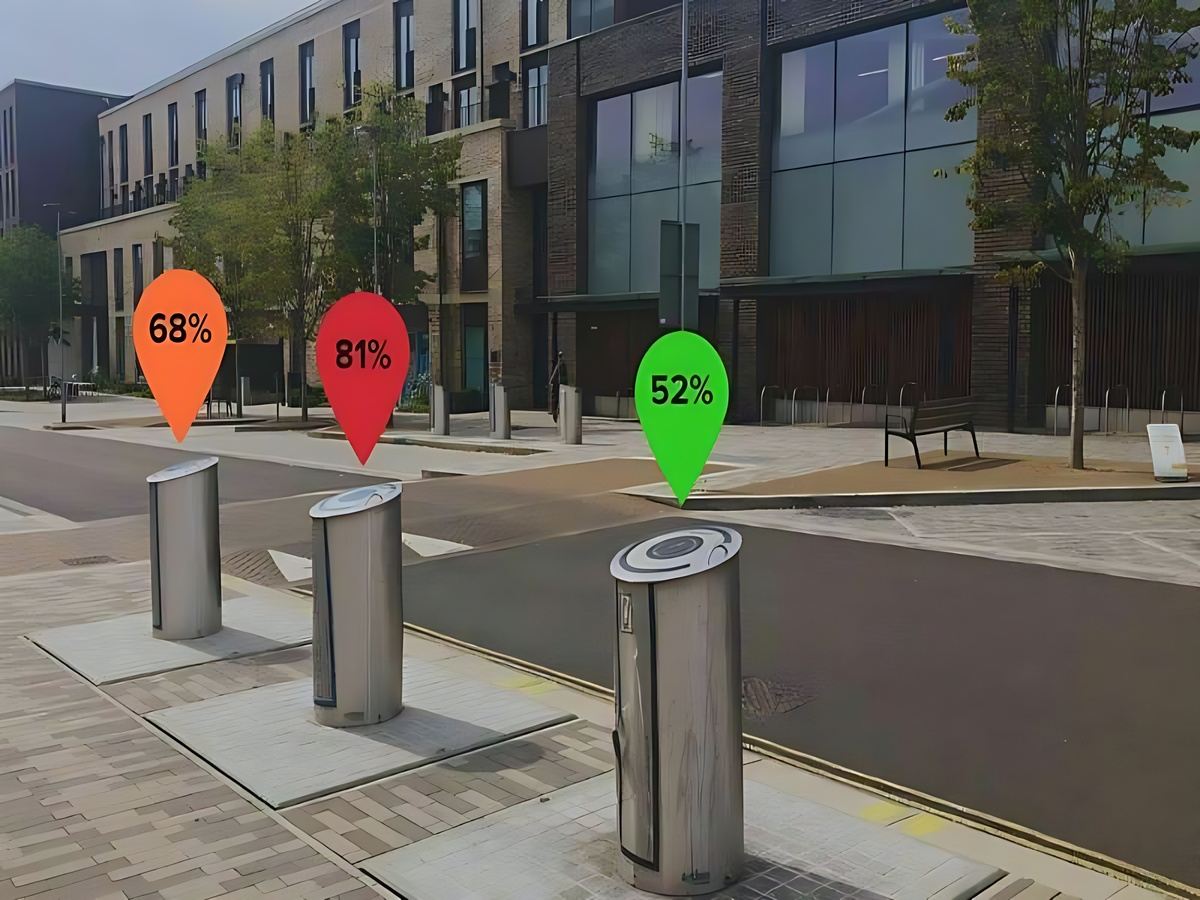
Application of IoT technology helps smart waste management and optimizes operating costs. (Source: Collected)
The application of IoT helps management control the entire waste treatment process in real-time, thereby improving management efficiency. Furthermore, the collected data also supports analysis of waste generation trends, helping to adjust operating plans accordingly. This is a step forward in modernizing the high-end apartment waste treatment system , in line with the smart city trend.
3. Legal regulations related to the high-end apartment waste treatment system
3.1. Regulations on household solid waste management
The Law on Environmental Protection 2020 clearly stipulates the responsibilities of individuals, households, and organizations in classifying and treating household solid waste. Accordingly, waste must be divided into groups such as recyclable waste, organic waste, and residual waste, to facilitate more effective treatment processes. This is an important change in environmental management policy in Vietnam.
The law also stipulates that waste collection units have the right to refuse waste collection if it is not sorted according to regulations. This places direct responsibility on residents and the apartment building management for compliance with the regulations. At the same time, sanctions for violations are also applied to ensure the strictness of the law.
3.2. Design standards for technical systems in apartment buildings
Construction Law 2025 (No. 135/2025/QH15), officially taking effect from July 1, 2026, along with related technical regulations, requires apartment projects to ensure synchronous technical infrastructure, including a waste treatment system. This system must be designed to ensure fire and explosion safety, environmental hygiene, and no impact on common living areas. This is an important part of the building's overall infrastructure.
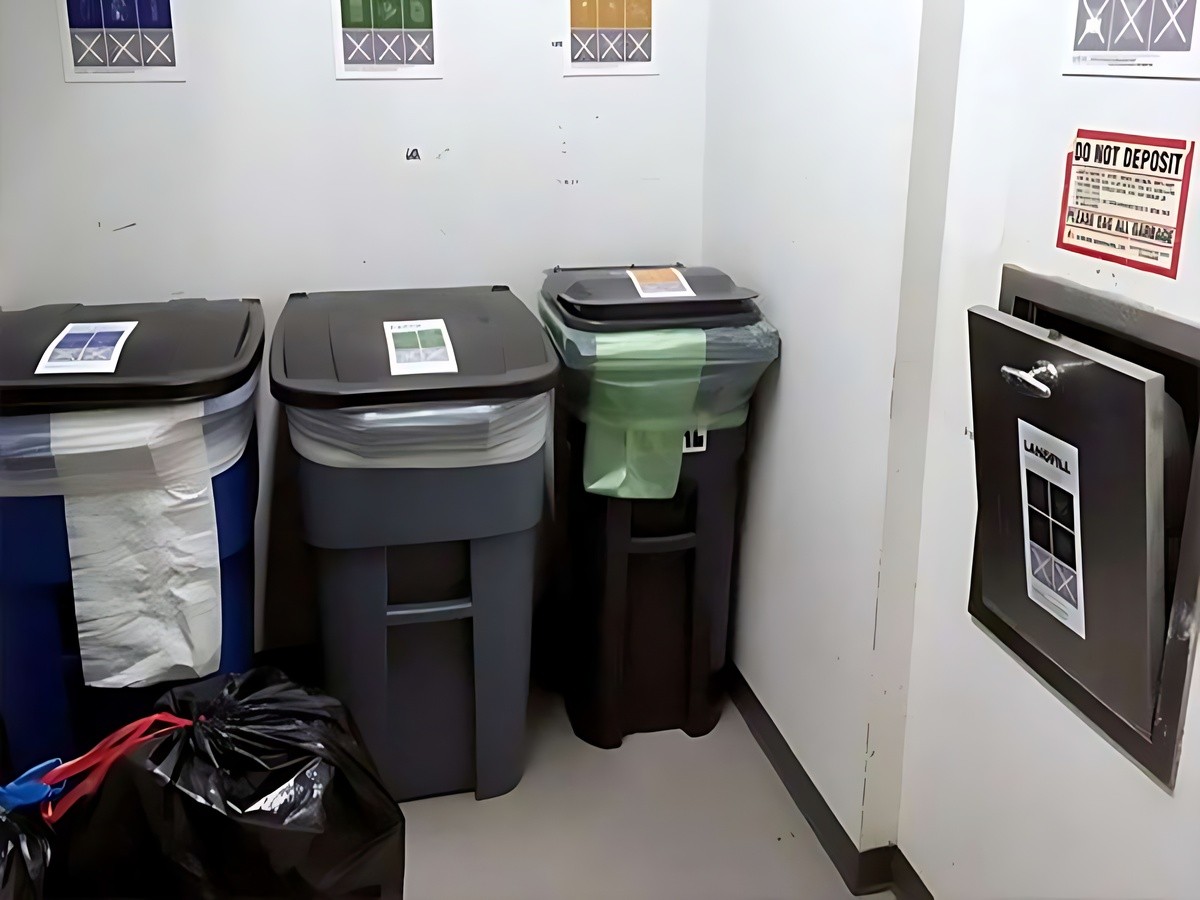
Apartment building garbage collection systems must ensure technical safety and fire prevention. (Source: Collected)
According to the National Technical Regulation on Apartment Buildings QCVN 04:2021/BXD combined with the latest amendments on fire and explosion safety, the garbage collection system must be designed completely separate from the escape stairs. Vertical garbage chutes must use non-combustible materials, be equipped with an automatic fire-stop door system, and a specialized smoke exhaust pressurization system. Strict adherence to these technical standards helps eliminate the risk of fire spreading through garbage chutes – a potential risk in high-rise buildings – while ensuring a consistently clean living environment and absolute safety for residents.
3.3. Operational Responsibility for Waste Treatment System
The project owner and the management and operation unit are responsible for ensuring the waste treatment system operates stably and meets environmental standards. This includes equipment maintenance, periodic inspections, and timely resolution of arising incidents. Operation not in accordance with procedures can lead to environmental pollution and affect residents.
According to regulations, the apartment building management board is responsible for collecting waste within the building and coordinating with external units for transportation and disposal. At the same time, projects must also conduct periodic environmental monitoring to assess the effectiveness of waste treatment. These regulations aim to ensure the system always operates according to standards and minimizes negative environmental impacts.
4. Value of high-end apartment waste treatment systems for real estate
4.1. Increasing the value of high-end real estate projects
Waste treatment systems in high-end projects are considered a technical factor that contributes to enhancing the overall value of real estate. When the living environment is ensured to be clean, odorless, and well-controlled for waste, the project has a clear advantage in the eyes of buyers. This is a factor that directly impacts the selling price, liquidity, and attractiveness of the project in the market.
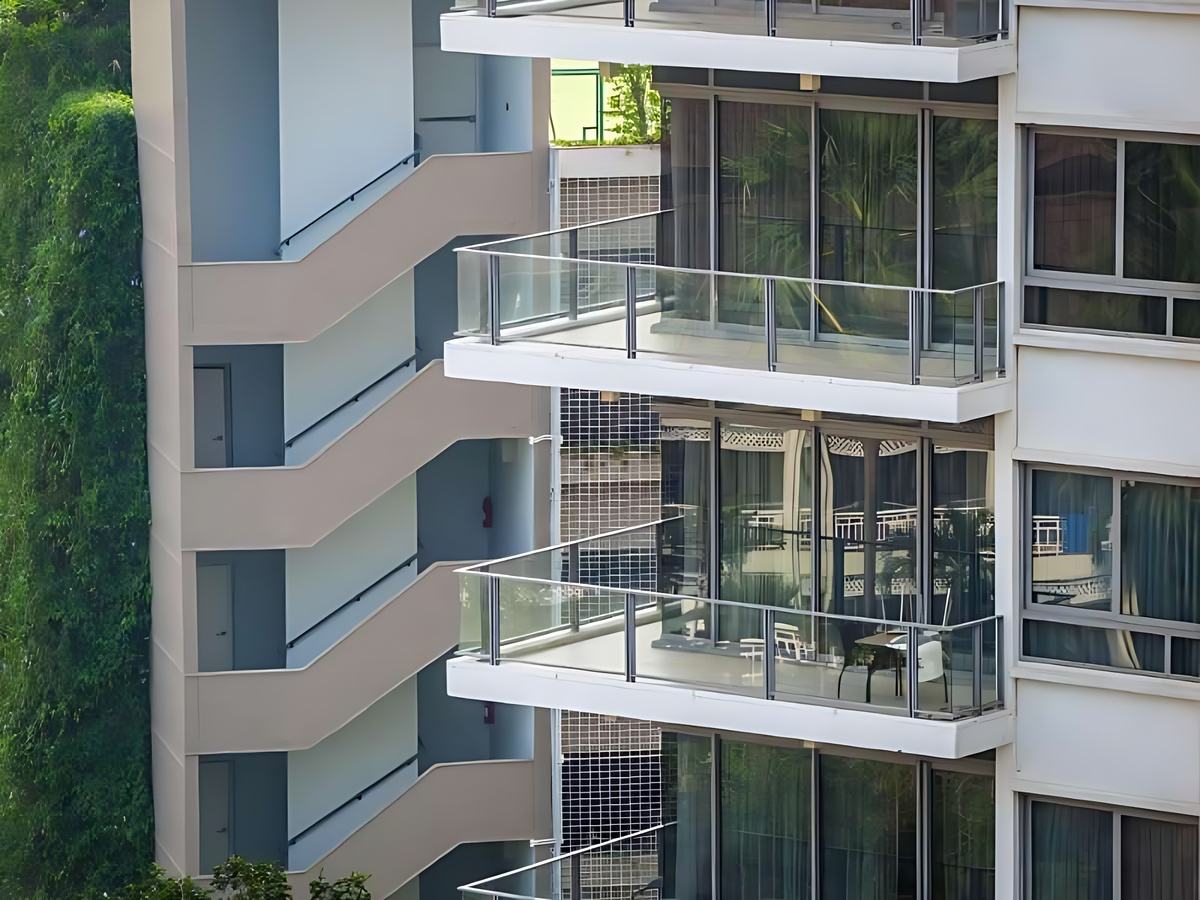
Modern waste treatment system enhances project value and liquidity. (Source: Collected)
4.2. Attracting environmentally conscious customers
Urban customers are increasingly concerned about their living environment and health, especially amidst rising pollution in major cities. A modern waste treatment system helps minimize environmental impact and creates a cleaner living space. This aligns with consumption trends towards sustainable development, thereby helping the project attract residents with high environmental awareness.
4.3. Optimizing long-term operating costs for residents
The application of modern waste treatment systems helps reduce operating costs by optimizing waste collection and treatment processes. When waste is effectively sorted and processed, transportation and labor costs are significantly reduced. Furthermore, the application of technology helps reduce maintenance frequency and improve management efficiency, contributing to maintaining stable management fees for residents.
Luxury Apartment Waste Treatment System is not only a technical solution but also a core factor shaping the quality of modern urban life. Choosing a project with an advanced waste treatment system helps residents enjoy a clean, safe living space with peace of mind, while also contributing to building a civilized community and sustainable development in the future.