


Placement of mirrors in the bedroom according to feng shui, easy to apply
The placement of mirrors in the bedroom not only affects aesthetics but also directly impacts feng shui, sleep, and life energy. If placed incorrectly, mirrors can cause unease and insomnia. This article helps you understand the correct arrangement methods that are easy to apply in practice.

▲Table of Contents
1. Overview of mirror placement in the bedroom according to Feng Shui
1.1. Role of mirrors in the bedroom
Mirrors are familiar items in modern bedroom spaces, especially in apartments with an average area of 45–70m² in urban areas. Thanks to their reflective ability, mirrors help expand the sense of space and enhance natural light, especially for rooms with windows facing East or Southeast. Proper placement of mirror placement in the bedroom also helps improve lighting efficiency, reducing the need for artificial lighting during the day.
Besides aesthetic factors, mirrors also affect the flow of energy in the bedroom according to Feng Shui principles. Mirrors are considered powerful reflectors that can amplify or direct positive energy if placed in the right position; conversely, they can cause disruption if positioned incorrectly. In practice, improper mirror placement can affect one's psychology, cause feelings of unease, and lead to prolonged sleep disturbances.
1.2. Feng Shui principles for placing mirrors
In East Asian Feng Shui, mirrors belong to the Metal element and have a strong reflective property, thus needing to be placed according to the principle of energy balance. One of the common rules is to avoid having mirrors directly reflect the bed, as this is believed to disrupt the energy field and affect the state of rest. Especially in apartments in Hanoi or Ho Chi Minh City, bedroom designs are often minimalist, making adherence to this principle even more necessary.
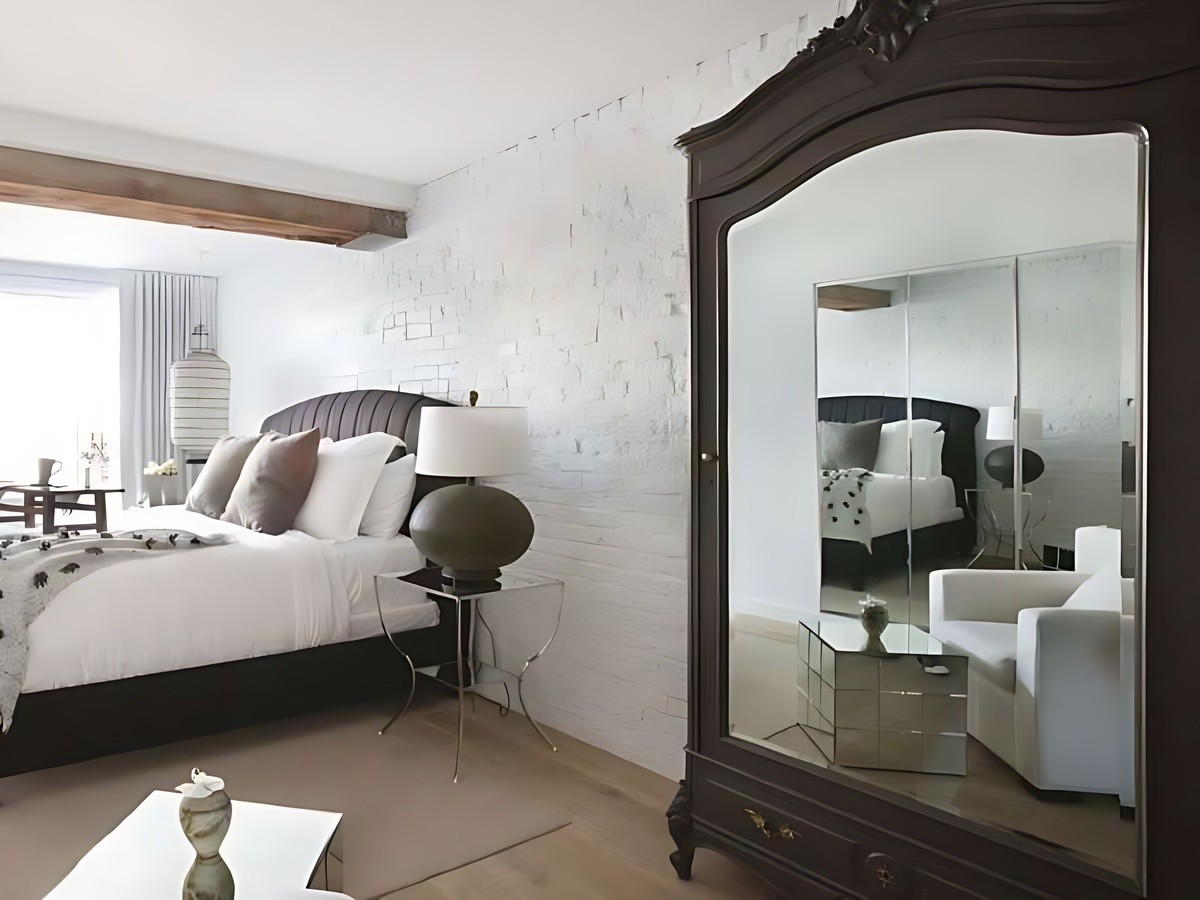
Feng shui mirror placement helps balance energy and improve the homeowner's health. (Source: Compilation)
Additionally, mirrors should not be placed opposite the main bedroom door as they can reflect good airflow outwards, reducing the accumulation of positive energy in the space. Suitable directions for placing mirrors are usually East, North, or Southeast, corresponding to the elements of health, career, and wealth. These are basic principles that help guide rational arrangement in many types of housing.
1.3. Common mistakes when placing mirrors
One of the common mistakes is placing a mirror directly opposite the bed, especially in small rooms under 15m². This can easily create a feeling of being watched, causing unease when waking up at night and affecting sleep quality. In some cases, the reflection of the entire bed can also make the space look cluttered and lack the necessary privacy.
Additionally, installing large mirrors or ceiling mirrors that reflect the entire room is also a common design mistake in renovated apartments. Locations lacking light but where mirrors are placed inappropriately can create negative reflection effects, making the space dark and unbalanced. Using too many mirrors in the same room also increases energy dispersion.
2. Feng Shui-compliant mirror placement positions in the bedroom
2.1. Mirror placed beside the bed
Placing a mirror offset to the side of the bed is one of the popular arrangements in current interior design. This position helps avoid directly reflecting the bed, while still ensuring daily functionality. For bedrooms with an area of 12–18m², this arrangement helps maintain energy balance without affecting the overall layout.
Besides feng shui factors, this position also helps create a sense of spaciousness for the room, especially when combined with natural light from the window. Mirrors placed beside the bed are also suitable for small bedrooms in townhouses or apartments, where usable space needs to be optimized effectively.
2.2. Mirrors in Wardrobes
Integrating mirrors into wardrobe doors or using built-in wardrobe mirrors is an optimal solution for modern apartments. Following the smart interior design trend of 2026, electronic mirrors or concealed mirrors help to limit negative feng shui impacts when not exposed during rest. This is a solution stipulated in many high-end interior design standards to optimize usable space while ensuring privacy and safety for homeowners.
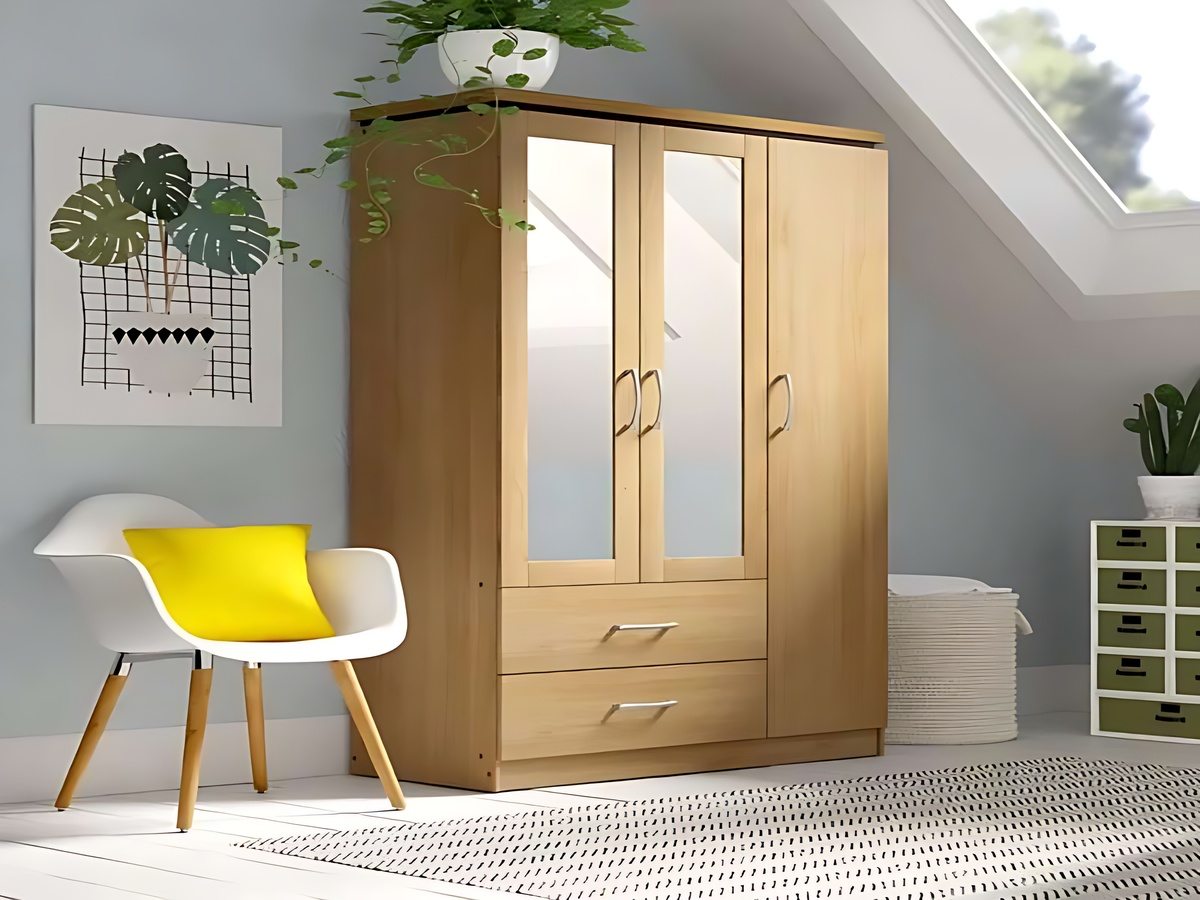
Built-in mirrors optimize space, ensure privacy, and limit feng shui impact. (Source: Collected)
Furthermore, mirrors in cabinets increase convenience as users can utilize them immediately while changing clothes without needing to arrange a separate area. When the cabinet is closed, the mirror is completely hidden, helping to reduce the feeling of scattered energy in the bedroom and maintain a stable resting space.
2.3. Mirror near the window
Placing a mirror near the window helps maximize natural light, especially for bedrooms facing East or Southeast. Light reflected through the mirror can make the space 20–30% brighter compared to conventional arrangements, according to surveys on residential interior design. This is an effective solution for small or dimly lit rooms.
However, care should be taken not to place the mirror to directly reflect the window or strong sunlight, as this can cause glare and discomfort. Proper placement will help make the space more airy, while maintaining a balance between light and energy in the bedroom.
2.4. Mirror behind the door
Placing a mirror behind the door is a suitable solution for apartments with a small area under 60m² or townhouses with limited space. When not in use, the mirror is completely hidden, helping the space become tidy and avoid affecting sleep. This is a common arrangement in minimalist interior designs.
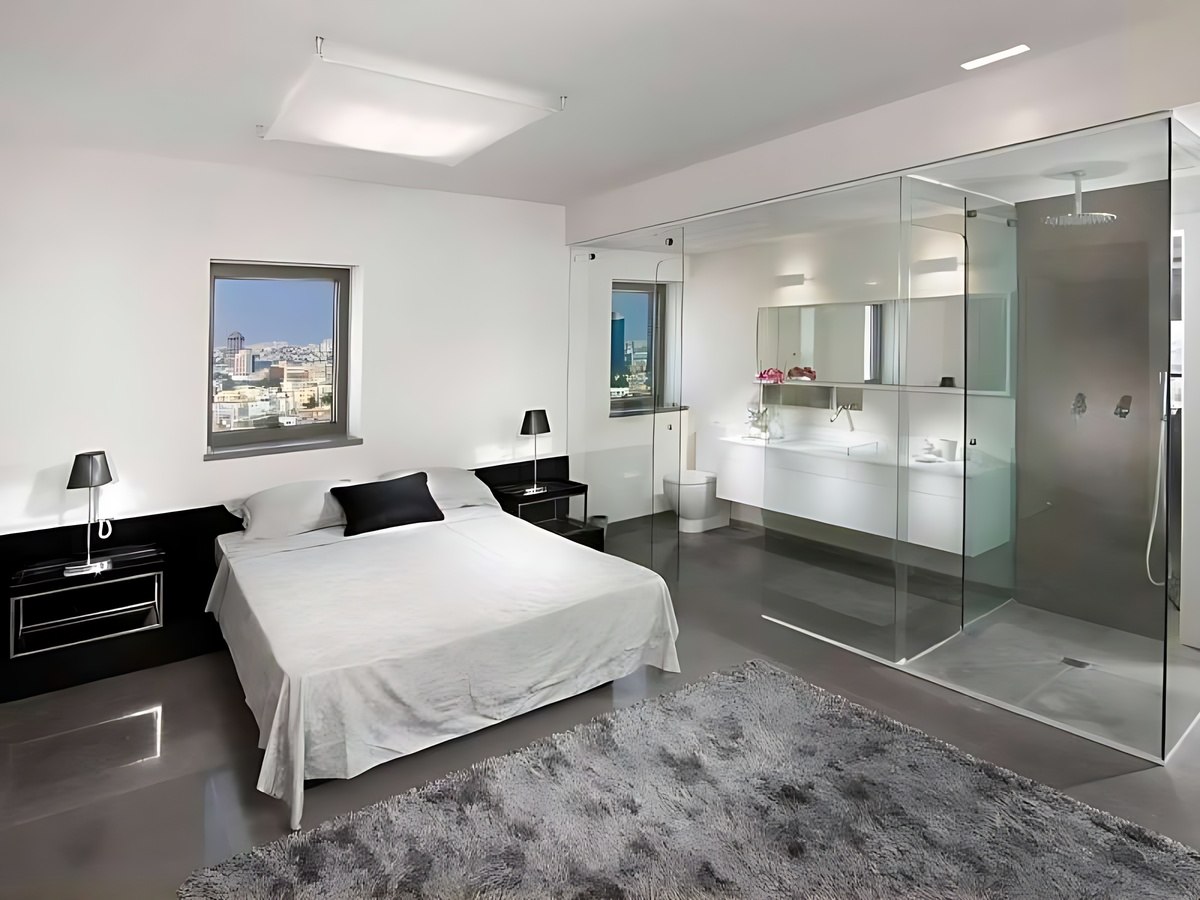
Placing a mirror behind the door saves space and avoids reflecting important areas. (Source: Collected)
Additionally, this position helps limit direct reflection into important areas such as the bed or the doorway. Hiding the mirror also helps reduce psychological impact, especially for those sensitive to light or reflections at night.
3. Mirror placement positions in the bedroom to absolutely avoid
3.1. Mirror facing the bed
A mirror facing the bed is a position often recommended to avoid in home feng shui. The reflection of images while sleeping can cause a startled feeling, especially in low light conditions at night. Many psychological studies show that this factor can reduce sleep quality and increase stress levels.
Furthermore, according to feng shui beliefs, placing a mirror in this position also affects family relationships, especially marital relationships. The reflected image is believed to increase energy conflict, causing instability in daily life if prolonged over a long period.
3.2. Mirror facing the bedroom door
When placing a mirror opposite the bedroom door, the energy entering the room will be reflected back out. This reduces the ability to accumulate positive energy and can affect the homeowner's fortune according to Feng Shui principles. In modern designs, this position is also unsuitable as it can easily cause a visually jarring feeling. Besides Feng Shui considerations, reflecting the entrance door also reduces the privacy of the sleeping space. This is especially evident in apartments, where space is limited and functional areas are arranged close to each other.
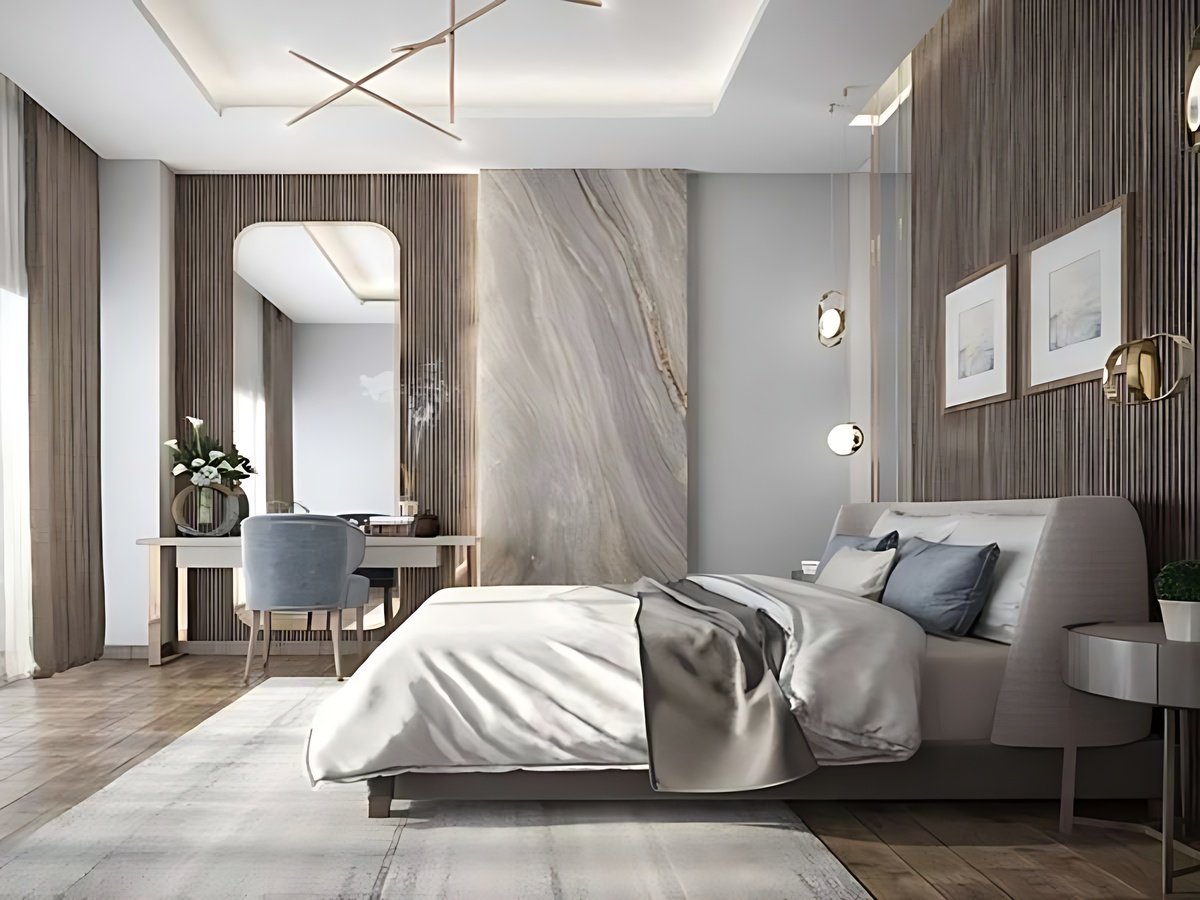
Placing a mirror opposite the door reflects energy, reduces wealth/fortune, and bedroom privacy. (Source: Collected)
3.3. Mirror facing the work desk
In many apartments today, bedrooms often integrate a desk or dressing table. If a mirror directly faces this area, users may experience scattered focus due to continuous reflections. This affects work efficiency, especially for those working from home. Furthermore, continuous reflections can make the space visually cluttered and lacking a clear focal point. Improper placement of mirrors in the workspace also reduces energy concentration, causing fatigue during prolonged use.
3.4. Mirror at the head of the bed or on the ceiling
Placing mirrors at the head of the bed or on the ceiling is a design flaw that previously appeared in some interior spaces. This position creates psychological pressure due to direct reflection when lying down, especially at night when the light is dim. This can cause anxiety and affect long-term health. Furthermore, installing mirrors on the ceiling also increases uncontrolled light reflection, causing eye discomfort. This is a common feng shui mistake but has gradually been limited in modern designs to ensure the stability of the resting space.
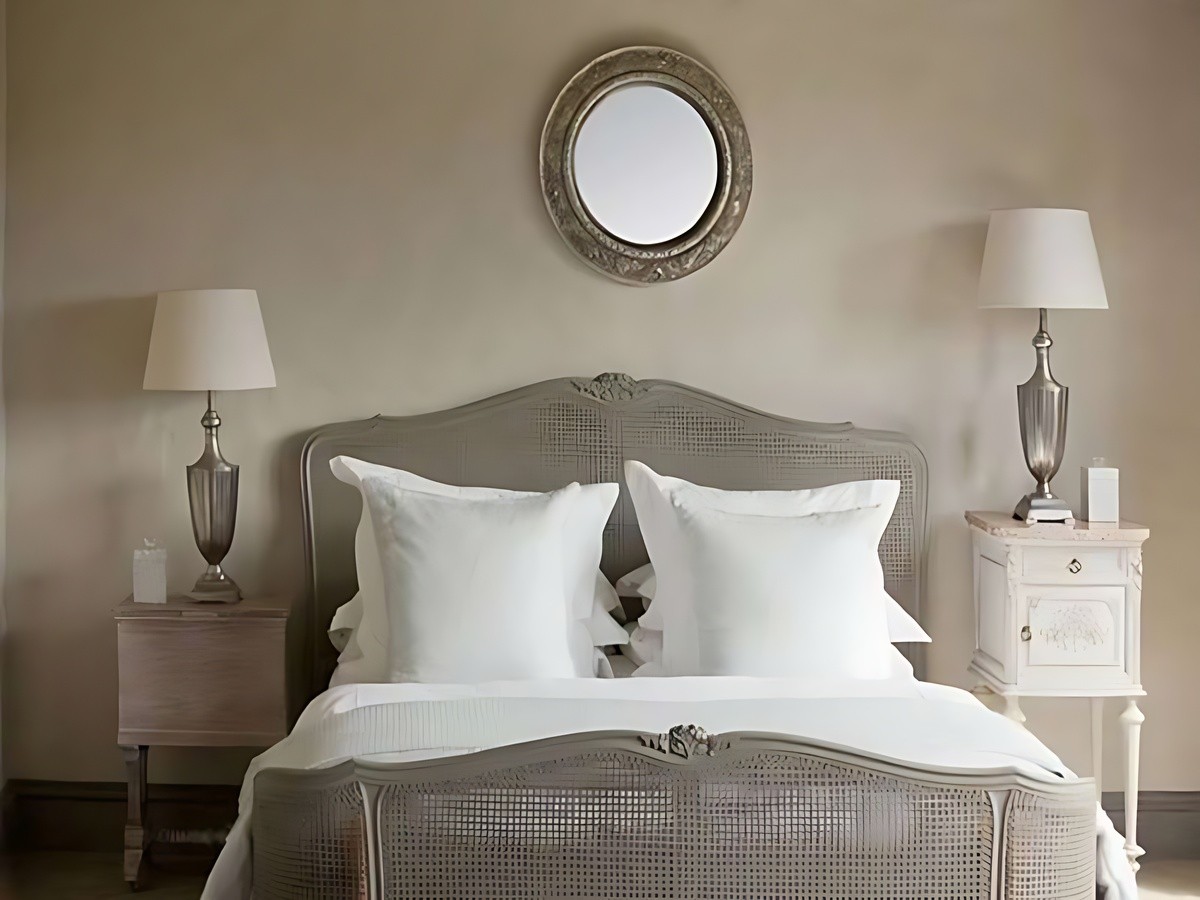
Design flaw of a mirror directly reflecting the bed causing insomnia. (Source: Compiled)
4. Bedroom mirror layout for different types of spaces
4.1. Mirror in a small bedroom
For small bedrooms under 12m², the choice of mirror placement in the bedroom should prioritize neatness and integration. Mirrors should be combined with furniture such as wardrobes or dressing tables to save space. Using an inappropriate large mirror can make the space cluttered and unbalanced. However, if placed correctly, mirrors can still help expand the perceived space and increase the room's brightness. Placing mirrors to reflect natural light is a common solution applied in small urban apartments.
4.2. Mirrors in the master bedroom
The master bedroom usually has an area of 20–30m², so a large standing mirror can be used or it can be placed in a private dressing room. Placing mirrors along the light axis helps increase natural lighting efficiency and create depth for the space. This is a popular trend in high-end housing projects. In addition, combining mirrors with the dressing area helps increase convenience and optimize functionality. However, it is still necessary to ensure mirrors do not directly reflect the bed to maintain stability in feng shui and psychology.
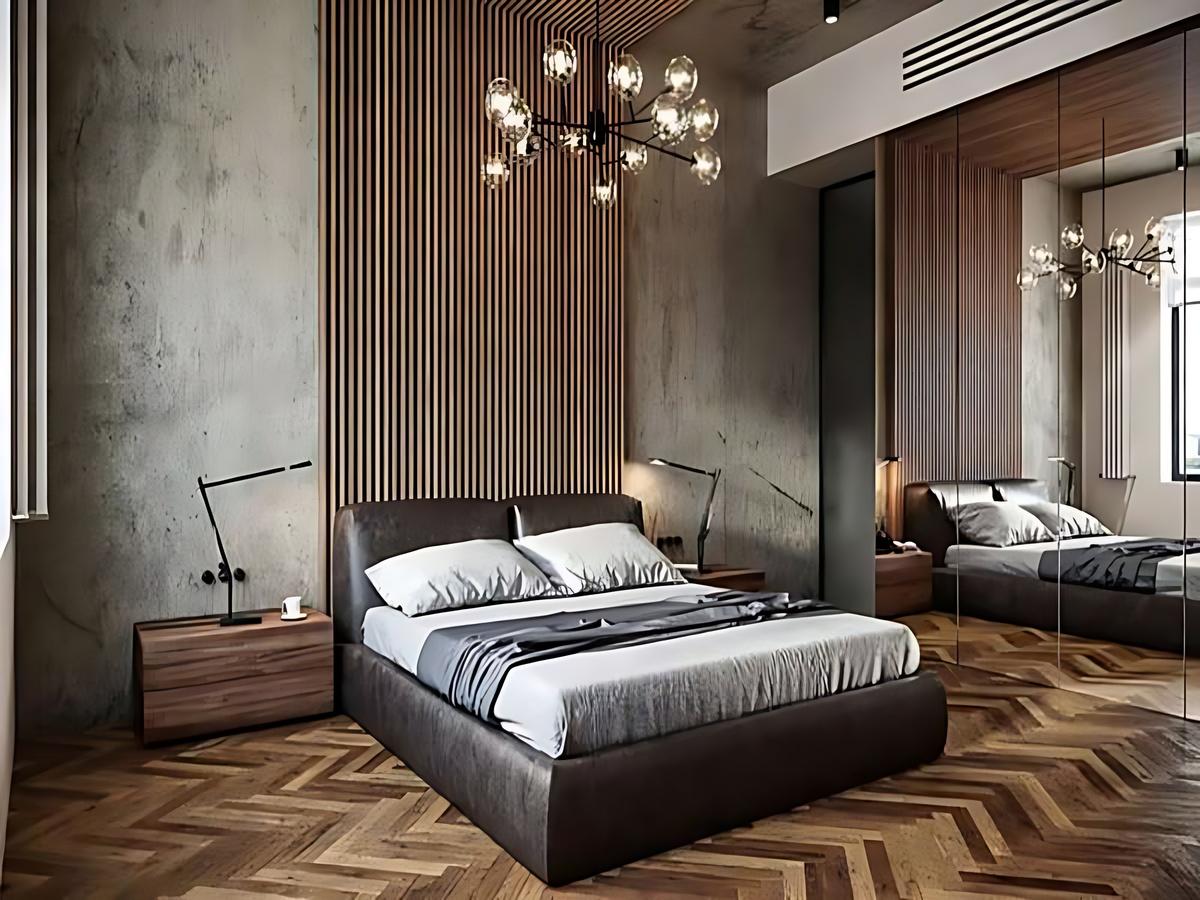
Design of a standing mirror to optimize natural light for the master room. (Source: Collected)
4.3. Mirrors in apartments
In apartments, space is often optimized so mirror placement needs careful consideration. Mirrors integrated with built-in wardrobes are a popular solution to save space and enhance aesthetics. This design has appeared frequently in housing projects from 2018 to the present. Additionally, avoid placing mirrors opposite the apartment's main door or bedroom door to avoid disrupting the energy flow. Proper placement makes the space more airy and convenient for daily living.
4.4. Notes on mirror size and style
When choosing a mirror, it is advisable to prioritize designs with rounded corners to create a soft and safe feel during use. A mirror with a size appropriate for the room's area will help balance the overall space, avoiding a heavy or cluttered feeling. Additionally, the mirror material needs to ensure good reflectivity and not become stained or faded over time. Choosing the right style and size not only enhances aesthetics but also helps maintain harmony in the bedroom space.
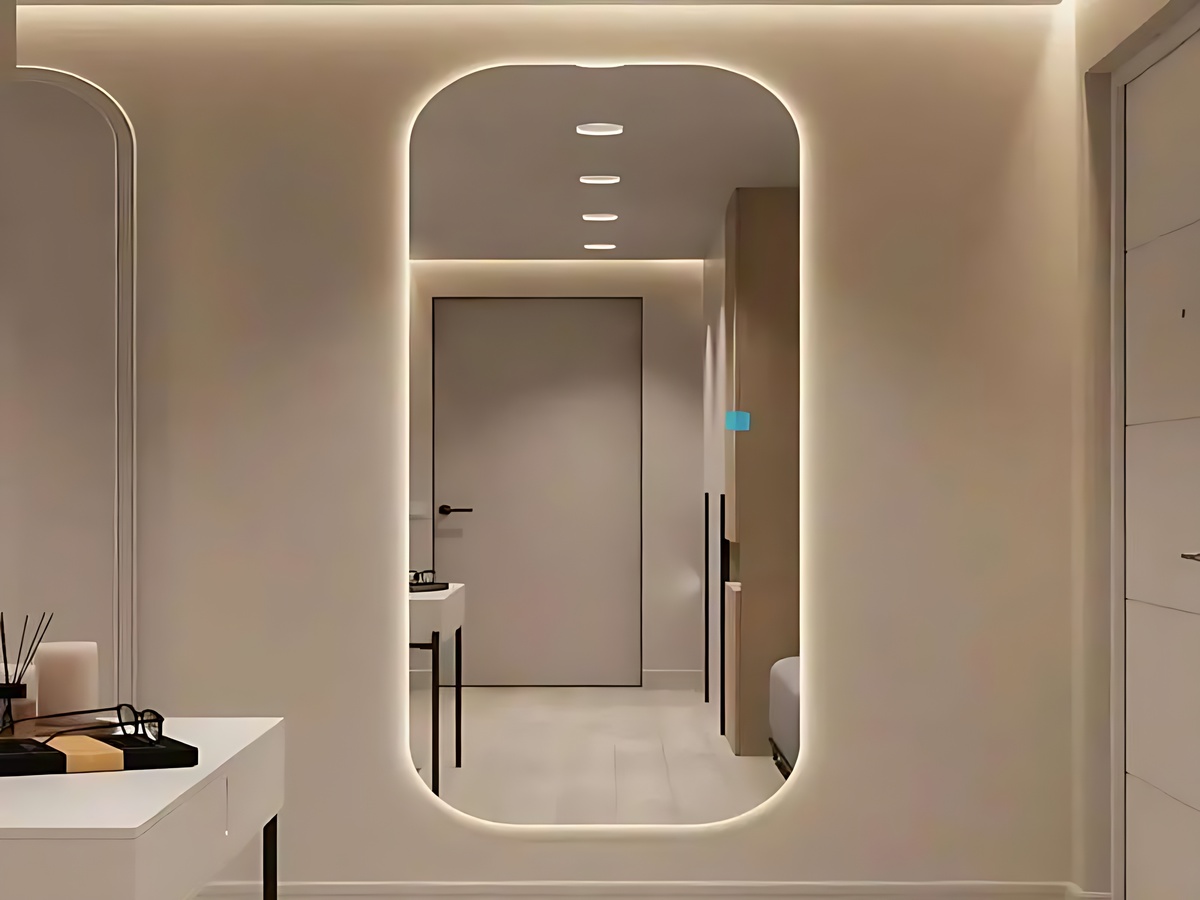
Design of safe and luxurious rounded corner mirrors for the room. (Source: Collected)
The placement of mirrors in the bedroom if arranged correctly will help the space be harmonious, improve sleep, and bring a comfortable feeling every day. By simply applying simple principles, you can completely optimize bedroom feng shui without needing to change the original design too much.