


Procedure for transferring the red book (land use right certificate) to foreigners in Vietnam
The procedure for transferring the red book (land use right certificate) to foreigners is a matter of great interest to many when transacting real estate in Vietnam. Clearly understanding the legal regulations, ownership conditions, and the implementation process will help limit risks and ensure legal transactions.

▲Table of Contents
1. Can foreigners hold title deeds in Vietnam?
According to current legal regulations, foreigners are not allowed to acquire independent land use rights in Vietnam, such as land plots, agricultural land, or types of land outside commercial housing projects. However, foreigners are still permitted to hold ownership of houses in certain cases as stipulated by the Housing Law.
Specifically, foreigners are allowed to perform title deed transfer procedures for foreigners for apartment units or houses belonging to commercial housing development projects that are permitted to be sold to foreign organizations and individuals. However, the ownership quantity is also limited, not exceeding 30% of the number of apartment units in an apartment building or not exceeding 250 individual houses within the scope of a ward-level administrative unit, as stipulated in Decree 99/2015/ND-CP.
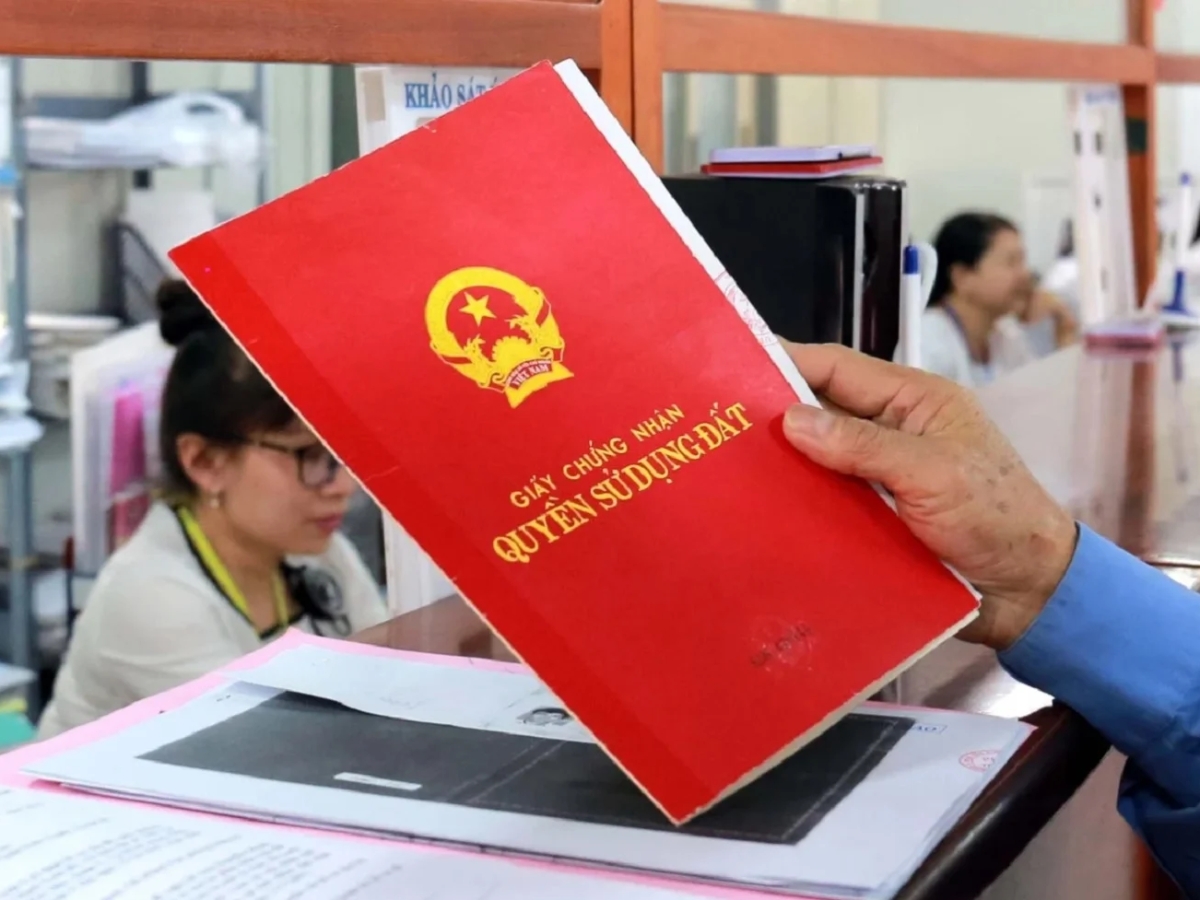
Foreigners can be named on the land use right certificate for certain types of real estate in Vietnam. (Source: Collected)
2. Conditions for foreigners to buy and transfer ownership of houses and land
Not all cases of foreigners are allowed to own houses and perform the procedure for transferring the red book title to foreigners in Vietnam. According to current legal regulations, foreigners are only allowed to buy and own houses when fully meeting the conditions according to the Housing Law.
Specifically, foreign individuals must have a valid passport and be legally allowed to enter Vietnam by competent Vietnamese authorities. At the same time, the buyer is not eligible for diplomatic privileges or immunities according to Vietnamese law.
Additionally, foreigners are only permitted to purchase types of commercial housing such as apartments or individual houses located within housing construction investment projects permitted to be sold to foreign organizations and individuals as stipulated in Article 159 of the Housing Law 2014. Cases of purchasing land plots, agricultural land, or real estate outside the permitted scope will not be eligible for title transfer.
3. What documents are required for title transfer for foreigners?
When carrying out the procedure for transferring the land use right certificate for foreigners, parties need to prepare complete dossiers according to regulations for a smooth resolution process and to limit errors. Proper preparation of documents also helps authorities easily check the conditions for home ownership by foreign individuals in Vietnam.
Typically, the transfer dossier will include the following documents:
Application form for registration of land use changes and associated assets according to the prescribed form.
Notarized contract for the transfer of houses or apartments according to legal regulations.
Legal documents of the buyer who is a foreigner, such as a valid passport, visa, or documents proving legal entry into Vietnam.
Certificate of land use rights, ownership of houses and assets attached to land (red book/pink book) for the real estate transaction.
Receipts or documents proving completion of financial obligations such as taxes, registration fees, and related fees as stipulated.
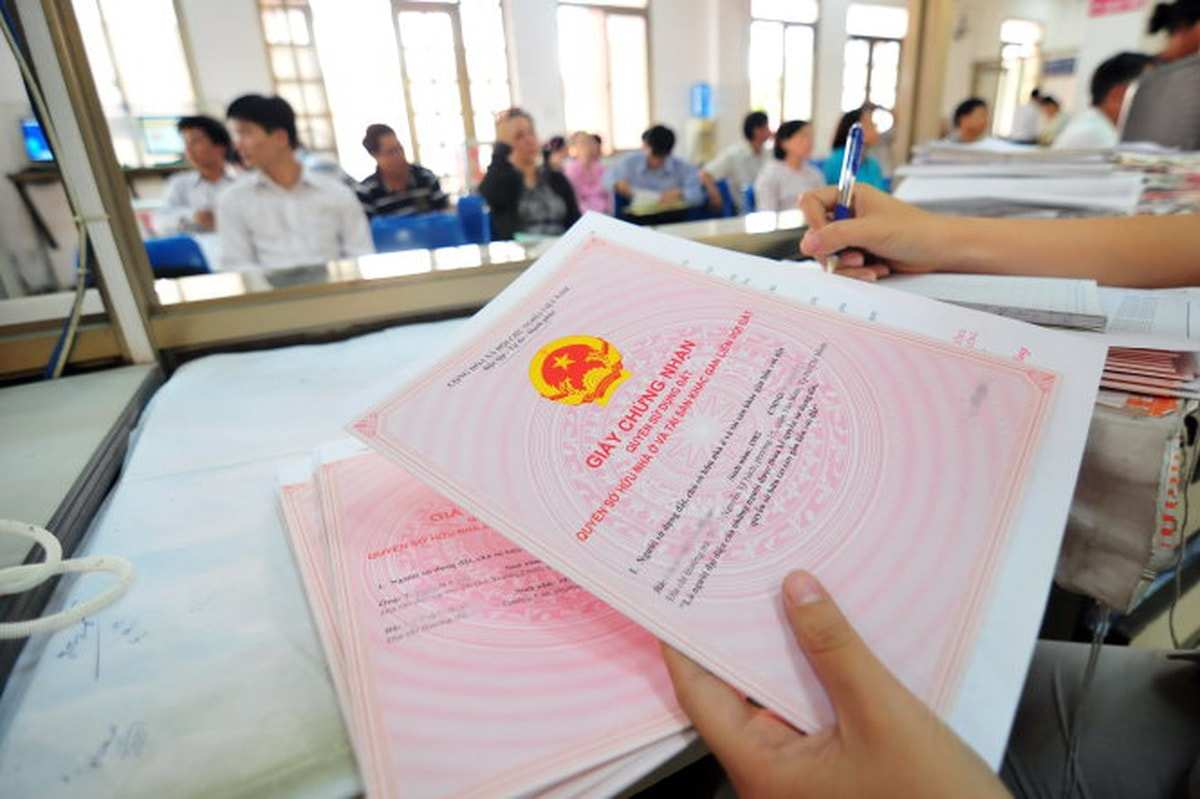
Both parties prepare complete documents for the title deed transfer. (Source: Collected)
4. Title deed transfer procedure for foreigners
To perform the procedure for transferring the red book to foreigners in accordance with legal regulations, parties need to complete all steps from checking legal conditions, signing the transfer contract to declaring financial obligations and submitting the application at the competent authority. Preparing sufficient documents and following the correct process will help the transfer process go more smoothly.
4.1. Step 1: Check the legal conditions of the buyer and the asset
Before conducting the transaction, it is necessary to identify the buyer as a foreign individual legally permitted to own housing in Vietnam according to the law. The buyer must have a valid passport and be legally permitted to enter Vietnam.
Additionally, the real estate being transacted must also meet all transfer conditions, such as having a legal ownership certificate, not being subject to transaction prohibition, not being seized for enforcement, or being mortgaged without being released according to regulations.
4.2. Step 2: Signing the Transfer Contract
After fully checking the legal conditions, the buyer and the seller will proceed to sign the contract for the transfer of ownership of the house at a notary public organization as regulated.
The transfer contract needs to clearly state the information of the parties involved in the transaction, the transfer price, the payment method, and related rights and obligations to ensure the legal validity of the real estate transaction.

The two parties proceed to sign the transfer contract. (Source: Collected)
4.3. Step 3: Declare and pay taxes, fees for red book issuance for foreigners
After the contract is notarized, the parties will declare their financial obligations according to current legal regulations. Typically, the transferor will fulfill the obligation to pay personal income tax at a rate of 2% of the transfer value.
For the buyer who is a foreigner, they will pay registration fees at a rate of 0.5% of the property value. In addition, the parties may also incur some other administrative fees during the name transfer process.
4.4. Step 4: Submit application for red book name transfer for foreigners at the Land Registration Office
After completing financial obligations, the buyer or authorized representative will submit the application for name transfer at the Land Registration Office where the property is located.
The application typically includes a request for registration of changes, a notarized transfer contract, legal documents of the foreign buyer, the land use rights certificate, and documents proving the completion of tax and fee obligations as stipulated.
4.5. Step 5: Receive the red book with the name transferred
After receiving and processing the application, the Land Registration Office will update the new owner's information on the certificate if the application meets all conditions according to legal regulations.
Generally, the processing time for name transfer procedures for foreigners ranges from about 10 to 15 working days, depending on the locality and the actual status of the application.
5. Experience in safely carrying out name transfer procedures
To ensure the process of transferring the red book ownership to foreigners proceeds smoothly and minimizes legal risks, buyers need to proactively check documents carefully and conduct transactions according to regulations. Being cautious from the start will help avoid disputes or errors arising during the process of transferring housing ownership in Vietnam.
5.1. Carefully check project legality and ownership
Before signing the transfer contract, buyers need to carefully check the legal records of the project or housing, such as land use rights certificates, construction permits, and the dispute or mortgage status of the property. This is an important step to limit the risk of buying assets that are not yet eligible for transaction or are facing legal issues.
Additionally, buyers also need to clearly identify whether the property belongs to a type that foreigners are allowed to own according to Vietnamese law. Carefully checking ownership conditions will help avoid situations where ownership cannot be transferred after payment is completed.
5.2. Conducting transactions at reputable notary offices
When conducting real estate transactions, parties should choose a reputable notary organization to ensure the legal validity of the transfer contract. The notary will assist in checking documents and verifying the information of the parties involved in the transaction.
Besides confirming the legality of the contract, the notary office also helps review the terms and conditions related to payment, ownership, and the responsibilities of the parties. This helps limit disputes arising during the real estate transaction process.

Both parties should conduct transactions at reputable notary public offices. (Source: Collected)
5.3. Seek assistance from a lawyer or legal expert
For large-value transactions or complex documentation, buyers should consult with a lawyer or legal expert before signing the transfer contract. Having a professional assist will help check the legal status of the real estate and review the terms in the contract.
Additionally, a lawyer or legal expert can also advise on the housing ownership rights of foreigners in Viet Nam, financial obligations, and potential legal risks that may arise during the name transfer process. This is a solution to help buyers feel more secure when conducting real estate transactions.
5.4. Monitor the progress of the name transfer application
After submitting the application at the Land Registration Office, buyers should proactively monitor the application processing progress to timely supplement documents if requested by the competent authorities. This will help limit the extension of the name transfer procedure time.
In addition, regularly updating the application status also helps buyers better control the procedure execution process and ensure receiving the ownership certificate within the time limit according to legal regulations.
Understanding the procedure for transferring the red book (land use right certificate) to foreigners will help the process of buying, selling, and owning housing in Vietnam proceed smoothly, in accordance with legal regulations, and limit arising risks. Buyers need to pay special attention to housing ownership conditions, the legal status of the real estate, as well as notarization, tax declaration, and title transfer procedures at competent authorities. To ensure safety in transactions, foreigners should carefully check the project's legal status and consult with a lawyer or real estate expert when necessary.