


Real estate investment potential near international seaports
Real estate investment near international seaports is becoming a trend of interest to many investors thanks to the development of logistics, trade, and transportation infrastructure. Large seaport areas often have potential for real estate price appreciation and strong long-term commercial exploitation demand.

▲Table of Contents
1. Why is real estate near international seaports of interest?
In the context of strong development in import-export activities and logistics, areas near international seaports are increasingly becoming destinations attracting real estate investment capital. Not only do they possess trade advantages, but localities with large seaports also receive strong investment in infrastructure, industry, and services, thereby creating a large demand for housing, commercial, and rental exploitation real estate. This is also why the trend of investing in real estate near international seaports is receiving attention in many coastal cities of Vietnam.
1.1. Ports are drivers of regional economic development
International ports play an important role in import-export activities and trade connectivity between economic regions. As ports develop, many industries such as logistics, manufacturing, trade, and services also have opportunities to expand, thereby creating growth momentum for the entire region.
In reality, many port cities in Vietnam such as Hai Phong or Ba Ria Vung Tau have undergone significant changes in infrastructure and urban appearance in recent years. As the local economy develops, the demand for housing, offices, business premises, and commercial real estate also increases significantly.
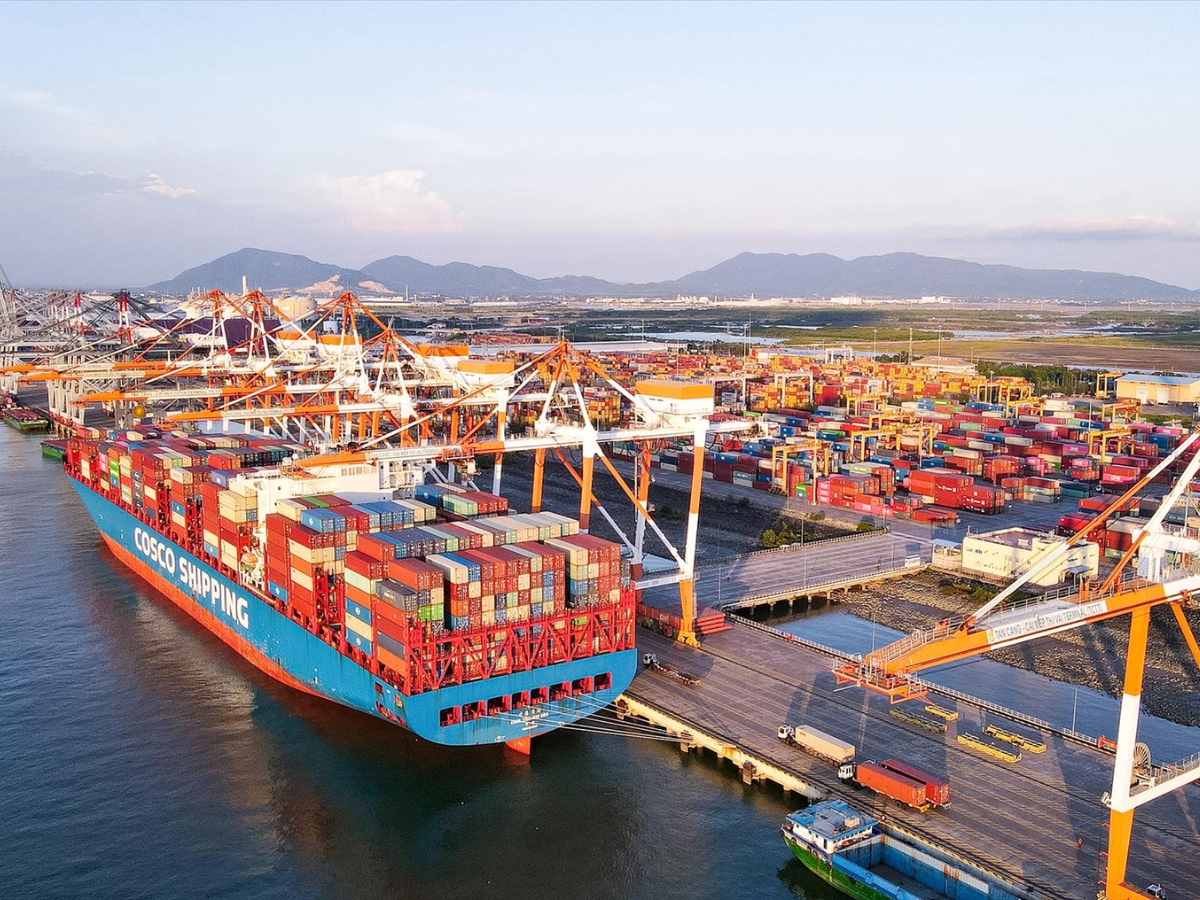
International seaports play an important role, promoting economic development for the entire region. (Source: Collected)
1.2. Increasing demand for logistics and trade
The development of seaports often leads to a large demand for warehousing, transportation, and logistics activities. This is a factor that helps areas around the port form more commercial centers, services, and industrial zones to serve trade activities.
Not only industrial real estate, but also types such as commercial townhouses, rental apartments, or hotels benefit as the number of experts, businesses, and laborers concentrating in the area increases. This is why many investors highly value the practical exploitation potential of real estate near seaports.
1.3. Attracting large capital and labor flows
Areas with international seaports often have advantages in attracting domestic and foreign businesses due to convenient transportation connectivity. As investment capital flows in, the demand for industrial zones, urban areas, and residential services also increases.
Besides, the increasing number of laborers and experts coming to live and work in port cities also contributes to promoting the real estate market's development. This is an important factor that helps many areas around seaports maintain real housing demand and stable long-term liquidity.
2. What are the benefits of investing in real estate near international seaports?
The development of international seaports often leads to many positive changes in economy, infrastructure, and urbanization rate in the surrounding areas. As trade activities become more vibrant, the demand for housing, commerce, accommodation, and logistics also increases sharply, thereby creating many opportunities for the real estate market. This is why many investors consider port cities as areas with long-term growth potential.
2.1. Potential for price increase based on transportation infrastructure
Areas with international seaports are often prioritized for strong investment in transport infrastructure such as expressways, ring roads, berths, and logistics centers. As the connectivity system becomes increasingly complete, more favorable trade conditions also help real estate values tend to increase over time.
In Vietnam, many areas around Lach Huyen Port in Hai Phong or the Cai Mep Thi Vai port cluster in Ba Ria Vung Tau have recorded rapid urban and transport development in recent years. This is also a factor that makes many investors expect the potential for real estate price appreciation in localities with port advantages.
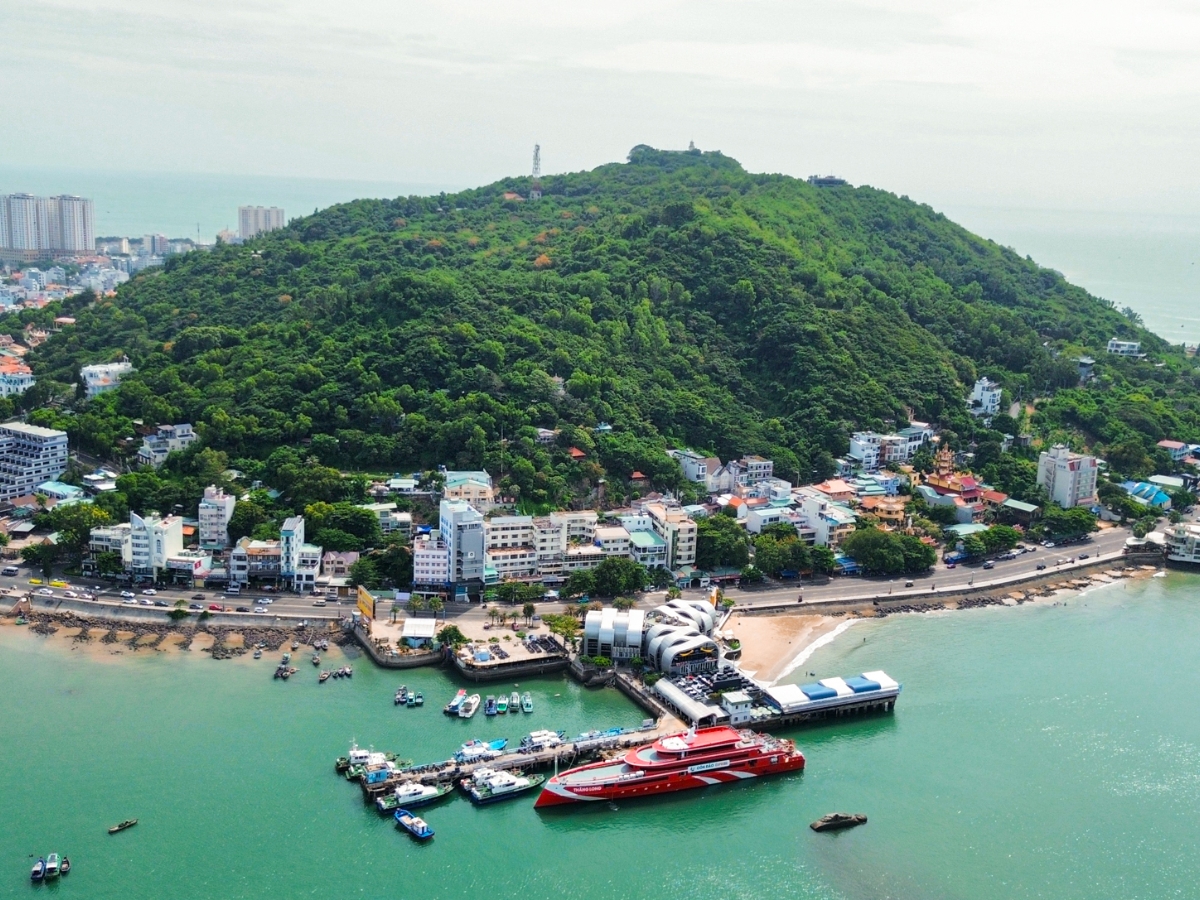
Real estate prices around scenic sea areas tend to increase over time. (Source: Collected)
2.2. High accommodation and commercial demand
As businesses and logistics activities concentrate in the port area, the number of laborers, experts, and business travelers also increases significantly. This leads to a large demand for rental apartments, hotels, restaurants, and types of services for daily living.
Besides housing, commercial real estate such as shophouses, business premises, or service centers also benefits thanks to the increasing number of customers and bustling trade activities. This is a factor that helps many areas around the port form new business centers in the future.
2.3. Good rental and business exploitation potential
Compared to many areas where prices only increase based on expectations, real estate near seaports often has an advantage due to actual exploitation demand. Investors can leverage this to rent out housing, open accommodation services, or exploit commercial spaces to serve the labor force and businesses operating in the area.
Especially in port cities with strong development in industry and logistics, real estate rental demand often remains stable for a long time. This is a factor that helps investors both generate steady cash flow and expect asset appreciation following the local infrastructure and economic development process.
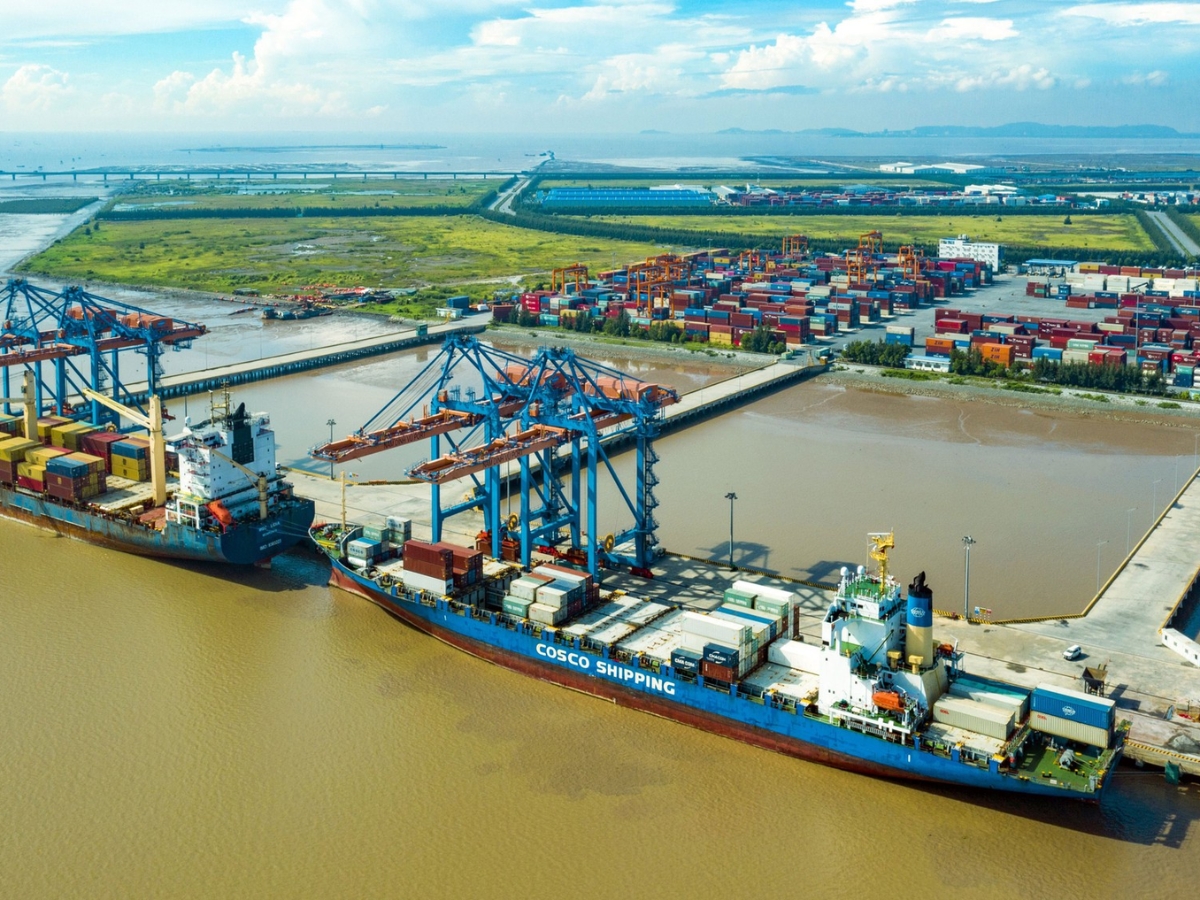
Land areas around the seaport have good potential for leasing and business. (Source: Collected)
3. Types of real estate benefiting from proximity to seaports
The development of international seaports not only impacts infrastructure and economy but also creates opportunities for many real estate segments to grow. As the number of businesses, experts, and trade activities increases, the demand for housing, accommodation, warehousing, and commercial services also develops accordingly. This is why many investors are starting to pay attention to real estate types with practical exploitation potential around seaport areas.
3.1. Land plots and commercial townhouses
Bare land and commercial townhouses are often the product groups that receive early attention in areas with developed port infrastructure. As the urbanization rate increases, the demand for expanding residential areas, service centers, and business activities also causes the value of these products to tend to increase.
In particular, roads connecting ports with industrial zones or city centers often have good commercial exploitation potential. Front-facing townhouses, shophouses, or land plots near new residential areas are often chosen by many investors thanks to their ability to both do business and accumulate long-term value.
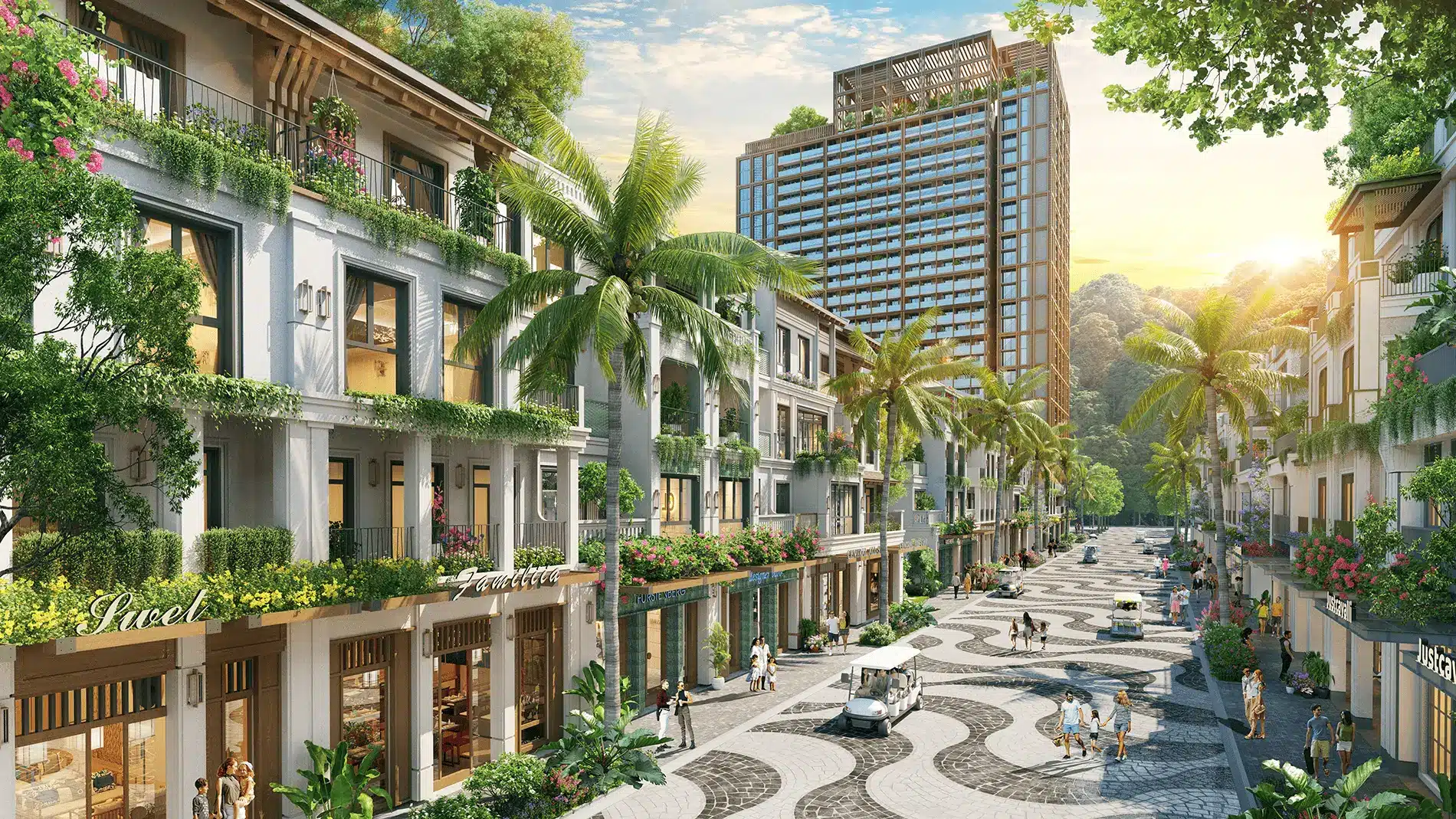
Commercial townhouses are a potential real estate type in areas with developed port infrastructure. (Source: Compiled)
3.2. Warehousing and logistics real estate
The development of seaports leads to a large demand for goods storage, transportation, and logistics centers. This is a factor that helps warehouse real estate become a segment with stable exploitation potential in port cities.
Many import-export and transportation businesses often prioritize renting warehouses near ports to optimize costs and transportation time. Therefore, industrial land, warehousing, and logistics centers around seaports often have high occupancy rates, especially in localities with strong trade activities such as Hai Phong or Ba Ria Vung Tau.
3.3. Apartments for experts and technical labor
As industrial zones and logistics companies develop, the number of experts and technical workers coming to live and work in port areas has also increased significantly. This creates a high demand for rental apartments and residential areas serving long-term residents.
In many port cities, apartments near industrial zones or logistics centers often have relatively stable rental potential. This is a suitable type for investors who want to generate steady cash flow rather than just expecting asset appreciation.

Fully equipped apartment with stable rental potential for professionals and technical workers. (Source: Collected)
Hotels and accommodation for commercial and tourism purposes
Besides industry and logistics, many port areas also have advantages in developing tourism and commercial services. As the number of business travelers, experts, and tourists increases, the demand for hotels, serviced apartments, and leisure services also expands accordingly.
Localities such as Ha Long, Hai Phong, or Ba Ria Vung Tau currently all have the potential to develop accommodation types serving both tourists and business travelers. This is a segment with flexible exploitation potential if the area possesses synchronized transport infrastructure and a stable long-term customer base.
4. Effective investment experience in real estate near seaports
Despite possessing significant growth potential, not all areas near seaports are suitable for investment. In reality, there are places where real estate prices increase rapidly based on planning information but lack actual exploitation demand or underdeveloped infrastructure. Therefore, investors need a suitable selection strategy instead of following the crowd mentality.
4.1. Prioritize areas with existing infrastructure
Areas that already have transportation systems, seaports, and actual operating logistics activities often have greater potential for sustainable development compared to places where only planning information has emerged. Existing infrastructure helps the area quickly form real housing, commercial, and service needs, thereby creating a stable price increase foundation for real estate.
For example, areas around Lach Huyen Port in Hai Phong or the Cai Mep Thi Vai port cluster in Ba Ria Vung Tau are being highly valued thanks to clearly developed transportation infrastructure and industrial activities. These are often markets that have the potential to attract better cash flow in the long term.
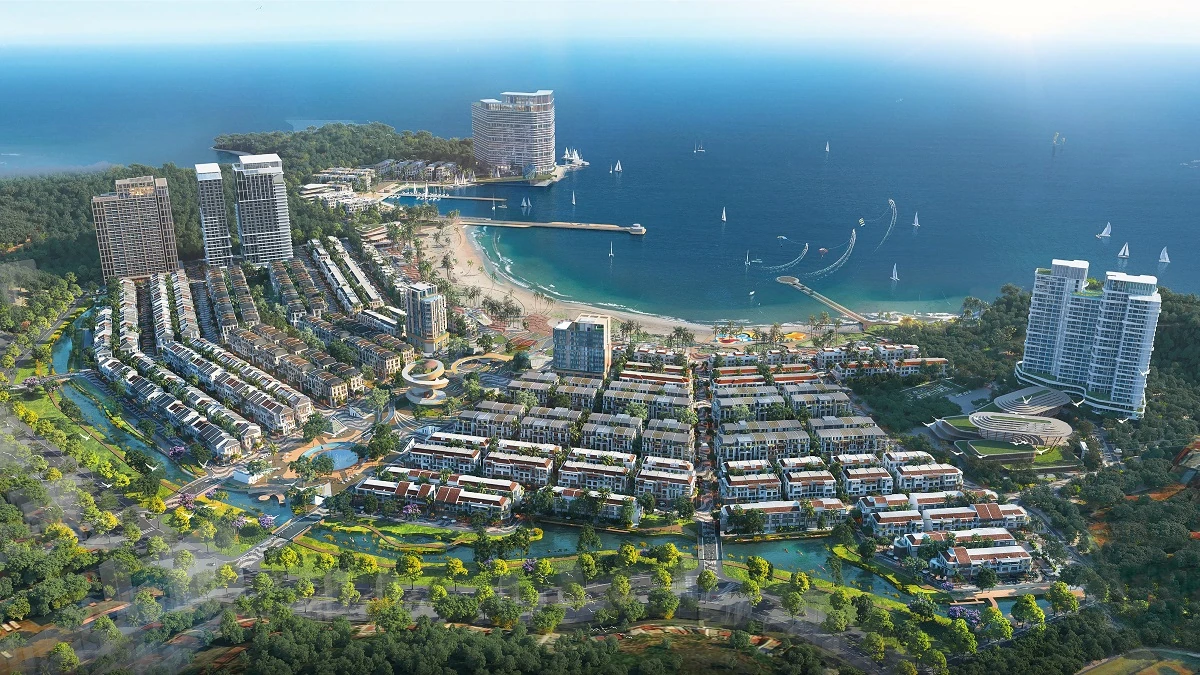
Investors should choose projects located in areas with existing infrastructure. (Source: Collected)
4.2. Carefully check legal aspects and land planning
When investing in real estate near seaports, investors need to pay special attention to legal factors and land use planning. Some areas may be zoned for industrial, logistics, or infrastructure corridors, making them unsuitable for long-term residential development or commercial exploitation.
Thoroughly checking legal documents, land use purposes, and planning information from functional agencies will help limit risks arising during the investment process. This is also an important factor to ensure liquidity and future asset exploitation.
4.3. Assessing actual exploitation needs
Besides the potential for price appreciation, investors should pay attention to the actual exploitation potential of real estate in the port area. Areas with a stable number of businesses, experts, and workers will often have high demand for housing, warehousing, or accommodation services.
Real estate that can generate cash flow from rental or business activities is usually safer and more sustainable than simply expecting price increases according to the market. Therefore, evaluating population density, the pace of industrial development, and actual usage needs will help investors make more effective decisions.
It can be seen that, investment in real estate near international seaports is becoming a trend of great interest to many investors thanks to advantages in trade, infrastructure, and long-term economic development potential. Areas with large seaports often have the ability to attract businesses, labor, and strong commercial activities, thereby creating growth momentum for the real estate market. However, to invest effectively, investors still need to prioritize areas with actual infrastructure, clear legal status, and stable exploitation needs instead of chasing short-term market booms.