


Renovating an old house or building new: Which is more advantageous? Detailed comparison
When a house is in disrepair, many homeowners wonder whether renovating an old house or building a new one is more beneficial to optimize costs and usability. Each option has its own pros and cons. Understanding this clearly will help you make a decision that suits your finances and actual needs.

▲Table of Contents
1. The problem of renovating an old house or building a new one: which is more beneficial
1.1. The current situation of deteriorating housing in urban areas
The reality in many urban areas shows that the number of houses built 15-30 years ago are clearly deteriorating in terms of structure and technical systems. Phenomena such as cracked walls, water seepage, foundation settlement, or outdated electrical and water systems are becoming increasingly common with usage time. Concurrently, the need to upgrade living spaces becomes more apparent when families grow or lifestyles change.
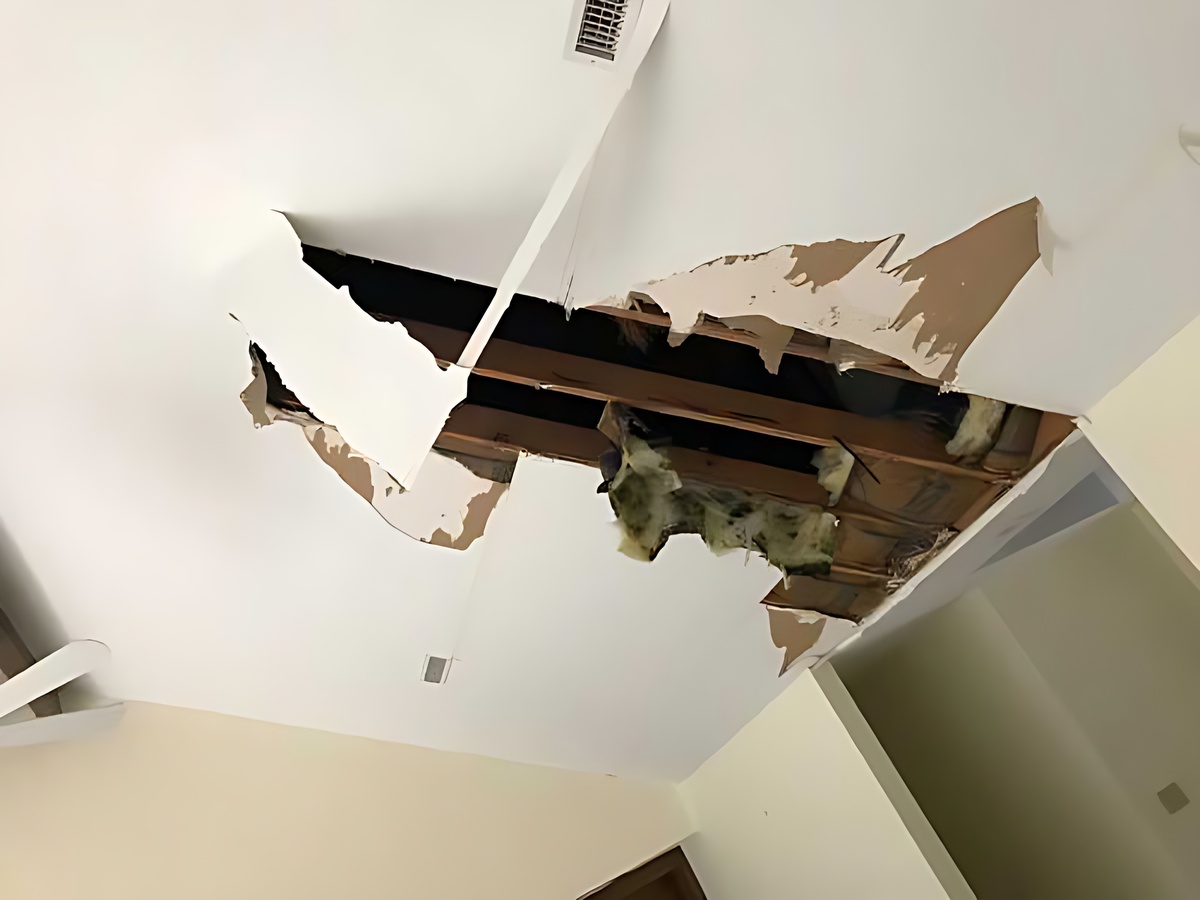
Dilapidated urban housing needs renovation or suitable rebuilding. (Source: Collected)
Besides technical factors, the pressure for quality of life in urban areas also leads many families to consider renovation or new construction to optimize space. Old constructions often do not perform well in terms of ventilation, lighting, and modern functional use. Therefore, choosing a suitable option has become a common challenge in the current context.
1.2. Two common options when renovating a house
In the process of considering whether renovating an old house or building new is more beneficial, two options are usually presented including renovation based on the old structure or demolition to rebuild the entire structure. The renovation option retains the foundation, columns, and load-bearing frame, aiming to save costs and construction time. Conversely, building new allows for redesigning the entire space according to modern usage needs.
Each option has its own advantages and disadvantages depending on the current state of the building and long-term usage goals. Renovation is suitable when the house is still in good condition, while new construction is often chosen when the building is severely degraded. The choice should be based on an overall assessment rather than solely on initial cost.
1.3. Factors influencing the decision
Renovation costs are often lower in the initial phase, while new construction requires larger capital but offers long-term value. Additionally, unforeseen costs during renovation must be considered to avoid budget overruns. Besides finances, the current structural condition and future usage needs also play a crucial role.
2. Detailed comparison of house renovation and new construction
2.1. Comparison of investment costs
When evaluating whether renovating an old house or building new is more beneficial, cost is the most noticeable factor in the difference between the two options. In practice, renovation costs are usually only about 30–60% of building new, helping to reduce initial financial pressure. However, unforeseen expenses during the repair process can cause the total cost to increase significantly if not controlled well.

Renovation costs are lower, but new construction is more effective in the long run. (Source: Collected)
Conversely, new construction has higher costs but offers greater control over design and limits future repair expenses. New buildings typically have a longer lifespan and require less maintenance in the initial period of use. Therefore, in the long run, this option can provide more stable economic efficiency.
2.2. Comparison of construction time
Renovation usually has a shorter implementation time due to utilizing existing structures. However, according to the current Construction Law, if the renovation changes the load-bearing structure or the intended use, the homeowner must still carry out the procedure to obtain a Repair and Renovation Permit. Meanwhile, new construction requires a full process from obtaining a Construction Permit according to the Housing Law 2023 (No. 27/2023/QH15), including appraisal of the basic design and fire prevention and fighting (PCCC) acceptance, making the total time extend from 6–12 months.
2.3. Comparison of Quality and Durability
When considering whether renovating an old house or building a new one is more beneficial, it can be seen that the quality of the construction is a long-term factor. A renovated house still depends on the old structure, thus having limitations in lifespan and future upgrade potential. Some issues like water leakage or deterioration can be difficult to resolve completely.
Newly built houses are designed in sync with the latest National Technical Regulation on Fire Safety for New Buildings and Structures. New construction allows for the application of modern technologies such as smart home systems (Smart Home) and green, energy-saving materials, meeting the sustainability standards of 2026. Meanwhile, renovated houses are often limited by old technical systems, making it difficult to achieve optimal energy efficiency and fire prevention and fighting (PCCC) safety levels compared to new constructions.
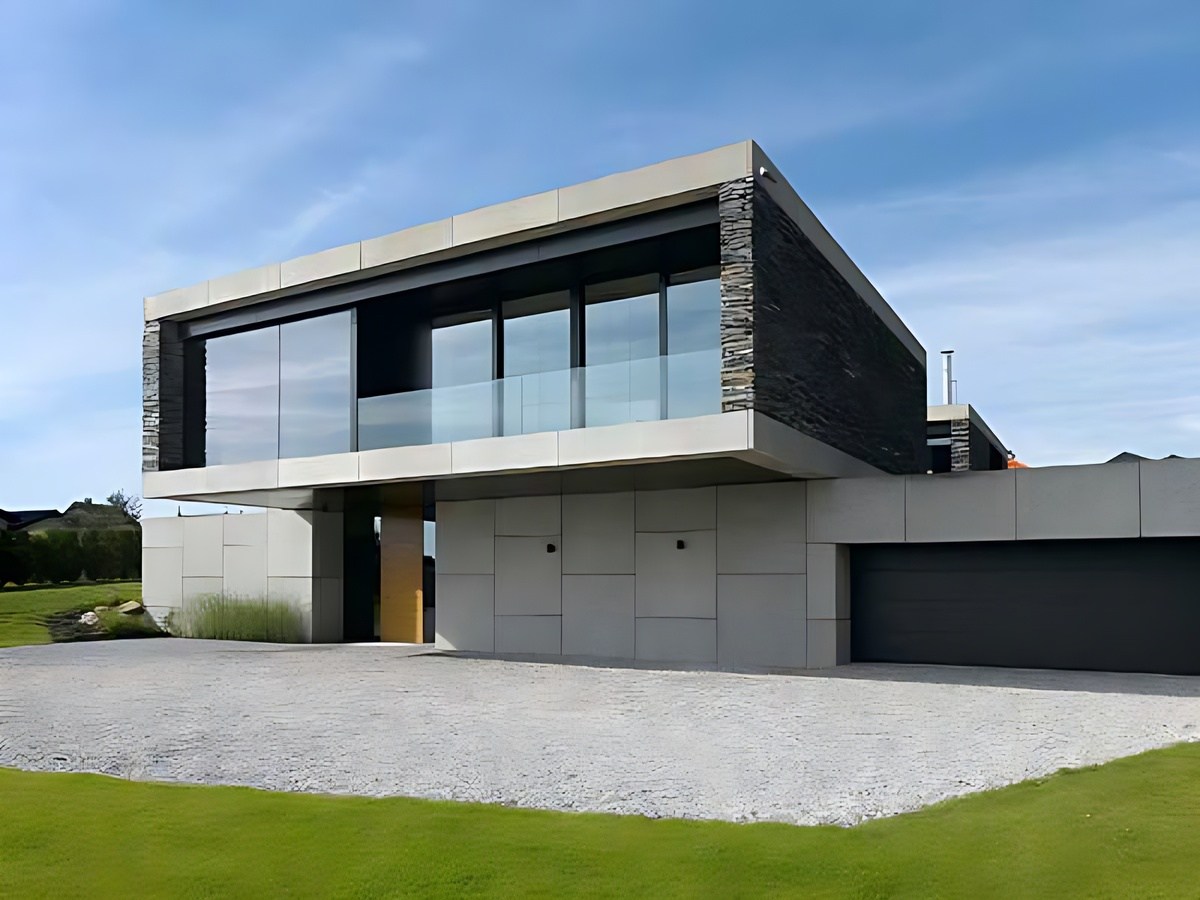
New construction has higher durability compared to renovating old houses. (Source: Collected)
3. Cases where old houses should be renovated to optimize costs
3.1. When the house structure is still good
Renovation is a suitable option if the foundation, columns, and beams of the structure still ensure safe load-bearing capacity. Houses showing no signs of serious cracking or subsidence can be upgraded without complete demolition. Retaining the existing structure helps save significant construction costs.
In this case, homeowners can focus on aesthetic renovations and reconfiguring the layout to suit new needs. Items such as painting, changing interior furnishings, or improving ventilation can be done without affecting the main structure. This approach helps upgrade the living space in a short period.
3.2. When the budget is limited
When evaluating whether renovating an old house or building a new one is more beneficial, it is evident that renovation is often suitable for families with limited budgets and needing to optimize costs in the short term. Utilizing the old house frame helps reduce material and labor costs compared to building completely new. This is a popular choice in many residential areas today.
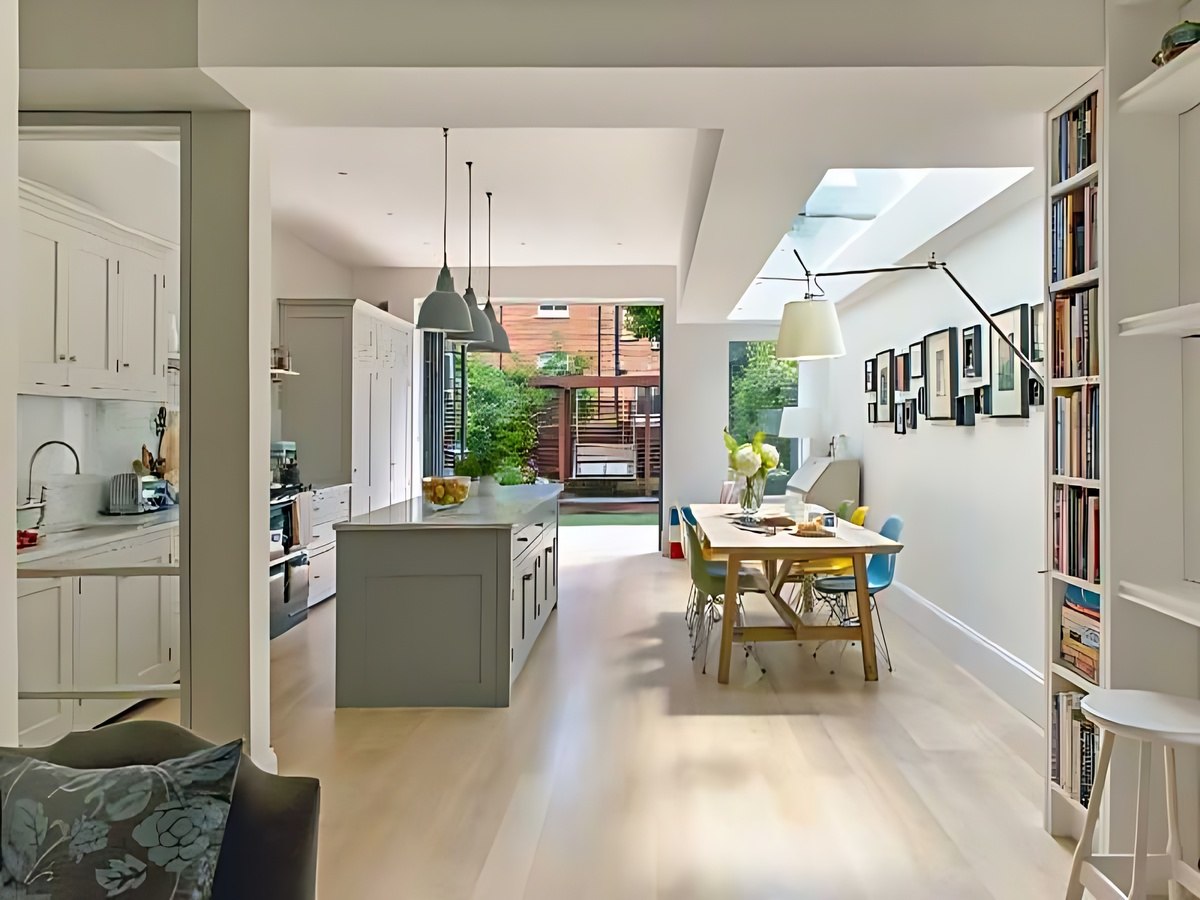
Home renovation is suitable for limited budgets and when cost savings are needed. (Source: Collected)
Additionally, renovation also helps reduce financial pressure as it does not require large upfront investment. Homeowners can implement each item in phases if necessary. This approach is suitable for families who want to upgrade their space but do not yet have a long-term investment plan.
3.3. When you don't want to reapply for a building permit
According to regulations in 2026, interior renovation items that do not alter the exterior appearance and load-bearing structure will be exempt from construction permits, helping the construction process proceed quickly. This is a great advantage for families who want to upgrade their living space without wanting to go through the complex appraisal process for entirely new constructions. However, homeowners need to note that they must inform local authorities about the repairs to ensure urban order management.
4. Cases where building anew is advisable for long-term optimization
4.1. When the house is severely degraded
When considering whether renovating an old house or building a new one is more beneficial, building a new one would be the suitable choice if the structure is severely degraded with signs such as cracked foundations, subsidence, or weak structure. These issues can pose a safety risk if continued use or incomplete renovation is attempted. In such cases, demolishing and rebuilding helps ensure the quality of the construction.
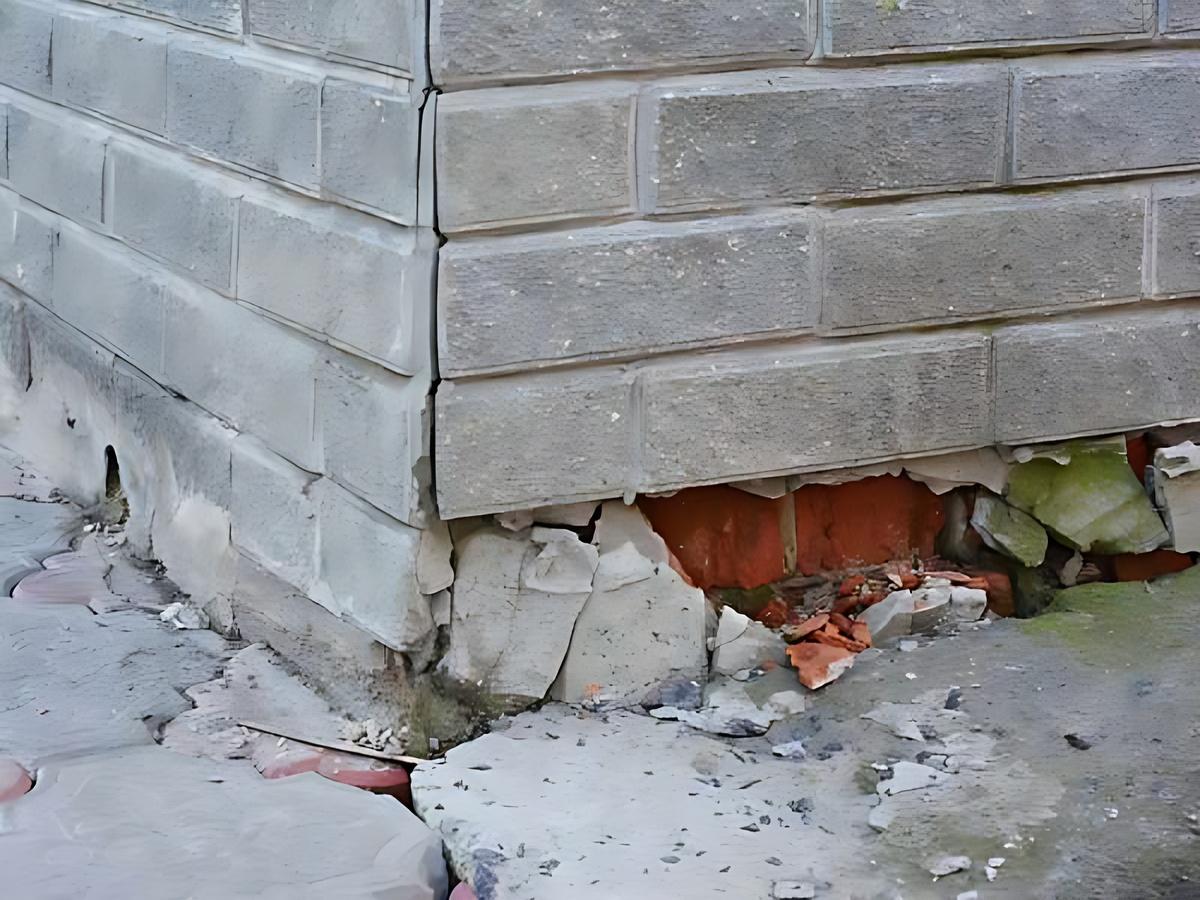
It is advisable to rebuild when the house is severely degraded and unsafe. (Source: Collected)
Furthermore, when renovation costs approach or exceed the cost of rebuilding, the rebuilding option often yields better results. A new construction helps completely eliminate potential technical risks from the old house. Thanks to this, homeowners can be assured of durability and safety during use.
4.2. When a complete change of function is needed
The need to add floors or expand floor area is the primary reason for building anew. According to the Housing Law 2023, adding floors on an old structural foundation requires an extremely strict foundation inspection process and is often more costly than building anew if the old foundation does not meet standards. Building anew allows homeowners to proactively redesign the entire functional layout, ensuring functional rooms have adequate ventilation, natural light, and comply with the latest urban construction boundaries.
Furthermore, building anew allows for the application of modern architectural solutions such as optimizing light, ventilation, and energy saving. Living spaces are designed to suit the long-term usage needs of the family. This is an important advantage of the new construction option.
4.3. When there is enough budget and a long-term orientation
When evaluating whether renovating an old house or building a new one is more beneficial, it can be determined that building new is suitable for families with sufficient budget and long-term usage orientation. A one-time investment helps reduce future repair costs and improve the quality of the construction. New houses usually have higher value in the real estate market.

New construction is suitable when the budget is sufficient and for long-term use. (Source: Collected)
Furthermore, new construction projects can be designed with integrated architecture and technology, meeting modern standards. This helps increase exploitation potential, such as for lease or transfer. Both usability and economic value are improved over time.
Overall, whether renovating an old house or building a new one is more beneficial depends on the condition of the building and the financial capacity of each family. Making the right assessment from the start will help you save costs and ensure long-term usability for your home. Hope this article is useful to you, thereby helping you quickly make the most suitable choice for your family.