


Rustic Style in Natural Rustic Home Design
Amidst the modern pace of life, many people seek simple values and closeness to nature. Therefore, the Rustic style in home design is increasingly popular thanks to its rustic, cozy beauty. This article will help you understand its characteristics and how to apply it effectively.

▲Table of Contents
1. Overview of the Rustic style in home design
1.1. Concept of Rustic style
The concept of Rustic style in home design is understood as a design approach that emphasizes simplicity, naturalness, and the use of natural materials to create a living space close to nature. This style focuses on preserving the original beauty of materials rather than overly elaborate surface treatments, thereby creating a sense of authenticity in every detail.
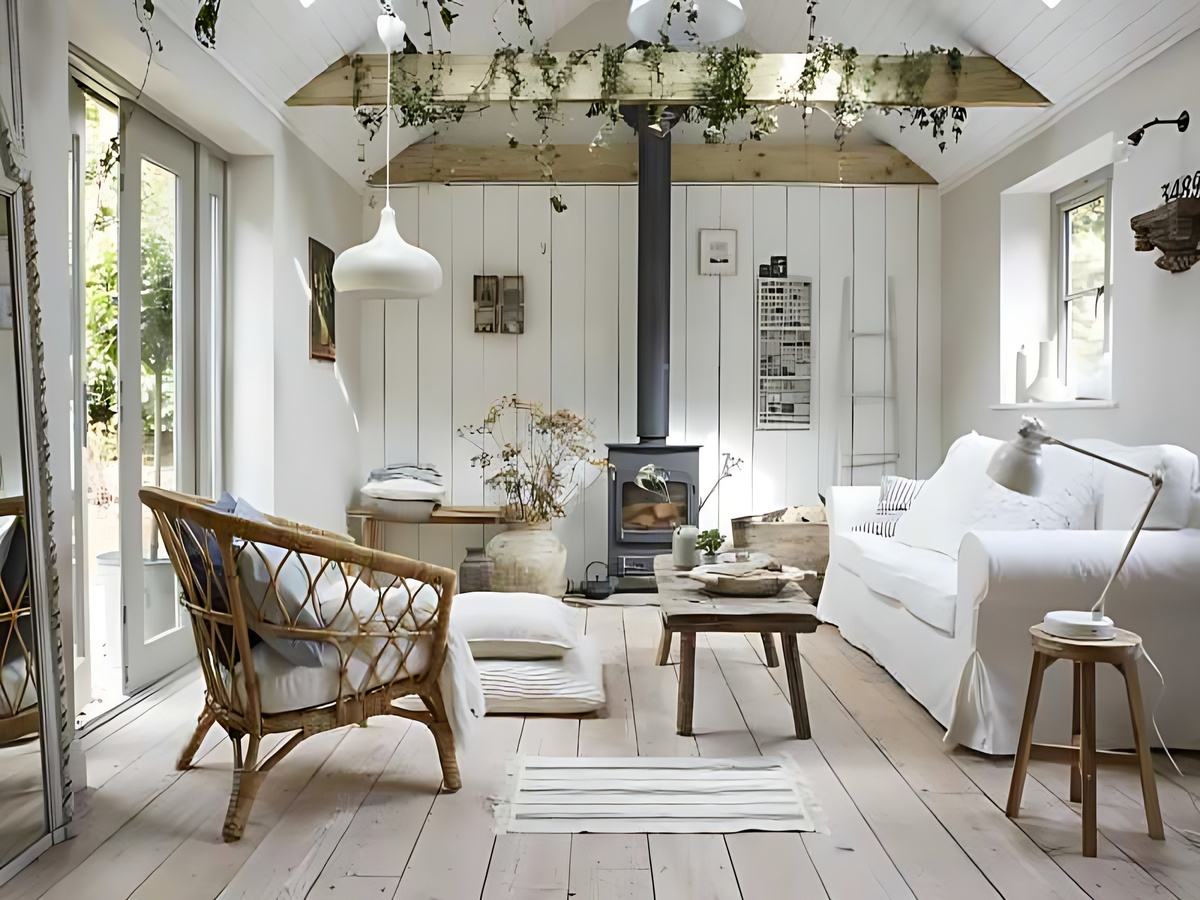
Rustic style in interior design emphasizes simplicity and nature. (Source: Collected)
The origin of Rustic began in rural areas of Europe, where people utilized wood, stone, and available materials to build homes suitable for their living conditions. Over time, this design style gradually spread and became a symbolic trend for simplicity and closeness to nature.
In the modern context, Rustic is not just a traditional style but is also adapted to suit today's living needs, combining natural elements with comfort. This helps the style maintain its core values while still meeting aesthetic and functional requirements in housing.
1.2. The development of Rustic in modern housing
In the process of development, the Rustic style in home design has evolved from traditional forms to many modern variations, which still retain the rustic spirit but are refined in layout and materials. Traditional Rustic leans towards raw textures, while Modern Rustic incorporates cleaner lines and functional elements.
This change allows the style to no longer be limited to rural homes but to be widely applied in apartments, townhouses, and villas in urban areas. Integrating natural elements into modern living environments contributes to creating a balance between the pace of life and living spaces.
Additionally, Rustic is combined with many other styles to create flexibility in design, helping users easily adjust according to personal needs. This contributes to expanding the scope of application of the style in current housing construction practices.
1.3. The core spirit of the Rustic style
The spirit of the Rustic style in home design is clearly expressed through the connection between humans and nature through materials, light, and spatial layout. Elements such as wood, stone, and natural light are prioritized to create a close and comfortable living environment.
This style emphasizes simplicity and authenticity, limiting complex decorative details to retain the original feel of the materials. This is precisely what helps Rustic spaces have a sense of unity and create a relaxing feeling for users. Besides that, Rustic is also associated with a slow living lifestyle, where living spaces play a role in supporting emotional balance and reducing pressure from the urban environment. This is one of the reasons this style has been gaining attention in recent years.
2. Identifying characteristics of the Rustic style in living spaces
2.1. Characteristic natural materials
In interior design, Rustic style in home design is often recognized by the use of natural materials such as raw wood, stone, and metal to create an original beauty. These materials are often kept with their natural surfaces to clearly show their inherent characteristics.
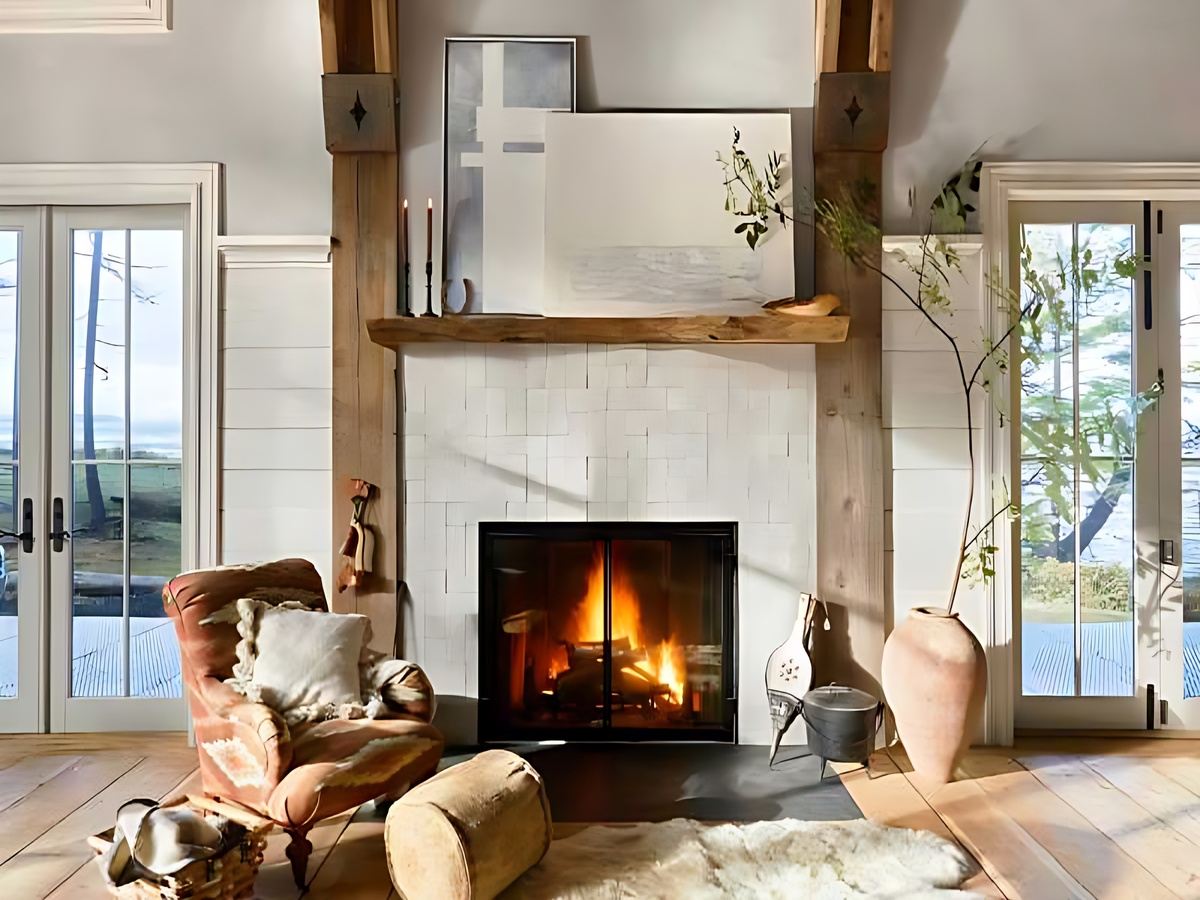
Natural materials create the characteristic rustic feel for the Rustic style. (Source: Collected)
Wood plays a dominant role in many elements such as flooring, ceilings, and interiors, bringing a warm and cozy feeling to the living space. However, the use of wood and natural materials in the current Rustic style must comply with the National Technical Regulation on Fire Safety for Buildings and Construction (QCVN 06:2022/BXD).
Raw wood surfaces need to be treated with fire-retardant paint or slow-burning materials to ensure safety. Besides, natural stone helps increase durability and creates clear visual accents, contributing to shaping a unique identity while ensuring technical safety for homes.
2.2. Colors and lighting in design
The color palette in the Rustic style in home design is usually neutral tones such as brown, beige, or gray to create a gentle and comfortable feeling. These colors are often inspired by nature and help maintain harmony in the space. Natural light is prioritized through large windows, helping the space remain airy and connected to the outside environment.
The utilization of natural light also contributes to highlighting raw materials in the design. The combination of neutral colors and natural light creates a space with depth, while also supporting the improvement of living experience. This is a factor that helps the Rustic style maintain stability in visual perception.
2.3. Interior and Space Layout
From a layout perspective, Rustic style in home design prioritizes simple interiors with rough lines and limited decorative details to ensure functionality. Items are often made from wood and retain their natural texture. The space is organized in an open manner, minimizing partitions to increase connectivity between functional areas.
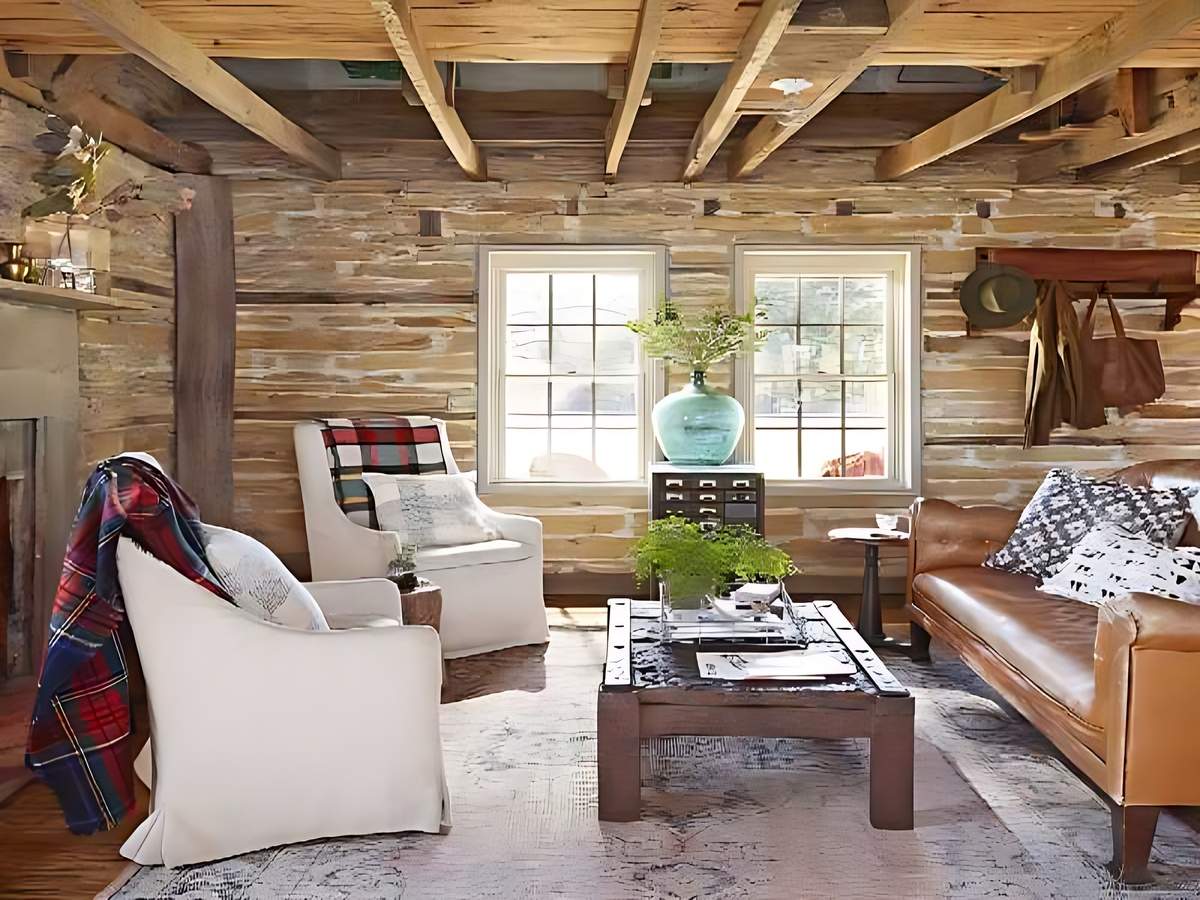
Simple Rustic interior, open and cozy layout. (Source: Collected)
This layout helps the space feel spacious and suitable for flexible living needs. Furthermore, the open space design supports better light and air circulation, contributing to a higher quality living environment. This is a common feature in current Rustic-style constructions.
3. Impressive strengths of the Rustic style in housing
3.1. Creates a cozy and relaxing atmosphere
When applied in practice, the Rustic style in home design brings a cozy feeling thanks to natural materials and muted colors, making the space feel more intimate. This helps create a suitable living environment for rest after daily activities.
Rustic spaces often create a relaxing feeling through simplicity in layout and limiting visually distracting elements. As a result, users can easily maintain a balanced state in daily life. This style also suits a slow living lifestyle as the space is designed to support emotions and create stability. This is a factor that helps Rustic gain attention in many current housing trends.
3.2. Sustainability and Eco-friendliness
One of the notable characteristics of Rustic style in home design is the use of natural materials that help reduce environmental impact. Wood, stone, and raw materials are often reusable or recyclable in the design process. Utilizing reclaimed materials in design also contributes to reducing waste and optimizing construction costs.
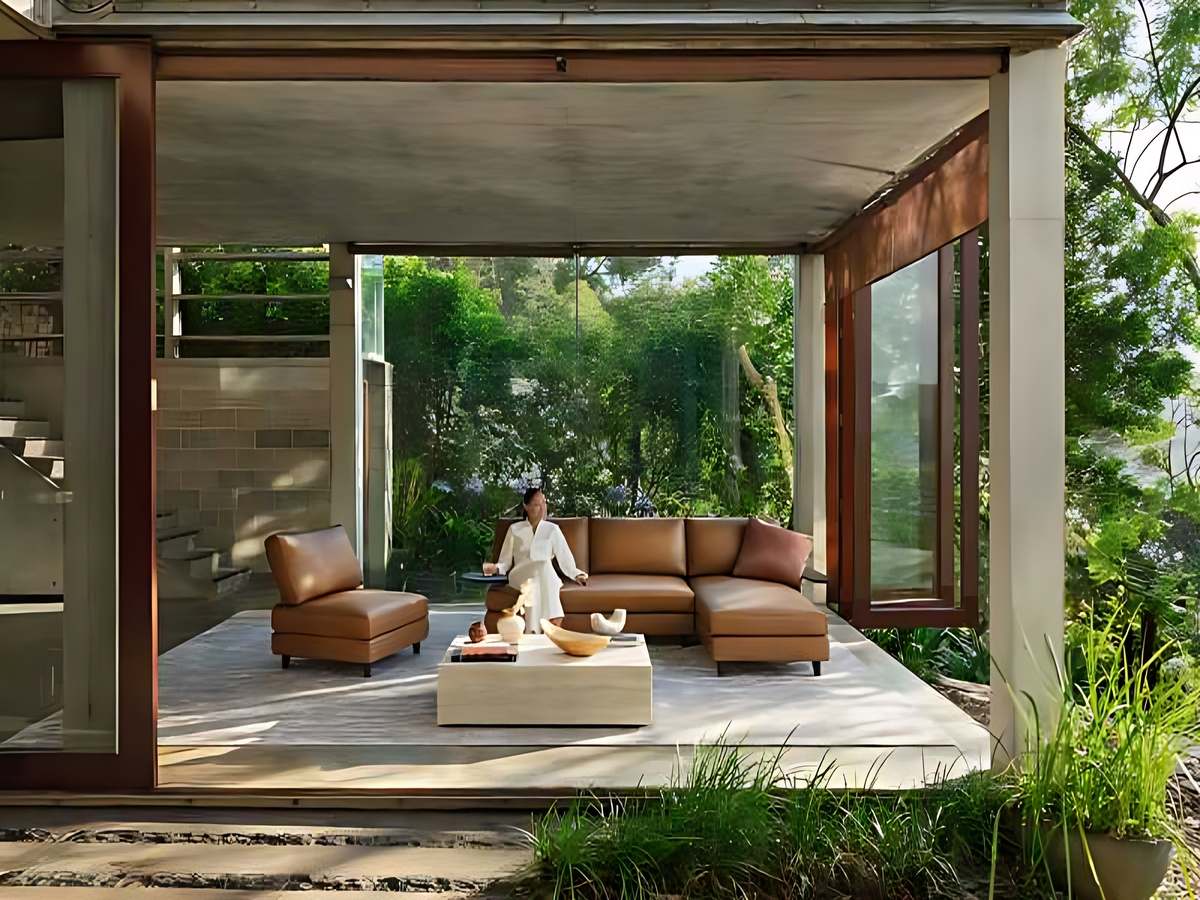
Rustic style focuses on sustainability and eco-friendliness. (Source: Collected)
This is completely in line with the green architecture development orientation in Vietnam. According to Law on Architecture No. 40/2019/QH14, residential design needs to prioritize the use of environmentally friendly and energy-saving materials. Furthermore, maximizing the use of natural light in the Rustic style helps reduce electricity consumption, meeting energy-efficient building standards. This is a key factor in making living spaces not only beautiful but also sustainable and ecosystem-friendly, in line with the spirit of the law.
3.3. Easy to combine with other styles
With high flexibility, the Rustic style in home design can be combined with many other styles such as modern or industrial to create diverse spaces. This combination helps retain the rustic charm while still ensuring usability. Modern Rustic is a prime example, where natural elements are combined with simple lines and new materials to suit today's living needs.
This allows the style to easily adapt to various types of housing. The flexibility in design allows users to adjust the style according to personal preferences without losing the overall identity. This is a factor that helps Rustic maintain its appeal in the field of interior design.
4. Applying the Rustic Style in Practice
4.1. Designing a Living Room in the Rustic Style
Details such as exposed beam ceilings or stone walls are not only aesthetic but also help increase the sense of connection with nature. When designing exposed wooden beam structures, architects need to pay attention to the load-bearing capacity and structural stability according to Construction Law 135/2025/QH15 to ensure the building's load-bearing capacity. The combination of the raw beauty of stone and wood with modern technical standards helps the living room become safe and durable over time.
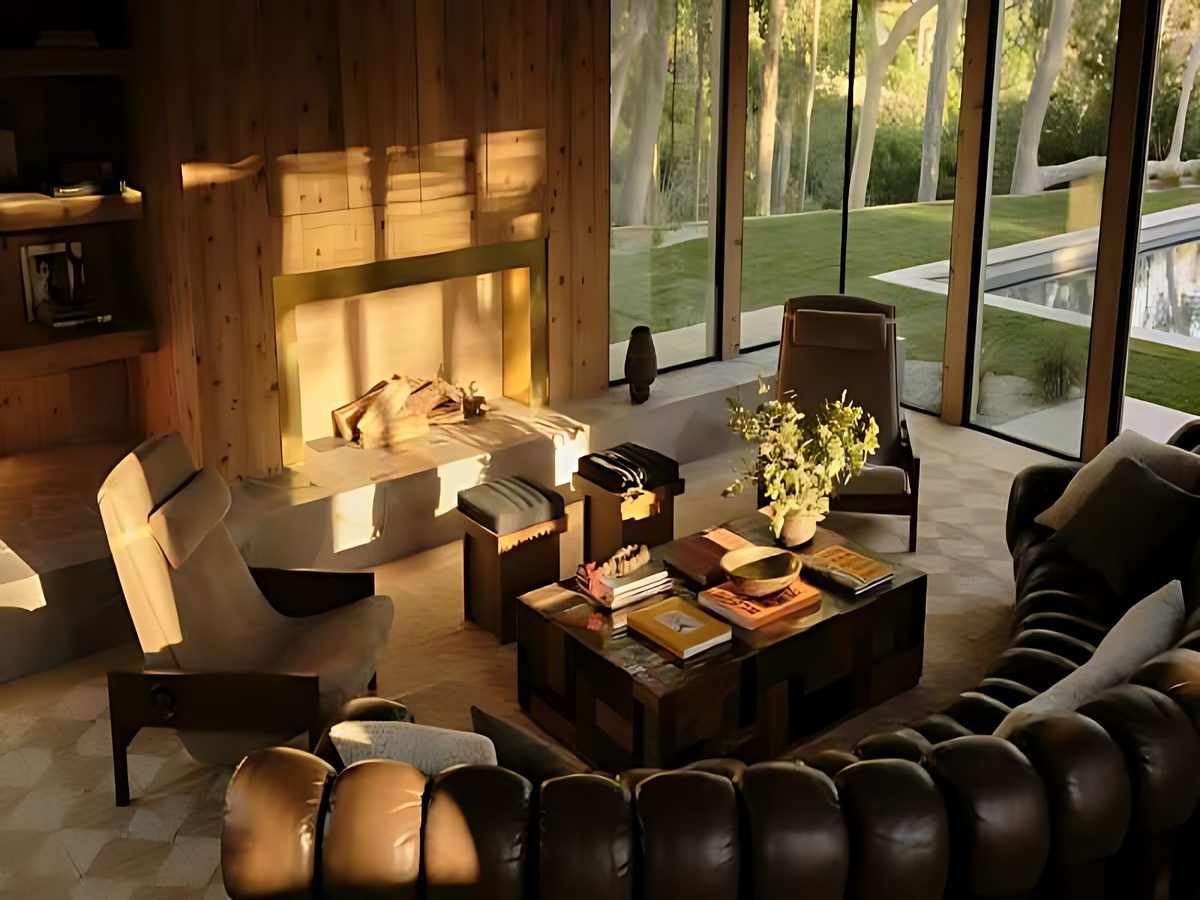
Rustic, cozy, and comfortable living room. (Source: Collected)
The living room interior is designed with simplicity in mind, focusing on functionality with items such as sofas upholstered in rough fabric, solid wood tables, or wooden shelves with rustic lines. Limiting decorative details helps the space remain airy and avoids a cluttered feeling during use.
In addition, the addition of elements such as greenery, pendant lights made from natural materials, or handicrafts helps add depth to the space and create a gentle accent. This combination helps a rustic living room both ensure aesthetic appeal and suit the needs of modern family living.
4.2. Bedroom Design and Private Spaces
In the bedroom, the Rustic style in home design brings a warm feeling through the use of muted colors and soft materials like natural fabrics. This helps the resting space become gentle and suitable for relaxation. Bedroom furniture is often designed simply with wood and fabric materials to create a sense of closeness.
Decorative details are restrained to maintain the tranquility of private spaces. Natural light combined with soft evening lighting helps create a suitable resting environment and supports the quality of living space. This is an element often emphasized in Rustic design.
4.3. Notes when applying the Rustic style
When applying Rustic style in home design, consideration should be given to the use of materials and colors to avoid making the space feel heavy. Harmonious coordination between elements helps ensure balance in the overall design. Additionally, attention should be paid to the combination of aesthetics and functionality to ensure the space meets usage needs while retaining its rustic spirit.
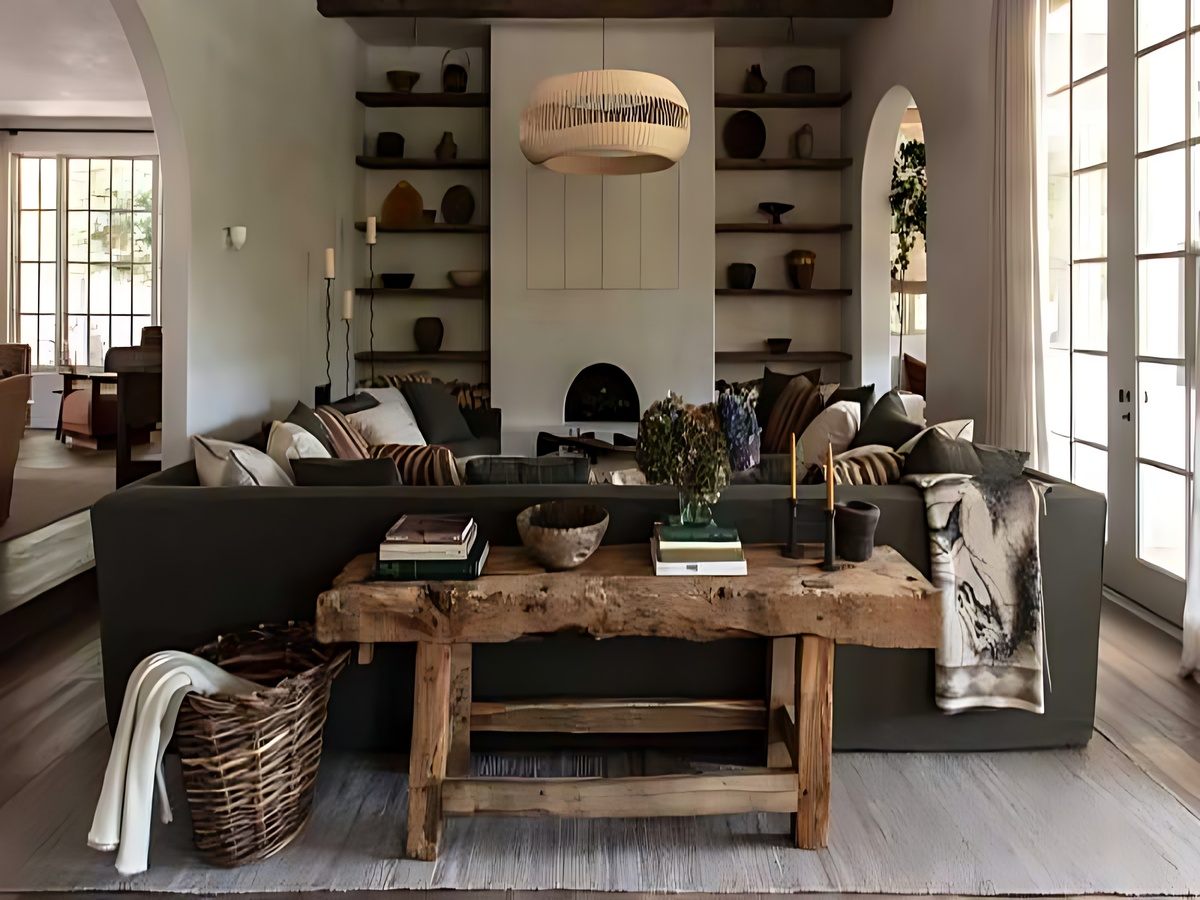
Applying the Rustic style requires balancing aesthetics and functionality. (Source: Collected)
Adjusting the style to suit the area and characteristics of the building is an important factor. According to urban architectural management regulations, Rustic design must not distort the exterior of the building for areas with detailed planning. Especially, the use of stone and wood materials for facade decoration must ensure it does not pose a danger to the public space below. This is a necessary step to ensure effective space utilization and compliance with legal regulations in various types of housing today.
Understanding Rustic style in home design will help you create a rustic yet emotional living space. This is an ideal choice for those who love simplicity, closeness to nature, and want to find balance in modern life. What about you? Try applying Rustic to your home.