


Safe and Technically Correct Electrical and Plumbing Installation Standards for Townhouses
The installation of electrical and water systems for residential houses is not just a technical task, but also directly affects long-term living safety. Understanding the standards for installing electrical and water systems in residential houses helps homeowners limit risks, optimize repair costs, and ensure the project meets current regulations.

▲Table of Contents
1. Overview of Electrical and Water Installation Standards for Townhouses
1.1. Concept of Electrical and Water Standards for Townhouses
Technical standards in electrical and water installation are a set of regulations aimed at ensuring the system operates stably, safely, and is suitable for residential housing. These standards are often based on national regulations such as QCVN and TCVN, applied to low-voltage electrical systems and water supply and drainage in townhouses. Compliance helps limit technical risks and ensures project acceptance requirements.
In the context of townhouses with a common area from 40 to 120 m², technical systems need to be arranged neatly and scientifically. Applying townhouse electrical and plumbing installation standards helps optimize space, avoid overlap between items, and ensure synchronization. This also supports system repair and upgrades when necessary during long-term use.
1.2. Role of electrical and plumbing systems in townhouses
Electrical and water systems play an important role in ensuring daily life, such as lighting, operating equipment, and water supply and drainage. Many statistics in the field of civil safety show that fire and explosion incidents are often related to non-standard electrical systems. Therefore, proper technical design and construction help minimize risks and protect user safety.
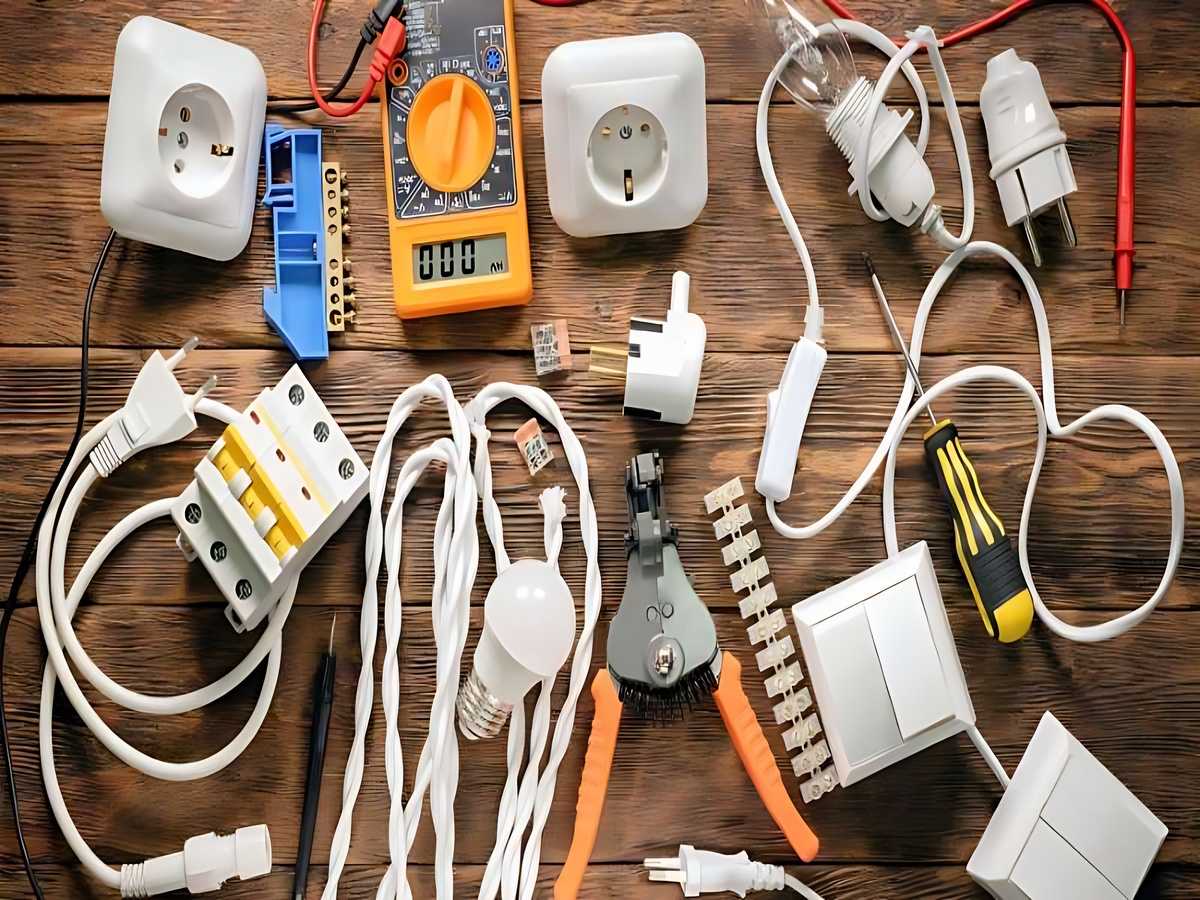
Proper electrical and plumbing design helps ensure safety and optimize operating costs. (Source: Collected)
Besides safety factors, electrical and water systems also affect energy efficiency and operating costs. A reasonable design helps distribute electrical loads stably and limit water loss during use. This contributes to increasing equipment lifespan, while maintaining the operational efficiency of the entire townhouse project for a long time.
1.3. Principles of modern townhouse electrical and water system design
Modern electrical and plumbing design principles focus on three elements: safety, scientific approach, and maintenance convenience. Electrical wires and plumbing pipes should be arranged along separate technical axes, avoiding unnecessary intersections and ensuring ease of inspection during repairs. This organizational method helps minimize technical risks and increase system management efficiency in townhouses.
2. Standards for technically correct electrical system installation in townhouses
2.1. Standards for electrical system layout in townhouses
The electrical system in townhouses needs to be divided into separate circuits such as lighting, outlets, and high-power appliances to ensure safe operation. According to design practice, each functional area such as the living room, kitchen, or bedroom has different electricity usage requirements, therefore, proper circuit arrangement helps reduce load and limit the risk of overcurrent.
The position of sockets and switches needs to be calculated appropriately according to height and usage habits, usually sockets are placed from 0.3 to 0.5 m, switches from 1.2 to 1.4 m from the finished floor. Applying the standard for electrical and water installation in townhouses in the electrical system layout helps ensure convenience, reduce extension cords, and enhance safety during long-term use.
2.2. Standards for electrical wires and equipment
Electrical wires need to be selected according to a cross-section suitable for the load current, commonly ranging from 1.5 mm² to 6 mm² in townhouses. TCVN 7447 standards require the use of wires with heat-resistant and flame-retardant insulation layers to ensure safety. Additionally, devices such as circuit breakers and sockets must meet technical standards and have overcurrent protection capabilities, minimizing fire and explosion risks during operation.
2.3. Electrical safety standards according to legal regulations
QCVN 12:2014/BXD (National Technical Regulation on Electrical Systems for Buildings and Constructions) clearly stipulates mandatory technical requirements to ensure fire and explosion safety and operation for residential building electrical systems. Meanwhile, the TCVN 7447:2010 (IEC 60364) standard set still serves as the foundation for selecting low-voltage electrical equipment and installation methods. Strict adherence to these regulations not only helps the project meet construction law acceptance criteria but also minimizes legal risks and incidents during use.
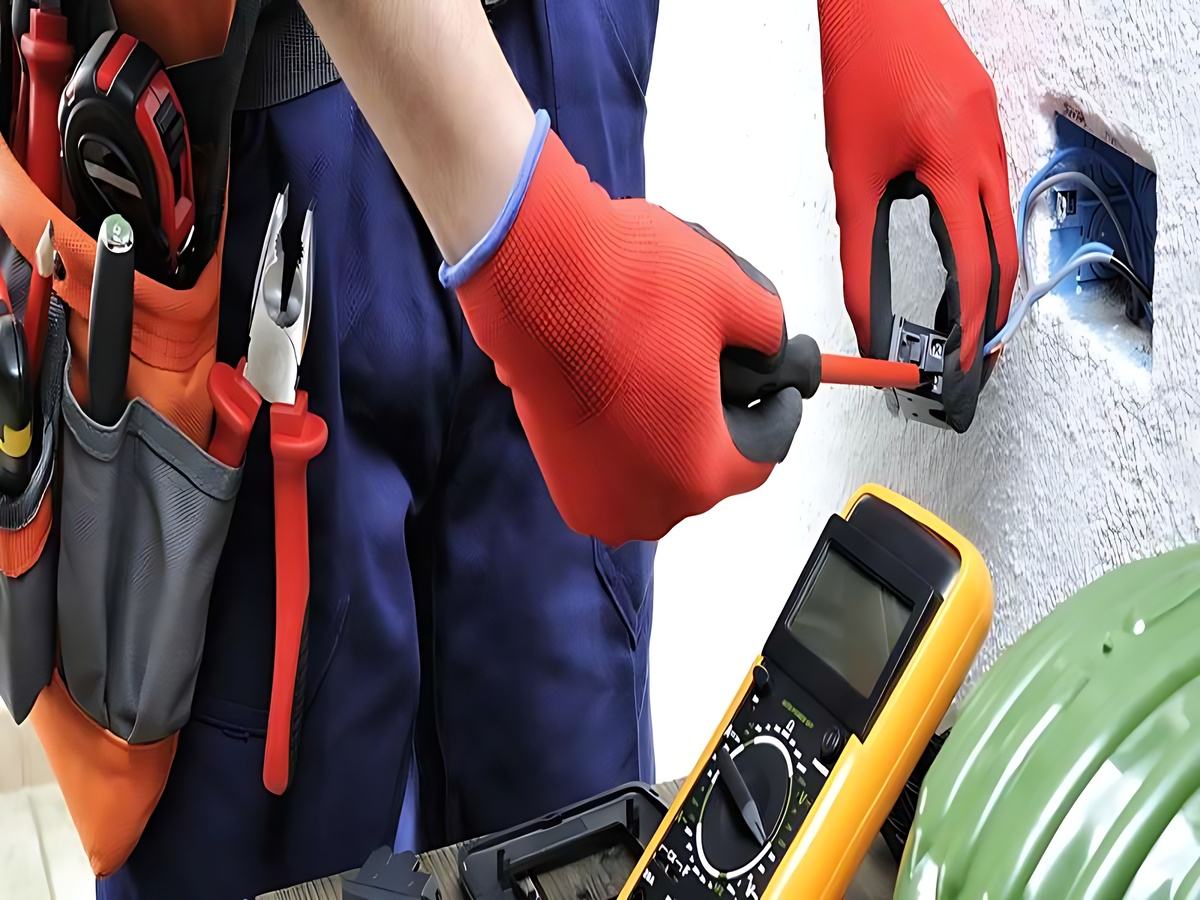
Compliance with QCVN 12:2022 and TCVN 7447 helps electrical systems be safe and legally compliant. (Source: Collected)
2.4. Notes for concealed electrical wiring in townhouses
Concealed wall electrical installation requires wires to be run in protective conduits to prevent mechanical damage and electrical leakage. The wiring should be clearly arranged horizontally or vertically for convenient inspection during repairs. Additionally, marking the wire positions before plastering the wall helps limit the risk of accidentally drilling into the electrical system during later use.
3. Standards for installing sustainable townhouse water systems
3.1. Standards for designing water supply and drainage in townhouses
The water supply and drainage system needs to ensure stable pressure from 0.2 to 0.6 MPa for daily use. Clean water supply pipes should be separate from the drainage system to avoid cross-contamination. Proper design also helps reduce blockages, especially in locations like kitchens and bathrooms, where usage frequency is high.
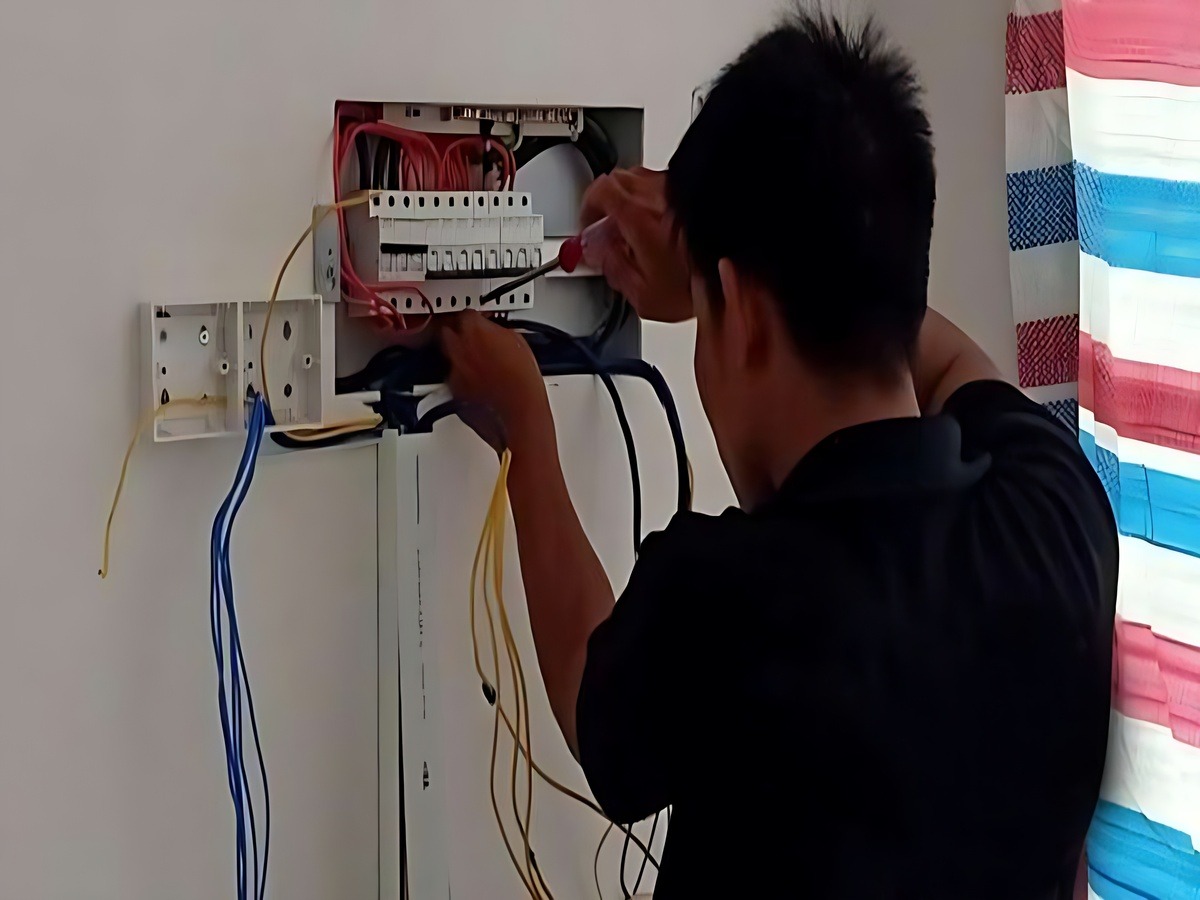
The design of separate water supply and drainage systems with stable pressure helps ensure hygiene and reduce blockages. (Source: Collected)
3.2. Standards for plumbing pipes and fittings
Pipes such as PPR, PVC, and HDPE are commonly used in townhouses due to their high pressure resistance and durability. PPR pipes can withstand temperatures up to 95°C, suitable for hot water systems, while PVC is often used for drainage. Choosing materials that meet standards helps extend the system's lifespan and reduce long-term maintenance costs.
3.3. Standards for waterproofing and leakage prevention in water systems
Waterproofing is an important requirement in areas such as toilets, terraces, and adjacent walls. The waterproofing layer needs to achieve a thickness of 1.5–2 mm and be applied according to the correct technical process to ensure long-term effectiveness. Additionally, water pressure testing after installation helps to detect leakage points early and avoid structural damage to the building.
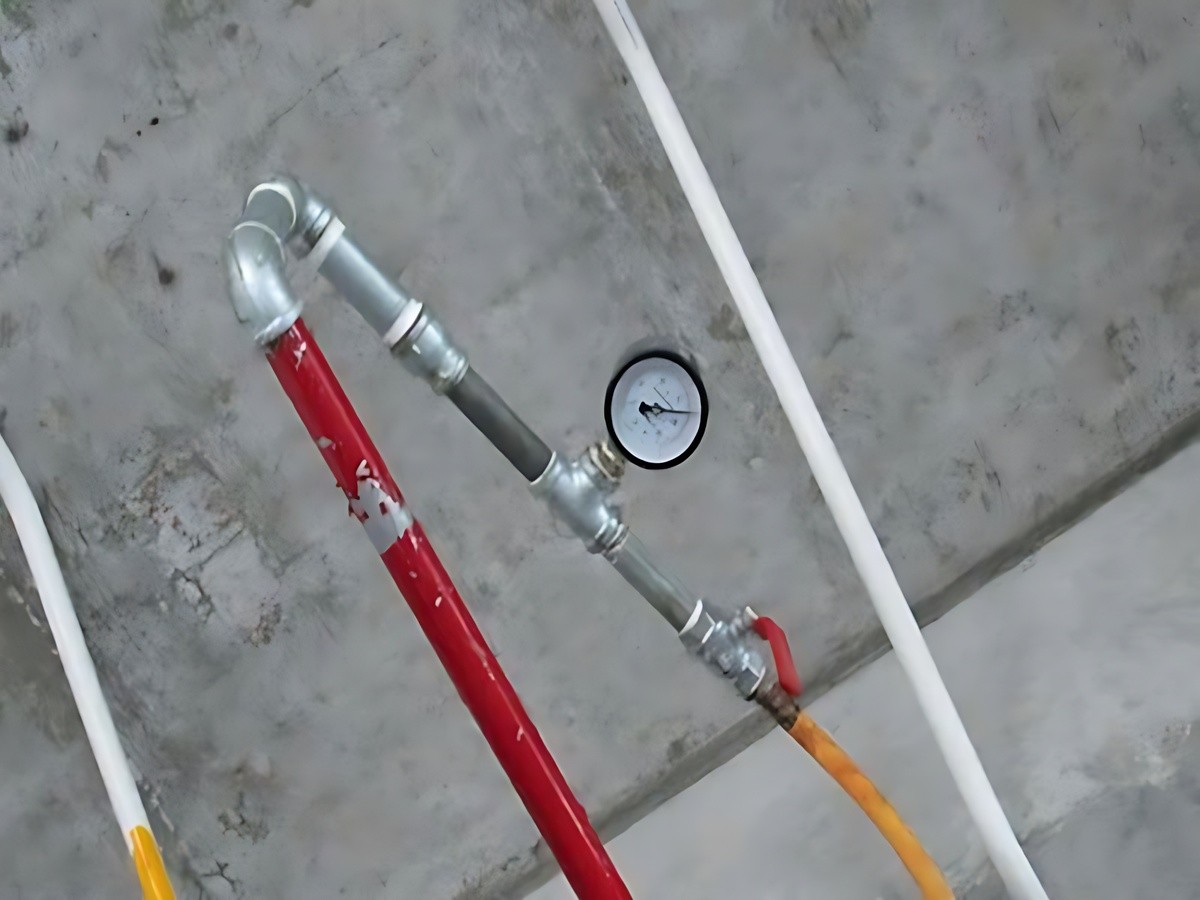
Waterproofing construction according to technical standards and water pressure testing help prevent leaks, protecting the long-term structure of the work. (Source: Collected)
3.4. Legal regulations related to water supply and drainage systems
Standard QCVN 01:2021/BXD on Construction Planning stipulates requirements for technical infrastructure, ensuring synchronized connection between townhouses and the urban network. In addition, indoor water supply and drainage systems must comply with TCVN 4474:1987 (on internal drainage) and updated standards for new materials to ensure water source quality and hygiene. The correct application of these legal documents helps the project meet functional standards, while ensuring sustainability and operational efficiency under current climatic conditions.
4. Cost-optimization experience for townhouse electrical and water system construction
4.1. Planning electrical and water system construction from the beginning
Planning from the design phase helps synchronize between structure and technical systems, avoiding revision costs. For townhouses 2–4 stories high, arranging the technical shaft from the beginning helps save space and reduce construction costs. Applying townhouse utility installation standards from the outset helps limit errors and ensure construction progress.
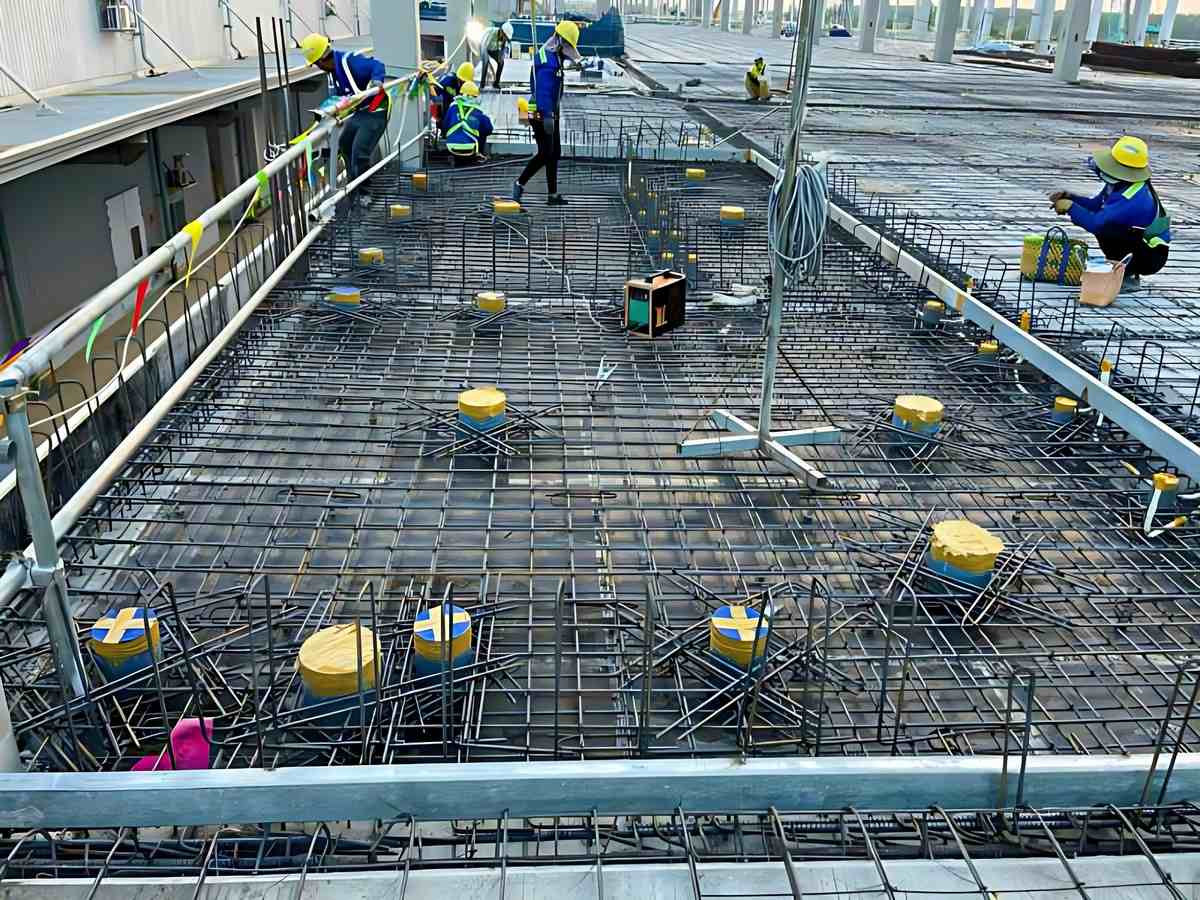
Synchronized planning to limit incurred costs for townhouses. (Source: Collected)
4.2. Coordination between construction items
Electrical, water, and structural systems need to be closely coordinated to avoid conflicts during construction. For example, water pipes should not run through the location of electrical cabinets to limit leakage risks. Good coordination between items helps improve construction efficiency and reduce repair costs during long-term use.
4.3. Common mistakes when installing electricity and water for townhouses
Some common errors include improper wiring techniques, using poor quality materials, and lack of waterproofing. These mistakes can lead to water leaks, electrical short circuits, or structural damage to the building after a short period of use. Adhering to residential electrical and plumbing installation standards and conducting thorough inspections before completion can effectively mitigate these risks.
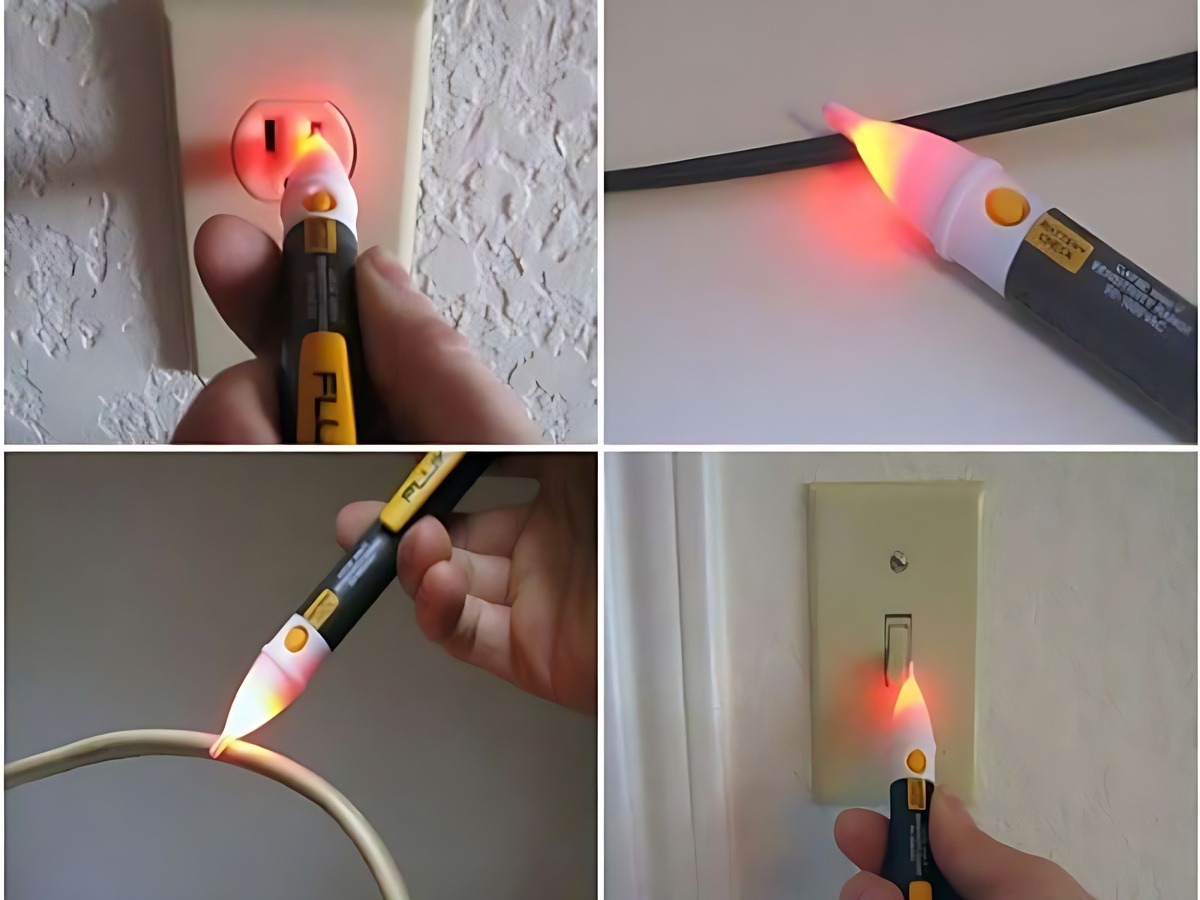
Avoiding technical errors helps prevent electrical and water incidents, protects the structure, and ensures safety for townhouses. (Source: Collected)
Adhering to townhouse electrical and plumbing installation standards not only ensures the system operates stably but also contributes to protecting the safety of the whole family during use. This is an important factor that helps limit risks, incidents, and future repair costs. At the same time, investing correctly from the start brings long-term value, instead of just focusing on short-term savings.