


Should you borrow 70% of the house value? An analysis of the benefits and risks you need to know.
Whether to borrow 70% of the house value is an important question for those preparing to buy real estate. This is a quite common loan amount, but if not calculated carefully, you may face significant financial pressure in the long term.

▲Table of Contents
1. Should you borrow 70% of the house value? Understand correctly before deciding
1.1. What is borrowing 70% of the house value?
Borrowing 70% of the house value is a form where the buyer only needs about 30% of the capital themselves, and the remaining amount will be financed by the bank through a mortgage loan secured by the house itself. This is a quite common loan ratio nowadays as it falls within the safe threshold accepted by many banks.
The essence of this form is to use financial leverage to own an asset with a value greater than the initial capital. However, this loan usually lasts for many years, accompanied by interest rates and regular monthly repayment obligations.
1.2. Why do many people choose to borrow 70%?
There are many reasons why buyers choose this loan amount. First of all, this is a way to reduce initial capital pressure, especially in the context of increasingly high real estate prices. Instead of waiting to accumulate enough money, buyers can own assets sooner.
Besides, borrowing also helps retain some cash for other purposes such as investment, business, or financial reserves. For many people, this is the optimal strategy to both own a home and maintain flexible cash flow.

Borrowing 70% of the house value helps reduce the initial financial pressure for buyers. (Source: Collected)
1.3. How do banks evaluate loans?
When reviewing a loan application, banks not only look at the asset value but also assess the borrower's overall financial profile. Stable income, good credit history, and repayment ability are the most important factors.
Additionally, the value and liquidity of real estate also influence lending decisions. Properties located in areas with development potential or that are easily traded are often rated higher by banks.
2. Benefits of borrowing 70% of the house value
2.1. Leveraging financial leverage effectively
When borrowing 70% of the house value, buyers can use financial leverage to own assets worth much more than their initial capital. This helps optimize investment potential, especially in a context where real estate prices tend to increase over time.
If the right timing and product are chosen, the profit generated will far exceed the borrowing costs. This is why many investors choose this option to increase their assets in the long term.
2.2. Opportunity to own assets early
Instead of spending many years accumulating enough money, buyers can own a home as soon as they have about 30% of their own capital. This helps seize market opportunities, avoiding the situation where real estate prices increase rapidly, making homeownership increasingly difficult.
Early ownership also brings benefits in terms of life stability. Buyers do not need to depend on renting a home and can be more proactive in their long-term plans.

Taking out a loan to buy a house helps buyers own real estate even when they don't have enough finances. (Source: Collected)
2.3. Retain cash flow for other investments
Without needing to pour all assets into one property, borrowers can still retain some cash for other purposes. This helps maintain financial flexibility and opens up more investment opportunities.
In that context, considering whether to borrow 70% of the house value will help buyers better understand the benefits of keeping cash versus the pressure of debt repayment. If cash flow is utilized wisely, a loan can become an effective financial support tool.
2.4. Increased profitability if the right property is chosen
A good property not only appreciates over time but can also generate cash flow from rent or business. In that case, the loan is no longer a burden but becomes an effective investment support tool.
Projects with good locations, well-developed infrastructure, and situated in developing areas often offer high profit potential. Selecting the right investment product will significantly influence the effectiveness of using financial leverage.
3. Risks when borrowing 70% of the house value
3.1. Large monthly repayment pressure
When borrowing up to 70% of the asset value, the monthly payment amount is usually high and lasts for many years. This forces borrowers to allocate a large portion of their income to debt repayment, thereby affecting other spending and saving plans.
Therefore, before deciding, it is necessary to carefully consider whether to borrow 70% of the house value based on actual financial capacity. If income is not stable enough or there is no backup plan, this pressure can become a long-term burden.
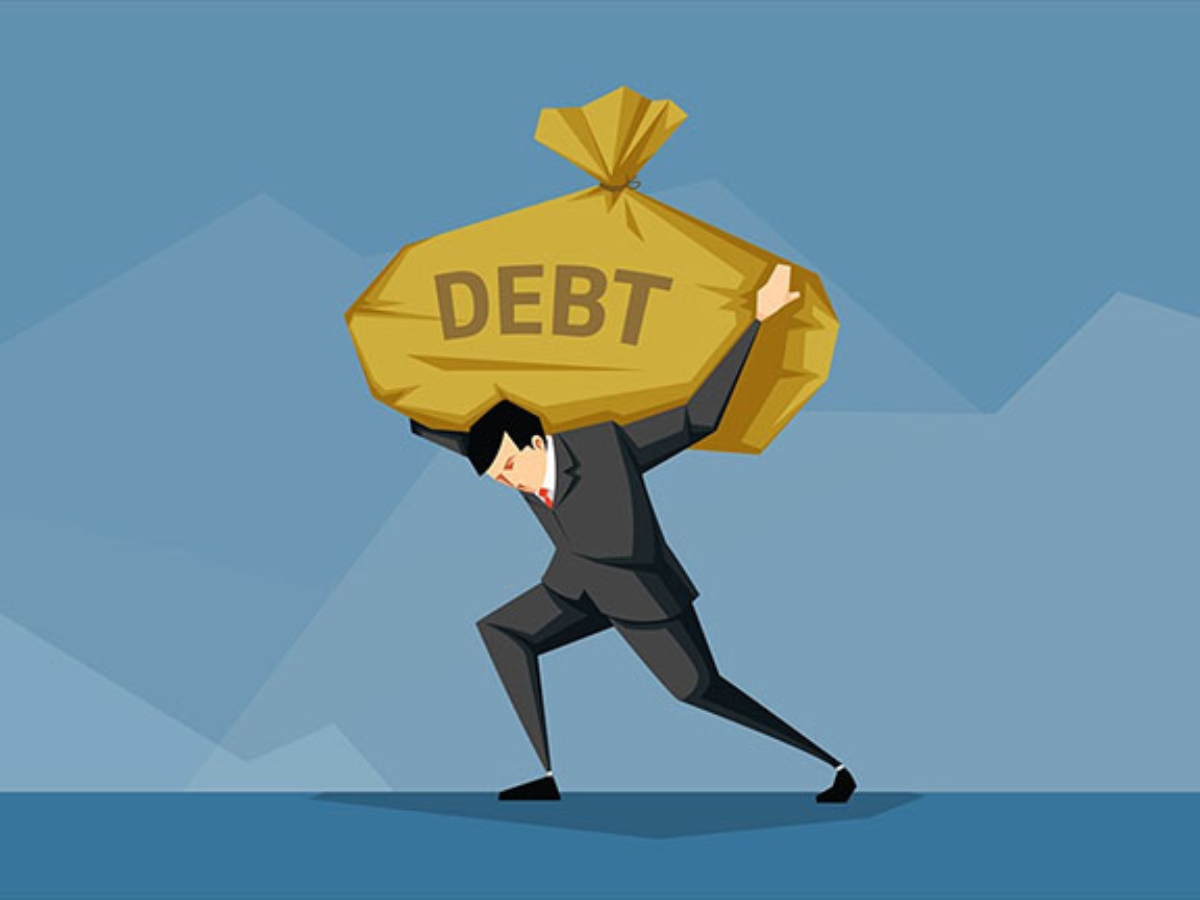
Borrowers face significant monthly debt repayment pressure. (Source: Collected)
3.2. Risk of rising interest rates
Most home loans today apply preferential interest rates for the initial period, then switch to floating interest rates. When market interest rates rise, borrowing costs also increase, making the monthly payment higher than initially expected.
If this scenario is not calculated in advance, borrowers may be passive in balancing their finances. This is one of the common risks but is often underestimated when deciding to borrow.
3.3. Easy to lose financial balance if cash flow is weak
When the entire loan depends on a single source of income, any fluctuation can affect the ability to repay the debt. This is particularly risky for those without additional income sources or emergency funds.
If cash flow is not strong enough, borrowers may have to cut spending or borrow more to maintain debt payments. This is a sign that finances are out of balance.
3.4. The risk of bearing interest when the market slows down
In case the real estate market does not grow as expected, assets may be difficult to sell or may not generate cash flow. However, the obligation to pay interest continues, forcing borrowers to bear costs for a long time.
This situation often occurs when buying real estate with short-term expectations or choosing the wrong segment. Therefore, carefully evaluating the market and product before borrowing is very important.
4. When should you borrow 70% of the house value?
4.1. When you have a stable and abundant income
Borrowing up to 70% of the house value is only truly suitable when the borrower has a stable and strong enough income to pay regularly each month. The debt repayment amount should be within a safe threshold, not affecting daily living expenses and other financial plans too much.
In this case, the question whether to borrow 70% of the house value will tend towards "yes", because the borrower already has a sufficiently strong financial foundation. The important thing is to maintain this stability throughout the loan period.
4.2. When having a clear financial plan
A detailed financial plan will help borrowers better control cash flow and avoid potential risks. Foreseeing situations such as rising interest rates or fluctuating income is essential.
With a specific plan in place, borrowers will be more proactive in managing long-term loans. This is a factor that makes borrowing safer and more effective.

Buyers need to build a detailed, clear financial plan. (Source: Collected)
4.3. When real estate has the potential to generate cash flow
If the real estate can be exploited for rent or business, this revenue will directly support debt repayment. This helps reduce financial pressure and increase loan sustainability.
In that context, considering whether to borrow 70% of the house value becomes easier because the asset already has the ability to "self-sustain" part of the costs. This is an important criterion when choosing real estate for financial leverage.
4.4. When interest rates are reasonable
Interest rates are a factor that directly affects the total cost of borrowing in the long term. When interest rates are low or stable, borrowers will significantly reduce financial pressure.
Conversely, if borrowing during a period of high interest rates, costs will increase and risks will also be greater. Therefore, choosing the right time to borrow is an indispensable factor.
5. When should you not borrow 70%?
5.1. Unstable income
If income is irregular or depends on volatile factors, borrowing up to 70% of the house value carries significant risks. When cash flow is uncertain, borrowers are prone to being unable to pay on time.
In this case, considering whether to borrow 70% of the house value should generally be approached cautiously. Financial safety should be prioritized over early asset ownership.

Unstable income will make borrowers easily fall into a situation where they are unable to pay on time. (Source: Collected)
5.2. No reserve fund
An emergency fund acts as a financial "cushion" when unforeseen events occur, such as job loss, illness, or unexpected expenses. Without a sufficiently large reserve, borrowers become very vulnerable when facing risks.
Borrowing capital without an emergency fund can cause financial pressure to increase rapidly. This is a situation to avoid when deciding to take out a mortgage.
5.3. Buying based on herd mentality
Many people decide to buy a house simply because they see the market is booming or follow advice from others without thorough analysis. This easily leads to choosing the wrong product or buying at an unsuitable time.
In such cases, asking oneself whether to borrow 70% of the house value will help buyers pause and re-evaluate their decision. Real estate investment needs to be based on data and planning, not on following trends.
5.4. Lack of clear understanding of the loan
Not clearly understanding loan terms such as interest rates, penalties, loan duration, or how interest is calculated can lead borrowers to face many risks. Hidden costs or interest rate changes can significantly increase the total loan cost.
Before signing the contract, borrowers need to clearly understand their entire financial obligations. This is an important step to avoid unnecessary mistakes during the long-term borrowing process.
6. Suggestions for choosing real estate to "support" loan payments
6.1. Prioritize projects with cash flow from operations
When using significant financial leverage, the most important factor is real estate that can generate actual cash flow. Products that can be rented out or exploited for business will help borrowers significantly reduce monthly debt repayment pressure.
Instead of just expecting price increases, buyers should prioritize projects with existing customer bases or high usage demand. This is a way to make loans safer and more sustainable in the long term.
6.2. Choose projects within a large ecosystem
Projects within a synchronized ecosystem often have distinct advantages in terms of exploitation and liquidity. When utilities, infrastructure, and customer flow are available, real estate will more easily create value compared to individually developed products.
Projects by Sun Property such as Sun Elite City, The Sunset Phu Quoc, or Blanca City are typical examples. Not only do they possess strategic locations, these projects also benefit from the tourism and entertainment ecosystem, helping to increase exploitation potential and support cash flow for borrowers.

Investors should prioritize choosing real estate projects with reputable, trustworthy developers. (Source: Collected)
6.3. Prioritize areas with potential for price increase
Besides cash flow, appreciation potential is an important factor that helps optimize the effectiveness when using financial leverage. Areas with strong development in infrastructure, tourism, or clear planning often bring good price appreciation over time.
To answer the question whether to borrow 70% of the house value depends on the financial capacity and preparation level of each person. If you have a stable income, a clear plan, and choose the right real estate with the potential to generate cash flow, this can be an effective leverage to increase assets in the long term. Conversely, if there is a lack of financial control or the wrong product is chosen, this loan can easily become a long-term pressure for many years, so it needs careful consideration before deciding.