


Should you buy a house before its official completion? Risks to be aware of
Buying a house without a completion certificate is a common situation in the real estate market, particularly in rapidly developing residential areas. However, the absence of a completion certificate can lead to numerous legal risks, such as difficulties with title transfer, incomplete recognition of ownership rights, or complications when seeking bank loans.

▲Table of Contents
1. Completion of Residential Construction and its Legal Significance
1.1. Concept of Construction Completion in Construction
In the field of residential construction, the concept of construction completion is often understood as the step to confirm that the work has been completed and constructed in accordance with the issued construction permit. This procedure is the final acceptance phase to record that the work has been finished and meets the technical, safety, and planning requirements stipulated by law. After completion, information about the work will be updated into the land management records of the competent state agency.
In the current real estate market context, many people are interested in buying houses without completion certificates when encountering houses that have been built but have not yet undergone this final legal procedure. When the construction project has not completed the completion certificate documentation, assets attached to the land are often not fully recorded on the land use rights and house ownership certificate. This makes the establishment of ownership rights for the housing not fully legally complete.
1.2. Consequences of houses without completion certificates
When a house has not undergone the completion inspection procedure, the information on the certificate of land use rights typically only reflects the land use rights without detailing the house built on that plot. This results in the asset attached to the land not being officially recognized in the property's legal documentation. This lack of information can impose significant limitations on transactions involving the house.
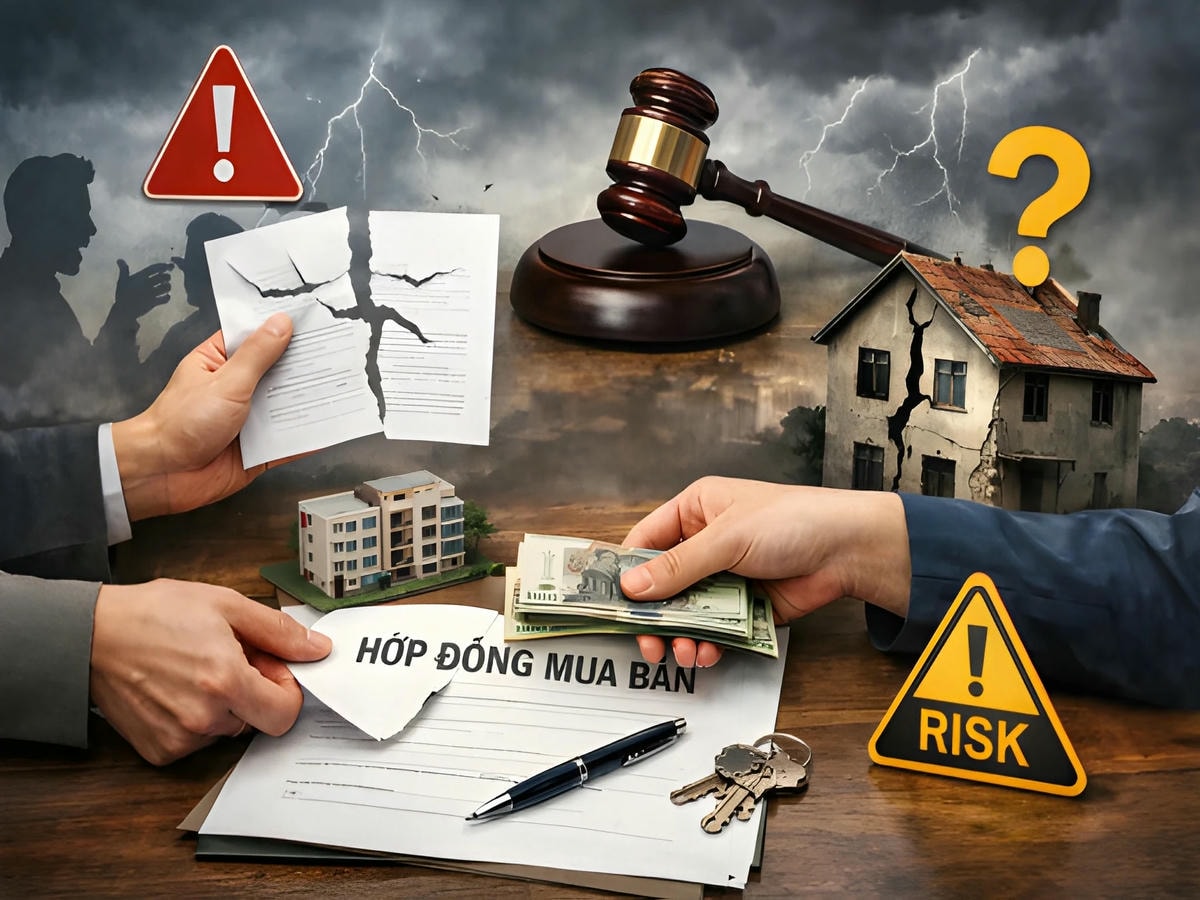
A house without a completion certificate means ownership is not fully recognized. (Source: Collected)
According to Land Law No. 31/2024/QH15, assets attached to land can only be transacted when ownership rights have been registered. If a house has not yet undergone final inspection (not updated on the Certificate of Ownership), legally, you are only purchasing "land use rights". The house itself will not be notarized and recognized in the transfer agreement, leading to the risk of losing assets on the land entirely if there are disputes or clearance and compensation, as the State only compensates based on legally established ownership rights.
1.3. Common reasons for houses not yet undergoing final inspection
In reality, there are many reasons why a house has not completed the final inspection procedures after construction is finished. One of the common reasons is that the construction deviates from the original building permit, such as adding an extra floor, changing the area, or altering the building's structure. When these discrepancies arise, the final inspection dossier may be rejected by the authorities.
Additionally, in some cases, the homeowner has completed the construction but has not yet proceeded with the completion inspection due to administrative procedures or a lack of need to update legal information. When a buyer considers buying a house without a completion inspection, determining the cause of this situation is an important factor in assessing the level of risk. If the construction was built with a permit but only lacks administrative procedures, adding the completion inspection documents afterward can usually be done.
2. Risks of buying a house without a completion inspection
2.1. Difficulty in obtaining bank loans
One of the common difficulties when buying a house without a completion certificate is accessing bank loans. During the collateral appraisal process, banks often rely on the legal value recorded in the land use rights and home ownership certificate. If the un-updated part of the house is not in the legal records, the value of the collateral may be significantly reduced.

Difficulty accessing loans due to insufficient asset valuation. (Source: Collected)
In many cases, credit institutions only consider lending based on the value of land use rights without accounting for the value of the house built on it. This can result in a loan amount significantly lower than the actual market value of the asset. Therefore, homebuyers often face difficulties when needing to borrow capital if the property has not completed the legal procedures related to construction completion.
2.2. Risk of construction penalties
Another risk when buying a house without final inspection is the possibility of construction violations during the building process. If the house is built not according to the construction permit or violates planning, the construction management agency may require the owner to rectify the violations before being allowed to complete the inspection. In some cases, these violations may lead to administrative penalties.
According to construction order regulations in 2026, constructions that are unauthorized or non-compliant with planning will be permanently denied completion acceptance and must dismantle the non-compliant part before being considered for certificate issuance or renewal. Particularly, with the new national land data management system, houses that have not completed their final inspection will have their transaction changes "locked" on the electronic system, making buying, selling, or gifting impossible until the violations are rectified.
2.3. Impact on Liquidity and Resale Value
Real estate liquidity is also an affected factor when buying a house without a completion certificate . Many buyers in the market tend to prioritize properties with complete legal documentation to avoid risks and for convenience in transaction procedures. When a house has not completed its completion certificate records, the hesitant psychology of secondary buyers often makes the transfer more difficult.
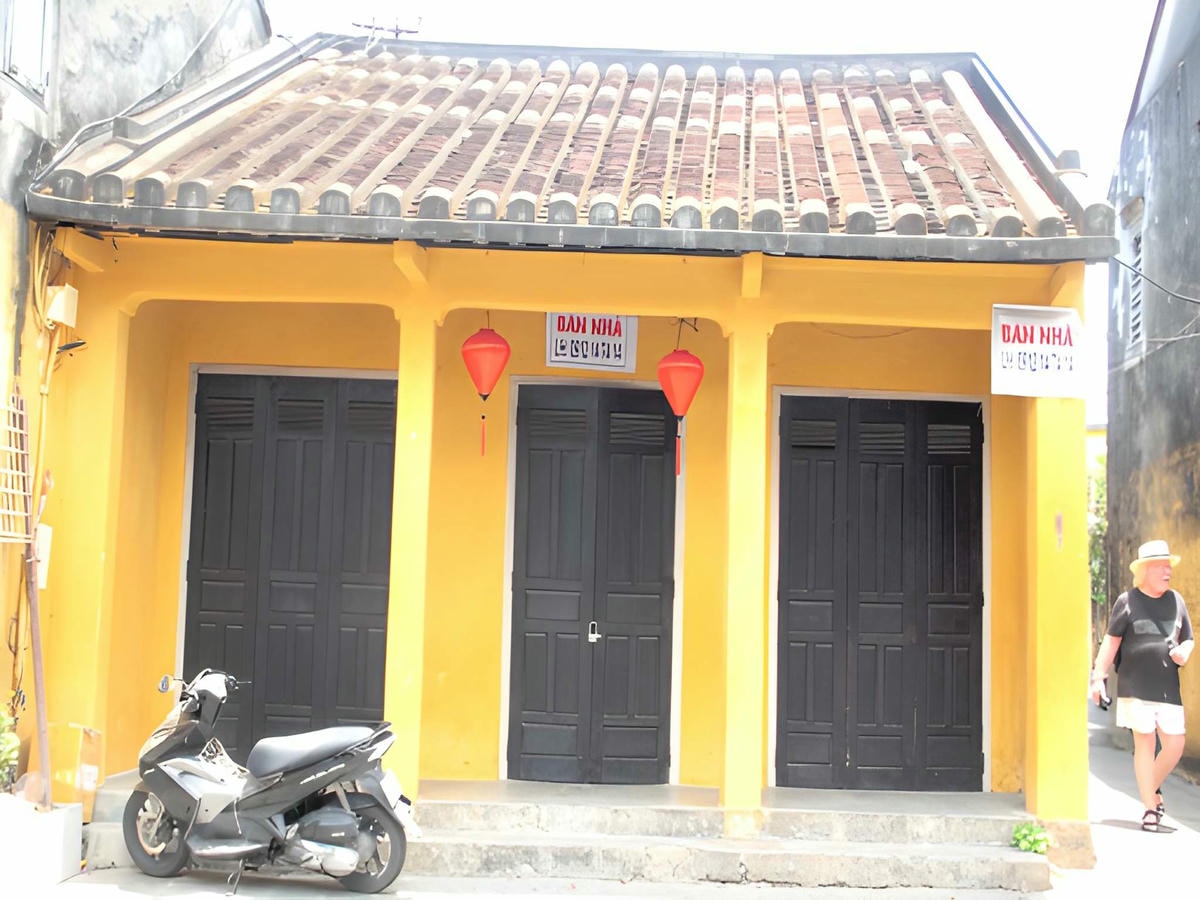
Liquidity decreases and it is difficult to resell in the market. (Source: Collected)
Besides liquidity, the market value of assets can also be affected. Houses that have not yet been completed (uncompleted construction) are often offered for sale at a lower price than properties with complete legal documentation to compensate for potential legal risks. This price difference reflects the market's caution towards assets with incomplete legal records.
3. When should you buy a house that has not been completed?
3.1. House built according to permit but procedures not yet completed
In some situations, the purchase of a house without a completion certificate can be considered if the construction is in accordance with the issued building permit. When the construction fully complies with the approved design and has no violations regarding planning or structural regulations, completing the completion certificate procedure is often just an administrative step. In this case, the buyer can supplement the completion certificate documents after the transaction is completed.
However, determining a legally permitted construction requires cross-referencing design drawings, building permits, and the actual state of the house. If these factors match, the possibility of completing the construction completion dossier after purchase is usually more favorable. This significantly reduces legal risks compared to cases of illegal construction or planning violations.
3.2. Significantly lower selling price than the market
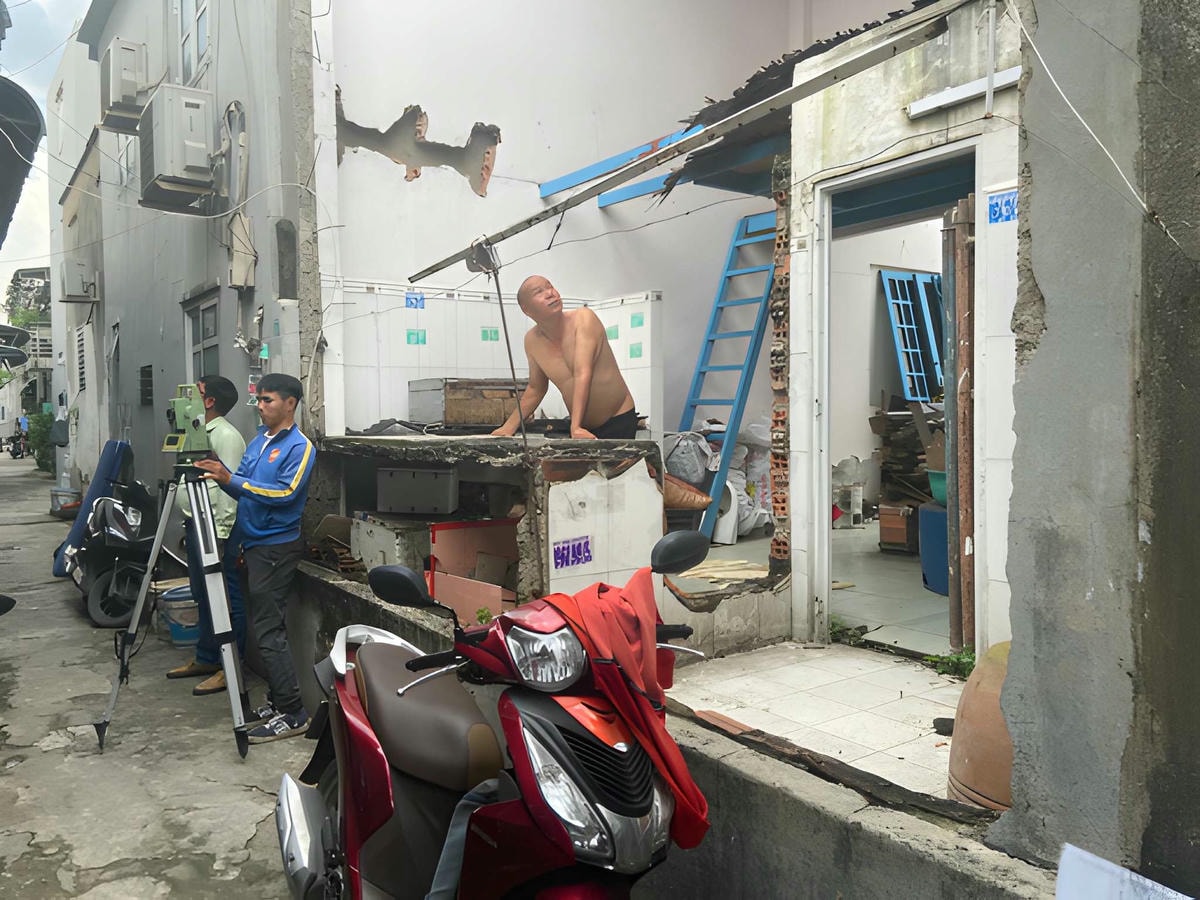
Some people consider buying a house without a completed construction permit when the selling price is significantly lower than properties with full legal documentation in the same area. This price difference may reflect the costs and risks associated with completing the legal documentation after purchase. If the buyer clearly understands the legal status of the house, the lower price can become an attractive factor.
Lower prices but come with risks and legal costs. (Source: Collected)
However, comparing price differences needs to be accompanied by calculating completion costs and the ability to handle related legal issues. If the completion costs or the costs to rectify violations are too high, the initial price advantage may no longer be meaningful. Therefore, consulting legal experts is often considered a necessary step before making a transaction decision.
3.3. Commitment to completion before notarization
In transactions in 2026, people buying houses without completion certificates should request the seller to complete the completion procedures and update them into the Certificate before signing the transfer contract at the Notary Office. To ensure safety, the parties can sign a deposit agreement at the Notary Office with the clause: "The seller will only receive the full payment after the residential area has been updated into the Certificate". This helps protect the buyer from unexpected costs arising from penalties for delayed completion or costs for surveying and drawing new land registry maps.
This option helps buyers limit legal risks because the notarization of the sales contract is only carried out when the property has completed the necessary legal documentation. If the seller fails to fulfill the commitment to complete the property's legal registration (hoan cong), penalty clauses can be applied according to the agreement in the contract. This creates a mechanism to protect the rights and interests of both parties in the transaction.
4. Guide to minimizing risks when transacting properties without completed legal registration
4.1. Check building permits and drawings
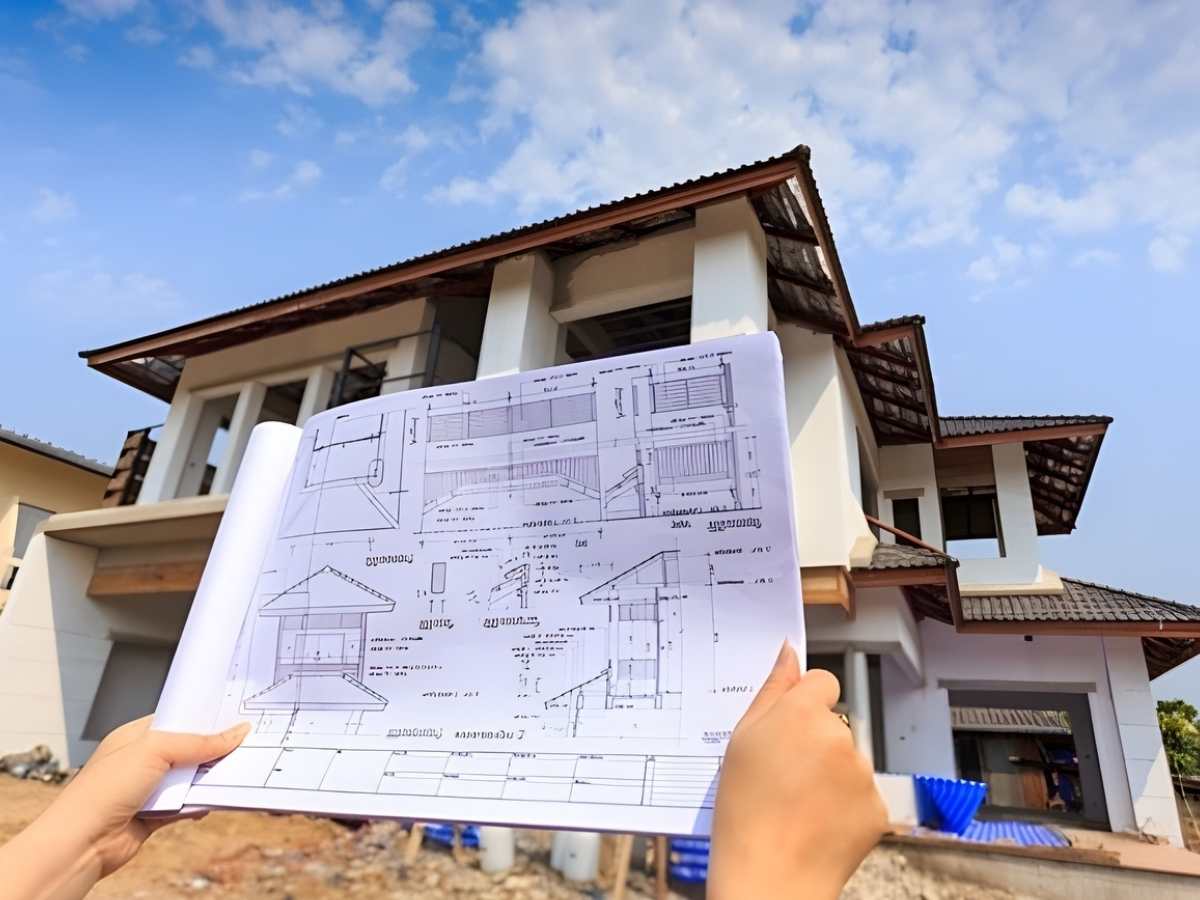
An important step when considering purchasing a house with uncompleted construction completion documents is to check the construction permit and design drawings of the building. Comparing the construction permit, drawings, and the actual state of the house helps determine if the construction was carried out according to regulations. If these pieces of information match, the possibility of completing the construction completion documents is usually smoother.
Compare the permit and the current status to assess the feasibility of construction completion. (Source: Collected)
The inspection process also helps to detect early discrepancies such as building beyond permitted floors, changing the area, or altering the structure compared to the original design. These discrepancies can cause the construction completion dossier to be rejected or require implementing corrective measures before being accepted. Therefore, carefully checking the construction permit and drawings is a necessary step before proceeding with transactions.
4.2. Clearly agree on construction completion responsibilities in the contract
When transacting real estate that is not yet completed, clearly defining legal responsibilities in the contract is an important factor to minimize risks. In many cases of buying a house that is not yet completed, the contract usually specifies the party responsible for the completion costs and the deadline for completing this procedure. This clause helps define the specific responsibilities of each party in the process of finalizing legal documents.
Additionally, the contract can also include clauses for handling situations where the responsible party fails to fulfill the completion commitment. For example, the parties can agree on penalties or the right to cancel the transaction if the procedures are not completed within the agreed-upon timeframe. These clauses help reduce the risk of disputes and protect the interests of the parties in real estate transactions.
4.3. Prioritize products with complete legal status
In today's real estate market, the general trend for buyers is to prioritize properties with complete and transparent legal documentation. Properties with fully completed construction often facilitate buyers in obtaining loans, transferring ownership, and establishing long-term asset rights. Therefore, products with clear legal status are often highly valued by the market for their stability and long-term value.

Should prioritize real estate with complete legal documentation. (Source: Collected)
In many well-planned urban areas, legal documents and completion procedures are usually fully completed before the product is handed over to the buyer. Projects developed by reputable investors often focus on completing legal documents and synchronized planning right from the initial stage. This allows buyers to feel more secure about their ownership rights as well as the long-term value of the asset during use and transaction.
Buying a house without completed construction procedures may save initial costs but comes with many legal and financial risks. Carefully checking documents, clearly agreeing on responsibilities, and prioritizing properties with completed legal documentation will help buyers protect their rights and ensure sustainable value over time.