


Slow living with Zen style in modern interior design
The interplay between modern architecture and Zen style in interior design creates a new, humanistic living standard. The space is designed openly, maximizing the use of greenery and natural materials, helping homeowners easily find tranquility and regenerate positive energy after a long day.

▲Table of Contents
1. General characteristics of the Zen style in interior design
1.1. Concept of Zen style in interior design
The Zen style in interior design originates from the Zen philosophy of Japan, emphasizing simplicity and balance in living spaces. Spaces are organized in a minimalist direction to eliminate unnecessary elements and retain the core values in daily life. This helps form a living environment that is tranquil and emotionally stable.
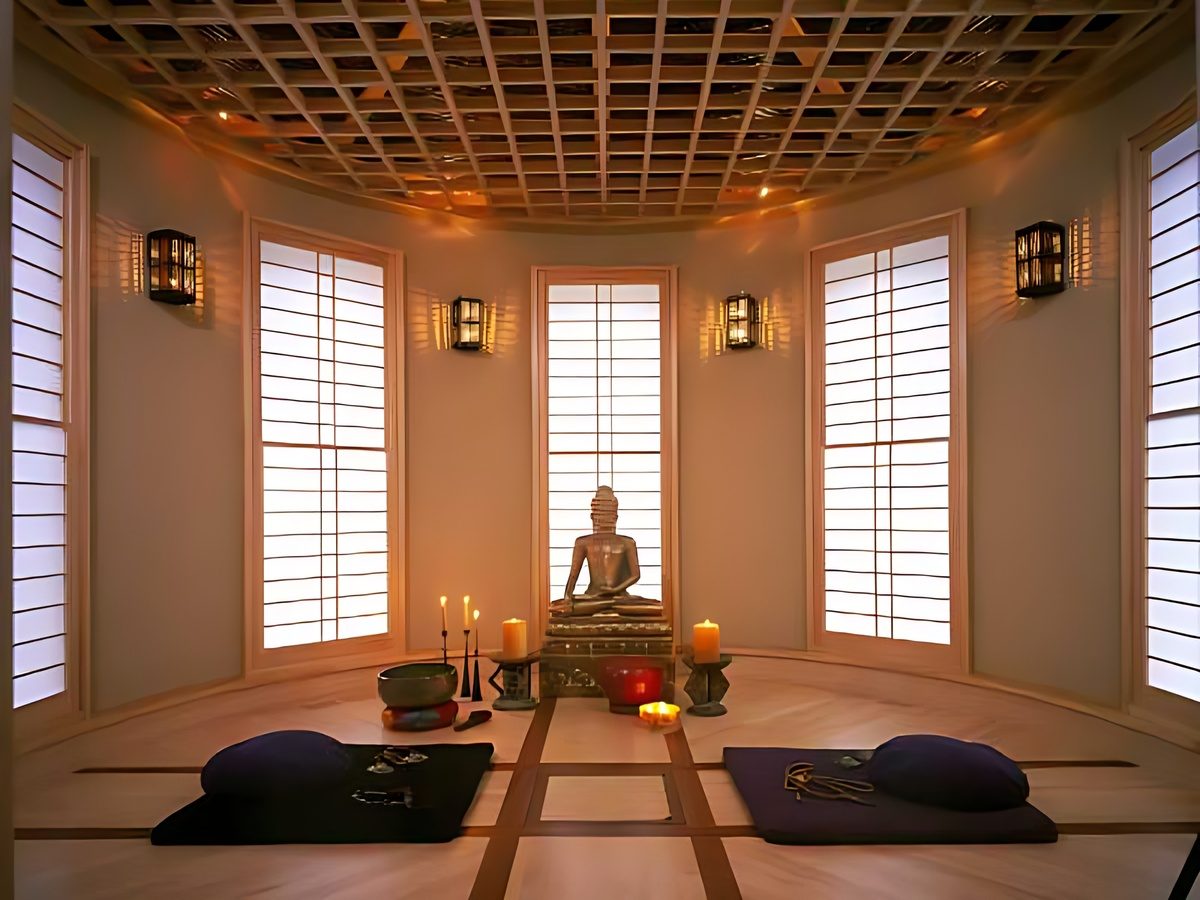
Zen style in interior design emphasizes simplicity, balance, and tranquil spaces. (Source: Collected)
The application of Zen style is often associated with the use of natural materials and simple layouts to create a sense of closeness to the surrounding environment. Elements such as light, air, and materials are coordinated to create a relaxing feeling for the user. This approach clearly reflects an introverted philosophy of life and emphasizes balance in space.
1.2. The spirit of design oriented towards balance
Zen style in design is clearly expressed through the principle of balance between humans, nature, and living space. The combination of natural light, natural materials, and open layout helps create a highly regulated environment. This is an important factor in maintaining a stable state in daily life.
Spaces with Zen style in interior design are often organized in a harmonious direction among elements to avoid visual conflict. The presence of greenery, soft light, and reasonable spacing helps the space become more balanced. This contributes to creating a highly relaxing living environment.
1.3. The role of Zen style in modern life
Zen style is increasingly gaining attention as the need for quiet and stable living spaces becomes apparent in urban areas. Minimizing furniture and organizing space reasonably helps reduce visual pressure in daily life. This contributes to improving the living experience in a modern environment.
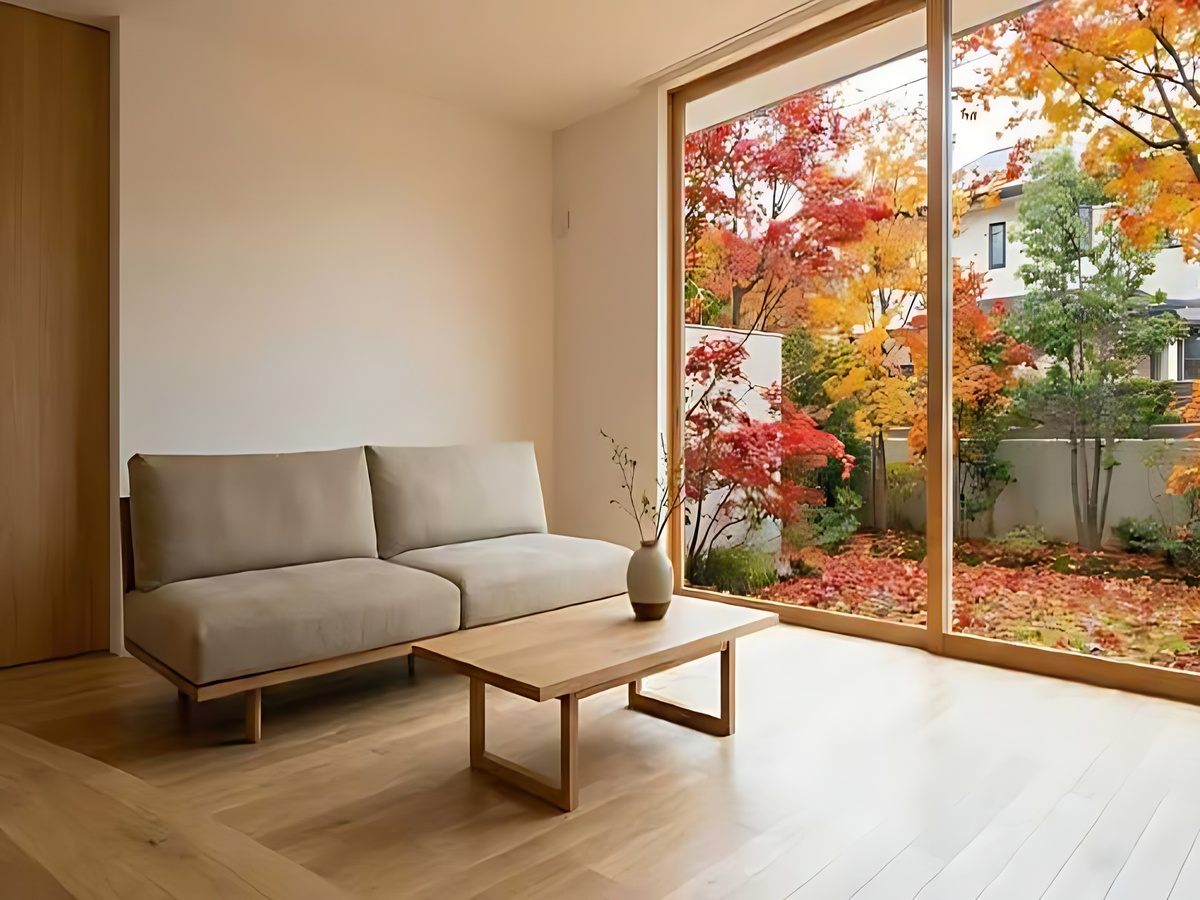
Zen style helps create a tranquil, balanced living space and reduce stress. (Source: Collected)
In the current context, the Zen style also plays a role in supporting mental balance by creating a gentle and pleasant living environment. Spaces designed with a minimalist approach help reduce distraction and increase relaxation. This is a factor that helps the Zen style continue to be widely applied.
2. How to recognize the Zen spirit in interior spaces
2.1. Colors that 'breathe slowly', gentle, calm, and not disturbing
The modern Zen palette has been further expanded with warm "Earth tones" (colors of the earth) or the grey-blue hues of pebbles, combined with warm yellow light (color temperature around 2700K - 3000K). This combination not only creates a sense of stability but also supports human circadian rhythms, helping the body easily enter a state of deep relaxation after a stressful day of work in an urban environment.
In a space with Zen style in interior design , the color palette is often inspired by nature, such as earthy tones, wood colors, or the gentle green hues of plants. This combination helps increase the connection between living space and the surrounding environment. This contributes to creating the distinctive identity of the Zen style.
2.2. Natural materials, beauty in imperfection
According to the sustainable design trends of 2026, the Zen style prioritizes natural materials with sustainable harvesting certifications or new eco-materials such as high-tech pressed bamboo, natural translucent stone, and rammed earth. These materials not only retain an original, rustic feel but also meet low emission standards (Low VOCs), helping to purify the air and create a living environment that is completely pure and safe for health.
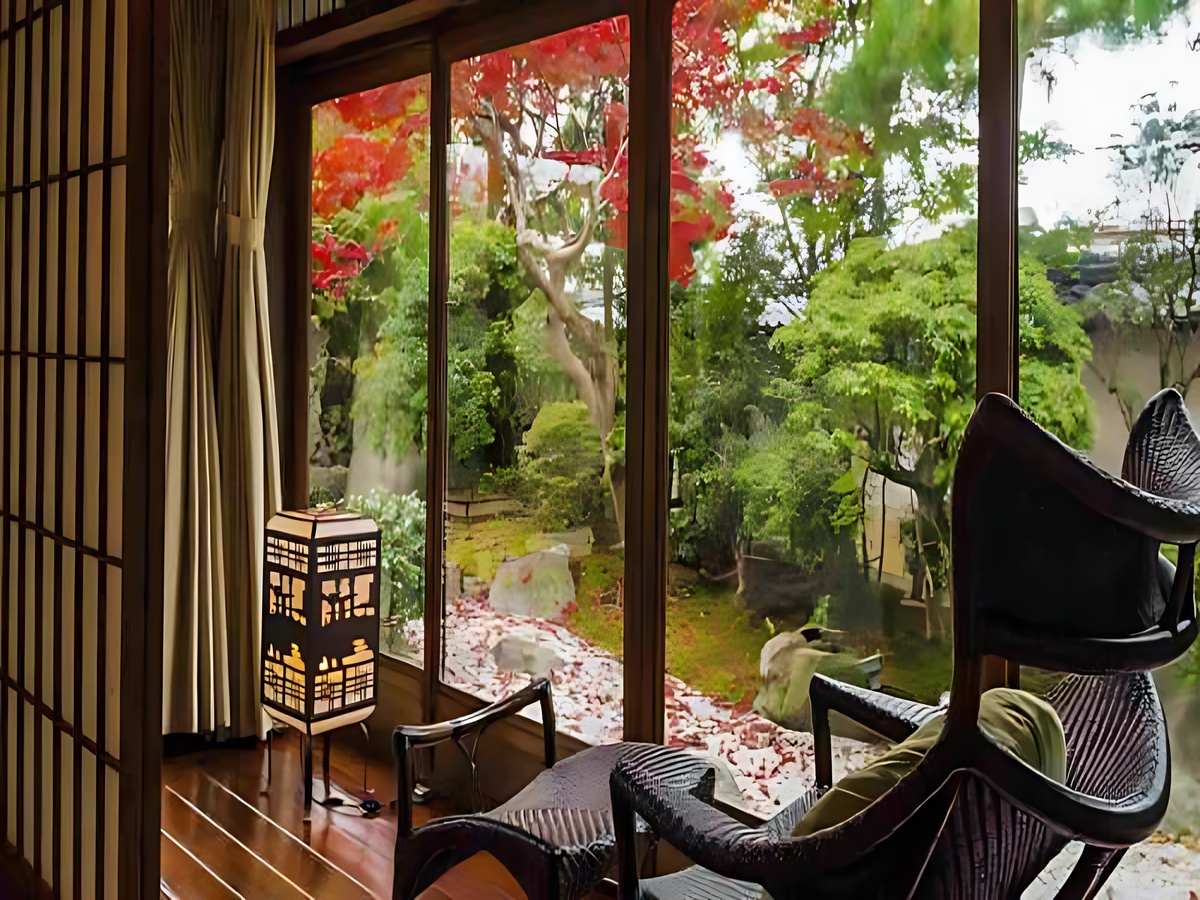
Zen style uses natural materials such as wood, stone, bamboo, friendly and rustic. (Source: Collected)
Spaces using Zen style in interior design often combine rustic materials to create a balance between aesthetics and functionality. Natural materials contribute to regulating the air and increasing the feeling of warmth in the space. This helps the space maintain stability over a long period.
2.3. Light does not "creep into" the space
In a Zen space, the light is not strong and direct but always softened. Sunlight passing through curtains, through paper doors, or soft yellow light spreading... all create a soft feeling. Thanks to this, the space has depth and easily brings people into a state of relaxation.
2.4. A space that is not "noisy", enough to hear yourself
The deepest characteristic of Zen lies in the feeling of tranquility. The space minimizes excess in images, colors, and details, thereby reducing "noise" for the mind. When in such an apartment, you not only feel quiet externally but also easily achieve internal balance.
3. Bringing the Zen spirit into every living space
3.1. Zen-style Living Room
Interior design in Zen spaces in 2026 focuses on ergonomics and multifunctionality. Traditional low coffee table designs are improved with soft, rounded lines, using solid wood combined with handcrafted rattan and bamboo. Seating is optimized for meditation or relaxation postures (ergonomic), helping to reduce pressure on the spine.
The use of "low" furniture helps lower the room's center of gravity, expand the view, and create a closer connection with the ground. Living rooms in the Zen style of interior design often incorporate greenery or water elements to enhance the connection with nature. Soft lighting and a tidy layout help the space maintain a sense of relaxation.
3.2. Bedrooms for complete "relaxation"
Zen bedrooms aim for a sense of security and ease of sleep. Low beds, soft colors, warm lighting, and minimizing electronic devices help the mind "turn off stimulation." No need for much decoration; a space that is clean and quiet enough is already in the right spirit.
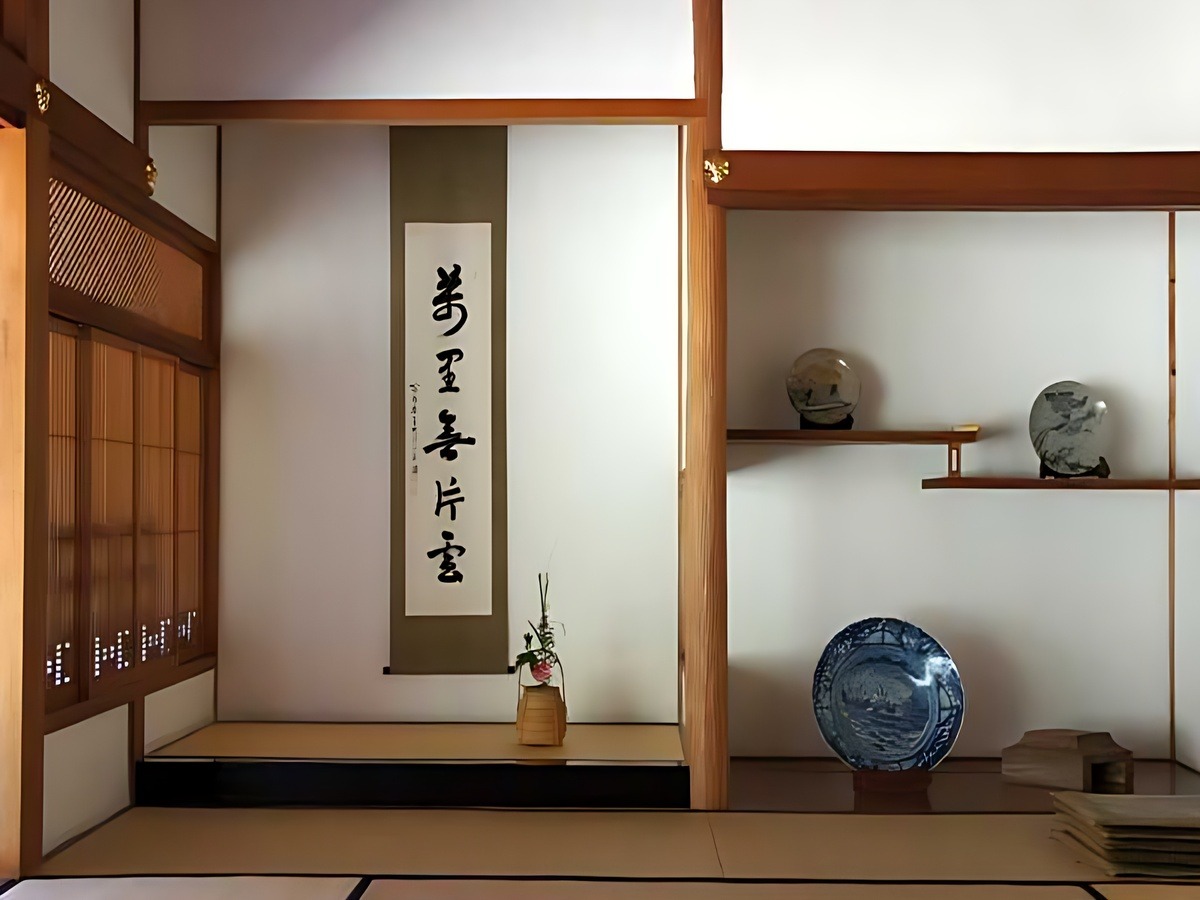
Zen-style bedroom uses neutral colors, minimalism, and natural materials. (Source: Collected)
3.3. Bathroom with a private "meditation" corner at home
A Zen bathroom often has a home spa feel: soft lighting, natural materials, and a clean space. A simple bathtub, a few decorative stones, or small green plants are enough to create a deep sense of relaxation. This is a place to help the body and mind "reset" after a long day.
3.4. A tidy kitchen area to keep the mind from being distracted
The Zen style in interior design with a kitchen is not just a place for cooking but also a space to maintain focus. Surfaces are always tidy, and items are hidden or minimally arranged to avoid a cluttered feeling. Light colors, wood or stone materials help the kitchen become warmer and more comfortable for daily use.
4. Some tips for designing interior in Zen style
4.1. Choose the right materials
When choosing furniture for a Zen space, prioritize simple, low-profile, compact designs with not too many details. Regarding materials, opt for natural ones like wood, bamboo, rough fabric, stone… and keep surfaces matte or slightly textured. These materials create a warm and authentic feel, while also helping the space feel less cold and more relaxing. Avoid using too much shiny metal, glass, or plastic, as they can make the apartment feel rigid and lack depth.
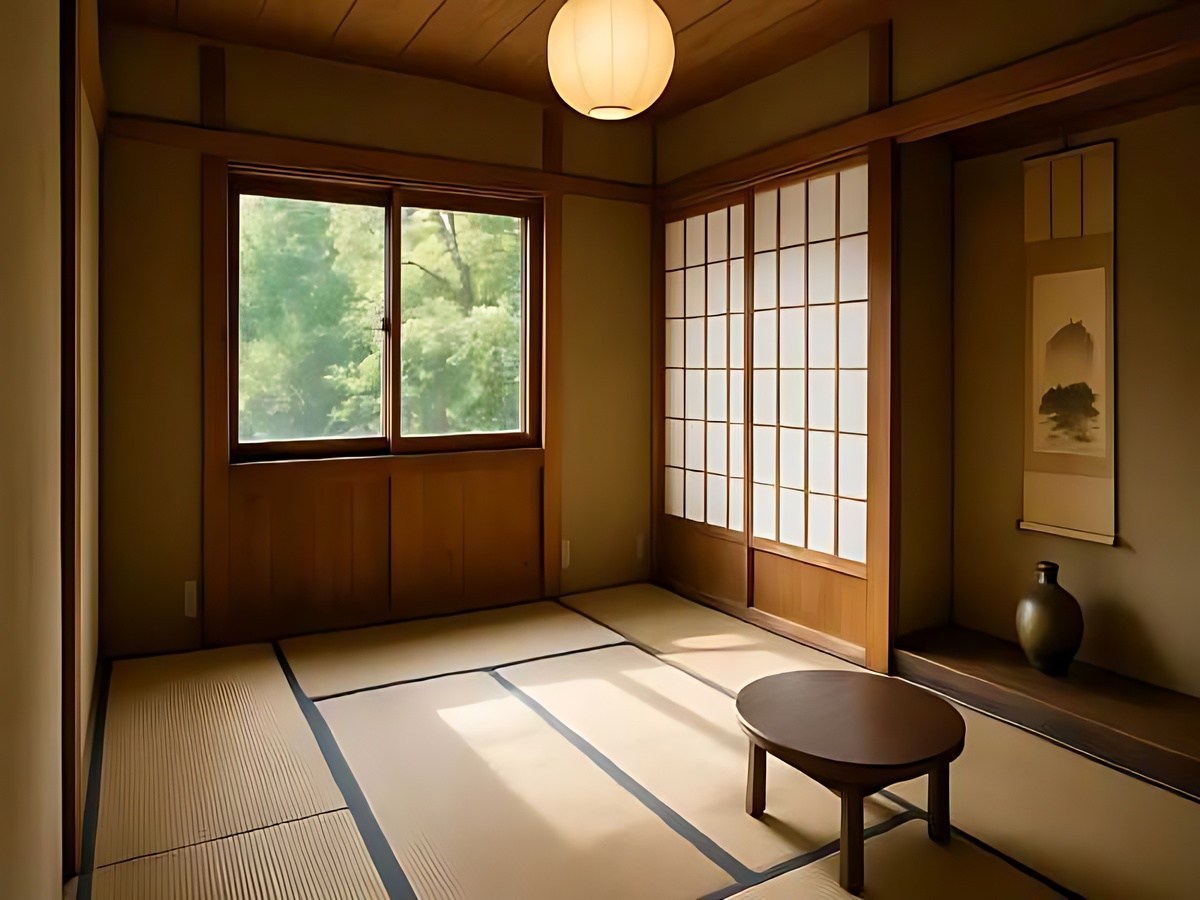
Zen style requires simple interiors, natural materials, and harmonious coordination. (Source: Collected)
4.2. Keep colors light and calm from the start
From the beginning, you should choose a neutral color palette such as white, beige, wood brown, or light gray. Don't mix too many colors or create strong contrasts, as this will make the space cluttered. When the background color is light, it's easier to control adding furniture or decor later, and the overall look will always maintain harmony.
4.3. Cost Savings
With the philosophy of "less is more", Zen style helps homeowners optimize costs by investing in quality over quantity. Using durable natural materials and passive design solutions such as utilizing natural ventilation and sunlight helps significantly reduce operating, maintenance, and electricity costs. This is a smart design approach, bringing long-term economic efficiency and added value to real estate.
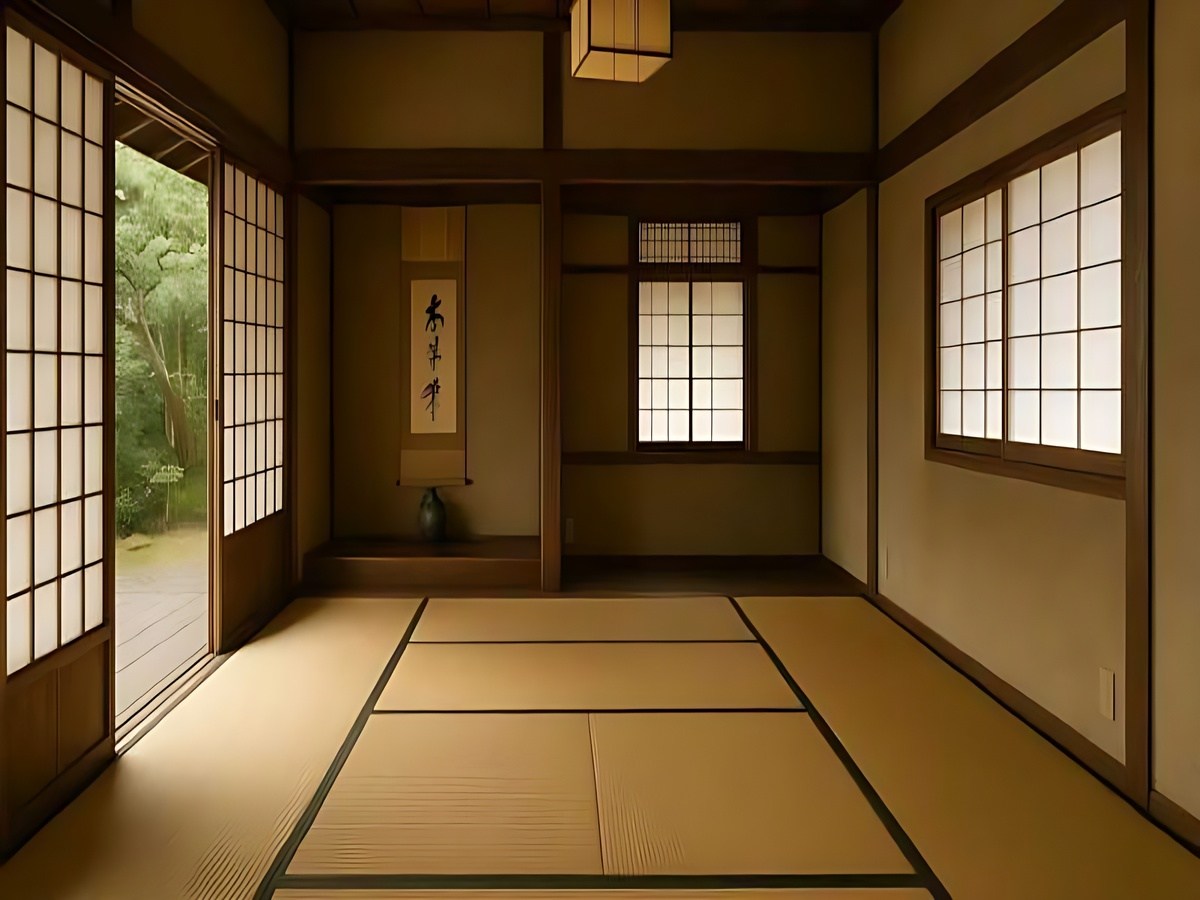
Cost-effective Zen style with minimalist furniture and utilizing available materials. (Source: Collected)
Applying Zen style in interior design not only helps living spaces become harmonious but also brings a sense of relaxation and balance. If designed correctly, this will be an ideal choice for modern life. What are you waiting for? Try choosing this style for your home.