


Southern region expressway system and impact on real estate
The Southern region expressway system is being heavily invested in to increase inter-regional connectivity and promote economic development. The emergence of new expressways not only shortens travel time but also creates strong momentum for the real estate market and urbanization.

▲Table of Contents
1. Role of the Southern Region Expressway System
In recent years, the Southern region has been heavily invested in transportation infrastructure to meet the growing connectivity needs between localities. As the country's dynamic economic center, the synchronous development of the Southern region's expressway system not only helps improve traffic flow but also creates a foundation to promote long-term economic, urban, and logistics development.
1.1. Increasing Inter-regional Connectivity Between Provinces and Cities
The expressway system helps increase connectivity between Ho Chi Minh City and the Eastern South, Mekong Delta, and South Central Coast provinces. More convenient travel contributes to shortening the time for goods circulation, tourism, and trade between localities in the region.
Inter-regional expressways also play an important role in expanding the modern transportation network and enhancing economic connectivity. This is considered the foundation that helps the Southern region continue to maintain its role as the locomotive of national development.
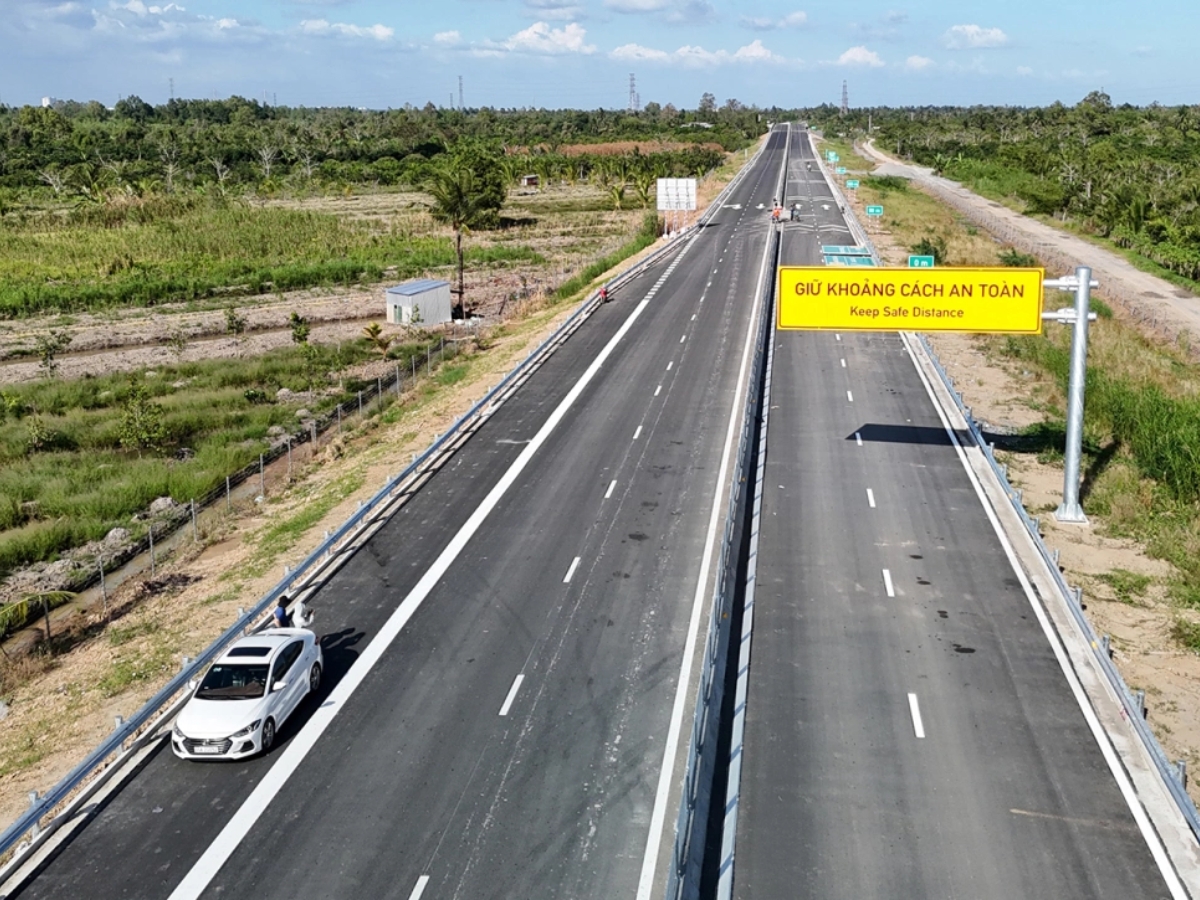
Expressway systems help increase connectivity between Ho Chi Minh City and surrounding provinces. (Source: Collected)
1.2. Promoting economic development and logistics
The development of the Southern region expressway system is creating favorable conditions for logistics, industrial, and goods transportation activities. As transport infrastructure is invested in more synchronously, the connectivity between seaports, airports, industrial parks, and urban centers is also significantly improved.
This helps businesses optimize transportation time, reduce logistics costs, and increase trade efficiency. This is also an important factor promoting inter-regional economic development in the coming time.
1.3. Reducing pressure on the existing transportation system
Many national highways and main traffic arteries in the Southern region are currently under great pressure due to the increasing vehicle density. The development of more expressways helps to direct traffic flow and reduce congestion in many gateway areas.
Specifically, new expressways also contribute to enhancing inter-provincial connectivity and reduce pressure on Ho Chi Minh City's inner-city traffic system. This is an important factor that helps improve traffic efficiency throughout the region.
1.4. Creating momentum for urban and real estate development
Transportation infrastructure has always been a factor with a significant impact on the process of urbanization and real estate development. Areas that benefit directly from expressways often have the potential for value increase due to convenient connectivity and stronger investment attraction.
Furthermore, the completion of the transportation system expands the development space for urban, commercial, and tourism in many localities. This is considered an important driving force helping the real estate market in the Southern region to continue growing in the future.
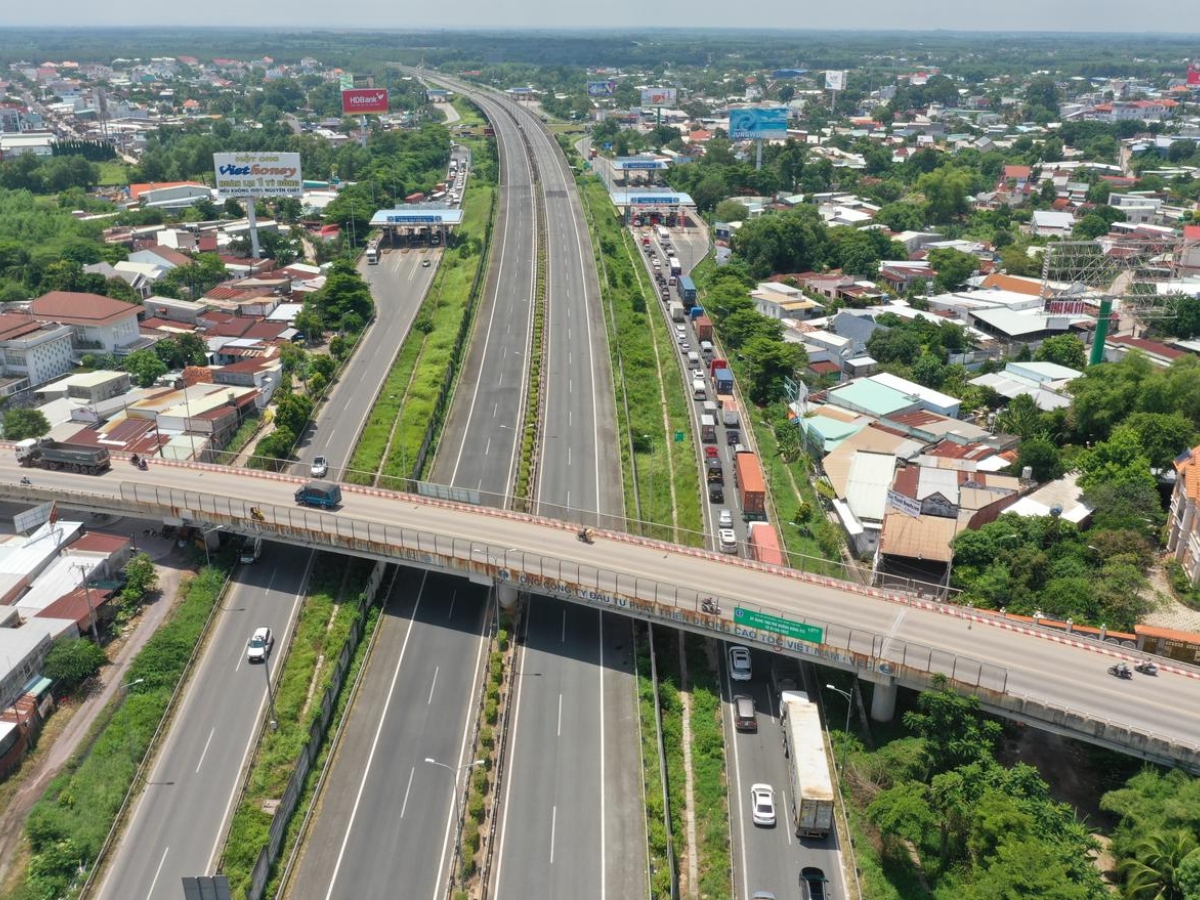
Expressway systems help drive urban and real estate development. (Source: Collected)
2. Key expressway routes in the Southern region
2.1. Ho Chi Minh City - Long Thanh - Dau Giay Expressway
This is considered the "backbone" transportation axis connecting the country's largest economic center with Long Thanh Airport. The route has been in operation for a long time but is currently facing immense overload pressure, therefore the Government has approved a plan to expand the section from An Phu intersection to the Bien Hoa - Vung Tau expressway interchange to 8 to 10 lanes. This upgrade ensures traffic flow from the center of Ho Chi Minh City to and from the airport is always smooth and not congested during peak hours.
Besides its role in connecting the airport, this expressway is also an important link connecting to the Dau Giay - Phan Thiet Expressway, creating a continuous transport corridor from the Southeast region to the Central region. With the integration of cashless toll collection technologies and modern traffic monitoring systems, this will be the main route to take international passengers from Long Thanh Airport deep into the dynamic urban core of the Southern region.
2.2. Ben Luc - Long Thanh Expressway
The Ben Luc - Long Thanh Expressway is a breakthrough transportation project, helping to break the 'monopoly' of existing routes when traveling from the Mekong Delta to Dong Nai. With a length of over 57 km passing through Long An, Ho Chi Minh City, and Dong Nai, this route helps vehicles from the Mekong Delta provinces go directly to Long Thanh Airport without having to go through the already congested inner city area of Ho Chi Minh City.
The project boasts large-span and technically complex river-crossing structures such as Binh Khanh Bridge and Phuoc Khanh Bridge, crossing intricate marshlands and river systems. When the entire route is officially opened to traffic by the end of 2026, this expressway will create a significant boost for the transportation of agricultural products and passengers from the Mekong Delta directly to the international aviation gateway, promoting strong regional connectivity.
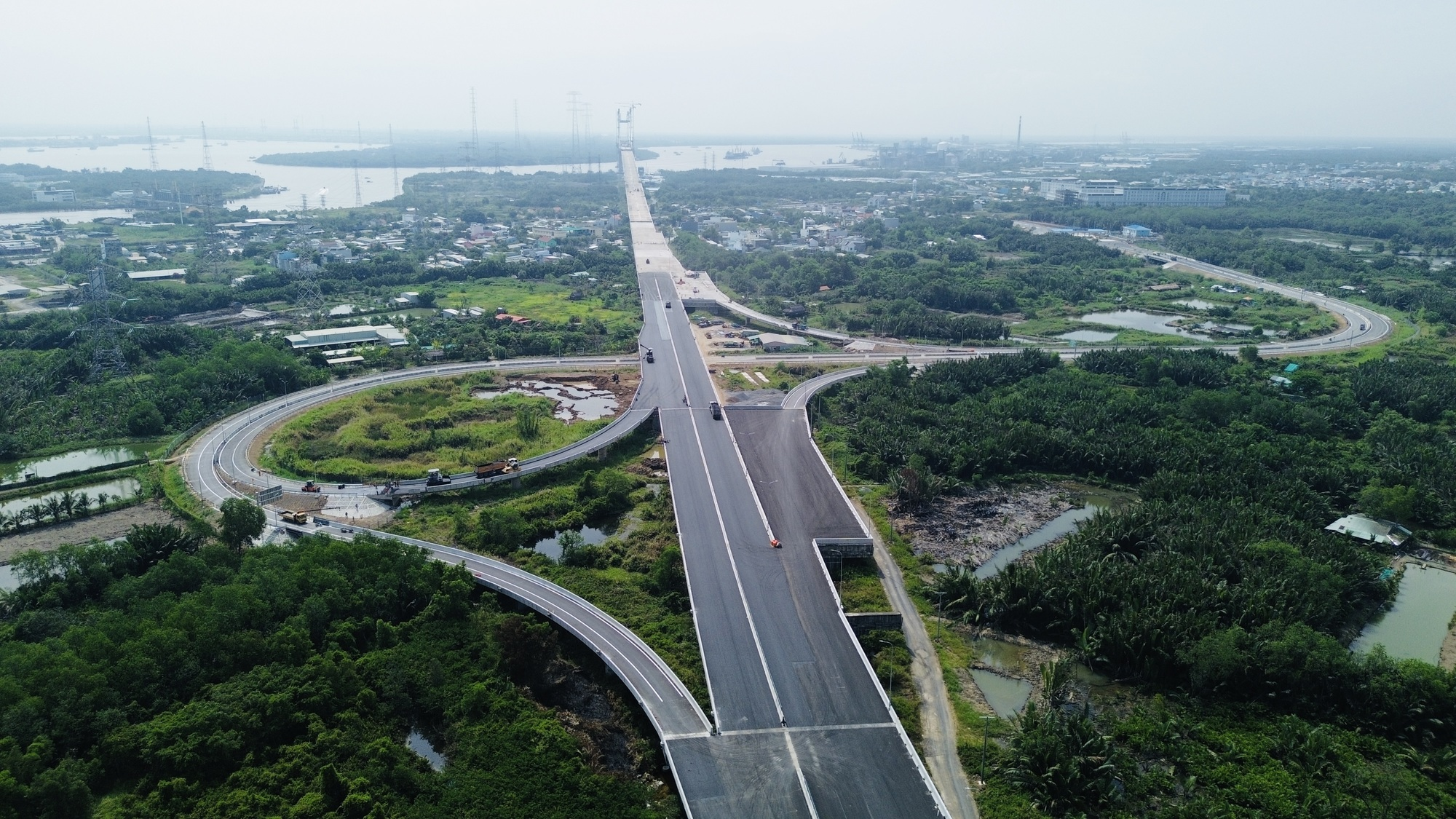
Ben Luc - Long Thanh Expressway. (Source: Collected)
2.3. Bien Hoa - Vung Tau Expressway
This expressway runs parallel to National Highway 51, directly solving the perennial congestion problem on the vital route connecting Dong Nai and Ba Ria - Vung Tau. The project plays a role in connecting three economic "pillars", including: the industrial city of Bien Hoa, Long Thanh International Airport, and the Cai Mep - Thi Vai deep-water port complex. This helps form a complete multimodal transport ecosystem including road, air, and sea transport.
For tourists, the Bien Hoa - Vung Tau expressway will shorten the travel time from Long Thanh airport to the "tourism capital" Vung Tau to just over 30 minutes. For logistics, this route is an important corridor for transporting components and goods from the airport to concentrated industrial parks and vice versa, creating a huge competitive advantage for investors in the region.
2.4. Dau Giay - Phan Thiet Expressway
Since its official opening, the Dau Giay - Phan Thiet expressway has completely transformed the tourism landscape of Binh Thuan province and the South Central Coast provinces. The 4-lane route with a design speed of up to 120 km/h helps shorten the distance from the Long Thanh airport area to the coastal city of Phan Thiet to only about 1 hour and 30 minutes, instead of 4 - 5 hours as before on National Highway 1.
The presence of this highway turns Long Thanh Airport into an international gateway for the entire Central Vietnam resort tourism region. Tourists, after landing at the airport, can easily access high-end resorts in Mui Ne or Phan Thiet, making it an attractive tourist route, while also strongly boosting real estate values along the route.
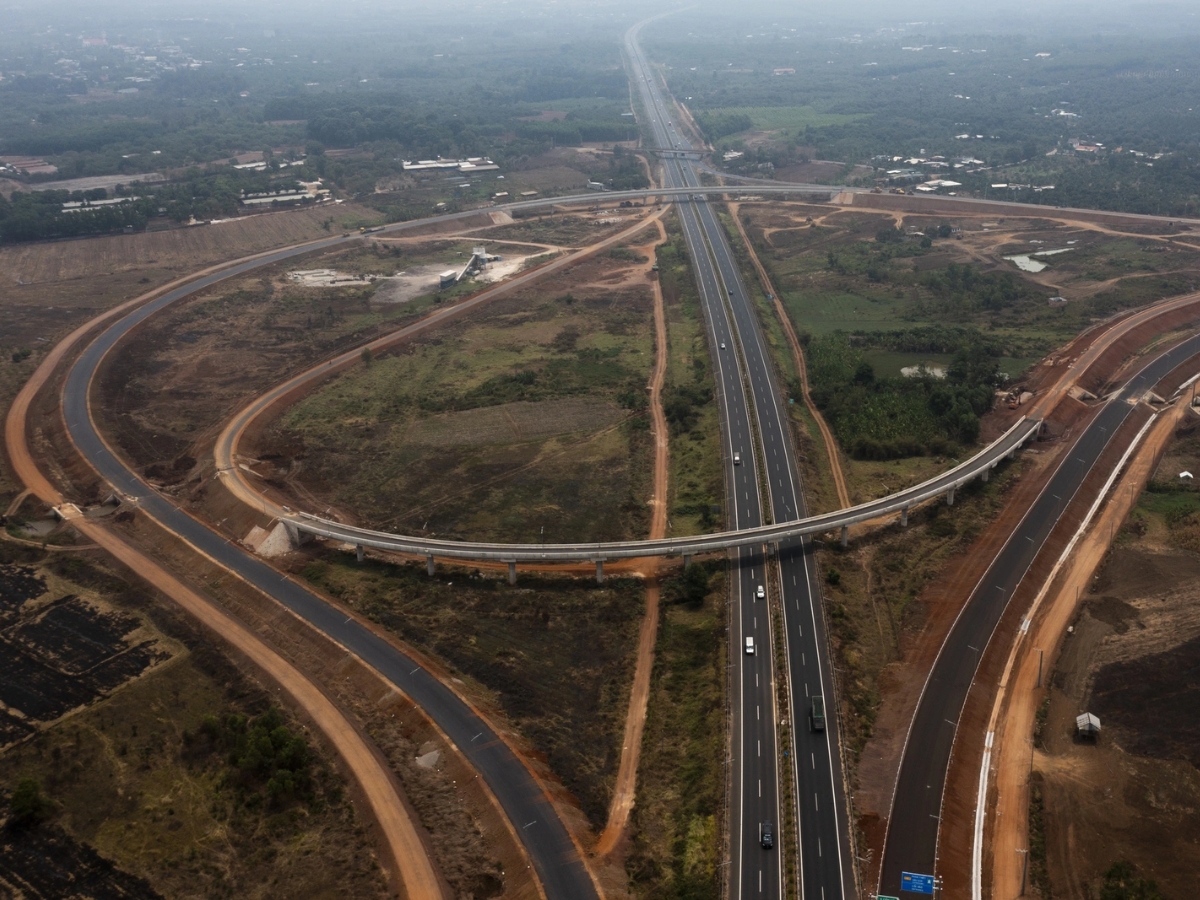
Dau Giay - Phan Thiet Expressway. (Source: Collected)
2.5. Dau Giay - Lien Khuong Expressway
The Dau Giay - Lien Khuong Expressway is a strategic transportation artery connecting the southern key economic region with the Lam Vien plateau. Upon completion, this route will completely solve the difficulties when crossing Bao Loc pass, ensure traffic safety, and shorten travel time from Long Thanh airport to Da Lat city. This is a great driving force for Lam Dong to develop ecological tourism and transport high-quality agricultural products internationally.
Economically, this highway helps connect the Central Highlands provinces (Tay Nguyen) with international air gateways as quickly as possible. The circulation of goods between the fertile raw material areas in the mountainous regions and Long Thanh airport becomes easier than ever, contributing to reducing logistics costs and creating a sustainable link between high-tech agricultural development and air commerce.
3. How do highway systems impact the regional economy?
The development of the Southern region's expressway system is contributing to enhancing inter-regional connectivity and promoting trade activities between localities. As travel time is shortened, goods transportation, labor circulation, and connections between economic centers become more convenient, creating conditions for many economic sectors to develop strongly.
Besides, the expressway system also creates momentum for logistics, industry, tourism, and services to expand their scale in the coming time. Areas located near expressways, seaports, or airports often have significant advantages in attracting businesses, investment capital flows, and developing new economic centers of the Southern region.
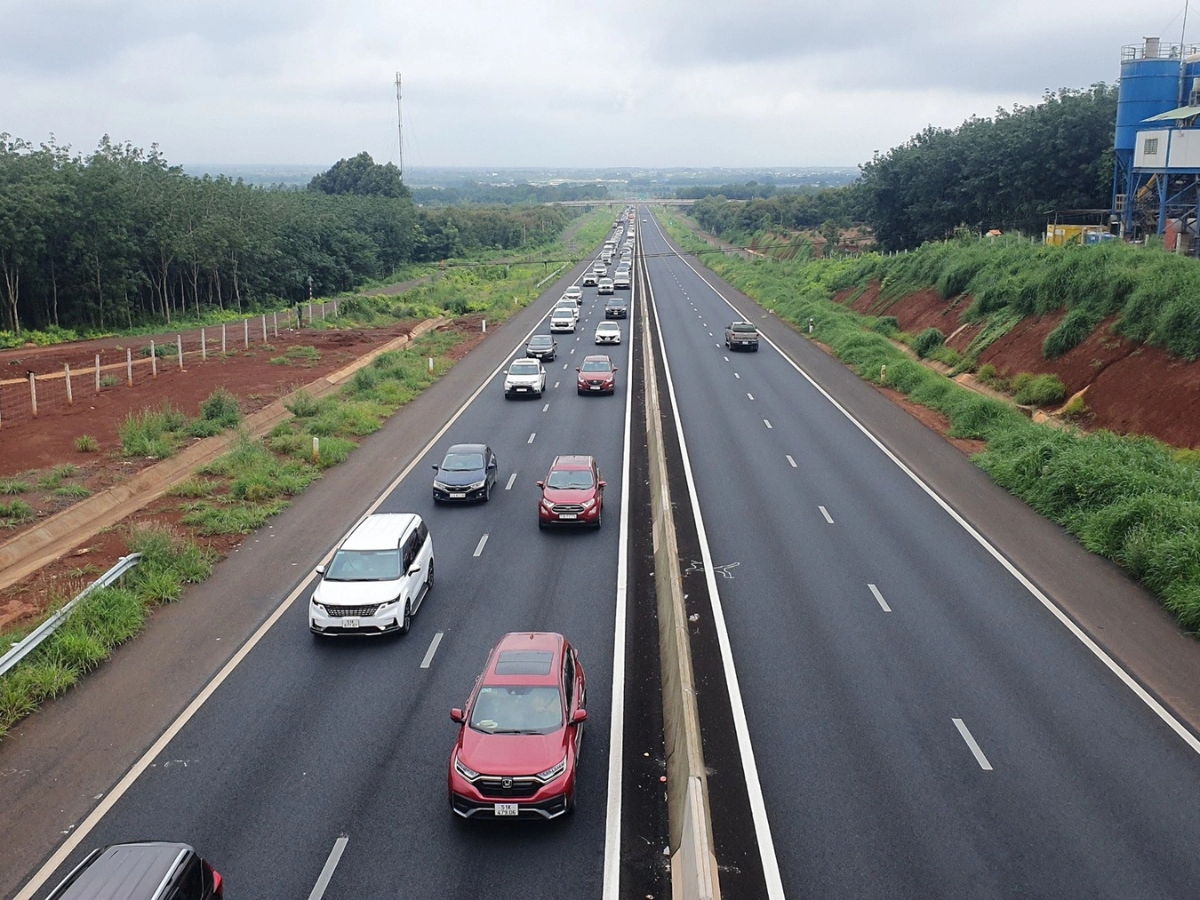
The Southern region expressway system helps enhance inter-regional connectivity. (Source: Collected)
4. Impact of expressways on the real estate market
The expansion of the southern region expressway system is changing the trend of real estate investment capital flow in recent years. Instead of focusing solely on the central area of Ho Chi Minh City, many investors are paying more attention to coastal cities and areas with convenient connectivity infrastructure due to their long-term growth potential.
In that context, Blanca City emerges as a project directly benefiting from the expressway network connecting Ho Chi Minh City, Dong Nai, and Ba Ria - Vung Tau. With its location on the 3 Thang 2 street axis, near the Bai Sau area, the project is developed with an integrated multi-utility coastal urban area concept including accommodation, commercial, entertainment, and coastal resort spaces.
Not only benefiting from transportation infrastructure, Blanca City is also leading the trend of short-term resort stays and owning second homes for residents in the southern region. As expressways and the Long Thanh airport connection system are gradually completed, more convenient access to Vung Tau is expected to continue increasing the attractiveness for large-scale coastal urban projects in the coming time.
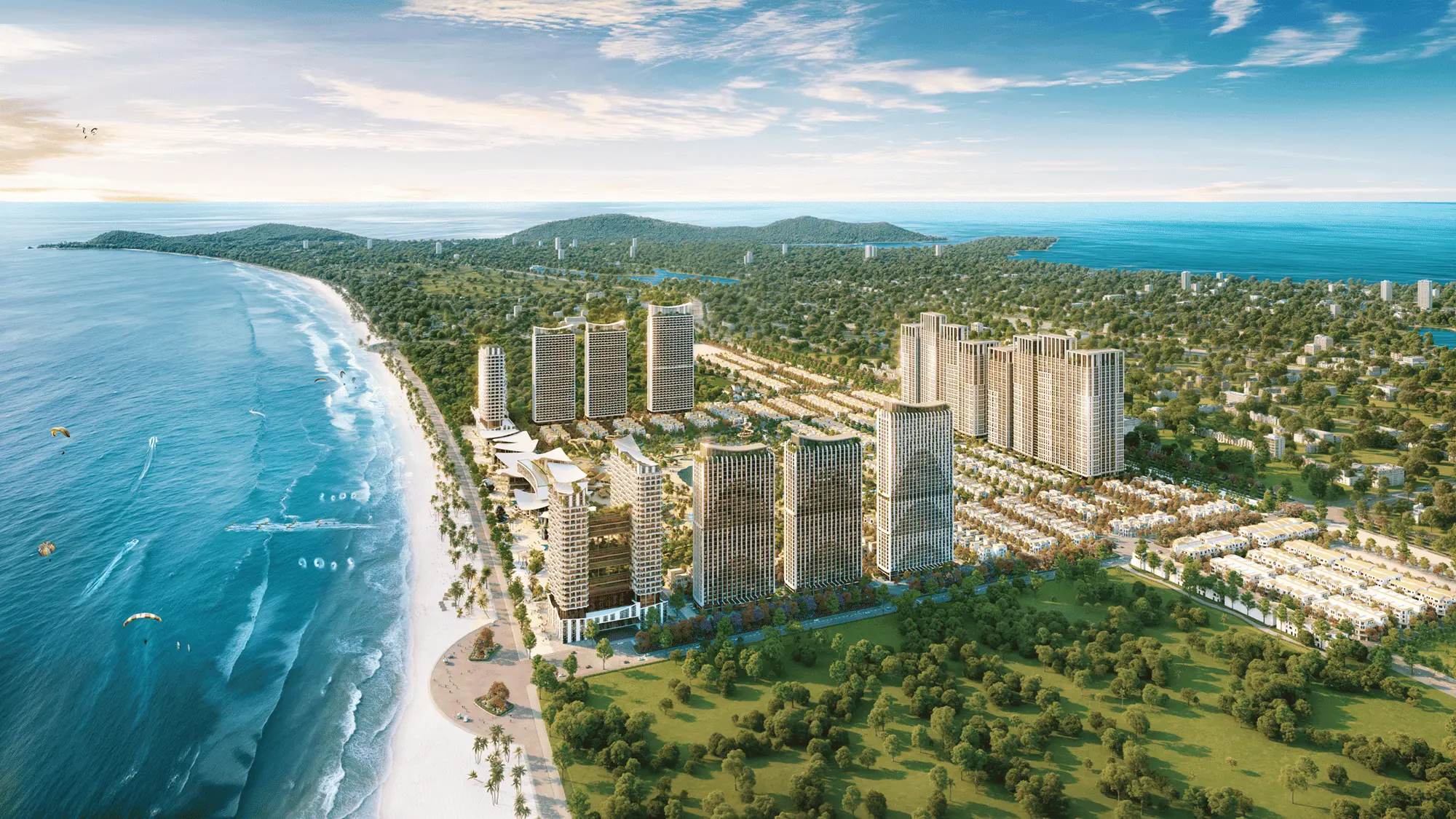
Perspective image of Blanca City project. (Source: Collected)
It can be seen that the Southern region expressway system is playing an important role in enhancing inter-regional connectivity, promoting economic development, and expanding the urban space of many localities. As expressways, ring roads, and infrastructure connecting Long Thanh airport are gradually completed, the Southern region is expected to continue to increase its investment attraction, especially in the logistics, tourism, and coastal real estate sectors in the coming time.