


The coastal road in Central Vietnam opens up real estate investment opportunities.
The planning of the Central region's coastal road axis is creating strong development momentum for infrastructure, tourism, and real estate in many localities. With its inter-regional connectivity and coastal advantage exploitation, this is considered an important boost for the region in the coming years.

▲Table of Contents
1. Overview of the Central Vietnam Coastal Road Axis Planning
In recent years, the planning of the Central Vietnam coastal road axis has been receiving much attention due to its important role in economic development, tourism, and inter-regional infrastructure. The coastal road is oriented to connect a series of provinces and cities from Thanh Hoa to Binh Thuan, forming a continuous transportation network along the Central Vietnam coastal region. This is considered one of the strategic transportation axes that helps increase connectivity between coastal urban areas, tourist attractions, and key economic zones.
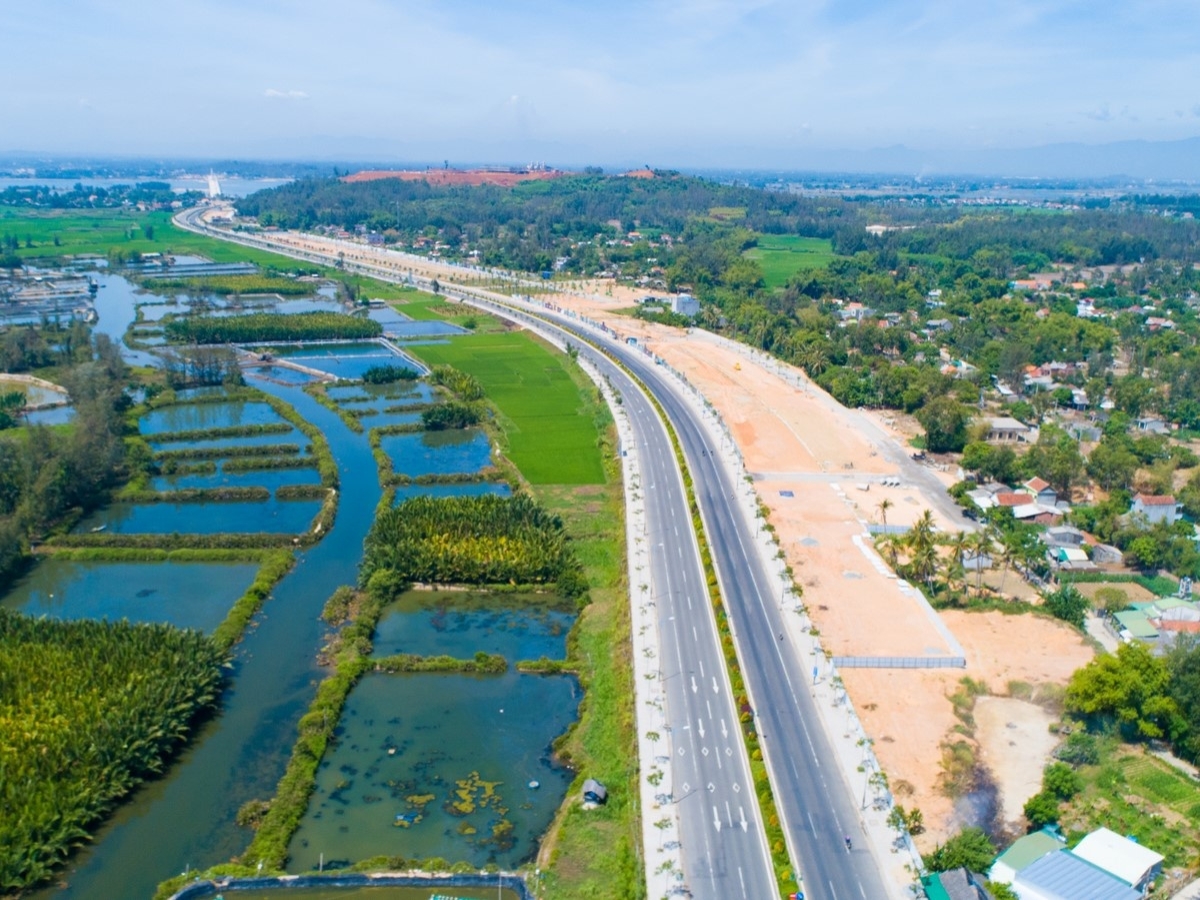
The coastal road runs along the Central Coast region. (Source: Collected)
Not only serving transportation needs, the coastal road also contributes to expanding urban development space and effectively exploiting the marine economic potential of the Central region. As the infrastructure system is more synchronously invested in, many coastal localities will also have opportunities to attract strong investment in tourism, services, and resort real estate in the coming time.
2. Role of the Central region's coastal road axis
One of the important roles of the planning of the Central Vietnam coastal road axis is to increase inter-regional connectivity between coastal localities. Previously, travel between many areas was heavily dependent on National Highway 1A or small roads, leading to extended travel times. As the coastal road is gradually completed, connectivity between provinces and cities will become more convenient, contributing to promoting trade and regional economic development.
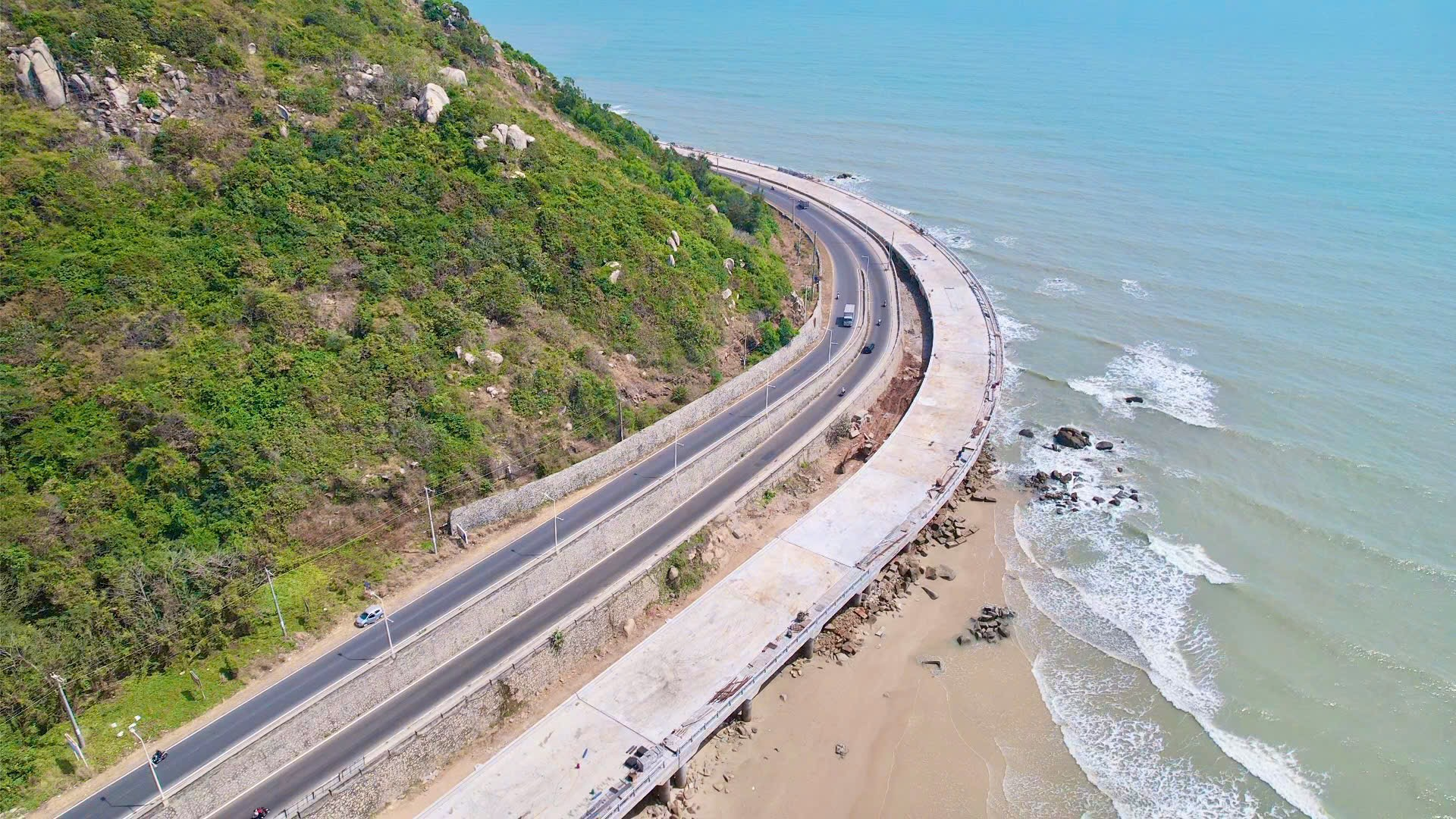
Coastal roads help enhance inter-regional connectivity and effectively reduce travel time. (Source: Compilation)
Besides transportation factors, the coastal road also creates a great impetus for the tourism industry in the Central region to develop more strongly. Many localities possess beautiful landscapes and resort potential but were previously not exploited effectively; now they have more opportunities to attract tourists thanks to convenient infrastructure. This is also a factor that helps many coastal areas become attractive destinations for large-scale real estate projects and tourism urban areas.
3. Impact of the Central region's coastal road axis planning on the urban system
The development of the coastal route is creating momentum for urban expansion and promoting regional connectivity in many Central regions. This is also one of the major impacts that the planning of the Central region coastal road axis brings in the current period.
3.1. General objectives
One of the important objectives of planning the Central region's coastal road axis is to develop urban systems according to an interconnected network model with focus points, linked with economic zones, industrial parks, high-tech parks, and large commercial and service centers. Instead of focusing development on a single area, many localities are moving towards a multi-center model to expand development space and create synchronized linkage between coastal urban areas in the Central region.
Besides expanding the urban network, many provinces and cities also aim to develop more subordinate cities and towns when they meet the conditions according to the plan. At the same time, urban systems of type I, II, and III are oriented to develop according to the model of green, smart, and locally distinctive urban areas, in line with the orientation for urban and rural development for the period 2021 to 2030, with a vision to 2050. This is an important foundation to help the Central region improve urban quality and better adapt to climate change in the future.
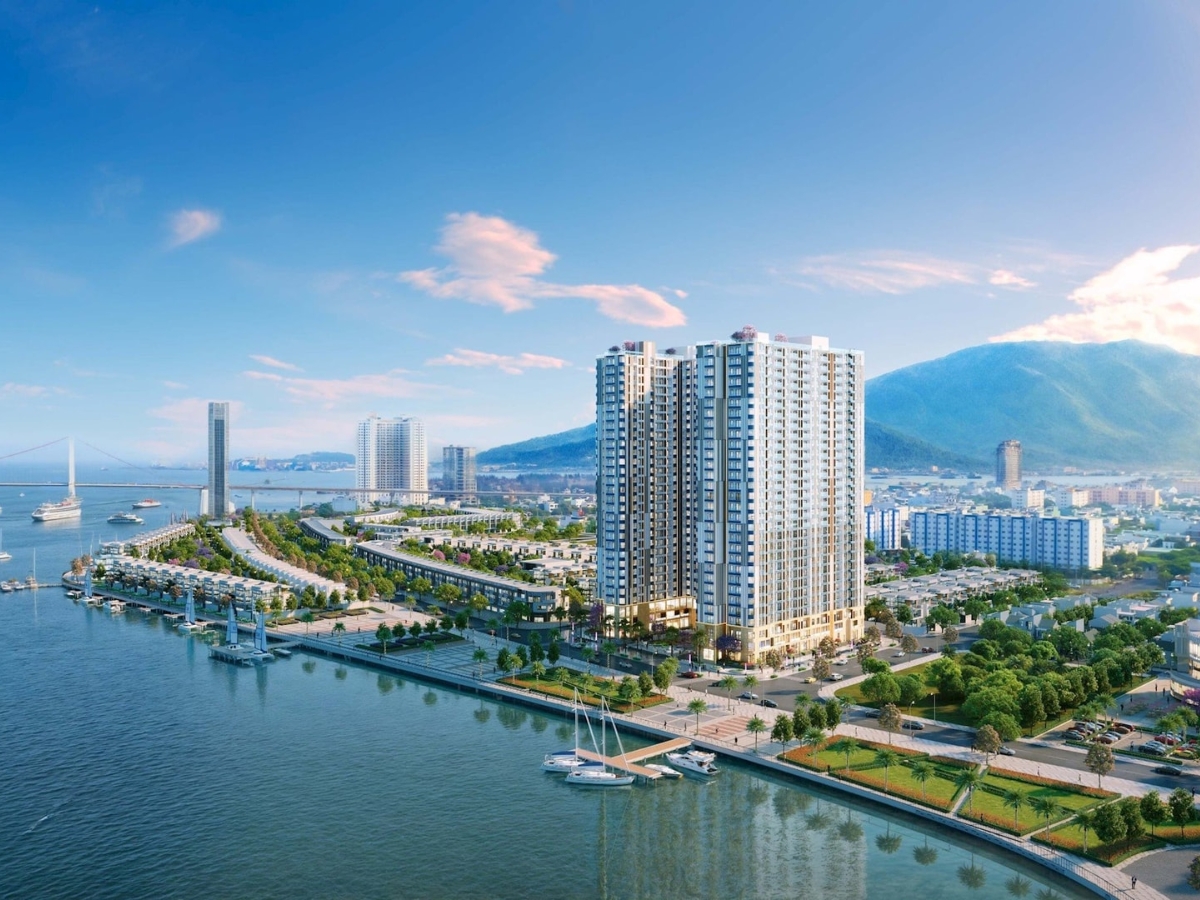
Coastal urban areas of the Central region are oriented for synchronous, multi-functional development. (Source: Collected)
3.2. Specific objectives
3.2.1 For Da Nang city
Da Nang city is oriented to develop into a major urban and economic center for the whole country as well as the Central region. At the same time, the city will focus on strongly developing fields such as startups, innovation, tourism, trade, finance, logistics, high-tech industry, and information technology, alongside its role as a center for education and training, high-quality healthcare, science and technology, and organizing regional and international events.
3.2.2. For Thua Thien Hue
Thua Thien Hue is oriented to develop into a centrally-governed city and is the central urban area of the region and the sub-region of Central Vietnam. The locality aims to build a national-level urban area characterized by heritage and culture, while also becoming one of the country's major centers for culture, science and technology, innovation, specialized healthcare, and multi-disciplinary, multi-field education and training with high quality.
3.2.3. For Khanh Hoa
Khanh Hoa is oriented to develop into a city directly under the Central Government and an international-level marine tourism and service center in the future. At the same time, the locality also plays the role of an important growth pole for the South Central Coast and Central Highlands regions, with a focus on developing the marine economy, high-tech industry, science and technology, innovation, human resource training, and high-quality healthcare services.
3.2.4. For Nha Trang
Nha Trang is oriented to develop into a hub for entrepreneurship and innovation in the region, while playing an important role in science and technology, training, and healthcare in the sub-region. Besides the advantage of sea tourism, the city also aims to develop a modern urban area associated with the knowledge economy and improve service quality to increase investment attraction in the coming time.
3.2.5. For Thanh Hoa
Thanh Hoa is oriented to become a new growth pole of the North Central sub-region and the whole country, while also serving as a major center for heavy industry, energy industry, processing, and manufacturing. Besides, the locality also focuses on developing large-scale agriculture, logistics services, tourism, education and training, specialized healthcare, along with cultural and sports activities to promote economic growth and enhance its urban status in the region.
3.2.6. For Vinh
Vinh City is oriented to serve as the center of the North Central Sub-region for industry, tourism, trade, and services. Besides that, the city also focuses on developing healthcare, education and training, science and technology sectors to enhance its position as a central urban center of the region, while creating momentum to promote economic development and expand urban space in the coming time.
3.2.7. For Quy Nhon
Quy Nhon is oriented to become a comprehensive marine economic center for the South Central Coast region, while strongly developing sectors such as industry, trade, services, tourism, maritime transport, healthcare, education and training, and science and technology. In addition, the city also aims to build a national-level scientific urban area with the International Center for Interdisciplinary Science and Education (ICISE) and the Artificial Intelligence Center as its core, creating a foundation to promote knowledge-based economic development and attract high-quality human resources in the future.
4. Impact of the Central Coastal Road Planning on Tourism
The development of Central Vietnam coastal road axis planning is creating strong momentum for the tourism industry in many coastal localities. As the transportation system becomes more synchronously connected, travel time between destinations is significantly reduced, making it more convenient for tourists to explore multiple localities within the same itinerary. This also provides conditions for Central Vietnam's coastal provinces to expand tourism linkages and increase their attractiveness to both domestic and international tourists.
Besides connectivity, the coastal route also creates opportunities for many areas with beautiful landscapes, but previously underdeveloped in tourism, to have more conditions to attract investment. Many localities are currently promoting the development of resorts, tourist cities, and coastal services to effectively exploit the new infrastructure advantages. This contributes to boosting the tourism economy and enhancing the value for many destinations in the Central region in the future.
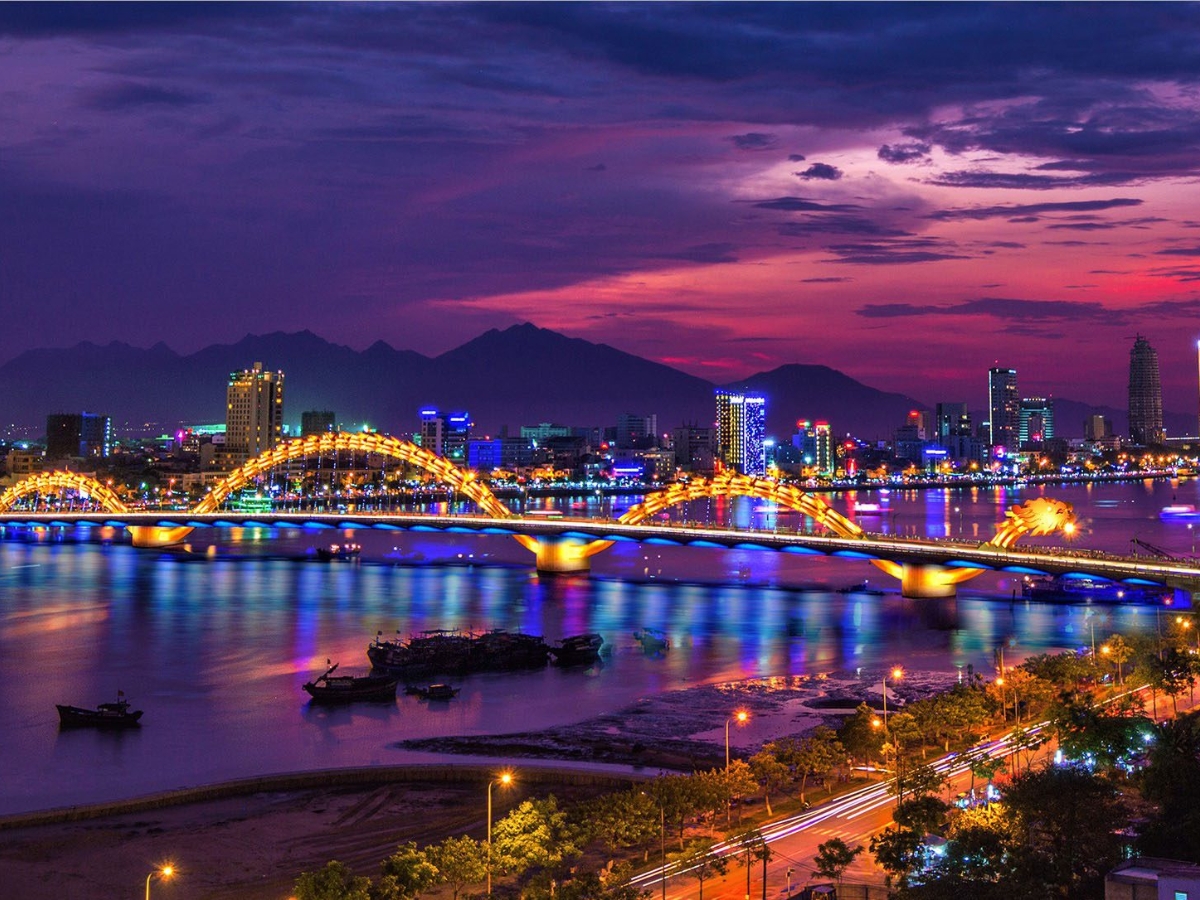
Tourism activities in the Central region provinces are boosted thanks to the coastal road axis. (Source: Collected)
5. Impact of the Central region coastal road axis planning on the real estate market
Not only impacting tourism, the planning of the Central Vietnam coastal road axis also creates significant momentum for the real estate market in many coastal localities. When transportation infrastructure is synchronously invested, the connectivity between areas is significantly improved, helping to increase the value of coastal land and expand urban development space in many Central Vietnamese provinces and cities.
Besides the potential for price increase, many real estate businesses are also stepping up investment in urban areas, resort complexes, and coastal commercial projects to anticipate the infrastructure development trend. Localities with beautiful locations, complete infrastructure, and great tourism potential often become focal points attracting investment capital recently. However, investors also need to carefully consider planning, legal, and actual development speed factors of each area before investing.
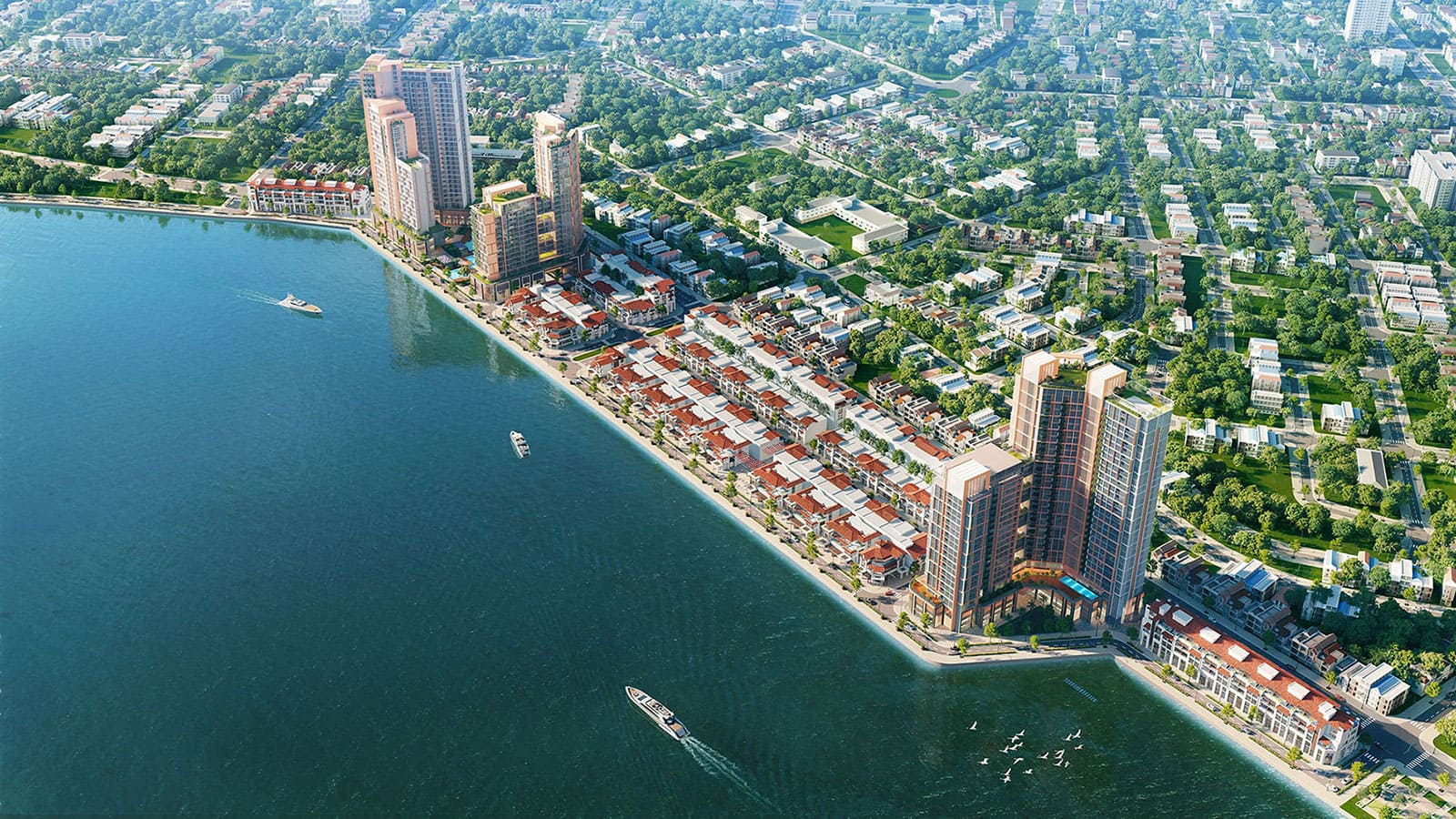
Coastal real estate in the Central region has strong potential for price increases in the future. (Source: Compiled)
Evidently, the planning of the Central region's coastal road axis is opening up many development opportunities for infrastructure, tourism, and coastal urban systems. The increasingly integrated transportation network not only helps localities increase their investment attractiveness but also promotes the real estate market to develop more strongly. In the future, the coastal route is expected to continue to be an important driver for the economic growth of the Central region.