


The easiest way to read real estate market reports
How to read real estate market reports is an important skill that helps investors grasp trends, evaluate opportunities, and limit risks. The article will

▲Table of Contents
1. What is a real estate market report?
A real estate market report is a document that synthesizes and analyzes information related to the operation of the real estate market over a specific period, usually quarterly or annually. This report reflects an overall picture of supply, demand, prices, transaction trends, and the development level of each real estate segment such as apartments, land plots, townhouses, or resorts.
Through real estate market reports, investors, businesses, and homebuyers can grasp the actual market developments, thereby making more suitable decisions. The report content usually includes data on the number of new projects, absorption rates, selling price fluctuations, as well as development trends of each region or urban area.
Simply put, this is a "data picture" that helps reflect the health of the real estate market at a specific time. Thanks to this, readers not only see the numbers but also understand the market's movement trends in the near future.
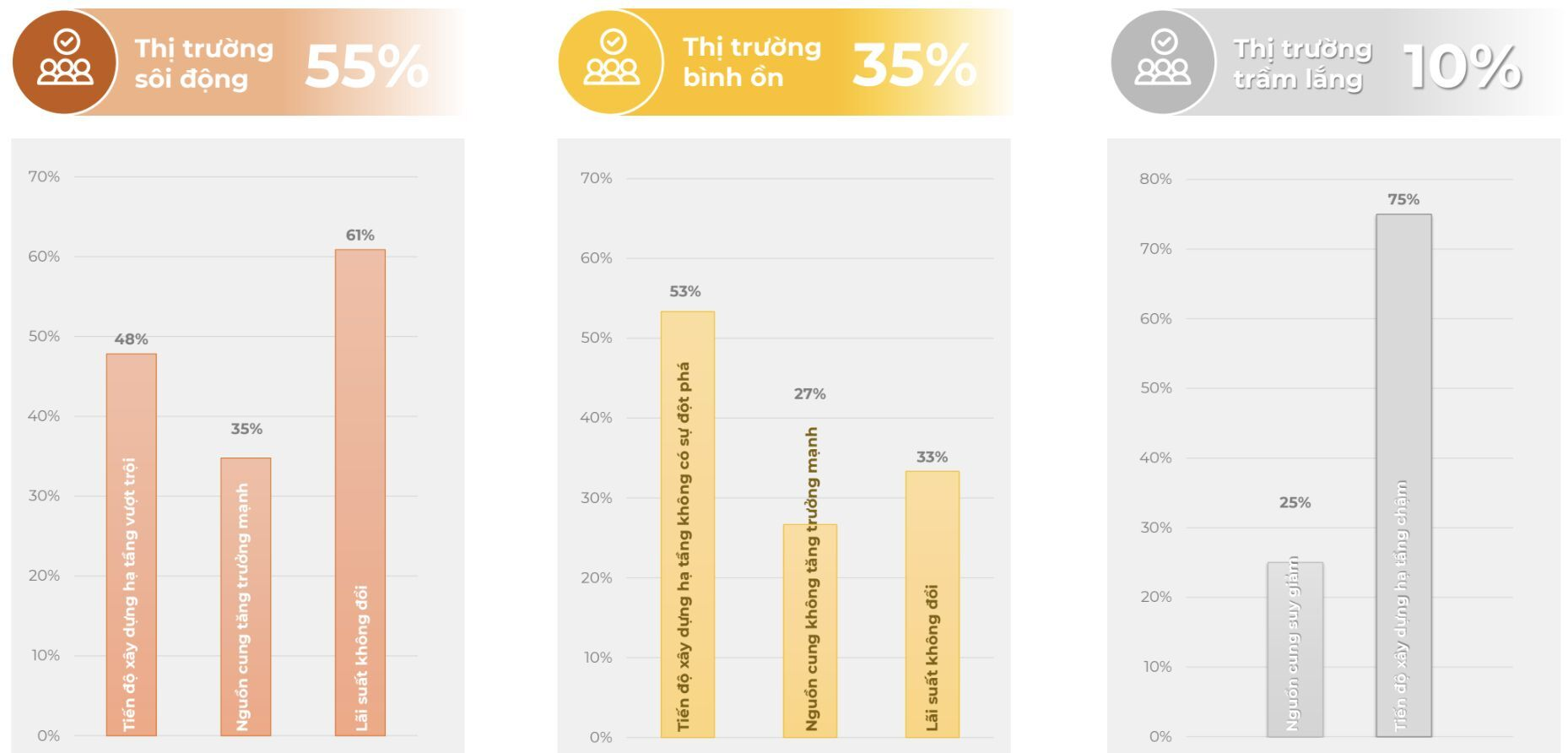
A real estate market report indicates the operational situation of the real estate market within a certain period. (Source: Collected)
2. Basic structure of a market report
2.1. Market overview by region
In a real estate market report, the regional overview section usually serves as an introduction, helping readers grasp the general picture of each market such as Hanoi, Ho Chi Minh City, or satellite areas. This content often mentions the level of infrastructure development, urbanization rate, prominent projects, and investment capital flow trends.
Through this section, investors can quickly identify which areas are growing strongly and which are stagnating, thereby shaping investment strategies more suitable for each market phase.
2.2. Supply and Demand
Supply and demand are core factors reflecting market balance. Supply represents the number of new projects and products entering the market, while demand reflects the level of interest and absorption capacity of buyers.
When supply increases sharply but demand does not keep pace, the market can fall into a state of surplus. Conversely, if demand exceeds supply, real estate prices tend to rise. This is an important indicator for reading and analyzing real estate market reports .
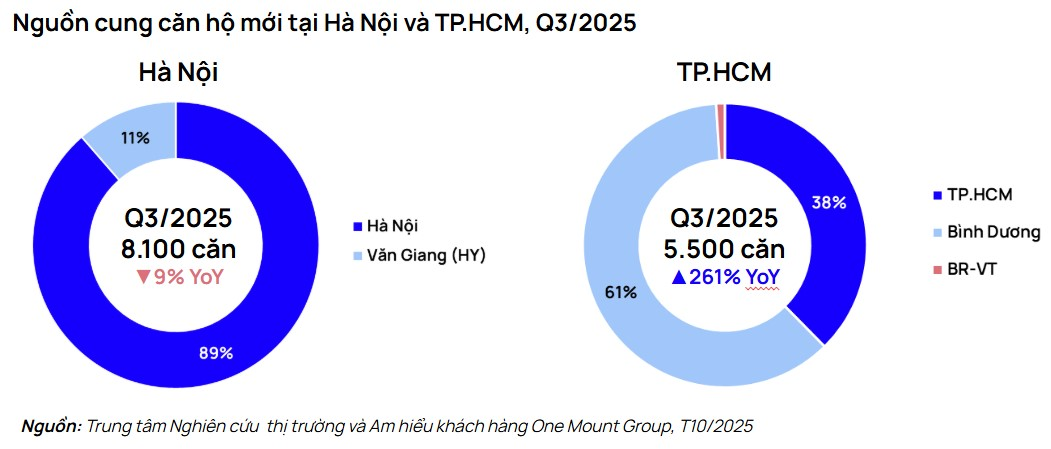
The report indicates the supply and demand of the real estate market. (Source: Collected)
2.3. Selling Price and Volatility Trends
This section focuses on tracking price fluctuations over time in each segment and region. Selling prices can be compared quarterly or annually to identify upward, downward, or sideways market trends.
Additionally, the report helps analyze the causes affecting prices such as infrastructure, credit policies, or actual demand. This is an important basis for assessing the growth potential of each type of real estate.
2.4. Absorption Rate and Liquidity
The absorption rate reflects the level of product consumption in the market compared to new supply, while liquidity reflects the ability to buy, sell, and transfer real estate in practice.
These two indicators help assess the health of the market more clearly. High absorption rates and good liquidity often indicate that the market is operating stably and has strong purchasing power, thereby helping readers of the real estate market report make more accurate investment decisions.
3. Important Indicators to Understand
3.1. New Supply and Inventory
When reading the real estate market report, new supply and inventory are the first two indicators to pay attention to. New supply reflects the number of products newly launched into the market within a certain period, usually coming from new sales projects.
Meanwhile, inventory represents the amount of real estate not yet consumed from previous periods. If high inventory persists, this may indicate the market is slowing down or purchasing power is not strong enough to absorb the existing supply.
3.2. Primary and Secondary Prices
Primary price is the direct selling price from the investor when the project is newly launched, while secondary price is the resale price in the market between investors or buyers. These two price levels often have differences depending on supply and demand and regional potential.
Comparing primary and secondary prices helps investors assess the attractiveness of a product, as well as determine the potential profit margin when buying and selling real estate.
3.3. Absorption Rate
The absorption rate reflects the consumption level of products compared to the total supply released to the market. This is an important indicator reflecting actual purchasing power and customer interest in each segment.
A high absorption rate usually indicates that the market has good liquidity, while a low rate may be a sign of oversupply or products that do not meet demand.
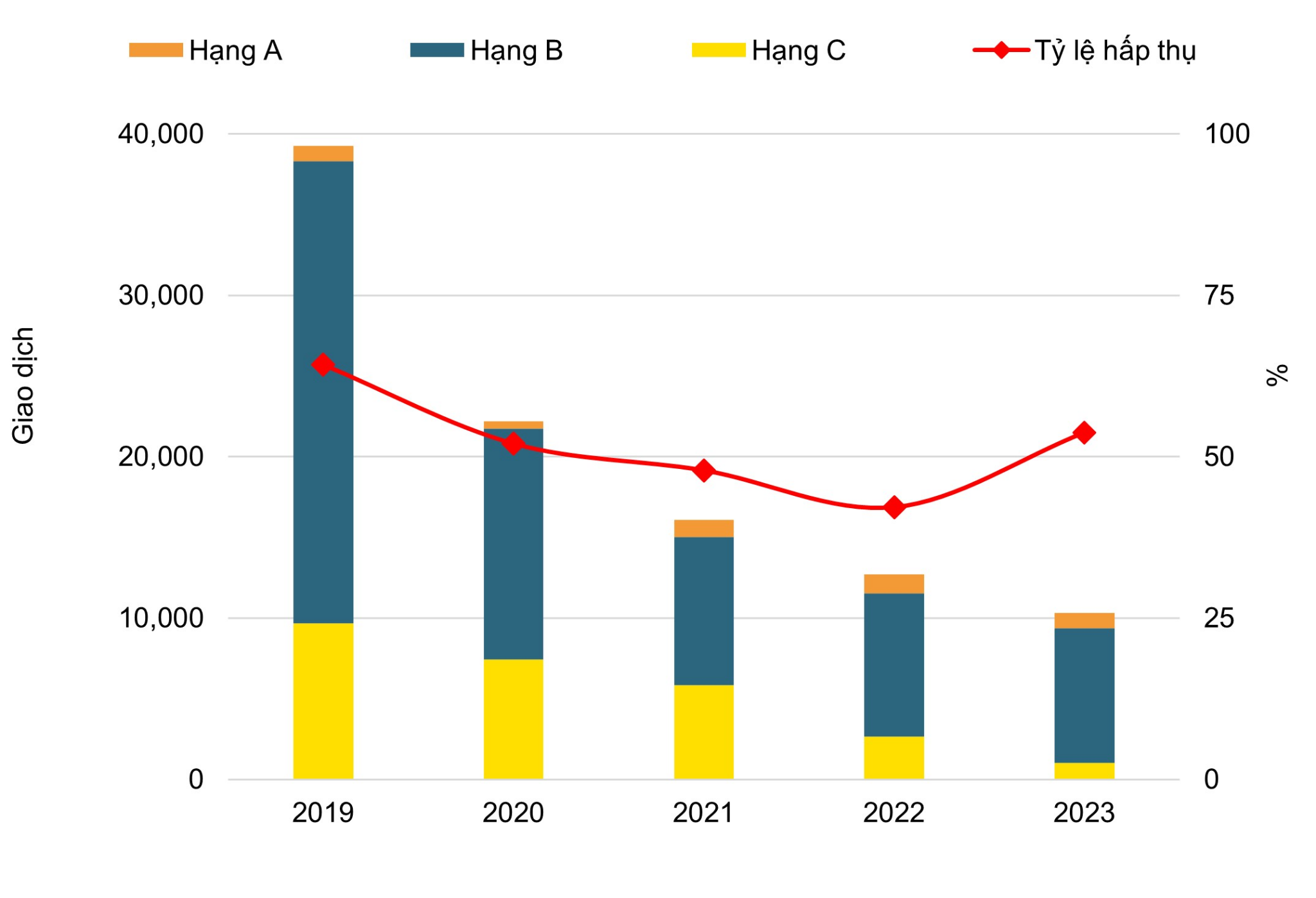
The report indicates product consumption compared to the total supply released to the market. (Source: Compiled)
3.4. Price Increase Margin Over Time
The price increase margin indicates the extent of real estate price changes over a specific period, usually measured quarterly or annually. This index helps investors identify the long-term growth trends of the market.
If the price appreciation margin is stable and trending upwards, it can be a positive signal for investment potential. Conversely, erratic fluctuations or prolonged price decreases are signs to be cautious when making decisions.
4. How to read real estate market reports effectively
4.1. Comparing data by quarter and by year
When analyzing how to read real estate market reports, comparing data by quarter and by year is an important step to clearly see market changes. Quarterly data helps identify short-term fluctuations, while annual data reflects long-term trends and market stability.
If only looking at a short period, investors can be easily misled by temporary fluctuations. Therefore, placing time points side by side helps to more accurately assess the growth or decline rate of each segment.
4.2. Placing Data in Macroeconomic Context
A market report is only truly meaningful when placed within a macroeconomic context. Factors such as bank interest rates, economic growth, credit policies, or infrastructure investment all have a direct impact on the real estate market.
Understanding this relationship helps readers not only see the numbers but also understand the reasons behind the fluctuations, thereby making more informed investment decisions.
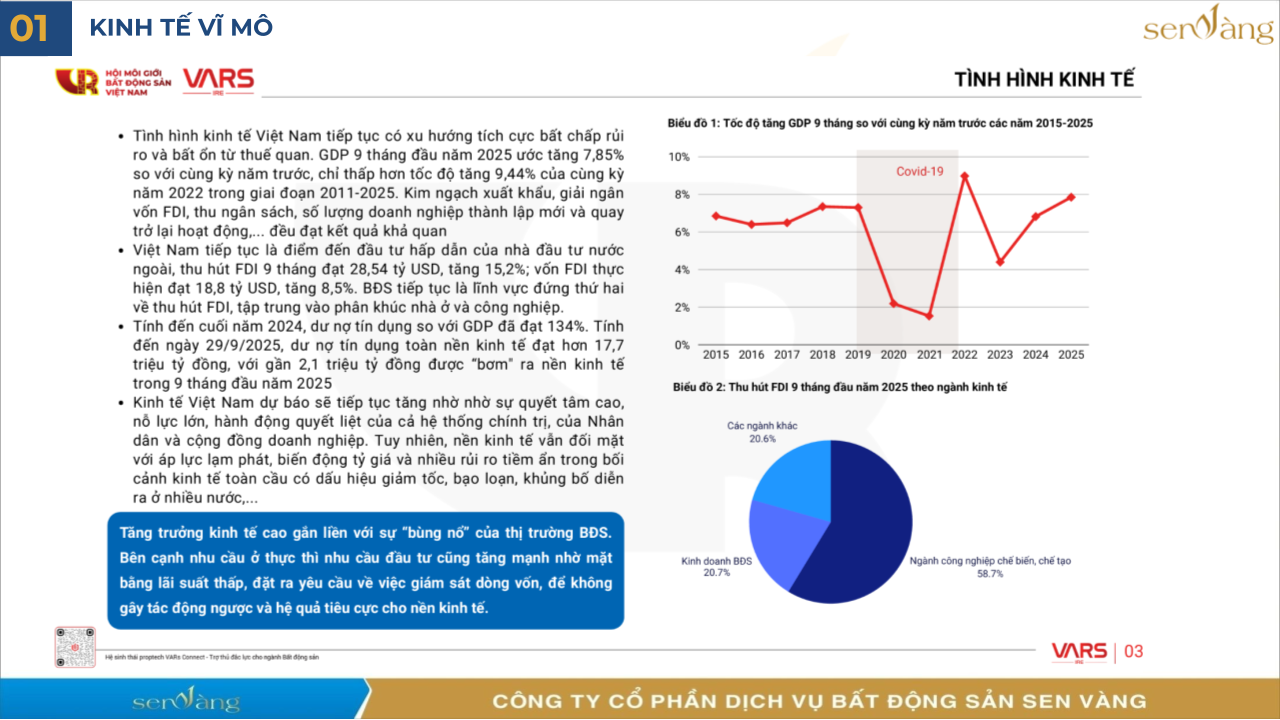
The real estate market report needs to be placed within the context of the macroeconomy. (Source: Compiled)
4.3. Identifying trends rather than just looking at data
A common mistake when reading reports is to focus only on the numbers and ignore the overall trend. In reality, a few individual figures do not fully reflect the market situation.
It is important to identify the upward, downward, or sideways trends of the market over time. This is the core factor in effectively applying how to read real estate market reports to investment decisions.
4.4. Combining multiple different report sources
Each report often has different perspectives and data collection methods, so relying on a single source can lead to an incomplete assessment. Investors should combine multiple reports from research units, exchanges, or financial institutions.
Synthesizing multiple sources helps cross-reference information, increase accuracy, and reduce risk when making investment decisions. This is an important step to gain a more objective and comprehensive view of the market.
5. Common mistakes when reading reports
5.1. Only looking at price and ignoring liquidity
One of the common mistakes when applying how to read real estate market reports is to focus only on price while ignoring liquidity. A high selling price does not mean good transaction potential, and conversely, a low price is not necessarily an attractive investment opportunity.
Liquidity is the factor that reflects how easy it is to buy and sell real estate in the real market. If an area's prices increase but transactions are slow, the risk of “stuck capital” can still occur.
5.2. Misunderstanding absorption rate
Absorption rate is often misunderstood as the entire product being sold out in the market. In reality, it is just the ratio between the number of successful transactions compared to new supply within a specific period.
If the nature is not understood correctly, investors may misjudge the market's health, leading to inaccurate investment decisions or being overly optimistic about product absorption.
5.3. Market assessment based on short-term data
Another mistake is to rely solely on short-term data to conclude market trends. The real estate market often has long cycles, influenced by many macroeconomic factors and policies.
If only looking at fluctuations over a few months, investors are very susceptible to "information noise" and make hasty decisions. Therefore, long-term data needs to be combined to get a more comprehensive view when analyzing reports.
6. Suggestions for choosing suitable real estate products for market report reference
When investors have mastered how to read a real estate market report , they not only stop at analyzing data but also need to know how to apply it in practice to choose products. A good market always comes with projects that have clear locations, well-planned layouts, and long-term growth potential, making the data in the report more "meaningful" in investment decisions.
In the real estate product segment, projects developed by Sun Property (a member of Sun Group) are often of interest to investors due to their advantages in synchronized planning in major urban areas and tourist destinations. In Phu Quoc, areas belonging to Hoang Hon Town stand out with a vibrant tourism ecosystem, suitable for analysis according to tourism growth trends in market reports. In Da Nang, riverside and coastal projects clearly reflect the trend of shifting demand towards resort real estate and integrated urban areas. Meanwhile, projects in Hanoi or satellite areas like Ha Nam show potential from the process of population decentralization and infrastructure development.

Real estate projects in Phu Quoc have high development potential thanks to a synchronized, vibrant tourism ecosystem. (Source: Collected)
Comparing report data with actual projects helps investors not only understand the market on paper but also see how these trends are "materialized" in each specific product, thereby making more accurate and well-founded decisions.
In summary, how to read real estate market reports is not just about looking at dry numbers, but about the ability to correctly understand the context behind the data and identify market trends. By knowing how to simultaneously analyze factors such as supply, selling prices, absorption rates, and liquidity, investors will gain a more comprehensive perspective instead of making subjective judgments. More importantly, combining report data with market realities will help make accurate investment decisions, limit risks, and optimize capital utilization in the long term.