


The future of Metaverse virtual real estate in the digital age
The future of Metaverse virtual real estate is attracting interest thanks to the development of blockchain technology, VR, and the digital economy. Despite much controversy, this is still seen as a new trend that could change how people own and trade assets in the future.

▲Table of Contents
1. Overview of Metaverse Virtual Real Estate
The development of blockchain technology, virtual reality (VR), and the digital economy is making the future of Metaverse virtual real estate a topic of great interest in recent years. Not just limited to games or entertainment, the Metaverse is gradually forming a digital space where users can buy, sell, own, and exploit digital assets similar to real-world real estate.
1.1. Concept of Virtual Real Estate
Virtual real estate refers to plots of land or digital spaces that exist within the Metaverse environment, where users can own them through blockchain technology and NFTs. These assets can be used to build stores, entertainment areas, virtual offices, or host online events.
Many platforms like Decentraland or The Sandbox allow users to buy and sell virtual land and develop digital spaces according to their specific needs. The value of these plots often depends on their location, the platform's popularity, and future exploitation potential.
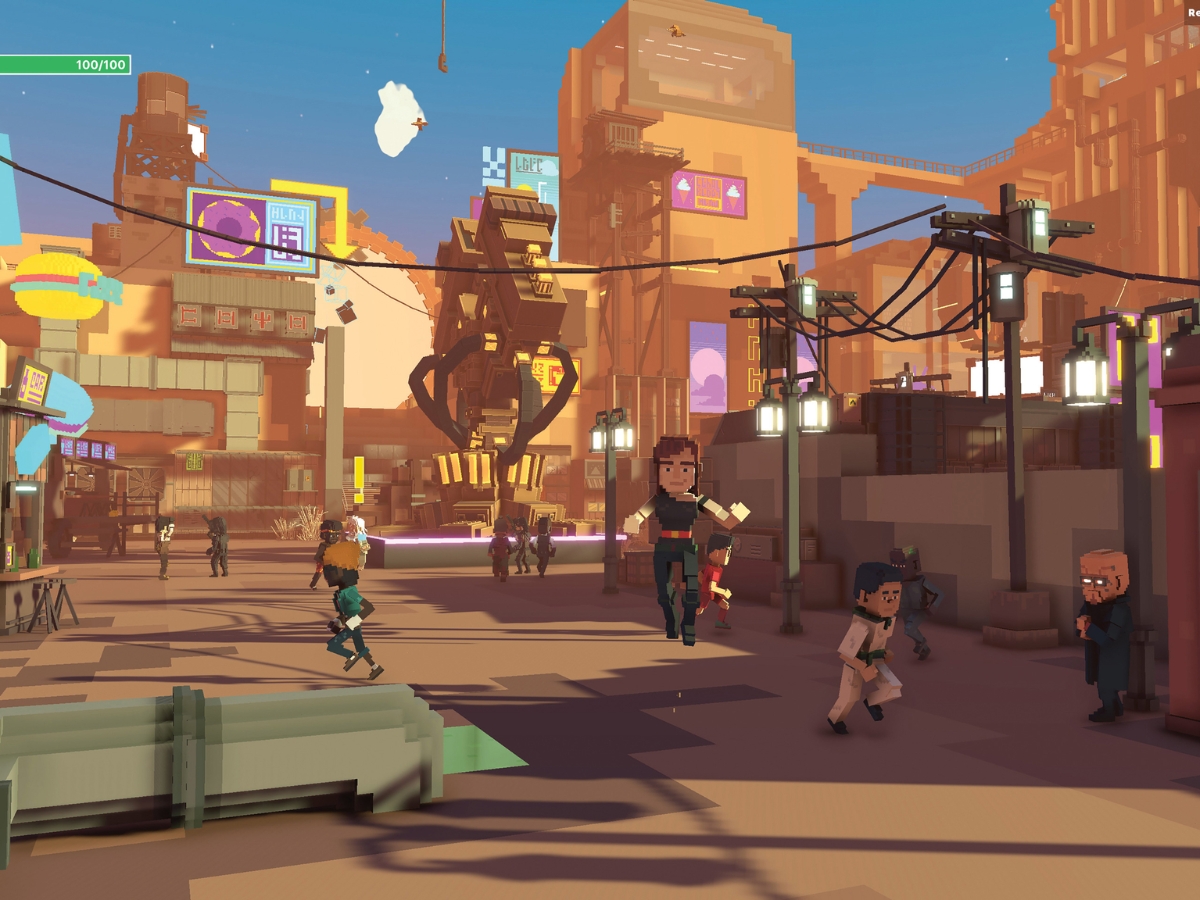
Virtual real estate refers to plots of land or digital spaces that exist within the Metaverse environment. (Source: Collected)
1.2. How does the Metaverse work?
Metaverse is understood as a digital space combining virtual reality (VR) technology, augmented reality (AR), blockchain, and artificial intelligence to create an online interactive environment similar to the real world. In this environment, users can socialize, work, shop, play games, or participate in events using representative characters (avatars).
Metaverse platforms often operate based on a digital economy, where digital assets have ownership confirmed through blockchain and NFTs. This allows users to trade, transfer, or exploit virtual assets similar to real-world economic models.
1.3. How to buy, sell, and own virtual land
To buy virtual land in the Metaverse, users typically need to create a digital wallet, own suitable cryptocurrency, and connect to Metaverse platforms or NFT marketplaces. After selecting a suitable plot of land, the transaction will be confirmed on the blockchain, and ownership will be stored as an NFT in the buyer's digital wallet.
Currently, the buying and selling of virtual land primarily takes place on platforms such as OpenSea, Decentraland, or The Sandbox. Owners can buy for investment, rent advertising space, host events, or build digital experiences within the Metaverse.
2. Why did virtual real estate once create a "craze"?
The rapid development of digital technology and the online economy once made Metaverse virtual real estate a globally strong topic of interest. During the Metaverse boom, many virtual land plots were traded at very high prices due to expectations about the future development potential of the digital space.
2.1. The boom of blockchain technology and NFT
One of the factors creating the appeal of virtual real estate is the strong development of blockchain and NFT technology. This technology allows for transparent confirmation of ownership of digital assets, enabling users to buy, sell, trade, or store virtual land just like real-world assets.
The popularity of NFTs during the 2021-2022 period contributed to the rapid development of the Metaverse market. Many investors view virtual land as a type of digital asset with the potential for strong price appreciation along with the development of the digital economy.

The explosion of blockchain technology has driven the development of virtual real estate. (Source: Collected)
2.2. Expectations for the Digital Economy in the Future
Besides technological factors, the virtual real estate market is also driven by the expectation that the Metaverse will become an important part of the future digital economy. Many people believe that online work, entertainment, shopping, and communication activities will increasingly develop in the digital space.
This leads many investors to expect the value of virtual land to increase with the expansion of the Metaverse and the number of participating users. Digital spaces considered as “prime locations” in the virtual world also recorded very high transaction prices during the market's vibrant period.
2.3. Participation of Major Brands and Large Investors
The participation of many major brands has contributed to creating a strong wave of interest in the future of virtual real estate in the Metaverse . Many technology, fashion, and entertainment corporations have invested in building stores, organizing events, or promoting brands on Metaverse platforms such as Decentraland and The Sandbox.
Besides businesses, many investment funds and famous individuals also participate in buying and selling virtual land with the expectation of pioneering new technology trends. This has caused the Metaverse market to experience a period of strong growth and attract significant attention from the global investment community.

The participation of major brands and investors drives the development of virtual real estate. (Source: Collected)
How will the future of Metaverse virtual real estate develop?
Although the virtual real estate market has cooled down after its boom period, many experts still believe that the future of Metaverse virtual real estate still has much potential for development thanks to technological advancements and the trend of shifting towards a digital economy. Instead of being purely speculative, the Metaverse in the future is expected to focus more on practical utility value and user experience.
3.1. Trend of combining virtual reality and digital commerce
One of the prominent trends in the Metaverse is the integration of virtual reality spaces with digital commerce activities. Many businesses are experimenting with virtual store models, digital showrooms, or product experience spaces within the Metaverse to reach customers in new ways.
The development of e-commerce and digital payments also facilitates the increasing popularity of buying and selling activities within the Metaverse. This is seen as a factor that can drive demand for digital spaces in the future.
3.2. Potential applications in entertainment, education, and business
Besides investment factors, Metaverse is also assessed to have great potential in the fields of entertainment, education, and online business. Many platforms currently allow organizing virtual concerts, exhibitions, conferences, or classes to create new interactive experiences for users.
In the future, businesses can use Metaverse as a working environment or for online brand promotion. This helps the future of Metaverse virtual real estate not only be associated with speculation but also expand to many more practical digital economic activities.
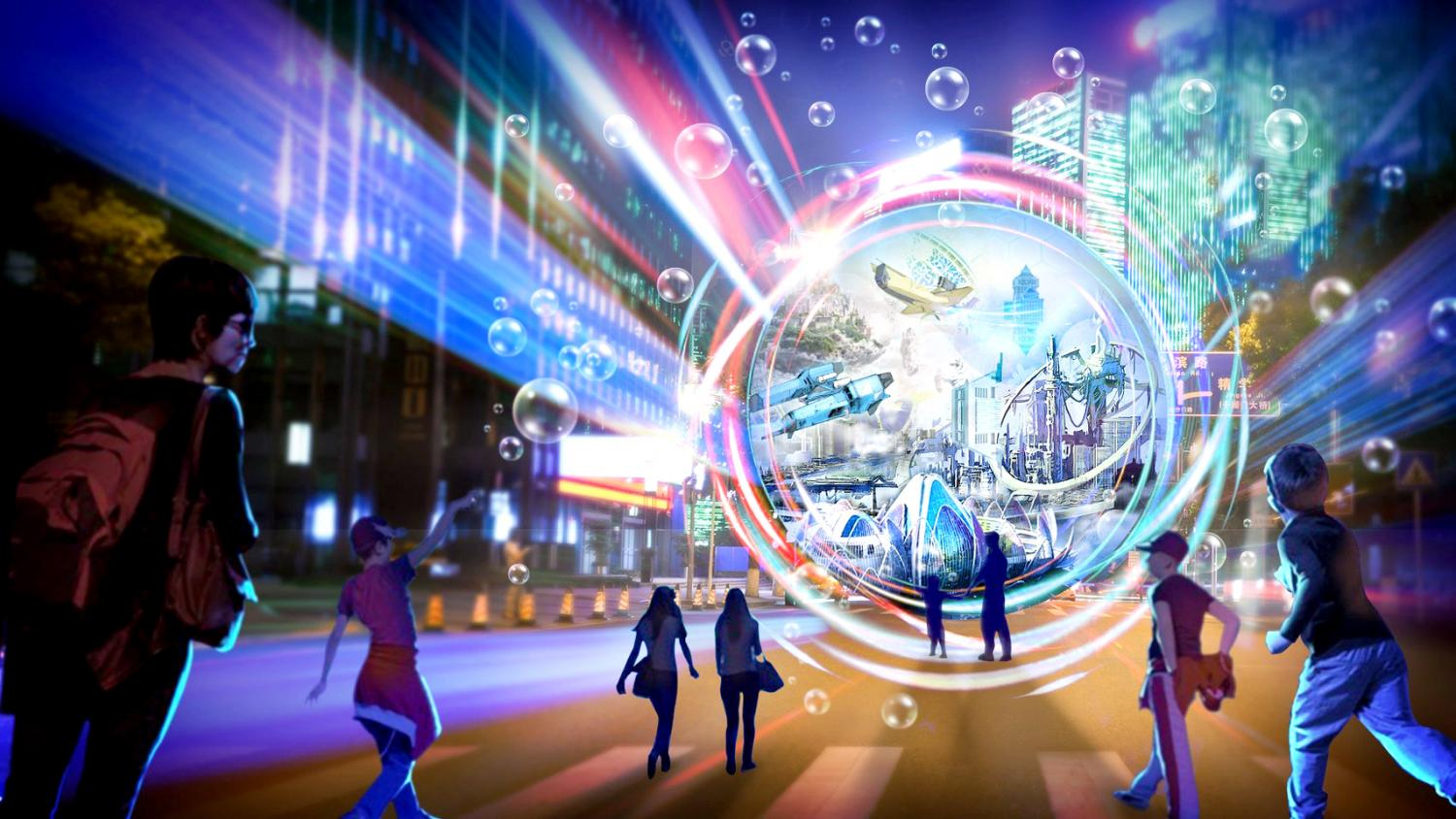
In the future, Metaverse virtual real estate still has the opportunity to expand into more real digital economic activities. (Source: Collected)
3.3. The role of AI, VR, and Web3 in the Metaverse
The development of Artificial Intelligence (AI), Virtual Reality (VR), and Web3 technology are seen as important foundations driving the future development of the Metaverse. AI can help personalize user experiences, while VR and AR support the creation of more immersive interactive spaces.
Besides that, Web3 and blockchain play a role in ensuring digital asset ownership and building a decentralized economy within the Metaverse. These are considered core technologies that help expand the application possibilities of virtual real estate across various fields.
4. Investment Opportunities in Metaverse Real Estate
Although the market is no longer booming as in the early stages, the future of Metaverse virtual real estate is still considered by many to have development potential thanks to the expansion of the digital economy and virtual reality technology. As online entertainment, commerce, and work activities become increasingly popular, the demand for digital spaces may also increase in the future.
Some investors view Metaverse virtual land as a type of digital asset with the potential for commercial exploitation through advertising, event organization, or the development of online experience spaces. Beyond the investment aspect, many businesses are also experimenting with building virtual stores, showrooms, or offices to reach users in new ways within the digital environment.
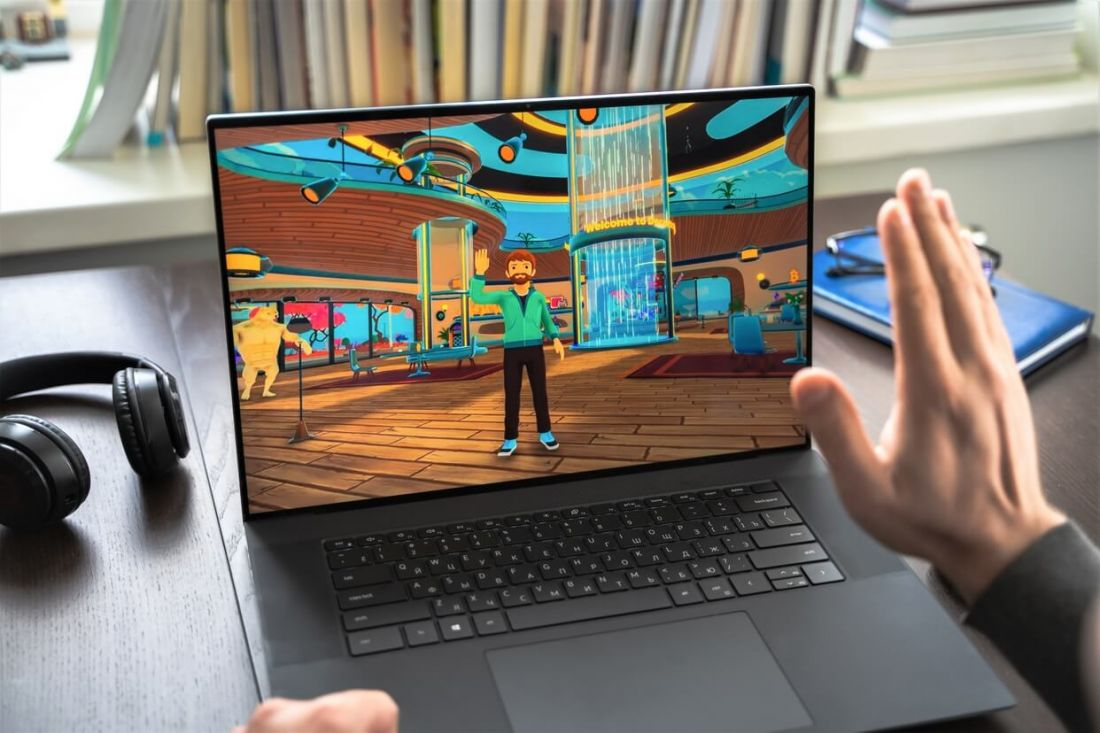
Investing in Metaverse real estate opens up profit potential in the rapidly growing digital space.
5. Risks of virtual real estate
Alongside development potential, the future of Metaverse virtual real estate also comes with many risks as this market is still quite new and highly volatile. The value of virtual land currently depends heavily on the platform's popularity, technological trends, and investor sentiment, so it can increase or decrease very rapidly in a short period.
Additionally, the legal status of virtual real estate in many countries remains unclear, while the risk of speculation or digital asset bubbles still exists. If the Metaverse platform loses users or no longer develops as expected, the value of virtual assets could also be significantly affected.
It can be seen that, the future of Metaverse virtual real estate still has much development potential thanks to the advancement of blockchain technology, AI, VR, and the digital economy. Although the market currently still has many fluctuations and risks, the Metaverse is expected to open up entirely new forms of experience, business, and asset ownership in the future. However, investors need to carefully consider the technology, legal aspects, and practical development capabilities of each platform before participating in this market.