


The most accurate way to check project construction density
How to check project construction density is an important step to help investors avoid risks when buying real estate. Not only does it affect living space, this index is also directly related to the project's legal status. The article below will guide you on how to check quickly, accurately, and in accordance with current regulations.

▲Table of Contents
1. Overview of how to check project construction density
1.1. Concept of construction density in real estate
Construction density is the ratio of the land area occupied by a construction to the total land plot area, usually expressed as a percentage and is an important indicator in planning. This index helps determine the land use level, thereby shaping living space, infrastructure, and the development potential of a project. In practice, construction density is divided into two main types: net density and gross density, each with its own calculation method and meaning.
Pure construction density only counts the built area of the construction on the land plot area, excluding technical infrastructure, while gross density includes elements such as internal roads, parks, and common amenities. Understanding these two concepts is the foundation for accurately and reasonably checking project construction density. In large urban areas, construction density usually ranges from 25% to 60% depending on the project type, directly affecting the overall planning.
1.2. Significance of checking project construction density
Checking construction density plays an important role for real estate buyers as it reflects the openness and quality of life in the project. A project with low construction density often allocates more area for greenery, amenities, and public spaces, thereby creating a more pleasant living environment. Conversely, high density can lead to overloaded infrastructure, lack of parking spaces, and a reduced daily living experience.
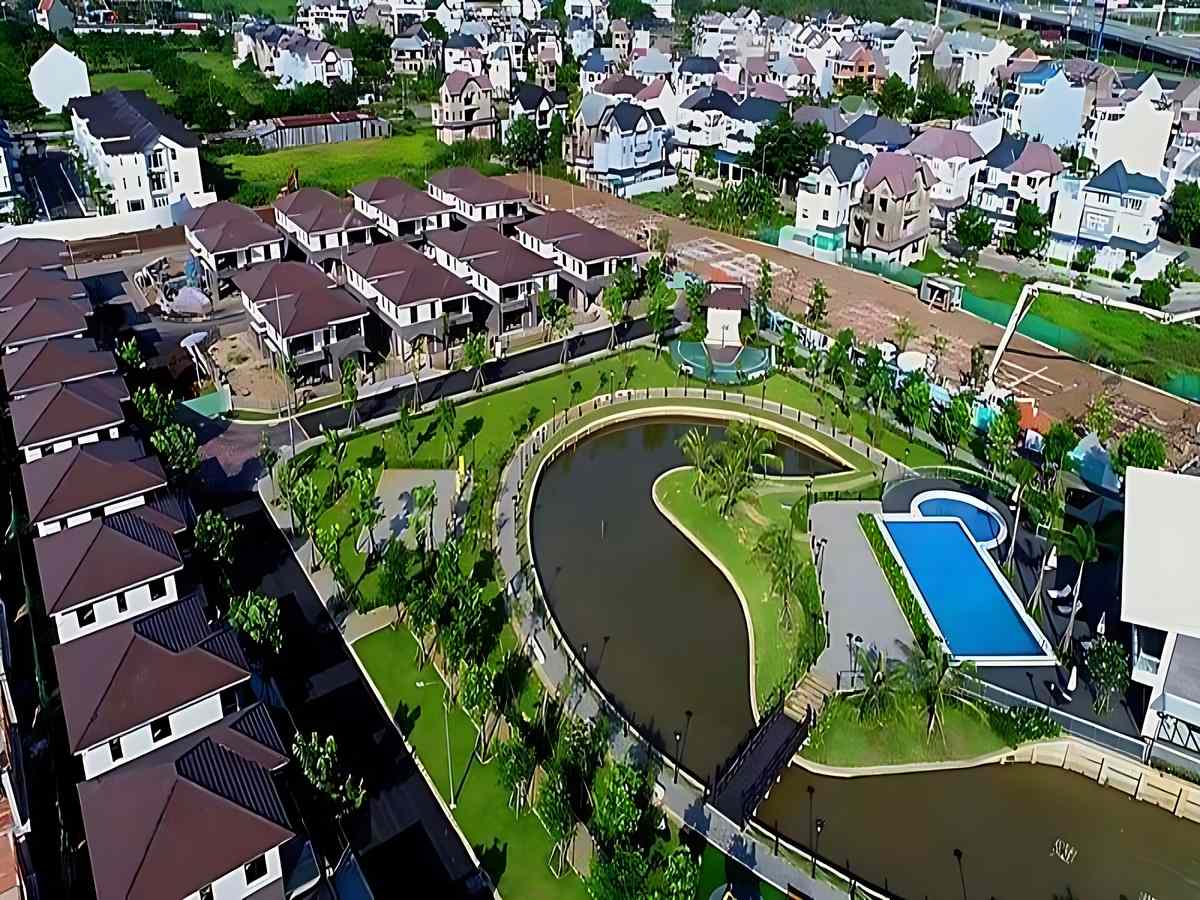
Low construction density ensures quality of life and sustainable investment value. (Source: Collected)
Besides living factors, construction density also affects the long-term investment value of real estate. Projects that are reasonably planned usually maintain stable value and have the potential for growth over time, especially in rapidly developing areas. Therefore, applying methods to check project construction density helps investors assess potential and limit risks when choosing products.
1.3. Common types of construction density in projects
In practice, construction density is classified according to each project type to suit the land use purpose. For individual houses, the density usually ranges from 60% to 90% depending on the plot area and planning zone. Apartment projects usually have lower densities, around 30% to 45%, to ensure common living spaces and amenities.
For urban areas and resorts, construction density is usually strictly controlled at a low level, from 20% to 35%, to create landscapes and a quality living environment. This difference helps buyers easily visualize the characteristics of each type and apply how to check project construction density suitable for investment or settlement goals.
2. Legal regulations related to project construction density
2.1. National technical regulations on construction planning
According to the latest technical standard system, especially QCVN 01:2025/BXD (and the latest consolidated documents up to 2026), indicators on construction density are strictly controlled to optimize urban green space. According to this standard, the maximum net construction density is determined based on building height and plot area. For example, for large-area plots for high-rise residential buildings, construction density is often more strictly limited to ensure social infrastructure and safe setbacks. Understanding this standard is the basis for inspecting project construction density in accordance with current law.
2.2. Regulations in current construction law
The Construction Law clearly stipulates the licensing process and supervision of construction density, and land use coefficients. Projects must comply with the approved detailed 1/500 planning; any deviation in density compared to the permit will lead to construction suspension and the inability to obtain completion and ownership of the work. This creates a transparent legal framework, helping to protect buyers' rights and control the sustainable development of the city.
The law also requires public disclosure of planning information so that people can access and check it before deciding to invest. As a result, the application to check project construction density becomes more transparent and helps limit inaccurate information in the real estate market.
2.3. Role of management agencies in controlling construction density
Management agencies such as the People's Committee (Uy Ban Nhan Dan), Department of Construction (So Xay Dung), and the urban management department play a crucial role in approving and monitoring the construction density of projects. Before implementation, the investor must submit detailed planning documents for review and licensing by the competent authorities. During the construction process, these agencies continue to inspect to ensure the project is carried out in accordance with the plan.
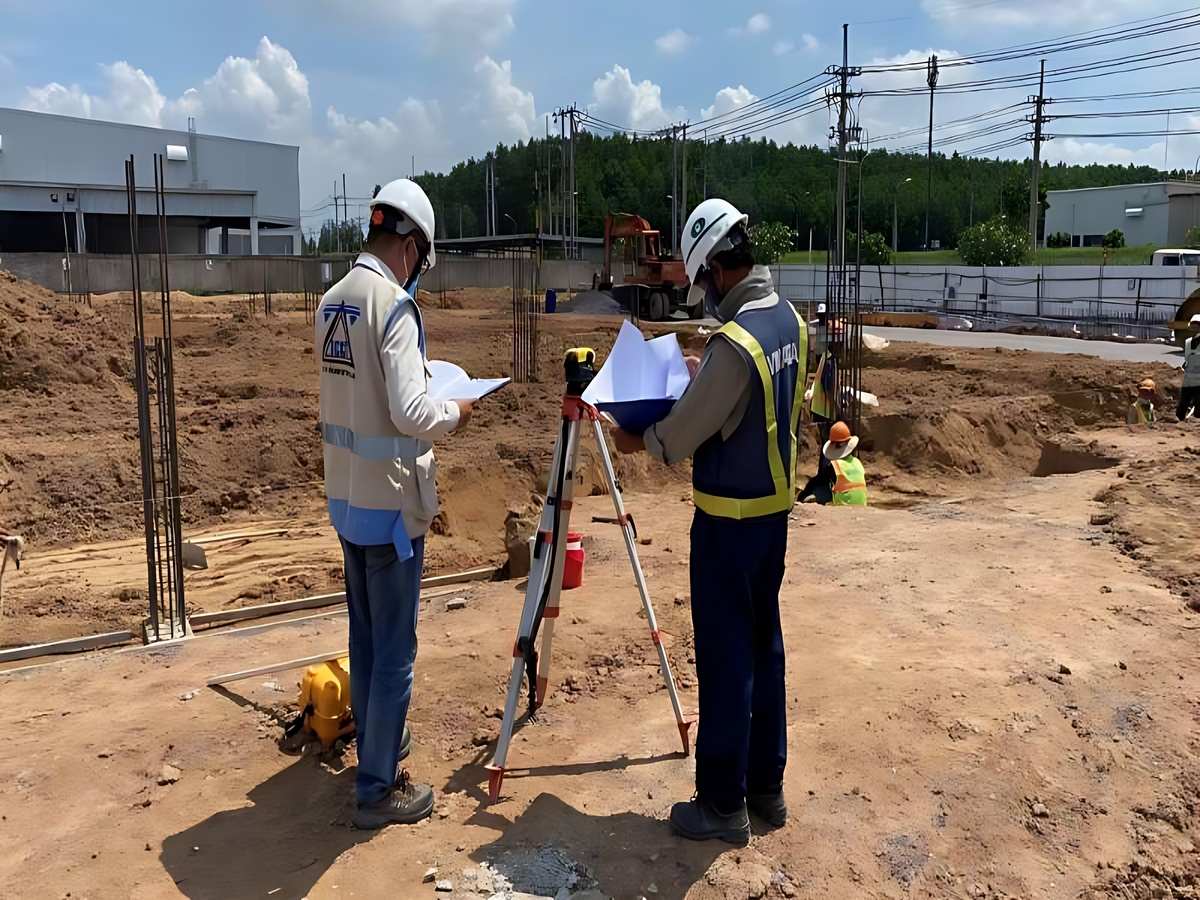
Authorities closely monitor to ensure the project complies with the correct construction density. (Source: Collected)
In addition, the management agency also receives feedback from the public and conducts inspections if signs of violation are detected. This contributes to ensuring transparency and creating conditions for buyers to apply methods for checking project construction density effectively and with clear legal grounds.
3. How to accurately check project construction density
3.1. Check in project legal documents
Legal documents are an important source of information that helps determine the construction density of the project. Documents such as the 1/500 planning decision, construction permit, and overall site plan clearly show the construction density indicators. Buyers need to carefully read these parameters to compare them with the advertising information from the investor.

Control construction density through legal documents, ensuring customer rights. (Source: Collected)
In the overall site plan drawing, construction density is usually expressed as a percentage along with specific areas. Understanding and analyzing these documents is the first step in how to check project construction density, helping to ensure transparent information before making a decision.
3.2. Information Lookup from State Agencies
Currently, buyers can easily look up planning information through the National Planning Information Portal or local digitized land data applications. This data is updated in real-time based on approved plans, including details on construction density and land use functions. This is the most authoritative source of information to reconfirm the investor's commitments, helping investors apply how to check project construction density quickly, accurately, and avoid potential legal risks.
3.3. On-site Verification
In addition to checking documents, buyers need to conduct on-site surveys of the project to assess construction density. Observing the distance between buildings, green space area, and public spaces helps identify land use intensity. High-density projects often have narrow distances between structures and limited open spaces. Comparing the reality with legal documents helps detect signs of deviation such as construction exceeding the area or lack of public amenities. This is an important step in how to check project construction density, especially for projects that have been or are being constructed.
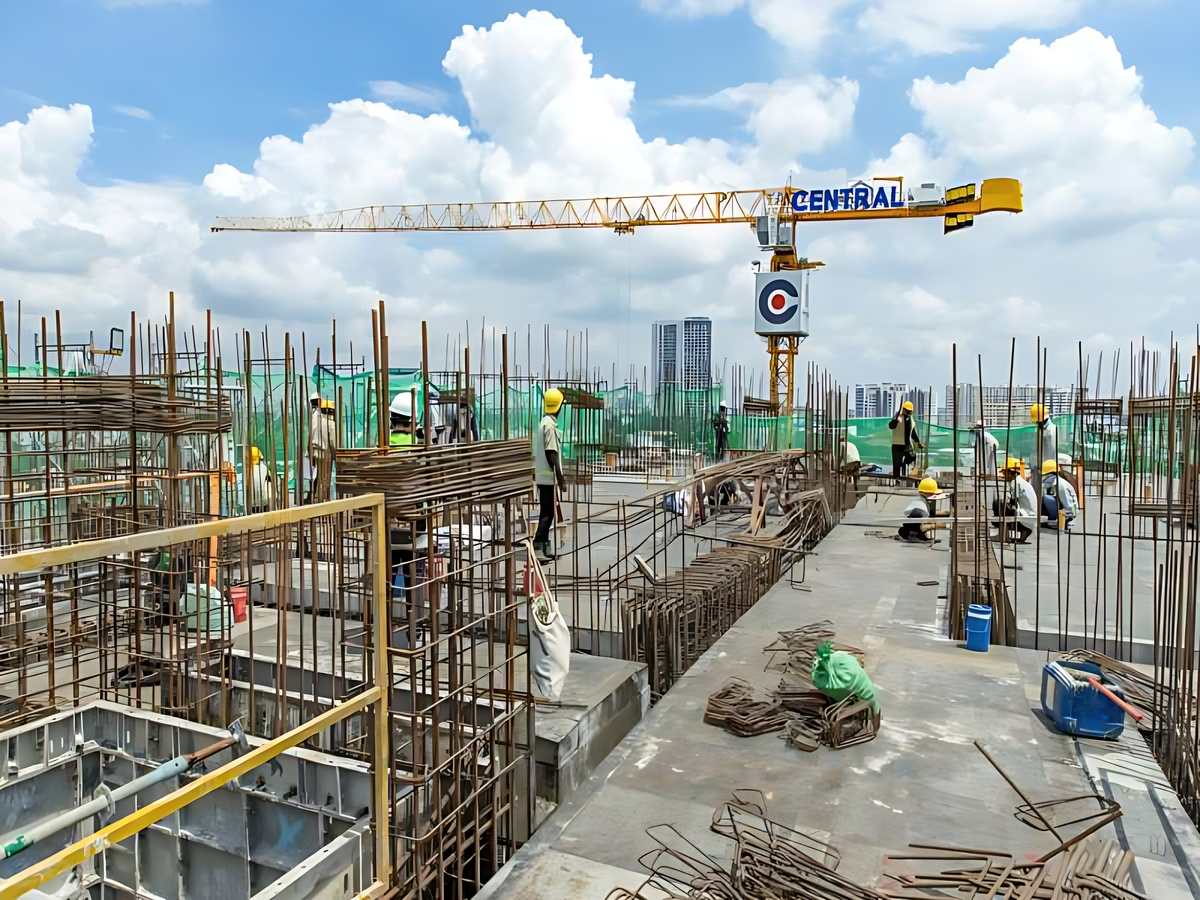
On-site survey helps legal verification, ensuring the project is built to the correct density. (Source: Compiled)
3.4. Engage a consulting unit or expert for inspection
In case the buyer has no experience, hiring a planning consultancy or a real estate lawyer is a reasonable solution. Experts can analyze the profile, assess the construction density, and provide an opinion on the project's suitability. This helps minimize risks and save time. Consultancy fees usually range from a few million VND depending on the project scale, but bring great value in terms of information and peace of mind. This is one of the effective methods for conducting an in-depth and accurate check of the project's construction density.
4. Experience in checking project construction density when investing
4.1. Recognizing projects with appropriate building density
A project is considered to have appropriate building density when it balances built-up area and amenity space. For condominiums, a density level of 30% to 40% is often considered suitable, ensuring enough space for greenery and infrastructure. Large-scale urban areas typically maintain a density below 35% to create a spacious living environment.
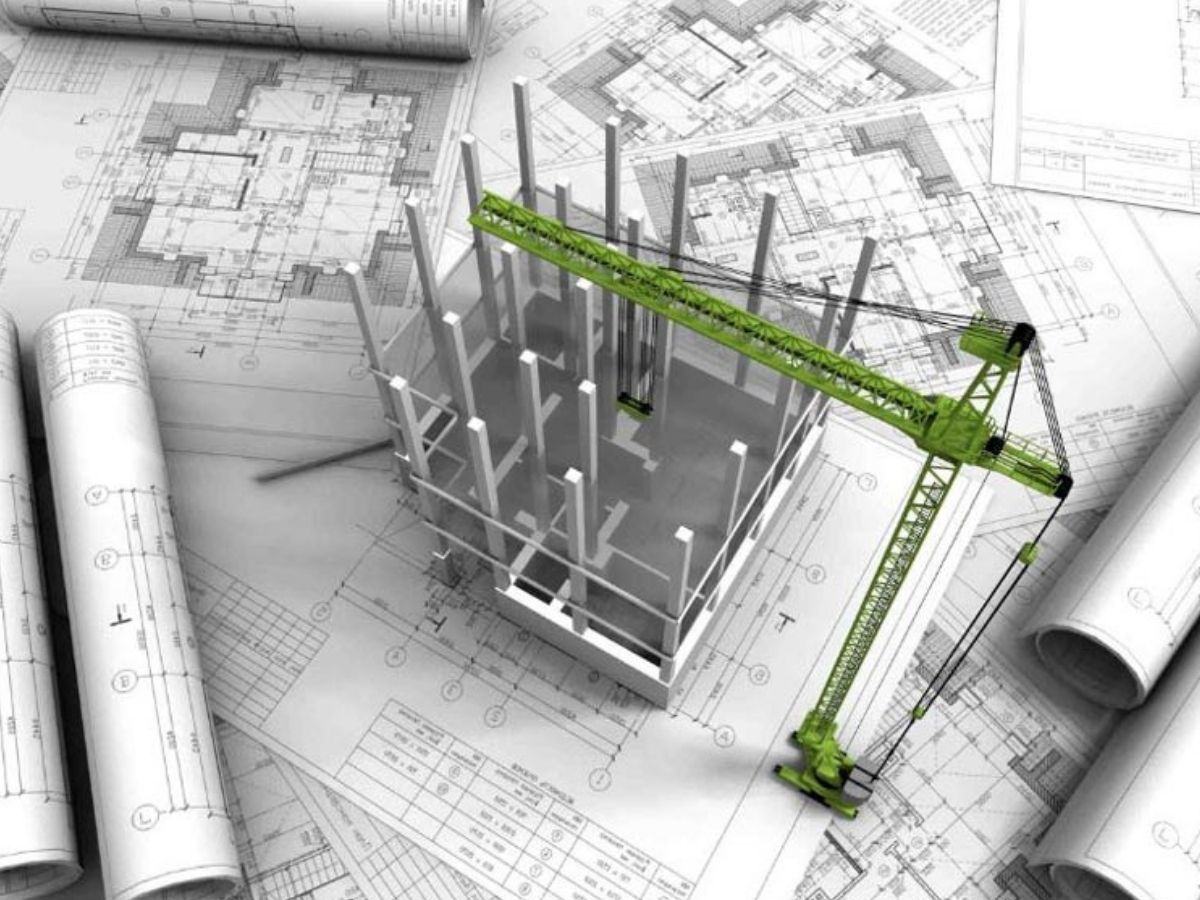
Low construction density helps optimize amenities and spacious living space. (Source: Collected)
This recognition helps buyers quickly assess projects without needing deep analysis. When combined with how to check project construction density , investors can determine the suitability of the product for usage needs or long-term investment.
4.2. Risks of not checking project construction density
If construction density is not checked, buyers may face many risks such as overloaded utilities, lack of living space, and reduced quality of life. High-density projects often lead to internal traffic congestion, insufficient parking, and pressure on infrastructure systems. This directly affects daily living experiences. Furthermore, unreasonable construction density can also reduce property value over time and lead to legal disputes. Overlooking how to check project construction density makes it difficult for investors to control risks and may cause difficulties in property transfer.
4.3. Important notes before investing
Before deciding to invest, buyers need to fully check factors such as construction density, land use coefficient, and infrastructure planning. Combining multiple indicators helps to assess the overall project and avoid information discrepancies. Additionally, it is advisable to compare with projects in the same area for an objective perspective. The checklist should include legal documents, planning information, and on-site surveys. Fully applying the method for checking project construction density will help buyers make more accurate decisions and limit risks in the real estate investment process.
How to check project construction density is not just a necessary skill but also a "shield" helping investors avoid potential risks. When clearly understanding legal regulations and knowing how to cross-reference information, you will be more proactive in choosing a suitable project, ensuring sustainable investment value over time.