


The route from Ho Chi Minh City to Vung Tau and its impact on real estate
The route shortening travel time from Ho Chi Minh City to Vung Tau is receiving much attention as a series of key infrastructure projects are being implemented. More convenient transportation connectivity not only boosts tourism but also creates strong growth momentum for the coastal real estate market.

▲Table of Contents
1. Why is the Ho Chi Minh City – Vung Tau connection of particular interest?
In recent years, the demand for travel between Ho Chi Minh City and Vung Tau has continuously increased due to the strong development of tourism, resorts, and the regional economy. With a not-too-distant distance and the advantage of beautiful beaches, Vung Tau is becoming a familiar destination for many tourists in the Southern region on weekends and short holidays.
1.1. High demand for weekend tourism and resort stays
Vung Tau has long been a familiar seaside tourist destination for Ho Chi Minh City residents thanks to its convenient travel time and developed service system. The trend of short-term resort stays, weekend travel, or owning a second home by the sea has also become increasingly popular in recent years.
Therefore, the routes shortening travel time from Ho Chi Minh City to Vung Tau are receiving much attention to help make the journey faster and more convenient. As connectivity infrastructure improves, tourist numbers to Vung Tau are expected to continue to grow strongly in the future.
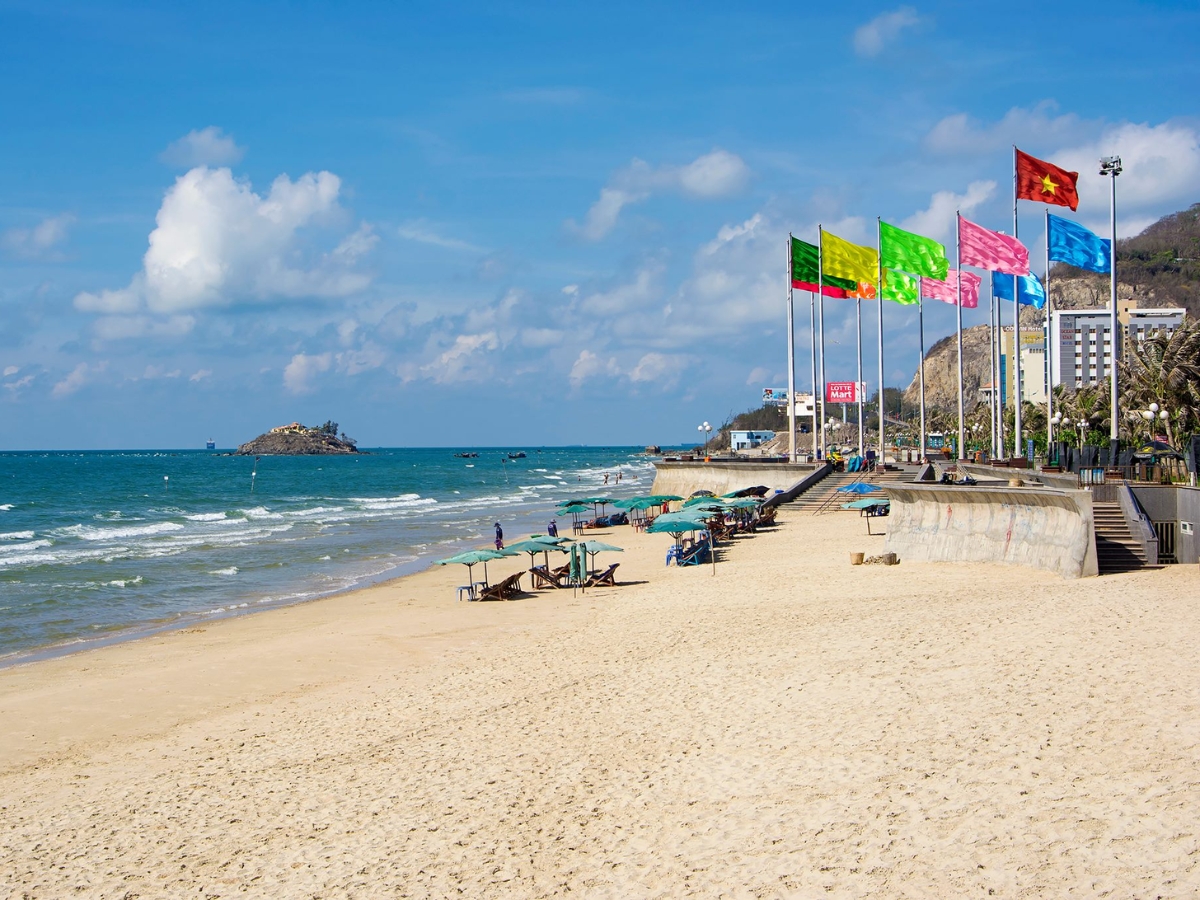
Vung Tau is a familiar seaside tourist destination for residents of Ho Chi Minh City. (Source: Collected)
1.2. Role of Vung Tau in the Southern economic region
Not only a coastal tourist center, Vung Tau also plays an important role in the economic development of the Southern region thanks to its advantages in seaports, logistics, and industry. This area concentrates many infrastructure projects, deep-water ports, and important international trade activities.
Strengthening connectivity between Ho Chi Minh City and Vung Tau not only serves tourism needs but also supports trade, goods transportation, and inter-regional economic development. This is also a factor contributing to increasing the investment attractiveness of this region in the coming time.
1.3. Traffic pressure on existing routes
Currently, National Highway 51 remains the main traffic route connecting Ho Chi Minh City with Vung Tau. However, the increasing volume of vehicles causes this route to frequently experience congestion, especially on weekends and holidays.
The growing traffic pressure is the reason why many new infrastructure projects are being implemented to enhance inter-regional connectivity. This is also the driving force behind the development of future expressways and modern transportation infrastructure.
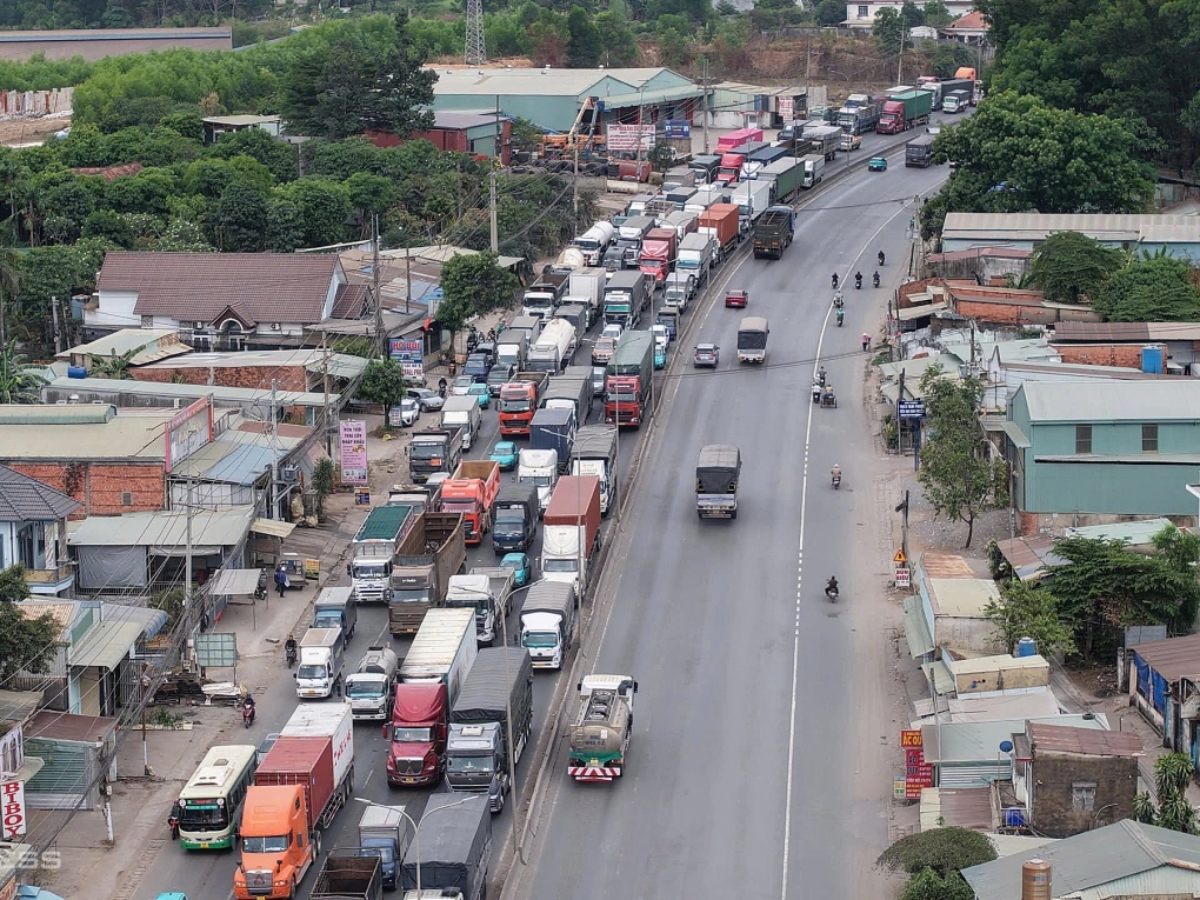
National Highway 51 frequently experiences overload and traffic jams for many hours. (Source: Collected)
2. The route helps shorten the time from Ho Chi Minh City to Vung Tau
Among the infrastructure projects being implemented, the Bien Hoa – Vung Tau expressway is considered an important route helping to increase connectivity between Ho Chi Minh City and the Vung Tau coastal area. The expressway has a length of nearly 54 km, directly connecting to the Ho Chi Minh City – Long Thanh – Dau Giay expressway and passing through Dong Nai, Ba Ria – Vung Tau. Upon completion, this route is expected to significantly reduce the load on National Highway 51 – a traffic route that is currently frequently congested on weekends and holidays.
According to many reviews, this will be one of the most notable time-saving routes from Ho Chi Minh City to Vung Tau in the coming time, as it can help reduce the journey from the center of Ho Chi Minh City to Vung Tau to just over 1 hour of travel. The continuous improvement of inter-regional infrastructure not only promotes tourism and weekend getaways but also creates momentum for real estate, commerce, and logistics in the coastal areas to develop more strongly in the future.
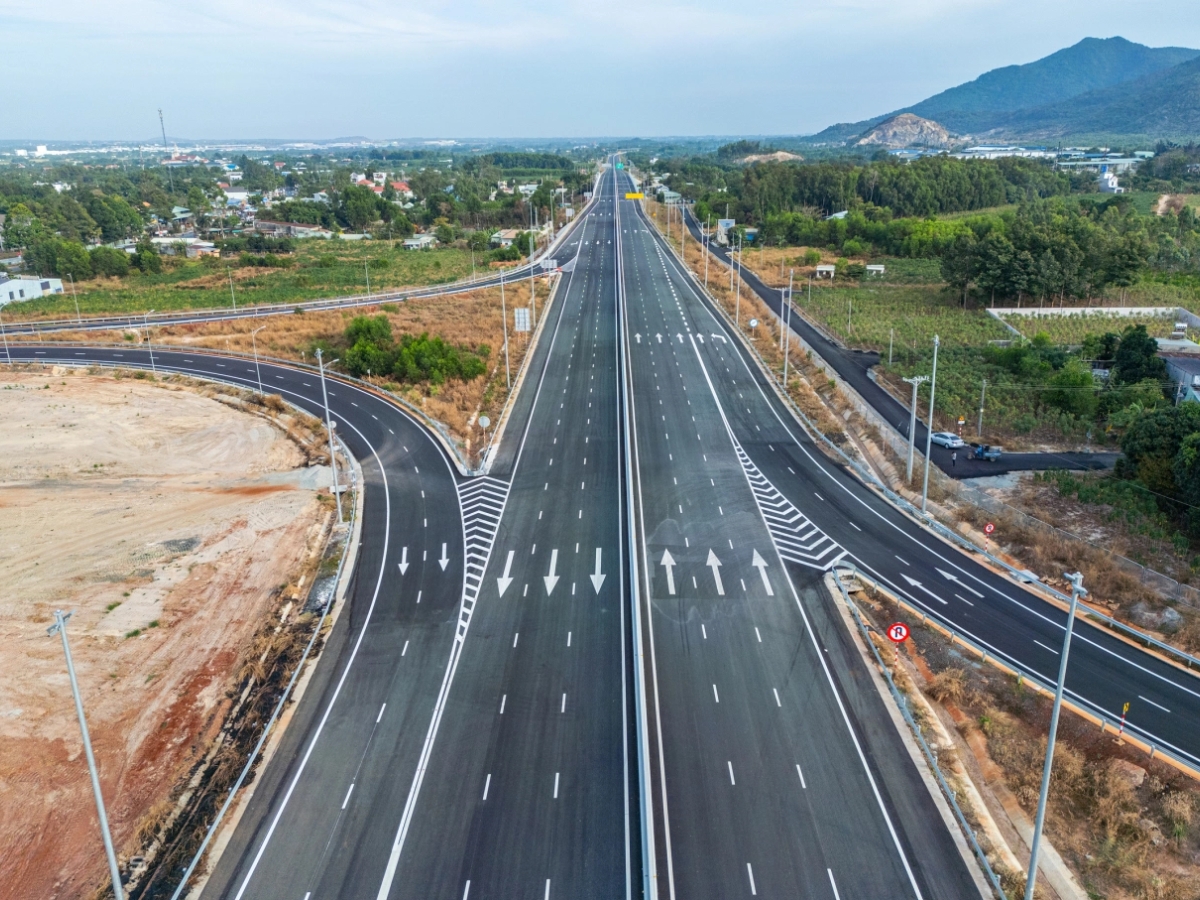
The Bien Hoa - Vung Tau Expressway significantly shortens travel time from Ho Chi Minh City to Vung Tau. (Source: Collected)
3. How does new transportation infrastructure affect real estate?
The emergence of new transportation routes is creating significant changes for the real estate market in the southern region, especially in Vung Tau and localities directly benefiting from the connecting infrastructure. As travel time from Ho Chi Minh City is shortened, the demand for resorts, investment, and coastal urban development also tends to increase sharply.
3.1. Increasing value of real estate along connecting routes
Transportation infrastructure has always been a factor with a significant impact on real estate value, especially in areas that directly benefit from new expressways and inter-regional roads. When connectivity improves, areas along transportation routes often strongly attract investment capital and urban development demand.
The emergence of routes shortening travel time from Ho Chi Minh City to Vung Tau is expected to help real estate in Vung Tau and surrounding areas increase their attractiveness in the coming time. This is also the reason why many investors are interested in coastal projects and urban areas directly benefiting from new infrastructure.
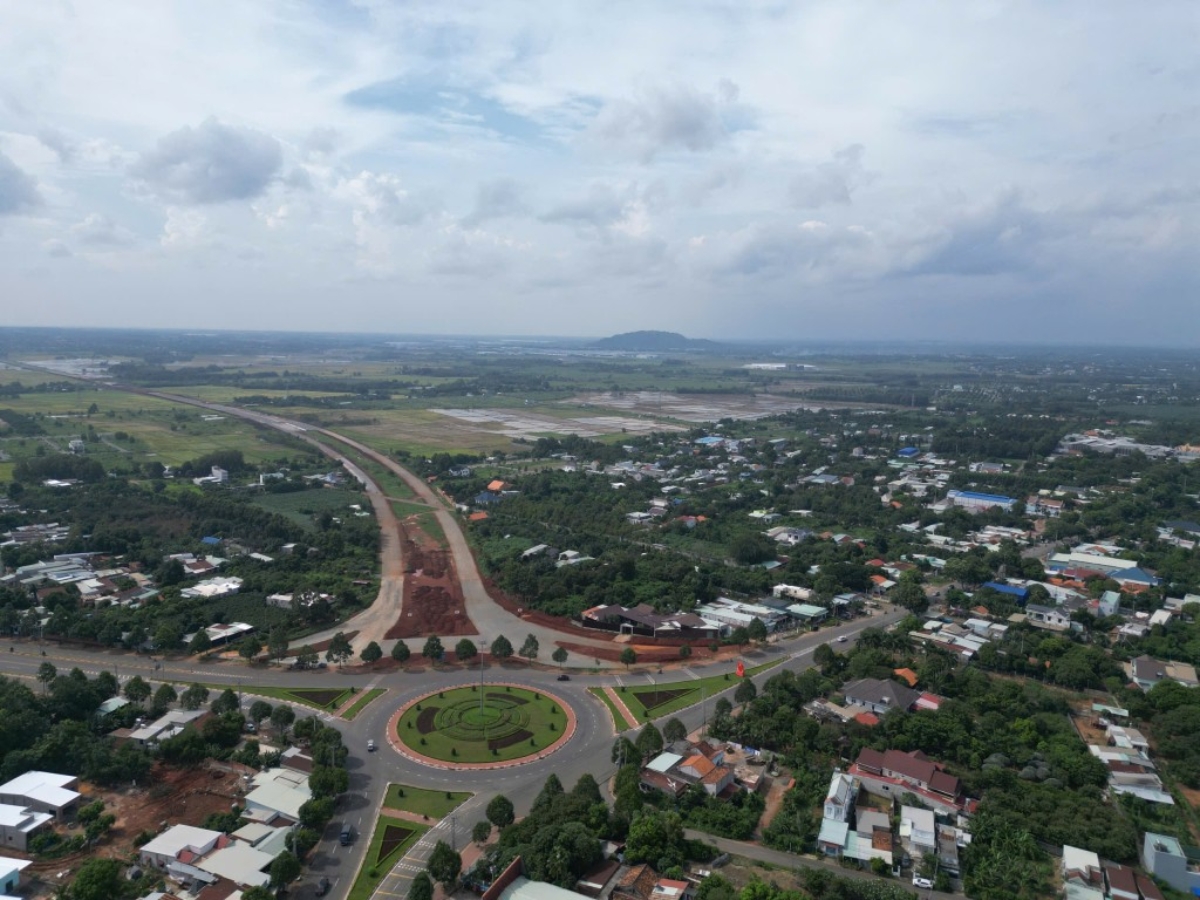
The Bien Hoa - Vung Tau Expressway significantly impacts real estate value. (Source: Compiled)
3.2. Promotes the coastal second home trend
As travel time between Ho Chi Minh City and Vung Tau is shortened, the trend of owning coastal second homes is becoming more popular. Many people currently prioritize choosing destinations that can be quickly reached on weekends for vacation or to combine with remote work.
This helps resort apartments, beachfront villas, and coastal townhouses see increased demand in the market. This is also a segment that is assessed to have great development potential in the context of increasingly improving connectivity infrastructure.
3.3. Increasing demand for weekend resort investment
Vung Tau has long been a familiar destination for tourists in the Southern region thanks to the advantage of being close to Ho Chi Minh City and possessing a developed coastal tourism system. As transportation becomes more convenient, the demand for short trips and weekend getaways is forecast to continue to increase sharply.
This is seen as the driving force for the strong development of coastal resort and accommodation real estate projects in the coming time. Prominent among them is Blanca City – a model coastal urban area developed by Sun Property (a member of Sun Group) in the center of Vung Tau. The project has a scale of about 96.6 hectares, located on the 3 Thang 2 street axis and the bustling Bai Sau coastal area, planned according to an "all in one" model integrating living, resort, commercial, and entertainment spaces within a single complex.
Blanca City is developed with a large-scale utility system such as a private beach nearly 1 km long, a beach square, a beachfront commercial center, a high-class hotel, an internal park, and the Sun World Vung Tau entertainment complex. The project also offers diverse product types from beach apartments, shophouses, townhouses to resort villas, suitable for both settlement, resort, and accommodation exploitation needs. With the advantage of directly benefiting from inter-regional connecting infrastructure routes such as the Bien Hoa – Vung Tau expressway or Long Thanh airport in the future, Blanca City is considered one of the outstanding projects leading the trend of coastal resort in the South today.
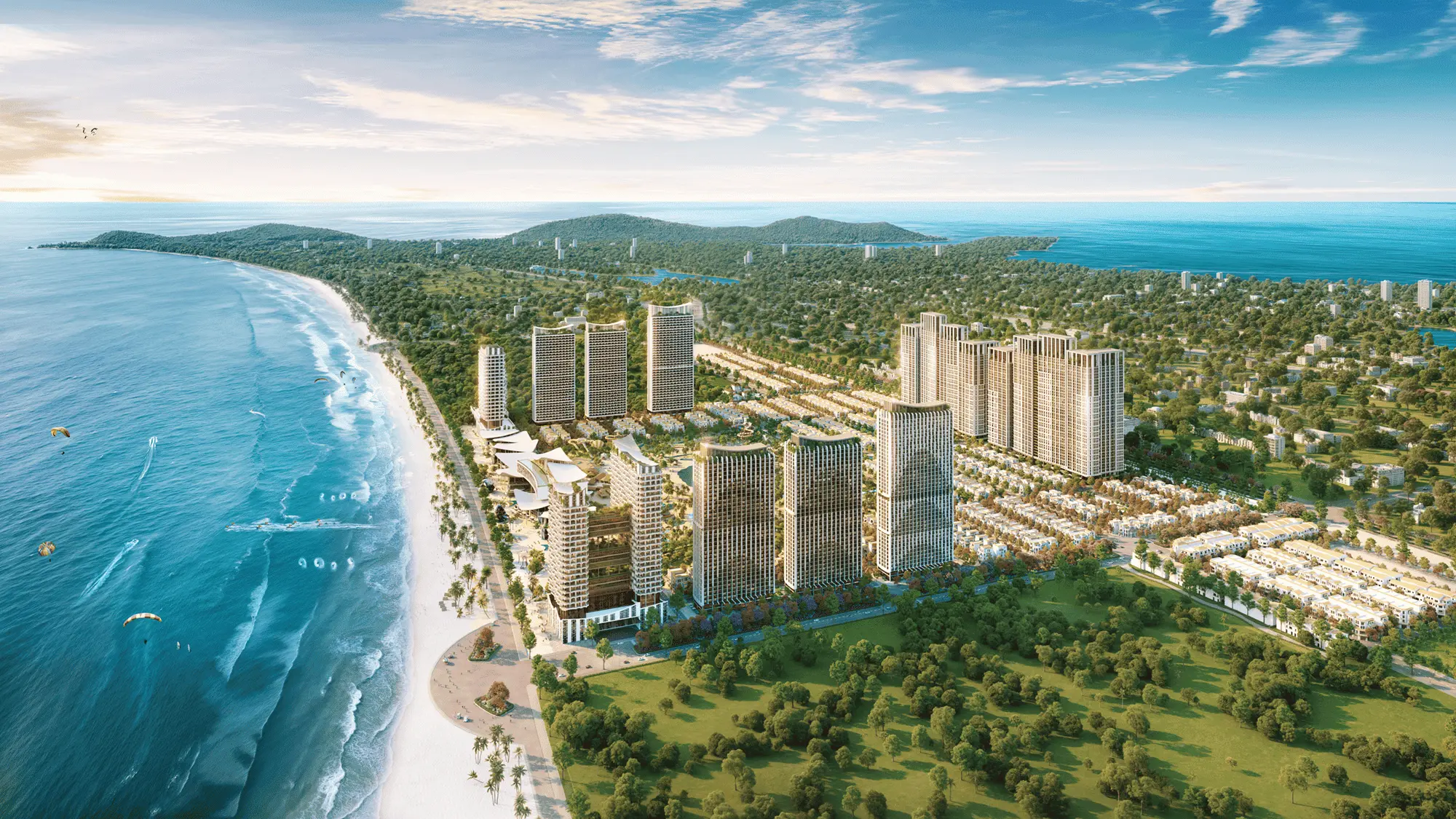
Blanca City is an all-in-one urban project being invested and built on a large scale. (Source: Compilation)
3.4. Formation of satellite cities and new service centers
New transport infrastructure not only boosts tourism but also expands urban development space in the suburban areas of Ho Chi Minh City and Ba Ria – Vung Tau. Many localities along expressways and connecting roads have the opportunity to develop into satellite cities, new commercial and service centers.
The migration of residents and investment capital to areas with favorable infrastructure will contribute to increasing demand for housing, commerce, and services. This is considered an important factor driving the long-term development of the regional real estate market.
Considerations when investing in new transport infrastructure
New transport infrastructure often creates many opportunities for the real estate market, however, not all areas can grow quickly or are suitable for short-term investment. To limit risks and optimize investment efficiency, investors need to carefully consider many factors before investing.
4.1. Check the actual implementation progress of the project
One of the important factors when investing based on infrastructure is to monitor the actual implementation progress of transportation routes. In many cases, planning information has been announced, but the construction or completion time lasts longer than expected.
Proper assessment of progress will help investors limit the risk of "stuck capital" for a long time. This is also an important factor when choosing areas that benefit from the routes that shorten the travel time from Ho Chi Minh City to Vung Tau in the future.
4.2. Avoid investing based on short-term "land fever" sentiment
Information about new infrastructure often causes land prices in many areas to increase sharply in a short time. However, investing based on crowd psychology or chasing a "land fever" can put investors at risk regarding liquidity and actual value.
Instead of just focusing on short-term price increases, investors should prioritize areas with clear potential for urban development, tourism, or genuine housing demand. This will be the foundation for real estate to maintain more sustainable value in the long term.
4.3. Prioritize areas with clear legal status
Legal status is always an important factor when choosing real estate for investment, especially in areas undergoing rapid development according to infrastructure plans. Investors should carefully check legal documents, land use plans, and long-term ownership possibilities before transacting.
Prioritizing projects that are well-developed, legally transparent, and have synchronized planning will help minimize risks during the investment process. This is also a factor that greatly affects the operational capability and liquidity of real estate in the future.
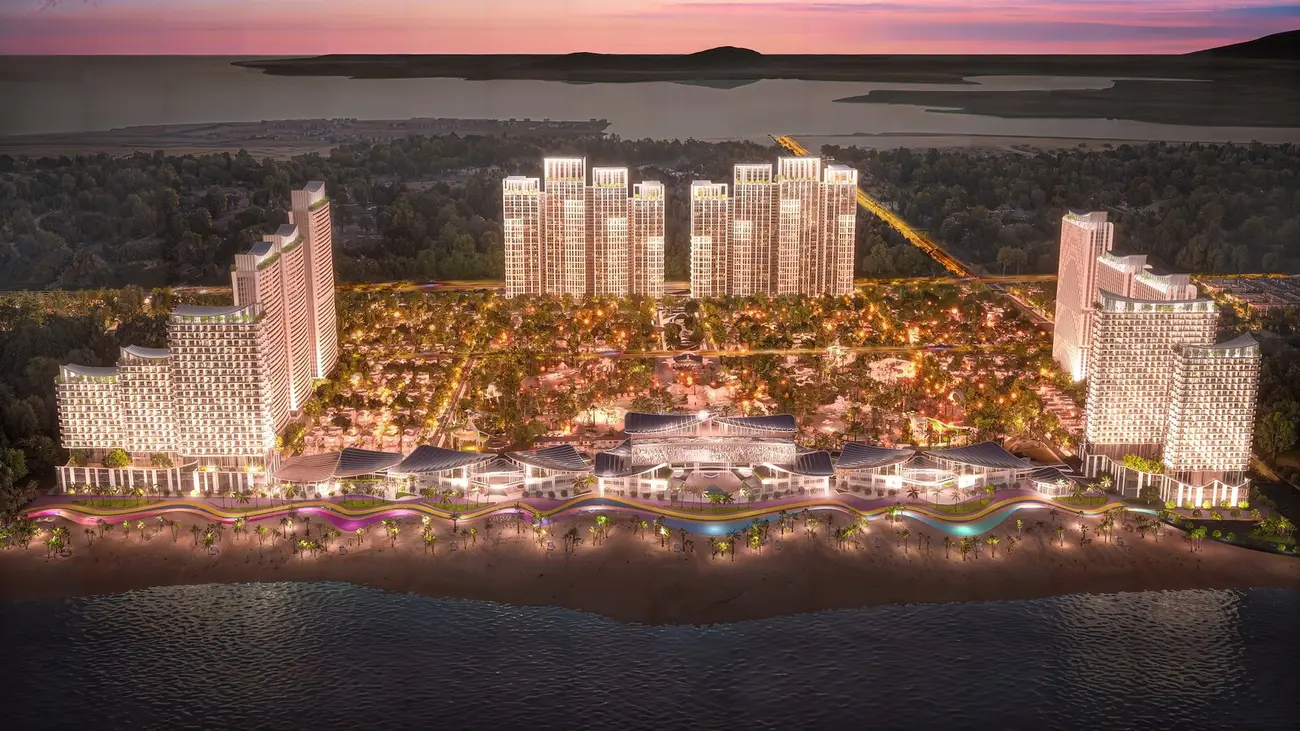
Investors should prioritize projects that are well-developed, legally transparent, and comprehensively planned. (Source: Collected)
4.4. Assessment of Long-Term Realization Potential
Besides infrastructure factors, investors also need to assess the long-term realization potential of real estate, such as demand for accommodation, business, or rental. Areas with stable tourist numbers, growing populations, or developing commercial activities often have better exploitation potential.
Projects located in tourist centers or directly benefiting from new infrastructure are highly rated for their long-term potential. This is also why many coastal urban and resort projects in Vung Tau are currently receiving significant market attention.
It can be seen that, the routes shortening travel time from Ho Chi Minh City to Vung Tau are playing an important role in promoting regional connectivity, tourism development, and increasing the attractiveness of the coastal real estate market. As the expressway system and inter-regional infrastructure are increasingly completed, Vung Tau will not only become a more convenient resort destination for residents of Ho Chi Minh City but also open up many investment opportunities in coastal urban, resort, and commercial service projects in the future.