


Things to know about commercial lease agreements
In business operations, clearly understanding a lease agreement for premises is an important factor that helps limit risks and avoid unnecessary disputes. A well-drafted contract will clearly define the rights and obligations between the parties, while ensuring the leasing process takes place transparently, stably, and long-term.

▲Table of Contents
1. Nature and role of commercial lease agreements in business
1.1. Identifying commercial lease agreements in practice
Commercial Lease Agreement is an agreement between parties, whereby the lessor grants the right to use the constructed floor area or land use rights to the lessee for a specified period. This activity is currently strictly regulated by the Law on Real Estate Business No. 29/2023/QH15 and the Civil Code 2015. The contract content must clearly establish the purpose of use, maintenance conditions, and the right to exploit assets attached to the land. The signing must ensure the conditions regarding the civil act capacity of the parties and the legality of the leased property according to current regulations.

Lease agreement for premises establishes usage rights and financial obligations. (Source: Collected)
In essence, this contract belongs to the group of civil contracts but its subject matter is real estate, so it is often associated with strict regulations on ownership rights and asset exploitation in practice. The terms in the contract help clearly define the scope of use, maintenance responsibilities, and the financial obligations of the lessee throughout the period of using the premises. The establishment of a clear contract contributes to ensuring transparency and limiting disputes in business operations.
1.2. Clarifying the role of the contract in the operation of leasing premises
Lease Agreement serves as the legal basis for establishing the rights and obligations between the lessor and the lessee in business operations, thereby creating a clear foundation for the use of the property. Through the contract, terms regarding rental price, duration, and usage rights are specifically stipulated to ensure transparency in transactions. This also serves as an important basis for resolving disputes arising from the use of the premises.
In practice, contracts help limit risks when parties have previously agreed on responsibilities and benefits during the process of renting premises. Clearly defined terms contribute to stabilizing business operations and avoiding arising conflicts. At the same time, contracts also support competent authorities in resolving disputes when necessary.
1.3. Summary of common types of premises rental contracts today
Commercial Lease Agreement are currently classified based on lease term, purpose of use, and form of agreement to suit diverse needs in business operations. Popular types include short-term contracts for temporary business and long-term contracts for stable, long-term operations. Additionally, there are contracts for specific purposes such as opening a store, office, or warehouse.
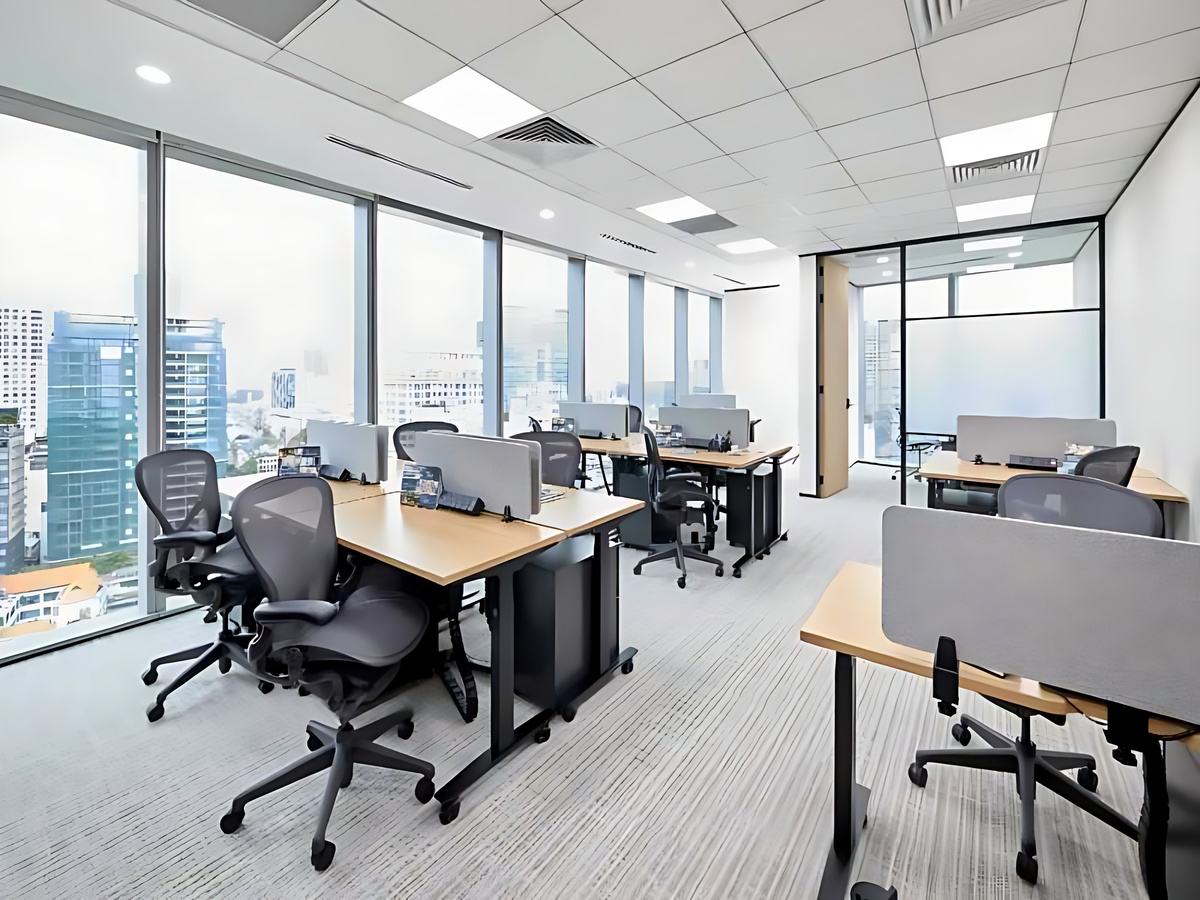
Types of commercial space rental contracts vary by purpose and duration. (Source: Collected)
Classifying contracts helps parties choose the appropriate form according to their usage needs and business plans in each specific phase. Each type of contract will have its own terms related to duration, costs, and the right to exploit the commercial space. In practice, choosing the right type of contract contributes to improving the efficiency of using leased assets.
Key terms to include in a commercial space rental contract
Identifying party information and detailed description of the leased commercial space
The contract must fully present the legal information of the lessor and the lessee. This helps to clearly identify the participating parties and ensure transparency in the transaction. Inaccurate information can lead to serious legal risks. In addition, the description of the premises must clearly state the area, location, and current condition. These details help the lessee accurately visualize the property they are using.
2.2. Clear regulations on rental price, deposit, and payment methods
Lease Agreement should clearly stipulate the rental price, deposit, and payment methods to ensure transparency in financial obligations between the parties involved in the transaction. The rental price can be determined monthly or annually depending on the agreement and the characteristics of the business operation. The deposit is usually used to guarantee the fulfillment of contractual obligations.
Payment methods need to be specified, such as cash payment or bank transfer, for convenient cash flow control and to limit arising disputes. Payment timing also needs to be clearly defined to ensure stability during contract execution. In practice, financial disputes often relate to the failure to specify these terms in detail.
2.3. Establishing rental period and defining specific rights and obligations
During the lease period, the parties must comply with the agreed obligations to avoid unnecessary contract breaches or disputes. If one party fails to fulfill its obligations properly, the other party has the right to apply legal remedies. Clearly defining rights and obligations helps limit practical risks.

The lease term and the obligations of the parties must be clearly adhered to. (Source: Compiled)
2.4. Develop transparent contract termination and breach resolution clauses
The contract must detail the grounds for termination according to Article 30 of the 2023 Real Estate Business Law, including the tenant's delay in paying rent beyond the agreed deadline or using the premises for unauthorized purposes. Notably, new regulations require the party unilaterally terminating the contract to notify the other party in writing within a specified period (usually 30 days if otherwise agreed). The parties need to specify the penalty for breach (not exceeding 8% of the value of the breached obligation according to the Commercial Law) and liability for damages to have a basis for resolution when disputes arise.
3. Key considerations when signing a lease agreement for premises
3.1. Proactively check the legal status and leasing rights of the owner
Before signing, the lessee should request the lessor to provide the Certificate of Land Use Rights and Ownership of Assets Attached to Land according to the new template of Land Law No. 31/2024/QH15. Additionally, it is necessary to check if the premises are subject to mortgage, seizure, or belong to an area that has been notified for land recovery. Verifying information on the National Database on Population and Land Registration will help ensure the lessor is the legitimate owner, avoiding risks from illegal subleasing or assets involved in inheritance disputes.
3.2. Carefully review the entire contract before signing
Lease agreement for commercial space should be read carefully clause by clause before signing to ensure the contents are suitable for the lessee's actual needs and capabilities during business operations. Careful review helps detect unfavorable terms related to costs, duration, or legal liabilities. This is an important step to mitigate risks during contract execution.

Carefully reading contract terms helps mitigate risks when leasing space. (Source: Collected)
Terms related to termination rights, compensation, and financial obligations must be carefully reviewed to avoid disputes during contract execution. In many cases, failing to read the contract carefully leads to the acceptance of unsuitable terms. This can affect business efficiency and the tenant's rights.
Reviewing the contract also helps parties clearly understand their responsibilities throughout the lease period and limits unnecessary misunderstandings. When the terms are fully understood, the contract execution process will proceed more smoothly. This contributes to minimizing disputes that arise in practice.
3.3. Immediately clarify any costs incurred outside the contract
Lease agreement for commercial space should clearly stipulate incurred costs such as electricity, water, management fees, and repair costs to avoid disputes during the use of business premises. These costs need to be clearly defined regarding the responsibilities between the lessee and the lessor to ensure financial transparency. Clarifying costs helps stabilize business operations.
In practice, incurred costs are often the cause of disputes if not clearly stipulated in the contract from the outset. The parties need to agree in advance on payment methods and responsibilities to avoid misunderstandings. This helps ensure the process of using the premises proceeds stably and limits risks.
4. Practical tips to minimize risks when renting premises
4.1. Proactively store contracts and related documents completely
Rental agreements must be kept in original form along with related documents to serve as a legal basis in case of disputes during the rental transaction. Documents such as payment receipts and contract addendums need to be fully preserved for cross-referencing when necessary. Storing records helps parties proactively handle arising issues.
Document retention also supports legal procedures related to business operations and asset management during the lease period. Documents need to be scientifically organized for easy lookup when needed. Lack of records can cause difficulties in proving the legal rights of the parties in reality.
4.2. Negotiating flexible terms based on reality
Before signing, the tenant should proactively negotiate important terms. For example, the price, lease duration, or termination conditions. Additionally, it is advisable to propose terms that provide support in case of business difficulties. This helps reduce financial pressure when the market fluctuates.

Flexible negotiation of terms helps adapt and reduce risk. (Source: Collected)
Updating trends in commercial lease agreements in the modern context
Nowadays, many contracts have been digitized and signed online. This helps save time and increase convenience for the parties. This trend is becoming increasingly popular in the modern business environment. In addition, flexible rental models such as revenue sharing are also developing strongly. This form helps reduce initial costs for tenants, requiring careful consideration to ensure long-term benefits.
Understanding lease agreements for premises will help you be more proactive in your business process and minimize potential legal risks. A clear, transparent contract not only protects rights but also creates a stable foundation for business operations to develop sustainably in the long term.