


Understand what capital gains real estate is and how to invest effectively.
Not every investor needs monthly cash flow, many people choose the 'buy low, sell high' approach to optimize profits. Understanding what capital gains real estate is will help you seize opportunities for price appreciation and build a more effective investment strategy.

▲Table of Contents
1. Understanding Capital Gains Real Estate
1.1. Capital Gains Real Estate in Investment
In investment activities, what is capital gains real estate is understood as the difference between the initial purchase price and the selling price at the time of transaction, reflecting the asset's price increase over time in the market. This profit arises when real estate increases in value due to factors such as urban development, improvement of transportation infrastructure, or changes in actual demand in a specific area. Unlike investment types that generate periodic cash flow, capital gains do not provide income during the holding period but are only recognized when the asset is fully transferred.

Capital gains are the difference between buying and selling prices, reflecting an increase in real estate value. (Source: Compiled)
In reality in Vietnam, capital gains are often linked to growth cycles and the movement of investment capital between different regions according to specific economic development stages. When the market enters a period of adjustment or restructuring, asset values can fluctuate depending on capital absorption capacity and actual transaction demand from buyers. Changes in capital flow structure and investment behavior are gradually becoming important factors shaping the real estate price level in the current market context.
1.2. How capital gains are formed in the market
In the market, what is capital gains real estate is formed through the process of asset price appreciation due to factors such as urban planning, transportation infrastructure development, and changes in population distribution between areas. When an area receives infrastructure upgrades or new planning is announced, real estate prices often increase based on expectations of future development. Additionally, an imbalance between market supply and demand also creates pressure, causing real estate prices to rise in different phases.
Besides material factors, market sentiment and monetary policy also play an important role in forming and maintaining real estate price increase trends according to each cycle. Investors often react to interest rate fluctuations, credit, and macroeconomic information, thereby creating waves of price increases or widespread price adjustments. The interaction between economic factors and investor psychology makes the real estate market clearly cyclical and fluctuates at different times.
1.3. The role of capital gains in investment strategy
In investment strategy, what is capital gain real estate plays a key role as a primary source of profit, especially during market growth phases or recovery after extended correction periods. Investors can achieve short- or medium-term profits if they choose the right areas with development potential and the appropriate entry timing. This investment form is often suitable for those who can accept price volatility and monitor the market regularly.
2. Types of real estate with high capital gain potential
2.1. Land plots in development areas
In the land plot segment, capital gain potential in 2026 is linked to scarcity. According to the Real Estate Business Law No. 29/2023/QH15, the regulation prohibiting land subdivision and sale in cities of type I, II, and III has been strictly enforced, making the supply of project land plots limited. Therefore, current capital gains are strongly focused on land funds with red books in suburban areas, where transportation infrastructure connects directly to the urban core. Investors no longer expect artificial land price surges but focus on surplus value from the formation of actual residential clusters and the synchronization of technical infrastructure.

Scarcity of legal land plots drives capital gain potential in 2026. (Source: Compiled)
2.2. Real estate according to planning and infrastructure
For planned areas, what is capital gain real estate is linked to the price increase process according to the progress of implementing key infrastructure and transportation projects. When planning information is announced, real estate prices often increase due to expectations of future connectivity and economic development of the area. However, this increase needs to be assessed based on the feasibility and actual implementation progress of the project.
In many cases, real estate prices can increase based on unverified information, leading to risks if investors enter at high prices. The market has previously seen situations of investment based on rumors, causing many people difficulties when projects are delayed or their planning is changed. Verifying information and monitoring actual progress are important factors in investment strategy.
2.3. Townhouses and apartments in large urban areas
In the current context, the trend of prioritizing products for actual living needs is becoming increasingly apparent, especially in large cities with rapid economic development. This helps maintain stable prices and minimize the risk of strong fluctuations compared to segments with high speculative nature. This segment is suitable for long-term investment strategies and asset value accumulation.
2.4. Real estate "riding market waves"
Currently, the market is showing a more cautious trend towards short-term speculative activities due to the impact of credit and interest rate policies. Investment capital tends to focus on products with real value and clear legal status instead of chasing short-term price surges. This changes the approach to the "riding the wave" strategy compared to the previous period.
3. Advantages and risks of capital gains investment
3.1. Advantages of the capital gains investment method
Regarding benefits, what is capital gain real estate shows the potential for significant profit if the investor chooses the right time to enter and an area with clear growth potential. Investors do not need to directly operate the asset, such as renting it out, thus reducing management costs and time spent monitoring operations. Additionally, using reasonable financial leverage can help increase investment efficiency during favorable market periods.

Real estate capital gains provide returns from price appreciation over time. (Source: Compiled)
In the long term, real estate is still considered a popular asset accumulation channel thanks to its ability to appreciate in value along with urbanization and economic development. Asset value tends to increase over time if associated with areas with complete infrastructure and high actual demand. This helps maintain the appeal of capital gains investment across various market phases.
3.2. Risks to note
Capital investment in 2026 requires special caution with leverage. Although interest rates have stabilized more than in the previous period, the Land Law No. 31/2024/QH15 applying land prices close to market prices has increased input costs (taxes, land use conversion fees). This indirectly extends the breakeven period for investors. The risk of "tied-up capital" is real if the project encounters obstacles in infrastructure acceptance procedures or does not meet sufficient business conditions according to new regulations, making assets difficult to liquidate quickly even though theoretically prices still increase.
3.3. Comparison with cash flow real estate
When comparing, what is capital gains real estate focuses on increasing asset value over time through the difference between the purchase price and the selling price upon transfer. Meanwhile, cash flow real estate aims to generate periodic income from rental activities or asset exploitation. These two forms have distinct differences in objectives and investment strategies.
In reality, many investors choose to combine both forms to balance profits and stable cash flow in the long-term investment process. Combining them helps reduce risks when the market fluctuates and optimizes capital utilization efficiency in various stages. This reflects the trend of diversifying investment strategies in the current market.
3.4. Current Trends in Capital Gains Investment
In the current period, what is capital gain real estate is changing more cautiously as the market is influenced by credit policies and interest rate environments. Investors are limiting themselves from chasing price surges and prioritizing areas with real development foundations and clear usage needs. This helps minimize risks and increase market stability.
4. Effective capital gain real estate investment experience
4.1. Choosing the right time to buy
Understanding what is capital gain real estate helps investors determine the appropriate time to buy, especially when the market is in a period of adjustment or cooling down. Buying assets at a stage when prices have not yet risen sharply helps create profit potential when the market recovers in the future. Conversely, buying at the peak price can reduce investment efficiency and prolong the time to recover capital.
The real estate market moves in cycles and is influenced by many macroeconomic factors such as interest rates and credit policies. Monitoring these indicators helps investors identify suitable phases to enter the market. This contributes to limiting risks and enhancing investment efficiency.
4.2. Assessing the Area's Growth Potential
To effectively leverage what is capital gains real estate, assessing the area's growth potential is a crucial factor in the investment process. Factors such as infrastructure planning, population density, and the ability to attract investment capital directly impact asset value. A comprehensive analysis helps in making more accurate investment decisions.
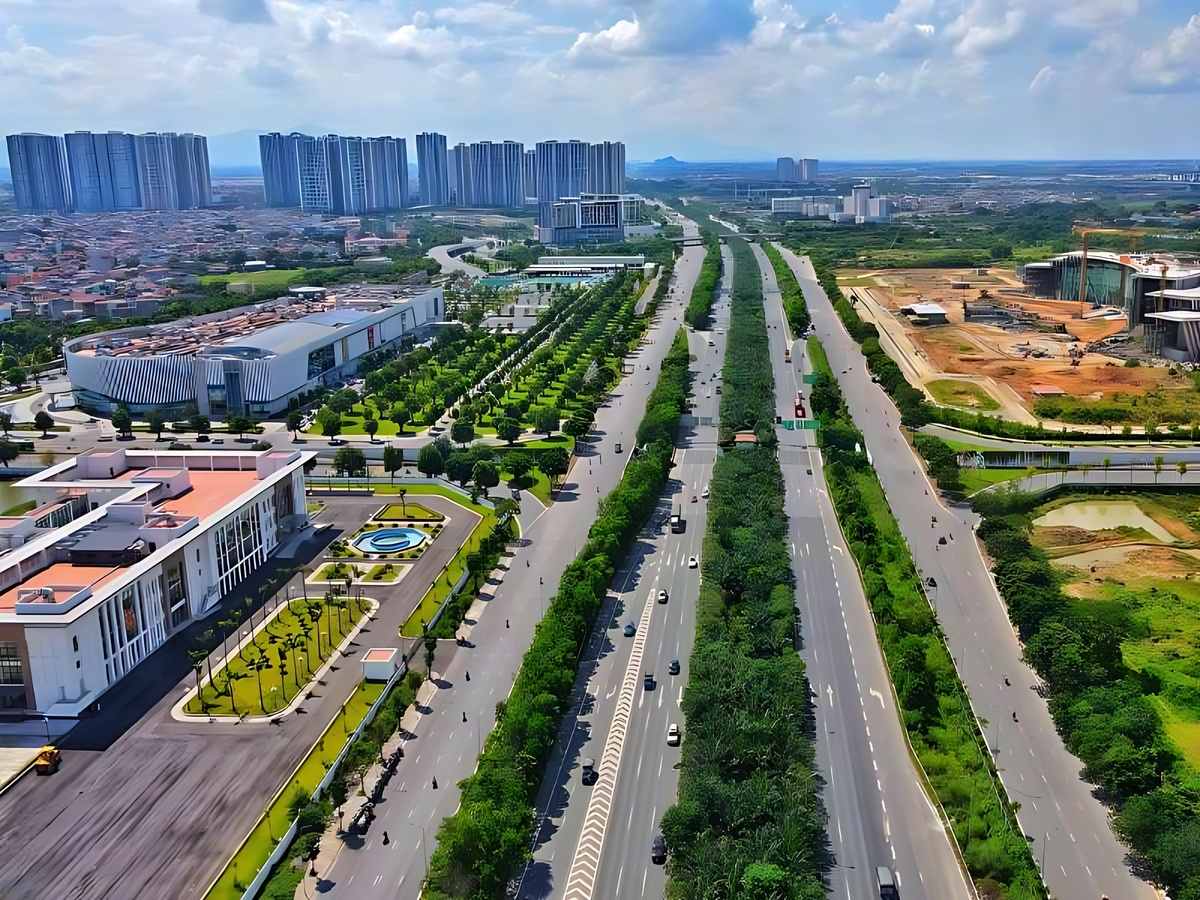
Infrastructure and planning assessment helps optimize real estate capital gains. (Source: Collected)
In the current context, areas with synchronized infrastructure and clear legal frameworks tend to attract better cash flow compared to unfinished areas. This helps maintain price appreciation potential and stable liquidity in the long term. Choosing the right area helps optimize investment returns.
4.3. Optimal exit strategy for maximizing profit
Many investors struggle to identify the right selling time, leading to missed opportunities or reduced long-term investment efficiency. Monitoring liquidity and market demand helps make more appropriate decisions at each stage. This ensures a smooth exit process.
4.4. Legal considerations and risk management
In 2026, project legalities are defined by the transparency of the national data system. Investors need to verify the authenticity of assets through the land database according to Land Law No. 31/2024/QH15. A safe project for capital investment must meet 3 criteria: (1) Has fulfilled financial obligations related to land; (2) Has a construction permit or is eligible for capital mobilization according to a document from the Department of Construction; (3) Is not subject to unfavorable local planning adjustments. Compliance with regulations not only helps preserve capital but also guarantees the sustainable price appreciation of real estate.
Understanding capital gains real estate is will help you clearly understand how to profit from asset appreciation. When combined with the right timing and suitable strategies, this remains an attractive investment channel for those who want to maximize profits in the real estate market.